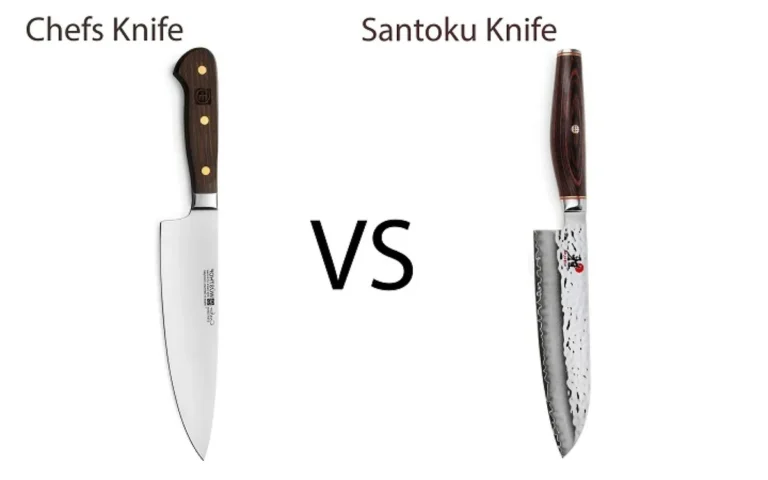
How to Clean a Kitchen Knife
Think about your kitchen knife. It’s probably one of the most used tools in your home, essential for everything from chopping vegetables to slicing bread. Giving it the right care, especially knowing exactly how to clean a kitchen knife, isn’t just about keeping it looking nice, it’s about maintaining its performance and ensuring food safety.
Improper cleaning can lead to dull blades, rust, and even bacteria buildup.
In our research, we found that many common mistakes are made daily, often without users realizing the damage they're causing. For instance, manufacturer specifications for high-quality knives often recommend hand washing, with some steel types, like high-carbon steel, requiring particular attention to drying to prevent corrosion. Let's break down the correct approach to keep your most trusted kitchen companion in prime condition.
Quick Answer
To clean a kitchen knife properly, always hand wash it with warm, soapy water. Use a soft sponge and avoid abrasive scrubbers. Rinse thoroughly and dry it immediately and completely with a soft cloth.
Store knives safely, blade-up or in a block, to prevent dulling and injury.
The Quick Scoop on Washing Kitchen Knives
When it comes to your kitchen knives, a little care goes a long way. The basic idea behind cleaning them is simple: get them clean without damaging the blade or handle, and then dry them completely. Most experts and manufacturers agree that the best method for ensuring the longevity and performance of your knives is simple hand washing.
It's the gentlest approach, letting you control the process and avoid harsh conditions that can degrade the materials.
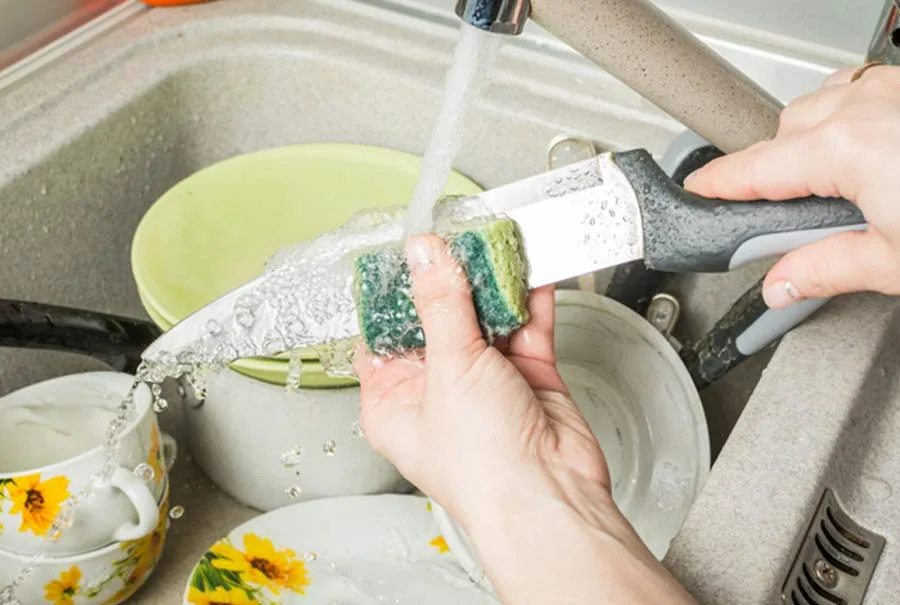
Image source: Bing (Web (fair-use with source credit))
Your Knife's Best Friend: Soap, Water, and a Gentle Hand
The core of proper knife cleaning revolves around a few key elements. You'll need:
- Dish soap: A standard liquid dish soap is perfect. It breaks down grease and food residue effectively.
- Warm water: Not hot, not cold, just comfortably warm. This helps lift grease without being harsh.
- A soft sponge or cloth: Crucially, avoid anything abrasive like steel wool or scouring pads, which can scratch the blade. A microfiber cloth or a soft-bristle brush also works well.
- A clean dish towel: For thorough drying. Microfiber towels are excellent because they absorb a lot of water quickly and are non-abrasive.
The process itself is straightforward, but the technique and attention to detail are what make the difference between a knife that lasts for years and one that degrades quickly.
Step-by-Step: The Right Way to Hand Wash Your Kitchen Knives
Taking care of your knives doesn't require a degree in metallurgy; it just needs a mindful approach. Here’s how to do it right, step by step.
Washing Your Blade Like a Pro
First things first: never leave your knives soaking in the sink. This is a recipe for rust, especially for carbon steel blades, and it's also a major safety hazard. As soon as you're done using a knife, give it a quick wash.
- Prepare Your Station: Fill your sink with warm water and add a small amount of dish soap. Have your soft sponge or cloth ready.
- Wash One Knife at a Time: This is critical for safety. Hold the knife firmly by the handle, keeping your fingers well away from the blade.
- Clean the Blade: Gently wipe the blade from the spine (the dull top edge) down towards the edge, moving from the handle towards the tip. This motion helps prevent accidental cuts. Pay attention to any nooks or crannies where food might be stuck. Avoid scrubbing the sharp edge itself, as this can dull it over time.
- Clean the Handle: Don't forget the handle! Wipe it down thoroughly to remove any food particles or grease.
Rinsing Off Every Trace
Once washed, it’s time to rinse away all the soap and any lingering food bits.
- Gentle Rinse: Hold the knife under running warm water, again gripping the handle securely.
- Direction Matters: Just like with washing, rinse from the spine down towards the edge. This ensures that any residual soap or food particles are washed away from the sharp part of the blade.
- Check Thoroughly: Give the blade and handle a quick visual check to make sure no soap or food residue is left behind.
Drying: The Most Crucial Step
This is where many people falter, and it's arguably the most important part of cleaning. In our research, improper drying was consistently cited as a primary cause of rust and corrosion, even on stainless steel knives.
- Immediate Action: As soon as you've rinsed the knife, reach for your clean, dry dish towel. Don't let it air dry; that's when water spots and potential rust can form.
- Thorough Drying: Gently but firmly wipe the entire knife, blade and handle, until it is completely dry. Make sure to dry the area where the blade meets the handle, as moisture can get trapped there.
- Microfiber is Your Friend: Microfiber towels are excellent for this task. They're highly absorbent and non-abrasive, so they won't scratch your blade.
Proper Storage for Peak Performance
Once your knife is sparkling clean and bone dry, putting it away correctly is just as important as the washing process itself. Improper storage can dull the edge, damage the blade, and pose a safety risk.
- Knife Blocks: These are a popular choice. They protect the blade from contact with other objects, keeping the edge sharp. Ensure your knife slides in and out smoothly.
- Magnetic Strips: A good option for displaying knives and keeping them accessible. Make sure the knife is placed carefully on and removed from the strip to avoid nicking the edge.
- In-Drawer Organizers: If you prefer to store knives in a drawer, use a dedicated knife block or an in-drawer organizer. Never toss them in a drawer loose.
- Blade Guards: For knives stored outside of a block or strip, use a blade guard or sheath. This protects the edge and prevents accidental cuts when reaching into a drawer.
Common Kitchen Knife Cleaning Mistakes to Dodge
Even with the best intentions, it's easy to fall into habits that aren't great for your knives. Understanding these common pitfalls can help you avoid them and keep your blades in top condition for longer.
What Not to Do for Your Valued Blades
- Dishwasher Dilemma: Many people toss their good knives in the dishwasher, thinking it's an easy shortcut. We'll dive into why this is a major no-no in the next section, but the high heat, harsh detergents, and tumbling action can damage blades and handles.
- Abrasive Scrubbers: Using steel wool, scouring pads, or harsh brushes can scratch the blade surface, creating tiny nicks and imperfections that can harbor bacteria and make the knife more prone to rust.
- Letting Them Air Dry: As mentioned, water is the enemy of metal. Leaving a knife to air dry is a fast track to water spots and potential rust, especially for more reactive metals.
- Soaking in the Sink: A sink full of soapy water might seem like a convenient place to leave a dirty knife for a while. However, prolonged exposure to water can cause significant damage, particularly to carbon steel blades and wooden handles.
- Cutting on Hard Surfaces: While not strictly a cleaning issue, it's related to knife care. Cutting directly on ceramic or glass cutting boards can dull your knife much faster than necessary. Opt for wood, plastic, or composite materials.
- Storing Loose: Throwing knives into a drawer with other utensils is a safety hazard and a sure way to dull the blade. Always use a block, magnetic strip, or blade guards.
Avoiding these common errors is fundamental to preserving the sharpness, integrity, and lifespan of your kitchen knives.
Why Dishwashers Are a Knife's Worst Enemy
It's tempting, isn't it? Just load the knives into the dishwasher with everything else and hit start. It seems like a time-saver.
However, manufacturer guidelines and expert consensus strongly advise against this practice for almost all quality kitchen knives.

Image source: Bing (Web (fair-use with source credit))
The High Heat and Harsh Detergents
Dishwashers operate using a combination of high temperatures, strong detergents, and vigorous water jets. These elements, while effective for cleaning sturdy dishes, are incredibly harsh on knives.
- Blade Degradation: The intense heat, often exceeding 150°F (65°C), can warp or damage the temper of the steel. This affects its ability to hold an edge. The detergents themselves are highly alkaline and abrasive, wearing away at the blade's polish and potentially causing micro-pitting, which can lead to rust. For high-carbon steel, this is a disaster waiting to happen; for stainless steel, it can still cause discoloration and accelerated wear.
- Handle Damage: Many knife handles are made from materials like wood, pakkawood, or certain plastics that can crack, warp, or discolor under the sustained heat and moisture of a dishwasher cycle. Wooden handles, in particular, can absorb water and swell, leading to separation from the tang.
- Dulling and Chipping: As knives tumble around with other dishes and cutlery in the dishwasher, their delicate edges are constantly at risk of banging against harder items. This can cause nicks, chips, and significant dulling, drastically reducing the knife's cutting performance.
- Rust and Corrosion: Even stainless steel isn't entirely immune to the harsh conditions. The combination of hot water, strong detergents, and prolonged exposure can encourage rust spots to form, especially on lower-quality stainless steel or if the blade has any imperfections.
While some very basic, low-quality utility knives might survive the dishwasher, your investment in a good set of chef's knives or specialized blades deserves better. Hand washing is not just a recommendation; it's a necessary step to preserve the integrity and functionality of your valuable kitchen tools.
Caring for Different Knife Types and Materials
Not all knives are created equal, and the material they're made from can significantly influence how you should clean and care for them. Understanding these differences ensures you're giving each knife the specific attention it needs.
Stainless Steel vs. Carbon Steel
This is a primary distinction. Stainless steel knives are alloyed with chromium, which makes them highly resistant to rust and corrosion. Carbon steel knives, on the other hand, have a higher carbon content and very little chromium, making them harder and able to take a sharper edge, but also much more prone to rust and discoloration if not cared for properly.
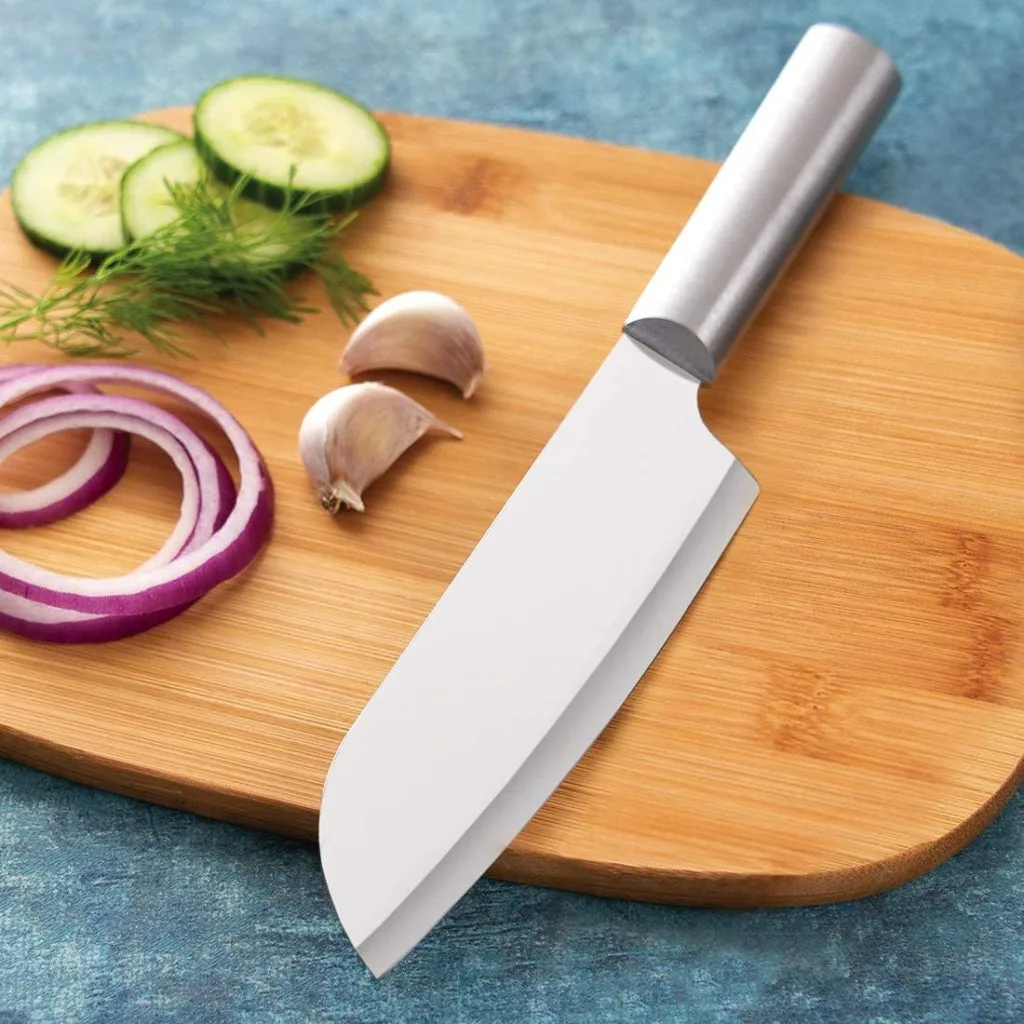
Image source: Bing (Web (fair-use with source credit))
- Stainless Steel Knives:
- Cleaning: Generally forgiving. Hand wash with warm, soapy water and a soft sponge.
- Drying: Still crucial to dry thoroughly to prevent water spots and maintain the polish, but less prone to immediate rust compared to carbon steel.
- Maintenance: While resistant, prolonged exposure to salt or acidic foods without cleaning can still cause staining or minor corrosion over time.
- Carbon Steel Knives:
- Cleaning: Requires immediate attention after each use. Wash with warm, soapy water and a soft sponge.
- Drying: This is non-negotiable. Dry immediately and completely with a soft cloth. Any remaining moisture can and likely will lead to rust spots forming quickly.
- Maintenance: Many users apply a thin layer of food-grade mineral oil or a specialized knife wax to the blade after drying to create a protective barrier against moisture and oxidation. Be aware that carbon steel will develop a patina, a change in color, over time from use, which is normal and not indicative of damage, but it's the rust you want to avoid.
Handle Materials: Wood, Plastic, and More
The handle is just as important as the blade for grip and comfort, and its material dictates its care.
- Wooden Handles:
- Cleaning: Wash gently with warm, soapy water. Avoid prolonged soaking or aggressive scrubbing, which can cause the wood to swell, crack, or warp.
- Drying: Dry thoroughly immediately after washing.
- Maintenance: Periodically condition wooden handles with food-grade mineral oil or a specialized wood conditioner to prevent them from drying out and cracking.
- Plastic or Composite Handles (e.g., ABS, Polypropylene, G-10):
- Cleaning: These are generally very durable and easy to clean. Hand wash with warm, soapy water and a soft sponge. They are less susceptible to water damage than wood.
- Drying: Dry thoroughly to prevent water spots.
- Maintenance: Minimal maintenance required beyond regular cleaning.
- Metal Handles (e.g., Stainless Steel, Aluminum):
- Cleaning: Hand wash with warm, soapy water. These can be more prone to showing fingerprints and scratches, so a soft cloth is best.
- Drying: Dry immediately to prevent water spots and potential corrosion, especially if they have a brushed or polished finish.
- Maintenance: Keep an eye out for any signs of corrosion or pitting, though this is less common with quality stainless steel.
By understanding these material differences, you can tailor your cleaning and maintenance routine to ensure each knife in your collection stays in excellent condition.
Common Kitchen Knife Cleaning Mistakes to Dodge
Even with the best intentions, it's easy to fall into habits that aren't great for your knives. Understanding these common pitfalls can help you avoid them and keep your blades in top condition for longer.
What Not to Do for Your Valued Blades
- Dishwasher Dilemma: Many people toss their good knives in the dishwasher, thinking it's an easy shortcut. We'll dive into why this is a major no-no in the next section, but the high heat, harsh detergents, and tumbling action can damage blades and handles.
- Abrasive Scrubbers: Using steel wool, scouring pads, or harsh brushes can scratch the blade surface, creating tiny nicks and imperfections that can harbor bacteria and make the knife more prone to rust.
- Letting Them Air Dry: As mentioned, water is the enemy of metal. Leaving a knife to air dry is a fast track to water spots and potential rust, especially for more reactive metals.
- Soaking in the Sink: A sink full of soapy water might seem like a convenient place to leave a dirty knife for a while. However, prolonged exposure to water can cause significant damage, particularly to carbon steel blades and wooden handles.
- Cutting on Hard Surfaces: While not strictly a cleaning issue, it's related to knife care. Cutting directly on ceramic or glass cutting boards can dull your knife much faster than necessary. Opt for wood, plastic, or composite materials.
- Storing Loose: Throwing knives into a drawer with other utensils is a safety hazard and a sure way to dull the blade. Always use a block, magnetic strip, or blade guards.
Avoiding these common errors is fundamental to preserving the sharpness, integrity, and lifespan of your kitchen knives.
Why Dishwashers Are a Knife's Worst Enemy
It's tempting, isn't it? Just load the knives into the dishwasher with everything else and hit start. It seems like a time-saver.
However, manufacturer guidelines and expert consensus strongly advise against this practice for almost all quality kitchen knives.
Image source: Bing (Web (fair-use with source credit))
The High Heat and Harsh Detergents
Dishwashers operate using a combination of high temperatures, strong detergents, and vigorous water jets. These elements, while effective for cleaning sturdy dishes, are incredibly harsh on knives.
- Blade Degradation: The intense heat, often exceeding 150°F (65°C), can warp or damage the temper of the steel. This affects its ability to hold an edge. The detergents themselves are highly alkaline and abrasive, wearing away at the blade's polish and potentially causing micro-pitting, which can lead to rust. For high-carbon steel, this is a disaster waiting to happen; for stainless steel, it can still cause discoloration and accelerated wear.
- Handle Damage: Many knife handles are made from materials like pakkawood, or certain plastics that can crack, warp, or discolor under the sustained heat and moisture of a dishwasher cycle. Wooden handles, in particular, can absorb water and swell, leading to separation from the tang.
- Dulling and Chipping: As knives tumble around with other dishes and cutlery in the dishwasher, their delicate edges are constantly at risk of banging against harder items. This can cause nicks, chips, and significant dulling, drastically reducing the knife's cutting performance.
- Rust and Corrosion: Even stainless steel isn't entirely immune to the harsh conditions. The combination of hot water, strong detergents, and prolonged exposure can encourage rust spots to form, especially on lower-quality stainless steel or if the blade has any imperfections.
While some very basic, low-quality utility knives might survive the dishwasher, your investment in a good set of chef's knives or specialized blades deserves better. Hand washing is not just a recommendation; it's a necessary step to preserve the integrity and functionality of your valuable kitchen tools.
Caring for Different Knife Types and Materials
Not all knives are created equal, and the material they're made from can significantly influence how you should clean and care for them. Understanding these differences ensures you're giving each knife the specific attention it needs.
Stainless Steel vs. Carbon Steel
This is a primary distinction. Stainless steel knives are alloyed with chromium, which makes them highly resistant to rust and corrosion. Carbon steel knives, on the other hand, have a higher carbon content and very little chromium, making them harder and able to take a sharper edge, but also much more prone to rust and discoloration if not cared for properly.
Image source: Bing (Web (fair-use with source credit))
- Stainless Steel Knives:
- Cleaning: Generally forgiving. Hand wash with warm, soapy water and a soft sponge.
- Drying: Still crucial to dry thoroughly to prevent water spots and maintain the polish, but less prone to immediate rust compared to carbon steel.
- Maintenance: While resistant, prolonged exposure to salt or acidic foods without cleaning can still cause staining or minor corrosion over time.
- Carbon Steel Knives:
- Cleaning: Requires immediate attention after each use. Wash with warm, soapy water and a soft sponge.
- Drying: This is non-negotiable. Dry immediately and completely with a soft cloth. Any remaining moisture can and likely will lead to rust spots forming quickly.
- Maintenance: Many users apply a thin layer of food-grade mineral oil or a specialized knife wax to the blade after drying to create a protective barrier against moisture and oxidation. Be aware that carbon steel will develop a patina, a change in color, over time from use, which is normal and not indicative of damage, but it's the rust you want to avoid.
Handle Materials: Wood, Plastic, and More
The handle is just as important as the blade for grip and comfort, and its material dictates its care.
- Wooden Handles:
- Cleaning: Wash gently with warm, soapy water. Avoid prolonged soaking or aggressive scrubbing, which can cause the wood to swell, crack, or warp.
- Drying: Dry thoroughly immediately after washing.
- Maintenance: Periodically condition wooden handles with food-grade mineral oil or a specialized wood conditioner to prevent them from drying out and cracking.
- Plastic or Composite Handles (e.g., ABS, Polypropylene, G-10):
- Cleaning: These are generally very durable and easy to clean. Hand wash with warm, soapy water and a soft sponge. They are less susceptible to water damage than wood.
- Drying: Dry thoroughly to prevent water spots.
- Maintenance: Minimal maintenance required beyond regular cleaning.
- Metal Handles (e.g., Stainless Steel, Aluminum):
- Cleaning: Hand wash with warm, soapy water. These can be more prone to showing fingerprints and scratches, so a soft cloth is best.
- Drying: Dry immediately to prevent water spots and potential corrosion, especially if they have a brushed or polished finish.
- Maintenance: Keep an eye out for any signs of corrosion or pitting, though this is less common with quality stainless steel.
By understanding these material differences, you can tailor your cleaning and maintenance routine to ensure each knife in your collection stays in excellent condition.
Common Kitchen Knife Cleaning Mistakes to Dodge
Even with the best intentions, it's easy to fall into habits that aren't great for your knives. Understanding these common pitfalls can help you avoid them and keep your blades in top condition for longer.
What Not to Do for Your Valued Blades
- Dishwasher Dilemma: Many people toss their good knives in the dishwasher, thinking it's an easy shortcut. We'll dive into why this is a major no-no in the next section, but the high heat, harsh detergents, and tumbling action can damage blades and handles.
- Abrasive Scrubbers: Using steel wool, scouring pads, or harsh brushes can scratch the blade surface, creating tiny nicks and imperfections that can harbor bacteria and make the knife more prone to rust.
- Letting Them Air Dry: As mentioned, water is the enemy of metal. Leaving a knife to air dry is a fast track to water spots and potential rust, especially for more reactive metals.
- Soaking in the Sink: A sink full of soapy water might seem like a convenient place to leave a dirty knife for a while. However, prolonged exposure to water can cause significant damage, particularly to carbon steel blades and wooden handles.
- Cutting on Hard Surfaces: While not strictly a cleaning issue, it's related to knife care. Cutting directly on ceramic or glass cutting boards can dull your knife much faster than necessary. Opt for wood, plastic, or composite materials.
- Storing Loose: Throwing knives into a drawer with other utensils is a safety hazard and a sure way to dull the blade. Always use a block, magnetic strip, or blade guards.
Avoiding these common errors is fundamental to preserving the sharpness, integrity, and lifespan of your kitchen knives.
Why Dishwashers Are a Knife's Worst Enemy
It's tempting, isn't it? Just load the knives into the dishwasher with everything else and hit start. It seems like a time-saver.
However, manufacturer guidelines and expert consensus strongly advise against this practice for almost all quality kitchen knives.
Image source: Bing (Web (fair-use with source credit))
The High Heat and Harsh Detergents
Dishwashers operate using a combination of high temperatures, strong detergents, and vigorous water jets. These elements, while effective for cleaning sturdy dishes, are incredibly harsh on knives.
- Blade Degradation: The intense heat, often exceeding 150°F (65°C), can warp or damage the temper of the steel. This affects its ability to hold an edge. The detergents themselves are highly alkaline and abrasive, wearing away at the blade's polish and potentially causing micro-pitting, which can lead to rust. For high-carbon steel, this is a disaster waiting to happen; for stainless steel, it can still cause discoloration and accelerated wear.
- Handle Damage: Many knife handles are made from materials like pakkawood, or certain plastics that can crack, warp, or discolor under the sustained heat and moisture of a dishwasher cycle. Wooden handles, in particular, can absorb water and swell, leading to separation from the tang.
- Dulling and Chipping: As knives tumble around with other dishes and cutlery in the dishwasher, their delicate edges are constantly at risk of banging against harder items. This can cause nicks, chips, and significant dulling, drastically reducing the knife's cutting performance.
- Rust and Corrosion: Even stainless steel isn't entirely immune to the harsh conditions. The combination of hot water, strong detergents, and prolonged exposure can encourage rust spots to form, especially on lower-quality stainless steel or if the blade has any imperfections.
While some very basic, low-quality utility knives might survive the dishwasher, your investment in a good set of chef's knives or specialized blades deserves better. Hand washing is not just a recommendation; it's a necessary step to preserve the integrity and functionality of your valuable kitchen tools.
Beyond Washing: Keeping Your Knives in Top Shape
Cleaning is just one piece of the puzzle when it comes to knife maintenance. To truly keep your knives performing at their best and extend their lifespan, you need to consider their edges and how you maintain them between washes. This goes beyond just soap and water.
Honing vs. Sharpening: What's the Difference?
Many people confuse honing and sharpening, but they are distinct processes.
- Honing: This is a maintenance task that realigns the microscopic teeth of the blade's edge. Over time, the edge can bend or get slightly misaligned from use. Honing, typically done with a steel rod, straightens these tiny imperfections, making the knife feel sharper. It doesn't remove metal, so it can be done frequently, even daily, before or after use.
- Sharpening: This is a more involved process that actually removes a small amount of metal from the blade to create a new, sharp edge. Sharpening is necessary when honing no longer brings the knife back to its optimal cutting ability. This is usually done with whetstones, electric sharpeners, or guided systems, and it removes material, so it should be done less frequently.
When to Call in the Pros for Sharpening
While many home cooks can learn to hone their knives effectively, sharpening can be trickier. Aggressive sharpening at home, or using the wrong tools, can easily damage the blade. For very expensive or specialized knives, or if you’re not confident in your sharpening skills, seeking professional sharpening services is a wise choice.
Many local knife shops or culinary supply stores offer this service. They have the expertise and equipment to restore your blade's edge precisely and safely, often for a nominal fee. As of 2026, professional sharpening costs typically range from $5 to $20 per knife, depending on the size and type of blade.
For instance, a professional might use a Tormek water-cooled sharpening system to ensure consistent results.
Proper honing and periodic professional sharpening ensure that your knife not only looks good after cleaning but also cuts efficiently and safely. A dull knife is more dangerous than a sharp one because it requires more force, increasing the risk of slipping.
Frequently Asked Questions About Knife Cleaning
You've got the core steps down, but you might still have a few lingering questions about the best practices for keeping your kitchen knives clean and well-maintained.
Your Burning Questions, Answered
How often should I wash my kitchen knives?
You should wash your kitchen knives immediately after each use. Don't let them sit with food residue, especially acidic or salty ingredients. Quick hand washing and thorough drying are key to preventing damage and maintaining hygiene.
Can I use the same sponge for my knives and dishes?
It's best to use a separate sponge or cloth for your knives to avoid transferring bacteria or dulling the blade on food debris stuck in a dish sponge. A dedicated soft sponge or cloth for knives is ideal.
What's the best way to dry a knife quickly?
A clean, dry microfiber cloth is highly effective. They absorb a lot of moisture quickly and are gentle on the blade. Pat the entire knife dry immediately after rinsing.
What should I do if I see rust on my knife?
For minor rust spots on stainless steel, you can often remove them with a paste of baking soda and water, or a specialized rust eraser for knives. For carbon steel, immediate drying should prevent this, but if it occurs, use a fine-grit abrasive pad or a rust eraser, then re-oil the blade. Persistent or deep rust might require professional attention.
How often should I sharpen my knives?
This depends heavily on usage and how well you hone them. If you hone your knife regularly, you might only need to sharpen it once or twice a year for home use. Professional chefs might sharpen theirs weekly or even more often.
When a knife starts to feel like it's dragging or tearing through food instead of slicing, it's likely time for sharpening.
The Takeaway: Your Knife's Long-Term Health
Giving your kitchen knives the right kind of attention, starting with proper cleaning, is more than just a chore; it's an investment in your tools and your kitchen. By consistently hand washing, drying thoroughly, and storing them safely, you're ensuring they remain sharp, hygienic, and reliable for years to come. Remember, a well-maintained knife is not only safer and more efficient but also a pleasure to use.
Treat your blades with care, and they’ll serve you well through countless meals.