Knife Buying Guide
Picking the right knife can seriously up your game in the kitchen, making prep work faster and more enjoyable. It’s not just about having sharp tools; it’s about having the right tools for the job. Our research suggests that many home cooks often get by with just one or two knives, missing out on the efficiency and precision a curated set can offer.
As of 2026, the market offers a bewildering array of options, from budget-friendly stamped blades to high-end forged beauties. Understanding the key differences, like blade material and hardness rated on the Rockwell scale (HRC), is crucial. This guide will walk you through what you really need to know, cutting through the noise so you can make an informed choice.
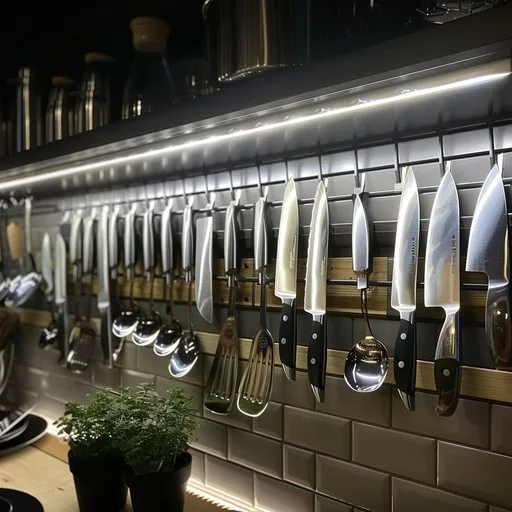
Image source: Bing (Web (fair-use with source credit))
Quick Answer
Choosing kitchen knives involves understanding blade types, materials, and handle ergonomics. A good chef's knife is essential for most tasks. For specific jobs, consider utility, paring, or bread knives.
Blade hardness, measured in Rockwell HRC, impacts edge retention. Look for comfortable handles. Maintenance, including regular honing and sharpening, is key.
What Knife Do You Actually Need?
Let’s cut to the chase: you probably don’t need a 20-piece knife block set. In fact, most home cooks can do 90% of their kitchen tasks with just three core knives. The rest are really for specialized jobs that you might encounter less frequently.
Thinking about what you actually cut most often is your first step. Are you a baker who constantly needs to peel and core fruits? Or do you prep a lot of vegetables for stews and stir-fries?
Your typical grocery haul can tell you a lot. If you buy whole chickens, a boning knife might become indispensable. If you’re slicing big roasts, a carving knife makes sense.
If your diet is mostly pre-cut produce and boxed meals, you might get away with just a chef’s knife and a paring knife. It’s about matching your tools to your culinary habits.
Kitchen Knife Essentials: The Must-Haves
When we talk about essential kitchen knives, we’re focusing on the workhorses that will see the most action. These are the blades that offer the most versatility and cover the widest range of common cooking tasks. Owning these core pieces means you’re well-equipped for everyday meal preparation without needing a drawer overflowing with specialized tools.
The All-Arounder: Chef's Knife
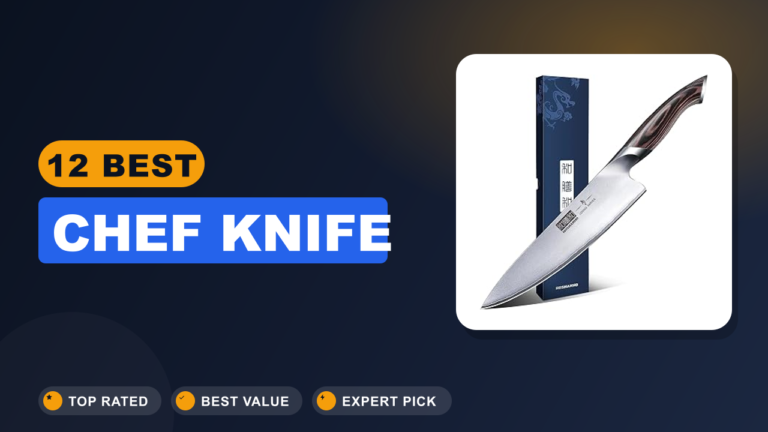
The chef's knife is the undisputed king of the kitchen. It’s your go-to for chopping, slicing, dicing, and mincing. Its broad, tapering blade and comfortable handle make it ideal for everything from slicing a tough flank steak to finely dicing an onion.
Most chef’s knives range from 8 to 12 inches in length, with 8 inches being a popular choice for home cooks due to its maneuverability.
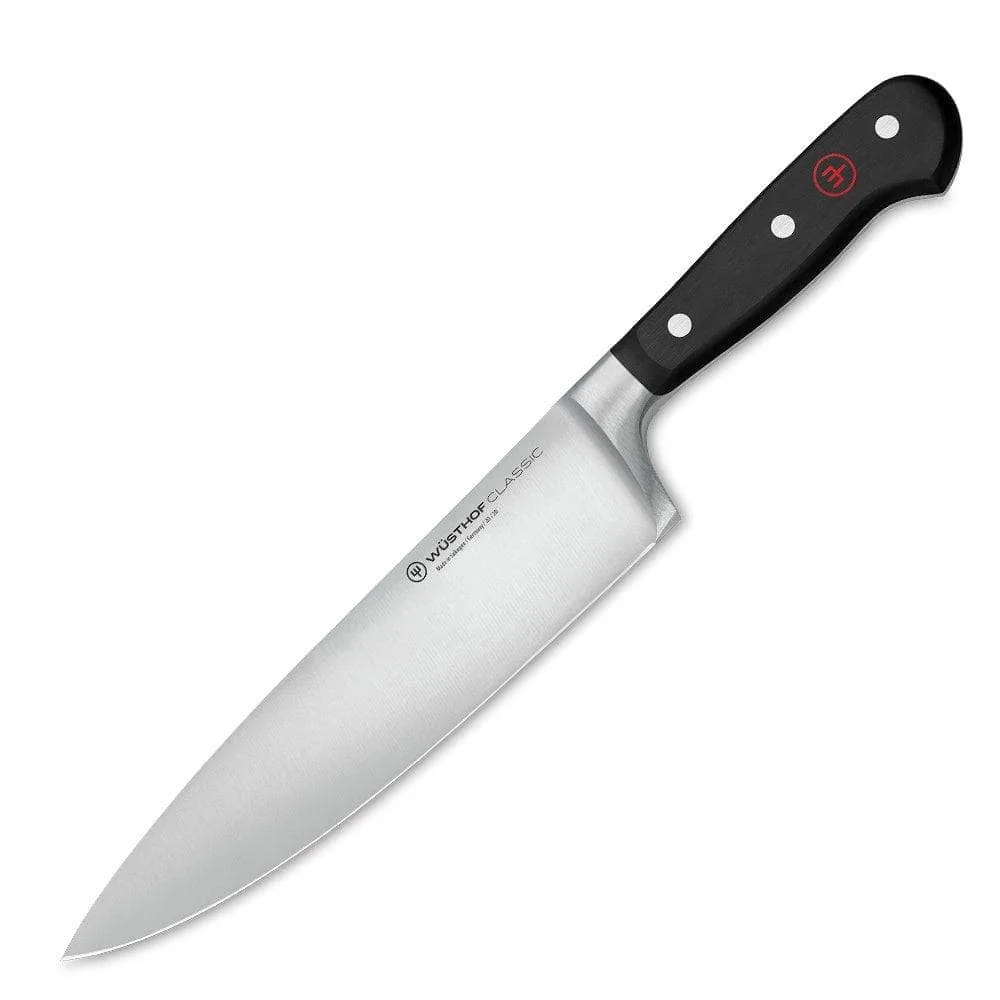
Image source: Bing (Web (fair-use with source credit))
A well-made chef's knife should feel balanced in your hand, with the weight distributed evenly between the blade and the handle. This balance, often referred to as the “fulcrum point,” is crucial for control and reducing fatigue during longer prep sessions. The curve of the blade allows for a rocking motion, making chopping herbs or vegetables efficient.
For a chef's knife, look for a full tang construction, meaning the metal of the blade extends all the way through the handle. This provides durability and better balance.
The Precision Tool: Paring Knife
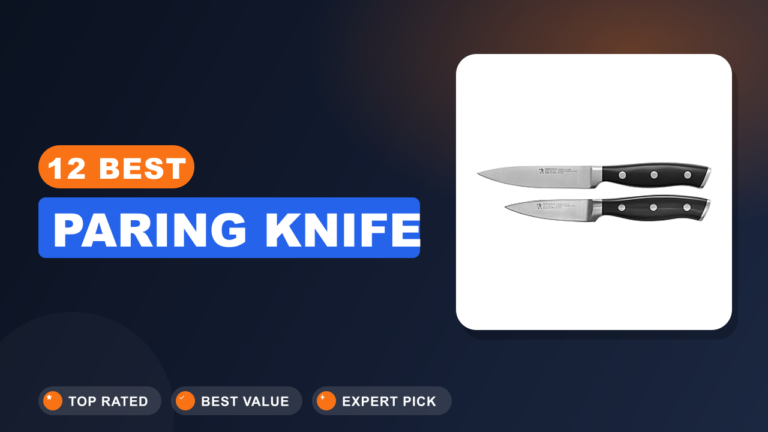
Think of the paring knife as the precise extension of your fingers. This small knife, typically 3 to 4 inches long, is perfect for intricate tasks that require a steady hand. Peeling fruits and vegetables, deveining shrimp, removing blemishes, or creating garnishes are all where a paring knife shines.
Its short blade offers excellent control for delicate work.
When you’re working with small items like garlic cloves, or need to carefully trim away bits of fat from a piece of meat, a paring knife is your best friend. There are also "bird's beak" or curved-edge paring knives, which are fantastic for shaping fruits like apples or melons. Unlike the chef's knife, a paring knife doesn't need to be as robust; its strength lies in its accuracy and ease of handling for detailed cuts.
The Versatile Workhorse: Utility Knife
The utility knife sits comfortably in between the chef’s knife and the paring knife in terms of size and function. Usually measuring between 4 and 7 inches, it’s too large for the fine detail work of a paring knife but smaller and more agile than a chef’s knife. This makes it ideal for tasks like slicing sandwiches, trimming larger fruits and vegetables, or portioning smaller cuts of meat.
If you find a chef's knife a bit too cumbersome for everyday tasks like slicing tomatoes or trimming a chicken breast, a utility knife offers a great compromise. Many utility knives feature a straight edge, though some have a serrated edge, which is particularly useful for foods with a tough exterior and soft interior, like tomatoes or bagels. Its manageable size and versatility make it a frequent flyer in many kitchen drawers.
For Crusty Loaves: Bread Knife
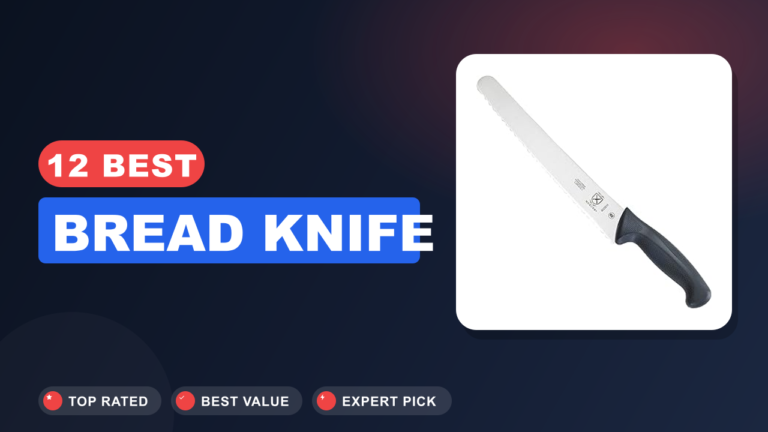
The bread knife is instantly recognizable by its distinctive serrated edge, which looks like a series of small teeth. This unique design is not for show; it’s engineered to saw through tough crusts without crushing the soft interior of bread, cakes, or pastries. It’s also surprisingly useful for slicing delicate items like ripe tomatoes or even large, round fruits like watermelons.
When using a bread knife, the key is a gentle sawing motion. The teeth grip the surface and create friction, allowing the blade to cut cleanly. Because it’s designed to create a sawing action, it's less about pressure and more about rhythm.
While not an everyday knife for most, if you bake your own bread or regularly buy crusty loaves, a good bread knife is essential. It’s a specialized tool that performs its specific function exceptionally well.
Specialized Cuts: Santoku, Boning, Fillet
Beyond the core essentials, there are knives designed for more specific culinary pursuits. The Santoku knife, a Japanese-style chef's knife, typically has a straighter edge and a rounded tip, often featuring hollow-ground indentations (granton edge) to help food release from the blade. It excels at chopping, dicing, and mincing, offering a slightly different feel than a Western chef's knife.
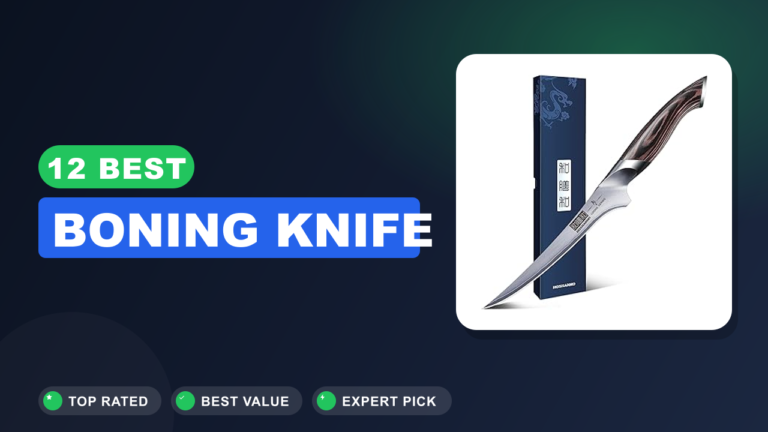
For those who work with raw meat and poultry, a boning knife is invaluable. It has a narrow, flexible blade, perfect for navigating around bones and separating meat from the carcass. Conversely, a fillet knife is similar but usually features an even more flexible and thinner blade, designed specifically for filleting fish.
Its flexibility allows it to glide along the backbone and under the skin to produce clean, thin fish fillets. These knives aren't for everyone, but for specific cooking styles, they can significantly improve results and efficiency.
What Makes a Knife Great: Key Features to Look For
Understanding the anatomy and materials of a knife is the next step in making a smart purchase. It’s not just about the brand name; it’s about the craftsmanship and the quality of the components. These details directly impact how the knife performs, how long it lasts, and how comfortable it is to use day in and day out.
Blade Material: Steel Types and What They Mean
The heart of any good knife is its blade, and the material it's made from dictates its performance, durability, and maintenance requirements. Most quality kitchen knives are made from steel, but the type of steel varies wildly.
- Stainless Steel: This is the most common material, offering good corrosion resistance and ease of maintenance. However, some lower-grade stainless steels can be softer, meaning they might dull more quickly and require frequent sharpening.
- High-Carbon Stainless Steel: This is often considered the sweet spot for kitchen knives. It blends the rust-resistance of stainless steel with the edge-holding capabilities of carbon steel. Knives made from this material tend to be harder, hold an edge longer, and can be sharpened to a finer point.
- Carbon Steel: Pure carbon steel can achieve an incredibly sharp edge and is relatively easy to sharpen. However, it’s prone to rust and staining if not properly cared for. It requires diligent cleaning and drying after every use.
- Ceramic: Ceramic blades are exceptionally hard and can hold an edge for a very long time. They are very lightweight and don't rust. However, they are brittle and can chip or break if dropped or used to cut through bones or frozen foods. They also cannot be sharpened with traditional methods and require specialized ceramic sharpeners.
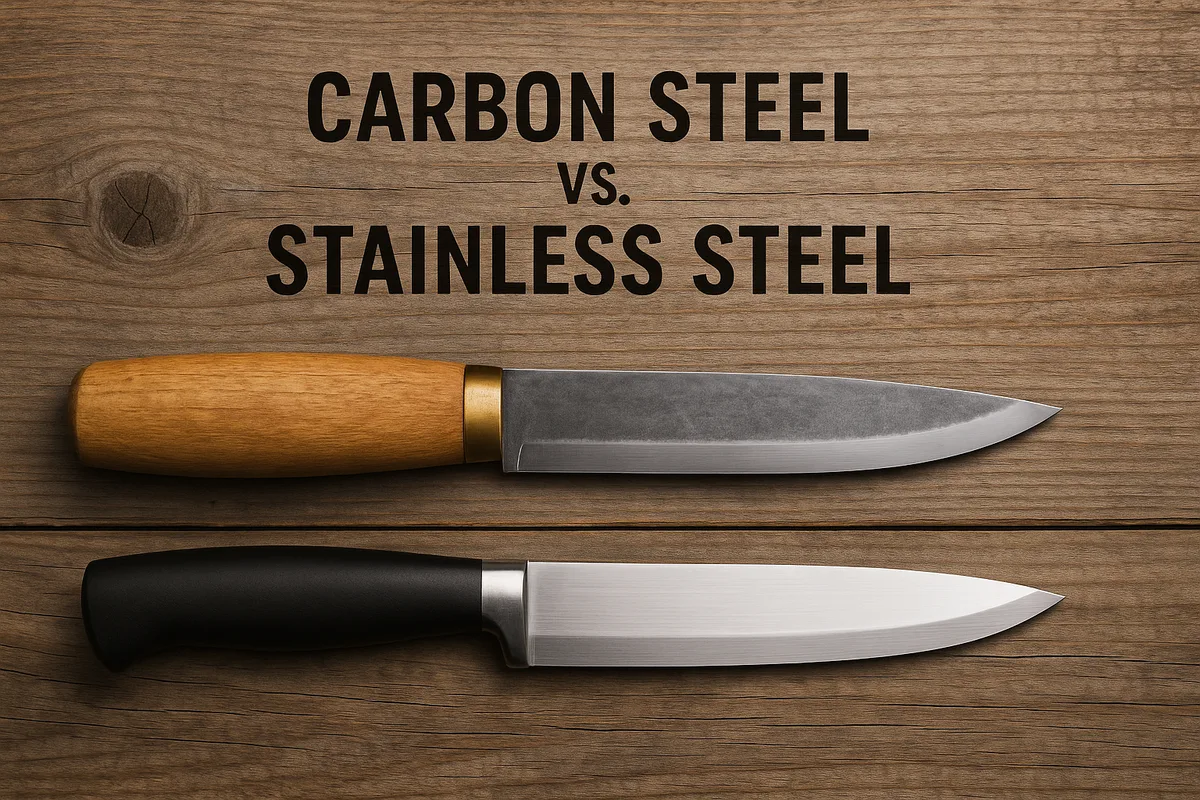
Image source: Bing (Web (fair-use with source credit))
When you see specifications like "X50CrMoV15," that's a common type of high-carbon stainless steel used by many reputable brands. The "X" denotes steel, "50" is the approximate carbon content (0.50%), "Cr" is chromium for corrosion resistance, "Mo" is molybdenum for added strength, and "V" is vanadium for wear resistance. This composition, often confirmed by manufacturer specifications, balances toughness with the ability to take a sharp edge.
Blade Shape & Grind: For Specific Jobs
Beyond the material, the shape and how the blade is ground (its edge profile) are critical.
- Blade Shape: Consider the common knives already discussed: the broad, curved chef’s knife; the narrow, straight paring knife; the long, serrated bread knife. Each shape is optimized for its intended task. A Santoku’s flatter profile is great for push-cutting, while a Western chef’s knife’s belly is designed for rocking.
- Blade Grind: This refers to the cross-sectional shape of the blade's edge.
- Flat Grind: The blade tapers evenly from the spine to the edge. It’s strong and versatile.
- Hollow Grind: Features concave, hollowed-out sides that create a very thin, sharp edge. Often seen on Japanese knives or specific types of cleavers.
- Serrated Grind: The "teeth" we discussed for bread knives. Excellent for sawing through tough exteriors.
- Scalloped Grind (Granton Edge): Dimples or indentations on the side of the blade, not the edge itself. These help reduce friction and prevent food from sticking.
Handle Comfort & Grip: Ergonomics Matter
A knife’s handle is your direct connection to the tool, and comfort is paramount. A poorly designed handle can lead to hand fatigue, reduced control, and even injury. Look for handles that feel secure and comfortable in your grip.
Materials vary widely:
- Wood: Offers a classic, warm feel but can be porous and requires careful cleaning and oiling to prevent cracking or harboring bacteria.
- Plastic/Polypropylene: Durable, easy to clean, and generally affordable. Can sometimes feel less premium.
- Composite/Resin: Combines durability with a good grip, often designed for ergonomic comfort.
- Metal (Stainless Steel): Very durable and hygienic, but can be slippery if not textured and might feel cold.
The handle shape also plays a huge role. Some knives have rounded handles, others are more rectangular. Many modern knives feature contoured grips designed to fit the natural curve of your hand. Full tang construction, where the steel extends through the entire handle, generally offers better balance and durability than a partial tang.
Balance & Weight: Finding Your Feel
The balance point of a knife is crucial for control and comfort. Ideally, the balance point should be right where the blade meets the handle, known as the bolster. This gives you a natural pivot point.
A knife that feels too blade-heavy can be tiring to use, while one that’s too handle-heavy might lack cutting power.
Weight is a personal preference. Some cooks prefer a lighter knife for agility, while others like a bit more heft for tasks requiring more force. There’s no right or wrong answer here; it’s about what feels best in your hand when you perform common cutting motions.
Manufacturer specifications will often list the weight, but the best way to gauge this is to hold the knife if possible.
Forging vs. Stamping: How Knives Are Made
The way a knife blade is manufactured significantly impacts its quality, durability, and price. The two primary methods are forging and stamping. Understanding this distinction helps explain why some knives cost considerably more than others and what benefits you might be paying for.
Forged Knives: These are made from a single piece of steel that is heated and hammered into shape. This process is labor-intensive. The steel is heated to a high temperature and then pounded repeatedly by heavy machinery or by hand.
This hammering refines the steel's grain structure, making it denser, stronger, and capable of holding a sharper edge for longer. Forged knives typically have a bolster (the thick band where the blade meets the handle) and often feature a full tang. They tend to be heavier and more durable.
Stamped Knives: These are cut from a large sheet of steel using a high-precision die, much like a cookie cutter. This method is much faster and less expensive. Stamped knives are generally lighter and thinner than forged knives.
They often lack a bolster and may have a partial tang. While still capable of being very sharp and performing well, they might not hold their edge as long as a well-made forged blade and can be less durable over time. Many excellent value knives are stamped, so don't dismiss them entirely, but know you're getting a different type of tool.
How to Care for Your Knives: Sharpening and Storage
Even the best knife is useless if it’s dull or damaged. Proper care is non-negotiable for maintaining performance and safety. Think of it like caring for any precision tool; a little attention goes a long way.
Keeping Them Sharp: Honing and Sharpening
- Honing: This is not sharpening; it’s realigning the microscopic teeth of the blade’s edge. Over time, the edge gets bent out of alignment. A honing steel (often made of steel, ceramic, or diamond-coated steel) straightens these teeth, making the knife feel sharper. You should hone your knives regularly, ideally before each use or at least once a week, depending on how often you cook. It takes just a few strokes on each side of the blade.
- Sharpening: This is the process of actually removing metal from the blade to create a new, sharp edge. Sharpening is needed when honing no longer brings the edge back. This can be done using whetstones, electric sharpeners, or pull-through sharpeners. Whetstones offer the most control for achieving a fine edge but require practice. Electric sharpeners are faster but can remove more metal, potentially shortening the knife’s lifespan if used improperly. Pull-through sharpeners are convenient but can be harsh on the blade. Most research suggests sharpening your knives once or twice a year, or when you notice a significant dullness that honing can't fix.
Proper Storage: Protect Your Investment
How you store your knives is as important as how you use and care for them. Improper storage is a common cause of dulling and damage.
- Knife Blocks: These are a popular choice, keeping individual knives separated and protected. Ensure the slots are appropriately sized for your knives and that they don't damage the edge as you insert or remove the knife.
- Magnetic Strips: Mounted on a wall, these save counter and drawer space. They look sleek and allow knives to air dry. Be sure to place knives carefully on and off the strip to avoid scratching the blade or dulling the edge.
- In-Drawer Organizers: If you prefer to keep knives in a drawer, use a dedicated organizer or a sheath for each blade. This prevents blades from knocking against each other or other utensils, which can chip or dull the edges.
- Avoid the Dishwasher: Never put your good knives in the dishwasher. The harsh detergents can corrode the steel, the high heat can damage the handle materials, and the jostling with other dishes can chip or dull the blades. Always hand wash and dry knives immediately after use.
Common Knife Buying Mistakes to Avoid
Even with the best intentions, it’s easy to make missteps when buying knives. One of the most common errors is buying a large, elaborate knife set when you only need a few versatile pieces. This often leads to paying for tools that will rarely, if ever, be used, cluttering your drawers and your budget.
Many of these sets include steak knives or novelty knives that are rarely essential for home cooks.
Another frequent mistake is focusing solely on brand names or aesthetics without considering the actual materials and construction. A knife that looks good in a display block might be made from lower-quality steel or have an uncomfortable handle that makes it difficult to use. Prioritizing flashy marketing over functional features like blade hardness (measured in Rockwell HRC) and tang construction can lead to disappointment.
It's also easy to fall for the "sharper is better" trap without considering edge retention and ease of sharpening.
Knife Sets vs. Individual Knives: Which is Right for You?
Deciding between a comprehensive knife set and building your collection piece by piece is a classic dilemma. Knife sets offer the convenience of a coordinated look and the assurance that you have a range of tools readily available. They often come with a block or storage solution, keeping everything organized.
For someone just starting out, a small set with the essentials, a chef's knife, paring knife, and utility knife, can be a good investment.
However, our research indicates that curated individual purchases often yield better long-term value and satisfaction. Sets often include knives you’ll never use, meaning you’re paying for unnecessary items. By buying knives individually, you can focus your budget on higher-quality versions of the tools you need most, like a superior chef's knife.
You can also upgrade your knives incrementally as your skills and culinary interests grow, ensuring each piece serves a specific, frequently used purpose.
When a Set Might Make Sense
- First-time Kitchen Setup: If you're outfitting a kitchen from scratch and need the basics, a compact set (3-5 knives) can provide immediate utility.
- Gift Occasion: A well-chosen set can be a thoughtful and practical gift for someone starting their culinary journey.
- Specific Culinary Niches: Some specialized sets, like those focused on sushi preparation or butchery, might be worthwhile if that's your primary focus.
Why Individual Knives Often Win
- Cost-Effectiveness: You only pay for what you use and need.
- Quality Over Quantity: Allows investment in superior materials and craftsmanship for your most-used knives.
- Customization: Build a collection that perfectly matches your cooking style and preferences.
- Avoidance of "Filler" Knives: Eliminates the clutter of seldom-used tools like novelty steak knives or micro-planes if you don't need them.
Frequently Asked Questions About Kitchen Knives
How do I know if a knife is truly sharp?
A truly sharp knife will slice through food with minimal effort, gliding through rather than tearing or crushing. For example, a sharp chef's knife can cleanly slice a ripe tomato without puncturing the skin too aggressively or squishing the flesh. You can also test it by gently trying to shave a piece of paper held vertically; a sharp edge will catch and slice cleanly.
What is the ideal hardness for a kitchen knife blade?
The ideal hardness for a kitchen knife blade typically falls between 55 and 62 on the Rockwell Hardness Scale (HRC). Knives in the 55-58 HRC range offer a good balance of sharpness, durability, and ease of sharpening. Those above 60 HRC, often found in Japanese knives, can hold an edge for a very long time but can be more brittle and harder to sharpen.
How often should I sharpen my knives?
Sharpening frequency depends heavily on usage and knife quality. As a general guideline, most home cooks can get away with sharpening their knives once or twice a year. If you use your knives daily for demanding tasks, you might need to sharpen them more often.
Regular honing, which realigns the blade's edge without removing metal, can significantly extend the time between sharpenings.
Are expensive knives always worth it?
Not necessarily. While high-end knives often use superior materials, advanced forging techniques, and superior craftsmanship that justify their cost, a mid-range knife made from good high-carbon stainless steel with a comfortable handle can perform exceptionally well. The "best" knife is one that fits your hand, your tasks, and your budget, and that you maintain properly.
Overpaying for features you don't need is rarely a good investment.