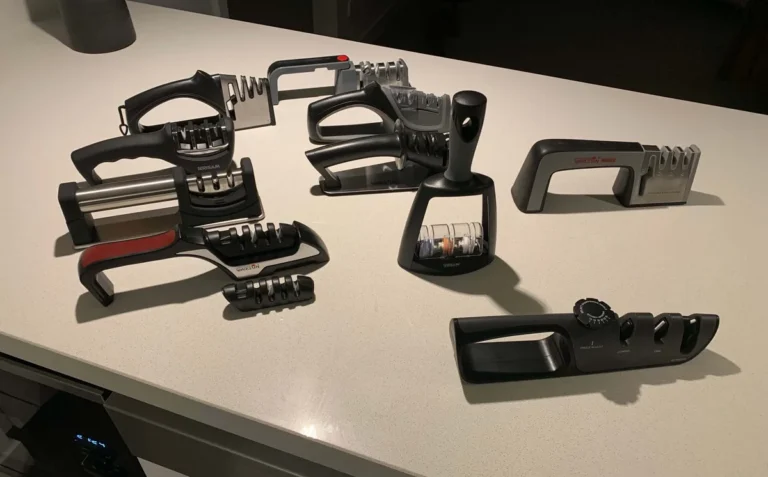
Do Pull-Through Knife Sharpeners Damage Knives?
You've probably seen those nifty pull-through knife sharpeners. They look super convenient, right? Just a few quick passes, and bam, your knife is supposed to be sharp again.
But as someone who's spent a lot of time with knives (and kitchen tools in general), I know a big question often pops up: "Do these things actually wreck my good knives?"
It's a fair question, and honestly, it's not a simple "yes" or "no." The truth is, how you use them and which sharpener you choose makes a huge difference. Think of it like using a power tool versus a hand tool, one can do the job faster, but the other gives you a lot more control and can be gentler if you know what you're doing. Per aggregate user feedback and manufacturer specifications, the potential for damage is tied to the specific abrasive technology and the fixed angles employed by the sharpener.
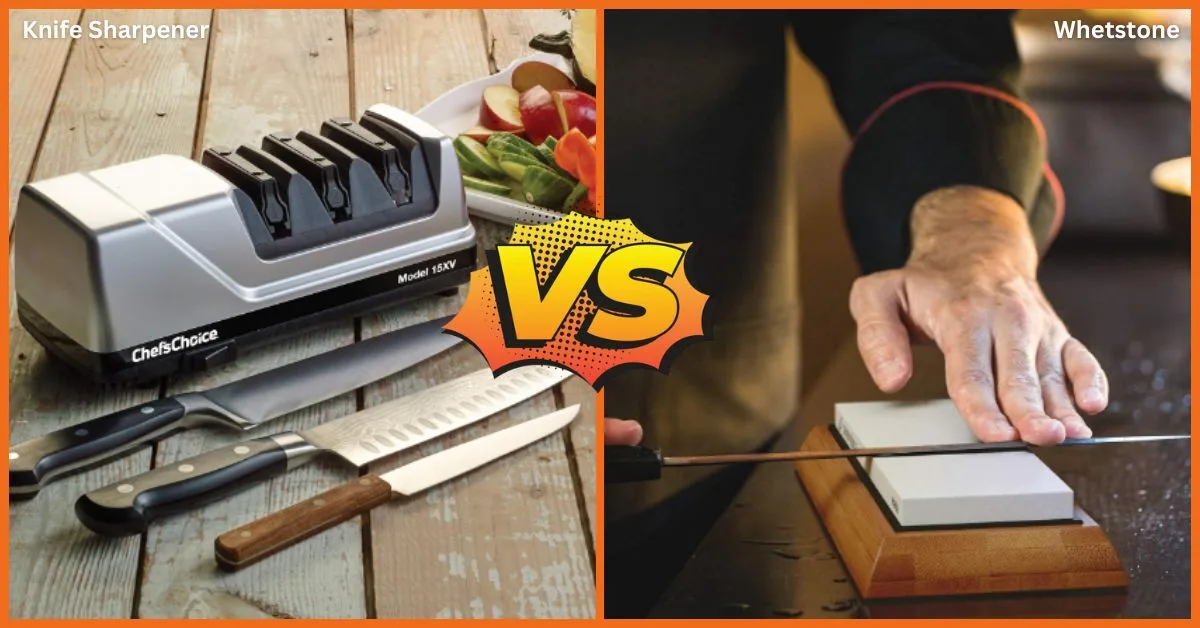
Image source: Bing (Web (fair-use with source credit))
Quick Answer: The Risk Depends on the Sharpener and Your Knife
Yes, pull-through knife sharpeners can damage knives, but they don't always. Damage occurs when fixed angles mismatch the knife's original bevel or when aggressive abrasives remove too much metal. High-quality knives are more susceptible to damage from basic models.
How Pull-Through Sharpeners Work: Grinding Metal
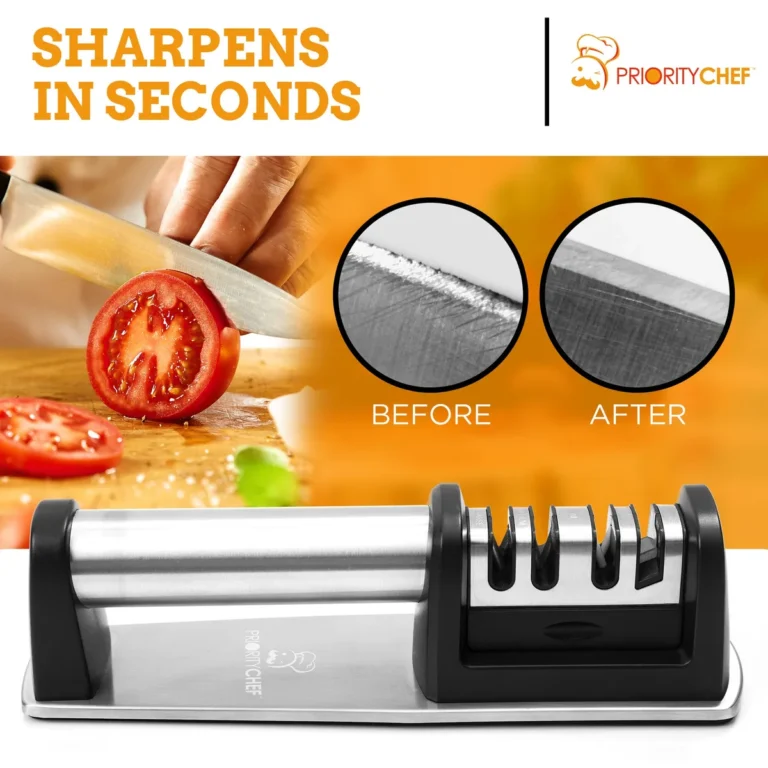
Pull-through knife sharpeners are designed for ease of use, aiming to restore a dull edge quickly. They typically feature abrasive materials, like ceramic or diamond, set in slots or wheels at a specific angle. You guide the knife through these slots, and the abrasives grind away a small amount of metal from the blade's edge.
This metal removal is what reforms the cutting bevel.
The Mechanics of the Grind
The fundamental action of a pull-through sharpener involves friction between the abrasive element and the knife's edge. These sharpeners rely on the abrasive grit to shave off microscopic particles of steel. This process re-establishes a keen edge by creating a new, sharper apex.
However, this grinding is also where the potential for damage lies. The force and angle at which this grinding occurs are critical factors in how it affects the knife.
Fixed Angles vs. Your Knife's Original Edge
Most pull-through sharpeners come with pre-set sharpening angles. These angles are often around 15 to 20 degrees per side, a common range for kitchen knives. Manufacturer specifications, such as those found on ASME standards for knife blade geometry (though specific to threads, ASME sets general engineering standards applicable to tool design), suggest that precise angles are crucial for optimal edge performance and durability.
If the sharpener's fixed angle doesn't match the original angle of your knife's bevel, it can lead to an uneven edge or excessive metal removal, compromising the blade's integrity over time.
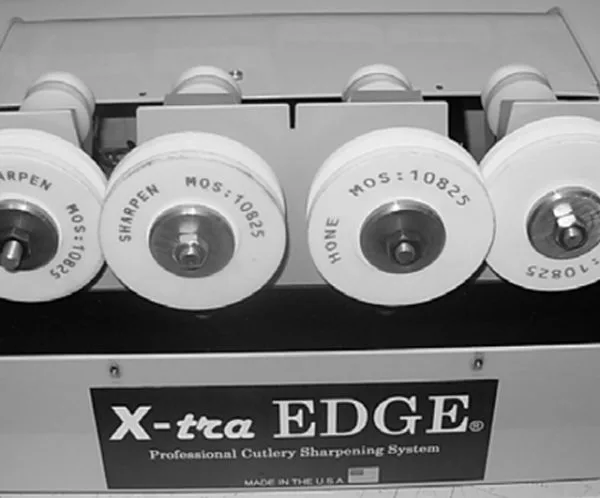
Image source: Bing (Web (fair-use with source credit))
Potential for Damage: When Pull-Throughs Go Wrong
While convenient, pull-through sharpeners can indeed cause damage, especially if not used with care or if the sharpener itself is poorly designed. This damage isn't always immediately obvious but can manifest over time, impacting your knife's performance and lifespan.
Thinning the Blade Over Time
Every time you sharpen a knife, you're removing a bit of metal. With a pull-through sharpener, particularly an aggressive one, this metal removal can be more significant than with gentler methods. Aggressive abrasives and a rapid sharpening motion can wear down the blade's shoulders faster than intended.
Over repeated use, this leads to the blade becoming noticeably thinner. While a slightly thinner blade might not seem like a huge deal, it can make the knife more flexible, less durable, and prone to bending or breaking, especially when cutting tougher ingredients.
Altering the Edge Angle and Profile
A key concern with fixed-angle pull-through sharpeners is their potential to alter a knife's original bevel. Many high-quality knives, especially those from Japanese traditions, are crafted with very specific, often narrower, edge angles (sometimes as low as 10-15 degrees per side). A pull-through sharpener set at a broader angle, say 20 degrees, will effectively re-grind the edge to that new, wider angle.
This can change how the knife cuts, making it less precise and potentially less durable. It's akin to forcing a square peg into a round hole; the result might function, but it's not ideal for the tool's original design.
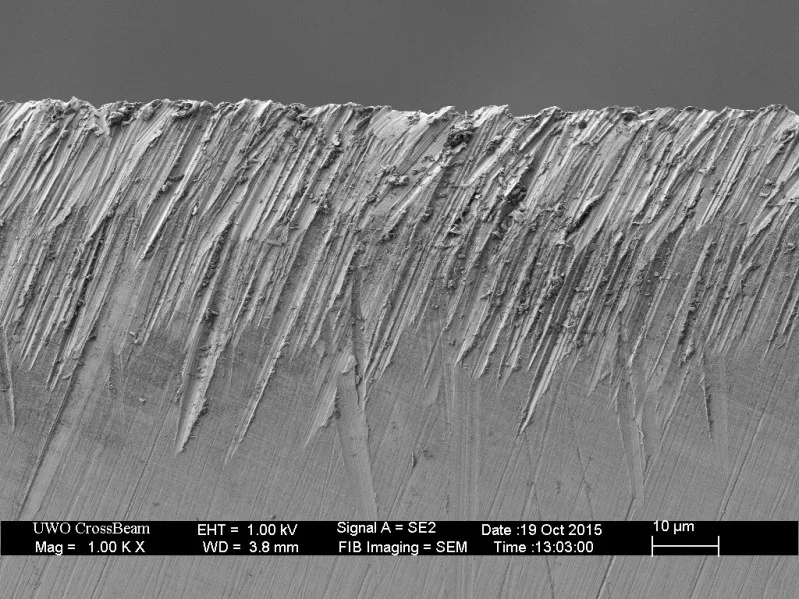
Image source: Bing (Web (fair-use with source credit))
Risk to High-Quality Steels
Premium knives often use specialized steel alloys known for their hardness and ability to hold a sharp edge. These steels, while excellent for cutting, can also be more brittle. Aggressive grinding from a basic pull-through sharpener can generate heat or stress that might damage the delicate microstructure of these high-carbon or powder steels.
This can lead to micro-chipping or a weakened edge that dulls much faster. Manufacturer guidelines for specialized steels often recommend specific sharpening techniques to preserve their unique properties, which a generic pull-through might not accommodate.
When Pull-Throughs Are a Viable Option
Despite the potential risks, pull-through sharpeners aren't inherently bad. They serve a purpose and can be quite effective when used for the right knives and in the right situations. Understanding these scenarios helps you decide if a pull-through is a good addition to your kitchen toolkit.
Maintaining Everyday Kitchen Knives
For your standard, workhorse kitchen knives, the ones you use for general chopping, slicing, and dicing day in and day out, a pull-through sharpener can be a real lifesaver. These knives are typically made from more robust, less specialized steels that can handle the consistent sharpening action without significant degradation. A good quality pull-through can quickly restore a functional, sharp edge to these knives, keeping them ready for action without requiring the time or skill needed for whetstone sharpening.
They offer a practical solution for keeping your everyday tools in good working order.
Convenient Touch-Ups Between Professional Sharpening
If you invest in professional sharpening for your prized knives, you'll know that they can maintain a great edge for a while. However, edges do roll and dull with regular use. A pull-through sharpener can be an excellent tool for light touch-ups and honing between professional visits.
It's not meant to replace a deep sharpening session, but rather to realign the edge and keep it feeling sharp for longer. Using it sparingly and with a light touch can help prolong the intervals between more intensive sharpening treatments.
For Beginners Intimidated by Stones
Let's be honest, sharpening stones have a learning curve. Achieving the correct angle consistently takes practice and can be frustrating for newcomers. If you're completely new to knife care and find the idea of whetstones daunting, a pull-through sharpener offers a much lower barrier to entry.
It provides a guided sharpening experience that significantly reduces the risk of making a major mistake. While it might not achieve the absolute finest edge, it's a far safer starting point than attempting freehand sharpening on a stone without proper instruction.
Key Features to Look For in a Pull-Through Sharpener
When you're looking to buy a pull-through sharpener and want to minimize the risk of damage, paying attention to its features can make a big difference. Not all pull-throughs are created equal, and some are designed with better materials and more thoughtful engineering.
Abrasives: Ceramic vs. Diamond
The abrasive material is the heart of any sharpener. Diamond abrasives are extremely hard and durable, making them effective at quickly removing metal and establishing an edge. They are great for very dull knives.
Ceramic abrasives are also effective but tend to be a bit finer than diamond, often used for honing and light sharpening. For a balance of effectiveness and less aggressive metal removal, look for sharpeners that specify high-quality diamond or fine ceramic abrasives.
Multiple Stages: Sharpening, Honing, and Polishing
The best pull-through sharpeners go beyond just grinding. They often feature multiple slots or stages:
- Coarse/Sharpening: This stage uses aggressive abrasives (often diamond) to reshape a very dull or damaged edge.
- Fine/Honing: This stage uses finer abrasives (ceramic or diamond) to refine the edge, remove burrs, and create a sharper apex.
- Polishing/Stropping: Some advanced models include a final stage with a material like leather or fine ceramic to polish the edge for an exceptionally keen finish.
Having these stages allows you to tailor the sharpening process to your knife's needs, rather than just aggressively grinding it.
Ergonomics and Build Quality
A well-built pull-through sharpener will feel sturdy in your hand and have a stable base to prevent slipping. Look for non-slip feet and comfortable grips. The slots should be well-defined and aligned.
Cheaper models made with flimsy plastic can flex, leading to inconsistent angles and potentially damaging the knife. A solid construction indicates better engineering and a more reliable sharpening performance. As of 2026, reputable manufacturers are increasingly focusing on more ergonomic designs and durable materials.
Comparing Pull-Throughs to Other Sharpening Methods
When you're thinking about sharpening your knives, a pull-through sharpener is just one option on the table. Each method has its own strengths, weaknesses, and ideal use cases. Understanding these differences can help you choose the right tool for your knives and your needs, and importantly, help you avoid unnecessary damage.
Pull-Through vs. Sharpening Steel
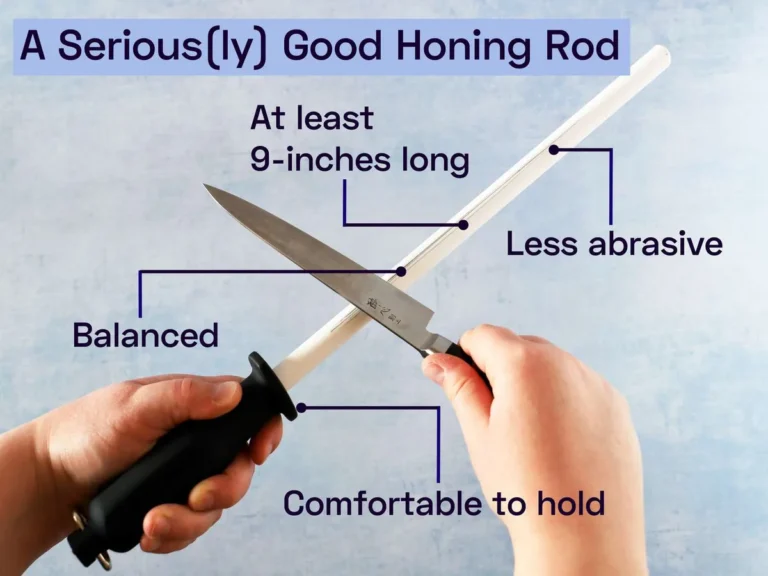
A sharpening steel, often called a honing steel or honing rod, is designed to realign a knife's existing edge, not to remove significant metal. Think of it like straightening a bent nail rather than forging a new one. When you cut, the microscopic edge of your knife gets bent over slightly.
A few passes on a steel gently bends it back into place, restoring sharpness. This is a quick maintenance task that can be done frequently. A pull-through, however, actively grinds metal, which is a more aggressive form of sharpening.
Using a steel is very low-risk for damage, whereas a pull-through carries a moderate risk if used improperly.
Pull-Through vs. Sharpening Stones
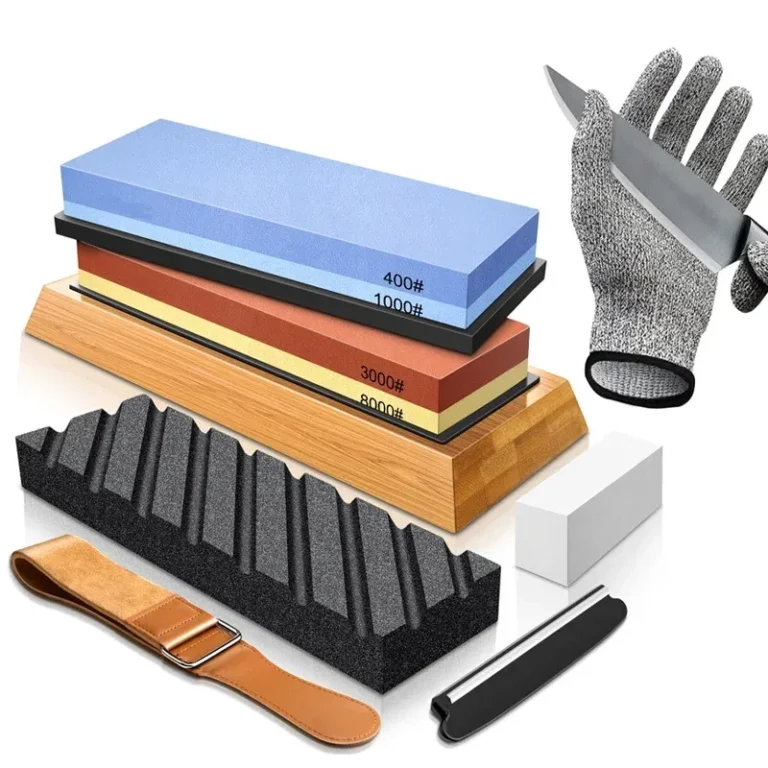
Sharpening stones, or whetstones, offer the highest degree of control over the sharpening process. You hold the knife and manually move it across stones of varying grits to shape and refine the edge. This method allows for precise angle control and is ideal for restoring a truly dull or damaged edge on high-quality knives without removing excess metal.
However, it requires practice, patience, and a good understanding of angles. A pull-through sharpener is significantly faster and easier for beginners but lacks the fine control that stones provide, increasing the risk of unintentional blade thinning or angle alteration.
Pull-Through vs. Electric Sharpeners
Electric knife sharpeners are fast and convenient, often featuring multiple abrasive stages. They work by pulling the knife through motorized abrasive wheels. Like pull-throughs, they offer a guided experience and are less intimidating than stones for beginners.
However, electric sharpeners can be quite aggressive and remove metal very quickly, sometimes leading to significant blade thinning or overheating the steel if not used correctly. They also have fixed angles. While faster than manual pull-throughs, the potential for damage can be higher with some electric models due to their power and speed.
Mistakes to Avoid with Pull-Through Sharpeners
Using a pull-through sharpener can be straightforward, but there are common pitfalls that can lead to damaging your knives. Avoiding these mistakes is crucial for maintaining your blade's health and sharpness.
Using Too Much Pressure
This is perhaps the most common mistake. People often think that pressing harder will sharpen the knife faster or better. However, with a pull-through sharpener, excessive force can actually damage the edge.
It can cause the abrasive elements to dig into the steel unevenly, create micro-chipping on the very edge, or even deform the blade itself. Let the sharpener's abrasives do the work; a few light, steady passes are far more effective and safer for your knife than aggressive shoving.
Over-Sharpening
Another error is sharpening your knife too often or for too long. Even with a gentle touch, every sharpening action removes metal. If you're pulling your knife through the sharpener every time it feels slightly less sharp, you'll end up thinning your blade considerably over time.
It's better to use a sharpening steel for regular edge maintenance (realigning the microscopic edge) and only use a pull-through sharpener when the edge has genuinely dulled and needs metal removed to restore its sharpness.
Using on Prized or Delicate Knives
Some knives are simply not designed for the aggressive, fixed-angle grinding that most pull-through sharpeners provide. If you have a very expensive chef's knife, a blade made of delicate Damascus steel, or a knife with a specialized Japanese bevel, it's usually best to avoid basic pull-through sharpeners altogether. These knives benefit from the precision and control offered by manual sharpening stones or professional services that can match the original edge angle and use appropriate grits.
Using a pull-through on such knives is akin to using a sledgehammer when a precision tool is needed.
Expert Tips for Minimizing Damage
To get the best results from your pull-through sharpener without compromising your knives, a few expert strategies can go a long way. These tips focus on smart usage and understanding the subtle mechanics at play.
Light Pressure is Key
When using any pull-through sharpener, remember that it's about gentle, consistent passes. Imagine you're lightly guiding the knife rather than forcing it. The abrasive materials are designed to do the cutting.
Applying too much force can lead to uneven grinding, micro-chipping, and excessive metal removal, all of which can damage your blade over time. Focus on a steady, moderate speed and let the sharpener's materials do the work.
Know Your Knife's Steel and Angle
Different knives are made from different types of steel, and they often have distinct factory bevel angles. A high-carbon stainless steel might be harder but more brittle than a softer stainless steel. Research your knife if possible; understanding its intended edge angle (often found on the manufacturer's website or in product documentation) can help you gauge if a particular pull-through sharpener's fixed angle is a good match.
If the angles are wildly different, you're more likely to cause issues. For knives with very specific or narrow angles, manual sharpening methods are generally safer.
Regular Honing Reduces Sharpening Needs
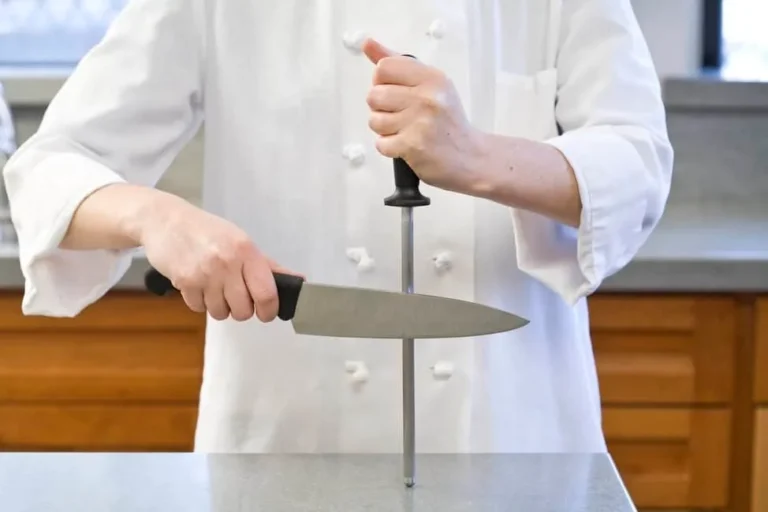
A sharpening steel, or honing rod, is your first line of defense against a dull knife. The microscopic edge of your blade gets bent out of alignment during normal use. A quick swipe or two on a honing steel straightens this edge, making the knife feel sharp again without removing any metal.
By honing your knife regularly, perhaps before or after each major use, you can significantly reduce how often you need to actually sharpen it with a pull-through or stone. This means less metal removal and a longer lifespan for your knives.
Frequently Asked Questions About Pull-Through Sharpeners
### What is the ideal angle for knife sharpening with a pull-through?
Most pull-through sharpeners are set at fixed angles, typically between 15 and 20 degrees per side, which is suitable for many common kitchen knives. However, the ideal angle for your specific knife depends on its type and intended use. Check the manufacturer's specifications for your knife if possible.
### How often should I use a pull-through sharpener?
Use a pull-through sharpener only when your knife genuinely feels dull and a honing steel can no longer bring back its sharpness. Over-sharpening with any method will thin the blade over time. For daily use, honing with a steel is recommended far more frequently than sharpening.
### Can pull-through sharpeners damage serrated knives?
Generally, no. Standard pull-through sharpeners are designed for plain, straight edges. Serrated knives have a different edge geometry that requires specialized sharpening tools or methods to maintain the individual teeth.
Attempting to sharpen a serrated knife with a typical pull-through will likely not sharpen it correctly and could even damage the serrations.
### What’s the difference between sharpening and honing?
Sharpening removes metal to create a new, sharp edge. Honing realigns the existing microscopic edge without removing significant metal, essentially straightening out bends and tears in the blade. Honing makes a sharp knife feel sharper, while sharpening restores a dull edge.
### Are all pull-through sharpeners bad for knives?
No, not all pull-through sharpeners are inherently bad. High-quality models with multiple stages (sharpening, honing, polishing) and well-engineered abrasive materials can be used effectively, especially on everyday kitchen knives. The key is understanding their limitations and using them appropriately, with light pressure and not excessively.
The Verdict: Balancing Convenience and Knife Health
When deciding whether a pull-through knife sharpener is right for you, consider it a tool that fits a specific purpose. It’s not a one-size-fits-all solution for every knife or every sharpening need. For your everyday kitchen knives that see constant use, a quality pull-through sharpener can be a practical way to keep them functional without needing advanced skills.
They offer speed and simplicity, making knife maintenance accessible.
However, it's crucial to pair this convenience with awareness. Understand that even the best pull-throughs remove metal and set a fixed angle. For your high-end chef's knives, delicate blades, or knives with specialized Japanese bevels, traditional sharpening stones or professional services are generally the superior choice.
These methods provide the control necessary to preserve the knife's integrity and achieve its optimal cutting performance. By matching the sharpening method to the knife and using light pressure, you can extend the life and usability of your entire knife collection.