How Long Do Knife Sharpeners Last?
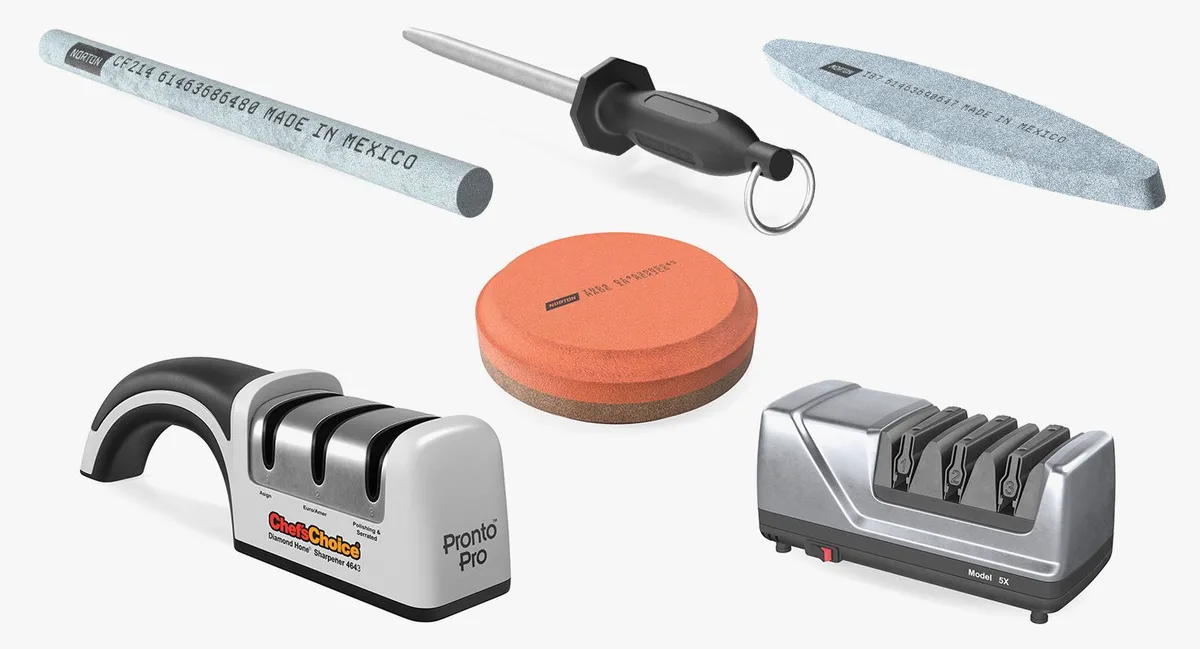
Image source: Bing (Web (fair-use with source credit))
How Long Do Knife Sharpeners Last?
You've probably wondered how long your knife sharpener will keep doing its job before you need to replace it. It's a practical question, as investing in good sharpening tools means wanting them to last. The lifespan isn't a single number; it really depends on what type of sharpener you have and how you use it.
In our research, we found that most household knife sharpeners can last anywhere from a few years to potentially decades. For instance, manufacturer specifications for some high-quality electric sharpeners suggest a motor life exceeding 5,000 hours of use, which translates to many years for typical home cooks. Understanding the key factors can help you get the most out of your sharpening tools.
Quick Answer: What's the Lifespan of a Knife Sharpener?
Knife sharpeners can last from several years to decades. Honing steels and quality sharpening stones often last a lifetime, while pull-through and electric sharpeners typically endure 3-15 years, depending on usage and maintenance. Proper care and technique significantly extend their functional life.
What Makes a Knife Sharpener Wear Out?
The longevity of a knife sharpener isn't set in stone; it's a mix of several interacting factors. Think of it like car tires, how long they last depends heavily on the road conditions, how much you drive, and how you handle the steering wheel. With sharpeners, the same principle applies, but the "road conditions" and "driving habits" are specific to knife maintenance.
The Main Factors: Type, Use, and Care
- Type of Sharpener: This is the most significant differentiator. A simple steel rod, designed only to realign an edge, has far fewer components to fail than a motorized electric sharpener. Similarly, a solid block of abrasive material like a whetstone is inherently more durable than a tool with moving parts.
- Frequency and Intensity of Use: A sharpener used daily in a busy commercial kitchen will experience wear much faster than one used weekly or monthly in a home setting. The more metal that passes over the abrasive surface, the quicker that surface will degrade. How much pressure you apply during sharpening also plays a role; excessive force can accelerate wear.
- Knife Material: The hardness and type of steel in your knives can affect your sharpener. Sharpening very hard, high-carbon steel knives might wear down the abrasive surface of a sharpener more quickly than sharpening softer stainless steel knives.
- Maintenance and Cleaning: Like any tool, neglect leads to premature failure. Not cleaning filings, storing improperly, or failing to maintain the abrasive surface (like flattening a whetstone) can all reduce a sharpener's effective lifespan.
Lifespan Breakdown: Different Sharpeners, Different Durability
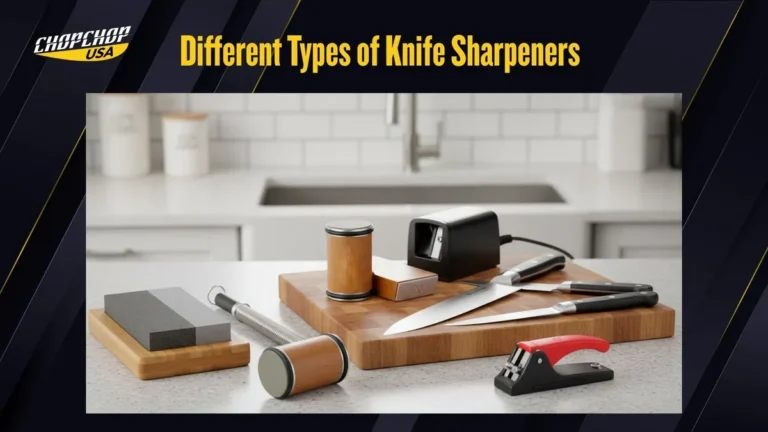
Not all knife sharpeners are created equal, and their expected lifespans vary wildly based on their design and materials. Understanding these differences can help you set realistic expectations for how long your sharpening tool will remain effective.
Honing Steels: The Long Haul
A honing steel, sometimes called a honing rod or sharpening steel, is designed primarily to realign the microscopic teeth of a knife's edge rather than to remove metal. Because it's typically made of a solid piece of steel, ceramic, or diamond-coated material, its lifespan is exceptionally long.
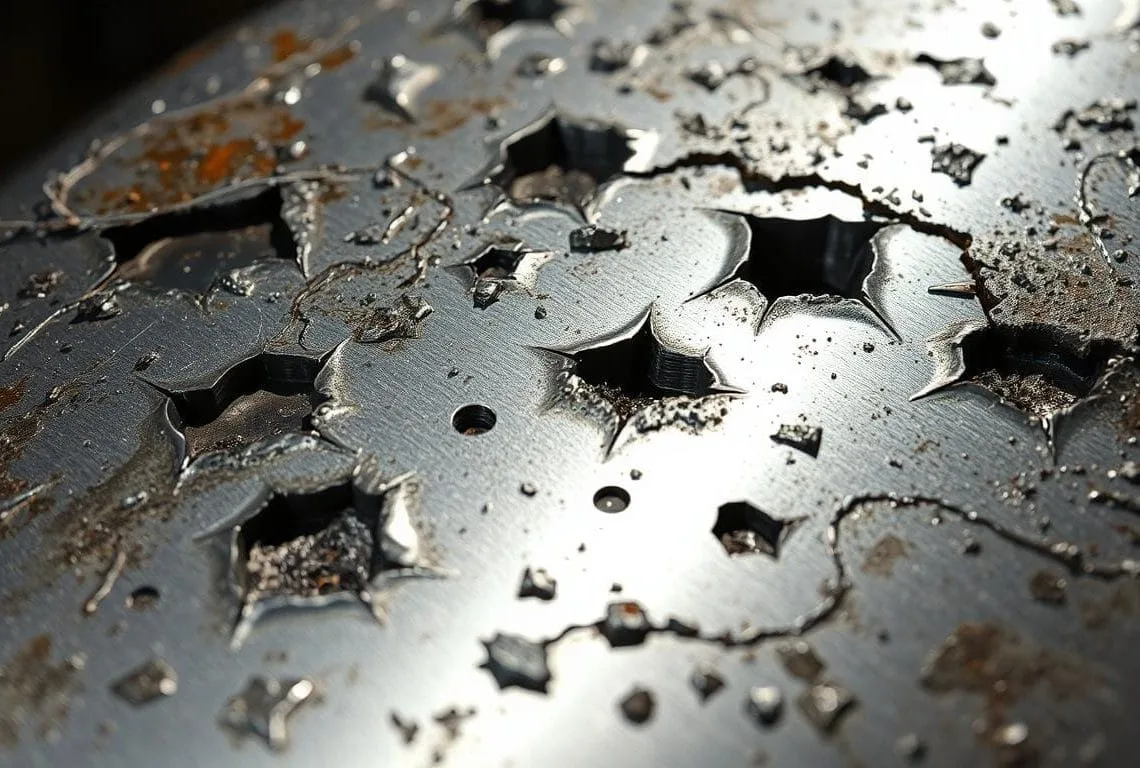
Image source: Bing (Web (fair-use with source credit))
- Expected Lifespan: With proper care, a honing steel can last for decades, often outliving the knives it's used to maintain. Barring accidental drops that cause them to bend or break, they are incredibly durable.
- Wear Characteristics: The surface of a standard steel honing rod may become smoother over extended use, potentially reducing its effectiveness slightly, but this is a very slow process. Diamond-coated steels will eventually wear down their abrasive coating, and ceramic rods can chip or become less effective if used improperly.
- Maintenance: Occasional cleaning with soap and water is usually all that's needed. For diamond steels, a stiff brush can help remove embedded metal particles.
Pull-Through Sharpeners: Years of Use
Manual pull-through sharpeners are popular for their ease of use. They typically feature two or three slots with abrasive materials (like carbide or ceramic wheels) set at specific angles. You simply pull the knife blade through the slots.
- Expected Lifespan: For typical home use (sharpening a few knives every month or two), these sharpeners can last anywhere from 3 to 10 years. Heavy or daily use will shorten this considerably.
- Wear Characteristics: The abrasive wheels are the primary wear component. Over time, these will become dull and less effective at sharpening the knife's edge. You cannot typically replace these abrasive elements on most models.
- Maintenance: Keeping the abrasive slots clear of metal filings and debris is crucial. A small brush can help, and some models can be wiped down. Using them correctly, as per manufacturer instructions, also prevents premature wear.
Electric Sharpeners: Motors and Abrasives
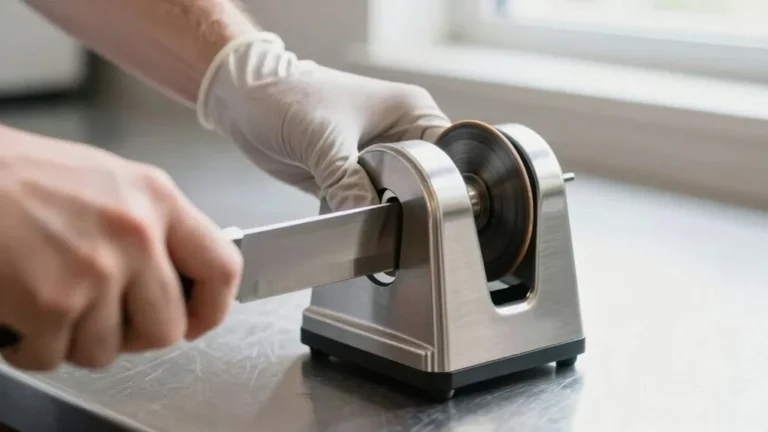
Electric sharpeners use motorized abrasive wheels or belts to grind and hone the knife edge. Their convenience is high, but they have more components that can potentially wear out.
- Expected Lifespan: Quality electric sharpeners can last between 5 and 15 years with moderate home use. Higher-end models often feature more durable motors and higher-grade abrasives, contributing to a longer lifespan.
- Wear Characteristics: The abrasive wheels or belts will wear down over time, losing their sharpening effectiveness. The motor itself is another potential point of failure; while designed for longevity, prolonged heavy use or overheating can shorten its life. Some models have replaceable abrasive stages, which can extend the overall life of the unit.
- Maintenance: Regular cleaning is essential to remove metal dust and filings that can clog the mechanism and reduce performance. Following manufacturer guidelines for motor cooling and avoiding prolonged, continuous operation is also important.
Sharpening Stones: Lifelong Companions
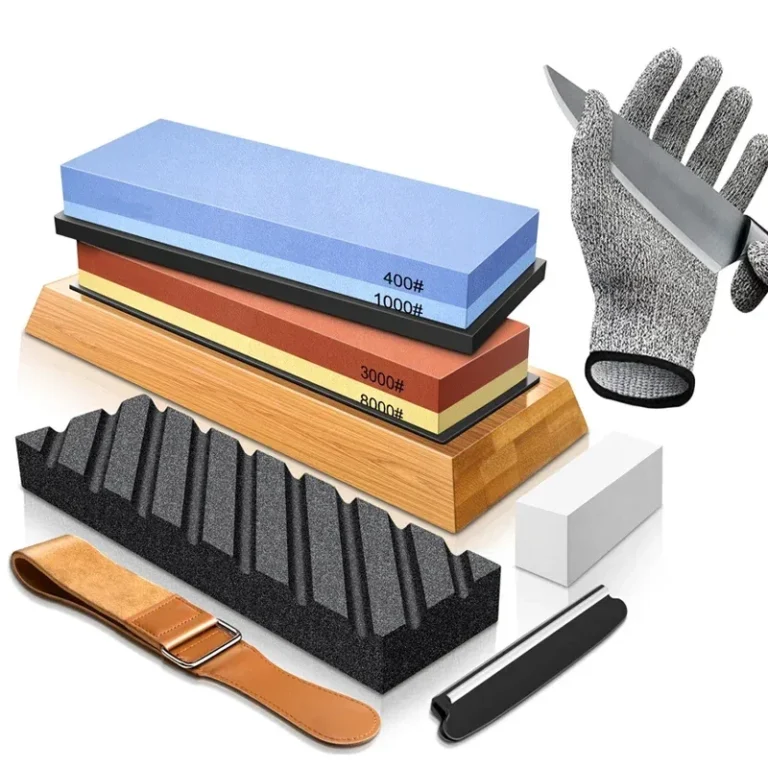
Sharpening stones, or whetstones, are arguably the most durable sharpening tools available. Made from materials like aluminum oxide or silicon carbide, they work by abrading metal from the knife's edge to create a new, sharp bevel.
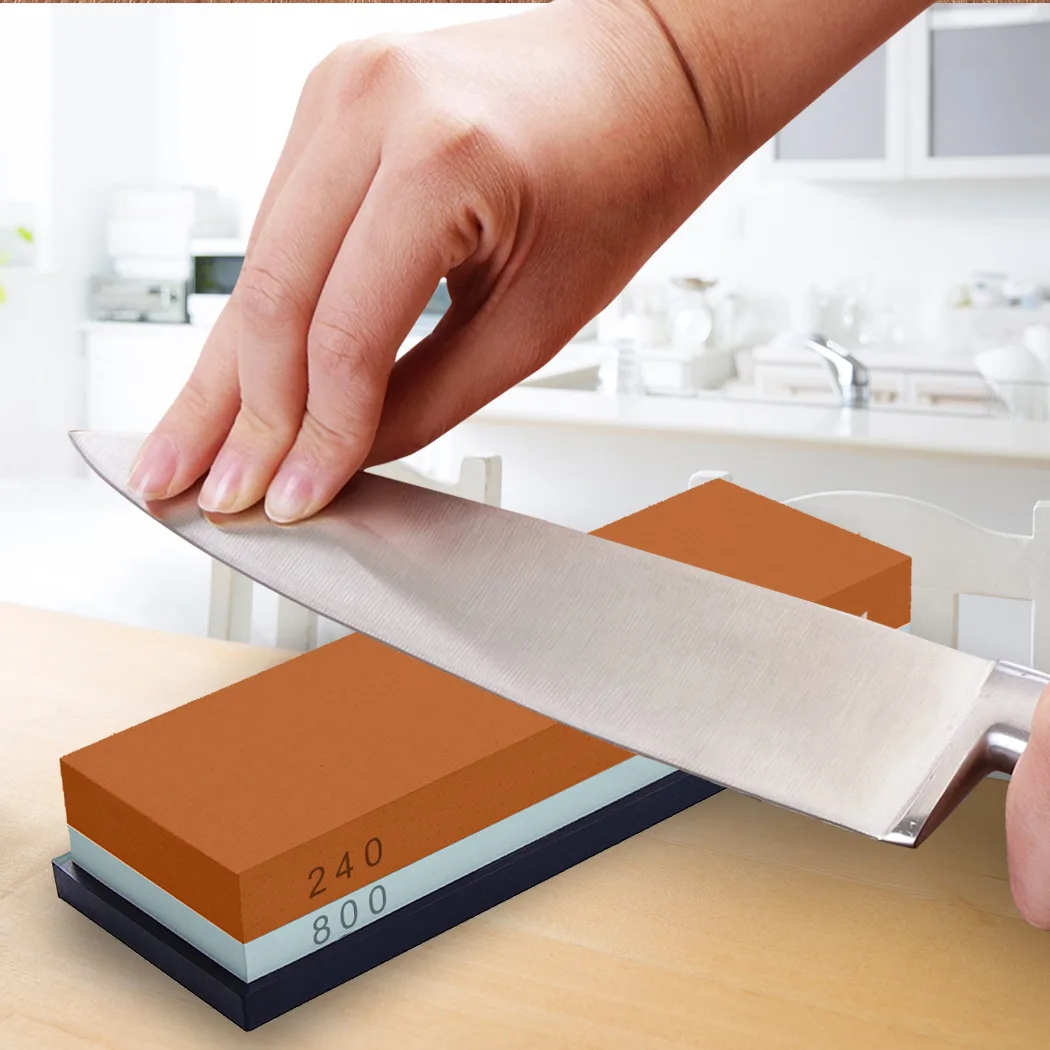
Image source: Bing (Web (fair-use with source credit))
- Expected Lifespan: With proper maintenance, a sharpening stone can last for a lifetime of home use. They are designed to be resurfaced, meaning their abrasive capacity can be renewed.
- Wear Characteristics: The abrasive surface itself wears down very slowly with use. The primary issue is that the stone can become "dished" or develop a hollow in the center from the pressure of sharpening. This unevenness prevents effective sharpening.
- Maintenance: The most critical maintenance is "flattening" the stone regularly using a flattening stone or a specialized lapping plate. This ensures the stone remains perfectly flat for consistent edge creation. Rinsing the stone after use to remove metal slurry is also key.
Guided Systems: Precision That Endures
Sharpening systems often involve a clamp to hold the knife at a precise angle, with guide rods that ensure consistent movement of an abrasive stone or rod along the edge. This removes the guesswork from achieving a specific angle.
- Expected Lifespan: These systems can last many years, often from 5 to 20 years, depending on the build quality of the clamping mechanism, guide rods, and the durability of the abrasive components.
- Wear Characteristics: The primary wear parts are the abrasive rods or stones. If these are replaceable, the system's framework (the guides and clamp) can last indefinitely with care. The guide rods themselves can also wear down if they are made of softer materials, but this is less common in higher-quality systems.
- Maintenance: Keeping the guide rods clean and free of debris is important for smooth operation. The abrasive stones or rods will require maintenance similar to standalone sharpening stones or rods, depending on their material. Checking that the clamp mechanism remains secure is also part of ongoing care.
Mistakes That Cut Lifespan Short
Using your knife sharpener incorrectly is the quickest way to shorten its functional life, and sometimes, to damage your knives or even injure yourself. These aren't usually complex errors, but small habits that accumulate.
- Excessive Force: Many users instinctively press down hard, thinking it will sharpen faster. This actually wears down abrasive surfaces prematurely and can even damage the knife's edge. Gentle, consistent pressure is usually more effective and far easier on your sharpener.
- Ignoring Wear: If a sharpening stone is dished or an electric sharpener's wheels are visibly worn, continuing to use it is counterproductive. You'll get a poor edge, and you're just grinding away at a tool that's already degraded.
- Improper Cleaning and Storage: Metal filings, dust, and moisture can all degrade sharpeners over time. Leaving a whetstone wet can lead to mold growth, while metal dust in an electric sharpener can clog mechanisms and potentially cause motor strain.
- Sharpening Damaged Knives: If your knife has a significant chip or bend, forcing it through a standard sharpener can damage the sharpener's abrasives or guides. Major repairs often require specialized tools or professional attention.
- Using the Wrong Sharpener for the Job: A honing steel is for realigning, not for restoring a truly dull edge. Using it as if it were a sharpening stone won't achieve the desired sharpness and won't wear it out faster, but it's a misuse that defeats the purpose and might lead you to overuse a different, less suitable tool.
Expert Tips for Maximizing Your Sharpener's Life
Getting the most mileage out of your knife sharpener is all about consistent, correct usage and a bit of preventative care. These aren't complicated procedures, but they make a big difference.
Maintenance and Cleaning
Regular cleaning is paramount. For manual pull-through sharpeners and electric models, use a soft brush (like an old toothbrush) to sweep away metal filings and dust after each use. For electric sharpeners, refer to the manufacturer's manual for specific cleaning instructions, as some have removable parts or specific cleaning methods.
Whetstones require more specific care. After use, rinse them thoroughly with water to remove the metal slurry, which is a mixture of water and metal particles that aids in the sharpening process. Store them only after they are completely dry to prevent mold or mildew.
Proper Storage
How you store your sharpener can impact its longevity. Keep sharpeners in a dry place, away from extreme temperatures. For electric sharpeners, ensure they are unplugged and stored where they won't be exposed to moisture or excessive dust.
Whetstones should be stored flat, ideally in a case or on a rack, to prevent them from becoming warped or damaged. If storing multiple stones, place a cloth or separator between them to avoid scratching.
When is it Time for a New Knife Sharpener?
Figuring out when your sharpener has reached the end of its useful life isn't always obvious. It's usually a gradual process where you notice performance declining, rather than a sudden failure. The key indicators are related to its effectiveness.
- Diminished Sharpening Ability: The most obvious sign is when your sharpener simply stops making your knives sharp. If you're going through the motions and the blade still feels dull or won't hold an edge after sharpening, the abrasive surface has likely worn out.
- Inconsistent Results: If you're getting a jagged or uneven edge, or if one side of the blade sharpens better than the other, your sharpener might be unevenly worn or damaged. For stones, this points to needing flattening. For other types, it might mean it's time for a replacement.
- Physical Damage: Obvious damage like cracks, chips, missing abrasive parts, or a malfunctioning motor in an electric sharpener are clear signs that replacement is necessary. These issues can not only render the sharpener useless but also pose a safety risk.
- Extended Sharpening Times: If it's taking significantly longer to achieve a sharp edge than it used to, it’s a strong indicator that the sharpener's abrasive capacity is depleted.
Frequently Asked Questions
How long does a honing steel last?
A honing steel, designed to realign edges, can last for decades with proper use. Unless physically bent or broken, its functional life is exceptionally long.
What is the lifespan of a manual pull-through sharpener?
Manual pull-through sharpeners typically last between 3 to 10 years for home use, as their abrasive wheels wear down over time and are generally not replaceable.
How many years can an electric knife sharpener typically last?
Quality electric sharpeners can last 5 to 15 years, depending on motor durability, abrasive quality, and usage frequency. Some models with replaceable abrasives may last longer.
Do sharpening stones wear out?
Sharpening stones wear down very slowly. Their main issue is becoming dished or uneven, which can be corrected by flattening. With proper maintenance, they can last a lifetime.
Can a knife sharpener be repaired?
Some electric sharpeners or systems with replaceable abrasive components can be repaired or have parts swapped out. However, many manual sharpeners and whetstones are either replaced entirely or maintained (like whetstones) rather than repaired.