How Do You Choose the Right Knife Sharpener?
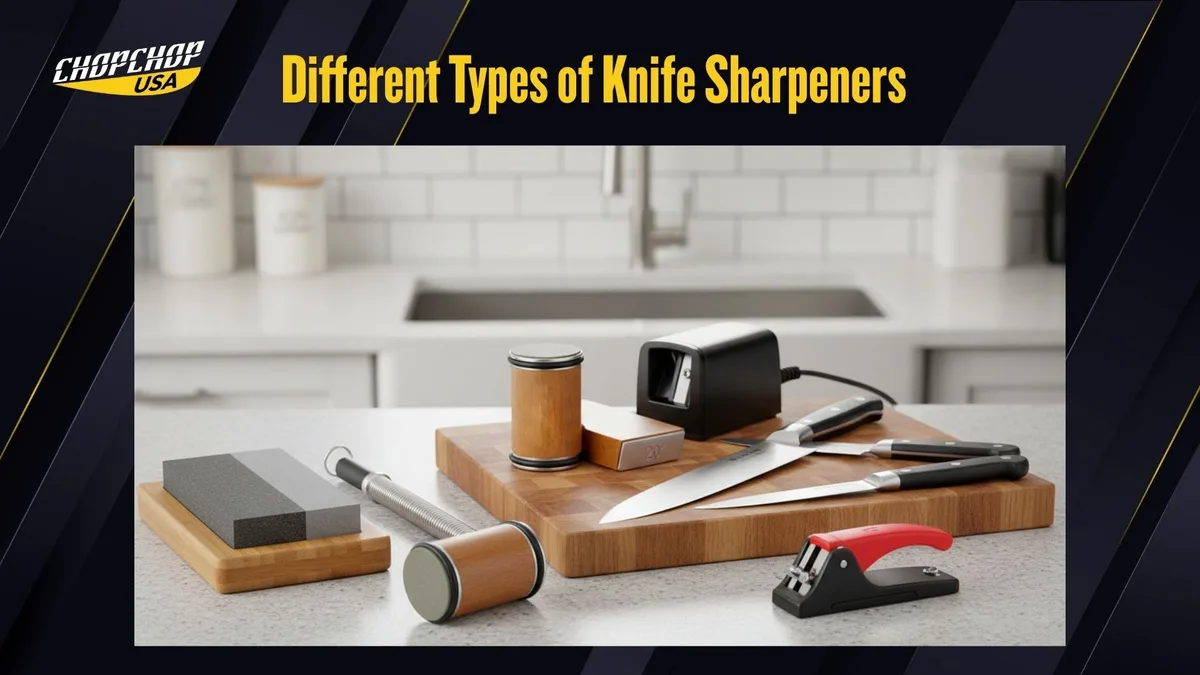
Image source: Bing (Web (fair-use with source credit))
How Do You Choose the Right Knife Sharpener?
Choosing the right knife sharpener can feel overwhelming, but it doesn't have to be. The key is understanding what your knives need and what level of effort you're willing to put in. Getting this right means your tools will perform better, last longer, and make kitchen tasks safer and more enjoyable.
In our research, we found that most sharpening tools fall into a few distinct categories, each with its own learning curve and ideal use case. For instance, manufacturer specifications for electric sharpeners often highlight their wattage and abrasive grit, but these numbers don't tell the whole story about user experience. We'll break down exactly what makes each type tick, so you can pick the sharpener that fits your life.
Quick Answer: The Best Sharpener Depends on You
You choose the right knife sharpener by matching its type to your knives and your skill level. Manual pull-through sharpeners are easy for beginners. Whetstones offer ultimate control for enthusiasts.
Electric sharpeners provide speed for busy cooks. Honing steels maintain sharpness but don't sharpen. Consider your knife collection, desired edge, and time commitment.
Why Sharpening Your Knives Matters
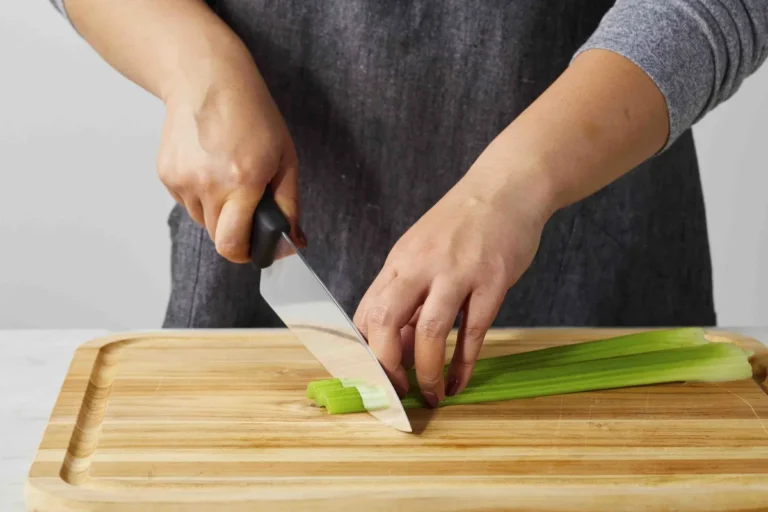
A sharp knife isn't just about convenience; it's fundamentally about safety. When a knife is dull, it tends to slip. You have to apply more force to cut through food, and if the blade skids off an onion or a tomato, it can easily slide onto your fingers.
A sharp knife bites into the food with minimal pressure, giving you much better control.
Beyond safety, sharp knives make cooking more efficient and enjoyable. Tasks like slicing, dicing, and mincing become quicker and more precise. They also preserve the integrity of your food; a sharp knife slices cleanly through cell walls, whereas a dull knife can tear and crush them, affecting texture and appearance.
Our research indicates that well-maintained knives also tend to last longer because they require less force during use, reducing stress on the blade and handle.
Your Main Sharpener Options: A Breakdown
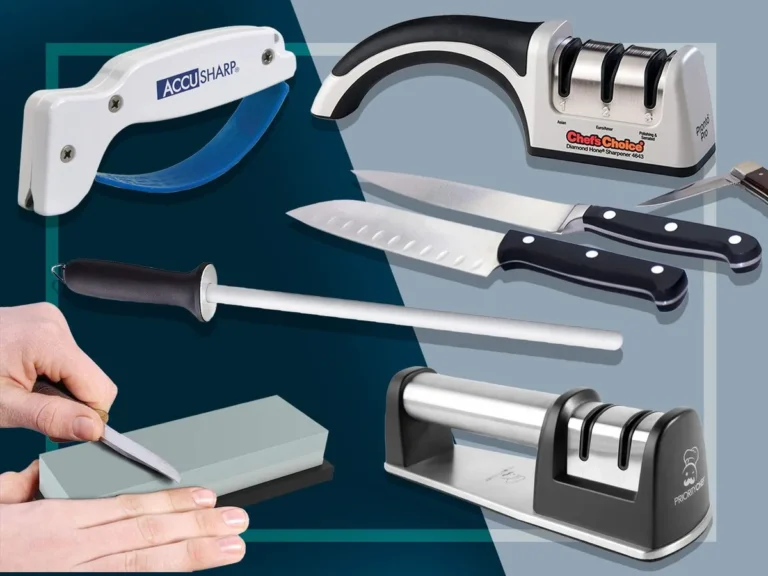
When you're looking to bring an edge back to your blades, you'll find a few main types of tools designed for the job. Each has its own method of sharpening, its own learning curve, and its own set of benefits. Understanding these core differences is the first step to picking what’s right for you.
Manual Pull-Through Sharpeners: The Easy Way
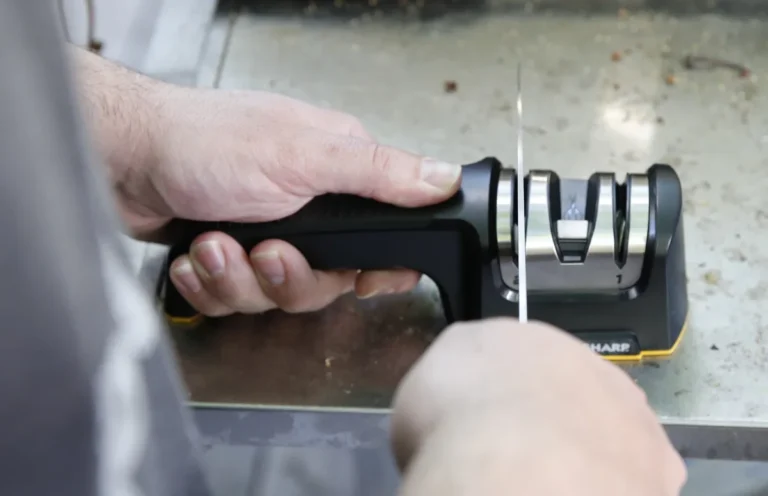
These are probably the most common sharpeners you’ll see in kitchens. They’re designed for simplicity. You typically just pull your knife blade through pre-set slots.
These slots contain abrasive materials, usually ceramic or carbide rods, angled to match common kitchen knife bevels.
What to Expect:
- Ease of Use: They’re foolproof. Just a few passes, and you should notice a difference.
- Speed: They’re quick for when you need a usable edge fast.
- Portability: Many are compact and easy to store or even take with you.
However, they’re not always the best for achieving a truly razor-sharp edge or for highly specialized knives. They often have fixed angles, which might not be ideal for every blade geometry.
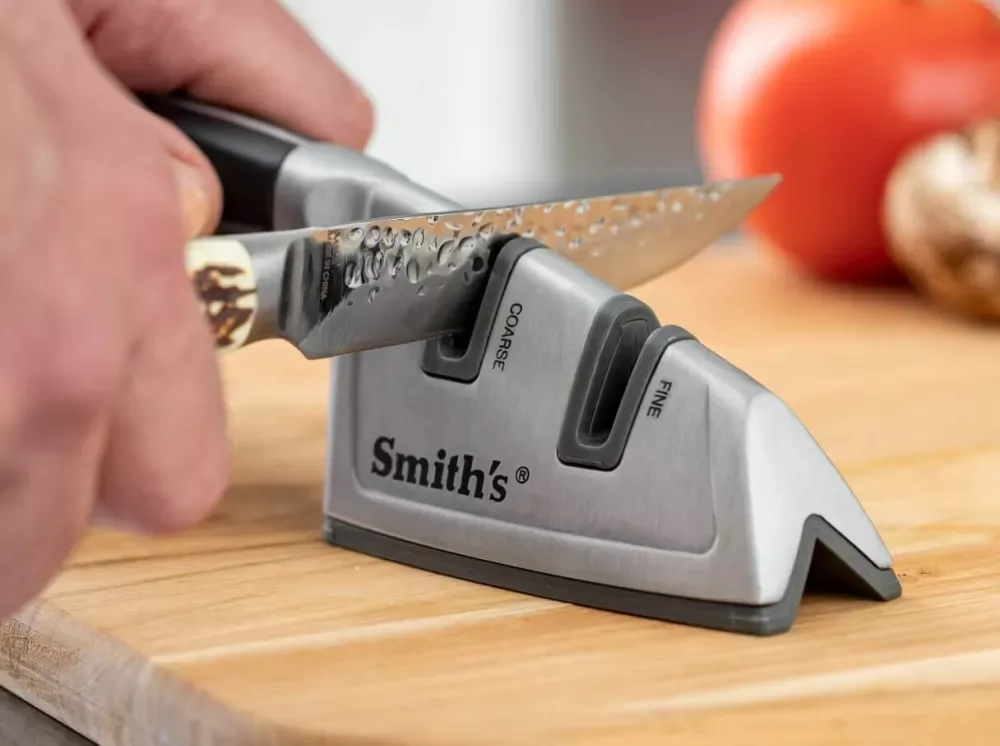
Image source: Bing (Web (fair-use with source credit))
Whetstones (Sharpening Stones): The Traditionalist's Choice
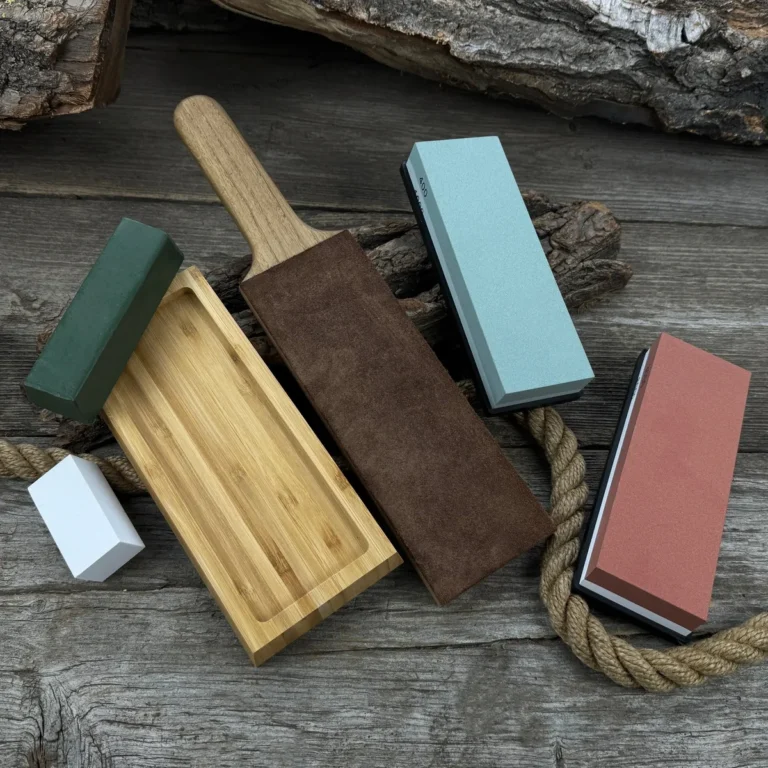
Whetstones are flat blocks made of abrasive material, like aluminum oxide or silicon carbide, bonded together. They come in various grits, from coarse for repairing chips and reprofiling edges to very fine for polishing and creating a super-sharp, refined edge. Using a whetstone involves manually sliding the knife blade across the stone at a consistent angle.
What They Offer:
- Ultimate Control: You have complete command over the sharpening angle, which is crucial for different knife types.
- Superior Edge Quality: With practice, you can achieve incredibly sharp, polished edges that are often superior to what other methods can produce.
- Versatility: They can handle a vast range of knives, from kitchen tools to specialized blades.
The main drawback is the learning curve. It takes time and practice to develop the muscle memory for maintaining a consistent angle, and they can be messier, often requiring water or oil.
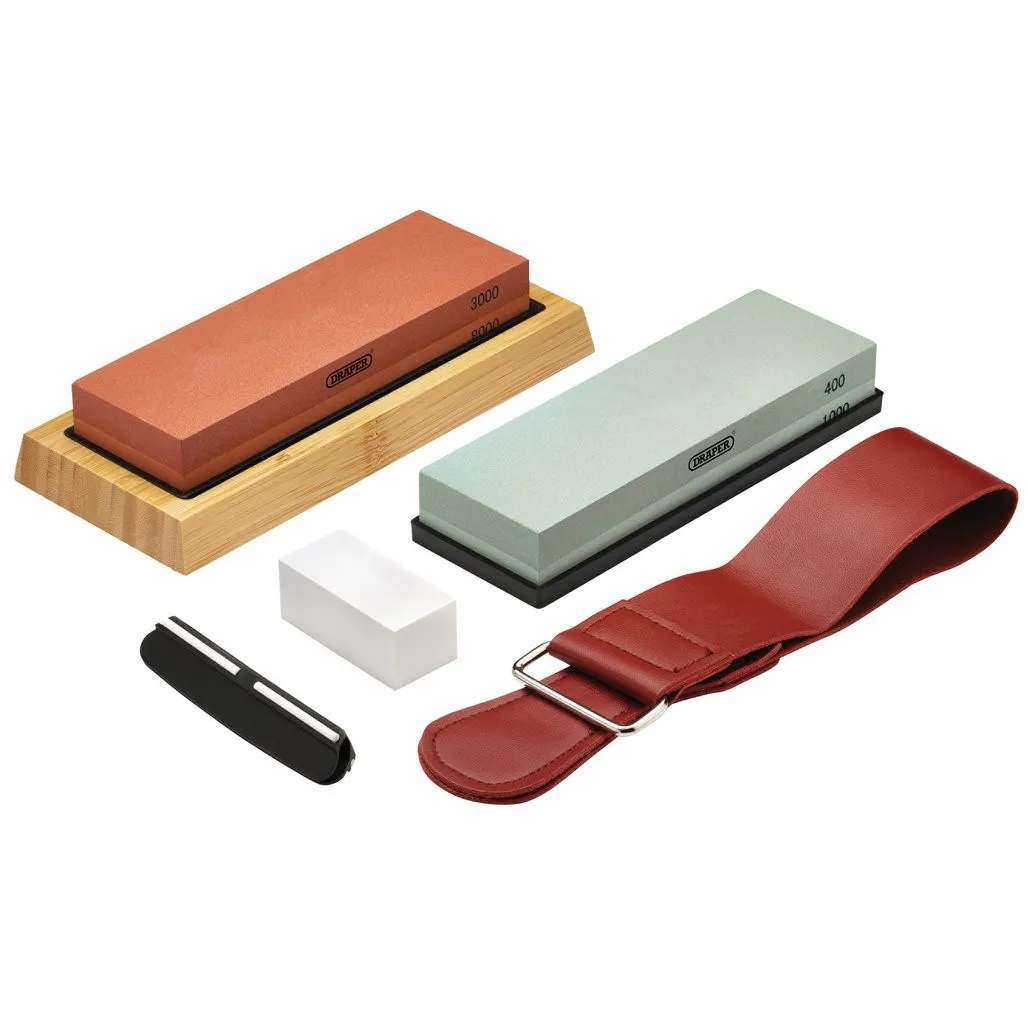
Image source: Bing (Web (fair-use with source credit))
Electric Sharpeners: Speed and Convenience
Electric sharpeners automate the sharpening process. They feature motorized abrasive wheels or belts that spin, and you simply guide your knife through slots. Many models offer multiple stages, starting with a coarse grind to shape the edge and finishing with a fine abrasive for honing.
Key Features:
- Fast Results: They can sharpen a knife in a minute or two.
- Consistent Angles: Most have built-in guides that ensure a repeatable angle.
- Low Effort: Ideal if you prefer a tool that does most of the work for you.
While convenient, some electric sharpeners can be aggressive, removing more metal than necessary if not used carefully, potentially shortening your knife's lifespan. The fixed angles might also not suit every knife.
Honing Steels: For Edge Maintenance, Not Sharpening
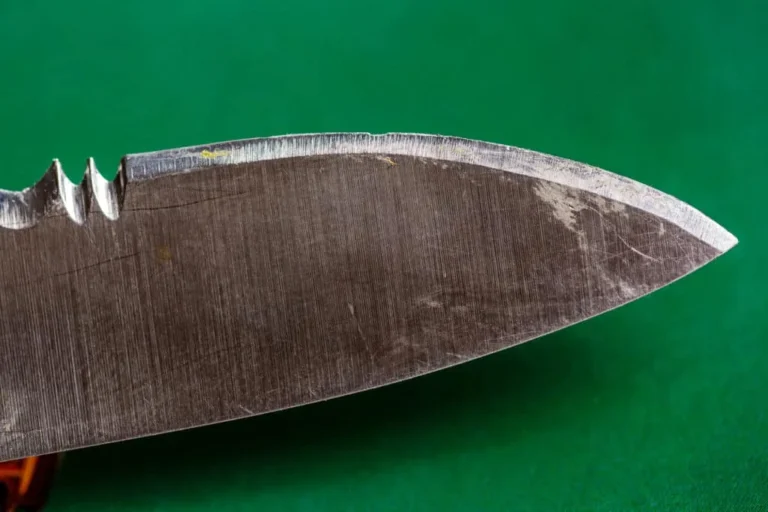
It’s crucial to understand that a honing steel (also called a sharpening steel or honing rod) does not actually sharpen a knife. Sharpening removes metal to create a new edge. Honing, on the other hand, realigns the microscopic teeth of the blade's existing edge that have become bent or misaligned during normal use.
How They Work:
- Edge Realignment: They straighten out a bent edge, making the knife feel sharper again.
- Quick Maintenance: A few passes on a honing steel can keep an already sharp knife performing at its best between actual sharpening sessions.
If your knife is truly dull (meaning the edge has worn down), a honing steel won't help. It's a maintenance tool for knives that are already sharp or have recently been sharpened.
Comparing Sharpeners: Which Works Best For What?
Deciding between manual pull-throughs, whetstones, and electric sharpeners often comes down to who you are as a knife user and what you want from your sharpening experience. There isn't a single "best" option; there's just the best option for you.
Let's break down which type of sharpener is most suited for different users and scenarios. This isn't about which one is technically "superior" overall, but which one fits your needs best.
Who Are Manual Pull-Through Sharpeners Best For?
If you're someone who wants sharp knives without a lot of fuss or a steep learning curve, a manual pull-through sharpener is likely your best friend.
- The Beginner Cook: You're just getting comfortable in the kitchen and need your knives to be reliable and safe without needing to learn a complex technique.
- The Occasional User: You don't cook every day but still want your knives to perform well when you do.
- The Space-Conscious: Many pull-through sharpeners are compact and easy to store in a drawer.
- The "Just Need It Sharp" Person: You're not looking for a razor-sharp, mirror-polished edge; you just want your knife to cut cleanly and safely.
These sharpeners are fantastic for standard kitchen knives and offer a quick way to get a usable edge back on your blades when they start to feel a bit dull.
Who Should Use Whetstones?
Whetstones are the tool of choice for those who appreciate the craft of knife sharpening and want the absolute best performance from their blades.
- The Enthusiast Chef: You take pride in your tools and want them to perform at their peak, recognizing the nuances of a perfectly sharpened edge.
- The Knife Collector: You have high-quality knives, possibly with specialized geometries, that deserve precise care.
- The Patient Learner: You're willing to invest time and practice to master a skill and achieve exceptional results.
- The Detail-Oriented: You understand that different knives have different optimal angles and want the flexibility to set them precisely.
With whetstones, you're not just sharpening a knife; you're engaging in a time-honored practice that can yield incredibly satisfying results, including edges that can slice through paper with ease.
When is an Electric Sharpener the Right Call?
Electric sharpeners are the go-to for people who value speed and convenience above all else. If sharpening your knives feels like a chore you’d rather skip, an electric model might be your perfect match.
- The Busy Home Cook: You have limited time and want to get your knives sharp quickly between meal preparations.
- The Multi-Knife Household: You have many knives that need regular sharpening, and doing them all by hand would be too time-consuming.
- The "Set It and Forget It" User: You prefer tools that minimize user input and deliver consistent results with minimal effort.
- The Physically Limited: If precise hand movements are challenging, an electric sharpener takes the strain out of the process.
These sharpeners are excellent for bringing dull knives back to a functional sharpness rapidly, making them a practical choice for many households.
Common Mistakes When Choosing and Using Sharpeners
Picking out a sharpener seems straightforward, but a few common missteps can lead to frustration or even damage to your knives. One of the biggest mistakes people make is buying the cheapest option without considering quality. A poorly made sharpener, especially a manual pull-through, can have rough abrasives that damage your blade's edge rather than refine it.
Another frequent error is using the wrong type of sharpener for a specific knife. For instance, trying to use a coarse carbide sharpener on a delicate Japanese santoku can be overkill, potentially removing too much metal and ruining the fine edge. Also, many folks mistakenly believe a honing steel is a sharpener; it merely realigns an existing edge and won't help a truly dull knife.
Mistakes to Avoid with Sharpeners:
- Buying solely on price: The cheapest option might not be the best for your knives.
- Using aggressive sharpeners on delicate blades: Always consider your knife's material and intended use.
- Confusing honing with sharpening: A honing steel won't fix a dull knife.
- Not learning the proper technique: Even easy sharpeners require a little care.
- Over-sharpening: More passes doesn't always mean a better edge; it can wear down your knife faster.
Expert Tips for Getting the Sharpest Edge
Achieving a truly sharp knife is a combination of having the right tool and using it correctly. Our research highlights that consistency is key, especially when working with whetstones. If you're new to whetstones, consider starting with a combination stone that offers both a coarser grit for initial shaping and a finer grit for refinement.
When using any sharpener, it’s wise to start with a light touch. You can always add more pressure or passes, but you can’t put metal back onto a blade once it’s removed. For manual pull-through sharpeners, look for models with multiple stages; the first stage can help repair minor chips or set a basic edge, while the second stage refines it.
For electric sharpeners, follow the manufacturer's instructions precisely, typically involving a specific number of passes per slot.
Pro Advice for Sharpening Success:
- Consistency is king: Maintain a steady angle and pressure throughout the process.
- Start light, then build: You can always do more, but you can't undo damage.
- Understand your grit: Use coarser grits for repair and finer grits for polishing.
- Cleanliness matters: Wash your knives and sharpener after use to prevent debris buildup.
- Practice makes perfect: Especially with whetstones, regular practice builds muscle memory and improves results.
FAQs About Knife Sharpeners
How often should I sharpen my knives?
The frequency depends on how much you use your knives and what you cut. For daily home cooks, sharpening might be needed every few months. If you use knives heavily for tough jobs, you might sharpen them more often.
A good indicator is when your knife starts to feel less efficient at slicing through common items like tomatoes or herbs.
Can I sharpen any type of knife?
Most knives can be sharpened, but the method and sharpener might need to be tailored. For instance, very flexible fillet knives or serrated knives require specialized techniques or sharpeners. High-carbon steel knives will hold an edge better than stainless steel, but they might also be more prone to rust if not cared for properly after sharpening.
What's the difference between sharpening and honing?
Sharpening actually removes metal from the blade to create a new, fine edge. Honing, on the other hand, uses a steel rod to realign the microscopic teeth of the existing edge that have become bent or dulled through use. Honing keeps an already sharp knife sharp, while sharpening restores sharpness to a dull knife.
How do I know if my sharpener is working?
You'll know a sharpener is working if your knife's cutting ability noticeably improves after use. A truly sharp knife should glide through food with minimal pressure. For finer edges, you can test it by seeing if it can cleanly slice through a piece of paper held vertically without snagging or tearing.
Should I use water or oil with my whetstone?
This depends on the type of whetstone. Water stones are designed to be used with water, which creates a slurry that helps with the sharpening process. Oil stones use a light honing oil to lubricate the stone and clear away metal particles.
Always check the manufacturer's recommendations for your specific whetstone.