How Do You Choose the Best Kitchen Knife?
Choosing the best kitchen knife can feel like a big decision. It's not just about getting something sharp; it's about finding a tool that fits your hand, your cooking style, and your budget. A quality knife makes prep work smoother, safer, and dare I say, more enjoyable.
Our research confirms that investing in the right knife means less frustration and better results in the kitchen, as knife specifications vary widely. For instance, the Rockwell hardness scale, a common measure of steel's resistance to scratching and wear, often ranges from 54 to 60 for good kitchen knives, indicating a significant difference in durability and edge retention. Let's break down what truly matters so you can make a confident choice.
Quick Answer
To choose the best kitchen knife, focus on blade material, handle comfort, and knife type for your tasks. Look for high-carbon stainless steel for good sharpness and durability. Ensure the handle feels balanced and secure in your hand.
Select specific types like a chef's knife, paring knife, or serrated knife based on your cooking needs.
The Essential Knife Trio: Your Foundation
Every kitchen needs a solid foundation of knives. You don't need a drawer overflowing with every obscure blade. Instead, focusing on a few high-quality, versatile knives will serve you far better in the long run.
These are the workhorses that handle the vast majority of your daily chopping, slicing, and dicing. Getting these right means you're already ahead of the game.
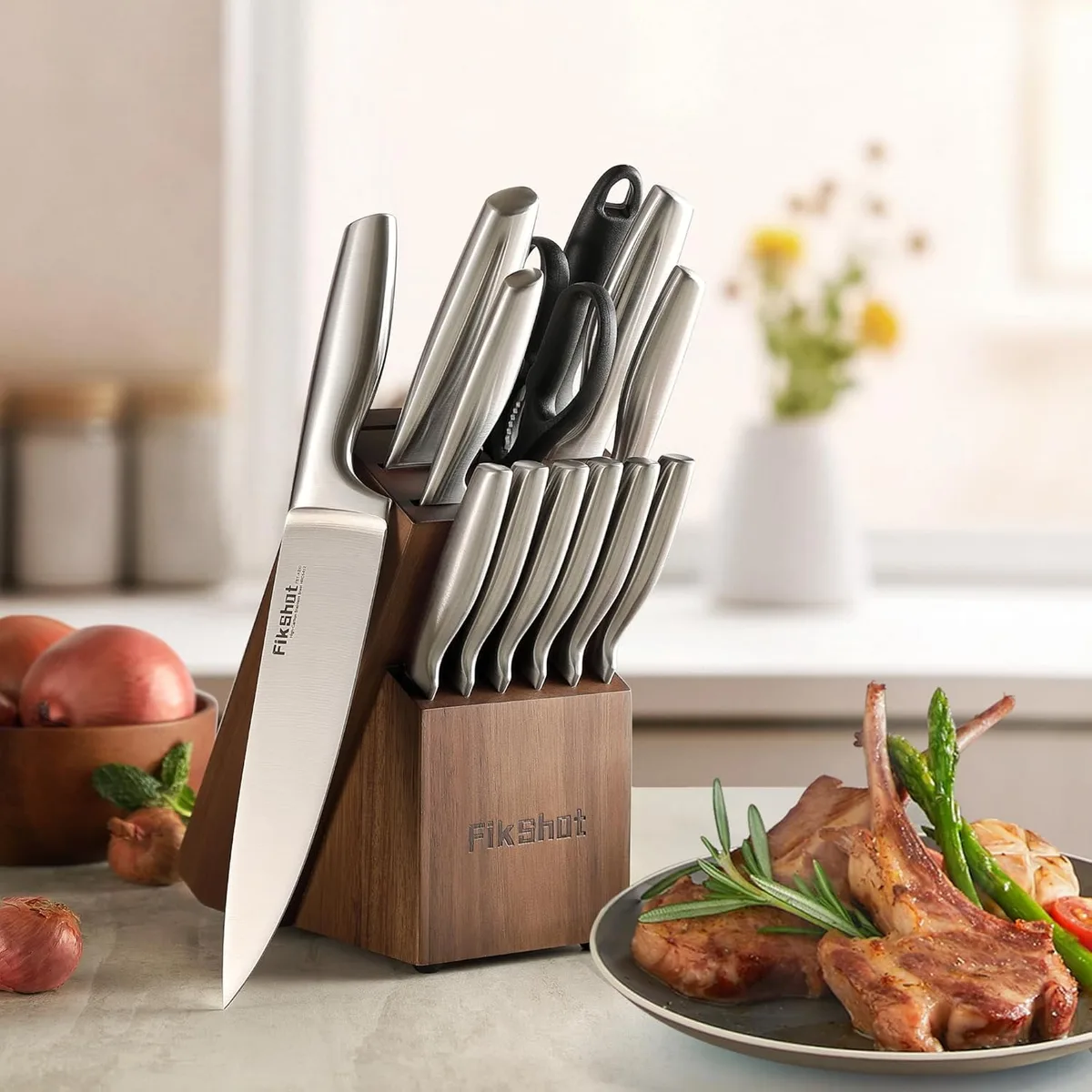
Image source: Bing (Web (fair-use with source credit))
The All-Star Chef's Knife
This is the undisputed king of the kitchen, your go-to for almost everything. A chef's knife typically ranges from 6 to 12 inches in blade length. It features a broad blade that curves upward towards a pointed tip, allowing for a rocking motion for efficient chopping.
- What it does: You'll use this knife for chopping vegetables, dicing onions, mincing garlic, slicing meats, and even breaking down smaller poultry. Its versatility is unmatched.
- Key features: The curved blade facilitates a smooth rocking motion. The weight and balance are crucial for comfortable use during extended prep.
- Best for: Anyone who cooks regularly. It's the single most important knife to own.
For example, when dicing a pound of onions, the rocking motion of a well-balanced chef's knife can significantly speed up the process compared to repeatedly lifting and striking with a straight-edged knife. Manufacturer specifications often detail blade taper, bolster design, and handle material, all contributing to how this knife performs in your hand.

Image source: Web (Bing) / ar.inspiredpencil.com (Web image (fair-use with source credit))
The Nimble Paring Knife
Don't underestimate this small but mighty tool. A paring knife is your best friend for all the intricate, detailed work that a larger chef's knife can't handle with precision.
- What it is: It's a small knife, usually with a blade between 2.5 to 4 inches long. The blade is typically straight and pointed.
- What it does: Perfect for peeling fruits and vegetables, deveining shrimp, hulling strawberries, or trimming small blemishes. It gives you excellent control for delicate tasks.
- Best for: Anyone who does a lot of intricate prep work, from garnishes to detailed fruit carving.
Its compact size and sharp point allow you to maneuver easily around small, irregular shapes. For instance, removing the eyes from a pineapple or mincing a small shallot becomes far less fussy with a good paring knife.
The Mighty Serrated (Bread) Knife
Often called a bread knife, its serrated edge makes it incredibly effective for cutting through items with a hard exterior and a soft interior without crushing them.
- What it is: This knife has a long, thin blade with a series of sharp, saw-like teeth. Blade lengths typically range from 8 to 10 inches.
- What it does: While perfect for slicing bread, it also excels at cutting through ripe tomatoes, citrus fruits, and even the crust of a roasted chicken or turkey. The serrations grip the surface and saw through it.
- Best for: Bakers, home cooks who frequently prepare tomatoes or citrus, or anyone who wants to avoid squishing delicate foods.
Aggregate reviews consistently highlight its superiority for tasks like slicing a ripe, juicy tomato for a sandwich without turning it into a pulpy mess. The sawing action minimizes pressure, preserving the food's texture.
Beyond the Basics: Expanding Your Knife Set
Once you've mastered the essential trio, you might find that your cooking style calls for a few more specialized blades. Adding one or two of these can further enhance your efficiency and enjoyment in the kitchen. Remember, the goal isn't to own a knife for every conceivable task, but to have the right tools for the tasks you do most often.
The Versatile Santoku Knife
The Santoku is a Japanese-style chef's knife that has gained immense popularity worldwide. Its name translates to "three virtues" or "three uses," referring to its proficiency in slicing, dicing, and mincing.
- Key differences from a chef's knife: Santokus are often shorter (6-7 inches), have a flatter edge, and a sheepsfoot tip, where the spine curves down to meet the blade. Many also feature a Granton edge, which are hollows or divots ground into the blade.
- What it does: The flatter edge is great for a straight chopping motion, and the Granton edge helps prevent food from sticking to the blade by creating air pockets. It's fantastic for slicing vegetables and mincing herbs.
- Best for: Cooks who prefer a straighter chopping motion, work with a lot of vegetables, or want to reduce food sticking issues.
According to manufacturer specifications for some Santoku models, the Granton edge can reduce drag by up to 25% compared to a plain blade, making slicing through softer foods like cooked fish or dense vegetables much easier.
The Specialized Utility, Boning, and Fillet Knives
These knives are designed for more specific jobs, and while not as frequently used as the core trio, they can be invaluable if you tackle certain types of food preparation.
- Utility Knife: Think of this as a smaller, narrower chef's knife, often between 4 to 6 inches. It's ideal for tasks where a chef's knife feels too large and a paring knife too small, such as slicing sandwiches, trimming smaller vegetables, or cutting fruit.
- Boning Knife: This knife features a thin, flexible blade, typically 5 to 6 inches long, designed to separate meat from bone. Its flexibility allows it to easily navigate around joints and bone contours.
- Fillet Knife: Similar to a boning knife but usually even thinner and more flexible, a fillet knife is specifically designed for separating fish flesh from bones and skin. Its flexibility helps it glide smoothly along the contours of a fish.
If you frequently break down whole chickens or make your own roasts, a boning knife will be a worthwhile addition. Similarly, for home cooks who enjoy fresh fish, a fillet knife is essential.
What's Under the Hood? Understanding Blade & Handle Materials
The steel used in a knife's blade and the material of its handle are critical components that dictate its performance, durability, and ease of care. It's not just about brand names; understanding these fundamental elements will empower you to make a truly informed decision.
Steel Secrets: What Your Blade is Made Of
The type of steel used significantly impacts a knife's sharpness, how long it holds that edge, its resistance to rust, and its overall toughness.
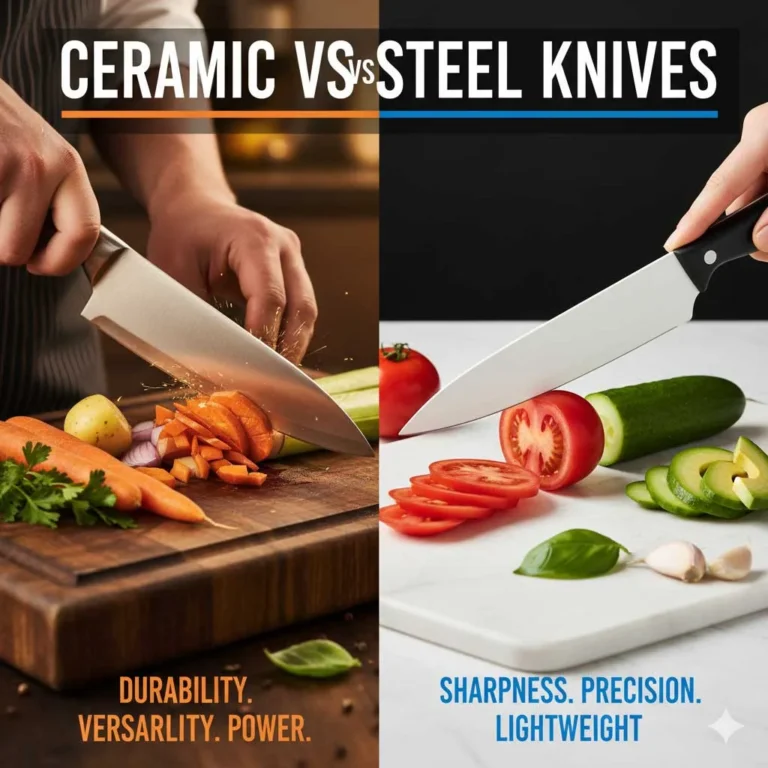
- Stainless Steel: This is the most common material for kitchen knives. Its primary advantage is excellent resistance to rust and corrosion, which is a huge benefit in a humid kitchen environment. However, not all stainless steels are created equal. High-quality stainless steels, often referred to as high-carbon stainless steel, offer a good balance of sharpness, edge retention, and corrosion resistance.
- High-Carbon Steel: Knives made from high-carbon steel can achieve exceptional sharpness and hold an edge for a very long time. This makes them a favorite among chefs who demand peak performance. The trade-off is that this steel is more prone to rusting and developing a patina (a discoloration) if not meticulously cared for. It requires immediate drying after washing and occasional oiling.
- Damascus Steel: This term often refers to a pattern-welding technique where multiple layers of steel are forged together. The beautiful, wavy patterns are visually striking, but the actual performance and durability depend on the specific steels used and the craftsmanship involved. It’s more about aesthetics and the artistry of the forging process, though high-quality Damascus knives are exceptionally sharp.

Image source: Web (Bing) / filmstreams.org (Web image (fair-use with source credit))
For a good balance of performance and ease of care, many manufacturers as of 2026 recommend high-carbon stainless steel blends. These typically offer a Rockwell hardness of 56-58, providing a solid edge that's relatively easy to maintain while resisting rust well.
Handle on Things: Grip and Comfort
The handle is your direct interface with the knife, so its material, shape, and construction are paramount for comfort, safety, and control.
- Wood: Offers a warm, natural feel and can provide good grip, especially when textured. Different woods offer varying aesthetics and durability. Knives with wooden handles typically require hand washing and periodic oiling to maintain their integrity.
- Plastic/Polymer: These are often very durable, easy to clean, and cost-effective. Depending on the texture, some can become slippery when wet, which is a crucial consideration for safety.
- Composite/Micarta: Made from layers of material like linen or canvas embedded in resin, composite handles are known for their exceptional durability and excellent grip, even when wet. They offer a premium feel and a very secure hold.
The way the handle is attached to the blade also matters. Full tang construction, where the metal of the blade extends all the way through the handle, generally signifies greater strength and better balance.
Matching Knives to Your Cooking Style
Choosing the right knife isn't just about the blade material or the handle; it's deeply tied to how you actually use your knives in the kitchen. What you cook most often should heavily influence your decision.
Who Are You Chopping For? Matching Knives to Tasks
Think about your typical cooking routine. If your meals involve a lot of fresh vegetables, a chef's knife or Santoku with a sharp, durable edge will be your primary tool. For those who enjoy baking, a good serrated bread knife is non-negotiable.
- Vegetable-Heavy Cooking: Prioritize a sharp, precise chef's knife or Santoku. Look for good edge retention to handle consistent chopping.
- Frequent Meat/Poultry Prep: A boning knife or a sturdy chef's knife with a strong tip is useful for breaking down cuts.
- Fish Enthusiasts: A flexible fillet knife makes preparing fresh catches significantly easier and more efficient.
- Bakers and Sandwich Makers: A long serrated knife is essential for clean cuts through crusty breads and soft interiors.
Consider the weight distribution, too. A knife that feels too heavy will cause fatigue during prolonged use, while one that's too light might feel insubstantial.
Your Kitchen, Your Hand: Fit and Feel
This is where personal preference really takes center stage. Even the most technologically advanced knife won't serve you well if it's uncomfortable to hold.
- Handle Comfort: Does the handle feel secure in your grip, even when your hands might be a bit damp? Are there any sharp edges or uncomfortable points?
- Blade Size and Weight: Does the overall size of the knife feel appropriate for your hand size and the tasks you perform? A 10-inch chef's knife might be a beast in a small hand, while a 6-inch could feel perfect.
- Balance Point: A well-balanced knife typically has its balance point near where the blade meets the handle (the bolster). This provides a natural, effortless feel during use.
Trying to hold knives in person, if possible, is incredibly valuable. You'll quickly get a sense of which ones feel like an extension of your hand and which ones feel like a chore to wield.
Common Knife Pitfalls to Avoid
Making the wrong choice can lead to frustration, inefficient cooking, and even safety hazards. By understanding common mistakes, you can steer clear of them and invest in knives that truly serve you.
Are You Making These Knife Mistakes?
- Buying a Block Set Blindly: Many beginner knife blocks come with knives you'll rarely use. It's often better to buy individual, high-quality knives that you know you'll use daily.
- Ignoring Handle Comfort: A knife might have a fantastic blade, but if the handle is awkward, slippery, or too small/large for your hand, you'll dread using it.
- Overlooking Blade Material: Choosing a knife solely on appearance without considering the steel type can lead to issues with rust, dulling, or difficulty in sharpening. For example, buying a decorative high-carbon steel knife without understanding its maintenance needs can result in rust spots.
- Using the Wrong Knife for the Job: Trying to chop through a tough squash with a delicate paring knife, or trying to mince garlic with a serrated bread knife, is inefficient and can damage the blade.
- Neglecting Maintenance: Even the best knives will become dull and prone to rust if not cleaned and dried properly after each use. Per guidelines from the American National Standards Institute (ANSI), proper care extends the lifespan of tools significantly.
Steering clear of these common errors will ensure your kitchen knife investment is a smart one, leading to a more enjoyable and effective cooking experience.
Investing Wisely: What to Look For
Choosing a kitchen knife is an investment, and like any good investment, it pays to know what you're getting into. It’s not just about the price tag; it’s about the quality of materials, the craftsmanship, and how well a knife will perform for you over time. By understanding a few key indicators, you can find knives that offer excellent value and durability.
Balancing Quality, Price, and Performance
The idea of "best" is subjective, but there are objective factors that contribute to a knife's overall quality and value. You don't necessarily need to spend a fortune, but cutting corners too much can lead to disappointment.
- Steel Quality: As we discussed, the type of steel is paramount. High-carbon stainless steel is often a sweet spot, offering a good balance of sharpness, edge retention, and rust resistance without requiring constant, meticulous care like pure high-carbon steel. Look for knives where the manufacturer specifies the type of steel, rather than just saying "stainless steel."
- Construction: Are the knives forged or stamped? Forged knives are typically made from a single piece of steel heated and hammered into shape, often resulting in a thicker, more durable blade with a bolster (the part where the blade meets the handle). Stamped knives are cut from a sheet of steel and are generally less expensive but can be lighter and potentially less durable.
- Handle Ergonomics: Does the handle feel comfortable and secure? Is it made of a durable material that offers good grip? Materials like composite or a well-shaped polymer are often excellent choices for durability and safety. Wood handles can be beautiful but require more care.
- Balance: A well-balanced knife feels like an extension of your hand. The ideal balance point is usually just before the blade meets the handle. Try holding the knife and see if it feels natural, not too heavy in the blade or too light in the handle.
- Warranty: A good warranty can be an indicator of a manufacturer's confidence in their product. Many reputable brands offer lifetime warranties against defects in materials and workmanship.
You can find excellent knives across various price points. While extremely cheap knives often compromise on steel quality or construction, you can find fantastic, reliable options that offer great value without breaking the bank. For instance, many well-regarded brands offer chef's knives made from quality high-carbon stainless steel for under $100, providing years of reliable service if properly maintained.
How Often Should I Sharpen My Kitchen Knives?
Keeping your knives sharp is more than just about convenience; it's a key part of kitchen safety and performance. A dull knife requires more force to cut, which increases the risk of it slipping. Thankfully, maintaining that sharpness isn't overly complicated if you understand the basics of honing and sharpening.
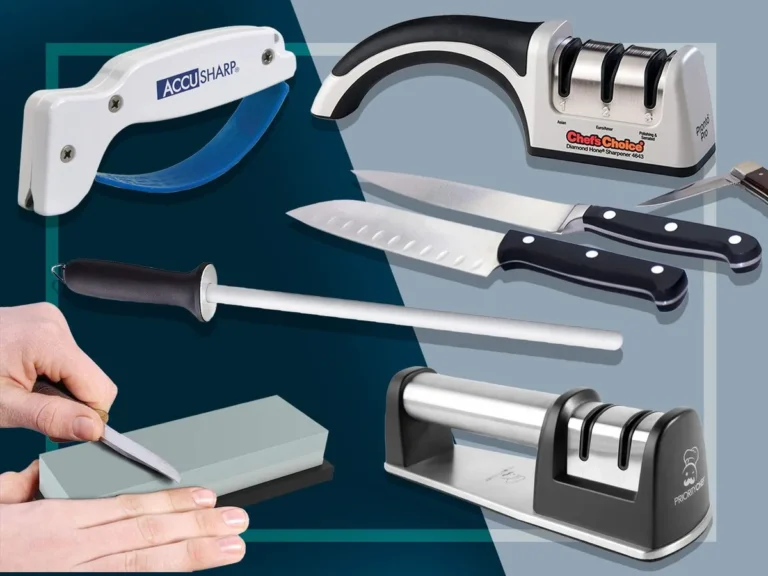
- Honing vs. Sharpening: Honing realigns the microscopic teeth on the blade's edge. This should be done frequently, ideally before or after each use, especially for knives that see heavy daily action. Sharpening, on the other hand, actually removes a small amount of metal to create a new, sharp edge. This is needed less often, perhaps every few months for active home cooks, depending on usage and steel type.
- Signs Your Knife Needs Sharpening: If you have to press hard to cut through soft items like tomatoes, if the knife feels like it's "skipping" on the surface of food, or if it's no longer gliding through onions, it's likely time for a sharpening.
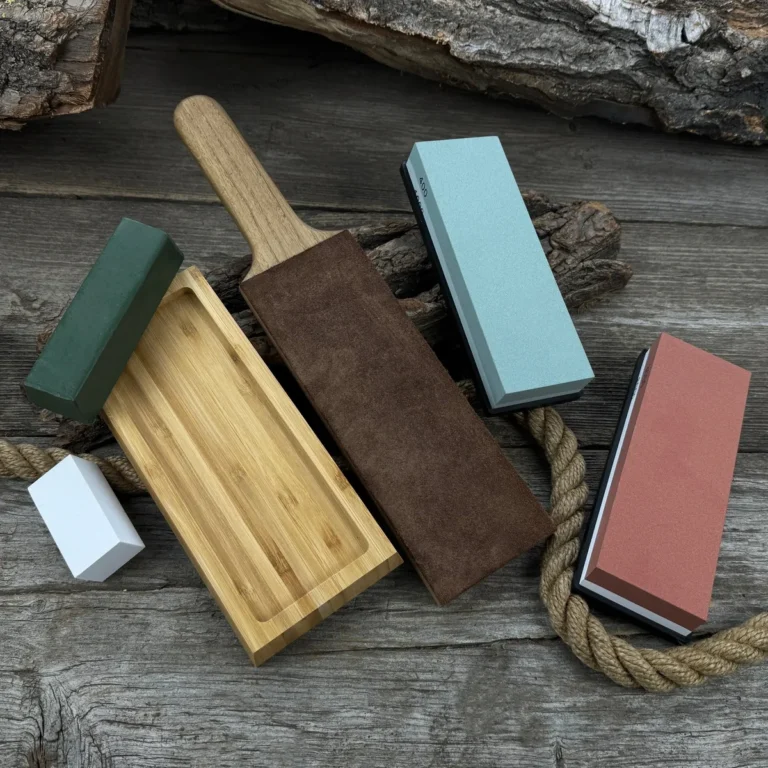
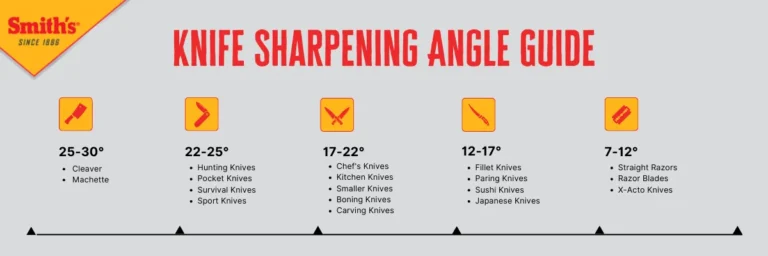
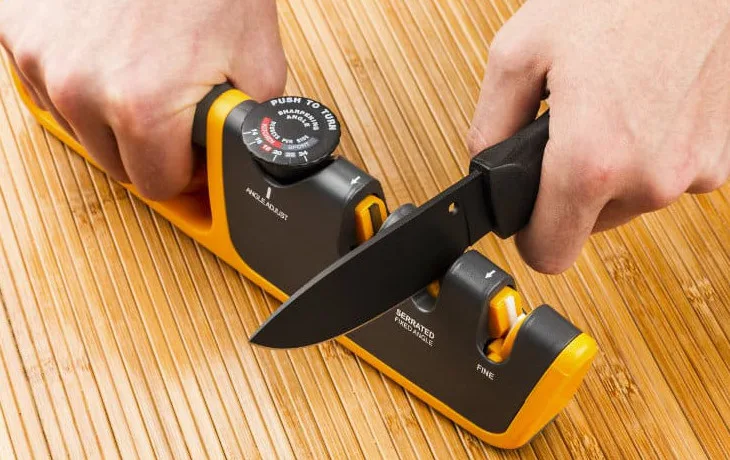
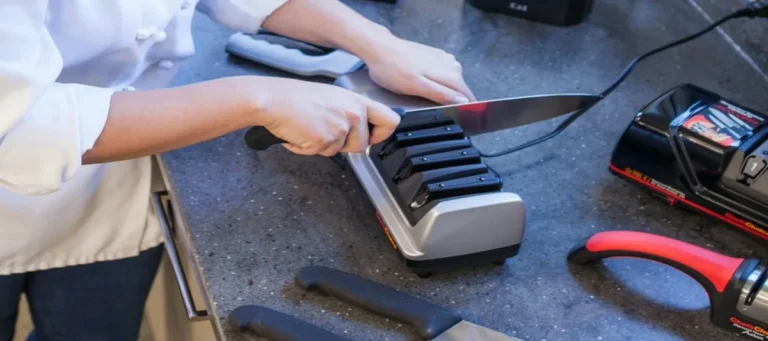
- Tools for the Job: For home use, a sharpening steel (honing rod), whetstones (water stones or oil stones), or electric knife sharpeners are common. Whetstones offer the most control for experienced users, allowing for precise edge angles. Electric sharpeners are fast and convenient for beginners but can remove more metal than necessary if used improperly.
Manufacturer specifications for some premium knife lines indicate that their high-carbon stainless steel blades can hold an edge through approximately 50-70 uses before requiring a full sharpening, provided they are honed regularly.
What's the Difference Between Forged and Stamped Knives?
When you're looking at knives, you might see them described as either "forged" or "stamped." This refers to how the blade was manufactured, and it impacts the knife's construction, durability, and often, its price point. Understanding this difference helps you gauge the quality you're likely getting.
- Forged Knives: These are typically made from a single piece of steel that is heated and hammered into shape. This process often results in a thicker blade, a more substantial bolster (the thickened part where the blade meets the handle), and generally superior balance and durability. Forged knives are usually considered higher quality and command a higher price.
- Stamped Knives: These blades are cut out from a large sheet of steel, much like a cookie cutter. They are generally thinner, lighter, and don't have a bolster. Stamped knives are usually more affordable to produce and, therefore, less expensive for the consumer. They can still be excellent knives, especially if made from good steel, but may lack the heft and longevity of a forged blade.
Who is Each Type Best For?
- Forged Knives: Ideal for serious home cooks, culinary students, and professionals who want a durable, well-balanced knife that can withstand heavy use and precise tasks over many years. If you plan to invest in a few high-quality pieces, forged is often the way to go.
- Stamped Knives: A great option for beginners, those on a tighter budget, or cooks who don't need an extremely heavy-duty knife. They can offer excellent sharpness for everyday tasks and are often lighter, which some users prefer.
While forged construction often implies higher quality, the actual steel used and the overall craftsmanship are equally, if not more, important. A well-made stamped knife from quality steel can outperform a poorly made forged knife.
How to Clean and Maintain Your Kitchen Knives
Proper cleaning and maintenance are crucial for the longevity and performance of your kitchen knives, regardless of their material or price. It’s not just about aesthetics; it’s about preventing damage, maintaining sharpness, and ensuring food safety.
- Hand Wash Only: This is perhaps the most important rule. Dishwashers use high heat, harsh detergents, and jostling that can dull blades, damage handles (especially wood), and cause corrosion. Always wash knives by hand with warm, soapy water.
- Dry Immediately: Never let a knife air dry. After washing, dry it thoroughly with a clean, soft towel immediately. This is especially critical for high-carbon steel knives, which can rust or stain very quickly if left wet.
- Store Safely: Avoid tossing knives into a drawer where blades can bang against each other. This dulls them and is a safety hazard. Knife blocks, magnetic strips, or blade guards are ideal storage solutions.
- Use the Right Cutting Surface: Always use a cutting board made of wood or high-quality plastic. Avoid cutting on hard surfaces like glass, stone, or metal, as these will rapidly dull your knife's edge.
For wooden handles, as indicated by many manufacturer specifications, a light application of food-grade mineral oil every few months can help prevent the wood from drying out and cracking.
What If My Knife Rusts?
If you notice rust spots on a high-carbon steel knife, don't panic. Minor rust can often be removed gently with a non-abrasive cleaner like baking soda paste or a specialized rust eraser. For more stubborn rust, fine-grit sandpaper (around 1000-grit or higher) can be used carefully, followed by immediate cleaning, drying, and a light oiling.
It’s a sign that proper drying and care routines need reinforcement.
Understanding Blade Balance and Ergonomics
The way a knife feels in your hand, its balance and the ergonomics of its handle, is just as important as the sharpness of its blade. A knife that feels comfortable and balanced allows for more control, precision, and less fatigue during use.
- Balance Point: The ideal balance point for most kitchen knives is typically where the blade meets the handle, often at the bolster. When you hold the knife with your index finger on the bolster and thumb on the handle, it should feel neutral, not tipping significantly forward or backward. This balance point is a key indicator of thoughtful design and quality construction.
- Handle Ergonomics: This refers to the shape and feel of the handle. Does it fit your hand size comfortably? Is it contoured to fit your grip naturally? Are there any sharp edges or points that dig into your palm? Materials like composite or textured polymers offer excellent grip, which is crucial for safety, especially when working with wet or slippery ingredients.
Why Does Balance Matter So Much?
When a knife is well-balanced, it feels like a natural extension of your arm. This allows for a more fluid chopping motion, requires less effort, and gives you greater control over the blade. A poorly balanced knife, conversely, can feel awkward, leading to more force being used, which can cause fatigue and increase the risk of accidents.
Imagine trying to slice delicate herbs; a well-balanced knife allows for a precise, controlled rocking motion. A knife that's too blade-heavy might feel unwieldy, while one that's handle-heavy can make the blade feel sluggish. This is why, if possible, holding knives before purchasing them is highly recommended.
When Should I Consider a Specialized Knife?
While the essential trio (chef's, paring, serrated) covers most kitchen tasks, certain cooking styles or dietary preferences might make specialized knives a worthwhile addition to your collection. These tools are designed to perform specific jobs exceptionally well, making those tasks easier and more efficient.
- Breaking Down Poultry or Fish: If you regularly buy whole chickens or fish, a boning knife or a fillet knife can be invaluable. A boning knife's thin, flexible blade is designed to get around bones and through joints, making deboning much simpler. A fillet knife is even more flexible and thinner, specifically crafted to separate fish flesh from bones and skin cleanly.
- Detail Work Beyond Peeling: For tasks like intricate garnishes, removing seeds from peppers precisely, or creating fine julienne cuts that a paring knife struggles with, a specialized utility knife might be beneficial. Its size is often between a paring and chef's knife, offering a middle ground for control.
- Specific Food Types: If you’re a dedicated baker, a high-quality bread knife is a must. For those who work with hard-shelled squashes or melons frequently, a larger, sturdier chef's knife or even a cleaver might be considered.
The decision to add a specialized knife should be driven by how often you perform the specific task it addresses. If you only fillet a fish once a year, it might not be a necessary purchase. However, if it's a weekly activity, the right tool can significantly improve your results and enjoyment.
Frequently Asked Questions About Choosing Kitchen Knives
How long does a good kitchen knife typically last?
With proper care, a high-quality kitchen knife can last for decades, even a lifetime. This includes regular sharpening, proper cleaning (hand washing and immediate drying), and using the correct knife for the task.
Should I buy knives individually or as a set?
For most home cooks, buying knives individually is the better approach. Knife sets often include many knives you'll rarely use. It’s more effective to invest in a few high-quality, essential knives like a chef's knife, paring knife, and serrated knife, and add specialized pieces as needed.
How often should I sharpen my kitchen knives?
The frequency of sharpening depends on how often you use your knives and the type of steel. As a general rule, knives used daily might benefit from sharpening every few months, while less frequent users might only need to sharpen once or twice a year. Using a honing steel regularly between sharpenings helps maintain the edge.
Is a Damascus knife worth the extra cost?
Damascus steel knives are often more expensive due to the complex forging process and aesthetic appeal. While they can be exceptionally sharp and beautiful, their performance is comparable to other high-quality steel knives. The added cost is largely for the visual artistry and craftsmanship.
Your Final Knife Decision Guide
Choosing the best kitchen knife for you boils down to a thoughtful consideration of your needs, habits, and preferences. Start by assessing what you cook most often and which fundamental knives will support those tasks best.
- Prioritize Function: A chef's knife is essential for most cooks. Consider a Santoku if you prefer a straighter chop. Add a paring knife for detail work and a serrated knife for breads and tomatoes.
- Evaluate Materials: Aim for high-carbon stainless steel for a balance of sharpness, durability, and ease of care. Pay attention to the handle material for grip and comfort.
- Test for Feel: If possible, hold knives before buying. A comfortable, well-balanced knife makes all the difference.
- Consider Your Budget: You can find excellent value without overspending. Focus on quality steel and construction over brand name alone.
By focusing on these core aspects, you'll be well on your way to selecting kitchen knives that you'll not only rely on but truly enjoy using for years to come.