Can a Knife Sharpener Sharpen Ceramic Knives?
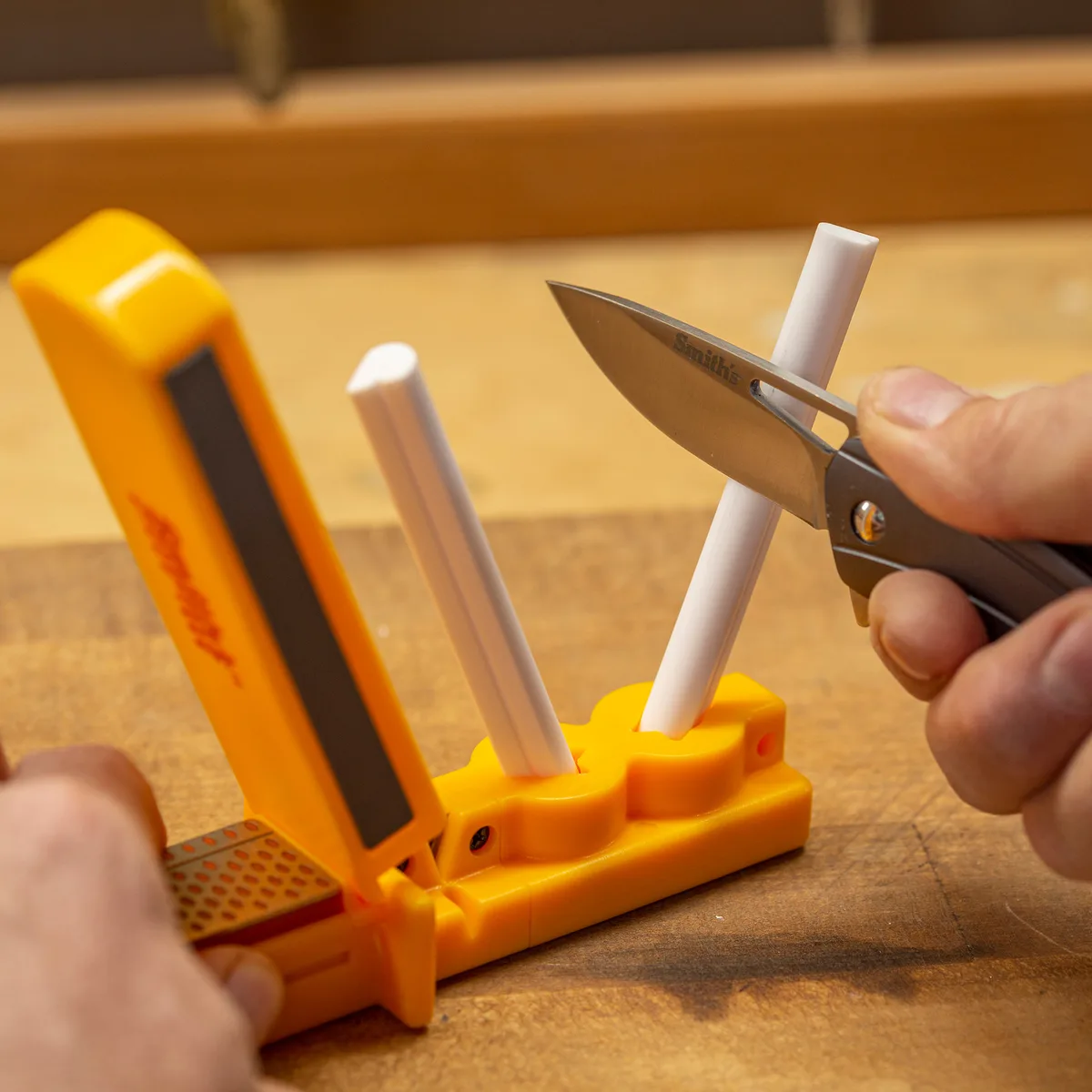
Image source: Bing (Web (fair-use with source credit))
Can Your Regular Knife Sharpener Tackle Ceramic Blades?
You've likely experienced that frustrating moment: your once-razor-sharp ceramic knife starts to feel dull, and you instinctively reach for your go-to knife sharpener. But before you start grinding, it's crucial to understand that ceramic knives are a world apart from their steel counterparts. Using the wrong sharpening tool can do more harm than good, potentially chipping or even shattering your blade.
Our research confirms that the effectiveness and safety of sharpening ceramic knives depend entirely on the abrasive material and the technique used. Most standard knife sharpeners, designed for steel, simply aren't equipped to handle the extreme hardness and brittleness of zirconium oxide, the material that gives ceramic knives their legendary edge. Manufacturer specifications often indicate that ceramic blades require specialized sharpening methods, typically involving diamond abrasives.
Quick Answer: Usually No, But It Depends On The Sharpener
No, most standard knife sharpeners cannot sharpen ceramic knives effectively or safely. Ceramic blades are significantly harder and more brittle than steel. Typical sharpeners use carbide or steel abrasives that can damage or chip ceramic.
Specialized diamond abrasives are required to restore a ceramic edge. Using the wrong sharpener risks irreparable blade damage.
Why Ceramic Knives Are So Different From Steel
Ceramic knives and steel knives have fundamental differences that dictate how they should be cared for, especially when it comes to sharpening. Understanding these distinctions is key to preventing damage and maintaining your knives' performance.
What Makes Ceramic Blades Unique
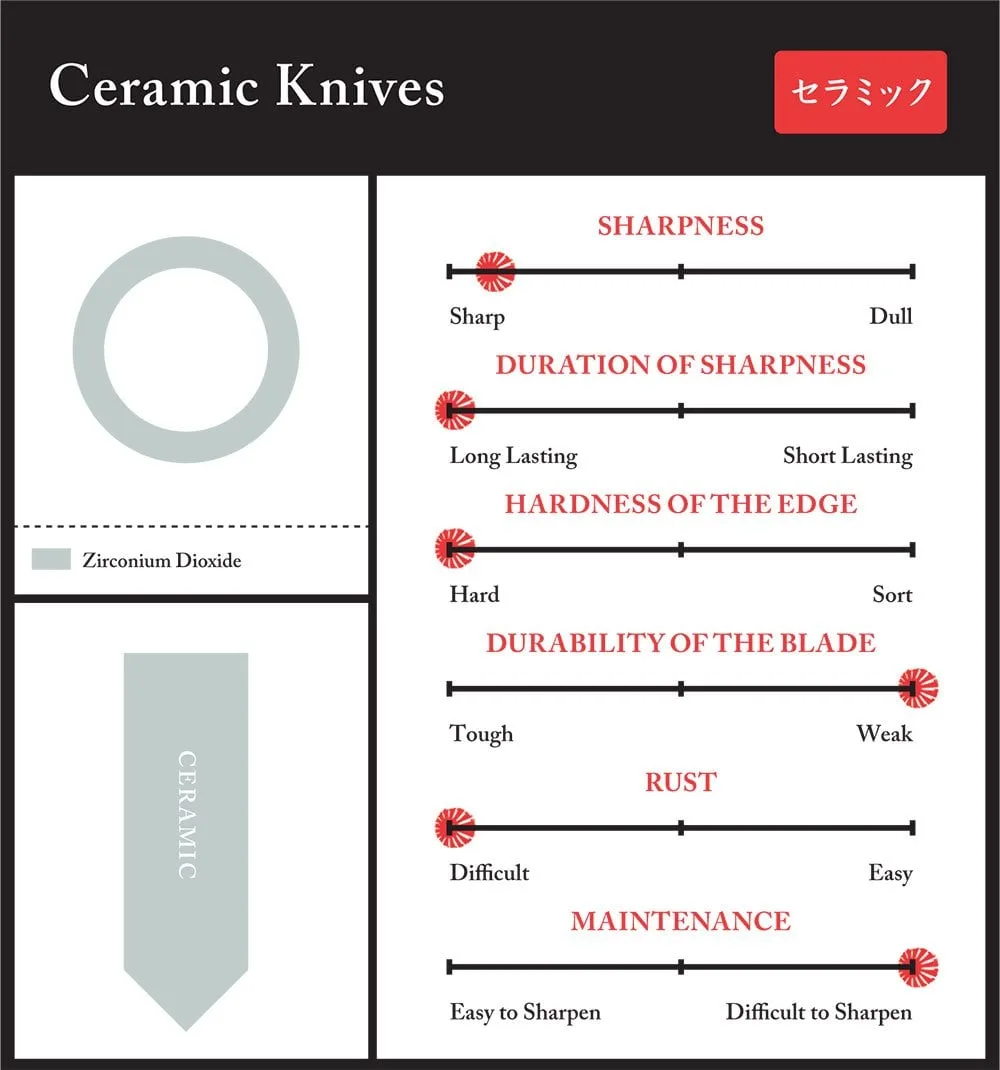
Ceramic knives are primarily made from zirconium oxide (ZrO2), a ceramic material known for its extreme hardness. In fact, zirconium oxide ranks around 8.5 on the Mohs scale of mineral hardness, while high-carbon stainless steel typically falls between 5.5 and 6.5. This superior hardness is what allows ceramic knives to achieve and retain an incredibly fine, sharp edge for extended periods.
They glide through food with minimal resistance, making them a favorite for tasks like slicing fruits, vegetables, and boneless meats. However, this hardness comes with a trade-off: brittleness. Unlike steel, which can flex, ceramic is less forgiving and prone to chipping or shattering if subjected to excessive force, twisting, or impacts.
The Problem With Typical Sharpeners for Ceramic
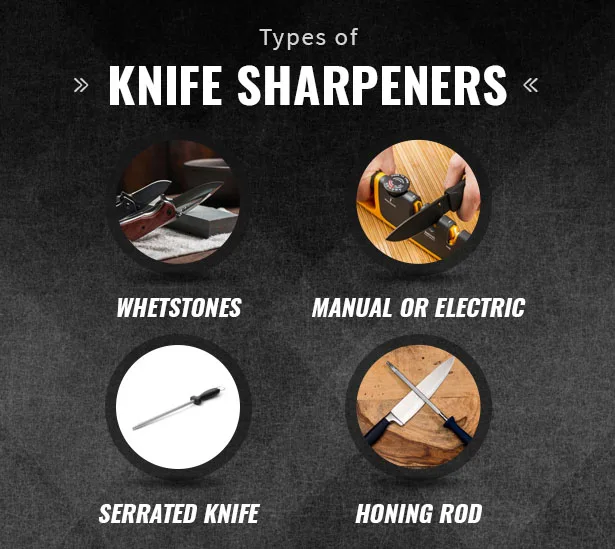
Most common manual and electric knife sharpeners rely on abrasive materials like carbide, steel, or fine-grit ceramic rods designed to grind and hone steel blades. These abrasives work by either realigning the microscopic "teeth" of a steel edge (honing) or by removing material to create a new edge (sharpening). When these types of sharpeners encounter the extreme hardness of a ceramic blade, the results can be disastrous.
The carbide or steel abrasives are not hard enough to effectively abrade the ceramic. Instead, they can create micro-fractures or uneven stress on the brittle ceramic edge, leading to chipping, serration, or even complete breakage during use. Essentially, you're trying to grind a diamond with a piece of granite; it's the wrong material for the job and will likely damage the harder substance.
The Right Tools for Sharpening Ceramic Knives
When your ceramic knife finally begins to lose its edge, reaching for the right tools is paramount. Standard steel sharpeners are a no-go; you need specialized equipment that can handle the unique properties of ceramic.
Diamond Abrasives: Your Ceramic Knife's Best Friend
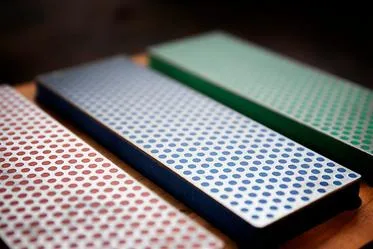
Diamonds are the hardest known naturally occurring substance, and this is precisely why diamond abrasives are the only effective way to sharpen ceramic knives. Diamond particles, electroplated or bonded to a surface, possess a Mohs hardness of 10, significantly outranking zirconium oxide. This allows them to grind away at the ceramic material without being dulled or damaged themselves.
You'll find diamond abrasives integrated into several types of sharpening tools suitable for ceramic blades:
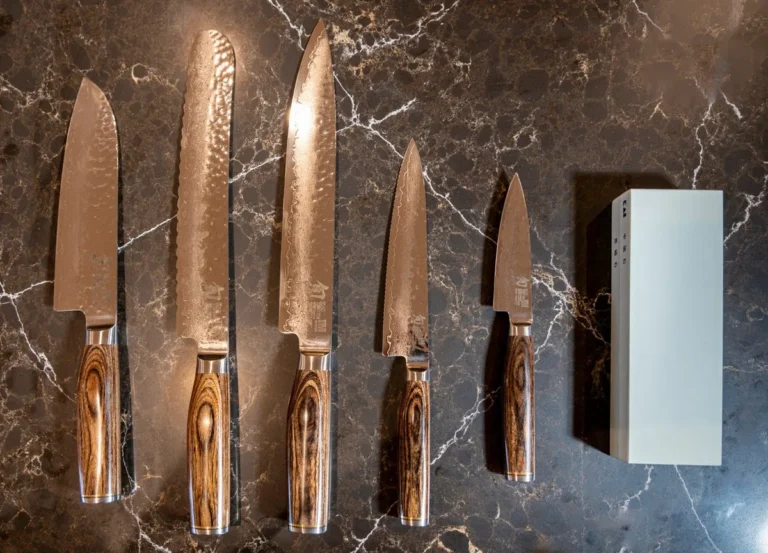
- Diamond Stones/Whetstones: These are flat surfaces or rods coated with diamond particles. They offer the most control, allowing you to maintain a precise angle and apply consistent, light pressure. Many home cooks and professionals prefer diamond stones for their versatility and ability to restore a truly keen edge.
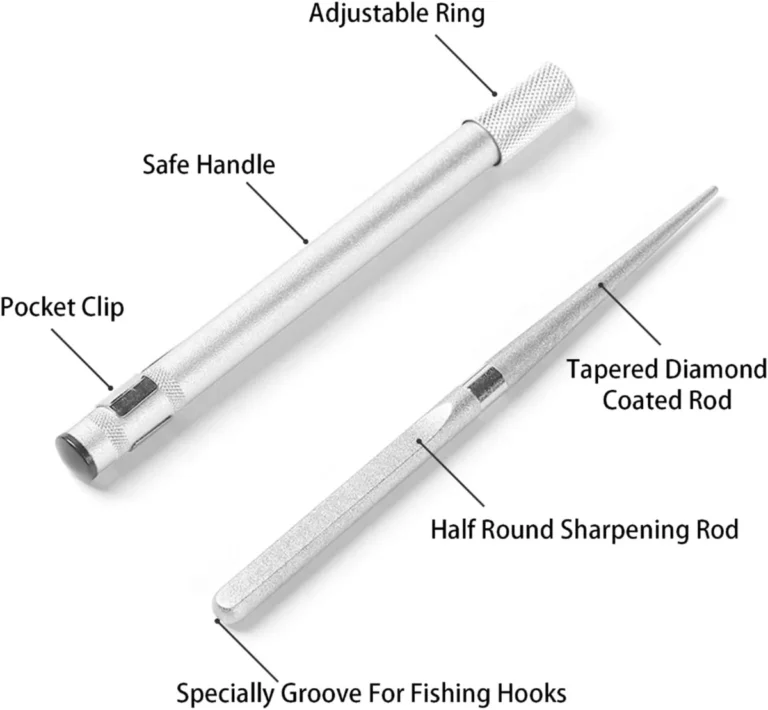
- Diamond-Coated Rods: Similar to diamond stones, these are cylindrical or tapered rods that allow for sharpening at the edge itself, mimicking the action of a traditional honing steel but with an abrasive surface.
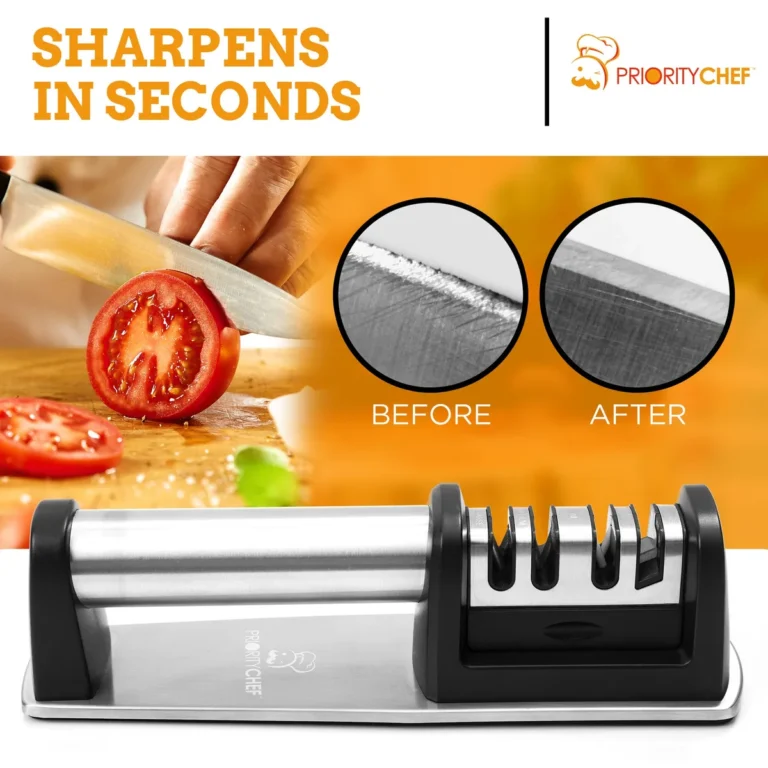
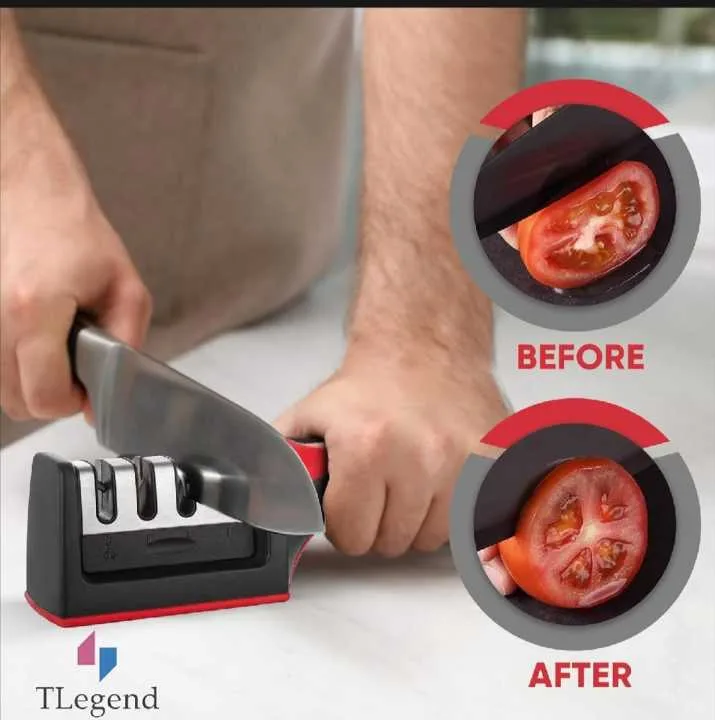
- Specialized Pull-Through Sharpeners: Some manufacturers produce pull-through sharpeners specifically designed for ceramic knives, featuring diamond-coated slots. While convenient, these require a very gentle pull and consistent angle to avoid stressing the blade.
It's crucial to ensure any tool explicitly states it is for ceramic use; a generic "diamond sharpener" might still be too aggressive if not designed for ceramic's brittleness.
Specialized Ceramic Sharpening Systems
Beyond basic diamond abrasives, some manufacturers have developed complete sharpening systems tailored for ceramic knives. These systems often combine multiple stages or incorporate specific technologies to address the unique needs of ceramic blades.
- Multi-Stage Systems: These might begin with a coarser diamond stage for initial edge repair, followed by finer diamond stages for honing and polishing. Some systems also include a final non-abrasive stage, perhaps a micro-fiber cloth or a very fine ceramic to remove any burrs without abrading the edge.
- Angle Guides and Jigs: To help maintain the correct, often steeper, sharpening angle required for ceramic, some systems incorporate built-in angle guides or jigs. These are particularly helpful for users who are new to sharpening ceramic or who struggle with maintaining a consistent angle manually.
- Water or Oil-Based Systems: While many diamond sharpeners can be used dry, some systems recommend using water or a light honing oil as a lubricant. This helps to flush away ceramic dust, reduce heat buildup, and ensure a smoother sharpening action, further minimizing the risk of chipping.
When researching these specialized systems, look for clear instructions on their intended use and materials. Manufacturers' websites or product documentation often detail the specific abrasives used and the recommended sharpening angles, providing valuable insight into their suitability for your ceramic knives. For instance, some official guides from ceramic knife manufacturers, like Kyocera, suggest using diamond sharpeners with very light pressure, a process that can be facilitated by these dedicated systems.
Common Mistakes When Sharpening Ceramic Knives
Even with the right tools, it's easy to make mistakes when sharpening ceramic knives. These errors often stem from applying steel-sharpening habits to ceramic or not understanding the material's inherent fragility. Avoiding these pitfalls is critical for maintaining your expensive ceramic blades.
The Danger of Aggressive Sharpening
One of the most significant mistakes is using too much pressure. Because ceramic knives are incredibly hard, many people assume they can withstand vigorous sharpening. However, this hardness also makes them brittle.
Applying heavy pressure, similar to what you might use on a stubborn steel knife, can cause micro-fractures along the edge. These fractures weaken the blade, leading to chipping, cracking, or even complete breakage during use. Think of it like trying to bend a thin pane of glass, it's very rigid, but a sharp tap can shatter it.
Ceramic blades behave similarly under undue stress.
Ignoring the Blade's Specific Needs
Another common error is using the wrong type of sharpener. As discussed, steel-based or carbide sharpeners are not designed for ceramic. They simply aren't hard enough to abrade the ceramic effectively and can instead cause surface damage or dull the edge further by creating uneven wear patterns.
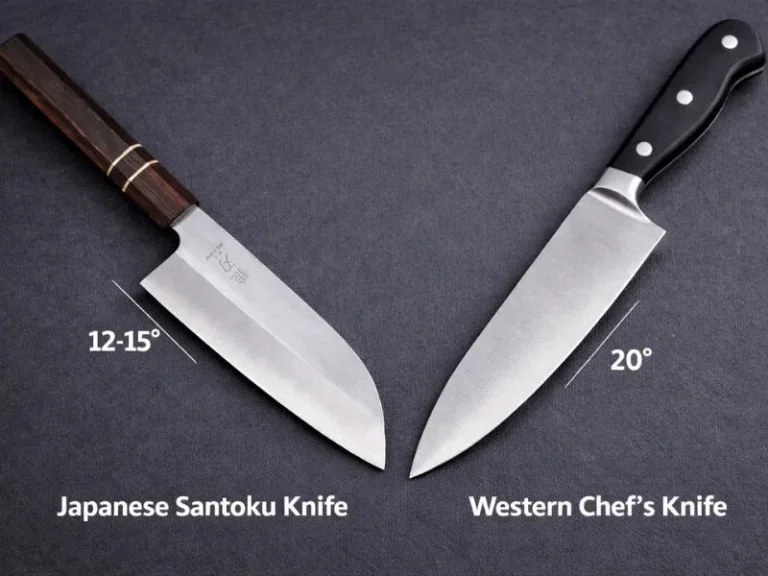
It's also important to be aware of the specific sharpening angle recommended for your ceramic knife. While many steel knives benefit from a 15-20 degree angle per side, ceramic knives often have a steeper angle, sometimes ranging from 10-15 degrees per side. Using the wrong angle can result in an unstable edge that dulls quickly or is prone to chipping.
Always check the manufacturer's recommendations for your specific knife model if possible.
Expert Tips for Keeping Ceramic Knives Sharp
Maintaining the sharpness of your ceramic knives goes beyond just knowing how to sharpen them. A proactive approach can significantly extend the time between sharpenings and ensure your knives are always ready for action.
- Use Them Properly: Ceramic knives are best suited for slicing soft foods like fruits, vegetables, and boneless meats. Avoid using them for hard items such as bones, frozen foods, or hard cheeses, and never twist or pry with the blade. This prevents undue stress that could lead to chipping.
- Handle with Care: Always store ceramic knives in a protective sheath or a knife block to prevent the delicate edges from coming into contact with other hard objects. Dropping a ceramic knife can be catastrophic, so treat them with respect.
- Clean Gently: Hand wash your ceramic knives with warm, soapy water and a soft sponge immediately after use. Avoid abrasive scouring pads or dishwashers, as the harsh detergents and the constant jostling can damage the blade. Always dry the knife thoroughly with a soft cloth before storing.
- Gentle Pressure is Key: When using a diamond sharpener, apply very light, consistent pressure. Let the diamond abrasive do the work. Ceramic doesn't require aggressive grinding. Think of it as a gentle polishing action to refine the edge.
- Maintain the Angle: Consistency is crucial. If you're new to sharpening ceramic, consider using a sharpening guide or jig to help you maintain the correct angle (often 10-15 degrees per side). A stable angle ensures an even edge.
- Sharpen When Needed: Don't wait until your knife is completely dull. Sharpening a slightly dull edge is much easier and less taxing on the blade than trying to restore a severely blunted or damaged edge. Noticeable resistance when slicing soft foods is a good indicator it's time for a touch-up.
When to Consider Professional Ceramic Knife Sharpening
While keeping your ceramic knives sharp at home is often manageable with the right tools and techniques, there are definitely times when a professional sharpening service is the smarter choice. It's not always about whether you can do it yourself, but whether it's the best or most practical option.
- Lack of Proper Tools: If you don't have a dedicated diamond sharpener or are unsure about maintaining the correct angle, it's best to leave it to the pros. Investing in specialized sharpening equipment for infrequent use might not be cost-effective for everyone.
- Severe Damage: If your ceramic knife has chips, nicks, or has been severely dulled by an improper sharpening attempt, a professional has the expertise and specialized equipment (like industrial-grade diamond grinders) to assess and repair the damage more effectively than most home users can. They can often remove damaged sections and reshape the edge precisely.
- High-Value Knives: For expensive or artisanal ceramic knives, entrusting them to a professional who understands their value and material properties can provide peace of mind. They can help maintain the knife's integrity and longevity.
- Time Constraints: Sometimes, you just don't have the time or patience to sit down and meticulously sharpen your knives. A professional service can quickly and efficiently restore your blades to factory sharpness, saving you valuable time in the kitchen. Look for services that specifically advertise experience with ceramic knives, as this is a specialized skill.
Frequently Asked Questions About Ceramic Knife Sharpening
Can I use a sharpening steel on ceramic knives?
No, a sharpening steel is designed to realign the edge of steel knives, not to abrade material. It will have no effect on a ceramic knife's edge and is unsuitable for its maintenance.
How often should I sharpen my ceramic knives?
This depends on usage, but ceramic knives generally retain their edge much longer than steel. Sharpen them only when you notice a decrease in cutting performance, which might be after months or even a year of regular use, depending on how they're handled and what they cut.
Will sharpening void my ceramic knife warranty?
Check your manufacturer's warranty policy. Some may void the warranty if damage occurs due to improper sharpening. However, proper sharpening with the correct tools should not void a warranty unless the knife is damaged in the process.
Is it better to use a wet or dry diamond sharpener for ceramic?
Both can work, but many diamond sharpeners perform best with a light lubricant like water or honing oil. This helps to clear away ceramic dust, reduce friction, and ensure a smoother sharpening action, minimizing the risk of chipping. Always follow the specific instructions for your sharpener.