Are Stainless Steel Knives Good?
So, you're wondering if stainless steel knives are any good, right? It's a super common question, especially when you're looking to upgrade your kitchen tools or just trying to figure out what's worth buying. Honestly, it's not a simple "yes" or "no" because, like most things, it depends on what you're looking for and what you're comparing it to.
Think of it this way: stainless steel is like the trusty sedan of knife materials. It's reliable, it gets the job done, and it's what most people use every day. But is it the best for every single situation?
Not necessarily.
Quick Answer: What's the Verdict on Stainless Steel Knives?
Yes, stainless steel knives are good for most everyday kitchen tasks. They offer excellent rust resistance and durability. Manufacturer specifications often highlight their low maintenance.
However, they generally don't hold an edge as long as high-carbon steel.
Stainless Steel Knives: What You're Actually Getting
When we talk about stainless steel in knives, we're generally referring to an alloy that contains at least 10.5% chromium. This chromium is the magic ingredient that makes it resistant to rust and staining, hence "stainless." But there's a whole lot more that goes into making good stainless steel, like carbon content (for hardness and edge retention), molybdenum (for strength and corrosion resistance), and vanadium (for toughness). These elements work together to create knives that are both functional and long-lasting for typical kitchen use.
Image source: Bing (Web (fair-use with source credit))
The Key Ingredients: What Makes Stainless Steel "Stainless"?
The defining characteristic of stainless steel is its chromium content. To be officially classified as stainless, an alloy must contain a minimum of 10.5% chromium by mass. This chromium forms a passive oxide layer on the surface of the steel, which acts as a barrier against oxidation, preventing rust and staining.
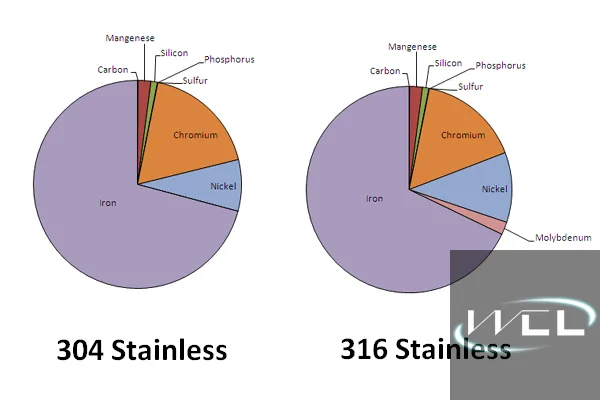
Image source: Bing (Web (fair-use with source credit))
However, the performance of a stainless steel knife isn't just about chromium. Carbon content is also crucial, as it contributes to the steel's hardness and ability to hold a sharp edge. Higher carbon content generally means better edge retention but can sometimes make the steel more brittle.
Other alloying elements, like molybdenum and vanadium, are often added to improve toughness, wear resistance, and overall durability. The precise combination and heat treatment of these elements are what differentiate various grades of stainless steel used in knife making, impacting everything from how sharp it can get to how long it stays that way.
Stainless Steel Knives: The Good, The Bad, and The Realistic
There's a reason stainless steel is the most common material for kitchen knives. It hits a sweet spot for many users. But like anything, it's not perfect for everyone or every situation.
Understanding its strengths and weaknesses is key to knowing if it's the right choice for your kitchen.
Pros: Why Stainless Steel Knives Shine
The popularity of stainless steel knives isn't by accident. They offer a compelling set of advantages that make them a go-to for many home cooks and even some professionals.
- Rust and Stain Resistance: This is the primary selling point. Unlike traditional carbon steel, stainless steel is highly resistant to corrosion. You can wash it, leave it to air dry (though not recommended for best practice), and it's unlikely to develop those unsightly brown spots or rust. This makes it very forgiving in a busy kitchen environment.
- Durability: Good quality stainless steel knives are built to last. They are generally tough and resistant to chipping or breaking under normal culinary use. This resilience means they can handle the rigors of daily chopping, slicing, and dicing without constant worry of damage.
- Affordability: When compared to many other high-performance knife materials, stainless steel options are often more budget-friendly. You can acquire a functional and durable set of stainless steel knives without a significant financial investment, making them accessible for most households.
- Ease of Care: The low propensity for rust and staining translates directly into simple maintenance. While all knives benefit from proper care, stainless steel requires less obsessive attention to detail compared to materials like high-carbon steel. This means less worry about immediate drying after washing or specific cleaning agents.
Cons: Where Stainless Steel Falls Short
While stainless steel excels in many areas, it does have some limitations, particularly when you start comparing it to more specialized knife materials.
- Edge Retention: This is often the most significant drawback cited by knife enthusiasts. While good stainless steel can be sharpened to a keen edge, it typically doesn't hold that sharpness as long as premium high-carbon steel alloys or certain specialized steels. This means you'll likely find yourself reaching for a sharpening stone or steel more frequently to maintain an optimal cutting edge.
- Hardness vs. Toughness Balance: Achieving extreme hardness in steel allows for better edge retention, but it can also make the steel more brittle, increasing the risk of chipping. Conversely, a tougher stainless steel might be less prone to chipping but won't hold its edge as long. Manufacturers must carefully balance these properties, and some stainless steel grades might lean more towards toughness at the expense of edge retention, or vice versa.
- Potential for Less "Sharp" Feel: Some experienced cooks report that even a well-sharpened stainless steel knife can sometimes lack the keen, almost effortless "bite" or glide through ingredients that a finely honed high-carbon steel blade offers. This is a more subjective observation, but it reflects a nuanced difference in cutting performance that some users notice.
Who Are Stainless Steel Knives Best For?
The decision of whether stainless steel is "good" really comes down to who's using the knife and what they expect from it. For a significant portion of home cooks, its benefits align perfectly with their needs.
Ideal Users and Kitchen Scenarios
Stainless steel knives are an excellent choice for the everyday home cook who values practicality and ease of use. If your kitchen routine involves regular meal preparation for your family, but you don't have the time or inclination for the meticulous maintenance some other knife materials require, stainless steel is a smart pick.
They are particularly well-suited for those on a budget who still want reliable tools that can withstand daily use. Think of a busy parent preparing weeknight dinners, a student setting up their first apartment kitchen, or anyone who appreciates a low-maintenance approach to their culinary gear. The forgiving nature of stainless steel means you can focus more on cooking and less on the upkeep of your knives.
For instance, if you're chopping vegetables, slicing bread, or trimming meat regularly, a good stainless steel knife will perform admirably without demanding constant attention. It's the workhorse material that reliably gets the job done, day in and day out.
Common Stainless Steel Knife Mistakes to Skip
Even though stainless steel is forgiving, there are still common pitfalls that can shorten the lifespan or diminish the performance of your knives. Avoiding these simple mistakes will help you get the most out of them.
- Dishwasher Use: While stainless steel is rust-resistant, prolonged exposure to harsh detergents, high heat, and jostling with other items in a dishwasher can dull the blade, damage the handle, and even cause microscopic corrosion over time. It’s always best to hand wash your knives.
- Using the Wrong Cutting Surface: Cutting on hard surfaces like ceramic plates, glass, or stone countertops will dull your stainless steel knife much faster than a softer material like wood or bamboo. These hard surfaces will essentially grind down the fine edge of the blade.
- Improper Storage: Storing knives loose in a drawer can lead to the blades knocking against each other and other utensils, causing nicks and dulling. A knife block, magnetic strip, or blade guards are much better options for protecting the edges.
- Neglecting Sharpening: Because stainless steel doesn't hold an edge as long as some other materials, many users mistakenly believe they don't need regular sharpening. Waiting until the knife is completely dull makes sharpening a more arduous task and can lead to less precise cuts. Regular honing and periodic sharpening are still essential for optimal performance.
Stainless Steel vs. The Rest: How They Stack Up
When considering stainless steel, it's helpful to see how it measures up against other popular knife materials. Each has its own set of characteristics that make it suitable for different preferences and uses.
High-Carbon Steel: The Sharp Contender
High-carbon steel knives are often favored by professional chefs and serious home cooks for their superior edge retention. The higher carbon content allows the steel to be hardened to a greater degree, meaning it can hold a sharper edge for longer periods. However, this increased hardness can make the steel more brittle, meaning it's more susceptible to chipping if dropped or used improperly.
Crucially, high-carbon steel is much more prone to rusting and staining than stainless steel. This necessitates diligent care: immediate washing and thorough drying after each use, and often applying a light coat of food-safe mineral oil to protect the blade. The beauty of high-carbon steel lies in its ability to take an incredibly fine, sharp edge that can slice through ingredients with exceptional ease.
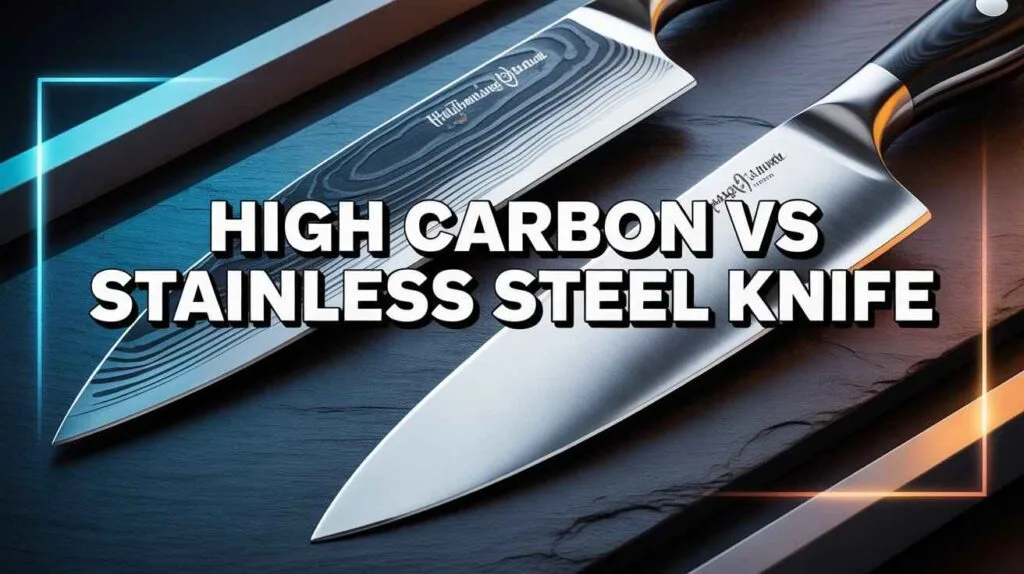
Image source: Bing (Web (fair-use with source credit))
If you prioritize the absolute sharpest edge and don't mind a more involved maintenance routine, high-carbon steel is a compelling choice. It offers a cutting experience that many find unparalleled, but it comes with the responsibility of careful upkeep.
Carbon Steel: The Traditionalist
Traditional carbon steel knives share many characteristics with their high-carbon cousins, but the term "carbon steel" can sometimes encompass a broader range of alloys with varying carbon percentages. Like high-carbon steel, they are known for their exceptional sharpness and edge retention, often surpassing that of standard stainless steel. They can be heat-treated to achieve a very hard edge.
However, the primary trade-off with traditional carbon steel is its extreme susceptibility to rust and corrosion. If not meticulously cared for, these knives can quickly develop patina or rust spots, especially when exposed to acidic foods or moisture. This requires a diligent cleaning and drying routine after every single use, and often a light oiling to protect the blade.
Many culinary enthusiasts appreciate the development of a patina over time, seeing it as a sign of a well-used and cherished tool.
If you are a cook who appreciates the superior cutting performance and is committed to a rigorous maintenance schedule, traditional carbon steel knives can be a rewarding choice, offering a classic and highly effective cutting edge.
Ceramic: The Ultra-Sharp Specialist
Ceramic knives represent a different class of blade material altogether. They are made from zirconium oxide, a ceramic compound that is exceptionally hard, significantly harder than most steels. This extreme hardness allows ceramic knives to achieve and maintain an incredibly sharp edge for extended periods, often outperforming even the best steel knives in terms of edge retention.
They are also highly resistant to rust, stains, and corrosion, making them very low maintenance in that regard.
However, ceramic knives have a significant Achilles' heel: brittleness. Because they are so hard, they are also very brittle and prone to chipping or even shattering if dropped, twisted, or used to pry. They are not suitable for tasks like chopping through bone or frozen foods, or for tasks that might put lateral stress on the blade.
Their handling requires a delicate touch. Furthermore, when they do become dull, they cannot typically be sharpened with conventional steel sharpeners; they require specialized diamond sharpeners or professional servicing.
For tasks where a razor-sharp edge is paramount and brittle-making stresses are avoided, such as slicing fruits and vegetables, ceramic knives can be an excellent, low-maintenance option. But their fragility makes them less versatile than steel knives for general kitchen use.
Caring for Your Stainless Steel Knives
Even though stainless steel is more forgiving than other blade materials, proper care is still essential for optimal performance and longevity. Think of it as giving your tools the respect they deserve. Regular maintenance ensures your knives stay sharp, safe, and ready for action in the kitchen.
The most crucial aspect of care is keeping your knives sharp. While stainless steel holds an edge reasonably well, it will inevitably dull with use. A dull knife is not only less effective but also more dangerous because it requires more force, increasing the risk of slippage.
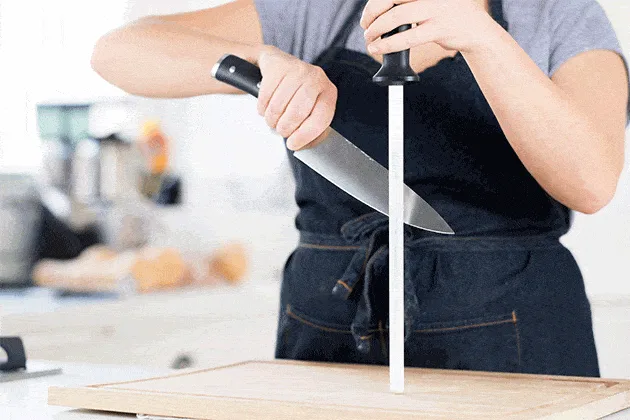
- Honing: This is a frequent, light maintenance task, ideally done before or after each use. A honing steel (often called a sharpening steel, though it doesn't actually remove metal) realigns the microscopic teeth on the blade's edge. It's a quick way to maintain sharpness between full sharpenings.
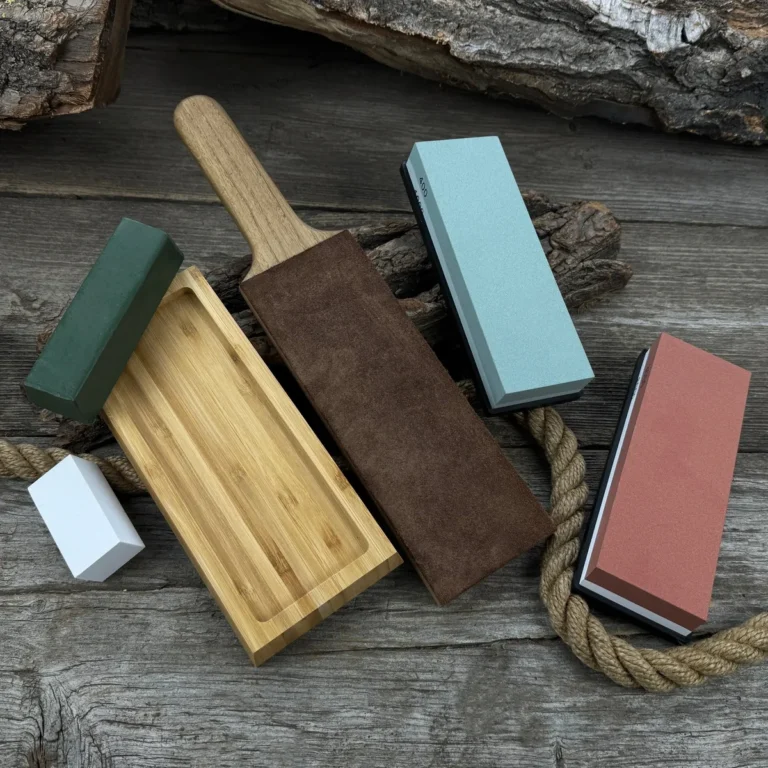
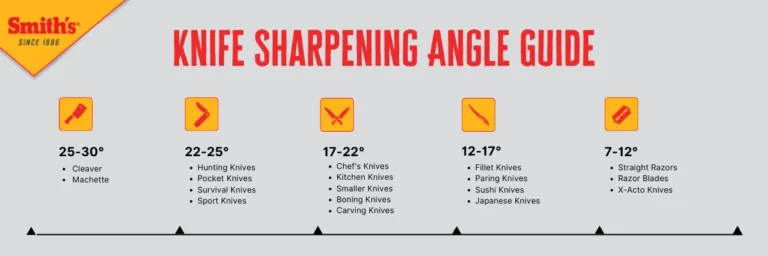
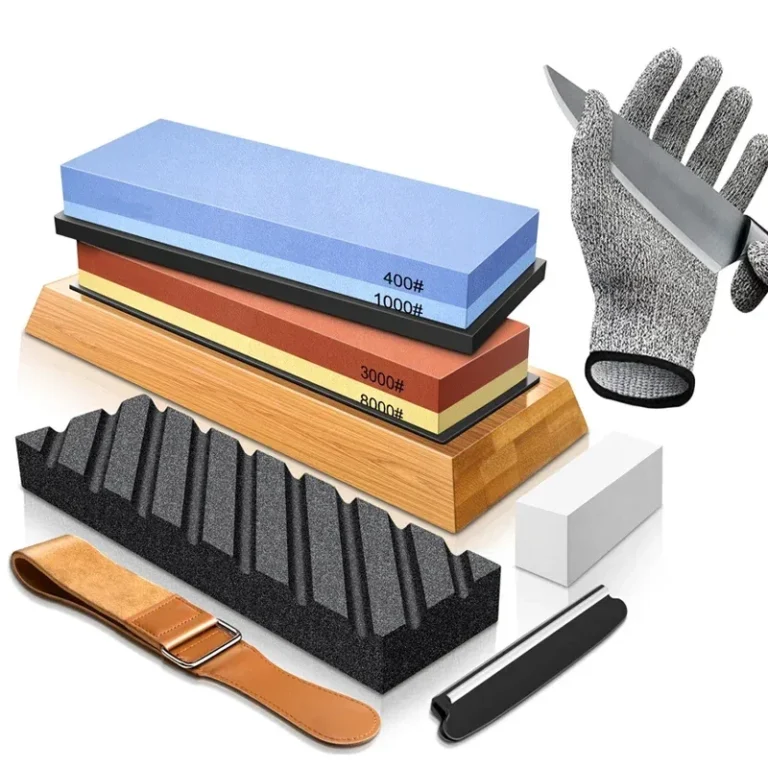
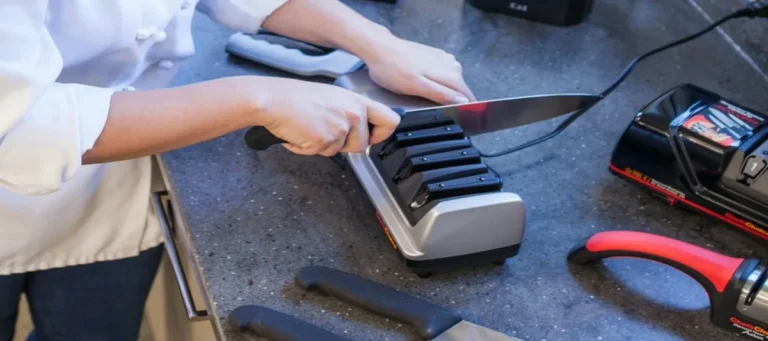
- Sharpening: This involves removing a small amount of metal to create a new, sharp edge. For stainless steel, this can be done with whetstones, electric sharpeners, or pull-through sharpeners. Whetstones offer the most control for achieving a fine edge, but pull-through sharpeners are convenient for quick touch-ups. Aim to sharpen your knives when you notice a degradation in their cutting ability, which might be every few months for moderate home use, depending on the steel quality and how often you use them.
- Cleaning: Always hand wash your stainless steel knives immediately after use. Use warm, soapy water and a soft sponge. Avoid abrasive scrubbers that could scratch the blade.
- Drying: Thoroughly dry your knives with a soft, clean towel immediately after washing. Leaving them to air dry can still lead to water spots or, in rare cases with lower-quality stainless, minor corrosion.
- Storage: Store your knives properly to protect the edges. Knife blocks, magnetic strips, or in-drawer knife organizers are ideal. Avoid tossing them into a drawer with other utensils, which can nick and damage the blades.
By incorporating these simple habits into your kitchen routine, you'll find that your stainless steel knives remain effective cutting tools for years to come. It’s about consistent, gentle care rather than intensive, occasional efforts.
Frequently Asked Questions About Stainless Steel Knives
What is the difference between stainless steel and high-carbon stainless steel?
High-carbon stainless steel, often found in premium knives, contains a higher percentage of carbon than standard stainless steel. This increased carbon content contributes to greater hardness and thus better edge retention, meaning it stays sharper for longer. However, it can also make the steel slightly more brittle and may require more diligent care to prevent rust compared to basic stainless steel.
Can I use a sharpening steel on my stainless steel knives?
Yes, you absolutely can and should use a sharpening steel (honing steel) on your stainless steel knives. This tool realigns the blade's edge, which can become microscopically wavy with use. Regular honing helps maintain the knife's sharpness between actual sharpening sessions, which is important for all knife types, including stainless steel.
How often should I sharpen my stainless steel knives?
The frequency of sharpening depends on how often you use your knives and the quality of the stainless steel. For moderate home use, sharpening might be needed every 3-6 months. If you use your knives daily for extensive chopping, you might need to sharpen them more frequently, perhaps every 1-2 months.
Always sharpen when you notice a significant decrease in cutting performance.
Are all stainless steel knives equally good?
No, not all stainless steel knives are created equal. The quality of stainless steel varies significantly based on its composition (the specific alloys used) and the heat treatment process. Higher-quality stainless steel knives will use better alloys for improved hardness, edge retention, and toughness, and will be manufactured with greater precision.
Is it okay to cut acidic foods with stainless steel knives?
Yes, it is generally okay to cut acidic foods like tomatoes, lemons, or onions with stainless steel knives. Their rust-resistant nature means they are far less likely to react with or be stained by these foods compared to traditional carbon steel. However, it's still good practice to wash and dry the knife immediately after cutting acidic ingredients to maintain its pristine condition.
Final Thoughts: Your Decision Guide for Stainless Steel Knives
Deciding if stainless steel knives are the right fit for you boils down to your personal cooking style, budget, and how much maintenance you're willing to undertake. Our research indicates that for the majority of home cooks, stainless steel offers an exceptional balance. They provide reliable performance, impressive durability, and a low-maintenance profile that lets you focus on your culinary creations rather than extensive tool upkeep.
If your priorities are ease of care, resistance to rust and stains, and a reasonable cost, then yes, stainless steel knives are a very good choice. They are forgiving, robust, and widely accessible. They perform admirably for everyday tasks like chopping vegetables, slicing meats, and preparing meals for family and friends.
However, if you are a culinary enthusiast who demands the absolute pinnacle of edge retention, a razor-sharp edge that lasts exceptionally long, and you don't mind the diligent care required for materials like high-carbon steel, then you might find stainless steel to be a step down in that specific regard. These specialized steels can offer a superior cutting experience but come with a higher price tag and a greater commitment to maintenance.
Ultimately, the "goodness" of a stainless steel knife is relative to your needs. For most people, they are more than good; they are an excellent, practical, and sensible choice for a well-equipped kitchen as of 2026.