Can You Use a Knife Sharpener on a Pocket Knife?
Hey there! So you've got a trusty pocket knife and maybe a kitchen knife sharpener gathering dust, and you're wondering if they can be friends. It's a great question, and honestly, the answer isn't a simple yes or no.
It really depends on the kind of sharpener you have and the kind of pocket knife you're dealing with.
Think of it like this: you wouldn't use a saw to hammer a nail, right? Tools are designed for specific jobs, and knife sharpeners are no different. We need to make sure we're not going to damage your awesome pocket knife or, even more importantly, hurt ourselves in the process.
Quick Answer: It Depends on the Sharpener and the Knife
Generally, you can use some knife sharpeners on a pocket knife. Sharpening stones and guided rod systems are ideal. Pull-through sharpeners and electric models can work but pose a higher risk of damage.
Always match the sharpener's aggressiveness to your pocket knife's blade steel.
Understanding Your Sharpeners: Pull-Through vs. Stones vs. Hones
The first step in figuring out if your sharpener is right for your pocket knife is understanding what kind of sharpener you have. Not all sharpeners are created equal, and using the wrong one can do more harm than good.
Pull-Through Sharpeners: The Convenience Trap
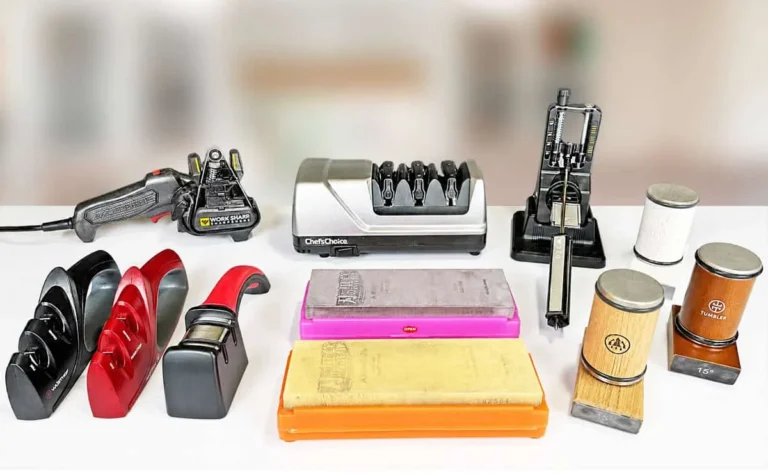
These are super common in kitchens because they're quick and easy. You typically have slots with abrasive materials, like carbide or ceramic, where you pull the knife blade through to sharpen it. They often come with coarse, medium, and fine stages.
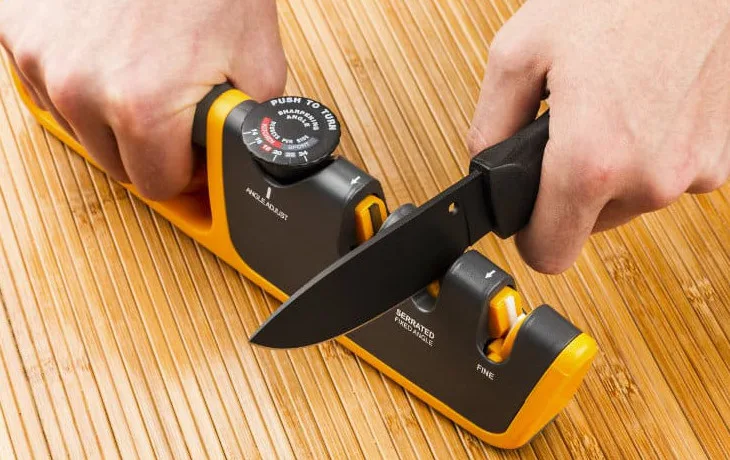
Image source: Bing (Web (fair-use with source credit))
While convenient, our research indicates they can be quite aggressive. They're designed for the thicker, often softer steels found in many kitchen knives. Using one on a smaller, more precisely made pocket knife blade can easily remove too much metal, create an uneven edge, or even chip the blade.
Electric versions often work on the same principle but can be even more powerful and harder to control. Aggregates of user feedback often report that these are best reserved for less expensive utility blades if you must use them on non-kitchen knives.
Sharpening Stones: The Control Masters
Sharpening stones, also known as whetstones, are flat blocks of abrasive material. They come in various types: natural stones, diamond-plated plates, and ceramic stones. You manually move the knife blade across the stone at a specific angle.
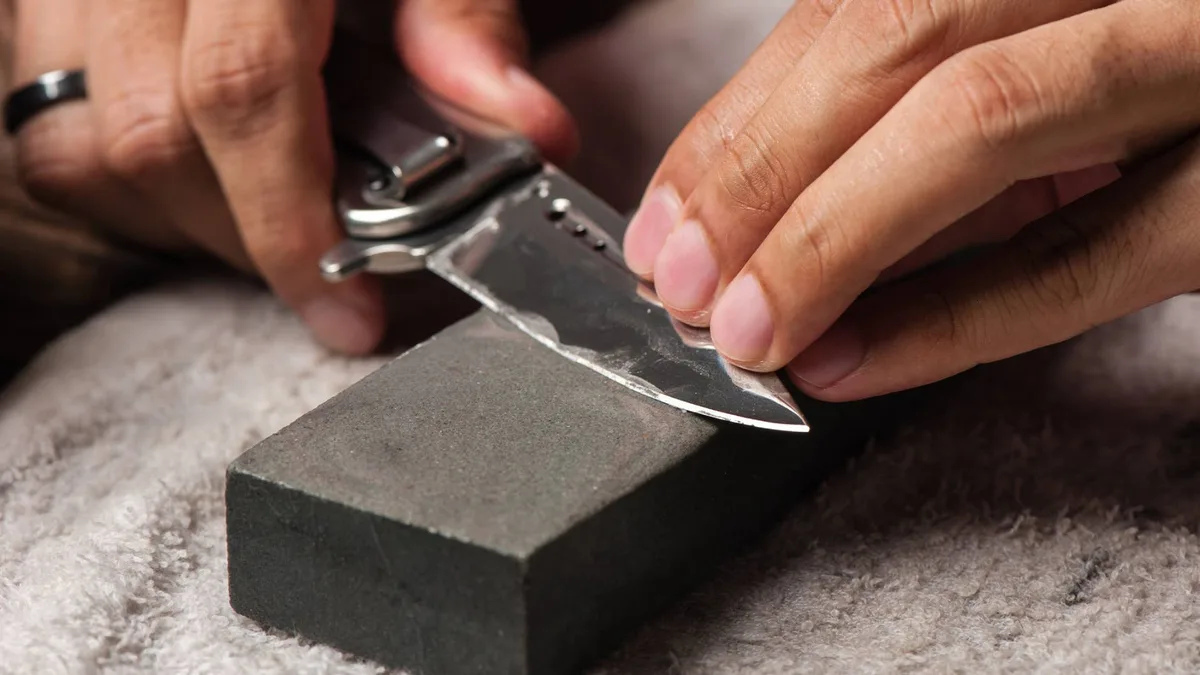
Image source: Bing (Web (fair-use with source credit))
This method offers the most control. You can choose the grit, the coarseness of the abrasive, to match your knife's needs, from rough stones for heavy repairs to ultra-fine stones for a polished, razor edge. For instance, a coarse grit (like 200-400) is for reshaping a very dull or damaged edge, a medium grit (800-1500) is for general sharpening, and a fine grit (3000+) is for refining and polishing.
Manufacturer specifications for many high-end pocket knives recommend manual stone sharpening for maintaining their specialized blade steels. This is usually the safest and most effective method for pocket knives.
Honing Steels: The Edge Realignment Tool
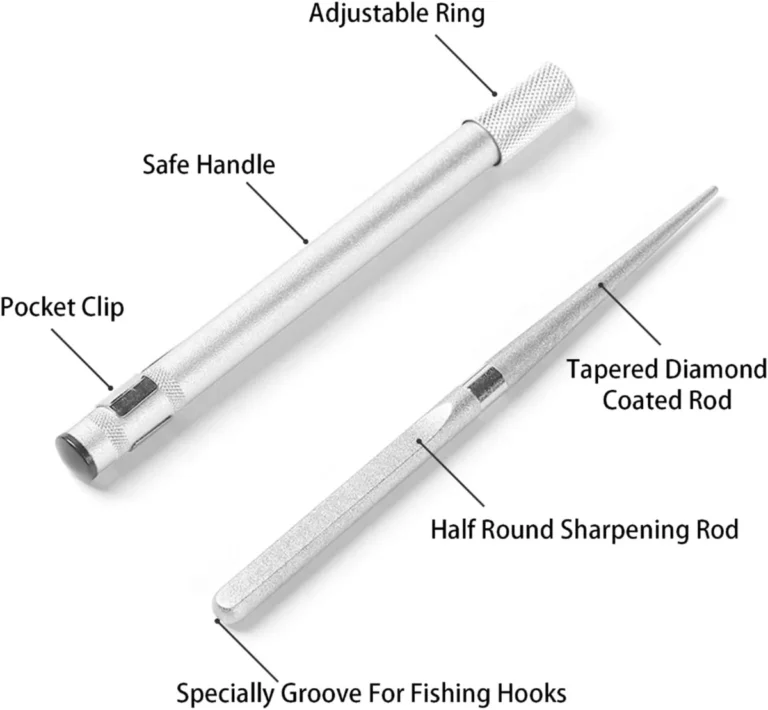
Honing steels, or honing rods, are long, slender rods made from steel, ceramic, or sometimes diamond-impregnated material. Their primary purpose is not to remove metal and sharpen a dull edge, but to realign the microscopic teeth of an already sharp blade that have bent over from use. Think of it like straightening a bent comb instead of cutting new teeth.
Regular honing can keep an edge feeling sharp for much longer between actual sharpening sessions. However, if your pocket knife is truly dull, meaning the edge has worn down or chipped, a honing steel simply won't restore sharpness. It can even damage a very fine edge if used too aggressively without proper technique.
Many everyday carry enthusiasts use a quick hone daily on their pocket knives to keep them cutting efficiently.
Your Pocket Knife Sharpening Decision Tree
Deciding whether to use a specific sharpener on your pocket knife comes down to a few key factors: the sharpener type, the pocket knife's blade material, and its edge geometry. This isn't about picking the "best" sharpener, but rather the right tool for the job to avoid damage and achieve a good result.
Here’s how to approach it:
- If you have a pull-through sharpener (manual or electric):
- Condition: Are you willing to risk potential damage to your pocket knife blade? These sharpeners can be too aggressive.
- Decision: If you have a very inexpensive, hard-use pocket knife or utility blade, you might try it with extreme caution, using very light pressure and only a few passes. For any valuable or precisely made pocket knife, it's generally best to avoid pull-through sharpeners.
- If you have a sharpening stone (whetstone):
- Condition: Are you comfortable with manual sharpening and maintaining an angle?
- Decision: Yes, this is usually your best and safest option. You can control the angle and grit, making it ideal for most pocket knife steels.
- If you have a honing steel:
- Condition: Is your pocket knife edge just a bit "rolled" or feeling less sharp, rather than truly dull or chipped?
- Decision: Yes, use it for maintenance. If it's dull, a hone won't sharpen it; you'll need a stone or other sharpening system.
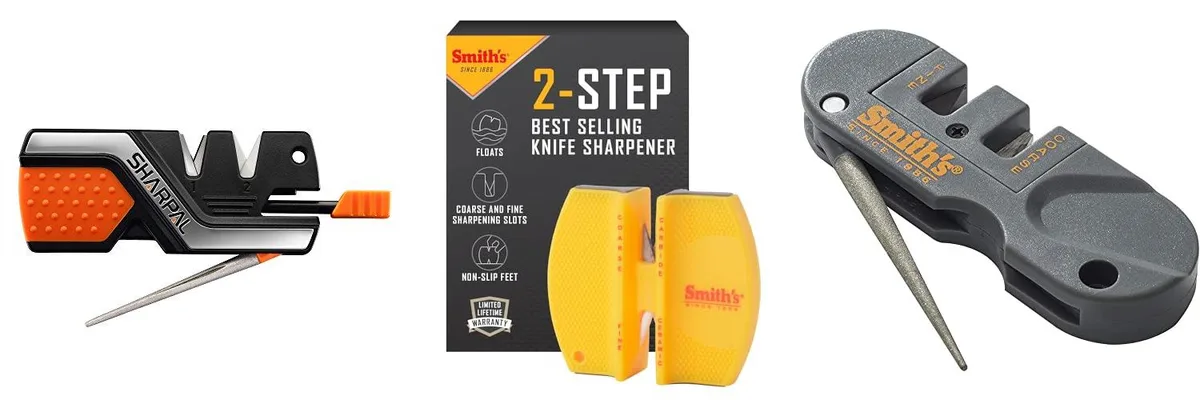
Image source: Bing (Web (fair-use with source credit))
Common Pocket Knife Sharpening Mistakes to Avoid
Using the wrong technique or tool can easily ruin a perfectly good pocket knife, turning a dull edge into a damaged one. Avoiding these common errors is key to keeping your blade in top shape.
Over-Aggression and Metal Removal
A frequent mistake is using too much pressure or too many passes, especially with aggressive sharpeners like carbide pull-throughs. This removes more metal than necessary, thinning the blade and potentially altering its profile. Manufacturer specifications often state that excessive metal removal can void warranties.
Inconsistent Angles
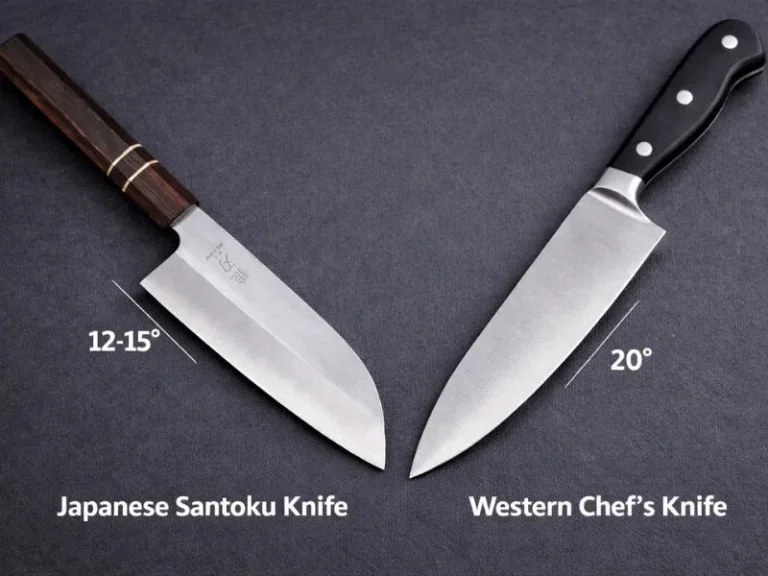
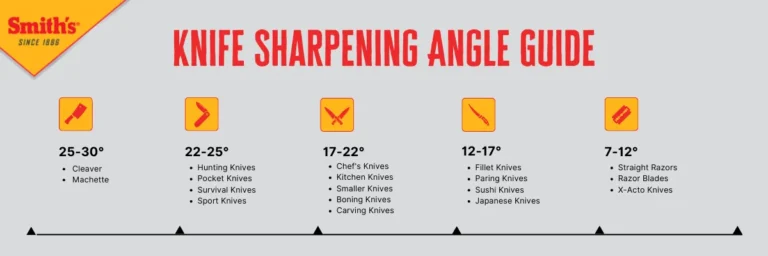
Holding a consistent angle while sharpening is critical for creating a uniform edge. If the angle varies, you'll end up with an uneven, weak edge that dulls quickly. Many beginners struggle with freehand sharpening on stones because maintaining that precise angle, often between 15-20 degrees per side for pocket knives, is difficult without practice.
Neglecting Serrations
Many users try to sharpen serrated edges with regular sharpeners, which is a recipe for disaster. The small teeth get rounded or damaged, losing their cutting effectiveness. It's like trying to saw with a dull straight blade.
You need specialized tools for serrations.
Using the Wrong Tool Entirely
Perhaps the biggest mistake is simply choosing a sharpener not suited for the task. Using a coarse grit stone on a blade that only needs a light touch-up, or using a pull-through sharpener on a delicate Damascus steel blade, falls into this category. Always assess your knife and your sharpener before you begin.
Expert Tips for a Razor-Sharp Pocket Knife
Achieving and maintaining a truly sharp edge on your pocket knife is more about understanding the principles than having expensive gear. Our research, drawing from experienced blade enthusiasts and manufacturer guidelines, reveals several key practices.
First, understand your blade. Knowing the steel type (e.g., S30V, VG-10, 1095) helps you select appropriate grits and techniques. For harder steels, diamond stones or very hard ceramic stones are often recommended as of 2026.
For softer steels, a good quality whetstone can be excellent.
Next, consistent angle is king. For most pocket knives, an angle between 15 to 20 degrees per side provides a good balance of sharpness and durability. It's better to err on the side of a slightly higher angle (more obtuse) for a more robust edge, especially if the knife will see heavy use.
Finally, don't neglect the finishing steps. After sharpening, a few light passes on a very fine grit stone or a leather strop can refine the edge to a razor-like finish. This removes any microscopic burrs and makes the edge exceptionally smooth and keen.
Many users find a stropping compound, like a fine jeweler's rouge, further enhances this polishing effect.
Safety First: Sharpening Without Injury
Sharpening a knife, especially a sharp pocket knife, inherently involves risk. A moment's inattention can lead to serious cuts. Prioritizing safety is paramount, no matter how simple the task seems.
Always work on a stable, flat surface. This prevents the knife or sharpener from slipping unexpectedly. Ensure your hands are dry and free of oil or grease, which can reduce your grip.
When holding the knife, keep your fingers away from the path of the blade. Many sharpening guides recommend curling your fingers inward on the blade being sharpened, creating a "claw" grip that acts as a guard for your fingertips.
When using pull-through sharpeners, maintain a firm grip on the sharpener itself, not just the knife. For sharpening stones, ensure the stone is stable; some benefit from being placed on a damp cloth or a non-slip mat. If you're using a guided rod system, ensure all components are securely locked in place.
Always store your sharpeners and knives safely after use, out of reach of children.
FAQs About Pocket Knife Sharpening
Can I use a sharpening stone meant for kitchen knives on my pocket knife?
Generally, yes, you can use kitchen knife sharpening stones on your pocket knife. The key is to match the grit of the stone to the condition of your pocket knife's edge and its steel type. Coarser grits are for duller blades or repairs, while finer grits are for refining and polishing.
How often should I sharpen my pocket knife?
This depends entirely on how often you use it and what you use it for. If you use your pocket knife daily for tasks like opening packages or cutting cord, you might need to hone it weekly and sharpen it monthly. If it's an occasional-use knife, you might only need to sharpen it once or twice a year, or when you notice it struggling to cut cleanly.
What's the difference between sharpening and honing?
Sharpening removes metal to create a new edge when a knife is dull or damaged. Honing, on the other hand, realigns the existing microscopic teeth of the blade that have bent over from use, making it feel sharp again without removing significant material. Think of sharpening as building a new fence, and honing as straightening the posts of an existing one.
Will sharpening my pocket knife damage its blade if I'm not careful?
Yes, absolutely. Using the wrong type of sharpener, too much pressure, or an inconsistent angle can easily damage your pocket knife's blade. Aggressive pull-through sharpeners can remove too much metal or create an uneven edge, while improper stone use can alter the blade's geometry or even chip it.
Always proceed with caution and understand the tool you are using.