What Is the Difference Between a Chef Knife and a Santoku Knife?
What is the difference between a chef knife and a santoku knife? Both are essential tools in any kitchen, but their distinct designs lend themselves to different tasks and cutting styles. Understanding these differences can help you pick the right knife for your needs.
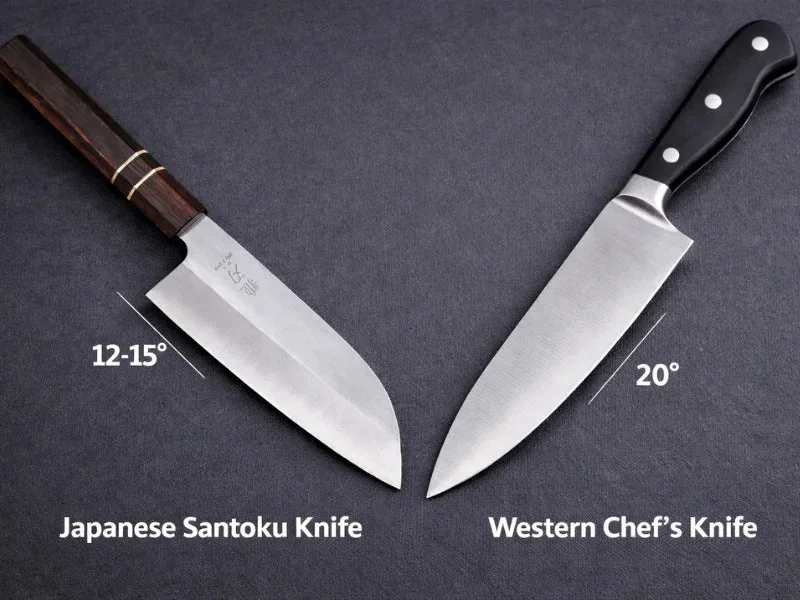
Image source: Bing (Web (fair-use with source credit))
These knives represent two primary approaches to knife making, one rooted in Western tradition and the other in Japanese culinary heritage. Manufacturer specifications often highlight their distinct blade shapes, lengths, and intended uses, catering to various cooking techniques.
Quick Answer: Chef's Knife vs. Santoku
A chef's knife has a curved blade ideal for rocking. A Santoku knife has a straighter blade and a sheepsfoot tip for up-and-down chopping. Chef's knives excel at mincing and versatile tasks.
Santokus are best for slicing and dicing with precision.
Chef's Knife: The All-Around Champ
The chef's knife is the undisputed workhorse of many Western kitchens. Its design isn't accidental; every curve and angle serves a purpose, making it incredibly versatile. It's the knife most people think of when they picture a classic kitchen blade.
- Blade Shape: The most defining feature is its long, curved belly. This allows for a "rocking" motion on the cutting board. You can mince herbs or garlic with speed by just rocking the blade back and forth.
- Size and Weight: Typically ranging from 8 to 10 inches in length, chef's knives offer a substantial feel. This size is great for handling larger ingredients like whole chickens or big vegetables.
- Primary Uses: This knife can truly do it all. Slicing, dicing, chopping, mincing, and even some heavier-duty tasks like breaking down raw poultry are within its capabilities. It’s the go-to for a wide array of food preparation.
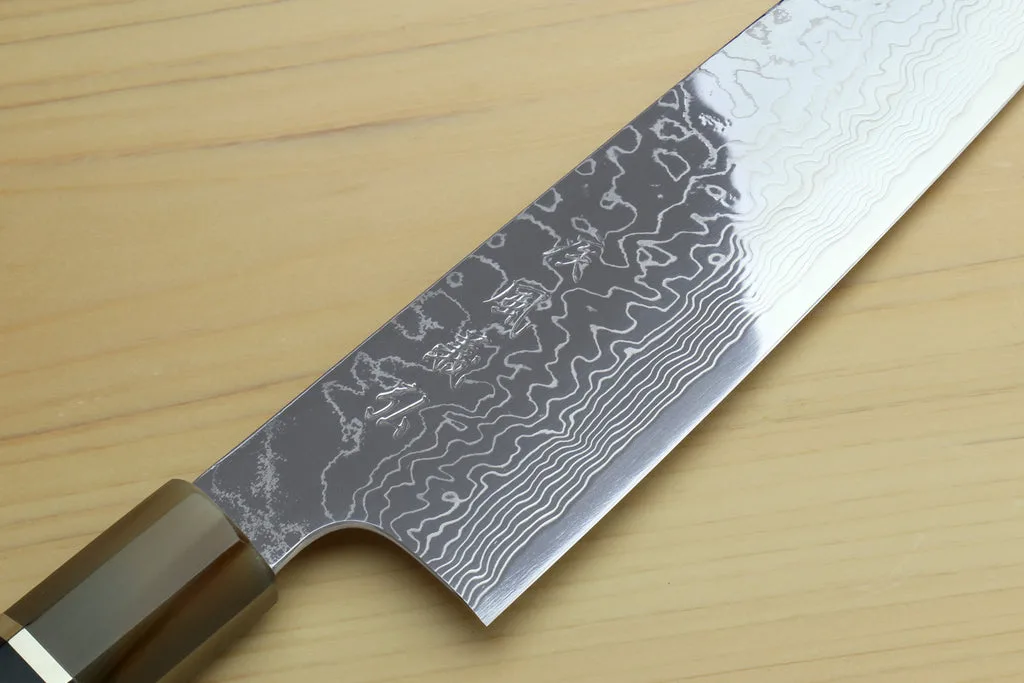
Image source: Bing (Web (fair-use with source credit))
The balanced weight and robust construction mean it can tackle tough jobs without complaint. For home cooks looking for a single, highly capable knife, the chef's knife is often the top recommendation. Its ability to adapt to numerous cutting styles makes it a staple.
Santoku Knife: Precision and Glide
The Santoku knife, originating from Japan, offers a different philosophy in knife design. The name "Santoku" itself translates to "three virtues" or "three uses," referring to its proficiency in chopping, slicing, and dicing. It’s a popular choice for cooks who appreciate finesse and efficiency.
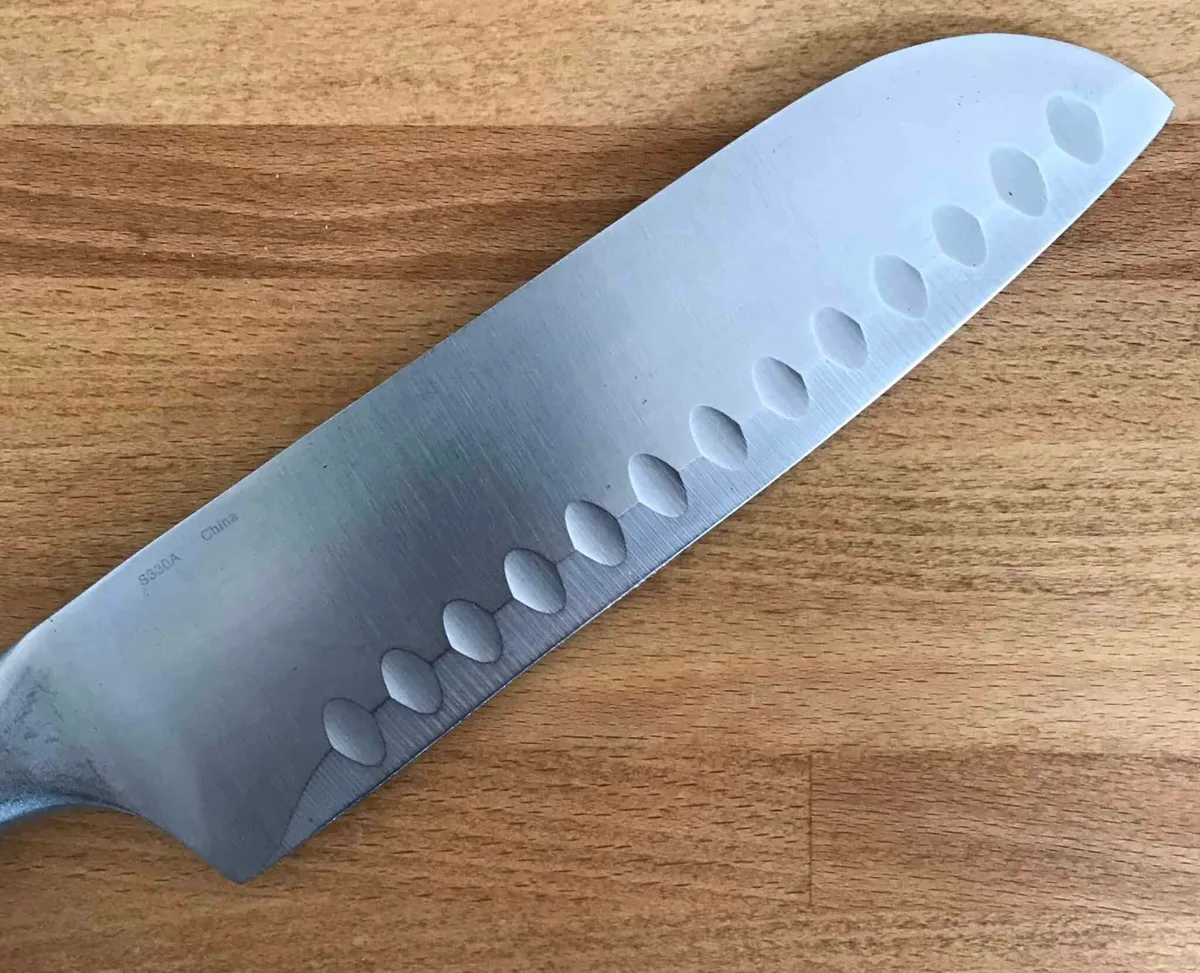
Image source: Bing (Web (fair-use with source credit))
- Blade Shape: Santokus feature a straighter edge compared to a chef's knife, with a less pronounced curve. The spine of the blade curves downward sharply towards the tip, creating a "sheepsfoot" profile. This design is optimized for a more direct, up-and-down chopping motion rather than rocking.
- Granton Edge: Many Santoku knives also come with a granton edge, which are the distinctive hollows or indentations ground into the side of the blade. These are not for decoration; they create air pockets that prevent food from sticking to the blade. This is especially helpful when slicing moist or starchy items like potatoes or cucumbers.
- Size and Feel: Santoku knives are generally a bit shorter than chef's knives, typically ranging from 5 to 7 inches. This can make them feel more maneuverable and less intimidating for some users, particularly those with smaller hands or who prefer a lighter knife.
The straight edge excels at making clean, precise slices, and the granton edge ensures that even sticky ingredients release easily. This makes the Santoku a favorite for tasks requiring neat, uniform cuts.
Chef's Knife vs. Santoku: Key Differences in Design
The core distinctions between a chef's knife and a Santoku knife boil down to their blade geometry and how these shapes influence their performance in the kitchen. Understanding these design elements is key to appreciating why one might be better suited for a particular task than the other.
Blade Curvature
- Chef's Knife: Features a significant curve along the blade's edge, known as the "belly." This curvature is engineered to allow for a rocking motion during chopping. It enables rapid mincing of ingredients like garlic and herbs by utilizing the entire length of the blade in a fluid, back-and-forth movement.
- Santoku Knife: Has a much straighter edge with minimal to no pronounced curve. The design favors a direct up-and-down chopping motion, similar to a cleaver, rather than rocking. This straight edge makes it excellent for slicing tasks where a clean cut is paramount, without the blade digging in prematurely.
Blade Tip
- Chef's Knife: The tip is generally pointed and tapers from the spine. This allows for more precise work, such as de-boning or intricate cuts, though it’s not its primary function.
- Santoku Knife: Features a "sheepsfoot" tip. Here, the spine curves down more steeply to meet the edge. This reduces the risk of accidental piercing and emphasizes the knife's slicing and chopping capabilities over delicate piercing tasks.
Granton Edge (Hollow-Ground)
- Chef's Knife: While some high-end chef's knives might have this feature, it's less common. Standard chef's knives usually have a flat grind.
- Santoku Knife: Granton edges are a frequent, though not universal, feature. These indentations create air pockets between the blade and the food being cut. This significantly reduces friction and adhesion, allowing sliced food to release more easily from the blade, preventing ingredients from sticking and building up.
Weight and Balance
- Chef's Knife: Often feels more substantial due to its longer blade and broader tang. The balance point is typically designed to be comfortable for a variety of chopping and slicing motions, often near the heel of the blade.
- Santoku Knife: Tends to be lighter and more agile. The shorter blade and sometimes thinner profile contribute to a nimble feel, which can be advantageous for prolonged use or for cooks who prefer less heft.
These subtle yet significant design differences directly impact how each knife handles common kitchen tasks. The chef's knife's curvature is built for dynamic chopping, while the Santoku's straight edge and granton are optimized for clean, efficient slicing and dicing.
Best Uses: When to Reach for Each Knife
Knowing the design differences between a chef's knife and a Santoku knife naturally leads to understanding their ideal use cases. While both are versatile, they truly shine in different scenarios. Choosing the right knife for the job can significantly improve your efficiency and the quality of your cuts.
Chef's Knife: The Master of Versatility
The chef's knife is your ultimate all-rounder. If you're looking for one knife to handle the majority of your kitchen prep, this is it.
- Mincing: Thanks to its curved belly, the chef's knife excels at mincing herbs like parsley, cilantro, or basil. The rocking motion allows you to chop them finely and quickly without having to lift the blade off the cutting board.
- Dicing: It's excellent for dicing onions, peppers, carrots, and potatoes. The rocking action helps create uniform pieces efficiently.
- Chopping: From smaller vegetables to larger items like cabbage or butternut squash, the chef's knife can handle it all.
- Slicing: While a Santoku might offer a cleaner slice on some items, a chef's knife can still slice meats, fruits, and vegetables effectively.
- Heavy-Duty Tasks: Its robust build means it can often be used for tasks like portioning raw meat or even breaking down a small chicken, though dedicated cleavers or boning knives are better suited for very heavy work.
The chef's knife is the tool you'll grab for general food prep, busy cooking sessions, and when you need a reliable knife that can adapt to almost any ingredient or task.
Santoku Knife: The Precision Specialist
The Santoku knife, with its straighter blade and granton edge, offers a different kind of performance, particularly favored for slicing and fine dicing.
- Slicing Vegetables: Its straight edge makes it perfect for creating precise, even slices of vegetables like tomatoes, cucumbers, and zucchini. The blade doesn't have a pronounced curve that might catch or drag.
- Dicing: Santokus are fantastic for dicing, especially when you want smaller, uniform pieces. The up-and-down motion is very effective for this.
- Slicing Fish and Boneless Meats: The clean slicing action is ideal for preparing fish fillets or boneless cuts of meat where a smooth cut is desired.
- Food Release: For ingredients prone to sticking, like raw potatoes, cooked chicken, or soft fruits, the granton edge is a game-changer. It prevents the food from adhering to the blade, leading to cleaner cuts and less frustration.
- Fine Chopping: While not designed for rocking, the Santoku can still finely chop ingredients, especially when using a swift up-and-down motion.
The Santoku is a wonderful choice for cooks who prioritize clean, precise cuts and appreciate the ease of food release provided by the granton edge. It's particularly useful for delicate ingredients or when presentation is key.
Who Needs a Chef's Knife?
If you're building your kitchen arsenal from scratch or looking to equip yourself with the most versatile single knife, the chef's knife is likely your best bet. This knife is a fantastic companion for a broad range of cooking styles and skill levels, from enthusiastic beginners to seasoned home cooks.
You'll benefit most from a chef's knife if:
- You want a "do-it-all" knife: The chef's knife is designed to handle a multitude of tasks. If you prefer to minimize the number of knives you own, this is the one to rely on for chopping vegetables, slicing meats, mincing herbs, and more.
- You enjoy a rocking motion for chopping: The significant curve in the blade's belly is perfect for efficient mincing and dicing using a rocking technique. This motion can feel very natural and speed up prep work.
- You cook a variety of dishes: From hearty stews requiring lots of diced vegetables to delicate dishes needing finely minced herbs, the chef's knife adapts well to different culinary demands.
- You're comfortable with a slightly larger knife: Chef's knives typically range from 8 to 10 inches. This size offers good leverage and cutting power for larger ingredients.
- You're looking for a foundational tool: For many, the chef's knife is the first high-quality knife they purchase, and it serves as the cornerstone of their cutlery collection. It's a solid investment for any kitchen.
Manufacturer specifications often highlight the balance and weight distribution of chef's knives, engineered for comfort during extended use. Aggregate reviews frequently praise its versatility and the ease with which it handles everyday prep tasks. As of 2026, the chef's knife remains a benchmark for kitchen knife utility.
Who Needs a Santoku Knife?
The Santoku knife is a wonderful addition for any cook who appreciates precision, ease of use, and specific performance benefits. It’s particularly appealing to those who may find a traditional chef's knife a bit unwieldy or who want a specialized tool for certain cutting techniques.
Consider a Santoku knife if:
- You prefer a direct chopping motion: The Santoku's straighter blade is ideal for cooks who favor an up-and-down chopping technique over rocking. This can feel more controlled for some users.
- You frequently slice fruits, vegetables, and boneless meats: The sharp, straight edge excels at producing clean, uniform slices, making it perfect for preparing ingredients for salads, stir-fries, or garnishes.
- You struggle with food sticking to your knife: The granton edge, common on Santokus, significantly reduces friction. This means ingredients like sliced tomatoes, potatoes, or cooked chicken release cleanly from the blade, making prep smoother and faster.
- You prefer a lighter, more maneuverable knife: Santokus are typically shorter (5-7 inches) and often lighter than chef's knives. This can be beneficial for those with smaller hands, or for cooks who find a lighter knife easier to control during intricate tasks.
- You want to expand your knife collection with a specialized Japanese tool: The Santoku offers a distinct cutting experience rooted in Japanese culinary traditions, adding a unique dimension to your kitchen tools.
Research from culinary experts often points to the Santoku as an excellent choice for home cooks seeking a highly efficient and user-friendly slicing and dicing tool. Its design minimizes adhesion and promotes clean cuts, enhancing the overall cooking experience.
Common Mistakes When Choosing Your Knife
When you're trying to figure out the difference between a chef's knife and a Santoku knife, it's easy to get caught up in the details and make a choice that doesn't quite fit your needs. Avoiding a few common pitfalls can save you frustration and ensure you end up with a knife you’ll actually use.
- Buying based solely on appearance: Just because a knife looks cool or is a certain brand doesn't mean it's the right fit for your cooking style. A chef's knife might look more traditional, while a Santoku might have a more modern or sleek appearance, but function should always come first.
- Ignoring the feel in your hand: A knife's balance and how it fits your grip are incredibly important. What feels perfect for one person might feel awkward to another. Always try to hold a knife before buying if possible. A chef's knife is typically longer and heavier than a Santoku, which might feel unbalanced for some users.
- Overlooking the granton edge: If you do a lot of slicing of sticky or moist foods, a Santoku with a granton edge can be a game-changer. Skipping it because you don't "understand" it means missing out on a significant practical benefit.
- Thinking one is strictly "better" than the other: Both chef's knives and Santoku knives are excellent tools. The "best" knife depends entirely on what you're doing in the kitchen. Trying to decide without considering your typical tasks is a common mistake.
- Choosing a knife that’s too big or too small: A 10-inch chef's knife might be too much for a small kitchen or a petite user. Conversely, a 5-inch Santoku might feel too small for tackling large roasts. Stick to the generally recommended size ranges for each type unless you have a very specific reason.
Manufacturer specifications often provide length and weight details, but these don't convey how a knife feels in action. It's crucial to consider your personal cooking habits and hand comfort when making your choice.