What Is the Difference Between a Cleaver and a Chef Knife?
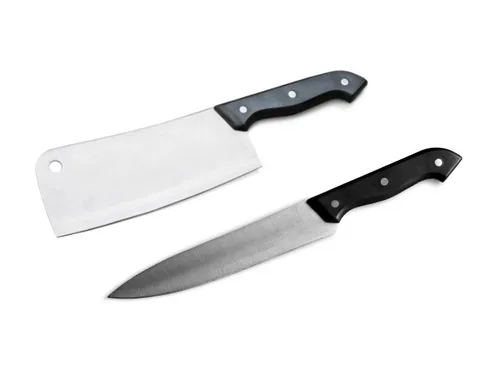
Image source: Bing (Web (fair-use with source credit))
Cleaver vs. Chef Knife: What's the Real Difference?
What is the difference between a cleaver and a chef knife? It's a common question for anyone looking to equip their kitchen, and understanding their distinct purposes makes a world of difference in how you prepare food. While both are cutting tools, their design dictates their strengths, from tackling tough bones to finely mincing herbs.
Our research indicates that cleavers are built for brute force and large-scale chopping, whereas chef knives excel at precision and everyday versatility. According to U.S. Department of Agriculture (USDA) guidelines on food preparation tools, using the correct implement ensures both safety and efficiency.
Quick Answer
The main difference between a cleaver and a chef knife lies in their design and primary use. A cleaver has a heavy, broad, rectangular blade for chopping through bones and large ingredients. A chef knife features a lighter, curved blade that tapers to a point, ideal for a wide range of general chopping, slicing, and mincing tasks.
The Mighty Cleaver: Built for Tough Stuff
When you picture a cleaver, you're likely imagining a heavy, broad-bladed knife that looks like it means business. And it does! This tool is engineered for power and makes short work of ingredients that would challenge a standard kitchen knife.
Its defining characteristic is that substantial weight and the wide, often rectangular blade.
What It's Good For
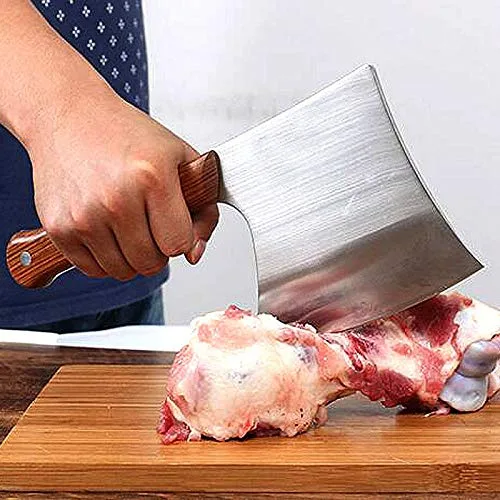
The cleaver truly shines when you need to apply serious force. Its primary job is chopping through bone. This makes it indispensable for butchers or home cooks who break down whole poultry, pork shoulders, or other large cuts of meat.
Beyond bones, its hefty nature is perfect for slicing through dense, hard vegetables like butternut squash, pumpkins, or even large heads of cabbage in a single pass. You can also use the flat side of the blade like a bench scraper to easily scoop up chopped ingredients from your cutting board and transfer them into a pot or bowl, adding a layer of efficiency to your prep work.
Why It Works
The cleaver's effectiveness comes down to physics. That significant weight is distributed along the blade, meaning gravity and the knife's mass do a lot of the work for you. You don't need to exert as much downward pressure, which reduces fatigue and makes cutting through tough materials feel less strenuous.
The broad surface of the blade provides stability and a controlled surface for chopping, preventing ingredients from rolling away and ensuring a cleaner cut, especially when dealing with items that might otherwise be unwieldy.
The Versatile Chef Knife: Your Kitchen Workhorse
The chef knife is the undisputed champion of the kitchen for most tasks. It's the knife most home cooks reach for most often, and for good reason. Typically, a chef knife is longer than a cleaver and features a blade that curves upward towards a pointed tip.
This design is crucial for its adaptability across a vast array of kitchen activities.
What It's Good For
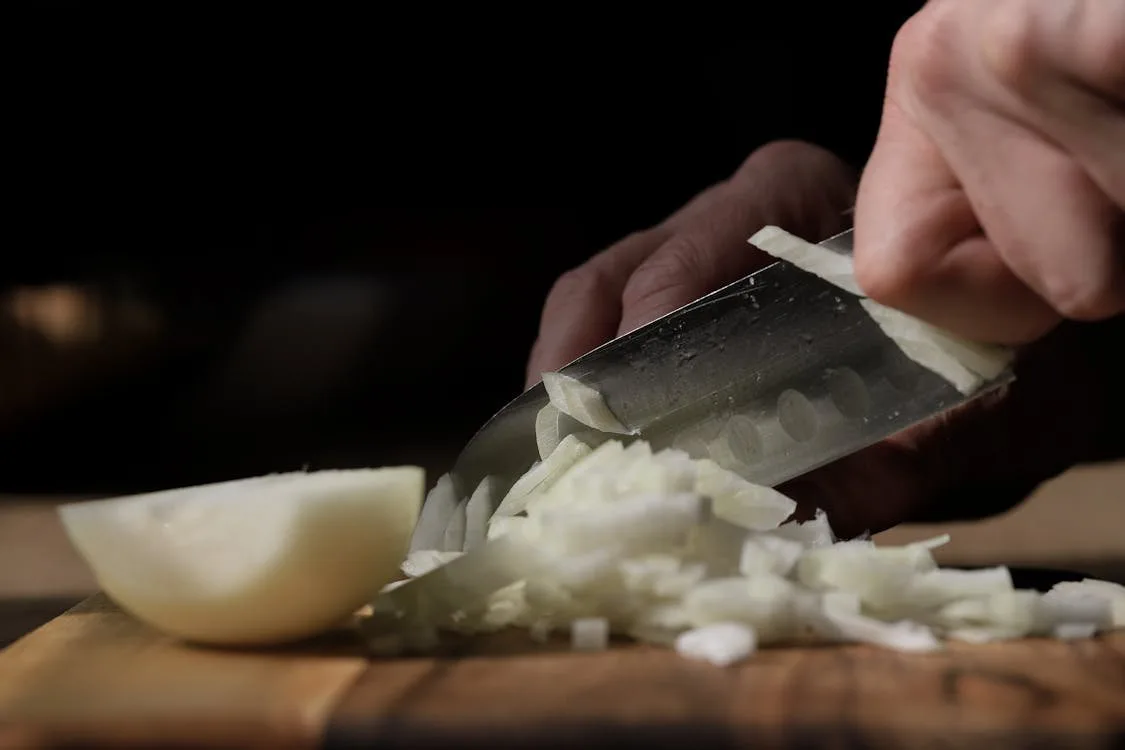
This knife is your everyday hero. Its primary strength is its versatility. You can use it for everything from dicing onions and mincing garlic to chopping fresh herbs, slicing ripe tomatoes, and portioning cooked meats.
The natural curve of the blade allows for a rocking motion, which is incredibly efficient for mincing and rapidly chopping smaller items like shallots or chives. The pointed tip also provides precision for more detailed work, like deveining shrimp or trimming fat.
Why It Works
The chef knife's balance and agility are what make it so effective. It's designed to feel like an extension of your hand, allowing for both power when needed and finesse for delicate cuts. The slightly curved edge, when used with a rocking motion on a suitable cutting board, creates a smooth and continuous cutting action.
This design minimizes the need to lift the knife completely off the board, speeding up chopping and reducing wrist fatigue, especially during longer prep sessions.
So, What's the Big Picture Difference?
The core distinction between a cleaver and a chef knife boils down to their intended purpose, which is clearly reflected in their physical design. Think of it as a specialized tool versus an all-purpose one.
Feature Comparison Table
| Feature | Cleaver | Chef Knife |
|---|---|---|
| Blade Shape | Large, rectangular, broad | Longer, curved, tapers to a point |
| Weight | Heavy; designed for power and impact | Balanced; designed for control and agility |
| Primary Use | Chopping through bones, heavy-duty tasks | General chopping, slicing, mincing, precision work |
| Blade Edge | Often straighter; optimized for force | Curved; optimized for rocking and slicing |
| Versatility | More specialized; excels at specific tasks | Highly versatile; your go-to for most kitchen needs |
| Material | Typically thicker, robust steel for durability | Typically thinner, high-carbon stainless steel for sharpness and edge retention |
When to Choose Which
Deciding between a cleaver and a chef knife isn't about which one is "better" overall, but which one is better for the specific task at hand. Using the right tool not only makes the job easier but also safer and more effective.
If your culinary adventure involves deconstructing a whole chicken, hacking through pork ribs, or attempting to slice a dense acorn squash, the cleaver is your best friend. Its weight and design are purpose-built for these demanding applications. You can bring down the blade with confidence, letting its mass do the heavy lifting.
On the other hand, if you're prepping ingredients for a stir-fry, chopping vegetables for a salad, mincing aromatics like garlic and shallots, or slicing fruit, the chef knife is the clear choice. Its agility and precision allow for finer cuts and controlled movements, which are essential for these types of tasks. The rocking motion it enables is unmatched for speed and efficiency when dealing with smaller ingredients or when you need to create uniform dice.
Quick Guide: Cleaver or Chef Knife?
Here's a simple way to think about it:
- Need to cut through bone or something very dense and large? Grab the cleaver.
- Need to slice, dice, mince, or chop a variety of everyday ingredients? Reach for the chef knife.
Think of the cleaver as your specialized tool for brute force and large-scale prep, while the chef knife is your agile, all-purpose workhorse for the majority of your daily kitchen needs. Choosing correctly means less effort and better results.
Common Kitchen Knife Mistakes to Avoid
Even with the right knife, improper technique can lead to frustration, poor results, or even injury. One of the most common mistakes is using a knife for a task it's not designed for. For instance, trying to chop through bones with a chef knife can damage the blade, making it dull or even causing it to chip.
Conversely, using a heavy cleaver for fine mincing can be awkward and less precise.
Another frequent error is not keeping your knives sharp. A dull knife requires more force to cut, increasing the risk of the blade slipping. Per the National Knife Collectors Association, regular sharpening maintains a keen edge, which is actually safer.
Always store knives properly; using a magnetic strip or a block prevents blades from knocking against each other, which can cause nicks and dullness. Finally, always cut on a suitable surface, a wooden or plastic cutting board is ideal. Cutting directly on countertops can damage both your knives and your surfaces.
Step-by-Step Process: Using Your Knives Safely and Effectively
Both cleavers and chef knives require a thoughtful approach to get the best results and avoid common pitfalls. Understanding the basic steps for each will elevate your cooking and kitchen safety.
Preparing Your Workspace
Before you even pick up a knife, ensure your cutting surface is stable. If your cutting board tends to slide, place a damp paper towel or a non-slip mat underneath it. This prevents the board from moving unexpectedly, which is a major cause of accidents.
For cleavers, make sure you have ample space, as their larger size requires a bit more room to maneuver safely.
Handling the Cleaver
When using a cleaver, grip the handle firmly but not rigidly. Position your non-knife hand to stabilize the ingredient you're cutting, keeping your fingers curled inward to protect them, this is often called the "claw grip." For bone-in meats, position the cleaver over the bone and use a swift, downward chopping motion. Leverage the knife's weight for power.
For slicing larger items like squash, use a sawing motion with the front of the blade if necessary, combined with downward force.
Handling the Chef Knife
For a chef knife, a comfortable grip is key. The pinch grip, where you pinch the base of the blade between your thumb and index finger, offers excellent control. Use your non-knife hand in the claw grip to hold the food.
To chop or slice, engage the curved blade with a rocking motion, moving the tip down and forward. For straight cuts, a smooth slicing motion works best. Avoid using your chef knife like a lever or pry bar, as this can damage the blade.
Cleaning and Storage
Immediately after use, wash both knives by hand with warm, soapy water. Do not put them in the dishwasher, as the harsh detergents and high heat can dull the blades and damage handles over time. Dry them thoroughly with a clean towel before storing them.
This prevents rust and keeps the blades in top condition. Store them in a knife block, on a magnetic strip, or in blade guards to protect both the knives and yourself from accidental cuts.
Maintenance: Keeping Your Knives Sharp and Ready
Proper maintenance is crucial for the longevity and performance of both your cleaver and chef knife. Neglecting them can lead to dull blades, which are not only less effective but also more dangerous, as they require more pressure and are prone to slipping. Investing a little time in upkeep will ensure your knives serve you well for years to come.
Sharpening vs. Honing
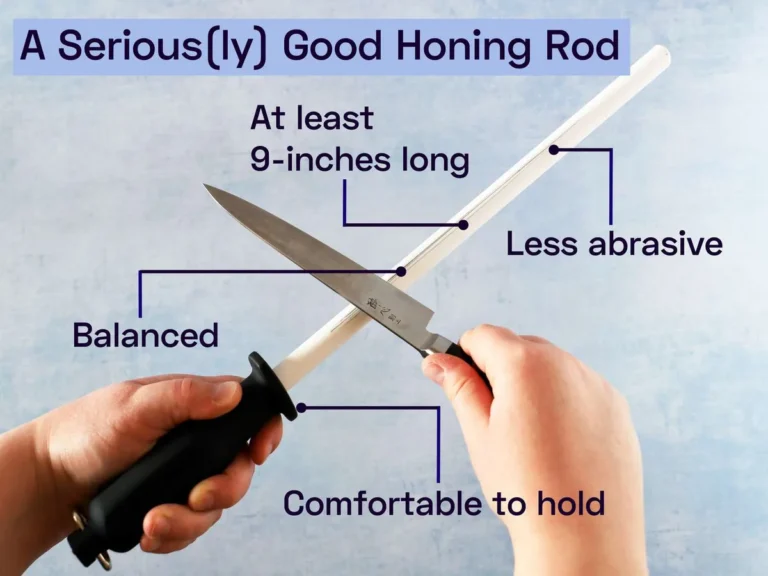
It's important to understand the difference between sharpening and honing. Sharpening actually removes a small amount of metal from the blade to restore its edge. Honing, on the other hand, realigns the microscopic teeth of the blade to keep it sharp between sharpenings.
- Honing: Should be done regularly, ideally before each use or every few uses, especially for your chef knife. A honing steel or ceramic rod works well for this. It's a quick process that maintains the blade's alignment.
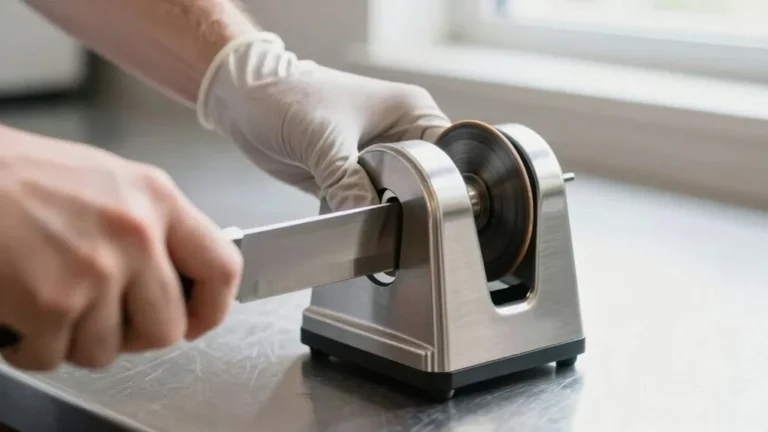
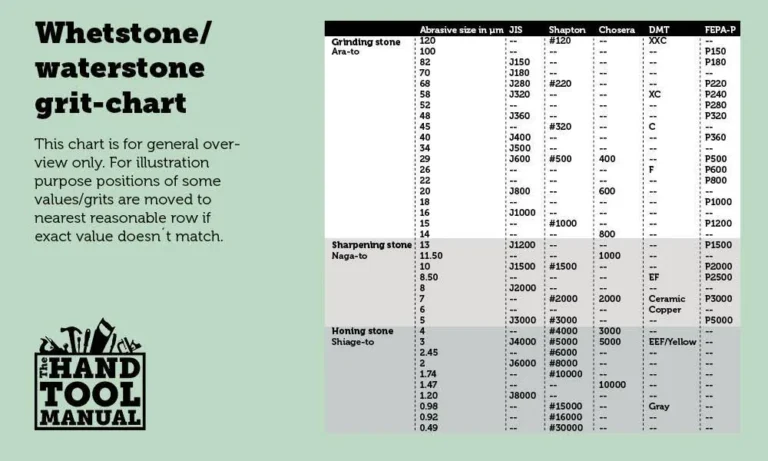
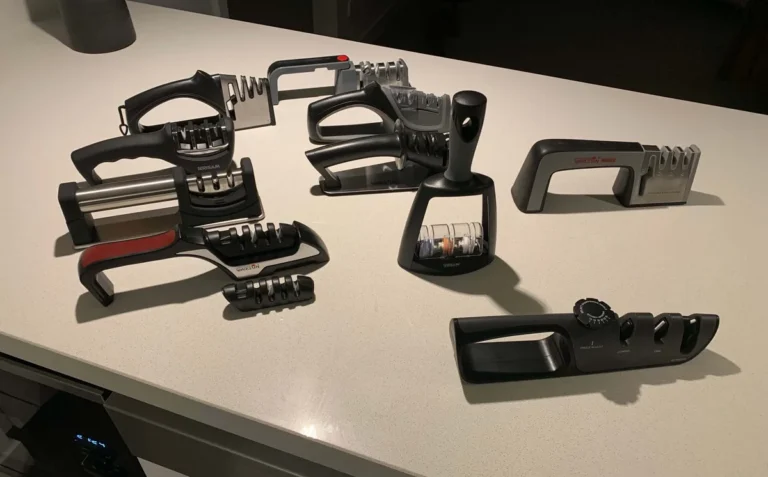
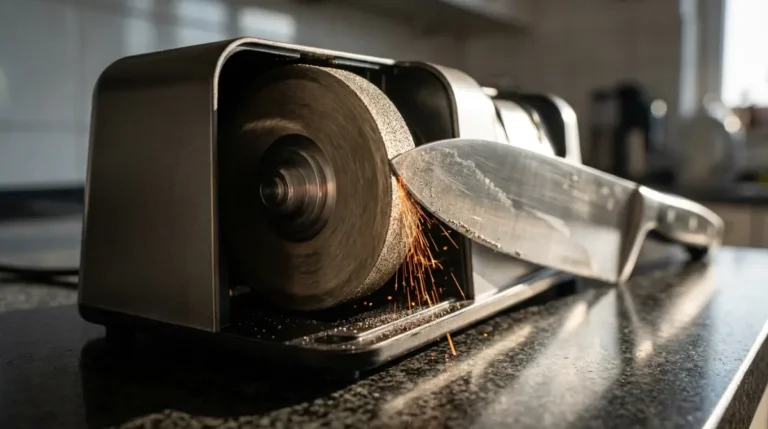
- Sharpening: Needs to be done less frequently, perhaps every few months to a year depending on how often you use your knives and how well you hone them. This can be done with a whetstone, an electric sharpener, or by a professional. For cleavers, which are often used for tougher tasks, sharpening might be needed slightly more often to maintain their robust cutting ability.
According to manufacturer specifications for quality knives, a well-maintained blade can retain its sharpness for extended periods.
Cleaning and Drying
As mentioned earlier, hand-washing is paramount. After washing, ensure the knives are completely dry. Any moisture left on the blade, especially on carbon steel knives, can lead to rust spots.
Wipe them down carefully, paying attention to the area where the blade meets the handle, as moisture can get trapped there.
Storage Matters
Proper storage protects the blade's edge. A knife block keeps individual knives separate and their edges protected. A magnetic strip mounted on the wall is also a popular choice, keeping knives accessible and visible.
If storing in a drawer, use blade guards to prevent the edges from becoming nicked or damaged. This is especially important for delicate chef knives.
Real Scenarios: When Each Knife Truly Shines
Let's look at a couple of practical examples to illustrate just how different these tools are in action. These scenarios highlight why having both in your kitchen can be beneficial, or at least why understanding their specific roles is key.
Scenario 1: Sunday Roast Prep
Imagine you're preparing a hearty Sunday roast with a whole chicken and some root vegetables. You start by breaking down the chicken. This is where the cleaver proves its worth.
You place the chicken on the board and, with a firm chop, easily cut through the thigh bone to separate the leg quarter. Then, you move on to slicing a large butternut squash for roasting. The cleaver's broad blade and weight make short work of the tough rind and dense flesh, allowing you to quickly get to the delicious interior.
After the main prep, you need to finely dice an onion and mince some garlic for a sauce. This is where you’d switch to your chef knife. Its curved blade and lighter weight allow for a precise rocking motion, mincing the garlic into a fine paste and dicing the onion into even, small pieces with relative ease and speed.
Scenario 2: Holiday Meal Planning
Consider preparing for a large holiday gathering. You have multiple dishes to prepare, some involving butchery and others requiring delicate slicing. You might use a cleaver to split a large ham or break down a turkey for easier cooking.
Later, you’ll use your chef knife to thinly slice smoked salmon for an appetizer, create uniform slices of roast beef for sandwiches, or finely chop herbs for garnishes. The chef knife's agility and precision are crucial for the presentation and texture of these finer elements.
These examples show that while both are knives, their design dictates their best use. A cleaver is for power and bulk, while a chef knife is for control and versatility.
Can a Chef Knife Cut Through Bones?
While a chef knife can technically cut through smaller, thinner bones or cartilage with enough force and the right technique, it's generally not recommended for this task. Chef knives are designed for slicing, dicing, and mincing softer materials. Their blades are typically thinner and more flexible than a cleaver's.
Attempting to cut through significant bone with a chef knife can lead to several problems:
- Blade Damage: You risk chipping, bending, or even breaking the blade. The thinner steel isn't built to withstand that kind of impact.
- Inefficiency: It will be a slow, arduous, and potentially dangerous process. You'll need to apply a lot of force, increasing the chance of the knife slipping.
- Safety Hazard: A slipping knife under heavy pressure is a serious injury risk.
For any task involving cutting through bones, a cleaver or a dedicated bone saw is the appropriate tool. Manufacturer guidelines for chef knives consistently advise against using them for tasks that could compromise the blade's integrity or user safety.
What If I Only Have One Knife?
If you're just starting out or have limited kitchen space, and you can only have one knife, a good quality chef knife is your best bet. A chef knife, typically an 8-inch model, is incredibly versatile and can handle about 90% of kitchen tasks. You can chop vegetables, slice meats, mince herbs, and even tackle some smaller boning tasks in a pinch, though it's not ideal.
However, it's important to acknowledge the limitations. Trying to chop through a thick bone with only a chef knife is a recipe for disaster. You'll likely damage the knife and risk injury.
For this reason, while a chef knife is a great all-rounder, it can't fully replace the specialized function of a cleaver for tasks involving bone. If your cooking frequently involves breaking down meats, investing in a cleaver down the line would be a wise decision.
Frequently Asked Questions
What is the primary difference in blade design?
A cleaver has a broad, rectangular blade designed for chopping. A chef knife has a longer, curved blade that tapers to a point for versatile slicing.
Which knife is better for cutting raw meat with bones?
A cleaver is the appropriate tool for cutting through bones due to its weight and robust construction. A chef knife is not designed for this purpose.
Can I use a chef knife to chop vegetables?
Yes, a chef knife is excellent for most vegetable chopping, dicing, and mincing tasks. Its curved blade allows for an efficient rocking motion.
Is a cleaver good for everyday kitchen tasks?
No, a cleaver is a specialized tool for heavy-duty chopping. A chef knife is the better choice for the majority of everyday kitchen prep.
How often should I sharpen my knives?
Sharpening frequency depends on use, but generally, chef knives can be sharpened every few months to a year, while cleavers may require it slightly more often if used heavily for bone. Honing should be done much more frequently.