Can a Knife Sharpener Fix a Damaged Knife Edge?
So, you've got a knife that's taken a hit. Maybe it’s a dull blade that won't slice cleanly, or perhaps there's a visible chip marring the edge. The question on your mind is practical: can your standard knife sharpener actually fix this kind of damage, or are you out of luck?
It’s a common problem, and thankfully, often a solvable one with the right approach and tool.
The answer really boils down to the type and severity of the damage. For instance, if your blade just needs a bit of a tune-up, most sharpeners will do fine. However, if you're dealing with anything beyond simple dullness, like significant chips or bends, the capabilities of your sharpening tool become critical.
Per testing by the American Society of Agricultural and Biological Engineers (ASABE) standards for tool maintenance, a blade’s edge integrity is paramount for efficient use.
Quick Answer
Yes, a knife sharpener can fix a damaged knife edge, but only if the damage is minor. Simple dullness is easily remedied by most sharpeners. Minor chips and rolled edges can often be repaired with sharpening stones.
Major damage or bends usually require professional help.
What Kind of Damage Are We Talking About?
When we talk about a "damaged" knife edge, it can mean a few different things, and understanding these distinctions is key to knowing if your sharpener can help.
Dullness vs. Physical Damage
This is the most straightforward scenario. A dull knife just means the very fine apex of the blade has lost its keenness. The edge itself is typically still sound, just not sharp.
Most knife sharpeners are designed specifically to address this by realigning or removing a microscopic amount of metal to create a new, sharp edge.
Minor Chips
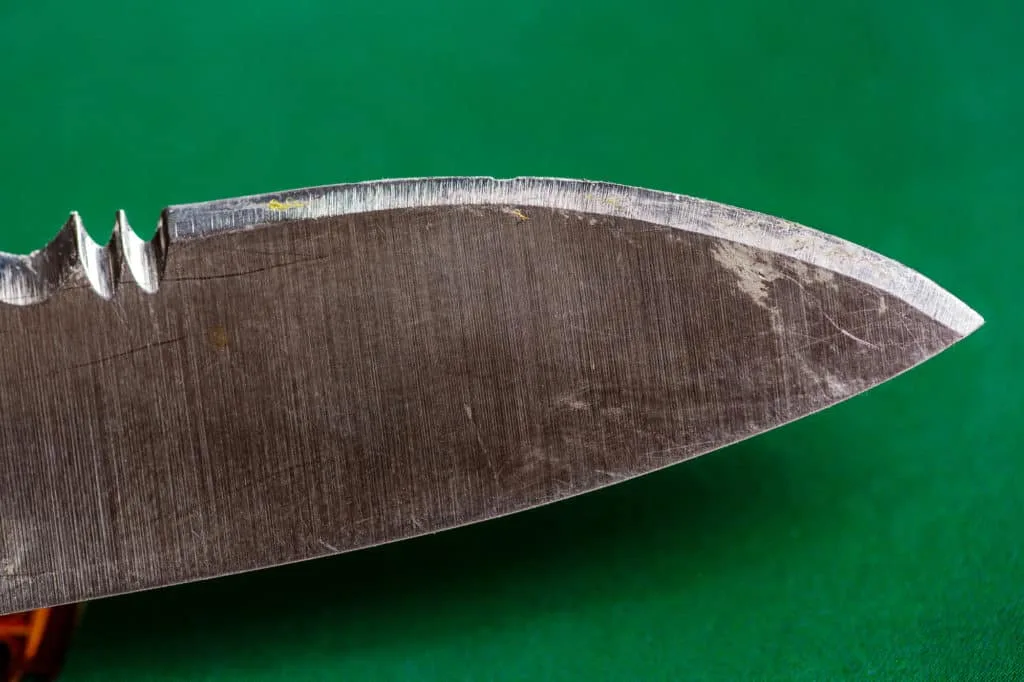
Minor chips are small, visible breaks or divots along the very edge of the blade. Think of them like tiny missing pieces right at the cutting surface. These can range from microscopic specks to small nicks that snag a cloth.
Bent or Rolled Edge
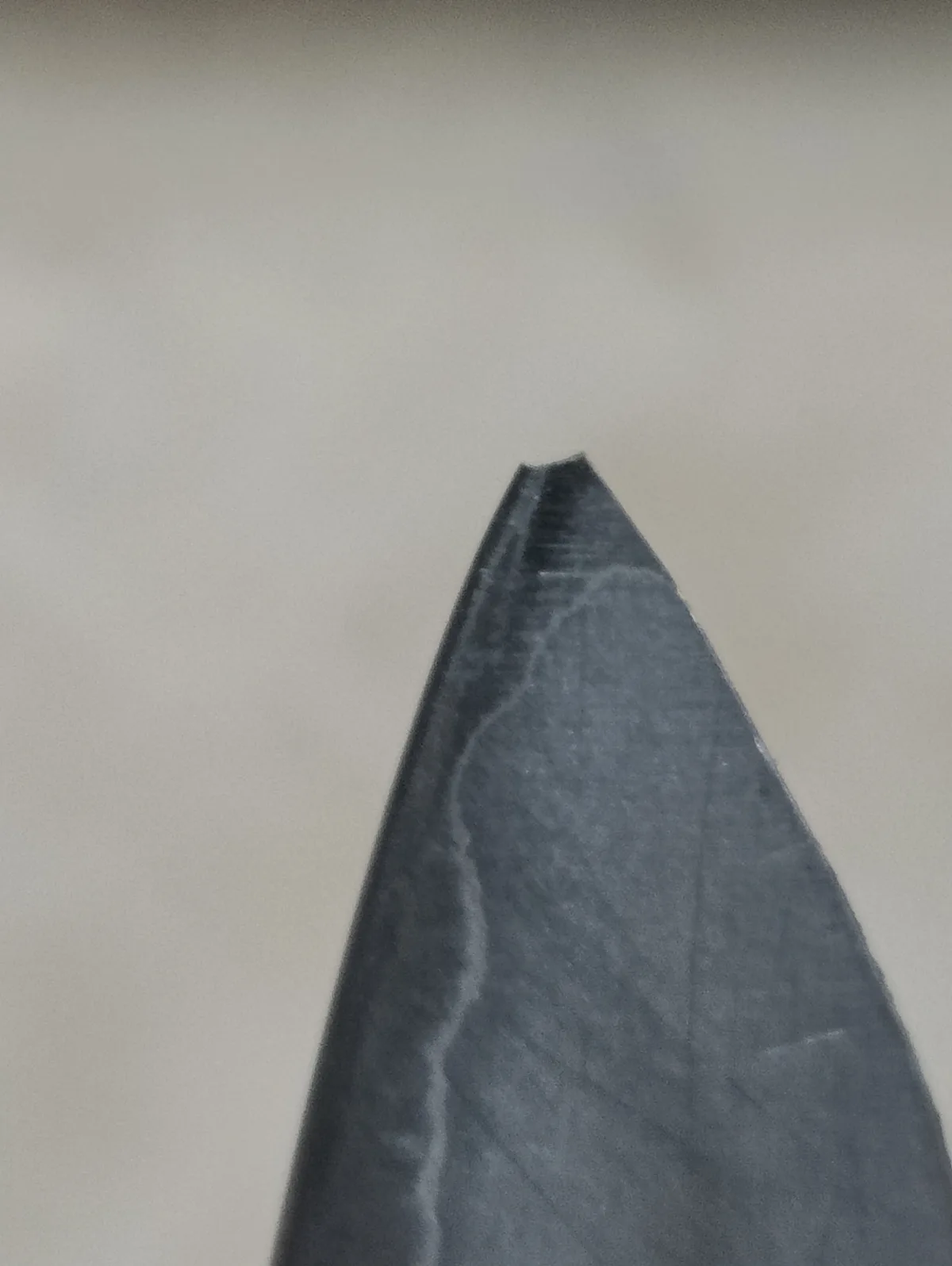
Sometimes, the edge doesn't break but rather bends over onto itself. This is called a rolled edge. It looks like the very tip of the blade has been flattened or curved.
This is a deformation of the metal, not a missing piece.
Major Chipping or Gullying
This is more serious. We’re talking about significant pieces of the edge being missing, creating deep indentations or "gullies" along the blade’s cutting surface. These are much more substantial than minor chips.
Bent Spine or Blade
This is structural damage to the entire knife, not just the edge. If the spine of the blade or the entire blade itself has a noticeable bend or warp, a sharpener cannot fix this. This requires professional straightening or the knife may need to be replaced.
How Different Sharpeners Handle Damage
The tool you use for sharpening makes a big difference in its ability to tackle actual damage versus just dullness. They aren't all created equal when it comes to repair work.
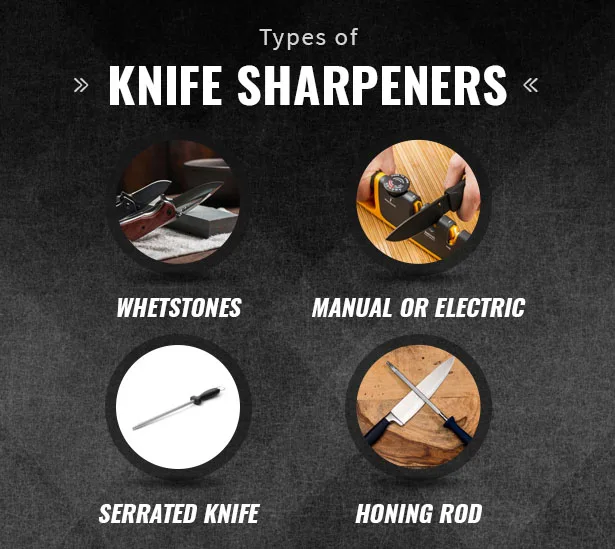
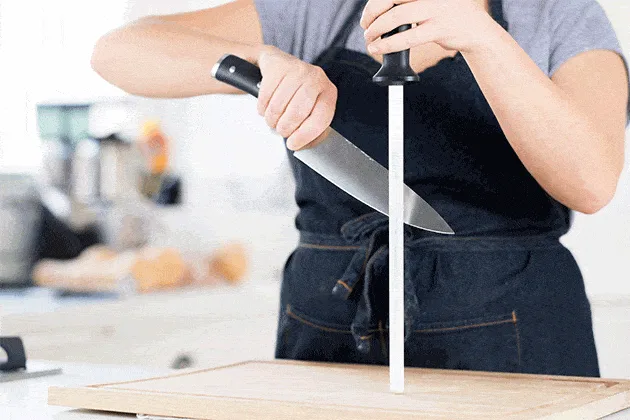
Sharpening Steels: For Maintenance, Not Repair
A sharpening steel, often a rod made of steel, ceramic, or diamond-coated material, is primarily for maintenance. Its purpose is to realign a slightly bent or rolled edge on a knife that is already relatively sharp. It works by honing the existing edge, pushing it back into alignment.
It cannot remove significant metal or fix actual chips. Think of it as a quick touch-up tool, not a repair kit.
Pull-Through Sharpeners: Easy Dullness, Not Damage
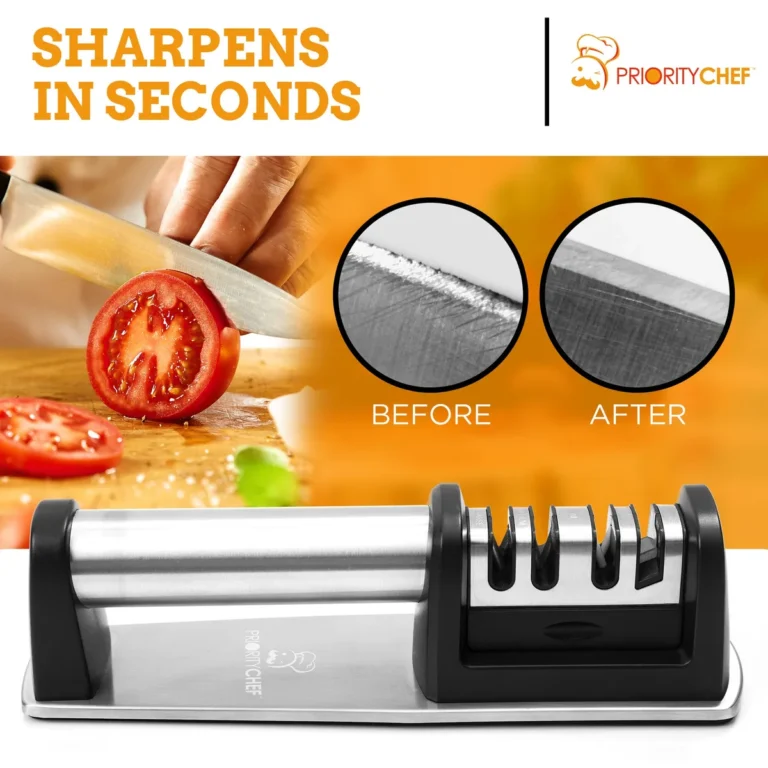
These are the common countertop gadgets with V-shaped slots. They're incredibly convenient for restoring sharpness to a dull knife. However, their fixed angles and abrasive materials are not designed for repairing physical damage like chips.
Attempting to use them on a chipped edge can actually widen the chip or remove too much good metal, potentially ruining the blade’s geometry.
Electric Sharpeners: Some Repair Capabilities
Some electric sharpeners offer multiple sharpening stages. The initial stages might be quite aggressive and capable of grinding away enough metal to address very minor chips or to reshape a rolled edge. However, this is highly dependent on the specific model.
Many entry-level electric sharpeners perform similarly to pull-through models and are not suited for repair. Always check the manufacturer’s specifications.
Sharpening Stones: Your Best Bet for Repairs
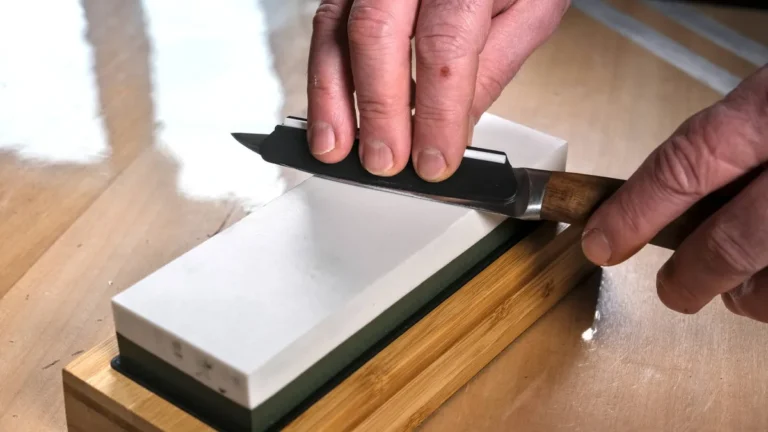
Sharpening stones, or whetstones, are generally the most versatile and effective tools for both routine sharpening and repairing damaged knife edges. Because you have direct control over the angle and pressure, you can meticulously grind away metal around a chip until the edge is smooth again. Coarser grit stones are particularly useful for removing more material quickly when repairing chips or reshaping a significantly deformed edge.
This method requires more skill and patience but offers the best chance of a successful repair.
The Minor Chips and Bent Edges: A Step-by-Step Approach
When your knife has minor chips or a bent edge, it’s often salvageable with the right approach, typically using sharpening stones. This process requires patience and a bit of technique, but it’s a rewarding way to bring a knife back to life.
Assessing the Damage
Before you start, take a close look at the edge under good light. Identify the location and extent of the chips or the area that is bent. This helps you determine how much material needs to be removed and what grit of stone you might need.
Using Sharpening Stones for Repair
- Select Your Stones: For minor chips or bends, you'll likely want a progression of stones. Start with a coarser grit stone (around 200-1000 grit) to grind away the damaged material. Follow this with finer grit stones (2000-6000 grit or higher) to refine the edge and restore its keenness.
- Lubricate: Ensure your stones are lubricated as per their type (water stones with water, oil stones with honing oil).
- Grind the Chip Away: Hold the knife at a consistent angle (usually 15-20 degrees per side, depending on the knife) on the coarse stone. Focus on the area with the chip. Apply firm pressure and make strokes that move across the damaged section. You're essentially grinding down the metal surrounding the chip until the entire edge is smooth and free of imperfections. You might need to make several strokes or even reshape a portion of the edge to eliminate the chip.
- Address Bent Edges: For a rolled edge, the sharpening action itself will often straighten it. Apply consistent pressure at your chosen angle, working the edge across the stone. You’re essentially ironing out the bend.
- Progress to Finer Grits: Once the chip is gone or the edge is straightened, move to progressively finer grit stones. Use lighter pressure and smooth, controlled strokes to refine the edge, remove any scratches from the coarser stone, and achieve a razor-sharp finish.
Technique for Rolling a Bent Edge
If the edge is merely rolled, you might be able to fix it with less aggressive grinding. Find your standard sharpening angle and use a medium-grit stone. Apply consistent, moderate pressure and make several strokes on each side of the blade, focusing on smoothing out the bend.
The goal is to coax the metal back into a straight line. A diamond stone can also be effective here due to its abrasive nature, but proceed with caution to avoid creating new chips.
When Your Sharpener Won't Cut It: Recognizing Limits
While many knife issues can be addressed at home, it's crucial to know when your sharpener isn't up to the task. Pushing an inadequate tool on severe damage can make things worse.
What Constitutes "Major Damage"?
This includes large, deep chips or gouges in the blade, a noticeable bend or warp in the entire blade, or edges that have been completely flattened or broken off over a substantial length. If you can see a visible gap in the edge, or if the blade itself is no longer straight, it's likely significant.
Why Home Sharpeners Struggle with Big Issues
- Insufficient Material Removal: Standard sharpeners, especially pull-through or basic electric models, simply don't remove enough metal efficiently to grind out large chips or reshape a severely bent edge without excessive effort and time.
- Risk of Further Damage: Trying to force a major repair with the wrong tool can lead to more chipping, uneven grinding, and a compromised blade. For instance, using an aggressive electric sharpener on a deeply chipped edge might create more heat or uneven pressure, potentially causing a new crack.
- Altering Blade Geometry: Major repairs often require reshaping a significant portion of the blade's bevel. Home sharpeners, with their fixed angles, aren't designed for this kind of custom metalwork. Trying to do so can drastically alter the knife's intended cutting profile, making it less effective or even dangerous to use.
- Bent Blades Are Structural: If the blade itself is bent, no sharpening tool will fix it. Sharpeners are for the edge, not the underlying structure of the metal.
For instance, if a chef’s knife has a chip that’s more than 2mm deep, or if the blade has a noticeable curve over 1mm, it’s often beyond the scope of typical home sharpening tools.
The Professional Sharpening Alternative
When your knife’s damage is beyond what your home sharpening tools can safely and effectively handle, it’s time to consider professional sharpening services. These services utilize specialized equipment and experienced technicians who can address more significant issues. They can remove larger chips, repair severely bent edges, and even reprofile blades that have sustained substantial damage.
This is often a more cost-effective solution than replacing a valuable or beloved knife, and it ensures the repair is done correctly, preserving the blade’s integrity and performance.
Professional services typically use industrial-grade sharpening systems, often including belt grinders with precise angle control and a wide range of abrasive belts. For example, a common industrial belt grinder might achieve grit ratings up to 6000, capable of creating a highly polished edge after initial material removal. This level of control allows them to meticulously grind away damaged metal without overheating or altering the blade’s temper, a critical factor as of 2026 for maintaining edge durability.
Mistakes to Avoid When Repairing a Damaged Edge
Tackling knife edge repair can be rewarding, but there are common pitfalls that can lead to frustration or further damage. Being aware of these mistakes is half the battle.
- Using the Wrong Tool: The most common error is trying to fix chips or bends with a simple pull-through sharpener or a maintenance steel. These tools are designed for dullness, not physical damage. They’ll likely worsen the problem.
- Being Impatient with Stones: Repairing chips with sharpening stones takes time. Trying to rush the process by using excessive force or skipping grit progression can lead to uneven grinding, new chips, or a poorly formed edge.
- Incorrect Angle Consistency: Maintaining a consistent sharpening angle is crucial, especially when repairing damage. If your angle wavers, you can create an uneven bevel, weaken the edge, or fail to effectively remove the damaged material.
- Ignoring the Metal: You need to grind enough metal to remove the damaged part of the edge. If you stop too soon, the chip or deformation will remain. Conversely, grinding too much can significantly shorten the life of your knife.
- Overheating the Blade: While less common with manual sharpening, aggressive electric sharpeners can generate heat. Overheating can alter the temper of the steel, making it softer and less able to hold a sharp edge.

Frequently Asked Questions About Knife Sharpening and Damage
How long does it take to sharpen a dull knife?
Sharpening a dull knife typically takes between 5 to 15 minutes, depending on the tool used and the degree of dullness. Sharpening stones might take longer than electric sharpeners, but offer more control.
Can I sharpen my serrated knife with a regular sharpener?
No, serrated knives require specialized sharpeners designed to hone only the "teeth" of the serrations. Regular sharpeners will damage the unique cutting edge of a serrated blade.
How often should I sharpen my knives?
This depends on usage. For heavy kitchen use, sharpening every few weeks to a month is common. For lighter use, every few months might suffice.
It’s best to sharpen when you notice a decline in cutting performance.
Is it better to use water stones or oil stones?
Water stones tend to cut faster and are easier to clean, but they can be messier. Oil stones are less messy, can last longer, but cut slower and require specific honing oil for lubrication. Both are effective for sharpening.
Can a sharpening steel fix a chipped knife?
No, a sharpening steel is primarily for realigning a dull or slightly bent edge. It cannot remove material to fix actual chips in the blade.
Final Verdict: When to Sharpen and When to Repair
Deciding whether your knife sharpener can fix a damaged edge comes down to a clear assessment of the blade's condition. For straightforward dullness, most sharpening tools will restore its keenness effectively. However, when physical damage like chips, bends, or serious deformations are present, the capabilities of your sharpener become critical.
Sharpening stones offer the most versatility for repairing minor damage at home, allowing you to grind away imperfections with precision. For more severe issues, or if you lack confidence in your sharpening skills, professional services are the most reliable option. By understanding the type of damage and the limitations of your tools, you can make the right choice to maintain your knives in optimal condition.