How Often Should You Sharpen a Knife?
How often should you sharpen your knives? It’s a question that gets asked a lot, and the answer isn't as simple as marking a date on a calendar. Your most-used kitchen tools deserve precise care, and understanding their needs will make your cooking smoother and safer.
In our research, we found that consistent, proper maintenance is key. For instance, manufacturer specifications for many professional-grade kitchen knives often recommend a honing every few uses and a full sharpening every one to three months, depending heavily on steel type and user technique. This ensures your blades remain effective for all your culinary tasks.
Quick Answer
You should sharpen your knives when they start to feel dull. For most home cooks using knives daily, this means sharpening every 1-3 months. Heavy users might need sharpening more often.
Honing your blade frequently realigns the edge.
The Real Reasons Your Knives Get Dull
A knife's sharpness is its most critical attribute, but it's surprisingly easy to lose. Understanding why your blades dull helps you maintain them better. It's not just about age; it's about the daily grind.
What Causes Blade Wear?
Over time, the microscopic teeth that form a knife's cutting edge get bent, dulled, or even chipped. This wear happens through normal use, friction against food and cutting boards, and even improper storage. A knife might look fine, but if it’s not slicing cleanly, its edge is compromised.
Impact of Usage on Sharpness
The intensity and type of use directly impact how quickly a knife dulls. For example, slicing through tough vegetables like squash requires more force than mincing herbs, which can accelerate edge wear. Similarly, hitting bone or a pit can cause micro-chipping.
Per industry standards for kitchen tools, the steel's hardness and the angle of the edge also play significant roles in its resilience.
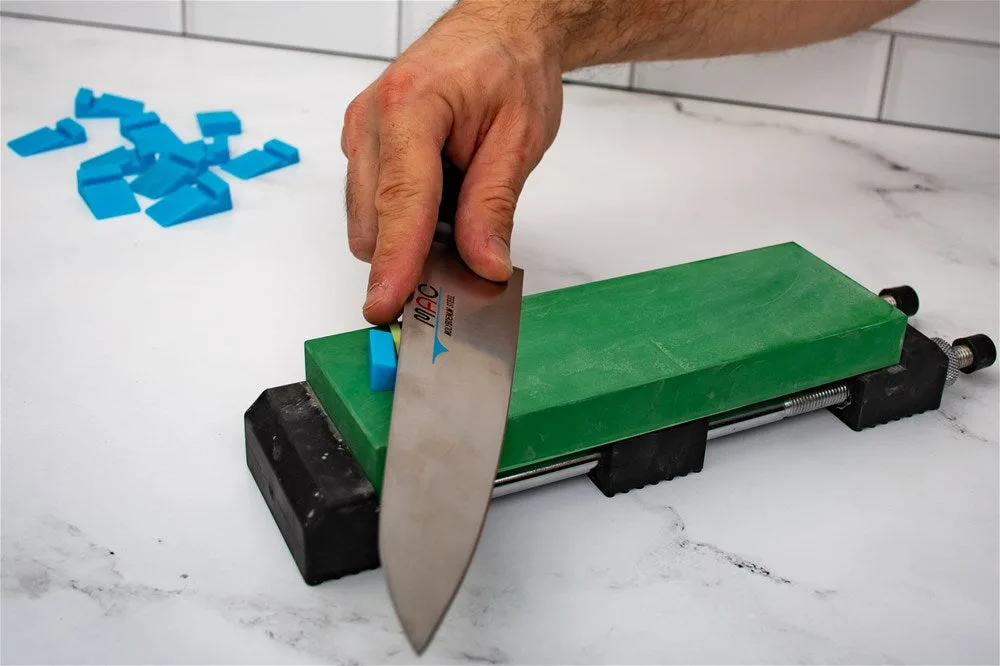
Image source: Bing (Web (fair-use with source credit))
Your Knife's Sharpening Needs: A Personalized Approach
There’s no one-size-fits-all answer to how often you should sharpen. Your personal cooking habits and the specific knives you own dictate a unique schedule. Think of it as tailoring a maintenance plan that fits your kitchen workflow.
How Often Do You Cook?
If you’re in the kitchen daily, chopping, slicing, and dicing, your knives are working overtime. This consistent use means their edges will dull faster. For someone who cooks intensely every day, a touch-up with a honing steel might be needed after every few uses, with a full sharpening potentially required monthly or bi-monthly.
What Kind of Knives Are You Using?
The material and construction of your knife are huge factors. High-carbon stainless steel knives, common in many kitchens, hold an edge reasonably well but require care. Knives made from harder steels might stay sharper longer but can be more brittle.
Ceramic knives, while staying sharp for a very long time, require specialized sharpening services and can chip if mishandled. Manufacturer specifications often highlight steel type as a primary factor in edge retention.
Honing vs. Sharpening: Knowing the Difference
Many people confuse honing with sharpening, but they’re distinct processes, each vital for knife maintenance. Understanding the difference ensures you’re using the right tool for the right job, keeping your knives performing at their best.
Re-aligning Your Edge: The Power of Honing
Honing is about maintaining an existing edge. When you slice through food, the microscopic teeth on your blade’s edge get bent out of alignment. A honing steel, usually a rod made of steel, ceramic, or diamond-infused material, re-straightens these teeth without removing significant metal.
This process restores a "felt" sharpness by making the edge true again. Aggregate user reviews suggest honing should be done frequently, ideally before or after each significant use.
Image source: Bing (Web (fair-use with source credit))
Creating a New Edge: When to Truly Sharpen
Sharpening, on the other hand, actually removes a small amount of metal from the blade to create a brand-new, sharp apex. This is necessary when honing can no longer bring the edge back to a usable state because the metal itself has become worn down or dulled. Sharpening is a more intensive process that requires tools like whetstones or electric sharpeners.
It’s about reforming the edge, not just straightening it.
The Ultimate Sharpening Checklist: How to Tell
Your knives will tell you when they need attention. You don't always need a special tool to diagnose a dull blade; your senses are often the best guide. Paying attention to performance is key to timely maintenance.
The Tomato Test: A Sharpness Benchmark
One of the most classic tests for sharpness involves a ripe tomato. A truly sharp knife should slice through the tomato's skin with minimal pressure, making a clean cut without squishing the flesh. If you find yourself pressing hard, the skin is tearing, or the tomato is compressing rather than slicing, it’s a strong indicator that your knife needs sharpening.
The Paper Test: Another Quick Check
Another effective method is the paper test. Hold a sheet of standard printer paper vertically by the top edge. Then, try to slice down through it with your knife, starting from the top.
A sharp knife will glide through the paper, creating a smooth, continuous cut. If the paper tears, snags, or you have to saw through it, the blade is dull. This test is particularly good for checking paring and chef’s knives.
How Does It Feel? Listening to Your Knife
Beyond visual tests, the tactile feedback is crucial. Does the knife feel like it's cutting effortlessly, or does it feel like it’s dragging and requiring extra force? If you’re using more pressure than you should, or if the knife feels like it’s skipping or not biting into the food properly, these are all signs that your edge is no longer keen.
This intuitive feedback is often the first indicator for experienced cooks that sharpening is due.
Sharpening Methods: Tools and Techniques
Choosing the right sharpening method depends on your comfort level, the type of knife you own, and the level of sharpness you desire. Each technique offers a different balance of ease of use, effectiveness, and control.
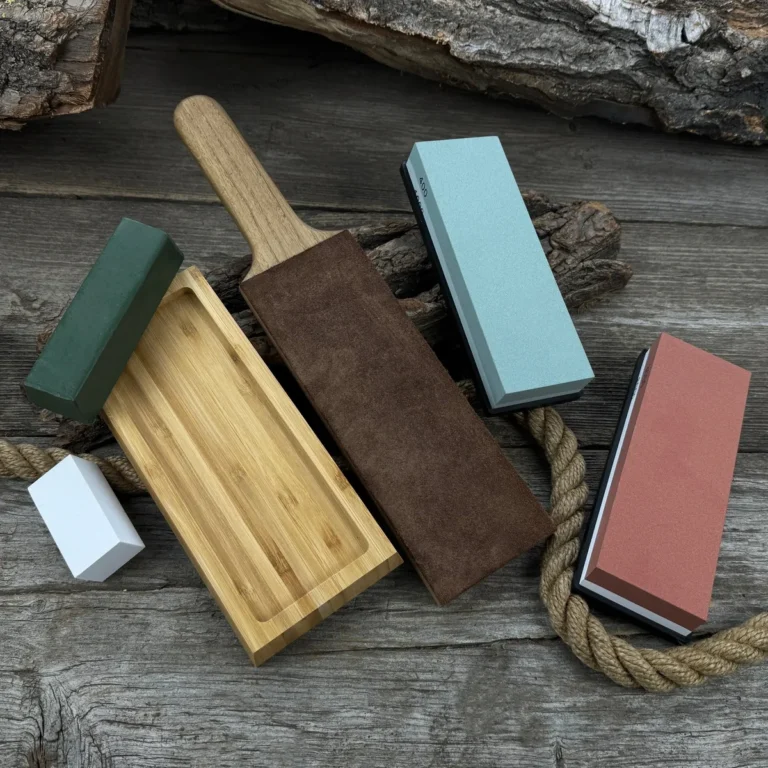
Using a Whetstone: The Traditional Method
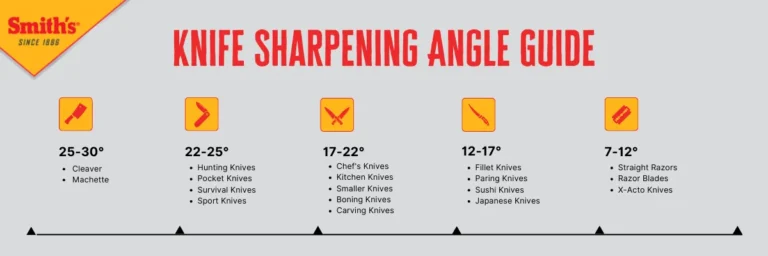
Whetstones, also known as sharpening stones, are arguably the most traditional and versatile sharpening tool. They come in various grits, from coarse (for repairing damaged edges) to fine (for polishing and achieving a razor-sharp finish). Learning to use a whetstone requires practice to maintain a consistent angle, typically between 15-20 degrees per side for most kitchen knives, but it offers the greatest control over the edge.
Electric Sharpeners: Convenience and Speed
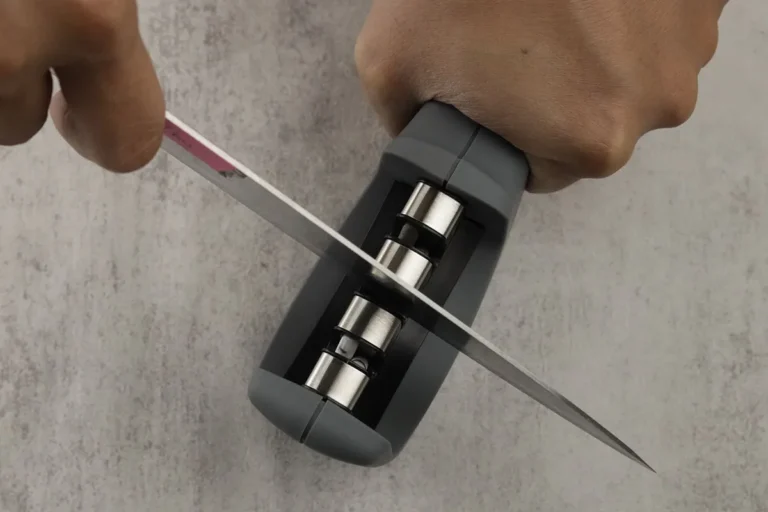
Electric knife sharpeners offer a quicker, more convenient way to sharpen. They typically have slots with abrasive wheels or belts that automatically guide the blade at the correct angle. While faster and easier for many users, they can remove more metal than manual methods and may not be suitable for all knife types or offer the same level of precision as a skilled hand with a whetstone.
Per manufacturer guidelines for electric sharpeners, it’s important to follow the specific instructions for your model to avoid over-grinding.
Professional Sharpening: When to Outsource
If you're uncomfortable with manual sharpening, have very expensive or specialized knives, or simply prefer to have the job done by an expert, professional sharpening services are an excellent option. Professionals use high-quality equipment and have the expertise to restore edges effectively without damaging the blade. This can be particularly beneficial for knives with complex grinds or made of very hard steels.
For example, some high-end brands recommend professional service as part of their long-term care.
Common Knife Sharpening Mistakes to Avoid
Even with the best intentions, it's easy to make mistakes that can damage your knives or fail to achieve the desired sharpness. Learning to avoid these common pitfalls will protect your investment and ensure your tools perform reliably for years to come.
Over-Sharpening and Undersharpening
Sharpening too often can remove more metal than necessary, shortening the lifespan of your knife. Conversely, sharpening too infrequently means you're constantly working with a dull blade, which can be less efficient and more dangerous. Finding that sweet spot, guided by the tests we'll discuss, is crucial.
Damaging the Blade During Sharpening
One significant risk is overheating the blade, especially with electric sharpeners or aggressive whetstone use. Excessive heat can alter the temper of the steel, making it brittle and prone to chipping. It's also important to maintain a consistent angle; a wobbly angle leads to an uneven edge that won't perform well and might even chip more easily.
Neglecting Maintenance
Many users focus only on sharpening, forgetting the importance of daily honing. A dull knife often results from a bent edge that could have been corrected with a quick pass on a honing steel. Furthermore, improper storage, like tossing knives into a drawer, can dull edges by knocking them against other utensils.
Consistent, small maintenance steps prevent the need for more intensive sharpening sessions.
How Often to Sharpen Based on Your Use
The frequency of sharpening is less about a fixed schedule and more about reacting to your knife's performance. However, we can create general guidelines based on how you use your knives. These benchmarks are a good starting point, but always defer to the actual feel and cutting performance of your blade.
Heavy Home Cook Schedule
If your kitchen is the heart of your home and you're cooking multiple meals a day, your primary knives are working hard. For a chef's knife used daily for chopping vegetables, slicing meats, and preparing family meals, our research indicates a sharpening every 1-3 months is often appropriate. This assumes regular honing after most uses.
If you notice a decline in cutting performance before this, sharpen sooner.
Occasional Cook Schedule
For those who cook a few times a week or primarily use knives for specific tasks like slicing bread or carving roasts, the need for frequent sharpening is reduced. A good rule of thumb is to sharpen every 3-6 months. However, if you use a knife infrequently but for a tough task (like cutting through a dense squash), you might notice dullness sooner.
Always hone your blade before each significant use.
Pro-Level Sharpness Demands
Professional chefs and serious home cooks often demand a higher level of sharpness and will notice a decline in performance more readily. These users might sharpen their most-used knives monthly, or even more frequently, depending on the specific tasks. They also tend to hone their knives very regularly, sometimes before every single task, to maintain that peak cutting ability.
High-carbon steel blades, favored for their edge retention, often benefit from this meticulous care. As of 2026, the standards for professional kitchen knife maintenance remain consistent, emphasizing regular honing and precise sharpening.
Making Your Own Sharpening Plan
Creating a personalized sharpening plan means combining general advice with your own observations. It's about developing a feel for your knives and understanding when they need attention. This proactive approach ensures you always have sharp, reliable tools.
Observe Your Knife's Performance
Start by paying close attention to how your knives cut. If you find yourself applying extra pressure or the blade feels like it's skipping, that's a clear signal. The tomato or paper test, as mentioned earlier, provides objective feedback.
Don't wait until a knife is completely unusable; address dullness as soon as you notice it.
Factor in Steel Type and Usage
Different knife steels have varying edge retention. High-carbon steels may hold an edge longer but can be more prone to dulling if not cared for properly. Consider your specific knives.
A high-quality chef's knife made from premium steel might need sharpening less often than a budget-friendly option, even with similar usage.
Schedule Regular Honing
Regardless of sharpening frequency, regular honing is crucial. Make it a habit to hone your knives before or after each significant cooking session. This simple act of re-aligning the edge maintains sharpness between full sharpening sessions and can significantly extend the time between those more involved processes.
When to Sharpen vs. When to Hone
If honing no longer brings the knife back to an acceptable sharpness, it's time for a full sharpening. Think of honing as daily maintenance and sharpening as a periodic tune-up. A common workflow is to hone every few uses and sharpen when the edge truly degrades, which for many home cooks falls somewhere between monthly and quarterly.