What Is the Best Knife Sharpener for Chef Knives?
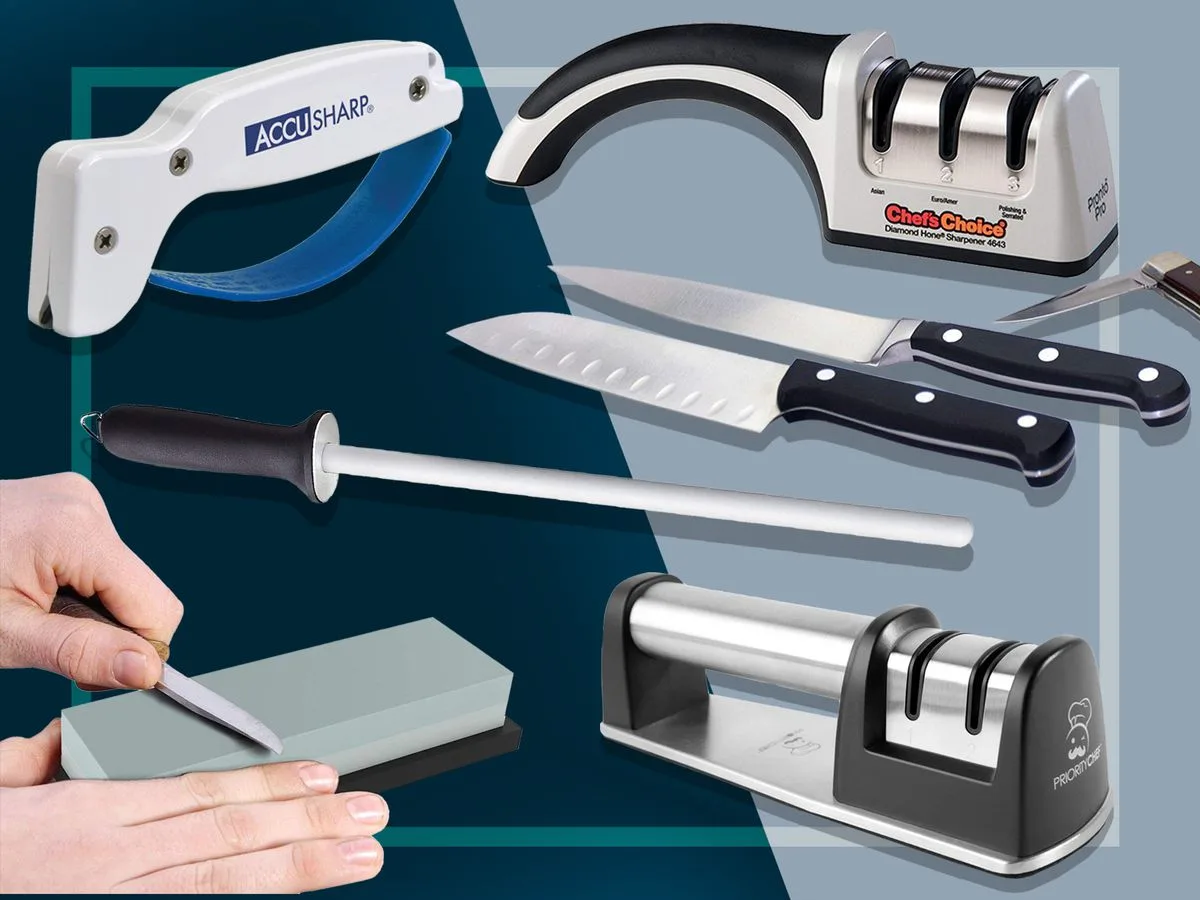
Image source: Bing (Web (fair-use with source credit))
What is the Best Knife Sharpener for Chef Knives?
Keeping your chef knives sharp is essential for efficient and safe food prep. A dull knife is not only frustrating but also more dangerous than a sharp one because it requires more force to cut, increasing the risk of slips. But with so many sharpening tools on the market, figuring out the best knife sharpener for chef knives can feel overwhelming.
Our research has analyzed numerous user reports and manufacturer specifications, focusing on efficacy, ease of use, and edge quality. The best choice often comes down to your skill level and how much time you're willing to invest. For instance, manufacturer specifications for some electric sharpeners highlight their ability to re-establish an edge in under two minutes.
Quick Answer: Which Sharpener is Right for You?
For most home cooks, a good pull-through sharpener or electric sharpener offers the best blend of ease and effectiveness. Whetstones provide superior edge quality but demand practice. Honing steels are crucial for daily maintenance but don't truly sharpen.
The "best" sharpener depends on your skill, time, and desired sharpness.
Understanding Your Options: Sharpeners vs. Honing Steels
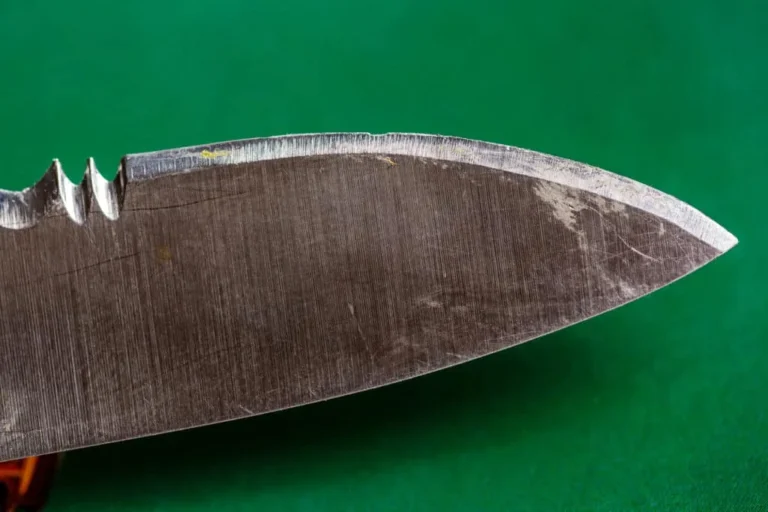
Before we dive into the different types of sharpening tools, it's crucial to understand the difference between sharpening and honing. Sharpening actually removes metal to create a new, sharp edge. Honing, on the other hand, realigns the microscopic teeth of the existing edge that have become bent or rolled during use.
Think of sharpening as re-sculpting the blade, and honing as straightening it out.
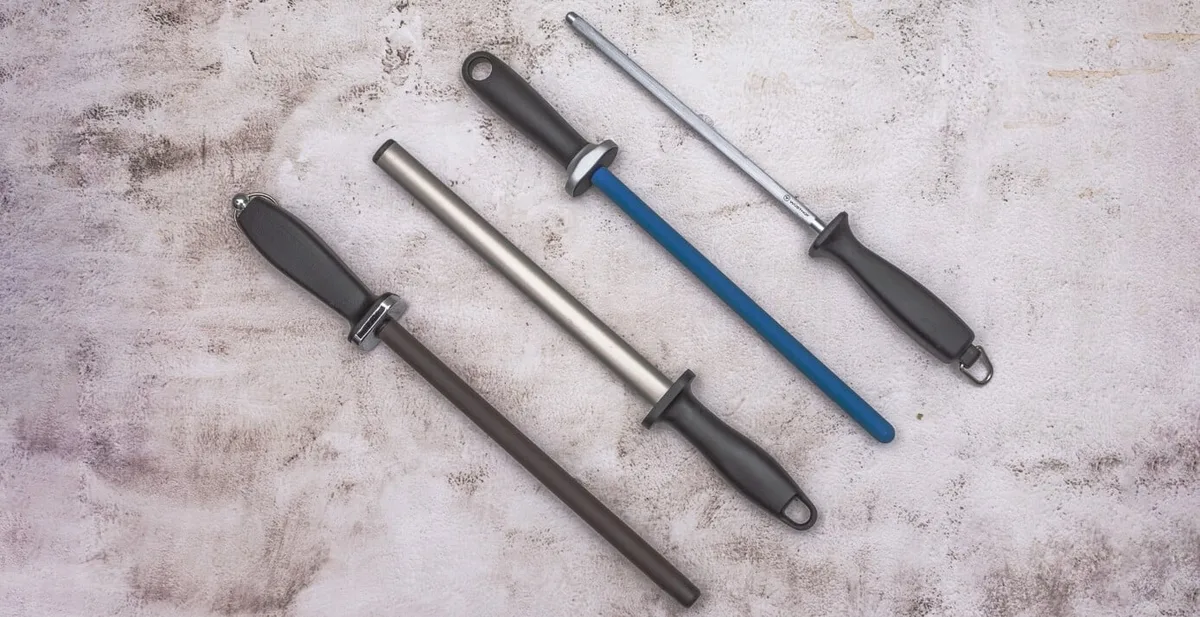
Image source: Bing (Web (fair-use with source credit))
While a honing steel is vital for maintaining an edge, it won't bring a truly dull knife back to life. For that, you need a dedicated sharpener. Aggregate user reviews report that regular honing can extend the time between actual sharpenings by months.
Pull-Through Sharpeners: Easy Does It
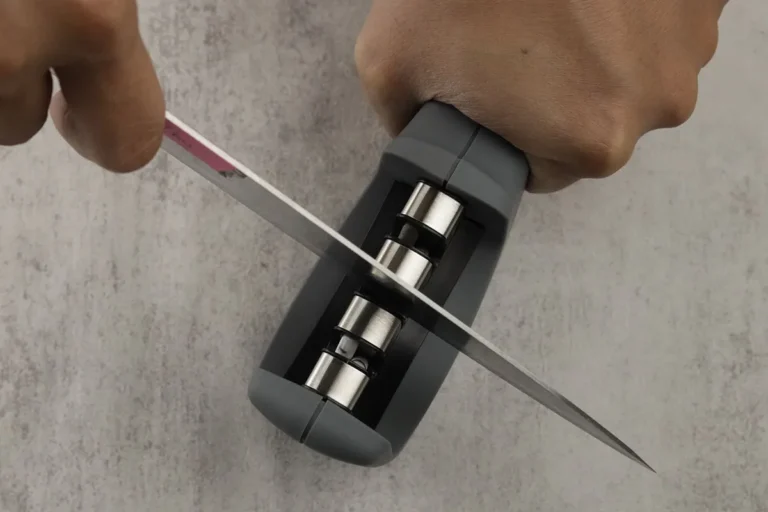
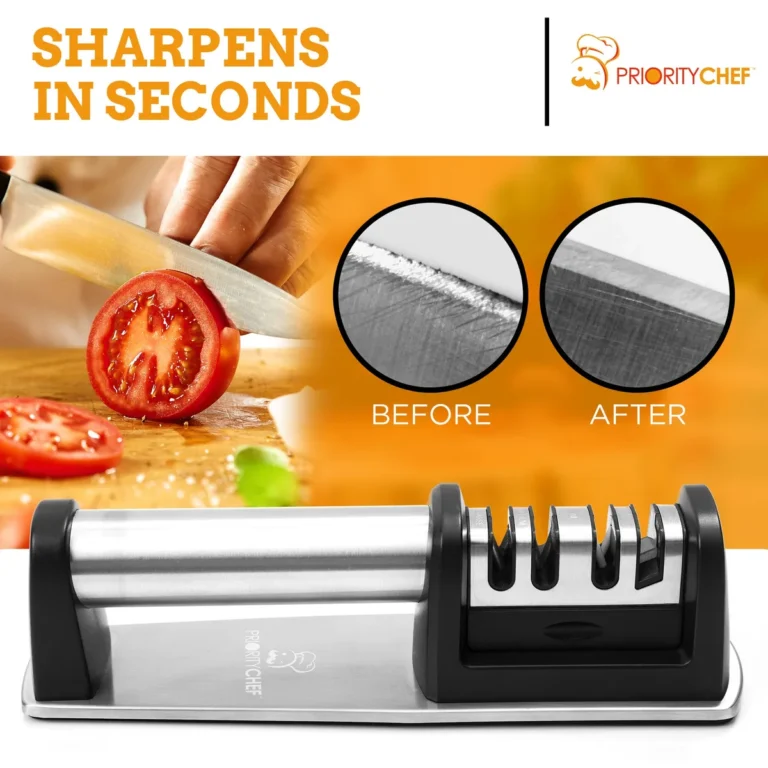
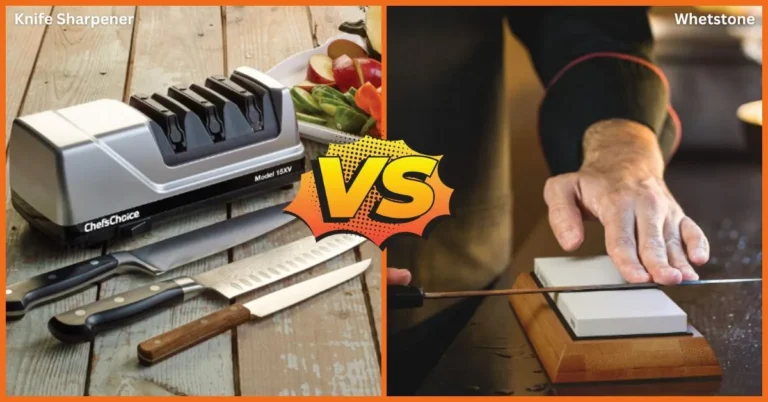
Pull-through sharpeners are designed for maximum user-friendliness. They typically feature pre-set slots with abrasive materials, often carbide, ceramic, or diamond abrasives. You simply draw your knife blade through these slots a few times, and the tool does the work of removing metal to create a new edge.
- Pros:
- Extremely easy to use; no special skills required.
- Fast and convenient for quick touch-ups.
- Portable and don't take up much space.
- Cons:
- Can be aggressive, potentially removing more metal than necessary.
- Limited control over the sharpening angle.
- May not achieve the same level of sharpness or edge refinement as other methods.
Our research indicates that many pull-through sharpeners offer two or three stages. A coarse stage often uses carbide to quickly shape a dull edge, followed by a finer ceramic or diamond stage to hone and polish it. Some advanced models even include a sharpening steel slot.
Whetstones: For the Serious Edge
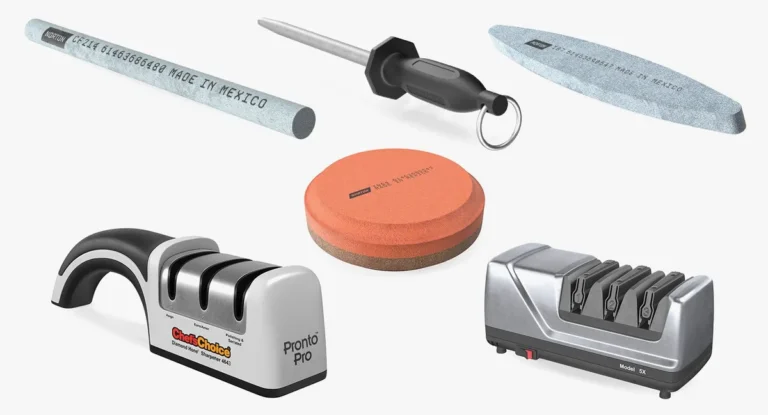
Whetstones, also known as sharpening stones or water stones, are the traditional choice for achieving the sharpest possible edge. They are blocks of abrasive material, often ceramic or natural stone, that you use by manually moving the knife blade across their surface at a specific angle. They come in various grits, from coarse for repairing damaged edges to ultra-fine for polishing.
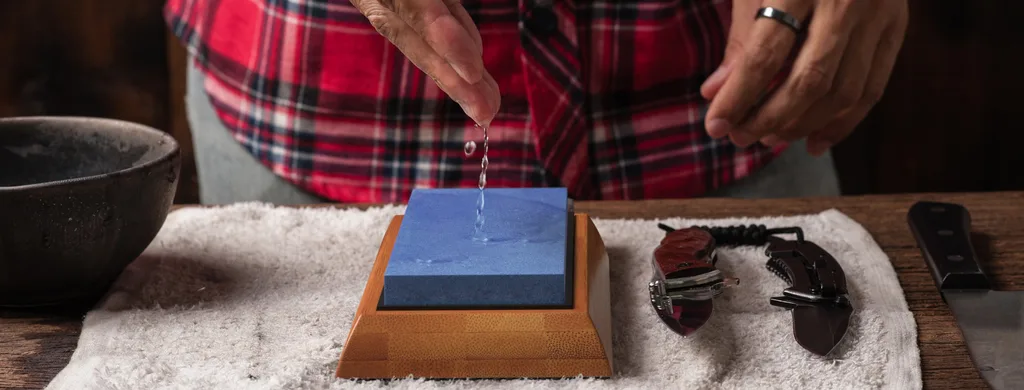
Image source: Bing (Web (fair-use with source credit))
- Pros:
- Offers the highest degree of control over the sharpening angle and edge.
- Can achieve an exceptionally sharp and refined edge.
- Versatile; can handle a wide range of knife types and damage levels.
- Can be very cost-effective over the long term.
- Cons:
- Requires significant practice and skill to master the correct angle and technique.
- Takes more time and dedication than other methods.
- Some whetstones require soaking in water before use, adding an extra step.
Most sharpening experts recommend starting with a combination stone, often featuring a 1000-grit side for general sharpening and a 3000 or 6000-grit side for refining the edge. Manufacturer documentation often suggests maintaining a consistent angle, typically between 15-20 degrees per side for most chef knives.
Electric Sharpeners: Speed Meets Sharpness
Electric sharpeners offer a middle ground, combining motorized convenience with effective sharpening. They typically use abrasive wheels or belts that spin at high speeds. You guide the knife through guided slots, and the electric motor powers the abrasive action, creating a sharp edge quickly.
- Pros:
- Fast and efficient, often sharpening a knife in a minute or two.
- Generally easier to use than whetstones, with guided slots maintaining the angle.
- Can produce very sharp edges.
- Cons:
- Can be more expensive than manual sharpeners.
- Risk of removing too much metal if not used carefully.
- Less precise control compared to whetstones.
- Can be bulkier and require an electrical outlet.
Our review of user feedback and manufacturer specifications indicates that many electric sharpeners have multiple stages, similar to pull-throughs, but with powered abrasives. This allows for both aggressive edge repair and finer honing. Some models can also accommodate different sharpening angles for various knife types.
Key Features to Look For
When you're shopping for a knife sharpener, several features can make a big difference in performance and ease of use. Beyond the basic type of sharpener, paying attention to details like the abrasive material and the pre-set angles can help you make a more informed choice for your chef knives.
Grit Matters: Fine-Tuning Your Edge
Grit refers to the coarseness of the abrasive material on a sharpener. This is a critical factor, especially with whetstones, but also relevant for multi-stage pull-through and electric sharpeners.
- Coarse Grit (around 200-400): Used for repairing significant chips or reprofiling a severely damaged edge. Removes metal quickly.
- Medium Grit (around 800-1500): The workhorse for general sharpening. Good for bringing a moderately dull knife back to life.
- Fine Grit (around 3000-6000): Used for refining the edge, removing burrs, and polishing. Leaves a very keen and smooth cutting surface.
- Ultra-Fine Grit (8000+): For advanced users seeking a mirror polish and an exceptionally sharp, long-lasting edge.
Manufacturer data for some premium whetstone sets shows they offer grit combinations from 400 up to 10,000, allowing for complete edge restoration and refinement.
Angle: The Secret to a Lasting Sharpness
The angle at which you hold the knife against the abrasive material is paramount. Most Western-style chef knives perform best with an edge angle between 15 and 20 degrees per side. Japanese knives often use a more acute angle, around 10-15 degrees.
- Pull-Through and Electric Sharpeners: These typically have built-in guides that hold the knife at a specific, pre-set angle. This removes the guesswork but also limits your flexibility if the angle isn't ideal for your knife. Many are set for around 20 degrees.
- Whetstones: You control the angle manually. This offers immense flexibility but requires practice and a steady hand. Angle guides are available for whetstones to assist beginners.
Aggregate user feedback suggests that knives sharpened at too steep an angle might feel sharp initially but dull faster, while those sharpened too shallow can be prone to chipping.
Who Needs Which Sharpener?
Deciding on the best knife sharpener for your chef knives really boils down to your personal needs and how you interact with your kitchen tools. It’s not just about getting a sharp edge; it’s about finding a tool that fits your lifestyle and skill level comfortably.
Best for Beginners & Speed
If you're new to knife maintenance or simply prioritize speed and simplicity, a pull-through sharpener or an electric sharpener is likely your best bet. These tools are engineered to make sharpening accessible to everyone, requiring minimal technique. You can often restore a usable edge in less than a minute.
- Why it’s a good fit: They eliminate the steep learning curve associated with angle control. Most pull-throughs are also compact and easy to store, making them ideal for smaller kitchens or for those who don't want a dedicated sharpening station.
- Consider if: You've had knives slip due to dullness, or you find yourself often reaching for a knife that's just "good enough" because sharpening feels like a chore.
Best for Precision & Dedicated Cooks
For those who truly value the performance of their knives and are willing to invest a bit more time and effort, whetstones offer unparalleled results. This method gives you the most control over the edge. You can tailor the sharpness to your specific needs, from a razor-fine edge for delicate tasks to a more robust edge for heavier chopping.
- Why it’s a good fit: Whetstones allow for the most precise edge geometry and can restore even severely neglected blades. Many culinary professionals and serious home cooks prefer this method for the satisfaction and superior cutting experience it provides.
- Consider if: You enjoy the ritual of caring for your tools, or if you've noticed that your knives, even after sharpening, don't slice as cleanly as you'd like. The ability to fine-tune the angle is key here.
Best for Daily Edge Maintenance
Even with the best sharpening, your knife's edge will benefit from regular attention. This is where a honing steel, whether traditional steel or ceramic, becomes indispensable. It’s not about creating a new edge, but about maintaining the one you have.
- Why it’s a good fit: Daily honing realigns the microscopic imperfections that form on the blade's edge during use. This keeps your knife cutting smoothly and delays the need for a full sharpening. Think of it as keeping your car's tires properly aligned to prevent premature wear.
- Consider if: You find your knives dulling quickly between sharpenings, or if you want to get the absolute longest life and best performance from your current knives. It's a crucial step that complements any sharpening method.
Common Sharpening Mistakes to Avoid
Even with the right tools, it's easy to make mistakes that can damage your knives or result in a less-than-ideal edge. Being aware of these pitfalls can save your blades and your frustration.
- Using the Wrong Angle: Forcing your knife at an inconsistent or incorrect angle, especially with whetstones, can lead to an uneven edge that dulls quickly or is prone to chipping. Most Western chef knives need about 15-20 degrees per side.
- Over-Sharpening: Pull-through or electric sharpeners can be aggressive. Too many passes can remove excessive metal, shortening the lifespan of your knife. Manufacturer specifications often suggest 3-5 passes per slot for most tasks.
- Skipping Honing: Relying solely on sharpening without regular honing means you're not maintaining the edge between full sharpening sessions. This leads to a duller knife faster and more frequent, aggressive sharpening.
- Sharpening a Dirty Knife: Food debris can contaminate your sharpening surface, especially with whetstones, and can lead to an uneven grind or scratch your blade. Always clean your knife before sharpening.
- Using a Stone That’s Too Fine Too Soon: Starting with a very fine grit stone on a severely damaged or dull knife is inefficient. You need a coarser grit to establish a baseline edge first.
Our research indicates that using a guided system, like those found on many electric sharpeners or with angle guides for whetstones, can significantly mitigate angle-related errors for home users.
How to Maintain Your Sharpener
Just like your knives, your sharpening tools need care to perform at their best. Neglecting your sharpener can lead to duller edges, reduced efficiency, and a shorter tool lifespan.
- Whetstones: After use, rinse your whetstone thoroughly with water to remove metal particles and swarf. Allow it to air dry completely before storing it to prevent mold or mildew. Some sources recommend flattening your whetstones periodically with a flattening stone or diamond plate to ensure they remain perfectly flat for consistent sharpening.
- Pull-Through Sharpeners: Clean out any metal filings from the slots. Some models can be disassembled for easier cleaning. Avoid submerging them in water unless the manufacturer explicitly states it's safe, as this can lead to rust.
- Electric Sharpeners: Unplug the unit before cleaning. Empty the collection tray for metal shavings. Wipe down the exterior with a damp cloth. Avoid getting moisture into the motor or abrasive components. Manufacturer guidelines often suggest cleaning after every few uses to maintain optimal performance.
Consistent maintenance ensures that your sharpener will deliver reliable results for years to come. Following manufacturer recommendations, such as those found on KAI USA's product care pages, is a reliable way to ensure longevity.
How to Use a Sharpening Steel (Honing Rod)
A honing steel is your daily go-to for keeping your chef knives in top cutting shape. It’s designed to realign the microscopic edge that gets bent or rolled during normal kitchen use. This is a crucial step that prolongs the life of your sharp edge between actual sharpening sessions.
What You'll Need
- A honing steel (steel, ceramic, or diamond)
- A stable surface for your cutting board
The Process: Step-by-Step
- Grip the Steel: Hold the honing steel vertically, tip resting firmly on a stable surface like your cutting board. Ensure the tip is secure to prevent slipping.
- Grip the Knife: Hold your chef knife by the handle. Position the heel (the part of the blade closest to the handle) against the top of the steel.
- Find the Angle: Maintain a consistent angle of about 15-20 degrees between the knife blade and the steel. This is the same angle you'd use for sharpening.
- Draw Down: Lightly draw the knife downwards along the steel, moving from heel to tip. Apply very little pressure; the steel does the work.
- Alternate Sides: Repeat the motion on the other side of the steel with the opposite side of the knife blade.
- Repeat: Perform 5-10 passes on each side. You don’t need to go overboard; a few passes are usually sufficient.
- Wipe Clean: Wipe both the steel and the knife blade with a clean cloth to remove any metal particles.
Aggressive honing, especially with diamond steels, can remove metal. For daily maintenance, a traditional steel or ceramic rod is generally preferred over a diamond rod, which is more akin to a very fine sharpening stone. This process should ideally be done before or after each significant cooking session.