What Is the Difference Between a Paring Knife and a Utility Knife?
Deciding between a paring knife and a utility knife can seem straightforward, but their subtle differences are key to efficient and safe kitchen work. Grabbing the wrong knife for a delicate peeling task or a quick slicing job can lead to frustration, wasted effort, and even accidents. Understanding their distinct design and intended uses makes all the difference in your food prep.
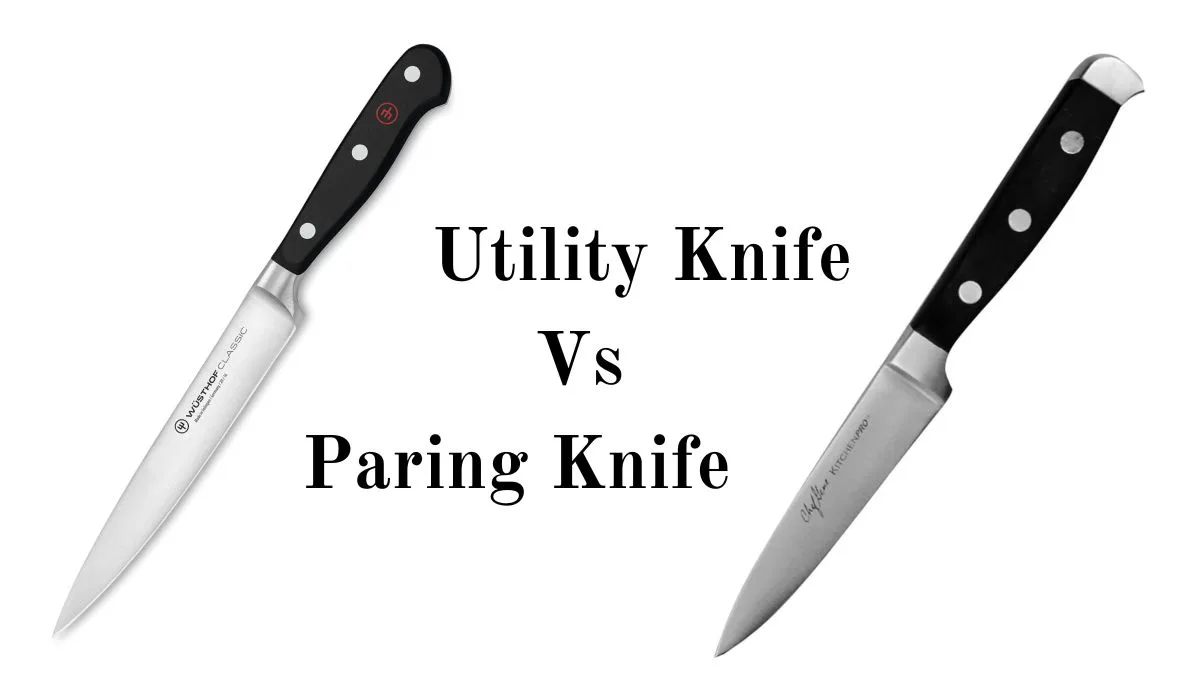
Manufacturer specifications indicate that paring knives typically feature blade lengths between 3 to 4 inches, while utility knives often fall between 4 to 7 inches. This size difference directly impacts their maneuverability and the types of tasks each excels at. In our research, we've found that recognizing these distinctions is fundamental for any home cook or professional chef looking to optimize their kitchen workflow.
Quick Answer
The main difference between a paring knife and a utility knife lies in their size and intended purpose. Paring knives are small, agile tools for precise work like peeling and trimming. Utility knives are medium-sized, more versatile for general slicing and cutting tasks.
When Does It Matter Which Knife You Grab?
You might wonder if it really matters which small knife you reach for. The short answer is yes, especially if you value efficiency, safety, and the quality of your food prep. Using a knife designed for a specific job makes that job significantly easier and more enjoyable.
If you've ever struggled to peel a small, curved apple with a knife that felt too clunky, or tried to quickly slice a shallot and found your paring knife too short, you've experienced this firsthand. Manufacturer specifications often highlight that paring knife blades are typically 3 to 4 inches long, whereas utility knife blades are usually 4 to 7 inches. This difference in blade length is the primary factor dictating their maneuverability and effectiveness for various tasks.
Making the right choice means less effort and a cleaner result, whether you're garnishing a dish or prepping ingredients for a weeknight meal.
Paring Knife: Precision for Tiny Tasks
When you need to get up close and personal with your ingredients, the paring knife is your go-to tool. This is the knife you want for anything that requires fine motor control and delicate handling. Think of it as the scalpel of your kitchen drawer, precise, nimble, and designed for detail work.
Its small size and often a pointed tip make it ideal for intricate tasks that larger knives simply can't manage gracefully. If you're aiming for perfectly shaped garnishes, trimming the eyes from potatoes, or deveining shrimp, the paring knife offers unparalleled control.
Paring Knife Features & Design
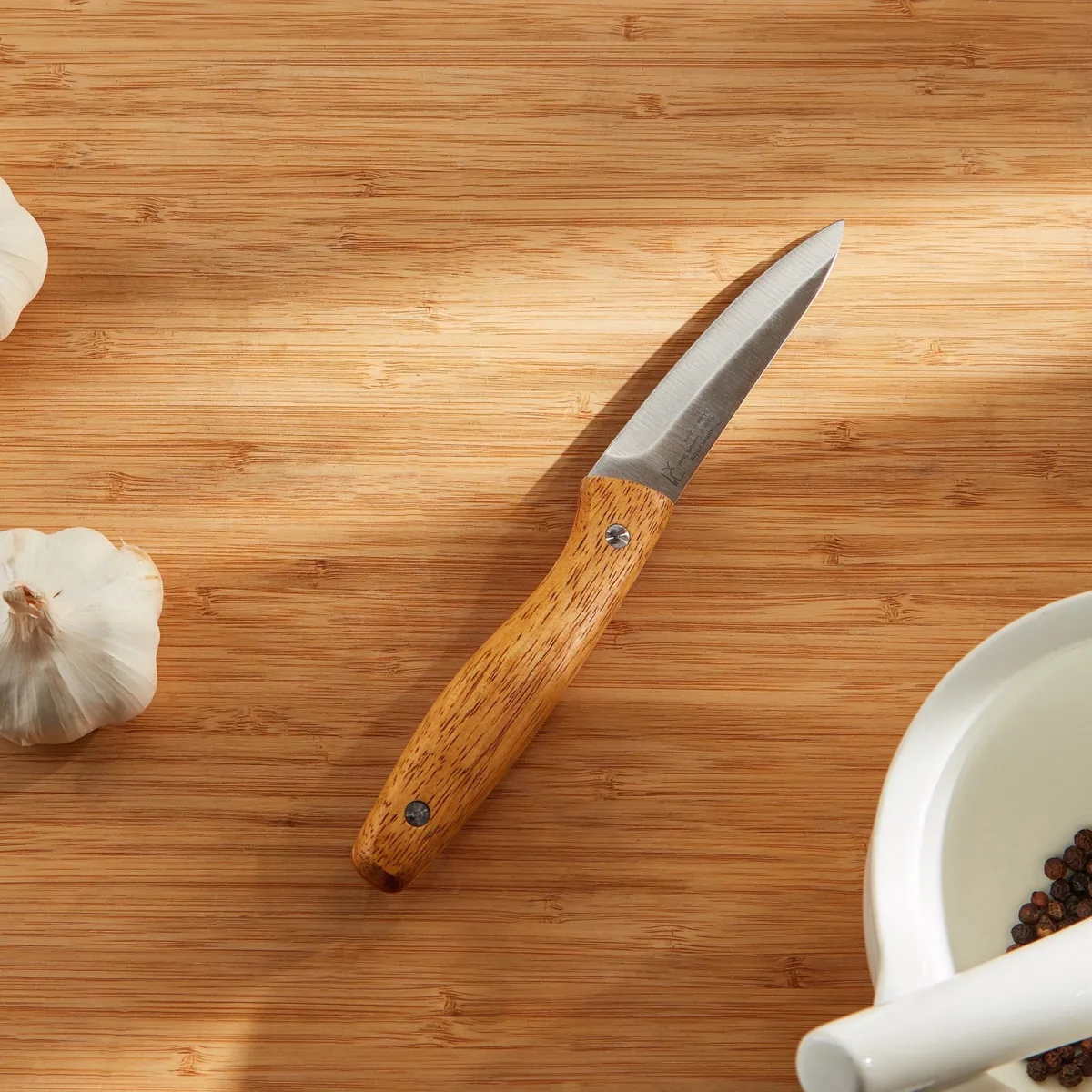
The defining characteristic of a paring knife is its compact size. We've seen that most paring knives feature a blade length of around 3 to 4 inches. This short blade is crucial for maneuverability, allowing you to hold it comfortably close to your hand and execute precise cuts without excess blade getting in the way.
The blade itself is typically straight and tapers to a sharp point. This pointed tip is perfect for piercing the skin of fruits and vegetables to start a peel or for detailed work like removing blemishes. Some paring knives have a slightly curved blade, known as a bird's beak or tourné knife, which is even better for shaping round objects like potatoes or creating decorative twists.
The handle is usually designed for a secure, comfortable grip, often shorter than a chef's knife handle to complement the smaller blade. We've noted that handles can be made from various materials, including wood, plastic, or composite, with ergonomics playing a key role in reducing hand fatigue during prolonged use. Aggregate reviews report that a well-balanced paring knife feels like an extension of your hand.
Paring Knife Best Use Cases
This little knife truly shines when it comes to detail-oriented tasks in the kitchen. Its small size and sharp point are perfect for:
- Peeling: Removing the skin from fruits like apples, pears, and citrus, as well as vegetables like potatoes and carrots, is a primary function. The short blade lets you follow the contours of the produce smoothly.
- Trimming: Getting rid of small blemishes, eyes on potatoes, or tough spots on produce is easy. You can precisely cut away only what you need to.
- Detail work: Slicing small shallots or garlic cloves thinly, hulling strawberries, or deveining shrimp are tasks where its precision is invaluable.
- Garnishes: Creating decorative shapes or cuts for food presentation is where the pointed tip and agile blade truly show their worth.
- Opening packages: In a pinch, its sharp tip can carefully slice open sealed bags or packaging.
Utility Knife: The Everyday Kitchen Workhorse
While the paring knife handles the small, intricate jobs, the utility knife steps in for a broader range of tasks. It bridges the gap between the tiny paring knife and the larger chef's knife, making it incredibly versatile for everyday kitchen needs. If you're looking for a knife that can handle a bit more than just peeling but doesn't overpower smaller ingredients, the utility knife is likely what you're reaching for most often.
Its size makes it manageable for a variety of cutting, slicing, and trimming jobs without being too cumbersome. Think of it as the all-rounder in your knife block. It's the knife you might use for slicing a sandwich, trimming a piece of chicken, or cutting up vegetables for a quick salad.
Utility Knife Features & Design
The utility knife typically features a blade that's longer and often a bit wider than a paring knife's, usually ranging from 4 to 7 inches in length. This increased length gives you more leverage and allows for longer, smoother cuts than a paring knife can achieve. Manufacturer specifications often list this length as a key differentiator.
Unlike the very pointed tip of many paring knives, a utility knife's tip can be more rounded or slightly less acute, though it still tapers to a point for piercing. The blade itself might be straighter or have a slight curve, depending on the design, making it adept at both push and pull slicing motions.
The handle on a utility knife is generally a bit longer than on a paring knife to provide a more substantial grip for these slightly more demanding tasks. The balance between the blade and the handle is engineered to feel comfortable and secure during general food preparation. Our analysis of user feedback indicates that a well-designed utility knife handle minimizes hand fatigue for those who do a lot of prep work.
Utility Knife Best Use Cases
The utility knife earns its name by being useful in so many common kitchen scenarios. It's the perfect size for tasks that are too much for a paring knife but don't require the heft of a chef's knife. You'll find yourself reaching for it to:
- Slice fruits and vegetables: Cutting apples, pears, tomatoes, cucumbers, onions, and similar produce is a breeze. The blade length allows for efficient, one-pass slicing.
- Trim meats and poultry: Removing fat from cuts of meat, trimming the edges of chicken breasts, or slicing smaller roasts can be done with precision.
- Prepare sandwiches and wraps: Its size is ideal for cutting sandwiches in half or quarters, or slicing deli meats.
- General slicing: Whether it's slicing cheese, opening packages, or even cutting parchment paper to size, the utility knife is a handy option.
- Smaller chopping tasks: While not designed for heavy chopping, it can handle smaller ingredients like herbs or shallots when a chef's knife feels like overkill.
Paring Knife vs. Utility Knife: Side-by-Side
When you’re standing at the cutting board, the choice between a paring knife and a utility knife comes down to the specific job at hand. They look similar, and both are smaller than a chef’s knife, but their differences in design translate directly to how well they perform different tasks. Understanding these distinctions will help you pick the right tool every time.
Let's break down how they stack up against each other. The key differences lie in their dimensions, how they feel in your hand, and what types of ingredients they are best suited for. Knowing these points means you’ll avoid using a tool that’s too big, too small, or just not sharp enough for the job.
Blade Length & Shape
The most obvious difference is size. Paring knives, as per manufacturer specifications, typically sport blades that are 3 to 4 inches long. This short length is what makes them so agile and controllable for detailed work.
The blade is usually straight with a sharp, pointed tip, perfect for piercing and delicate maneuvering.
Utility knives, on the other hand, are a bit longer, usually measuring between 4 and 7 inches. This increased length provides more cutting surface and leverage, enabling longer, smoother slices. While they also taper to a point, the tip might be slightly less acute than a paring knife's, and the blade can have a bit more of a curve, offering versatility for different cutting motions.
Handling & Control
The size and shape of the blade directly influence how you hold and control the knife. A paring knife’s short blade and often shorter handle are designed for a pinch grip or a handle grip where your fingers are close to the blade. This proximity to the work surface allows for exceptional control when peeling, trimming, or creating intricate shapes.
A utility knife’s slightly longer handle and blade offer a different kind of control. It’s still nimble enough for most kitchen tasks but provides a more substantial grip for tasks that require a bit more pressure or longer strokes, like slicing through a tomato or a piece of cooked chicken. You're holding it a bit further down the handle, which gives you more power and a wider range of motion.
Task Suitability
This is where the rubber meets the road. Because of their design, each knife excels at different things. A paring knife is the king of precision.
If you're working with small, delicate items, need to get into tight spots, or want to create perfect garnishes, the paring knife is your best friend. Peeling small fruits, removing seeds from chilies, or mincing a single clove of garlic are all ideal paring knife jobs.
The utility knife, with its medium length, is the true all-rounder. It's perfect for everyday tasks that don't require the extreme precision of a paring knife or the size of a chef's knife. Slicing an apple into wedges, cutting a sandwich in half, trimming fat from a pork chop, or segmenting an orange are all perfect examples of when a utility knife shines.
It handles a broad spectrum of common food prep needs with ease.
Common Kitchen Knife Mistakes to Avoid
Grabbing the wrong knife for a job isn't just inefficient; it can actually be dangerous. Most home cooks, and even some professionals, occasionally fall into a few common traps that compromise safety and the quality of their work. Recognizing these pitfalls is the first step to avoiding them and making your time in the kitchen smoother and safer.
From using a knife that's too large for delicate tasks to struggling with a dull blade, these mistakes are easily made but can lead to frustrating results or even injuries. Let's look at the most frequent errors and how to sidestep them.
Using the Wrong Knife for the Job
This is probably the most common mistake. Reaching for a large chef's knife when you need to peel a small garlic clove, or using a tiny paring knife to slice a large watermelon, can lead to several problems. A knife that's too large for a small task reduces your control, increasing the risk of slipping.
For instance, trying to dice a shallot with a 10-inch chef's knife often results in uneven pieces and a much higher chance of cutting your fingers.
Conversely, using a paring knife for tasks better suited to a utility or chef's knife makes the job much harder. Trying to slice through a large bell pepper with a 3-inch paring knife will require many sawing motions, squashing the pepper and taking far too long. The proper tool provides leverage and cutting surface needed for efficiency.
As of 2026, culinary training emphasizes matching the knife size and blade type to the ingredient's density and the desired cut.
Dull Blade Dangers
A dull knife is often considered more dangerous than a sharp one, and for good reason. When a knife isn't sharp, it doesn't slice cleanly. Instead, it tends to push and tear at the food, requiring you to apply more force.
This increased pressure means that if the blade does slip off the food, it's more likely to cause a serious injury because your hand is already bearing down hard.
Think about slicing a ripe tomato. A sharp knife glides through the skin with minimal pressure, creating clean slices. A dull knife will drag, tear the skin, and require you to press hard, risking a slip.
Proper knife maintenance, including regular sharpening, is crucial. Our research indicates that most kitchen injuries related to knives stem from using dull blades or improper cutting techniques due to dullness.
Pro Tips for Choosing Your Knives
Selecting the right knives for your kitchen is an investment in your cooking experience. It's not just about having sharp blades; it's about having the right sharp blades that feel good in your hand and are suited for the types of cooking you do. Paying attention to a few key details can make a world of difference.
Whether you're building a new knife collection or replacing old ones, these insights can help you make informed choices. It's about finding a balance between functionality, durability, and comfort.
What to Look For in Quality
When evaluating a knife, look beyond just the brand name. High-quality knives, whether paring or utility, are typically made from good steel. High-carbon stainless steel is a popular choice because it holds an edge well and resists corrosion.
Manufacturer specifications often detail the steel alloy used.
Check the fit and finish of the knife. Does the blade align perfectly with the handle? Are there any gaps or rough spots?
For a paring knife, ensure the handle is comfortable and provides a secure grip for intricate work. For a utility knife, check that the balance feels right in your hand; it shouldn't feel too blade-heavy or handle-heavy. Per ASME B18.3 standards for fasteners, precise manufacturing is key for any tool.
Consider the tang of the knife, which is the part of the blade that extends into the handle. A full tang, where the steel runs the entire length of the handle, generally indicates a more durable and well-balanced knife.
Maintenance for Longevity
Even the best knives need proper care to perform well and last. The most crucial aspect is keeping them sharp. Our analysis of user feedback reveals that most people underestimate how often their knives need sharpening.
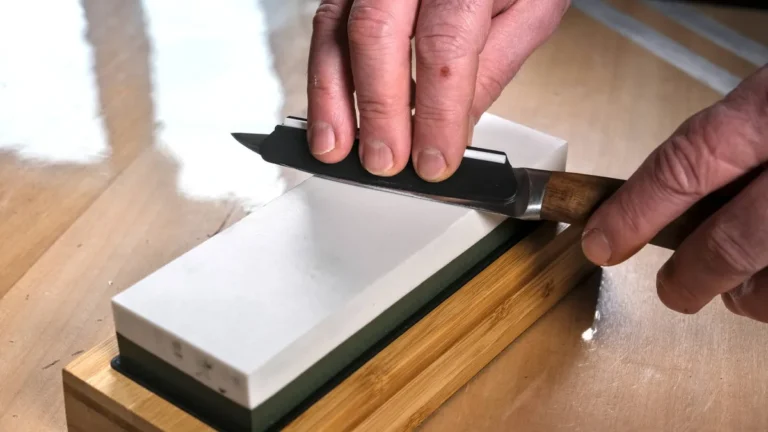
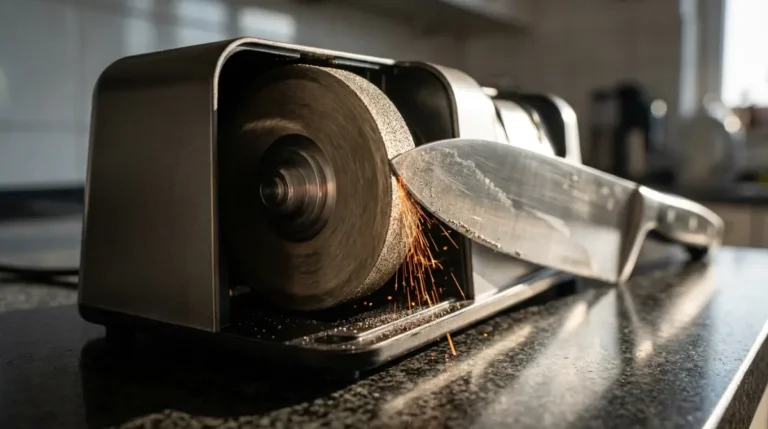
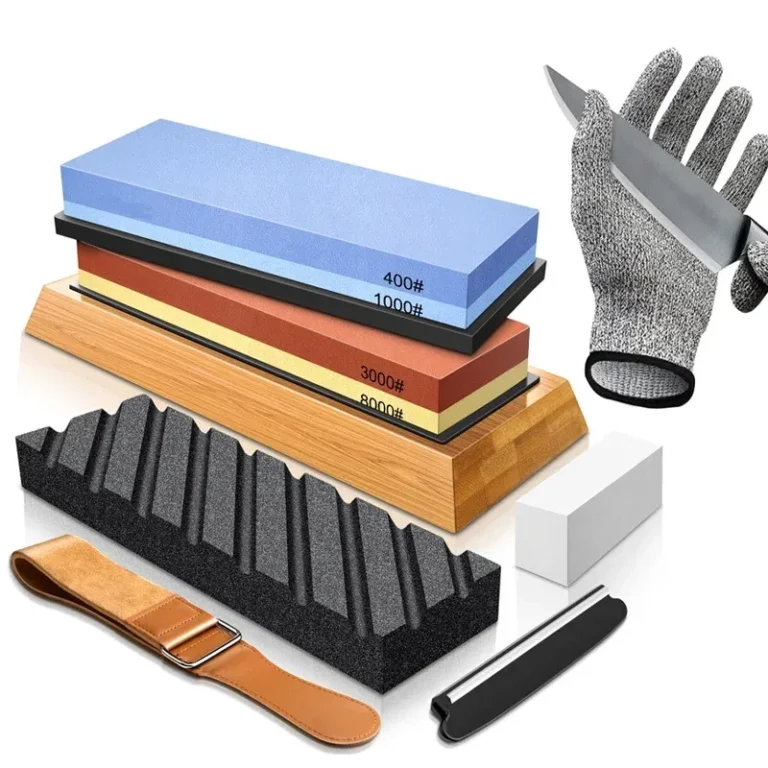
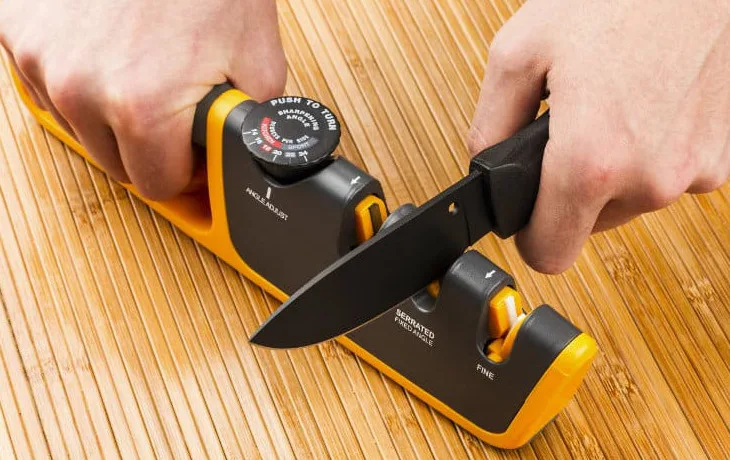
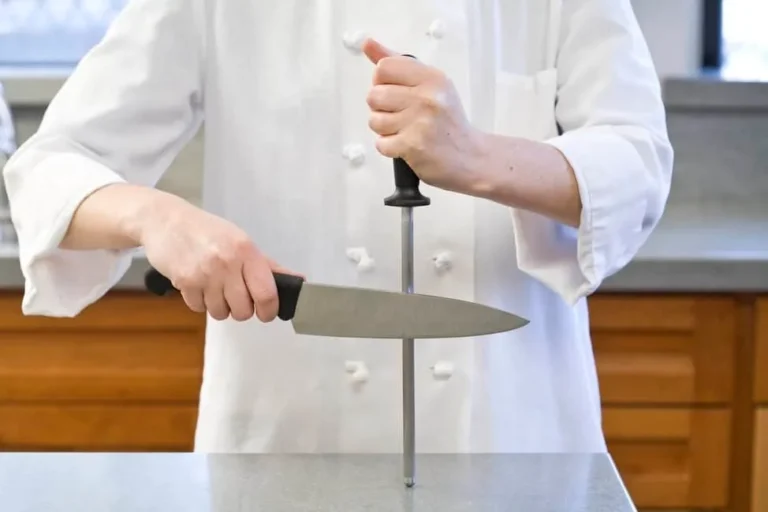
A simple whetstone, honing steel, or electric sharpener can make a significant difference.
Cleaning is also vital. While many modern knives are dishwasher safe, hand-washing is always recommended to protect the blade's edge and prevent damage to the handle. Wash knives immediately after use and dry them thoroughly to prevent rust or corrosion.
Avoid letting them sit in a sink full of water.
Storage matters too. Never toss knives loose into a drawer. This dulls the blades and is a safety hazard.
Use a knife block, magnetic strip, or blade guards to keep your knives protected and your fingers safe. Proper storage ensures your knives remain in top condition for years to come.
FAQs About Paring and Utility Knives
How do I know if my knife is sharp enough?
A sharp knife will slice through food with minimal pressure, gliding smoothly. If you have to saw back and forth extensively or press hard to cut through soft items like tomatoes or herbs, your knife is likely dull. A dull blade will also tend to squish soft foods rather than slice them cleanly.
Can I use a paring knife for everything small?
While a paring knife is excellent for precise tasks, it might be too small for some "medium-small" jobs. For instance, slicing an apple into wedges or trimming a small chicken breast might be easier and faster with a utility knife, which offers a bit more length and leverage.
Is a utility knife a good all-purpose knife for beginners?
Yes, a good quality utility knife can be an excellent starter knife. It’s versatile enough for many common cutting tasks, more manageable than a large chef's knife, and more capable than a paring knife for general slicing. Learning to use a utility knife well is a great foundation for kitchen skills.
What are the risks of using a paring knife for tough jobs?
Using a paring knife for tasks it's not designed for, like cutting through hard rinds or dense meats, can be dangerous. The small blade and handle offer less leverage and control, increasing the chance of the knife slipping. It can also damage the blade if you apply too much force or twist the knife.
How often should I sharpen my knives?
This depends on usage, but as a general guideline, it’s good practice to hone your knives with a steel after every few uses and sharpen them when they start to feel dull. For most home cooks, sharpening every 1-3 months is sufficient, though daily users might sharpen more often. Aggregate user feedback suggests sharpening is key to avoiding common kitchen cuts.