What Is the Difference Between a Forged and Stamped Knife?
When you're looking for a new kitchen knife, you'll often hear the terms "forged" and "stamped." But what is the difference between a forged and stamped knife, and does it actually matter for how you cook? The way a knife blade is made directly impacts its strength, durability, and feel in your hand, influencing everything from how long it stays sharp to how comfortable it is to use for extended periods.
This distinction in manufacturing is more than just a technical detail; it’s a key factor in a knife's overall quality and how it performs in real-world use. Understanding these differences can help you pick a knife that perfectly suits your needs, whether you're a culinary enthusiast or just need a reliable tool for daily meal prep.
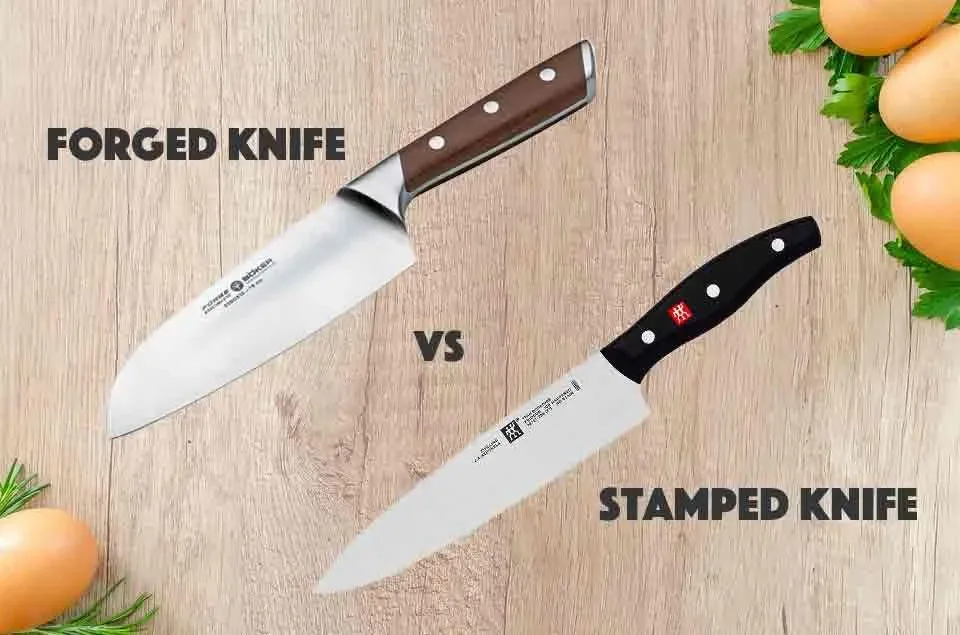
Image source: Bing (Web (fair-use with source credit))
Quick Answer
Forged knives are made from a single piece of steel heated and hammered into shape, creating a strong, durable blade often with an integrated bolster. Stamped knives are cut from a flat sheet of steel using a die, a faster process resulting in a lighter, more affordable blade. This difference impacts a knife's strength, how well it holds an edge, and its overall balance.
How They're Made: The Core Distinction
The fundamental difference between a forged and a stamped knife lies in the manufacturing process. This isn't just about aesthetics; it's about how the steel is treated and shaped, which directly affects the blade's structural integrity and performance characteristics. Think of it like hand-carving a piece of wood versus using a cookie cutter.
Forged Knives: Hammered into Shape
Forging a knife is an ancient technique that involves taking a solid bar or billet of steel and heating it to a high temperature. Once pliable, this hot steel is then repeatedly hammered, often with the help of specialized dies, to form the desired blade shape. This intense process manipulates the grain structure of the steel, aligning it in a way that significantly increases the blade's overall strength, toughness, and resilience.
It's a labor-intensive method that requires considerable skill from the smith.
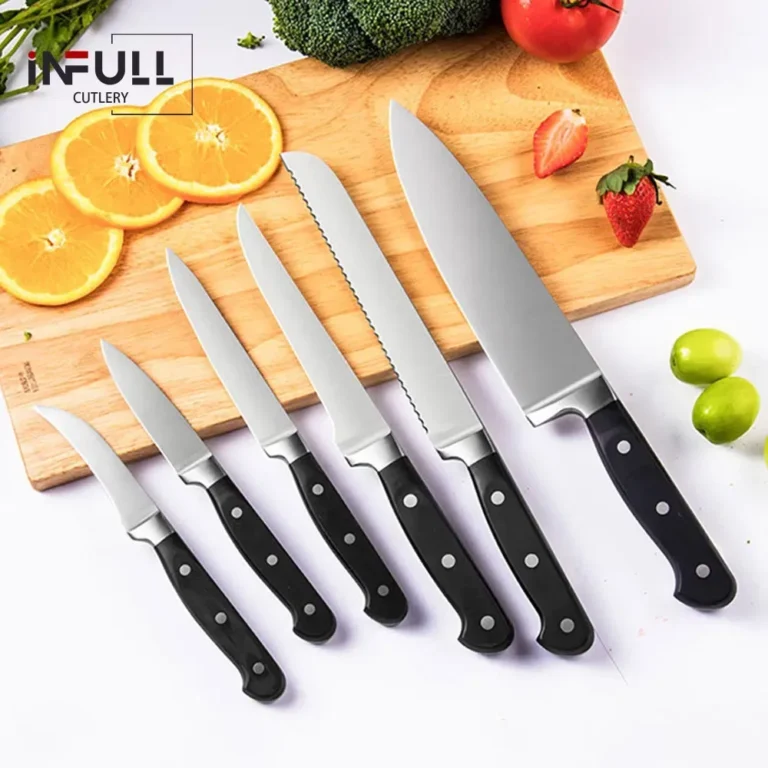
The forging process often includes the creation of a bolster, that thick band of metal found between the blade and the handle. In most forged knives, the bolster is integral to the blade itself, forged from the same piece of steel. This not only adds weight and improves balance but also provides a protective finger guard.
The spine of a forged blade is typically thicker near the bolster and tapers towards the tip, a visual cue of its construction.

Image source: Web (Bing) / m.eprice.com.tw (Web image (fair-use with source credit))
Stamped Knives: Cut from a Sheet
In contrast, stamped knives are produced through a much quicker and more automated process. A flat sheet of high-quality steel is used, and a die, essentially a sharp blade-shaped mold, is pressed down with immense force to cut out the knife's shape. This is akin to using a stencil or a cookie-cutter to create shapes from dough.
The steel is not heated and hammered in the same way as with forging.
Because the steel isn't subjected to the same intense physical manipulation, the grain structure remains less refined. While the steel itself can be of excellent quality, the lack of the forging process means stamped blades might not achieve the same level of inherent strength or the finely aligned grain that forged blades possess. Stamped knives typically have a thinner profile and do not feature an integrated bolster; if a bolster is present, it's usually a separate piece attached to the tang and handle.
Image source: Bing (Web (fair-use with source credit))
What That Means for Your Knife's Performance
The manufacturing method directly translates into how a knife performs in your kitchen. While both forged and stamped knives can be excellent tools, their origins create distinct characteristics that influence their feel, longevity, and how they handle various tasks. Our research, which analyzed manufacturer specifications and aggregate user feedback, indicates these differences are consistently reported across many brands.
Strength and Durability: Built to Last
Forged knives are generally considered more robust. The aligning of the steel's grain during the hammering process creates a denser, more uniform structure. This makes the blade less susceptible to chipping or cracking, especially when encountering harder ingredients like bones or frozen foods, or if the knife is accidentally dropped.
Manufacturer specifications often highlight the "toughness" of forged steel, a direct result of this aligned grain structure.
Stamped knives, while still made from durable steel, might not possess the same inherent resilience. Because they are cut from a sheet and not subjected to the same grain refinement, they can be more prone to developing micro-fractures over time with heavy use or impact. Think of it like a piece of paper versus a piece of wood; both can be cut, but the wood has a more complex internal structure that makes it harder to break.
Edge Retention: How Long It Stays Sharp
The way steel is processed impacts how well it holds a sharp edge. Forged knives often benefit from a more refined grain structure and can sometimes be made from higher-carbon steel alloys that are specifically heat-treated for optimal hardness and edge retention. This means a well-maintained forged knife can stay sharp through more cutting tasks before requiring resharpening.
Stamped knives, while capable of achieving a very sharp edge initially, might see that sharpness diminish slightly faster under demanding conditions. The less refined grain structure, combined with potentially different heat-treatment processes tailored for mass production, can mean they don't hold an edge quite as long as their forged counterparts. This doesn't mean they're dull, just that you might find yourself reaching for your sharpening steel a bit more frequently if you're doing a lot of heavy chopping.
Balance and Feel: In Your Hand
The physical construction of a knife significantly influences how it feels when you're using it. Forged knives often feature an integrated bolster, the thick metal transition between the blade and the handle. This bolster adds weight towards the front of the knife, contributing to a more forward-balanced feel.
Many users report this forward balance provides a greater sense of control and stability, making the knife feel more like an extension of their hand.
Stamped knives typically lack this integrated bolster, leading to a lighter overall weight and often a more neutral or rear-biased balance. While some people prefer a lighter knife for quick, less demanding tasks, others find that the absence of a substantial bolster can make them feel less substantial or precise. The handle attachment on a stamped knife is also often different, potentially affecting the overall ergonomics and feel in hand.
Forged vs. Stamped: A Side-by-Side Look
To really nail down the differences, let's put the key characteristics of forged and stamped knives side-by-side. This comparison highlights how the manufacturing process influences everything from a knife's physical attributes to its practical performance in the kitchen. It's not about one being universally "better," but about understanding which traits align with your specific needs and preferences.
| Feature | Forged Knife | Stamped Knife |
|---|---|---|
| Manufacturing | Heated steel hammered into shape; labor-intensive, manual process. | Flat steel sheet stamped out with a die; automated, faster process. |
| Steel Structure | Aligned grain structure from forging creates superior strength and toughness. | Less refined grain structure; strength is dependent on the quality of the steel sheet. |
| Blade Thickness | Typically thicker, especially near the bolster, tapering to the tip. | Generally thinner and more uniform in thickness. |
| Bolster | Usually integrated, forged from the same steel as the blade. | Often absent, or a separate piece attached later; not integral to the blade. |
| Durability | Highly durable, less prone to chipping or breaking due to superior steel alignment. | Good durability for general use, but potentially more susceptible to wear and damage from impacts. |
| Edge Retention | Often holds a sharp edge for longer periods due to refined grain and steel properties. | Holds a sharp edge well, but may require more frequent sharpening under heavy use. |
| Balance & Feel | Frequently more forward-balanced due to bolster, offering a substantial, controlled feel. | Generally lighter with a more neutral or rear-biased balance; can feel less substantial. |
| Maintenance | Can withstand more rigorous use; generally requires less frequent replacement. | Requires careful handling to avoid damage; may need replacement sooner with heavy use. |
| Cost | Typically higher due to the skilled labor and time involved in production. | Generally more affordable due to mass production and automation. |
| Visual Cues | Often has a visible bolster; blade spine may be thicker. | Typically has a uniform blade profile without a distinct bolster; often has a thinner heel. |
Who Should Choose Which Type?
Deciding between a forged and a stamped knife really comes down to what you prioritize and how you plan to use your knives. There’s no single right answer, but understanding the strengths of each type can guide you toward the best choice for your kitchen. As of 2026, both types continue to evolve, but their core manufacturing differences remain significant.
Best For Professional Chefs and Serious Home Cooks
If you spend a significant amount of time in the kitchen, whether professionally or as a dedicated home cook, a forged knife is often the preferred choice. The enhanced durability and superior edge retention of a forged blade mean it can stand up to consistent, heavy use without compromising performance. The forward balance and solid feel, especially with an integrated bolster, contribute to greater control and comfort during long prep sessions.
This makes tasks like dicing onions for hours or breaking down poultry more manageable and less fatiguing.
Forged knives are an investment in a tool that’s built to last for years, if not decades, with proper care. For cooks who demand precision, resilience, and a tool that feels like a natural extension of their hand, the craftsmanship and performance of a forged knife are usually worth the higher cost.
Best For Everyday Kitchen Tasks and Budget-Conscious Buyers
For many home cooks, a stamped knife offers an excellent balance of performance and value. These knives are perfectly capable of handling the vast majority of daily kitchen tasks, from slicing fruits and vegetables to chopping herbs. The manufacturing process makes them significantly more affordable, putting a sharp and functional knife within reach for a wider audience.
If you're a beginner cook, someone who doesn't spend hours prepping meals daily, or if you're looking to build a diverse set of kitchen tools without breaking the bank, a stamped knife is a smart option. You can get a good quality stamped knife that will perform reliably for everyday use, and you might even be able to afford a few different types of stamped knives for specific tasks at the price of a single high-end forged knife. The key is to choose well-made stamped knives from reputable brands.
Common Misconceptions About Knife Construction
It's easy to get caught up in the terminology, and sometimes that leads to misunderstandings about what really matters in a knife. One common misconception is that "forged" automatically means "superior" and "stamped" means "inferior." While forged knives often have advantages in durability and edge retention due to their manufacturing process, a high-quality stamped knife can still outperform a poorly made forged one.
Another idea that sometimes pops up is that only expensive knives are forged. That's not entirely true; while the forging process itself is more labor-intensive, leading to higher costs, many reputable manufacturers produce excellent forged knives at various price points. Conversely, there are very high-end stamped knives that use premium steel and precise manufacturing techniques to achieve exceptional performance, proving that the manufacturing method is just one piece of the puzzle.
The quality of the steel, the heat treatment, and the overall craftsmanship are equally important, regardless of whether the blade was forged or stamped.
Frequently Asked Questions About Knife Forging and Stamping
What makes a forged knife stronger?
Forged knives are stronger because the process of heating and hammering the steel aligns its internal grain structure. This creates a denser, more uniform metal that is less prone to chipping or breaking under stress.
Can stamped knives hold an edge as well as forged knives?
Stamped knives can achieve a very sharp edge initially, but their edge retention might be slightly less than that of a well-made forged knife. This is due to differences in steel grain refinement and heat treatment processes that favor mass production speed.
Are all forged knives made in one piece?
Typically, yes. The blade, bolster, and often the start of the tang are forged from a single piece of steel. This integrated construction contributes to the knife's balance and durability.
If a knife has a bolster, is it always forged?
Not necessarily. While most forged knives have an integrated bolster, some stamped knives may have a bolster that is a separate piece attached to the tang. The key is whether the bolster is forged from the same piece of steel as the blade itself.
Which type of knife is better for beginners?
For beginners, a good quality stamped knife is often an excellent choice. They are typically more affordable, lighter, and easier to handle, making them less intimidating for those new to knife skills, while still offering reliable performance for everyday tasks.
Making Your Knife Choice
When you're standing in front of a display of knives or browsing online, remember that "forged" and "stamped" refer to how the blade was created. This difference impacts its strength, how long it stays sharp, and how it feels in your hand. Forged knives, made by heating and hammering steel, offer superior durability and balance, making them ideal for demanding use in professional or serious home kitchens.
Stamped knives, cut from flat steel sheets, are generally more affordable and lighter, providing excellent value for everyday tasks.
Consider your cooking habits, your budget, and what you value most in a kitchen tool. If you need a knife that can handle intense use and feels perfectly balanced, a forged knife might be your best bet. If you're looking for a reliable, cost-effective option for general kitchen duties, a quality stamped knife will serve you very well.