Why Does My Knife Rust?
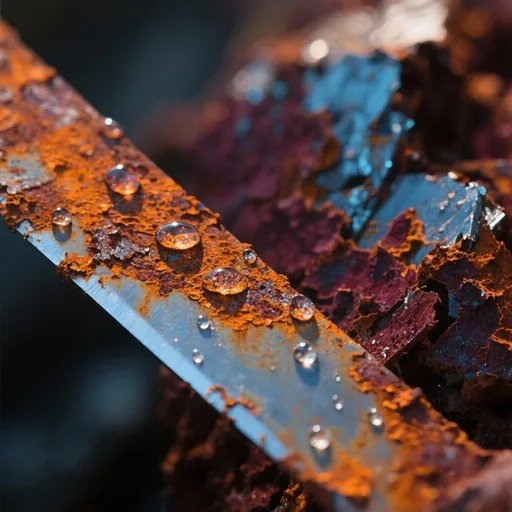
Image source: Bing (Web (fair-use with source credit))
Ever pull your favorite knife out of the drawer and see those unwelcome orange-brown spots? Rust happens, but it's usually a sign that something in how we're treating our knives needs a little tweak. Don't worry, we're going to break down why this happens and what you can do about it.
Think of me as that friend who’s spent a bit too much time in the kitchen and learned a few things the hard way.
At its core, rust is iron oxide, a chemical compound formed when iron or steel (which is an alloy primarily composed of iron) interacts with oxygen and moisture. It's a natural process, but one that we often want to avoid, especially with our kitchen tools. Most kitchen knives are made from stainless steel alloys, meaning they have chromium added.
This chromium forms a thin, invisible layer on the surface that protects against rust. However, if this protective layer is compromised, or if the steel has a lower chromium content, rust can still occur. According to manufacturer specifications, a minimum of 10.5% chromium by mass is generally required for a steel to be classified as stainless.
Quick Answer
Knives rust because their iron content reacts with oxygen and moisture. This process, called oxidation, is accelerated by improper drying, prolonged exposure to water, and acidic food residues. Stainless steel knives have a protective chromium layer that resists rust, but this can be damaged, while carbon steel knives are inherently more prone to rusting.
Understanding the Rust Reaction
Rust is essentially iron oxide. It forms when iron or steel comes into contact with oxygen and water. This chemical reaction creates a flaky, reddish-brown substance that weakens the metal.
The speed and severity of rust formation depend heavily on the knife's specific metal composition and the environmental conditions. Basic steel has a significant iron content. When this iron is exposed to air and water, rust begins to form.
Stainless Steel vs. Carbon Steel: The Material Matters
The material of your knife is the biggest factor in how it handles rust. There are different types of steel, and they behave very differently.
- Stainless Steel: Most everyday kitchen knives are stainless steel. The "stainless" comes from adding chromium to the alloy. This chromium forms a thin, invisible surface layer called a passive oxide layer. This layer is the knife's main defense against rust. However, it's not invincible. If the chromium content is below 10.5% (a common industry benchmark), or if this layer gets scratched or damaged, rust can start to form.
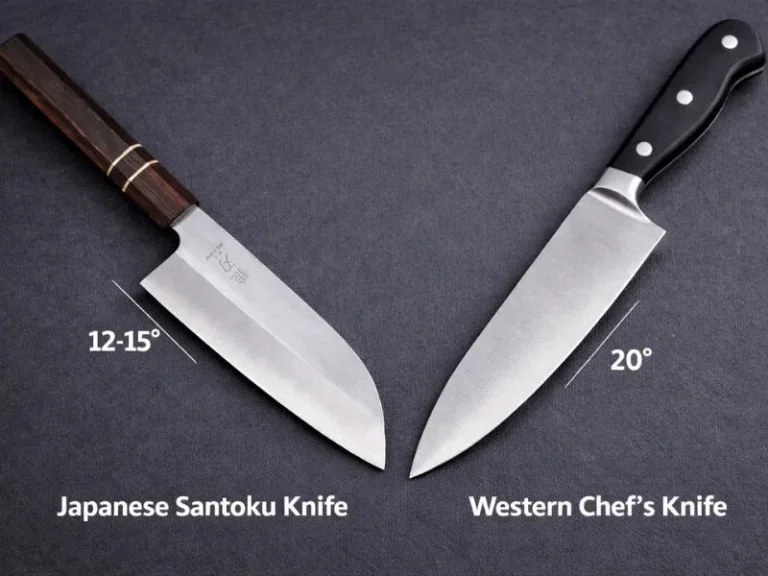
- Carbon Steel: These knives are much more prone to rust. They contain little to no chromium, so they don't form that protective passive layer. On the flip side, carbon steel knives can often achieve a sharper edge and are easier to re-sharpen. Many enthusiasts prefer them for their cutting performance but they demand more diligent care to prevent rust.
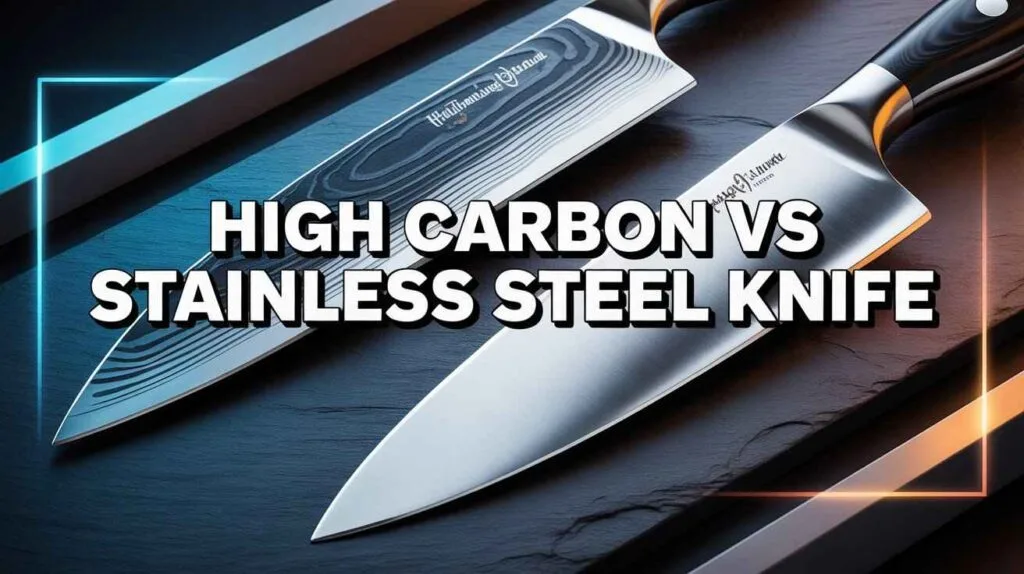
Image source: Bing (Web (fair-use with source credit))
Top Reasons Your Knife is Actually Rusting
If you've got rust, let's pinpoint the most common culprits. Most of the time, it boils down to moisture overstaying its welcome or being in the wrong place.
The Dishwasher Danger Zone
Putting knives in the dishwasher is a prime suspect for rust. Dishwashers expose knives to high temperatures, corrosive detergents, and forceful water jets. These conditions can strip away protective oils, damage the passive layer on stainless steel, and create an ideal environment for rust, especially on carbon steel.

Image source: Web (Bing) / ro.pinterest.com (Web image (fair-use with source credit))
The Sink Soak Sin
Leaving knives to soak in the sink, even for a short period, is a fast track to rust. Prolonged contact with water, especially with other dirty dishes, is a major trigger. Moisture can get into crevices and start the oxidation process.
The "Not-Quite-Dry" Blunder
This is a frequent mistake. You wash your knife and give it a quick wipe, but if even a tiny bit of moisture is left on the blade, rust can start to form. This happens especially in the microscopic valleys of the steel.
This is true for both stainless and carbon steel, though carbon steel is much more susceptible.
Acidic Foods and Long Waits
Acidic foods like tomatoes, lemons, and onions can play a role. If a knife blade sits in contact with these acidic residues for an extended time, it can begin to degrade the protective layer on the steel. This makes the metal more vulnerable to oxidation, particularly if any moisture is also present.
How to Prevent Knife Rust Before It Starts
Preventing rust is far simpler and more effective than trying to remove it later. It comes down to a few key habits and a consistent routine. Think of these as your daily defense system for keeping your knives in prime condition.
- Hand Wash Only: Never put good kitchen knives in the dishwasher. The heat, detergents, and water pressure are too harsh for knife steel and edges. Always wash by hand with warm water and mild dish soap.
- Dry Immediately and Completely: This is the most crucial step. As soon as you've washed the knife, grab a clean, dry towel and thoroughly dry every surface of the blade and handle. Don't let it air dry. Pay attention to the area where the blade meets the handle, as moisture can hide there.
Smart Storage Solutions
How you store your knives also impacts their exposure to moisture and air.
- Knife Blocks: Ensure your knife block is placed in a dry area. Occasionally, air out the slots by leaving the lid off for a bit to prevent trapped moisture.
- Magnetic Strips: These are excellent because they allow good airflow around the blades. Make sure knives are completely dry before placing them on the strip.
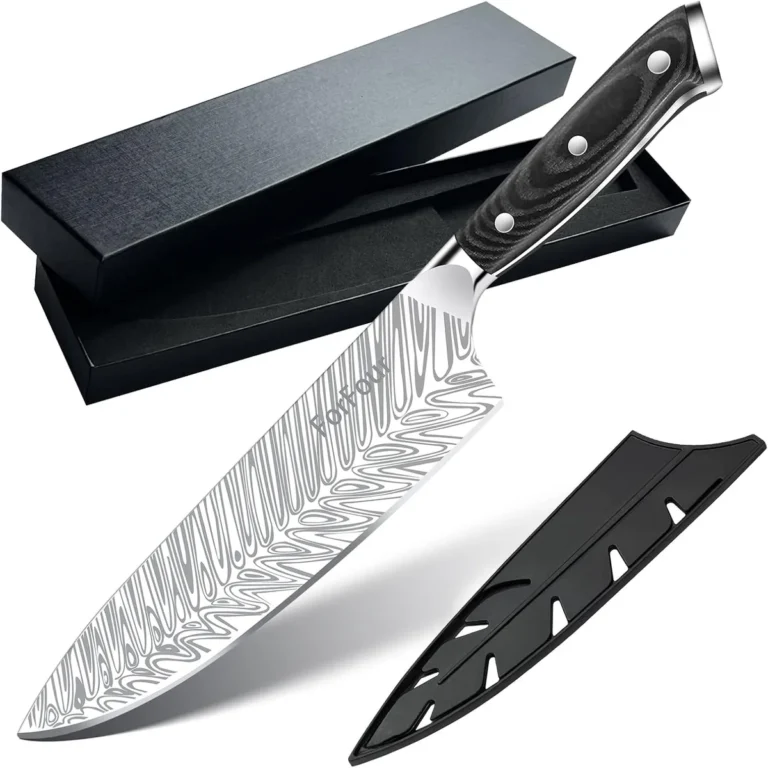
- Sheaths or Blade Guards: These are great for protecting edges and for transport. Only use them for short-term storage. Always ensure the knife is bone dry before sliding it in, as sheaths can trap moisture.
Dealing with Rust: Removing Those Annoying Spots
If you've found rust spots, don't despair! Most light rust can be removed with a little effort. The goal is to gently abrade the rust away without damaging the surrounding metal.
Gentle Methods for Light Rust
For minor rust spots, start with common household items.
- Baking Soda Paste: Mix baking soda with a little water to form a thick paste. Apply it to the rust spots, let it sit for a few minutes, then gently rub with a soft cloth or non-abrasive sponge. Rinse and dry thoroughly.
- Pencil Eraser: A clean pencil eraser can sometimes work on very light rust marks due to its mild abrasive qualities. Rub gently over the spot.
- Specialized Rust Erasers: You can buy specific rust eraser blocks for knives. These are typically made of a rubberized abrasive material and are effective for removing light surface rust.
Tackling Stubborn Rust
For rust that's a bit more ingrained, proceed with caution.
- Fine-Grit Sandpaper: If gentle methods fail, try very fine-grit sandpaper (1000 grit or higher). Wet the sandpaper and gently rub with the grain of the steel. Use minimal pressure to avoid scratching the blade. After removing the rust, wash and dry the knife meticulously.
- Steel Wool (Use with Extreme Caution): #0000 steel wool (super fine) can remove rust but is very abrasive and can leave fine scratches on polished blades. It's best avoided for kitchen knives unless absolutely necessary and you understand the risks.
After any rust removal, apply a thin coat of food-grade mineral oil to the blade. This helps create a barrier and prevents rust from returning.
Caring for Carbon Steel: Special Considerations
Carbon steel knives require more attention than stainless steel, but their performance can be excellent for those who appreciate them. Their tendency to rust means a proactive approach is essential.
- Embrace the Patina: Over time, carbon steel develops a "patina," a bluish-grey or brownish discoloration. This isn't rust but a result of the steel reacting with acids from food. A well-developed patina actually helps protect the blade from true rust. Don't scrub it off; it's a sign of a well-used knife.
- Oiling is Key: After washing and drying your carbon steel knife, apply a very thin coat of food-grade mineral oil. This creates a barrier against moisture. Consistent oiling prevents rust from forming.
- Avoid Prolonged Acidic Contact: Acids can speed up reactions on carbon steel. While some contribute to the patina, leaving them on for extended periods can encourage rust, especially if the blade isn't perfectly dry.
Common Mistakes That Lead to Rust
Let's recap the most common missteps that lead to rust. Avoiding these will keep your knives looking and performing their best.
- Dishwasher Use: This is the cardinal sin of knife care. The environment is too harsh for knife steel and edges.
- Soaking in the Sink: Leaving knives submerged in water allows moisture to initiate rust.
- Incomplete Drying: Not drying a knife thoroughly after washing is a primary cause of rust. Every drop of water needs to go.
- Ignoring Blade Material: Treating carbon steel like stainless steel will lead to rust. Understanding your knife's material is fundamental.
Expert Tips for Long-Term Knife Health
Keeping knives rust-free long-term requires consistency. It’s about small, consistent actions that add up.
- Understand Your Steel Type: Reiterate the difference between stainless and carbon steel. Knowing this informs all care decisions. Stainless offers more forgiveness; carbon demands more vigilance.
- Never Force It: If a knife feels stiff or hard to move, don't force it. This can lead to bent blades or damaged handles, making them harder to clean and dry, thus inviting rust.
- Inspect Regularly: Make it a habit to glance at your knives periodically, especially less-used ones. A quick check can catch the very beginning of rust before it becomes a problem.
Frequently Asked Questions
### What's the fastest way to get rust off a knife?
The fastest way to remove light rust is often with a specialized knife rust eraser or a paste of baking soda and water, followed by rubbing with a soft cloth. For tougher spots, fine-grit sandpaper used with the grain and water can be effective, but requires careful handling.
### Can I use WD-40 to remove rust from a knife?
While WD-40 can remove rust, it's not recommended for knives that contact food. It's a solvent, not intended for culinary tools, and its residue can be harmful if ingested. Stick to food-grade mineral oil for protection after cleaning.
### How often should I oil my carbon steel knives?
Oil your carbon steel knives after every washing and drying. If used frequently, a light reapplication of oil weekly might be beneficial, especially in humid environments. Consistent oiling prevents rust.
### Is it normal for a new knife to have tiny rust spots?
No, it's generally not normal for a new, quality knife to have rust spots. This usually indicates storage or handling issues before it reached you, or a defect in the steel's protective layer. If you notice this, contact the manufacturer.
### Can rust damage my knife permanently?
Yes, prolonged or severe rust can damage a knife permanently. It can weaken the steel, create pitting that's hard to repair, and dull the edge more quickly. Early detection and removal are key to preventing permanent damage.