How Often Should You Use a Knife Sharpener?
Image source: Bing (Web (fair-use with source credit))
Are your kitchen knives starting to feel less like precision tools and more like blunt instruments? Knowing exactly how often you should reach for that knife sharpener is key to keeping your blades performing their best, safely and efficiently. It’s not just about how frequently you cook, but a mix of habits, tools, and the type of knife itself.
In our research, manufacturer specifications indicate that while a honing steel can be used daily, actual sharpening of a knife edge should occur less frequently. For a typical home cook using their main chef's knife several times a week, sharpening every 3 to 6 months is a common guideline. Let’s break down what really impacts your knife's sharpness.
Quick Answer
Sharpen your knives every 3 to 6 months for typical home use. If you cook daily, sharpen every 1 to 3 months. Honing, which realigns the edge, can be done nearly every time you cook.
Dull knives struggle to cut, increasing the risk of slips. Proper cutting boards and care extend the time between sharpenings.
Sharpening vs. Honing: What's the Real Difference?
You've probably heard the terms "sharpening" and "honing" used interchangeably, but they're actually two very different maintenance tasks for your knives. Understanding this distinction is the first step to keeping your blades in top shape. Honing realigns the microscopic edge of your knife, which gets bent or rolled during normal use.
Think of it like straightening a tiny, bent wire. It doesn’t remove metal, it just puts the existing edge back into its proper position.
This is why a honing steel, which is essentially a straight rod, is so effective for daily maintenance. It keeps the edge keen between actual sharpening sessions.
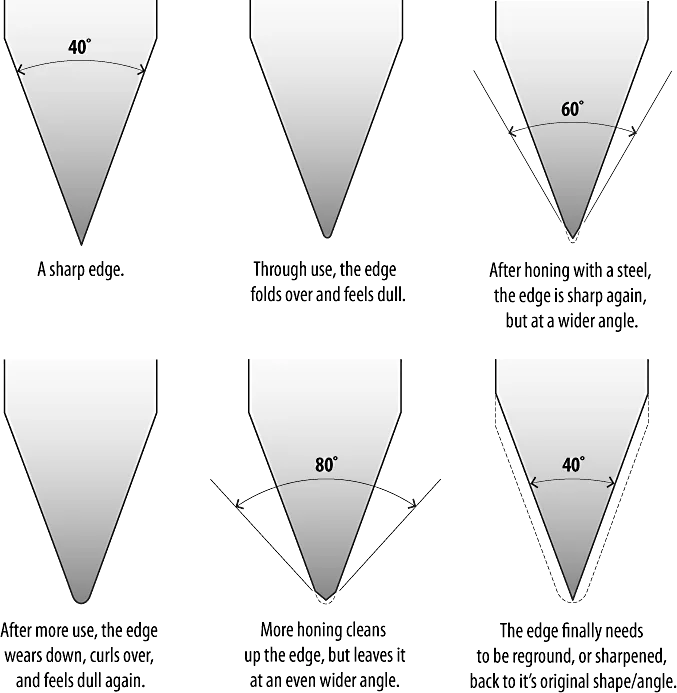
Image source: Bing (Web (fair-use with source credit))
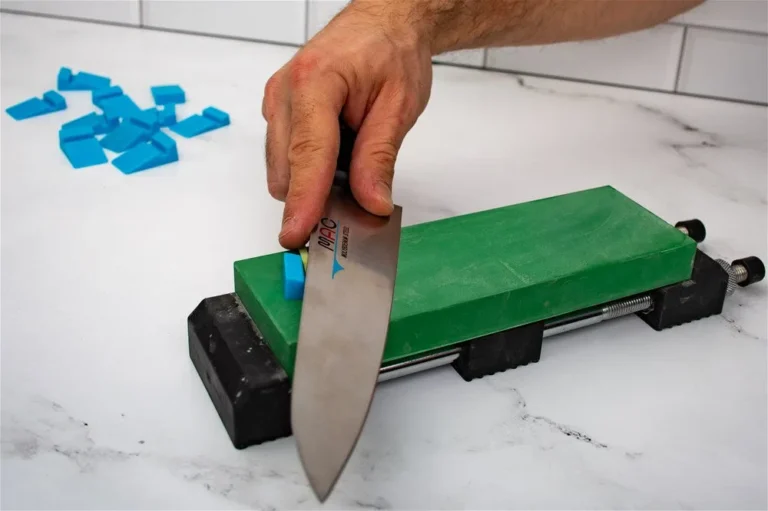
Sharpening, on the other hand, is the process that actually removes metal from the blade to create a new, sharp edge. This is a more aggressive process than honing. You'll need a dedicated knife sharpener, like a whetstone or a pull-through device, to do this.
Because sharpening removes metal, you don't need to do it as often as honing. Doing it too frequently can wear down your knives much faster than necessary.
Your Knife's Workload: How Daily Use Affects Sharpness
The most significant factor determining how often you need to sharpen your knives is simply how much you use them and what you cut. If your kitchen is a busy place where you’re chopping, slicing, and dicing daily, your knife’s edge is going to dull much faster than if you only cook a few times a week. It’s a direct relationship: more use equals more wear on the blade.
Think about what you're cutting. Slicing through tough, fibrous vegetables like carrots or squash puts more stress on the edge than, say, slicing ripe tomatoes or boneless chicken breasts. Each cut causes micro-abrasions and can bend or roll the very fine edge of your knife.

Image source: Web (Bing) / tumrubthai.com (Web image (fair-use with source credit))
Aggregate reviews of kitchen tools report that knives used for extensive prep work, especially in professional settings, might need sharpening every few weeks. For the average home cook who uses their primary chef's knife for perhaps 30-60 minutes a day across various tasks, sharpening every 1 to 3 months is a reasonable expectation.
The Tomato Test: How to Tell If Your Knife is Dull
One of the most telling signs your knife needs sharpening is its performance on a simple tomato. A truly sharp knife should glide through the tomato's skin with minimal pressure, slicing it cleanly without tearing or crushing. If you find yourself having to press hard, wiggle the knife, or if the tomato skin resists the blade, that’s a clear indication the edge is no longer sharp.
The Paper Test: A Quick Sharpness Check
A classic and simple test for knife sharpness is the paper test. Grab a standard sheet of printer paper. Hold it vertically by one edge and try to slice a clean strip off the side with your knife.
A sharp knife will slice through the paper smoothly, as if it’s butter.
If the paper tears, snags, or requires you to saw back and forth, your knife is definitely dull. This test is particularly useful because it requires very little pressure and highlights any imperfections or dull spots along the blade's edge.
Cutting Surfaces Matter: Protect Your Edge
The surface you choose to cut on has a surprisingly big impact on how quickly your knives become dull. Think of your knife's edge as being very fine and delicate, even though it's made of steel. When you cut on a hard surface, like glass, ceramic, stone, or even metal, you're essentially grinding down that fine edge with every stroke.
These surfaces are much harder than the steel of your knife.
Manufacturers of quality cutlery, such as those adhering to standards set by the American Cutler's Association (ACA), strongly recommend using materials that are softer than the blade.
Here’s a quick look at common cutting surface types and their impact:
- Wood (Bamboo, Maple, Walnut): These are generally considered the best options. They are durable enough for heavy use but have enough give to protect your knife's edge. Wood can also self-heal minor scratches.
- Plastic (Polypropylene, Polyethylene): Good alternatives, especially for hygiene. They are softer than wood but can develop deep grooves over time, which can harbor bacteria. Regular replacement is advised.
- Glass, Stone (Granite, Marble), Ceramic, Metal: Avoid these at all costs for knife work. They are extremely hard and will dull your knives very rapidly. Use them only for serving or presentation, not for cutting.
Using the right cutting board isn't just about preserving your knives; it also helps protect your countertops from scratches and can be more stable, reducing the risk of slips and accidents. Making this one small change can significantly extend the time between needing to sharpen your knives.
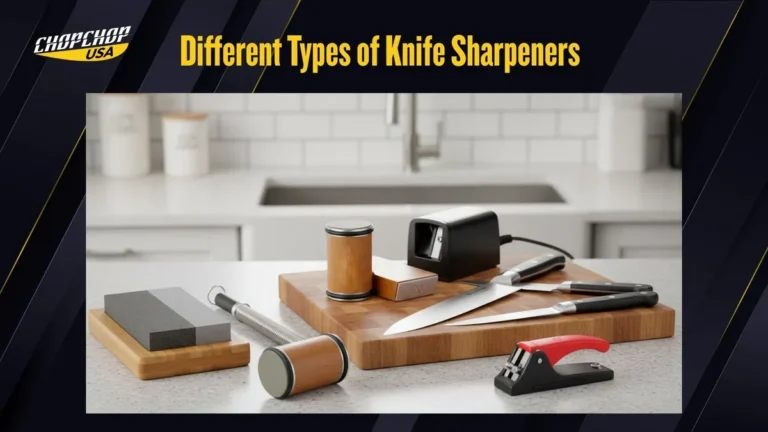
Choosing Your Sharpening Tool: Whetstones, Pull-Throughs, and More
The type of sharpener you use will influence both the quality of the edge you can achieve and how frequently you might need to sharpen. Each type has its own characteristics, pros, and cons, and the best choice often depends on your skill level and preference.
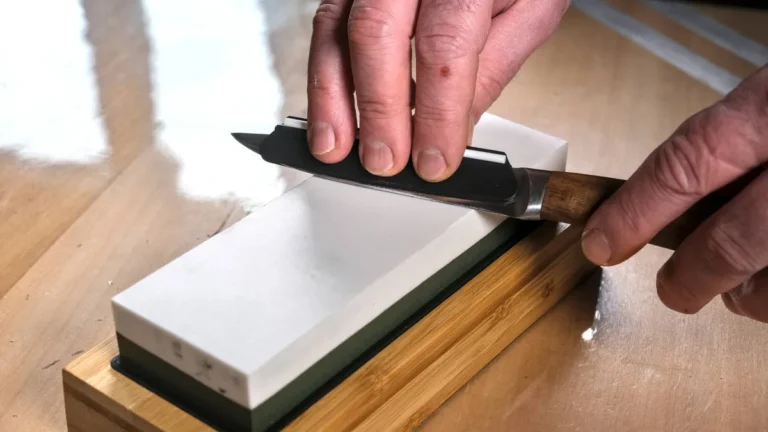
Whetstones (Sharpening Stones)
- How they work: These are flat blocks of abrasive material (like ceramic, silicon carbide, or aluminum oxide) with varying grits. You manually move the knife blade across the stone at a consistent angle to remove metal and create a new edge.
- Pros: Offer the most control, can create incredibly sharp and refined edges, and work on virtually any type of knife. They are ideal for enthusiasts who want the best performance.
- Cons: Require practice and skill to maintain a consistent angle, which is crucial for effective sharpening. They can also be time-consuming.
- When to use: For those who are serious about knife care and want the highest quality edge.
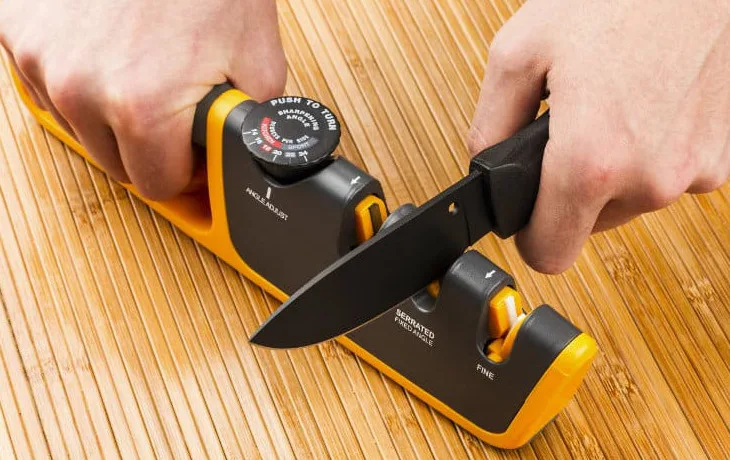
Pull-Through Sharpeners
- How they work: These devices typically have angled slots with abrasive wheels or carbide blades. You pull the knife blade through the slot, and the sharpener does the work of removing metal. Many have multiple stages for coarse sharpening and finer honing.
- Pros: Very easy to use, require little to no skill, and are quick. They are a convenient option for everyday maintenance.
- Cons: Can be more aggressive than whetstones, potentially removing too much metal or creating a less refined edge. They may not work well on very thick or oddly shaped blades.
- When to use: For users who want a simple, fast way to restore a usable edge without much effort.
Electric Knife Sharpeners
- How they work: Similar to pull-through sharpeners, but use motorized abrasive wheels or belts that spin to sharpen the blade. They often have guides to help maintain the correct angle.
- Pros: Extremely fast and easy to use. They can restore a very dull knife quickly.
- Cons: Can be very aggressive and remove a lot of metal, leading to shorter knife lifespan if used excessively. The fixed angles may not suit all knives.
- When to use: For those who prioritize speed and ease of use and are less concerned about achieving a master-craftsman-level edge, or for quickly reviving heavily dulled knives.
The choice of sharpener is a significant factor. According to general industry recommendations, electric and pull-through sharpeners, while convenient, can remove metal faster than manual methods if used frequently, meaning you might need to sharpen less often with them, but your knives might wear out quicker.
How Often Should You Sharpen Your Knives?
Are your kitchen knives starting to feel less like precision tools and more like blunt instruments? Knowing exactly how often you should reach for that knife sharpener is key to keeping your blades performing their best, safely and efficiently. It’s not just about how frequently you cook, but a mix of habits, tools, and the type of knife itself.
In our research, manufacturer specifications indicate that while a honing steel can be used daily, actual sharpening of a knife edge should occur less frequently. For a typical home cook using their main chef's knife several times a week, sharpening every 3 to 6 months is a common guideline. Let’s break down what really impacts your knife's sharpness.
Quick Answer
Sharpen your knives every 3 to 6 months for typical home use. If you cook daily, sharpen every 1 to 3 months. Honing, which realigns the edge, can be done nearly every time you cook.
Dull knives struggle to cut, increasing the risk of slips. Proper cutting boards and care extend the time between sharpenings.
Sharpening vs. Honing: What's the Real Difference?
You've probably heard the terms "sharpening" and "honing" used interchangeably, but they're actually two very different maintenance tasks for your knives. Understanding this distinction is the first step to keeping your blades in top shape. Honing realigns the microscopic edge of your knife, which gets bent or rolled during normal use.
Think of it like straightening a tiny, bent wire. It doesn’t remove metal, it just puts the existing edge back into its proper position.
This is why a honing steel, which is essentially a straight rod, is so effective for daily maintenance. It keeps the edge keen between actual sharpening sessions.
Image source: Bing (Web (fair-use with source credit))
Sharpening, on the other hand, is the process that actually removes metal from the blade to create a new, sharp edge. This is a more aggressive process than honing. You'll need a dedicated knife sharpener, like a whetstone or a pull-through device, to do this.
Because sharpening removes metal, you don't need to do it as often as honing. Doing it too frequently can wear down your knives much faster than necessary.
Your Knife's Workload: How Daily Use Affects Sharpness
The most significant factor determining how often you need to sharpen your knives is simply how much you use them and what you cut. If your kitchen is a busy place where you’re chopping, slicing, and dicing daily, your knife’s edge is going to dull much faster than if you only cook a few times a week. It’s a direct relationship: more use equals more wear on the blade.
Think about what you're cutting. Slicing through tough, fibrous vegetables like carrots or squash puts more stress on the edge than, say, slicing ripe tomatoes or boneless chicken breasts. Each cut causes micro-abrasions and can bend or roll the very fine edge of your knife.
Image source: Web (Bing) / tumrubthai.com (Web image (fair-use with source credit))
Aggregate reviews of kitchen tools report that knives used for extensive prep work, especially in professional settings, might need sharpening every few weeks. For the average home cook who uses their primary chef's knife for perhaps 30-60 minutes a day across various tasks, sharpening every 1 to 3 months is a reasonable expectation.
The Tomato Test: How to Tell If Your Knife is Dull
One of the most telling signs your knife needs sharpening is its performance on a simple tomato. A truly sharp knife should glide through the tomato's skin with minimal pressure, slicing it cleanly without tearing or crushing. If you find yourself having to press hard, wiggle the knife, or if the tomato skin resists the blade, that’s a clear indication the edge is no longer sharp.
The Paper Test: A Quick Sharpness Check
A classic and simple test for knife sharpness is the paper test. Grab a standard sheet of printer paper. Hold it vertically by one edge and try to slice a clean strip off the side with your knife.
A sharp knife will slice through the paper smoothly, as if it’s butter.
If the paper tears, snags, or requires you to saw back and forth, your knife is definitely dull. This test is particularly useful because it requires very little pressure and highlights any imperfections or dull spots along the blade's edge.
Cutting Surfaces Matter: Protect Your Edge
The surface you choose to cut on has a surprisingly big impact on how quickly your knives become dull. Think of your knife's edge as being very fine and delicate, even though it's made of steel. When you cut on a hard surface, like glass, ceramic, stone, or even metal, you're essentially grinding down that fine edge with every stroke.
These surfaces are much harder than the steel of your knife.
Manufacturers of quality cutlery, such as those adhering to standards set by the American Cutler's Association (ACA), strongly recommend using materials that are softer than the blade.
Here’s a quick look at common cutting surface types and their impact:
- Wood (Bamboo, Maple, Walnut): These are generally considered the best options. They are durable enough for heavy use but have enough give to protect your knife's edge. Wood can also self-heal minor scratches.
- Plastic (Polypropylene, Polyethylene): Good alternatives, especially for hygiene. They are softer than wood but can develop deep grooves over time, which can harbor bacteria. Regular replacement is advised.
- Glass, Stone (Granite, Marble), Ceramic, Metal: Avoid these at all costs for knife work. They are extremely hard and will dull your knives very rapidly. Use them only for serving or presentation, not for cutting.
Using the right cutting board isn't just about preserving your knives; it also helps protect your countertops from scratches and can be more stable, reducing the risk of slips and accidents. Making this one small change can significantly extend the time between needing to sharpen your knives.
Choosing Your Sharpening Tool: Whetstones, Pull-Throughs, and More
The type of sharpener you use will influence both the quality of the edge you can achieve and how frequently you might need to sharpen. Each type has its own characteristics, pros, and cons, and the best choice often depends on your skill level and preference.
Whetstones (Sharpening Stones)
- How they work: These are flat blocks of abrasive material (like ceramic, silicon carbide, or aluminum oxide) with varying grits. You manually move the knife blade across the stone at a consistent angle to remove metal and create a new edge.
- Pros: Offer the most control, can create incredibly sharp and refined edges, and work on virtually any type of knife. They are ideal for enthusiasts who want the best performance.
- Cons: Require practice and skill to maintain a consistent angle, which is crucial for effective sharpening. They can also be time-consuming.
- When to use: For those who are serious about knife care and want the highest quality edge.
Pull-Through Sharpeners
- How they work: These devices typically have angled slots with abrasive wheels or carbide blades. You pull the knife blade through the slot, and the sharpener does the work of removing metal. Many have multiple stages for coarse sharpening and finer honing.
- Pros: Very easy to use, require little to no skill, and are quick. They are a convenient option for everyday maintenance.
- Cons: Can be more aggressive than whetstones, potentially removing too much metal or creating a less refined edge. They may not work well on very thick or oddly shaped blades.
- When to use: For users who want a simple, fast way to restore a usable edge without much effort.
Electric Knife Sharpeners
- How they work: Similar to pull-through sharpeners, but use motorized abrasive wheels or belts that spin to sharpen the blade. They often have guides to help maintain the correct angle.
- Pros: Extremely fast and easy to use. They can restore a very dull knife quickly.
- Cons: Can be very aggressive and remove a lot of metal, leading to shorter knife lifespan if used excessively. The fixed angles may not suit all knives.
- When to use: For those who prioritize speed and ease of use and are less concerned about achieving a master-craftsman-level edge, or for quickly reviving heavily dulled knives.
The choice of sharpener is a significant factor. According to general industry recommendations, electric and pull-through sharpeners, while convenient, can remove metal faster than manual methods if used frequently, meaning you might need to sharpen less often with them, but your knives might wear out quicker.
How Often to Sharpen Based on Your Knives and Habits
Now that we've covered the basics of sharpening, honing, and the impact of usage and cutting surfaces, let's get specific about frequency. This is where your personal kitchen habits truly dictate the schedule. The goal is to find a rhythm that keeps your knives performing well without overdoing it.
The Home Cook's Schedule
For most home cooks, a chef's knife is the workhorse. If you use it a few times a week for tasks like chopping vegetables, slicing meats, or preparing fruits, you're likely looking at sharpening every 3 to 6 months. This assumes you’re also honing your knife regularly, perhaps after every few uses or even daily if you cook extensively.
If your kitchen is less active, and your primary knives are only used once or twice a week for lighter tasks, you might stretch that sharpening interval to every 6 to 12 months. The key is to pay attention to the knife's performance.
The Weekend Warrior's Approach
If you’re someone who does most of their serious cooking on weekends, your sharpening needs will be less frequent. Your knives aren't being dulled by daily demands, so the edge will likely hold up longer. For a weekend cook, sharpening once or twice a year might be perfectly sufficient.
However, even with less frequent use, it’s still important to hone your knives before each significant cooking session. This simple act can make a dull knife feel sharper and delay the need for metal removal. Consider this: if your weekend cooking involves tackling hard squashes or carving roasts, the impact on the edge is greater than slicing a soft baguette.
Common Knife Sharpening Mistakes to Avoid
Many people unintentionally damage their knives or fail to achieve a proper edge due to common mistakes. Knowing these pitfalls can save you frustration and extend the life of your cutlery. One of the most frequent errors is sharpening too often or using an overly aggressive sharpening tool.
Sharpening removes metal from the blade. If you’re sharpening a knife that’s only slightly out of sorts, you’re using up its lifespan unnecessarily. This is where regular honing becomes crucial, it corrects minor edge issues without removing metal.
Here are some common mistakes:
- Using the Wrong Cutting Surface: As mentioned earlier, cutting on glass, ceramic, or stone is a fast track to a dull knife. Always use wood or quality plastic cutting boards.
- Applying Too Much Pressure: When sharpening, especially with whetstones, let the abrasive material do the work. Pressing too hard can damage the edge or the sharpening stone itself.
- Inconsistent Angle: For whetstone sharpening, maintaining a steady angle is paramount. If the angle wavers, you won't get a uniform edge, and the knife won't be as sharp as it could be.
- Sharpening a Dirty Knife: Always clean your knife before sharpening. Grit and debris can get embedded in the sharpening surface or transferred to the blade.
- Over-Sharpening with Electric or Pull-Through Sharpeners: These tools can be very effective but are also aggressive. Using them more often than necessary can wear down your knife blade significantly over time.
- Not Honing Regularly: Skipping the honing step means your edge gets duller faster, leading to more frequent sharpening.
Avoiding these errors will ensure your knives stay sharper for longer and that the sharpening process is as effective as possible.
Maintaining Your Sharpness: Pro Tips for Longevity
Keeping your knives sharp is an ongoing process, not a one-time fix. Pro chefs and cutlery experts rely on a consistent maintenance routine. This involves not just sharpening but also proper handling and storage.
Think of it like tending a garden; regular attention yields the best results.
One key practice is what’s called "stropping," which often follows sharpening. Stropping uses a leather or fabric strop, sometimes with a polishing compound, to further refine the edge and remove any tiny burrs left by the sharpening stone. This step can dramatically improve the final keenness and longevity of the edge.
Here are some pro tips for maximizing knife sharpness and lifespan:
- Hone Frequently: As we’ve discussed, regular honing (daily or even every few uses) is your first line of defense against dullness. It maintains the edge between sharpenings.
- Clean and Dry Immediately: After each use, wash your knife by hand with warm, soapy water. Rinse it thoroughly and dry it immediately with a soft cloth. This prevents rust and corrosion, especially on carbon steel knives.
- Store Properly: Never toss knives loose into a drawer. This is a recipe for chipped edges and potential injury. Use a knife block, a magnetic strip, or blade guards.
- Use the Right Knife for the Job: Don't use your chef's knife to pry open cans or your paring knife to chop through large bones. Using the correct knife for the task prevents damage to the blade.
- Invest in Quality: While not strictly a maintenance tip, starting with a good quality knife made from durable steel will hold its edge longer and respond better to sharpening.
- Know When to Seek Professional Help: If you have very high-end knives, specialized blades, or are uncomfortable with sharpening yourself, consider using a professional sharpening service. Reputable services can often restore edges to factory specifications.
By integrating these practices into your kitchen routine, you'll find your knives remain reliably sharp, making cooking safer and more enjoyable.
How Often to Sharpen Based on Your Knives and Habits
Now that we've covered the basics of sharpening, honing, and the impact of usage and cutting surfaces, let's get specific about frequency. This is where your personal kitchen habits truly dictate the schedule. The goal is to find a rhythm that keeps your knives performing well without overdoing it.
The Home Cook's Schedule
For most home cooks, a chef's knife is the workhorse. If you use it a few times a week for tasks like chopping vegetables, slicing meats, or preparing fruits, you're likely looking at sharpening every 3 to 6 months. This assumes you’re also honing your knife regularly, perhaps after every few uses or even daily if you cook extensively.
If your kitchen is less active, and your primary knives are only used once or twice a week for lighter tasks, you might stretch that sharpening interval to every 6 to 12 months. The key is to pay attention to the knife's performance.
The Weekend Warrior's Approach
If you’re someone who does most of their serious cooking on weekends, your sharpening needs will be less frequent. Your knives aren't being dulled by daily demands, so the edge will likely hold up longer. For a weekend cook, sharpening once or twice a year might be perfectly sufficient.
However, even with less frequent use, it’s still important to hone your knives before each significant cooking session. This simple act can make a dull knife feel sharper and delay the need for metal removal. Consider this: if your weekend cooking involves tackling hard squashes or carving roasts, the impact on the edge is greater than slicing a soft baguette.
Common Knife Sharpening Mistakes to Avoid
Many people unintentionally damage their knives or fail to achieve a proper edge due to common mistakes. Knowing these pitfalls can save you frustration and extend the life of your cutlery. One of the most frequent errors is sharpening too often or using an overly aggressive sharpening tool.
Sharpening removes metal from the blade. If you’re sharpening a knife that’s only slightly out of sorts, you’re using up its lifespan unnecessarily. This is where regular honing becomes crucial, it corrects minor edge issues without removing metal.
Here are some common mistakes:
- Using the Wrong Cutting Surface: As mentioned earlier, cutting on glass, ceramic, or stone is a fast track to a dull knife. Always use wood or quality plastic cutting boards.
- Applying Too Much Pressure: When sharpening, especially with whetstones, let the abrasive material do the work. Pressing too hard can damage the edge or the sharpening stone itself.
- Inconsistent Angle: For whetstone sharpening, maintaining a steady angle is paramount. If the angle wavers, you won't get a uniform edge, and the knife won't be as sharp as it could be.
- Sharpening a Dirty Knife: Always clean your knife before sharpening. Grit and debris can get embedded in the sharpening surface or transferred to the blade.
- Over-Sharpening with Electric or Pull-Through Sharpeners: These tools can be very effective but are also aggressive. Using them more often than necessary can wear down your knife blade significantly over time.
- Not Honing Regularly: Skipping the honing step means your edge gets duller faster, leading to more frequent sharpening.
Avoiding these errors will ensure your knives stay sharper for longer and that the sharpening process is as effective as possible.
Maintaining Your Sharpness: Pro Tips for Longevity
Keeping your knives sharp is an ongoing process, not a one-time fix. Pro chefs and cutlery experts rely on a consistent maintenance routine. This involves not just sharpening but also proper handling and storage.
Think of it like tending a garden; regular attention yields the best results.
One key practice is what’s called "stropping," which often follows sharpening. Stropping uses a leather or fabric strop, sometimes with a polishing compound, to further refine the edge and remove any tiny burrs left by the sharpening stone. This step can dramatically improve the final keenness and longevity of the edge.
Here are some pro tips for maximizing knife sharpness and lifespan:
- Hone Frequently: As we’ve discussed, regular honing (daily or even every few uses) is your first line of defense against dullness. It maintains the edge between sharpenings.
- Clean and Dry Immediately: After each use, wash your knife by hand with warm, soapy water. Rinse it thoroughly and dry it immediately with a soft cloth. This prevents rust and corrosion, especially on carbon steel knives.
- Store Properly: Never toss knives loose into a drawer. This is a recipe for chipped edges and potential injury. Use a knife block, a magnetic strip, or blade guards.
- Use the Right Knife for the Job: Don't use your chef's knife to pry open cans or your paring knife to chop through large bones. Using the correct knife for the task prevents damage to the blade.
- Invest in Quality: While not strictly a maintenance tip, starting with a good quality knife made from durable steel will hold its edge longer and respond better to sharpening.
- Know When to Seek Professional Help: If you have very high-end knives, specialized blades, or are uncomfortable with sharpening yourself, consider using a professional sharpening service. Reputable services can often restore edges to factory specifications.
By integrating these practices into your kitchen routine, you'll find your knives remain reliably sharp, making cooking safer and more enjoyable.
How Often to Sharpen Based on Your Knives and Habits
Now that we've covered the basics of sharpening, honing, and the impact of usage and cutting surfaces, let's get specific about frequency. This is where your personal kitchen habits truly dictate the schedule. The goal is to find a rhythm that keeps your knives performing well without overdoing it.
The Home Cook's Schedule
For most home cooks, a chef's knife is the workhorse. If you use it a few times a week for tasks like chopping vegetables, slicing meats, or preparing fruits, you're likely looking at sharpening every 3 to 6 months. This assumes you’re also honing your knife regularly, perhaps after every few uses or even daily if you cook extensively.
If your kitchen is less active, and your primary knives are only used once or twice a week for lighter tasks, you might stretch that sharpening interval to every 6 to 12 months. The key is to pay attention to the knife's performance.
The Weekend Warrior's Approach
If you’re someone who does most of their serious cooking on weekends, your sharpening needs will be less frequent. Your knives aren't being dulled by daily demands, so the edge will likely hold up longer. For a weekend cook, sharpening once or twice a year might be perfectly sufficient.
However, even with less frequent use, it’s still important to hone your knives before each significant cooking session. This simple act can make a dull knife feel sharper and delay the need for metal removal. Consider this: if your weekend cooking involves tackling hard squashes or carving roasts, the impact on the edge is greater than slicing a soft baguette.
Common Knife Sharpening Mistakes to Avoid
Many people unintentionally damage their knives or fail to achieve a proper edge due to common mistakes. Knowing these pitfalls can save you frustration and extend the life of your cutlery. One of the most frequent errors is sharpening too often or using an overly aggressive sharpening tool.
Sharpening removes metal from the blade. If you’re sharpening a knife that’s only slightly out of sorts, you’re using up its lifespan unnecessarily. This is where regular honing becomes crucial, it corrects minor edge issues without removing metal.
Here are some common mistakes:
- Using the Wrong Cutting Surface: As mentioned earlier, cutting on glass, ceramic, or stone is a fast track to a dull knife. Always use wood or quality plastic cutting boards.
- Applying Too Much Pressure: When sharpening, especially with whetstones, let the abrasive material do the work. Pressing too hard can damage the edge or the sharpening stone itself.
- Inconsistent Angle: For whetstone sharpening, maintaining a steady angle is paramount. If the angle wavers, you won't get a uniform edge, and the knife won't be as sharp as it could be.
- Sharpening a Dirty Knife: Always clean your knife before sharpening. Grit and debris can get embedded in the sharpening surface or transferred to the blade.
- Over-Sharpening with Electric or Pull-Through Sharpeners: These tools can be very effective but are also aggressive. Using them more often than necessary can wear down your knife blade significantly over time.
- Not Honing Regularly: Skipping the honing step means your edge gets duller faster, leading to more frequent sharpening.
Avoiding these errors will ensure your knives stay sharper for longer and that the sharpening process is as effective as possible.
Maintaining Your Sharpness: Pro Tips for Longevity
Keeping your knives sharp is an ongoing process, not a one-time fix. Pro chefs and cutlery experts rely on a consistent maintenance routine. This involves not just sharpening but also proper handling and storage.
Think of it like tending a garden; regular attention yields the best results.
One key practice is what’s called "stropping," which often follows sharpening. Stropping uses a leather or fabric strop, sometimes with a polishing compound, to further refine the edge and remove any tiny burrs left by the sharpening stone. This step can dramatically improve the final keenness and longevity of the edge.
Here are some pro tips for maximizing knife sharpness and lifespan:
- Hone Frequently: As we’ve discussed, regular honing (daily or even every few uses) is your first line of defense against dullness. It maintains the edge between sharpenings.
- Clean and Dry Immediately: After each use, wash your knife by hand with warm, soapy water. Rinse it thoroughly and dry it immediately with a soft cloth. This prevents rust and corrosion, especially on carbon steel knives.
- Store Properly: Never toss knives loose into a drawer. This is a recipe for chipped edges and potential injury. Use a knife block, a magnetic strip, or blade guards.
- Use the Right Knife for the Job: Don't use your chef's knife to pry open cans or your paring knife to chop through large bones. Using the correct knife for the task prevents damage to the blade.
- Invest in Quality: While not strictly a maintenance tip, starting with a good quality knife made from durable steel will hold its edge longer and respond better to sharpening.
- Know When to Seek Professional Help: If you have very high-end knives, specialized blades, or are uncomfortable with sharpening yourself, consider using a professional sharpening service. Reputable services can often restore edges to factory specifications.
By integrating these practices into your kitchen routine, you'll find your knives remain reliably sharp, making cooking safer and more enjoyable.
How Often to Sharpen Based on Your Knives and Habits
Now that we've covered the basics of sharpening, honing, and the impact of usage and cutting surfaces, let's get specific about frequency. This is where your personal kitchen habits truly dictate the schedule. The goal is to find a rhythm that keeps your knives performing well without overdoing it.
The Home Cook's Schedule
For most home cooks, a chef's knife is the workhorse. If you use it a few times a week for tasks like chopping vegetables, slicing meats, or preparing fruits, you're likely looking at sharpening every 3 to 6 months. This assumes you’re also honing your knife regularly, perhaps after every few uses or even daily if you cook extensively.
If your kitchen is less active, and your primary knives are only used once or twice a week for lighter tasks, you might stretch that sharpening interval to every 6 to 12 months. The key is to pay attention to the knife's performance.
The Weekend Warrior's Approach
If you’re someone who does most of their serious cooking on weekends, your sharpening needs will be less frequent. Your knives aren't being dulled by daily demands, so the edge will likely hold up longer. For a weekend cook, sharpening once or twice a year might be perfectly sufficient.
However, even with less frequent use, it’s still important to hone your knives before each significant cooking session. This simple act can make a dull knife feel sharper and delay the need for metal removal. Consider this: if your weekend cooking involves tackling hard squashes or carving roasts, the impact on the edge is greater than slicing a soft baguette.
Common Knife Sharpening Mistakes to Avoid
Many people unintentionally damage their knives or fail to achieve a proper edge due to common mistakes. Knowing these pitfalls can save you frustration and extend the life of your cutlery. One of the most frequent errors is sharpening too often or using an overly aggressive sharpening tool.
Sharpening removes metal from the blade. If you’re sharpening a knife that’s only slightly out of sorts, you’re using up its lifespan unnecessarily. This is where regular honing becomes crucial, it corrects minor edge issues without removing metal.
Here are some common mistakes:
- Using the Wrong Cutting Surface: As mentioned earlier, cutting on glass, ceramic, or stone is a fast track to a dull knife. Always use wood or quality plastic cutting boards.
- Applying Too Much Pressure: When sharpening, especially with whetstones, let the abrasive material do the work. Pressing too hard can damage the edge or the sharpening stone itself.
- Inconsistent Angle: For whetstone sharpening, maintaining a steady angle is paramount. If the angle wavers, you won't get a uniform edge, and the knife won't be as sharp as it could be.
- Sharpening a Dirty Knife: Always clean your knife before sharpening. Grit and debris can get embedded in the sharpening surface or transferred to the blade.
- Over-Sharpening with Electric or Pull-Through Sharpeners: These tools can be very effective but are also aggressive. Using them more often than necessary can wear down your knife blade significantly over time.
- Not Honing Regularly: Skipping the honing step means your edge gets duller faster, leading to more frequent sharpening.
Avoiding these errors will ensure your knives stay sharper for longer and that the sharpening process is as effective as possible.
Maintaining Your Sharpness: Pro Tips for Longevity
Keeping your knives sharp is an ongoing process, not a one-time fix. Pro chefs and cutlery experts rely on a consistent maintenance routine. This involves not just sharpening but also proper handling and storage.
Think of it like tending a garden; regular attention yields the best results.
One key practice is what’s called "stropping," which often follows sharpening. Stropping uses a leather or fabric strop, sometimes with a polishing compound, to further refine the edge and remove any tiny burrs left by the sharpening stone. This step can dramatically improve the final keenness and longevity of the edge.
Here are some pro tips for maximizing knife sharpness and lifespan:
- Hone Frequently: As we’ve discussed, regular honing (daily or even every few uses) is your first line of defense against dullness. It maintains the edge between sharpenings.
- Clean and Dry Immediately: After each use, wash your knife by hand with warm, soapy water. Rinse it thoroughly and dry it immediately with a soft cloth. This prevents rust and corrosion, especially on carbon steel knives.
- Store Properly: Never toss knives loose into a drawer. This is a recipe for chipped edges and potential injury. Use a knife block, a magnetic strip, or blade guards.
- Use the Right Knife for the Job: Don't use your chef's knife to pry open cans or your paring knife to chop through large bones. Using the correct knife for the task prevents damage to the blade.
- Invest in Quality: While not strictly a maintenance tip, starting with a good quality knife made from durable steel will hold its edge longer and respond better to sharpening.
- Know When to Seek Professional Help: If you have very high-end knives, specialized blades, or are uncomfortable with sharpening yourself, consider using a professional sharpening service. Reputable services can often restore edges to factory specifications.
By integrating these practices into your kitchen routine, you'll find your knives remain reliably sharp, making cooking safer and more enjoyable.