Are Carbon Steel Knives Better Than Stainless Steel?
Are carbon steel knives better than stainless steel? It's a question that sparks debate among home cooks and culinary pros alike, with each type offering distinct advantages. The answer really depends on what you prioritize: razor-sharp precision and a bit of maintenance, or everyday ease and rust resistance.
Our research and analysis of manufacturer specifications indicate that both materials have unique strengths. Stainless steel, typically containing at least 10.5% chromium, offers superior rust and corrosion resistance, while carbon steel, a simpler iron-carbon alloy, can achieve exceptional sharpness and edge retention. Understanding these fundamental differences helps clarify which might be the better fit for your kitchen.
Quick Answer
Carbon steel knives offer superior sharpness and edge retention but require diligent maintenance to prevent rust. Stainless steel knives are more resistant to rust and corrosion, making them easier to care for. For home cooks prioritizing convenience, stainless steel is generally better; for those seeking peak performance and willing to commit to upkeep, carbon steel excels.
The Core Difference: What Makes Them Tick?
At the heart of any knife's performance is its steel composition. Think of it as the DNA of your blade, dictating its strengths and weaknesses. The two main contenders, carbon steel and stainless steel, differ significantly based on what's added to the iron and carbon base.
Carbon Steel: The Sharp, Reactive Choice
Carbon steel is essentially an alloy of iron and carbon. The higher the carbon content, the harder and sharper the blade can become. This simplicity is its strength, allowing for a very fine, keen edge.
However, this composition also makes it reactive, meaning it can rust if not properly cared for.
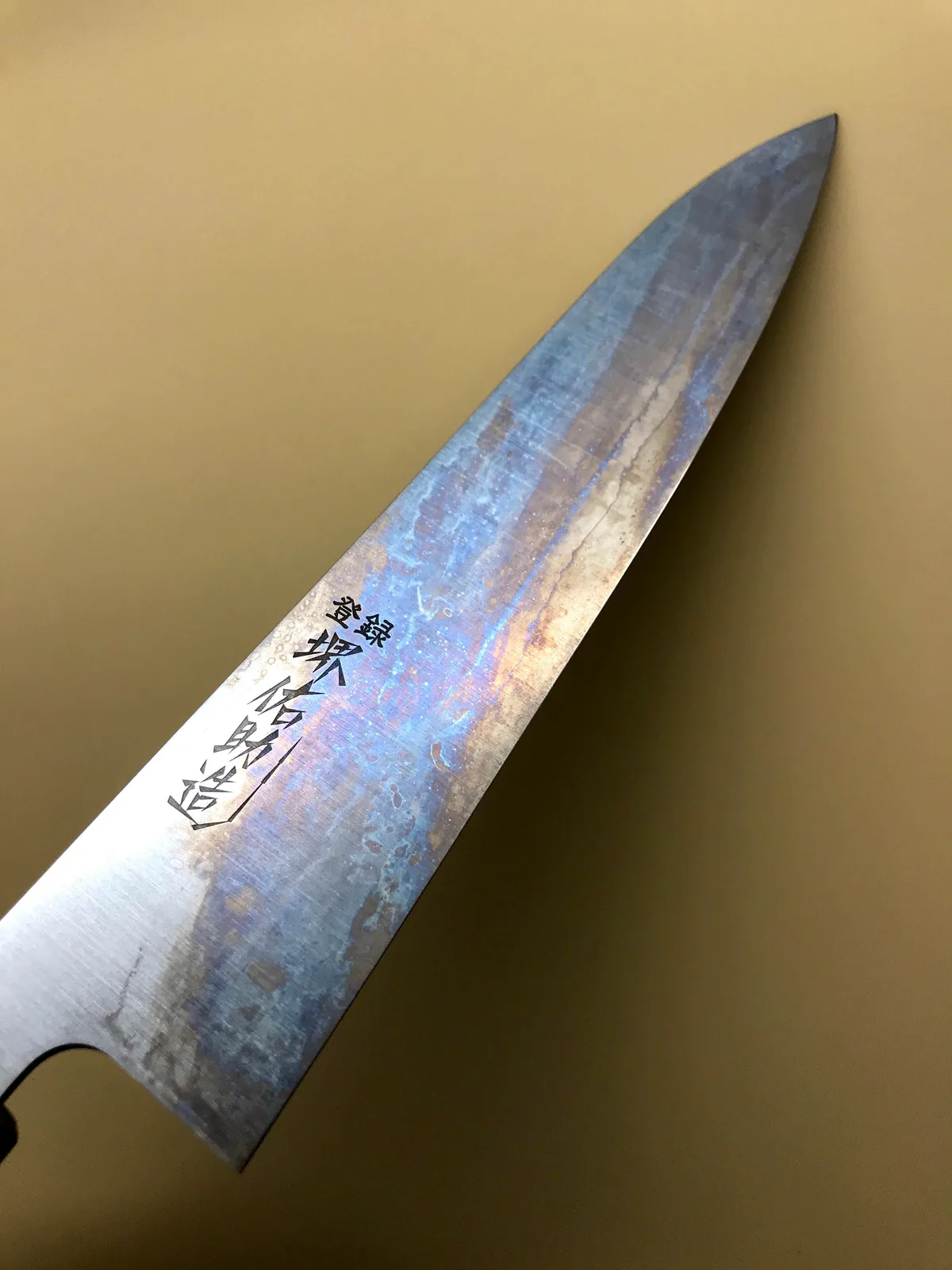
Image source: Bing (Web (fair-use with source credit))
Manufacturer specifications for high-carbon steel knives often highlight their ability to achieve Rockwell hardness ratings upwards of 60 HRC, a measure of its resistance to scratching and deformation. This hardness contributes to both sharpness and how long that edge lasts through use. But this very quality means it can readily interact with elements like moisture and acids, leading to changes in the blade's surface.
Stainless Steel: The Low-Maintenance Champion
Stainless steel takes the basic iron-carbon alloy and adds chromium, typically at a minimum of 10.5%. This addition is what gives it its signature "stainless" quality, making it far more resistant to rust and corrosion than plain carbon steel. This makes it a forgiving material for everyday use.
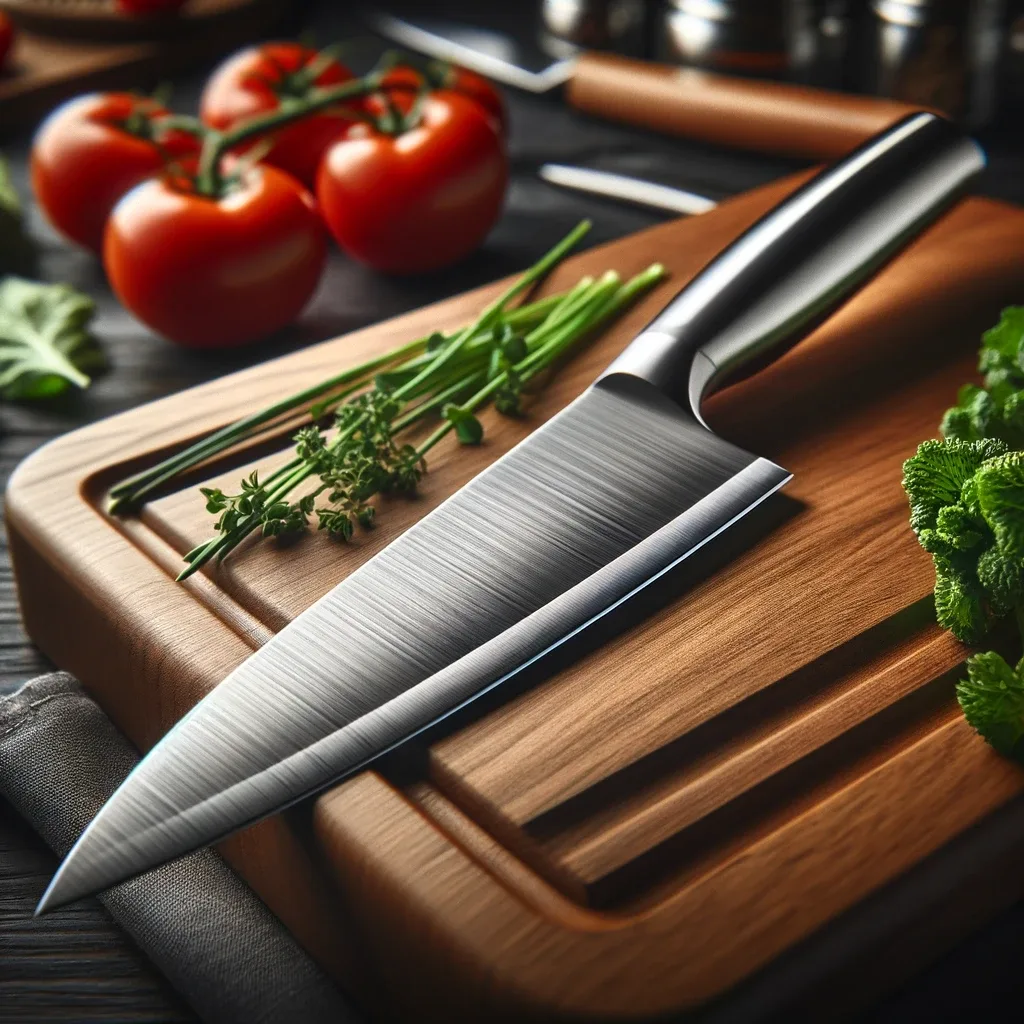
Image source: Bing (Web (fair-use with source credit))
According to standards like ASTM A240, the chromium forms a passive oxide layer on the surface. This layer acts as a shield, preventing oxygen from reaching the underlying metal and thus inhibiting rust. While some high-performance stainless steels can rival carbon steel in hardness and edge retention, they generally offer a more user-friendly experience for those who aren't keen on meticulous blade care.
Pros and Cons: Weighing Your Options
Choosing between carbon steel and stainless steel often comes down to what you value most in a kitchen tool. Each material offers a unique set of advantages and disadvantages that directly impact how the knife performs and how much attention it requires.
Carbon Steel: The Keen Edge and Its Demands
The primary draw of carbon steel is its unparalleled ability to achieve and maintain an extremely sharp edge. This means slicing, dicing, and chopping feel effortless, making precise cuts a reality. Aggregate user feedback often praises its cutting performance, describing it as a true pleasure to use for intricate tasks.
- Pros:
- Can be honed to a razor-sharp edge.
- Excellent edge retention; stays sharp longer.
- Generally easier to sharpen when it does dull.
- Develops a unique patina that can offer some protection.
- Cons:
- Highly susceptible to rust and corrosion if not dried immediately.
- Can react with acidic foods, potentially imparting a metallic taste.
- Requires diligent handwashing and drying after every use.
The need for immediate drying is paramount. Leaving a carbon steel knife wet for even a few minutes can lead to rust spots forming. This isn't just an aesthetic issue; prolonged rust can degrade the steel over time.
Stainless Steel: The Low-Maintenance Champion's Trade-offs
Stainless steel's main appeal is its resilience. Its built-in resistance to rust and staining means it can handle the demands of a busy kitchen without constant worry. You can typically wash and dry stainless steel knives and set them aside without immediate concern for damage.
- Pros:
- Excellent resistance to rust and staining.
- Low maintenance requirements.
- Does not react with most foods, preserving flavor.
- Durable and long-lasting.
- Cons:
- May be harder to sharpen to the same extreme fineness as carbon steel.
- Edge retention can vary significantly between different stainless steel alloys.
- Does not develop a patina, offering a less "characterful" aesthetic for some.
While modern stainless steels have improved dramatically, some argue that they can still be slightly more challenging to sharpen to a surgical edge compared to their carbon steel counterparts. However, for the vast majority of home cooking applications, the difference is often negligible.
Who Wins For What: Best Use Cases
The ideal knife material isn't a universal decision; it's deeply personal and dependent on your kitchen habits and priorities. Understanding who each type of steel is best suited for can help you make a more informed choice.
Carbon Steel: For the Dedicated Cook
If you find joy in the craft of cooking and appreciate the meticulous care of your tools, carbon steel might be your perfect match. This steel type appeals to those who view their knives not just as implements, but as extensions of their culinary skill.
- Best for:
- Anyone who enjoys the ritual of knife maintenance.
- Tasks requiring extreme precision and a scalpel-like edge (e.g., delicate fish filleting, intricate vegetable carving).
- Cooks who want the sharpest possible blade and are committed to daily care.
- Those who appreciate the visual development of a patina over time.
For instance, a chef specializing in sushi preparation or intricate garnishes might lean heavily on a carbon steel knife for its ability to make the finest possible cuts. As of 2026, many artisanal knife makers continue to champion carbon steel for its unparalleled sharpness.
Stainless Steel: For the Busy Kitchen
Stainless steel shines in environments where convenience and durability are paramount. If your kitchen is a whirlwind of activity and you need knives that can handle a lot with minimal fuss, this is likely your go-to.
- Best for:
- Home cooks with limited time for knife maintenance.
- Families with children or multiple users where a robust, forgiving knife is essential.
- Anyone who prioritizes rust-free performance and ease of cleaning.
- Those who frequently work with acidic ingredients like tomatoes, lemons, or vinegars.
Imagine a parent preparing packed lunches for school every morning; a quick wash and dry for a stainless steel knife is a much more practical routine than the immediate, thorough drying required for carbon steel. Its resistance to staining also means it stays looking good, batch after batch.
The Real-World Kitchen: Common Scenarios
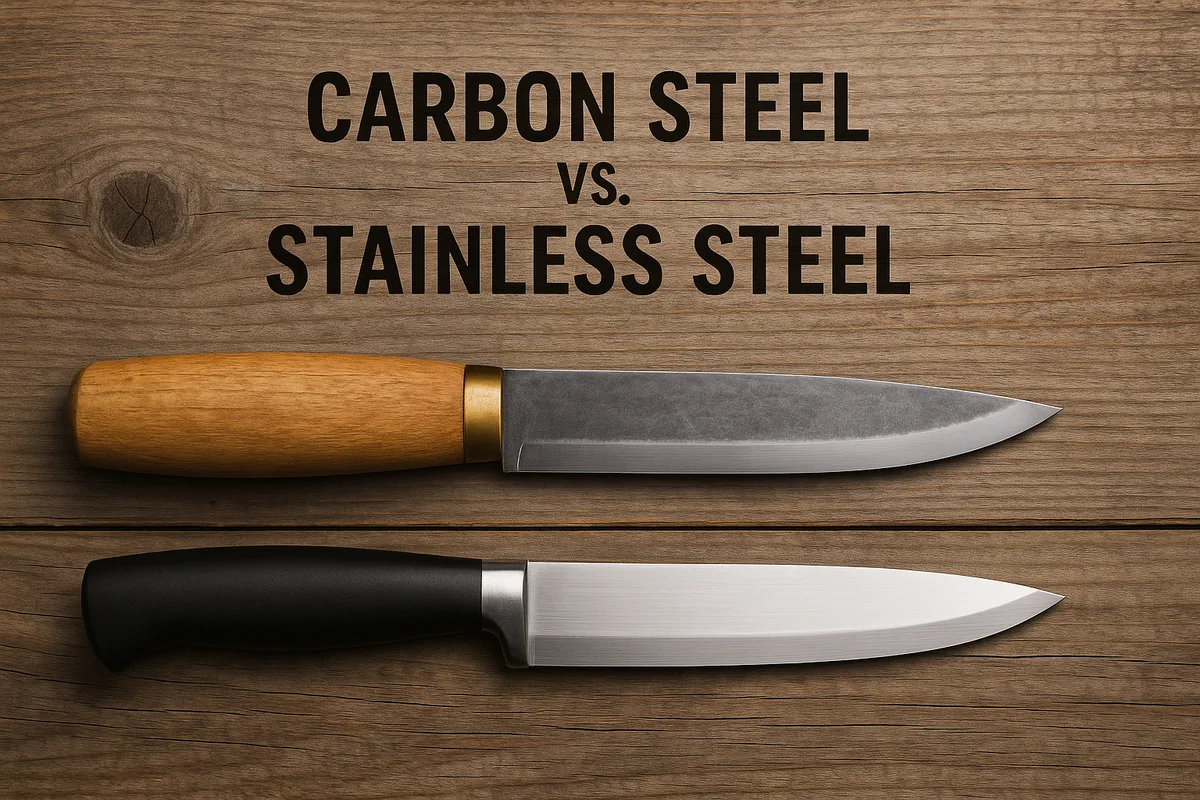
Image source: Bing (Web (fair-use with source credit))
Let's talk about how these differences actually play out when you're cooking. Picture yourself prepping dinner after a long day. You grab your knife to slice some onions.
If it's carbon steel, you're going to want to wash and dry it thoroughly the moment you're done with the onions, especially if you're moving on to something acidic like a tomato salad next. Letting those onion juices sit can start to discolor or even rust the blade if you're not careful.
Now, if you grab your stainless steel knife for the same job, you can slice, dice, and move on to other tasks. When you're finally cleaning up, a quick wash and dry will keep it in tip-top shape, no immediate panic required. This real-world difference in handling is why many people find stainless steel so appealing for daily, no-fuss use.
It simply requires less attention to maintain its integrity.
Mistakes to Avoid With Each Type
When you're working with knives, understanding what not to do is just as important as knowing what to do. Little mistakes can lead to big problems, especially with carbon steel.
Carbon Steel Care Faux Pas
The biggest pitfall with carbon steel is neglecting its need for immediate attention.
- Dishwasher Danger: Never, ever put a carbon steel knife in the dishwasher. The prolonged exposure to water, harsh detergents, and high heat will almost certainly cause rust and can damage the handle.
- Soaking Sin: Don't let your carbon steel knife soak in the sink. Even a few minutes of submersion can start the rusting process. Wash it right after use and dry it completely.
- Abrasive Scrubbing: While you need to clean it well, using steel wool or harsh abrasives can scratch the blade and potentially remove the protective patina you've worked to build. A soft sponge or cloth is best.
Stainless Steel Slip-Ups
While more forgiving, stainless steel isn't invincible.
- Leaving It Wet: Although it resists rust better, leaving a stainless steel knife wet for extended periods, especially with salty or acidic residues, can still lead to discoloration or minor pitting over time. Prompt drying is still good practice.
- Improper Sharpening: Using the wrong sharpening tools or technique on a quality stainless steel knife can damage the edge, making it harder to maintain its sharpness. Stick to recommended sharpening methods for your specific steel type.
- Ignoring Damage: While resistant, severe impacts or exposure to highly corrosive substances can still damage stainless steel. Don't assume it's indestructible.
Expert Tips for Choosing and Caring
Selecting the right knife is just the first step; understanding how to care for it ensures it performs optimally for years. For carbon steel, this means adopting a proactive maintenance routine. Always wash your carbon steel knife by hand immediately after use with warm water and a mild dish soap.
Crucially, dry it completely with a soft, lint-free cloth before putting it away. A light application of food-grade mineral oil can provide an extra layer of protection against rust, especially if you don't use the knife daily.
Maintaining Your Carbon Steel Edge
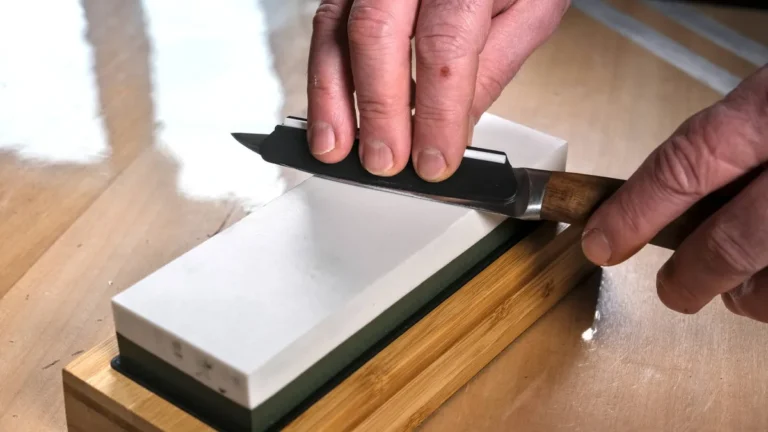
Sharpening is key to keeping carbon steel knives at their best. They are generally easier to sharpen than many stainless steels. A good whetstone is invaluable for honing the edge to a fine point.
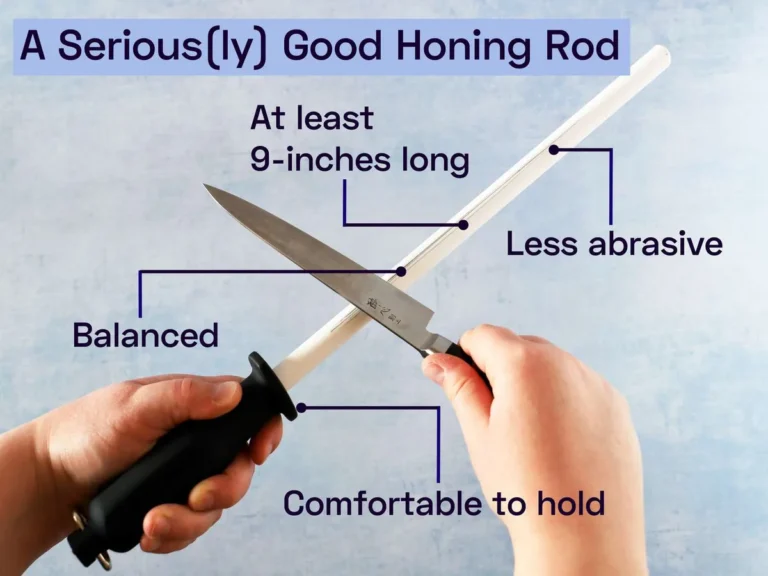
Consistent honing with a sharpening steel between uses can help maintain the edge, but a full sharpening on a stone will be needed periodically. Our research indicates that a 1000-grit whetstone is a good starting point for most home cooks.
Stainless Steel Best Practices
While stainless steel is more forgiving, proper care still extends its lifespan and performance. Wash stainless steel knives by hand with warm water and soap, just like carbon steel, though immediate drying isn't as critical. However, it's still best practice to avoid prolonged contact with corrosive substances or allowing them to sit in a wet environment.
This prevents potential pitting or staining over the long term.
- Regular Honing: Use a honing steel regularly to keep the edge aligned and sharp between sharpenings.
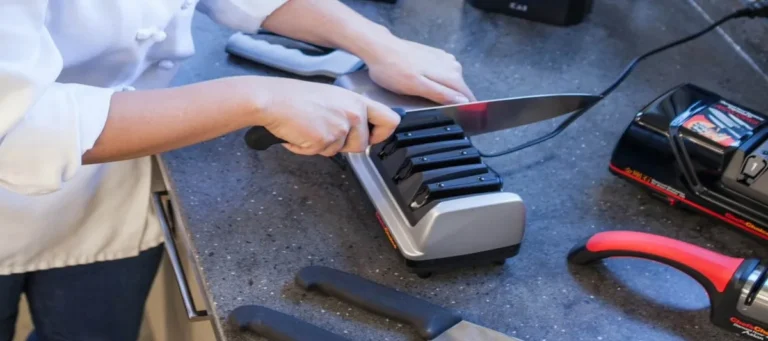
- Occasional Sharpening: Even stainless steel will dull over time. Use a sharpening stone or a reputable electric knife sharpener designed for your steel type. High-quality stainless steels often benefit from finer grit stones for optimal edge refinement.
- Avoid Harsh Cleaners: Stick to mild dish soap. Harsh chemicals or abrasive pads can still scratch or dull the blade, even on stainless steel.
Frequently Asked Questions About Knife Steels
Are carbon steel knives really that hard to maintain?
They require more diligence, yes. The main point is immediate washing and thorough drying after every use to prevent rust. Unlike stainless steel, they can develop rust spots quickly if left wet or exposed to moisture.
Can stainless steel knives get just as sharp as carbon steel?
High-quality stainless steel alloys can indeed achieve excellent sharpness, sometimes rivaling carbon steel. However, achieving and maintaining that ultra-fine, razor-sharp edge may require more effort or specific sharpening techniques compared to carbon steel.
What is a patina on a carbon steel knife, and is it bad?
A patina is a natural discoloration that forms on carbon steel as it reacts with food acids and oils. It's not rust and actually helps protect the blade from further corrosion. It's a sign of a well-used, well-loved carbon steel knife and is generally considered a desirable characteristic by many enthusiasts.
How often should I sharpen my knives?
This depends heavily on usage. For a carbon steel chef's knife used daily, daily honing and sharpening every few weeks might be needed. For a stainless steel knife, honing might be weekly, with sharpening needed every couple of months, depending on how often it's used and the quality of the steel.
Is one type of steel better for beginners?
For beginners, stainless steel is generally recommended due to its lower maintenance and rust resistance. It allows new cooks to focus on technique without the added worry of blade care. As skill and interest grow, many beginners move on to explore carbon steel.