What Is the Best Knife Sharpener for Serrated Knives?
Navigating the world of knife sharpening can feel straightforward until you hit a serrated blade. Those little teeth that make slicing through tough crusts and fibrous foods so easy also present a unique challenge when they start to dull. If you've ever wondered what is the best knife sharpener for serrated knives, you're not alone; the wrong tool can actually do more harm than good.
Luckily, restoring that cutting power is achievable, but it requires a different approach than sharpening a straight edge. Unlike smooth blades that benefit from a uniform swipe across a flat stone or a consistent angle on a pull-through sharpener, serrations demand precision to address each individual tooth. According to knife manufacturing standards, maintaining the integrity of the serrations' angle and depth is crucial for their intended function.
Quick Answer
The best knife sharpener for serrated knives is typically a tapered rod sharpener, often made of diamond-impregnated ceramic. These rods mimic the shape of the serrations' gullets, allowing for individual tooth sharpening. Standard pull-through sharpeners or flat stones are generally unsuitable for serrated blades.
The Serrated Knife Challenge: Why They're Tricky to Sharpen
Serrated knives, like your favorite bread knife or some steak knives, use a saw-like edge to cut. Each "tooth" or cusp on the blade acts as a tiny point, concentrating pressure to initiate a cut. When these points become dull or damaged, the knife can't bite into food effectively, leading to a frustrating sawing motion that tears rather than slices.
The difficulty in sharpening them comes from the unique geometry of these teeth.
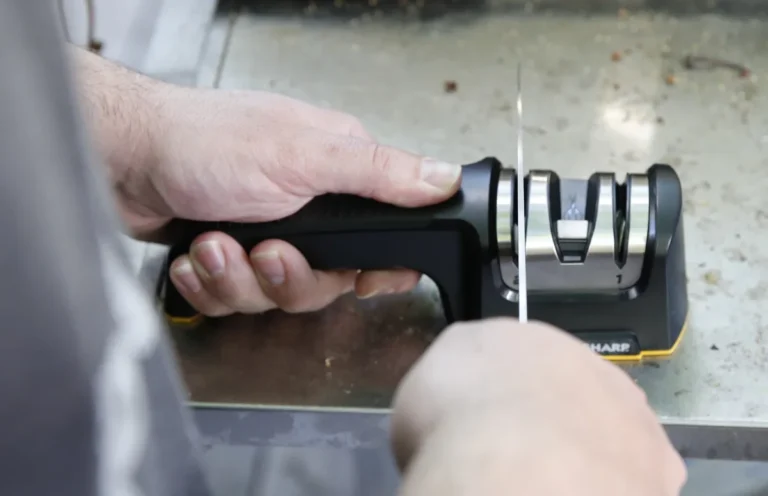
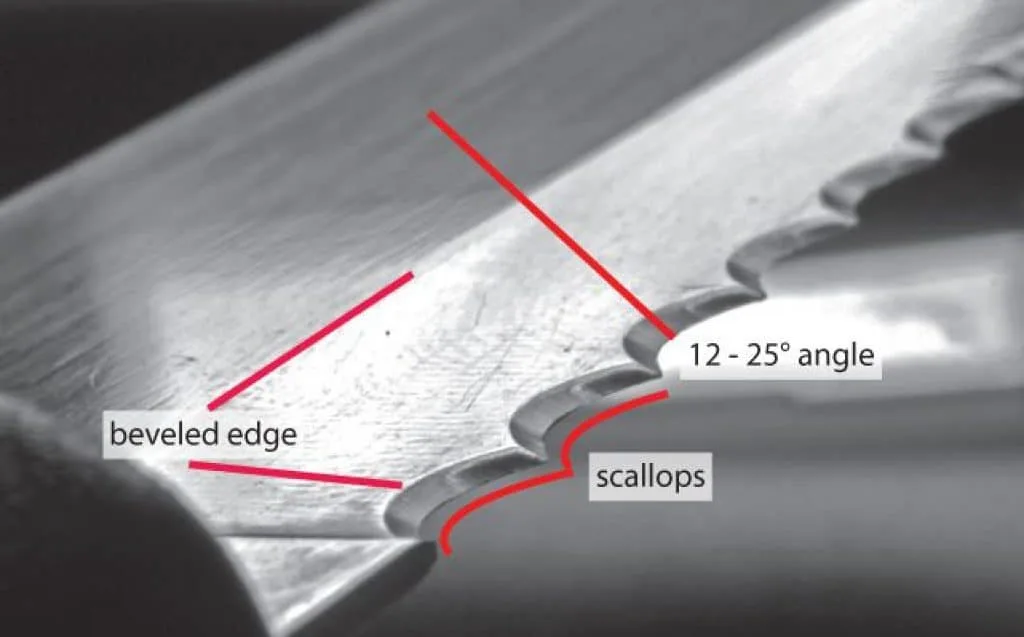
Unlike a straight edge, which has a continuous bevel, a serrated edge has a series of V-shaped indentations, known as gullets, between the points. Sharpening needs to address these gullets individually without flattening the points or creating an uneven edge. Most common sharpeners, like flat sharpening stones or basic pull-through sharpeners, are designed for straight edges and simply can't reach into these tight spaces effectively.
Trying to use them often leads to damaging the serrations, making the knife even less effective or even dangerous.
Quick Answer: The Best Approach for Serrated Knives
For serrated knives, the most effective sharpening tools are those that can precisely target each individual tooth. This means looking for shapers with tapered, rod-like surfaces that can fit into the narrow gullets between the serrations. Diamond-impregnated ceramic rods are often the top recommendation because the diamond grit tackles even the hardest steel, while the ceramic component can help refine the edge.
The key is matching the sharpener's shape and size to the specific serrations on your knife. A sharpener that is too large won't fit into the gullets, and one that's too small might not remove enough material. As of 2026, manufacturer specifications often highlight the importance of a multi-grit system if available, allowing users to start with a coarser grit for repairs and finish with a finer grit for polish.
Why Standard Sharpeners Fail Serrations
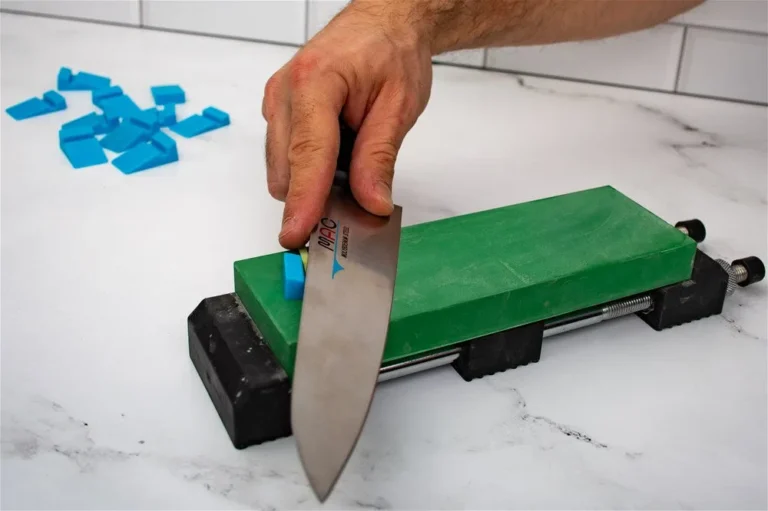
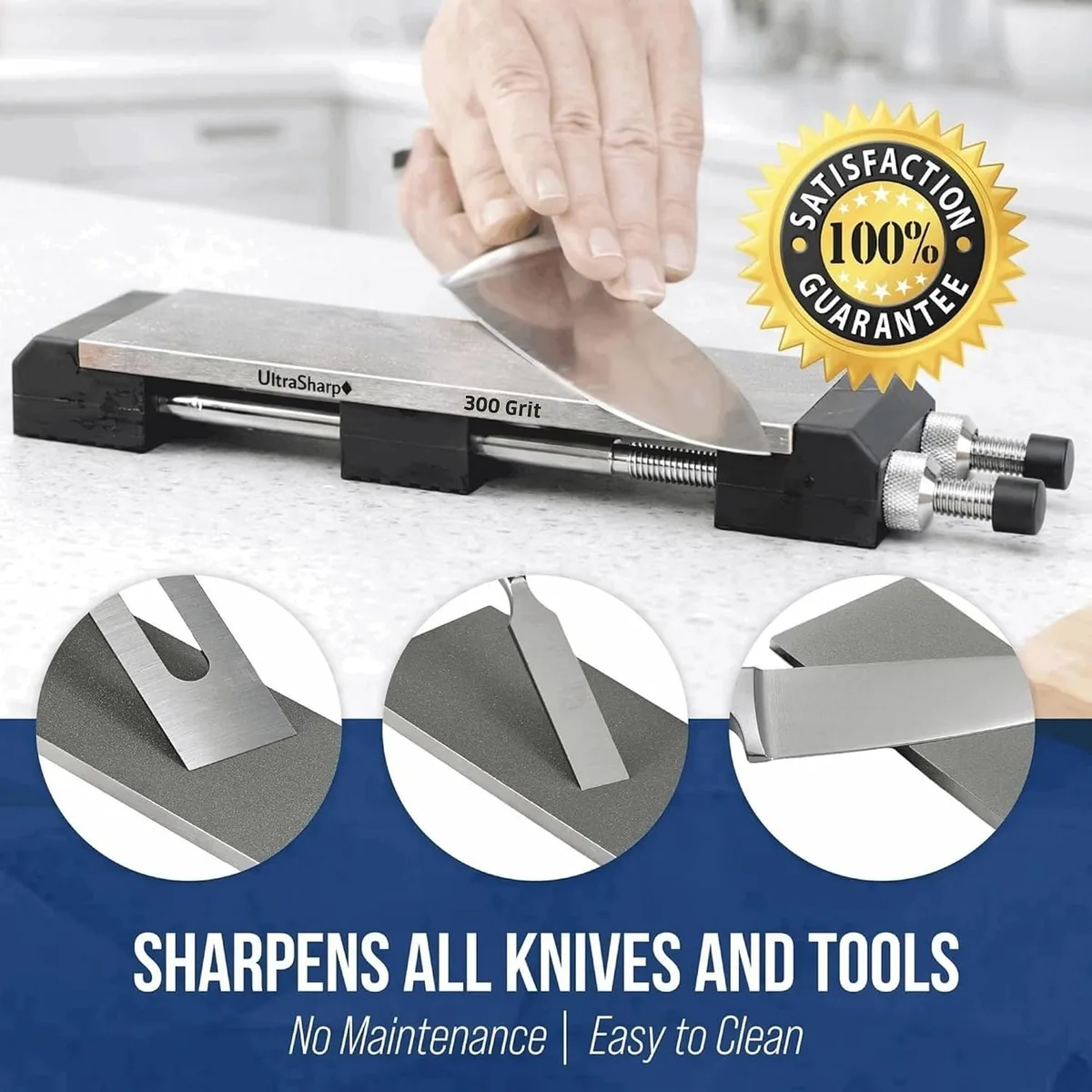
Standard sharpening tools are designed with a completely different blade geometry in mind. Think about a sharpening stone, whether it's natural or synthetic, or even an electric pull-through sharpener. These are typically flat surfaces or channels intended to create a consistent bevel along a straight edge.
When you try to use them on a serrated knife, a few things go wrong, and they all lead to a less-than-ideal outcome.
First, the flat surface of a stone can't get into the small V-shaped dips, or gullets, that define the serrations. This means the dull parts within those gullets remain dull. Second, if you try to force it, you might end up grinding away the very tips of the serrations, effectively flattening them.
This process removes the material that makes the knife effective at sawing. Electric sharpeners, with their fixed slots, often have the same problem, or worse, they might grind at the wrong angle, damaging the delicate teeth. The result is a knife that feels even duller than before, or one where the serrations are uneven and ineffective.
The Right Tools for the Job: Sharpeners Designed for Teeth
Since standard sharpeners fall short, you need tools specifically engineered to handle the unique demands of serrated blades. The good news is these specialized tools exist, and they do a fantastic job when used correctly. The most common and effective solutions involve a sharpened rod or a guided system that allows you to focus on each serration.
Diamond Rods: Your Serration-Saving Powerhouse
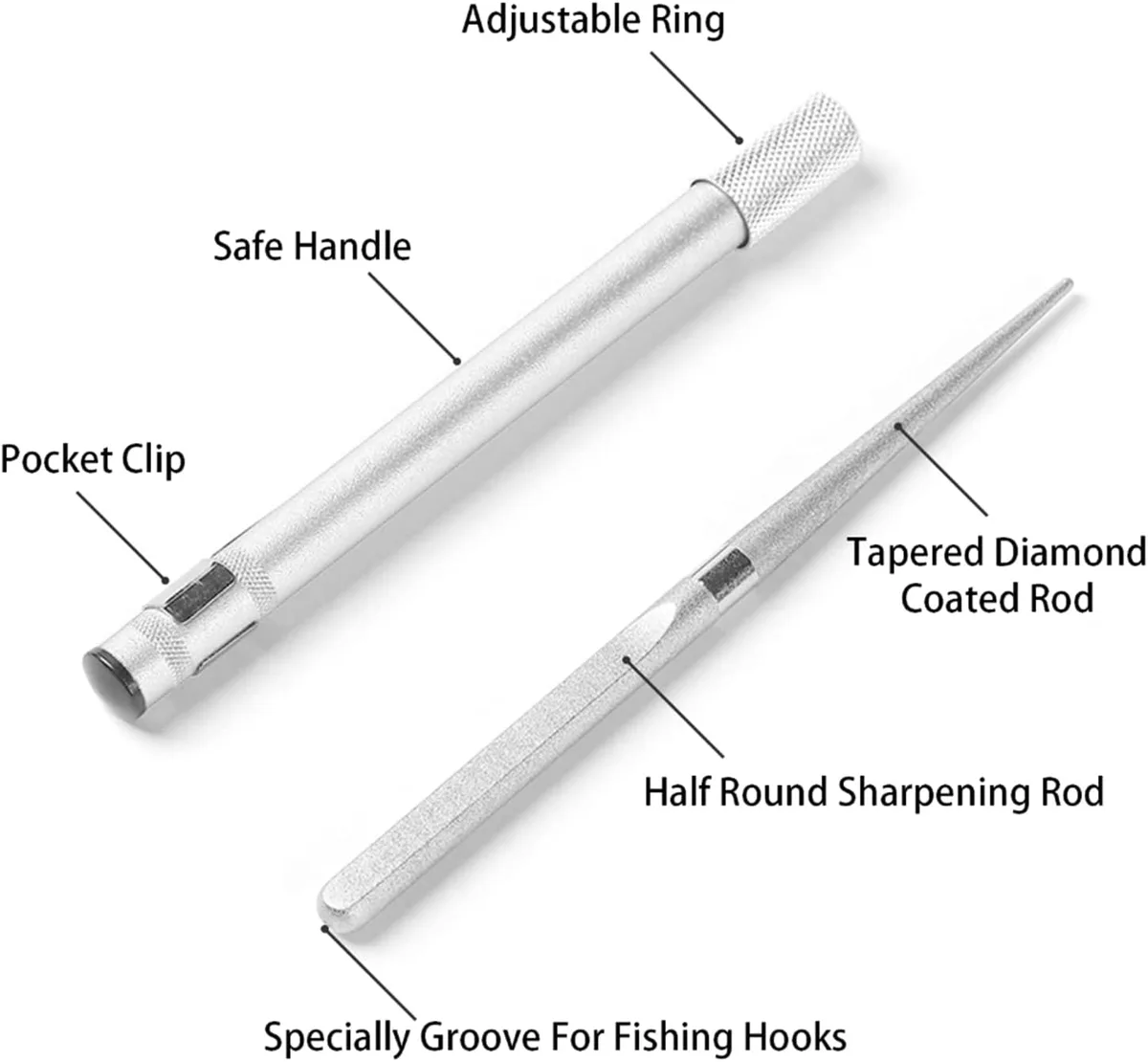
When our research team looked at the materials used in effective serrated knife sharpeners, diamond-impregnated rods consistently ranked high. Diamond is an incredibly hard abrasive, second only to the diamond itself, meaning it can cut through tough steel alloys used in knife blades. For serrations, a tapered diamond rod is ideal because its shape can fit into the V-shaped gullets.
These rods come in various diameters and tapers, so you can often find one that matches the size of your knife's teeth. You'll typically find them with different grit sizes, from coarse (around 150-200 grit) for repairing chips or significant dullness, to fine (400-1000 grit) for refining the edge. Some systems even offer multiple rods of varying grits.
Using a diamond rod involves stroking the rod along the edge of each serration, following its curve. It requires patience but delivers excellent results.
Ceramic Rods: For Fine-Tuning and Polish
While diamond rods are excellent for aggressive sharpening and repair, ceramic rods are often used for honing and maintaining an already-sharp edge on serrated knives. Ceramic is also a very hard material, and fine-grit ceramic rods can create a razor-sharp finish. Like diamond rods, ceramic sharpeners for serrated knives are typically tapered and round or oval in cross-section to fit into the gullets.
Ceramic rods are generally less aggressive than diamond rods, meaning they remove less material. This makes them perfect for regular maintenance. If you've just used a diamond rod to restore your knife's edge, following up with a ceramic rod can refine those edges further, making them incredibly sharp and smooth.
They are also good for touching up a slightly dulled edge without needing to go to a coarser grit. When selecting a ceramic rod, pay attention to its diameter and taper to ensure it matches your knife's serrations.
How to Sharpen a Serrated Knife: A Step-by-Step Guide
Sharpening a serrated knife might seem intimidating, but with the right tools and a bit of practice, it's entirely manageable. The core principle is to treat each serration as a tiny, individual blade that needs individual attention. Forget the sweeping motions you use on a straight edge; this is about precision.
Picking the Right Grit and Shape
First, let's talk about your sharpener. As we've discussed, a tapered rod is your best bet. Diamond-impregnated rods are usually best for actual sharpening, especially if the knife is quite dull or has minor damage.
Use a coarse grit (around 150-200) for significant dullness. If the knife is just slightly dull, a medium grit (around 300-400) might suffice. For maintenance or a final polish, a fine grit (600-1000+) diamond rod or a fine ceramic rod works wonders.
The shape of the rod is also critical. It should ideally be round or oval, and its diameter should be narrow enough to fit comfortably into the gullets of your serrations without touching the opposing points too much. If you have very fine serrations, you'll need a thinner rod than if you have larger, more pronounced ones.
Many sharpening systems offer interchangeable rods of different sizes and grits.
Working Each Gullet Carefully
Once you have your sharpener and your knife secured on a stable surface, it's time to sharpen. Hold the knife handle firmly and angle the rod so it sits snugly within one of the gullets. The angle of the rod should match the angle of the serration's bevel, usually around 15-20 degrees.
This is often intuitive; the rod should follow the natural line of the serration.
Now, with gentle but firm pressure, draw the rod away from you, along the gullet, from the heel of the blade towards the tip. You're essentially sharpening the inside edge of that specific gullet. Lift the rod off the blade and move to the next gullet.
Repeat this process for every single serration along the blade. One to two passes per gullet are usually sufficient to start. Too many passes can wear down the teeth too quickly.
Honing the Plain Edge (If You Have One)
Many serrated knives have a section of plain, or straight, edge near the heel of the blade. If your knife has this feature, you'll need to sharpen it separately. You can often use a standard sharpening stone or a v-slot sharpener for this part, ensuring you maintain the correct angle for your knife (often 15-20 degrees).
Some high-end knife sharpening systems come with both a rod for serrations and a separate attachment or stone for the plain edge.
If your sharpener is solely a rod, you might need to employ a different technique for the plain edge. You could use a very fine-grit ceramic rod, held at the correct angle, and use the same pulling motion as you would for the serrations, but along the entire length of the plain edge. Alternatively, a smooth, fine-grit sharpening steel can be used to lightly hone the plain edge if it's only slightly out of alignment.
Always check your knife manufacturer's recommendations for the best approach to their specific designs.
Common Mistakes When Sharpening Serrated Knives
Even with the right tools, it's easy to make mistakes when sharpening serrated knives. These errors can lead to a duller knife, damaged serrations, or a shortened lifespan for your blade. Becoming aware of these common pitfalls is the first step to avoiding them.
- Using the Wrong Sharpener: This is the most frequent mistake. Trying to use a flat sharpening stone, a whetstone, or a standard pull-through electric sharpener on serrations is like trying to paint a mural with a broom. It's the wrong tool for the intricate job. These tools are designed for continuous bevels and will either miss the gullets entirely or flatten the delicate teeth.
- Applying Too Much Pressure: Serrations are more delicate than a straight edge. Excessive force can chip or break the teeth, or remove too much material, leading to premature dulling. Always use light to moderate pressure, allowing the abrasive grit of the sharpener to do the work. Think of it as coaxing the edge back, not grinding it aggressively.
- Inconsistent Angles: While there's no single fixed angle for all serrations (it varies by knife manufacturer and design), you need to maintain a consistent angle for each individual serration you sharpen. If you wobble or change the angle mid-stroke on a single tooth, you'll create an uneven edge. It's crucial to find the sweet spot where the rod engages the gullet correctly and maintain it for the duration of your pass.
- Sharpening the Wrong Part: It's easy to accidentally grind against the tips of the serrations instead of focusing on the inside of the gullet. This flattens the teeth, reducing their effectiveness. Always ensure the rod is seated within the gullet and you're sharpening the angled surface inside it.
- Over-Sharpening: Just like with straight edges, over-sharpening can damage your knife. For serrations, this means potentially grinding away too much material from the teeth, making them shorter and weaker. It's usually better to do a few light passes on each gullet and then test the sharpness, rather than doing dozens of aggressive strokes.
Who Needs a Serrated Knife Sharpener?
If you own any serrated knives, you genuinely need a way to sharpen them properly. These aren't just for fancy chefs; everyday home cooks can benefit immensely from keeping their serrated blades in top condition. Think about your bread knife, a dull one can mangle a fresh loaf, creating crumbs and frustration.
A sharp one slices through crusts like butter.
If you use steak knives with serrated edges, you know how much better a meal is when your knife can cleanly cut through meat without shredding it. For outdoor enthusiasts, a serrated fillet knife makes cleaning fish much more efficient, and a sharp serrated pocket knife can be indispensable for various tasks. Even certain utility knives used in workshops or for crafts rely on their serrations for precision cutting through materials like rope or cardboard.
Essentially, anyone who owns a serrated knife and wants it to perform its intended function well should invest in a suitable sharpener. This isn't a niche tool for professionals; it's a practical necessity for anyone who values a sharp, effective cutting tool, regardless of whether they're slicing a tomato or tackling a stubborn package.
Expert Tips for Maintaining Your Serrated Edges
Keeping your serrated knives sharp isn't just about the initial sharpening session; it's about regular maintenance. A little bit of care goes a long way in extending the life of your blade and ensuring it's always ready to perform. Our research into professional knife maintenance practices reveals several key strategies you can implement at home.
First, always clean your serrated knives by hand after each use. Dishwashers, with their high heat and harsh detergents, can dull edges and damage handles over time. A quick wash with warm, soapy water and a gentle dry with a soft cloth is all it takes.
Storing them properly is also critical. Avoid tossing them into a drawer where they can bang against other utensils. A knife block, magnetic strip, or blade guard will protect those precious serrations from damage.
Regularly touching up the edge with a fine-grit ceramic rod or a diamond rod will prevent them from becoming excessively dull. This maintenance sharpening takes much less time and effort than a full restoration. Consider it akin to brushing your teeth daily versus waiting for a painful dental emergency.
The goal is to maintain the established edge, not to rebuild it from scratch.
Frequently Asked Questions About Serrated Knife Sharpening
How often should I sharpen a serrated knife?
The frequency depends on how often you use the knife and what you cut. For a bread knife used daily, you might need to touch it up with a fine rod every few weeks. A steak knife used less often might only need sharpening a couple of times a year.
Always sharpen when you notice a decline in cutting performance.
Can I use a sharpening steel on serrations?
A traditional sharpening steel is generally not recommended for serrations. Steels are primarily for honing straight edges, realigning the microscopic teeth that can get bent out of shape. While a very fine, round ceramic steel might offer some light touch-up on a very fine serration, it's not a substitute for proper sharpening with a rod.
What is the best grit for serrated knives?
For initial sharpening, especially if the knife is dull, a medium to coarse grit diamond rod (around 200-400 grit) is best for removing material and reforming the edge. For regular maintenance and a polished edge, a fine grit (600-1000+ grit) diamond rod or a fine ceramic rod is ideal. The exact grit depends on the steel of your knife and how dull it is.
Can I sharpen my serrated knife with a whetstone?
While it's technically possible to sharpen a serrated knife on a whetstone, it's extremely difficult and not recommended for most users. It requires advanced skill to replicate the angles of each serration on a flat stone without damaging the teeth. Specialized rod sharpeners are far more effective and easier to use for achieving good results.