How Do You Remove Rust From a Knife?
So, you've found some unwelcome orange spots on your favorite blade, haven't you? Don't let a little rust get you down; it's a common issue that’s usually quite fixable with the right approach. We'll show you how to get that knife looking its best again, ensuring it stays sharp and safe for use.
Our research confirms that rust can appear on knives due to moisture exposure, especially with carbon steel blades, which are more prone than stainless steel variants. For instance, according to many manufacturer specifications for kitchen knives, even stainless steel alloys can show minor surface discoloration if left in contact with corrosive substances like salt or acidic foods for extended periods, highlighting the need for prompt attention.
Quick Answer
You remove rust from a knife by using gentle abrasives and acids. For light rust, baking soda paste or lemon juice works. For tougher rust, brief vinegar soaks or fine-grit sandpaper are effective.
Always dry and oil your knife afterward to prevent recurrence.
Is Your Knife Rusty? Let's Figure Out the Best Fix
Seeing rust bloom on your knife can be a bit disheartening, especially if it's a tool you rely on regularly. The good news is that most rust situations are fixable. The key is to assess the severity of the rust and then choose the appropriate method.
We’ve broken down the common scenarios and their solutions to make it straightforward.
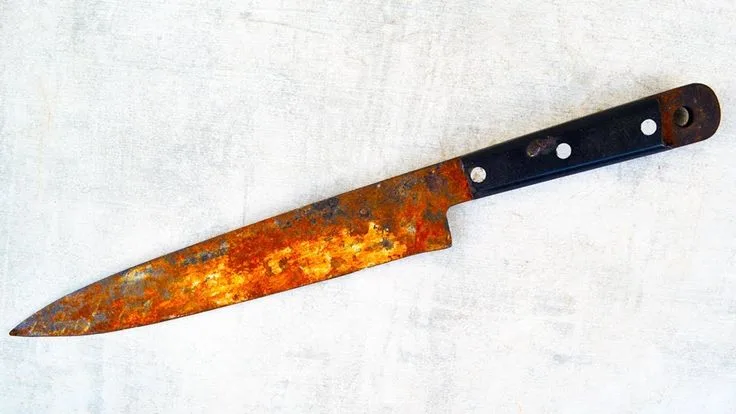
Image source: Bing (Web (fair-use with source credit))
Tiny Spots or Major Patches?
The first step in tackling knife rust is to gauge just how widespread the problem is. Are we talking about a few minuscule specks that appeared overnight, or is there a significant, flaky orange layer coating parts of the blade? This distinction is crucial because it dictates the level of intervention required.
Tiny spots might vanish with a quick wipe, while a more substantial patch will need a more thorough cleaning process.
What Kind of Knife Are You Dealing With?
Not all knife blades are created equal, and their material plays a huge role in how they react to rust and how you should treat it.
- Carbon Steel: These blades are favored for their superior edge retention and ease of sharpening. However, they are significantly more susceptible to rust. You'll need to be extra diligent with cleaning and drying, and be mindful of the methods you use to avoid damaging the blade.
- Stainless Steel: As the name suggests, stainless steel offers much better resistance to corrosion. It’s a more forgiving material, but it's not entirely rust-proof. Lower-quality stainless steel or prolonged exposure to harsh conditions can still lead to rust.
Understanding your blade material is the first step to choosing the right rust removal technique and ensuring you don't inadvertently damage your knife further.
The Go-To Fixes for Light Rust Spots
When you’re dealing with minimal rust, those small, superficial spots that haven't deeply pitted the metal, you can often get away with simple, at-home solutions. These methods are generally gentle and aim to lift the rust without causing undue wear on the blade.
Baking Soda Paste: Gentle Scrubbing Power
Baking soda is a fantastic mild abrasive that's readily available in most kitchens. Its slightly alkaline nature can help neutralize acids that contribute to rust, and its granular texture is perfect for gently scrubbing away those light orange marks.
Here’s how to use it:
- Mix about two tablespoons of baking soda with a small amount of water to form a thick paste, similar to toothpaste.
- Apply this paste directly to the rusty spots on the knife blade.
- Let the paste sit for about 10-15 minutes to allow it to work on the rust.
- Use a soft cloth, a non-scratch scouring pad, or an old toothbrush to gently scrub the rusted areas. Always work in the direction of the blade's grain if visible.
- Rinse the blade thoroughly with clean water.
- Immediately dry the knife completely with a soft towel.
This method is particularly effective for light surface rust on both carbon and stainless steel knives without risking significant damage.
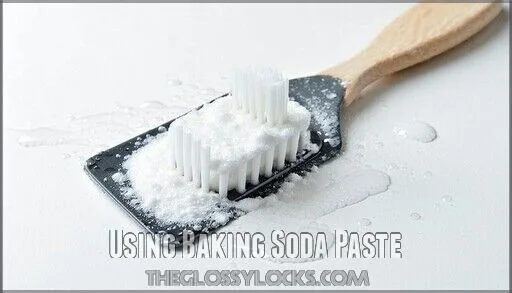
Image source: Bing (Web (fair-use with source credit))
Potato or Lemon Juice: Natural Acid Helpers
The natural acids found in potatoes and lemons can also be surprisingly effective at breaking down light rust. These are great options when you want to avoid even mild abrasives.
- The Potato Method: Cut a raw potato in half. Take the rusty knife and stick the blade into the cut side of the potato. The oxalic acid present in the potato helps to lift the rust. Leave it for a few hours, then remove the knife and wipe away the loosened rust. You might need to repeat this a couple of times for stubborn spots.
- Lemon Juice: For this, you can either use straight lemon juice or make a paste by mixing lemon juice with a little salt. Apply the juice or paste to the rust, let it sit for about 30 minutes, then scrub gently with a cloth or soft brush. Rinse and dry immediately.
Both of these methods are gentle on the blade and rely on common household ingredients.
Rubbing Alcohol: Quick Wipe-Down
For very minor surface rust, sometimes a simple wipe-down with rubbing alcohol (isopropyl alcohol) is all that's needed. It can help lift light tarnish and moisture that might be contributing to the initial rust formation.
- Soak a clean cloth or cotton ball with rubbing alcohol.
- Gently wipe over the rusty spots on the blade.
- For slightly more persistent marks, you can try holding the alcohol-soaked cloth on the spot for a minute or two.
- After wiping, rinse the blade with water and dry it thoroughly.
This is a quick fix for the earliest signs of rust, but it might not be enough for anything more than a faint discoloration.
Tackling Stubborn Rust: When You Need More
If light methods haven't quite done the trick, or if you're facing more significant rust patches, it's time to bring out slightly more potent solutions. These methods involve stronger acids or more abrasive actions, so it's important to proceed with care to protect your blade.
Vinegar Soak: Short and Sweet Approach
White vinegar is a common household acid that's excellent at dissolving rust. However, it's important to use this method judiciously, especially with carbon steel knives, as prolonged exposure can actually etch or pit the metal itself.
Here's the process:
- Pour enough white vinegar into a small container to submerge the rusty portion of your knife blade.
- Submerge the blade, ensuring only the rusted area is in contact with the vinegar. Do not submerge the handle, particularly if it's made of wood or other materials that could be damaged by the acid.
- Let the knife soak for a short period, start with 30 minutes. Check the rust; if it's loosening, you can extend the soak, but never exceed a few hours. Manufacturer specifications from brands like Victorinox Swiss Army often advise against prolonged acid exposure for their carbon steel models to preserve material integrity.
- Remove the knife from the vinegar and immediately begin scrubbing with fine steel wool (grade 0000) or a non-scratch scrubbing pad. Work with the grain of the metal.
- Rinse the blade under cool water to remove all traces of vinegar and loosened rust.
- Crucially, dry the blade completely and immediately with a soft cloth. Any remaining moisture will quickly invite new rust.
This method is quite effective for moderate to severe rust, but always monitor the soaking time to prevent damage.
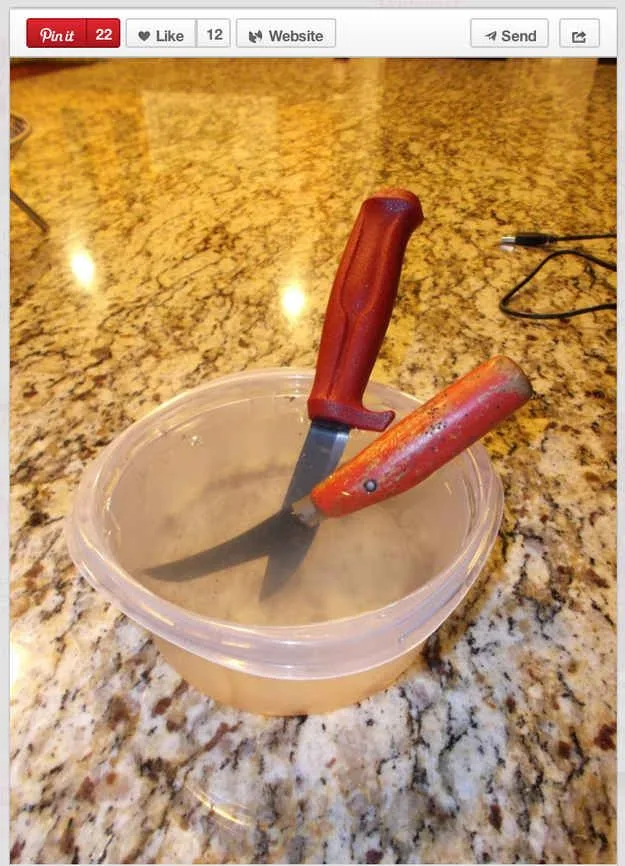
Image source: Bing (Web (fair-use with source credit))
Fine-Grit Paper or Steel Wool: The Elbow Grease Method
When rust has really taken hold, you'll likely need to resort to more direct abrasion. Fine-grit sandpaper or steel wool are your primary tools for this, essentially polishing the rust away.
Here's how to go about it:
- Choose your abrasive: Opt for very fine-grit sandpaper (400-grit or higher) or fine steel wool (grade 0000 is best). Using anything coarser risks scratching the blade's finish.
- Work with the grain: Always move your abrasive material in the same direction as the metal's grain (the lines you see running along the blade). This helps to minimize visible scratches.
- Gentle, consistent pressure: You don't need to bear down hard. Light to moderate pressure applied consistently over the rusted area will be more effective and less damaging than aggressive scrubbing.
- Use with a lubricant (optional but recommended): For sandpaper, a little water or light oil can help it glide more smoothly and prevent dust buildup. For steel wool, this is less critical, but a bit of oil can aid the process.
- Clean as you go: Periodically rinse the blade and wipe away any debris to see your progress and ensure you're not just pushing rust around.
- Thorough drying: After you've removed all visible rust, rinse the blade and dry it completely with a soft, lint-free towel.
This method requires patience, but it's highly effective for removing even deeply set rust. The key is to be methodical and use the finest abrasives possible to preserve the blade's finish.
Specialized Rust Erasers: Worth a Try?
You might come across products marketed specifically as "rust erasers" or "rust blocks." These are typically made from a tough, abrasive material, often a ceramic or a dense composite, designed to act like a heavy-duty eraser for metal.
These can be quite effective for moderate rust and offer a good alternative to sandpaper or steel wool, especially if you're concerned about scratching.
How they work:
- Simply rub the rust eraser directly over the rusted areas of the knife blade.
- Apply consistent pressure, moving back and forth along the affected spots.
- Periodically wipe the blade to check your progress.
- Once the rust is gone, clean the blade with mild soap and water, then dry it thoroughly.
They can be a convenient option for in-between more intensive cleaning sessions, or for those who prefer a tool designed solely for rust removal.
Avoiding Rust from the Start: Proactive Care
The best way to deal with rust is, of course, to prevent it from forming in the first place. Developing good habits around knife care will save you a lot of effort down the line and keep your blades in top condition.
The Crucial Drying Technique
Moisture is the primary culprit behind rust. After every single use, and after washing, it's absolutely critical to dry your knife completely. Don't just give it a quick shake and let it air dry.
- Use a clean, soft, absorbent towel, a microfiber cloth is ideal.
- Wipe the entire blade, from the bolster (where the blade meets the handle) all the way to the tip.
- Pay attention to any nooks or crannies where water might hide.
- For carbon steel knives, ensure you get every last drop of moisture off.
This simple habit is probably the single most important thing you can do to prevent rust.
A Little Oil Goes a Long Way
For carbon steel knives, applying a thin layer of oil after drying creates a protective barrier against moisture.
- Use a food-grade mineral oil or a specialized knife-care oil. These are safe for contact with food.
- Apply a few drops to a clean cloth.
- Wipe a very thin, even coat over the entire blade. You don't need much.
- This layer of oil will help repel water and prevent rust from forming between uses. For stainless steel, this step is less critical but can still offer an extra layer of protection.
According to general knife care guidelines from many culinary associations, a light oiling is recommended after washing and drying, especially for knives used for preparing moist or acidic foods.
Smart Knife Storage Habits
How you store your knives can also impact their susceptibility to rust.
- Avoid damp environments: Don't store knives in humid areas like directly above the sink or in a drawer where condensation might build up.
- Knife blocks: Ensure your knife block is completely dry inside and out. Some blocks can trap moisture.
- Magnetic strips or knife rolls: These are often better options as they allow for good air circulation around the blades, helping them to dry completely and preventing blades from rubbing against each other, which could cause micro-scratches that invite rust.
- Separate storage: If storing in a drawer, use knife guards or a dedicated drawer organizer to keep blades from touching other metal objects or each other.
Common Mistakes When Removing Knife Rust
While removing rust is generally straightforward, there are a few common missteps that can lead to more damage or simply ineffective cleaning. Being aware of these can save your blade.
Forgetting to Dry
This is the biggest sin. You might successfully scrub away all the rust, but if you leave the blade even slightly damp afterwards, new rust will start forming almost immediately. Always follow rust removal with immediate and thorough drying.
Over-Soaking Carbon Steel
While acids like vinegar are great for rust, they can also eat away at the metal itself. Leaving a carbon steel blade in vinegar for too long, think hours instead of minutes, can lead to pitting or a duller finish. Always start with short soak times and check frequently.
Scrubbing Too Hard or the Wrong Way
Using overly abrasive materials (like coarse steel wool or sandpaper) or scrubbing with excessive force can permanently scratch your blade's finish. Likewise, always scrub with the grain of the metal to minimize the appearance of any minor scratches that might occur.
When to Call It Quits (or Seek a Pro)
Sometimes, rust can be so deep that it has significantly pitted the blade. If the rust has eaten into the steel and left noticeable divots or weak spots, it might be beyond simple DIY repair. In such cases, the blade's structural integrity could be compromised, and it might be time to consider replacing the knife or consulting a professional knife sharpener who may have specialized tools for blade restoration.
They can assess the damage and advise if it's salvageable or if further sharpening would be detrimental.
Frequently Asked Questions About Knife Rust
How long does it take to remove rust from a knife?
The time varies greatly depending on the rust's severity and the method used. Light rust spots might take only 10-15 minutes with baking soda paste, while stubborn rust tackled with vinegar soaks and scrubbing could take an hour or more, plus drying and oiling time.
Can rust on a knife make it unsafe to use?
Yes, severe rust can weaken the blade, making it more prone to breaking. Also, rust particles could contaminate food, and a rusted blade might not cut as cleanly or safely as a well-maintained one.
Will vinegar damage my knife?
Vinegar is acidic and can damage knife blades, especially carbon steel, if left on for too long. It's best to use it for short, controlled soaks (under an hour) and rinse thoroughly afterward.