Are Ceramic Knives Better Than Steel Knives?
So, you're standing in the kitchen, knife in hand, and you're wondering: are ceramic knives better than steel knives? It's a question that pops up when you're looking to upgrade your culinary tools or just curious about what makes different knives tick. We've all got our trusty steel blades, but the sharp, lightweight appeal of ceramic is hard to ignore.
Ultimately, there's no single "better" answer. It really boils down to what you're doing and what you value most in a knife. Ceramic knives, made from materials like zirconium oxide, are known for their extreme sharpness and long edge retention.
Per manufacturer specifications, many ceramic blades can hold an edge up to 10 times longer than traditional steel. This makes them excellent for specific tasks, but they come with their own set of considerations. Let's dive into what makes each type unique.
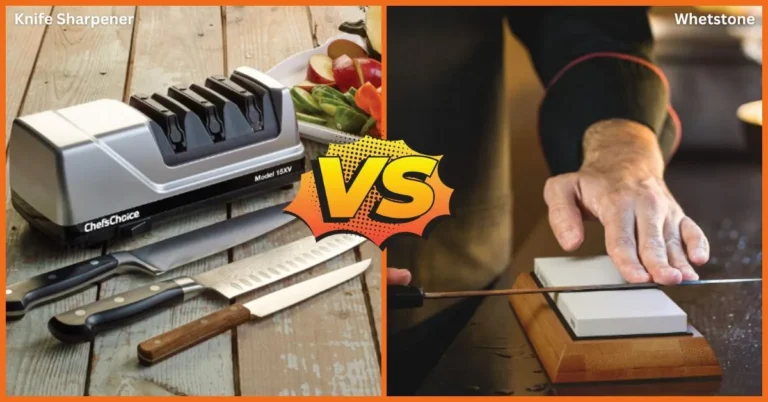
Steel vs. Ceramic Knives: Making the Right Kitchen Choice
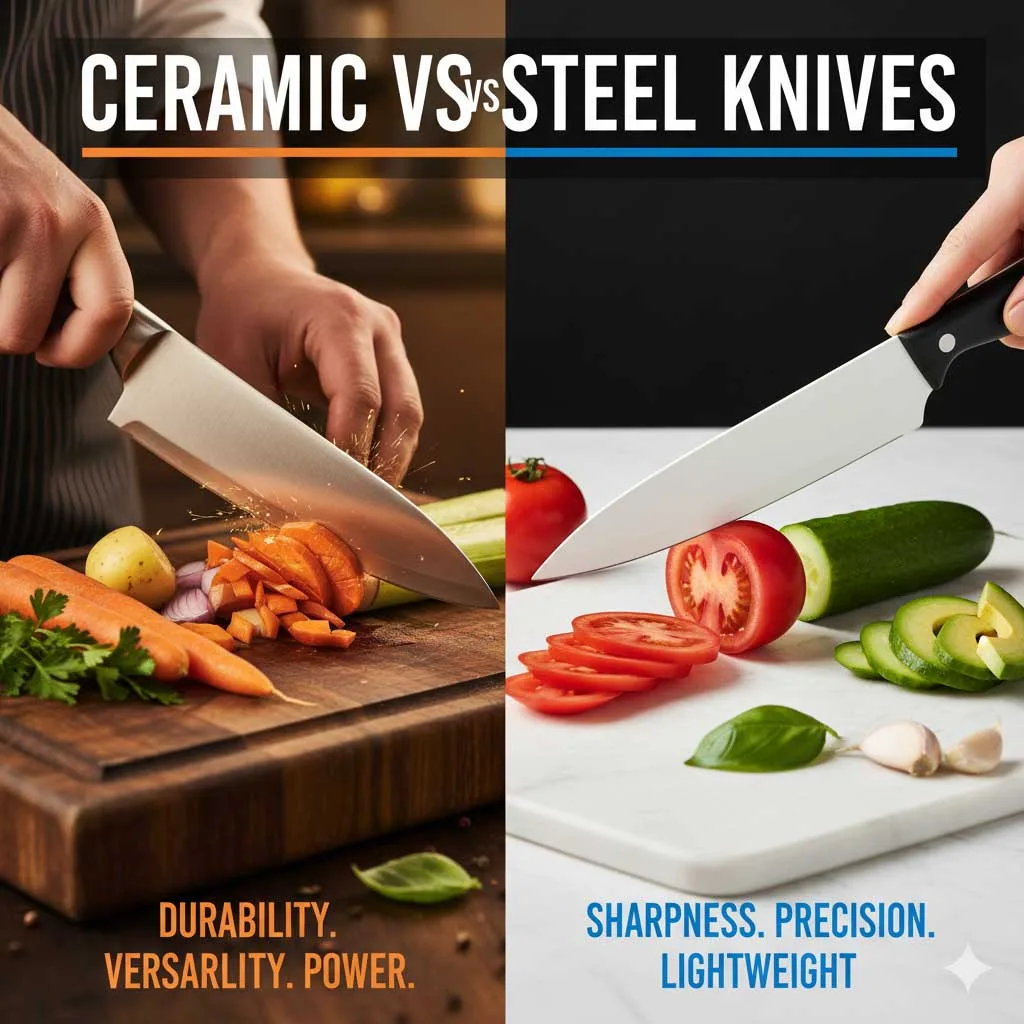
Image source: Bing (Web (fair-use with source credit))
Quick Answer
Ceramic knives offer superior sharpness and edge retention but are brittle and harder to sharpen. Steel knives are more durable, easier to sharpen, and versatile but require more frequent honing. Neither is universally "better"; the choice depends on your priorities and how you use your knives.
For general kitchen tasks and durability, steel often wins. For precision slicing and minimal sharpening, ceramic can be ideal.
Steel Knives: The Kitchen Workhorse
When most people think of a kitchen knife, they picture steel. It's the material that's been used for centuries, and for good reason. Steel knives are the reliable workhorses of any kitchen, capable of handling a wide range of tasks with dependable performance.
Their toughness means they can withstand a good deal of everyday use without significant damage, although they aren't indestructible. The primary advantage here is their versatility and forgiving nature.

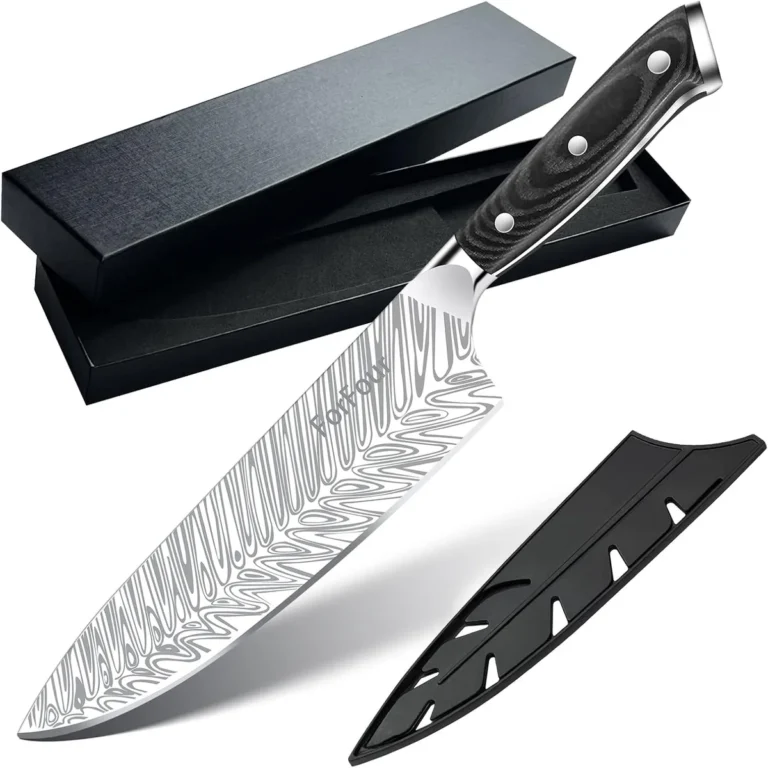
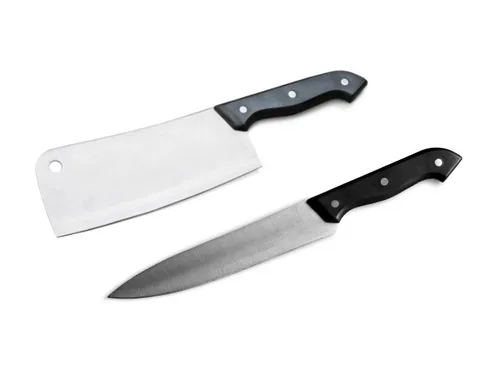
Image source: Web (Bing) / storage.googleapis.com (Web image (fair-use with source credit))
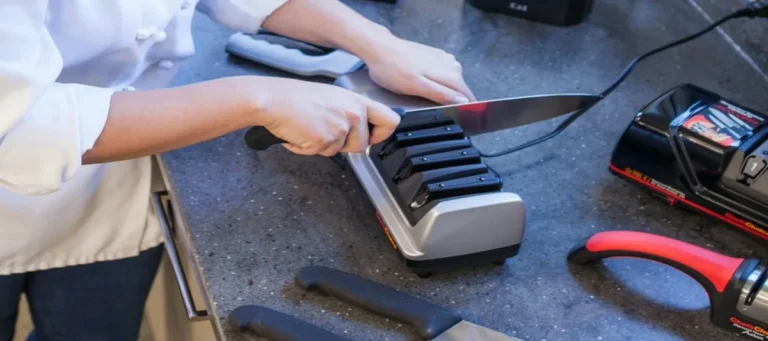
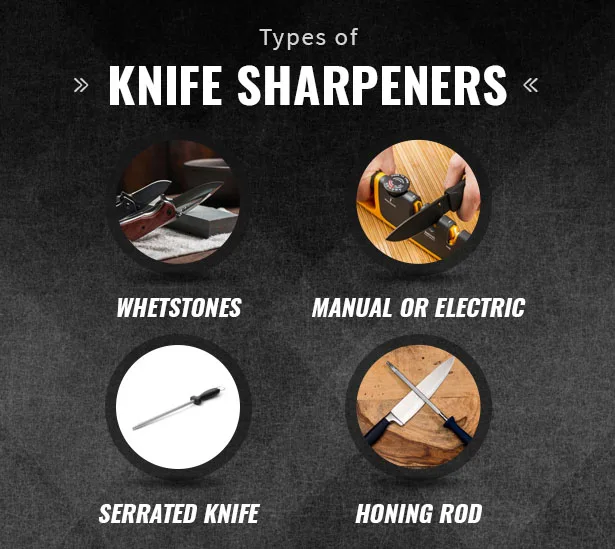
Steel's biggest benefit, aside from its general robustness, is its ease of maintenance. You can easily sharpen a steel knife at home using a whetstone, a honing steel, or an electric sharpener. This makes it simple to keep the blade razor-sharp and ready for action.
While they can be prone to rust if not dried properly, and may dull over time, these issues are manageable with basic care. Aggregated user reviews consistently highlight the ease of resharpening as a major plus for steel blades.
Key Features: What Sets Them Apart
- Material: Typically made from various alloys of iron and carbon, with added elements like chromium for rust resistance.
- Durability: Generally tough and resistant to chipping or breaking under normal use.
- Sharpening: Relatively easy to sharpen at home with common tools like whetstones or sharpeners.
- Weight: Varies by type and size, but generally feels more substantial than ceramic.
- Corrosion: Some types can rust if not dried properly, though stainless steel variants significantly reduce this risk.
Pros and Cons: Weighing Your Options
- Pros: Durable, versatile, easy to sharpen, wide variety of types available, forgiving for beginners.
- Cons: Can rust if not maintained, may dull faster than ceramic, can be heavier.
Who Should Use Which Knife?
Steel knives are ideal for home cooks and professional chefs who need a reliable all-rounder. If you chop, slice, dice, and perform a variety of tasks regularly and want a knife that's easy to maintain and sharpen yourself, steel is a solid choice. They are especially good for heavier-duty cutting, like through dense vegetables or tough meats.
Common Mistakes When Using Ceramic or Steel
For steel, a common mistake is neglecting to dry the knife immediately after washing, leading to rust spots. Another is using the wrong sharpening tool, which can damage the edge. Overuse without honing or sharpening also leads to a dull, less effective blade.
Caring for Your Knives: Maintenance Tips
Always hand wash steel knives and dry them thoroughly immediately after use. Hone your blade regularly with a steel or ceramic rod to maintain its edge between sharpenings. Sharpen the knife when you notice it’s no longer slicing cleanly through ingredients.
Store steel knives in a block or on a magnetic strip to protect the blades.
Ceramic Knives: The Ultra-Sharp Alternative
Ceramic knives are a more recent innovation, made from highly compressed zirconium oxide powder that's fired at extreme temperatures. This process creates a blade material that is incredibly hard and dense, resulting in a blade that is exceptionally sharp right out of the box. This sharpness is often the main draw for home cooks and chefs alike.
Their lightweight nature is another significant advantage, reducing hand fatigue during extensive prep work.

Image source: Web (Bing) / filmstreams.org (Web image (fair-use with source credit))
The material itself is non-reactive, meaning it won't impart any metallic taste or discoloration to your food, which is particularly beneficial when working with sensitive ingredients like fruits and vegetables. Unlike steel, ceramic blades do not rust, simplifying maintenance in that regard. However, this extreme hardness comes at a cost: brittleness.
Manufacturer specifications often highlight that while ceramic is harder than steel, it is also more prone to chipping or breaking if subjected to stress or dropped.
Key Features: What Sets Them Apart
- Material: Typically made from zirconium oxide, a very hard ceramic compound.
- Sharpness: Exceptionally sharp upon purchase and holds its edge for a prolonged period.
- Weight: Significantly lighter than most steel knives, leading to less user fatigue.
- Non-reactive: Does not interact with food, preventing metallic tastes or color changes.
- Rust-Proof: Immune to rust and corrosion.
Pros and Cons: Weighing Your Options
- Pros: Ultra-sharp, holds edge for a long time, lightweight, non-reactive, rust-proof.
- Cons: Brittle and prone to chipping/breaking, difficult to sharpen at home, not suitable for all tasks.
Who Should Use Which Knife?
Ceramic knives are excellent for individuals who prioritize sharpness and lightweight handling, especially for tasks involving precise slicing of soft foods like fruits, vegetables, and boneless meats. They are a good choice for those who don't want to worry about rust or frequent sharpening, provided they are willing to be more careful with the blade. They excel at tasks where a clean, precise cut is paramount.
Common Mistakes When Using Ceramic or Steel
A critical mistake with ceramic knives is using them for tasks they aren't designed for. Trying to cut through bones, frozen foods, or even twist the blade can cause it to chip or shatter. Another common error is dropping the knife, as the impact can easily break the ceramic blade.
Improper storage that allows the blade to bang against other hard objects can also cause damage.
Caring for Your Knives: Maintenance Tips
Always handle ceramic knives with care. Avoid dropping them or using them for prying or twisting motions. Hand wash them gently with mild soap and water, and dry them immediately.
Because sharpening ceramic requires specialized diamond abrasives, it's often recommended to use a professional sharpening service or a dedicated ceramic knife sharpener.
Key Features: What Sets Them Apart
When we look at what makes ceramic and steel knives distinct, a few core differences immediately stand out. Steel knives, the traditional choice, are lauded for their durability and the ease with which they can be brought back to life. Their blades are typically made from alloys designed to balance hardness with toughness, meaning they can withstand impacts and bending better than ceramic.
Manufacturer specifications for common kitchen steels, like high-carbon stainless steel, often cite Rockwell hardness ratings in the 55-60 HRC range, indicating good edge retention and wear resistance.
Ceramic knives, on the other hand, are built from materials like zirconium oxide. These ceramics are significantly harder than steel, often registering in the 80s HRC range on similar scales, meaning they resist abrasion and dulling incredibly well. This extreme hardness is what allows them to hold an edge for such extended periods.
However, this hardness makes them brittle. Think of glass versus a flexible piece of plastic; the glass is harder but breaks more easily. This fundamental difference in material properties dictates how each type of knife performs and how it should be cared for.
Material Composition
- Steel: Alloys of iron, carbon, and other elements (e.g., chromium, molybdenum, vanadium) to enhance hardness, toughness, and corrosion resistance.
- Ceramic: Typically zirconium oxide, a very hard and dense non-metallic compound.
Hardness and Edge Retention
- Steel: Rockwell hardness usually between 55-60 HRC. Holds an edge well but requires more frequent honing and sharpening than ceramic.
- Ceramic: Rockwell hardness often 80+ HRC. Extremely sharp and holds its edge for much longer periods, resisting dulling from normal use.
Weight and Balance
- Steel: Varies greatly by knife type and size; often feels more substantial and balanced for heavy tasks.
- Ceramic: Notably lightweight, which can reduce user fatigue during prolonged cutting or slicing.
Reactivity and Corrosion
- Steel: Can react with acidic foods, causing discoloration or a metallic taste if not stainless. Prone to rust if not dried properly.
- Ceramic: Inert and non-reactive with food, preventing taste transfer or discoloration. Completely rust-proof.
Pros and Cons: Weighing Your Options
Deciding between ceramic and steel knives isn't about finding a universally "better" option, but rather understanding which set of characteristics best fits your kitchen habits and preferences. Steel knives have long been the go-to for good reason: they're tough. They can handle being dropped on the floor (though it’s never a good idea) or used for slightly more aggressive tasks without catastrophic failure.
Their biggest plus is how easy they are to maintain.
However, this durability comes with trade-offs. Steel blades will dull over time and can potentially rust if left wet, especially if they aren't high-grade stainless steel. Ceramic knives, by contrast, offer incredible sharpness that lasts significantly longer.
They are also lighter, which can be a real advantage if you do a lot of chopping and slicing. But, this sharpness and lightweight design come with a critical weakness: fragility. They are much more prone to chipping or breaking if mishandled.
Steel Knives: The Upsides and Downsides
- Upsides:
- Durability: Resists chipping and breaking better than ceramic.
- Versatility: Suitable for a wide range of kitchen tasks, from delicate slicing to tougher chopping.
- Ease of Sharpening: Can be easily sharpened at home using common tools.
- Variety: Available in numerous types, sizes, and materials to suit specific needs.
- Downsides:
- Dulling: Requires regular honing and periodic sharpening to maintain optimal performance.
- Rust Potential: Some types can rust if not dried immediately after washing.
- Weight: Can feel heavier, potentially causing fatigue during extended use.
Ceramic Knives: The Upsides and Downsides
- Upsides:
- Exceptional Sharpness: Delivers an ultra-fine, precise cutting edge.
- Long Edge Retention: Stays sharp for a much longer period than steel.
- Lightweight: Reduces hand and wrist fatigue during use.
- Non-Reactive: Does not affect food taste or color.
- Rust-Proof: Never rusts, simplifying care in that regard.
- Downsides:
- Brittleness: Prone to chipping or breaking if dropped, twisted, or used improperly.
- Difficult to Sharpen: Requires specialized tools or professional service; cannot be sharpened with standard home sharpeners.
- Limited Use Cases: Not suitable for heavy-duty chopping or tasks involving bone or frozen items.
Who Should Use Which Knife?
When you're trying to figure out which knife material is best for you, it really comes down to how you plan to use it and what you expect from your tools. If you're someone who uses your knives for a bit of everything, chopping onions, dicing carrots, slicing bread, and maybe even tackling a small roast, then a good quality steel knife is likely your best friend. Steel’s robustness means it can handle the daily grind of a busy kitchen without you having to constantly worry about its wellbeing.
It’s forgiving, which is great if you're still building your kitchen confidence.
On the flip side, if you find yourself doing a lot of delicate slicing, particularly with fruits and vegetables, and you appreciate a knife that feels almost weightless in your hand, a ceramic knife might be a fantastic addition. They are perfect for tasks where precision is key and you want that effortless glide through soft ingredients. They’re also a smart choice if you want to minimize the fuss of rust prevention and frequent sharpening.
Many home cooks find that having a small set of ceramic knives for specific tasks complements their primary steel knives beautifully.
Steel Knives: Ideal for the Everyday Chef
- Best for: All-around kitchen tasks, general chopping, dicing, slicing, and tasks requiring more force.
- Why: Their durability, versatility, and ease of home maintenance make them a reliable choice for consistent, demanding use.
- Consider if: You value toughness and ease of sharpening over extreme initial sharpness or lightweight design.
Ceramic Knives: Ideal for Precision and Lightness
- Best for: Precise slicing of fruits, vegetables, boneless meats, and tasks where extreme sharpness and lightweight feel are paramount.
- Why: Their incredible initial sharpness and long edge retention offer a superior cutting experience for specific applications, and their lightness reduces fatigue.
- Consider if: You are willing to be careful with your knives, handle them gently, and use specialized methods for sharpening.
Common Mistakes When Using Ceramic or Steel
Mistakes with knives usually boil down to using them for the wrong job or neglecting their care. For steel knives, one of the most common errors is leaving them to air dry after washing. This might seem minor, but it’s a fast track to rust spots, especially on carbon steel blades.
Also, using a steel knife for tasks like prying open cans or jars is a recipe for disaster, potentially chipping the blade or, worse, causing it to snap. Over-reliance on dishwashers can also be a problem, as the harsh detergents and clattering against other items can dull and damage the edge over time.
Ceramic knives have their own set of potential pitfalls. Their extreme hardness makes them brittle, so using them to chop through bones, frozen foods, or even twist the blade during a cut can easily lead to chips or fractures. Dropping a ceramic knife is often fatal for the blade; even a short fall onto a hard surface can break it.
Another mistake is trying to sharpen a ceramic knife with a standard steel sharpener. These are not designed for ceramic's hardness and can damage both the sharpener and the knife. Per guidance from material science research, such misuse stems from applying steel knife handling expectations to a fundamentally different material.
Mistakes with Steel Knives
- Dishwasher Use: Leads to dulling, potential rust, and damage from impact with other items.
- Neglecting Drying: Causes rust, particularly on non-stainless steel blades.
- Prying/Twisting: Can chip, bend, or break the blade.
- Using the Wrong Sharpener: Can damage the edge or the sharpening tool itself.
Mistakes with Ceramic Knives
- Heavy-Duty Tasks: Trying to cut through bones, frozen foods, or hard rinds can chip or shatter the blade.
- Twisting or Prying: The brittle nature makes the blade susceptible to breakage under torque.
- Dropping the Knife: A fall onto a hard surface often results in a broken blade.
- Improper Sharpening: Using standard sharpeners can damage the ceramic edge and the sharpener.
Caring for Your Knives: Maintenance Tips
Keeping your knives in top shape is key to their longevity and your safety in the kitchen. For your steel knives, the golden rule is to hand wash them. Even if your steel is high-grade and resistant to rust, putting them in the dishwasher exposes them to harsh detergents and the risk of impact.
After washing, dry them immediately and thoroughly with a soft cloth. Regular honing, perhaps once a week or even after each major use, will help realign the microscopic edge of the blade, keeping it sharper for longer between actual sharpening sessions. Sharpening is usually needed when you notice the knife isn't slicing cleanly through tomatoes or paper.
Ceramic knives require a gentler approach, focusing on preservation rather than restoration. Always handle them with care, avoiding any situation where they might be dropped or subjected to twisting forces. When not in use, store them in a protective sheath or a dedicated slot in your knife block to prevent accidental bumps against other utensils.
Washing is usually a simple hand wash with mild soap and water, followed by immediate drying. Sharpening ceramic is a specialized task. Because they are so hard, standard steel sharpeners won't work.
You'll need a diamond-grit sharpener designed specifically for ceramic, or you can opt for professional sharpening services to maintain that razor-sharp edge.
Steel Knife Care
- Washing: Always hand wash with warm, soapy water.
- Drying: Dry thoroughly immediately after washing to prevent rust.
- Honing: Use a honing steel or rod regularly to realign the blade's edge.
- Sharpening: Sharpen when the blade begins to feel dull, using appropriate sharpening tools (whetstone, electric sharpener).
- Storage: Store in a knife block, magnetic strip, or sheath to protect the blade.
Ceramic Knife Care
- Handling: Handle with care; avoid dropping, twisting, or prying motions.
- Washing: Hand wash gently with mild soap and water.
- Drying: Dry immediately after washing.
- Sharpening: Use specialized diamond sharpeners or professional services; standard sharpeners will not work.
- Storage: Use a protective sheath or dedicated slot to prevent chipping.
Frequently Asked Questions About Knife Materials
### Can I use a ceramic knife for chopping hard vegetables like butternut squash?
No, it’s best to avoid using ceramic knives for very hard vegetables or any task that requires significant force. Their brittle nature means they are more likely to chip or break when subjected to tough resistance. A sturdy steel knife is a much safer and more effective tool for such jobs.
### How often should I sharpen my steel knife?
This depends on usage, but a good rule of thumb is to hone it regularly (weekly or more often) and sharpen it when you notice a decline in its cutting performance. For a home cook, this might be every few months. Professional chefs might sharpen their knives weekly or even daily.
### Will a ceramic knife rust?
No, ceramic knives are completely rust-proof. This is one of their key advantages over traditional steel knives, especially in humid kitchen environments or if you sometimes forget to dry them immediately after washing.
### Can I use a steel knife to cut meat off the bone?
Yes, a sharp and sturdy steel knife, especially a butcher's knife or a boning knife, is well-suited for cutting meat off the bone. Its durability and ability to maintain a strong edge through tougher materials make it the preferred choice for these kinds of tasks.
### What is the hardness rating of typical kitchen knives?
Steel knives typically have a Rockwell hardness rating between 55-60 HRC. Ceramic knives are significantly harder, often falling into the 80+ HRC range. This difference in hardness contributes to ceramic's superior edge retention but also its brittleness.