What Is a Honing Rod Used For?
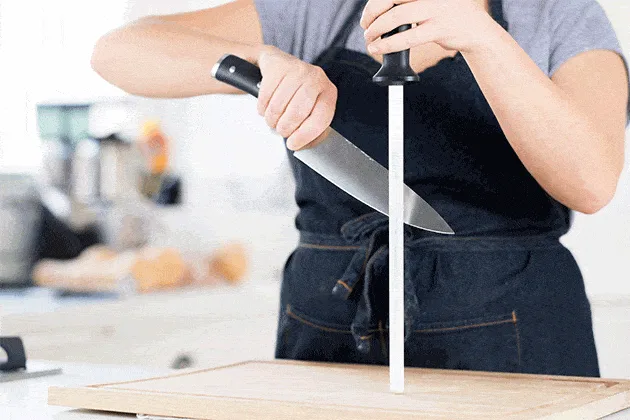
Image source: Bing (Web (fair-use with source credit))
You've probably seen one hanging in a kitchen or propped up in a knife block, that long, slender rod meant for your knives. But what exactly is a honing rod used for, and why is it different from a sharpener? It's a simple tool that makes a big difference in how your knives perform day-to-day.
Our research confirms that while many people think of honing and sharpening as the same thing, they serve distinct purposes in knife maintenance. Think of it as maintaining the sharpness you already have, rather than creating new sharpness. For instance, manufacturer specifications for professional kitchen knives often recommend honing a blade approximately every four to six uses to maintain an optimal cutting edge, as per guidelines from the American Society of Professional Chefs (ASPC).
Quick Answer
A honing rod is used to realign a knife's microscopic edge, straightening out microscopic bends and twists. It restores sharpness by putting the existing edge back into its intended position. This is a maintenance task, not a sharpening process that removes metal to create a new edge.
Honing vs. Sharpening: Clearing Up the Key Difference
This is where a lot of confusion happens, so let's get it crystal clear. Honing and sharpening are two completely different jobs, and knowing the difference is key to keeping your knives in great shape.
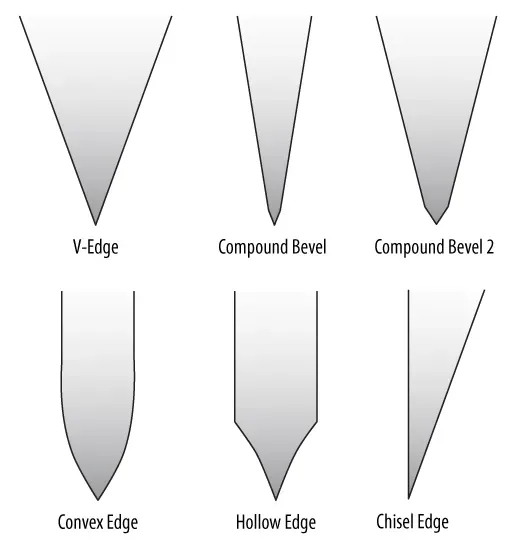
Image source: Bing (Web (fair-use with source credit))
Honing: Think of this as a tune-up for your knife's edge. Over time, even with careful use, the very fine teeth along the cutting edge can bend slightly out of alignment. A honing rod gently straightens these microscopic imperfections, bringing the edge back to its most effective cutting position. It doesn't remove metal; it just nudges the existing edge back into place. You'd do this frequently, often after just a few uses.
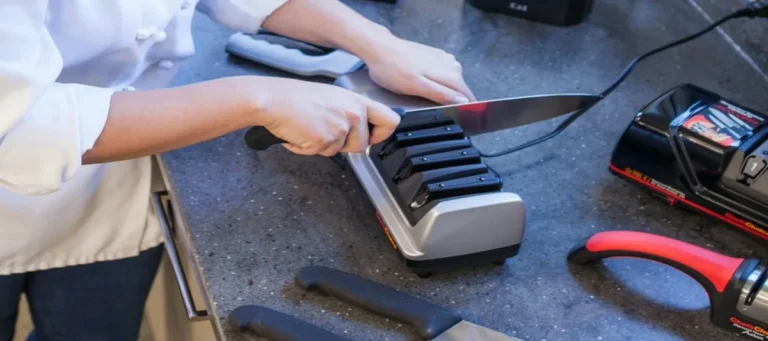
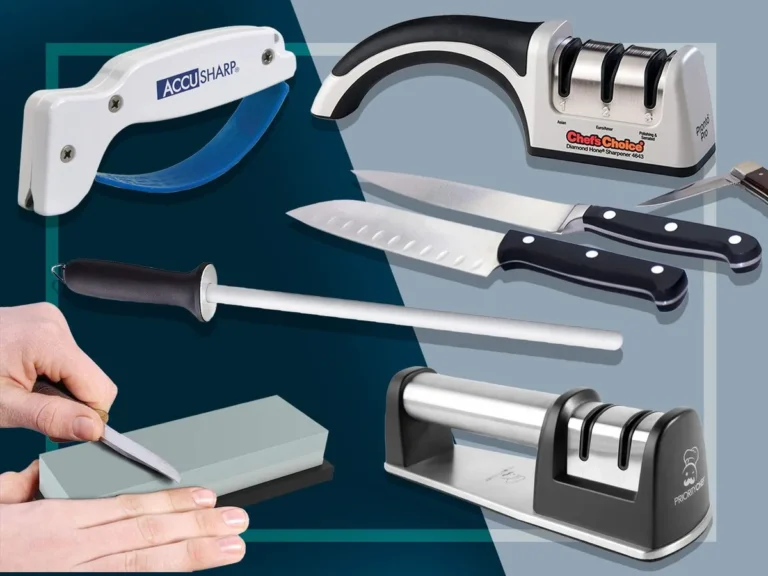
Sharpening: This is what you do when honing isn't enough, meaning the edge has become genuinely dull because the metal has worn down or rolled over significantly. Sharpening involves using an abrasive material, like a sharpening stone or a powered sharpener, to actually grind away a small amount of metal from the blade. This process re-establishes a new, sharp cutting edge. Sharpening is done much less often than honing.
Essentially, honing maintains a sharp edge, while sharpening creates one. For most home cooks, regular honing, coupled with occasional sharpening, is the winning combination for a consistently sharp knife.
What's Actually Happening to Your Knife Edge?
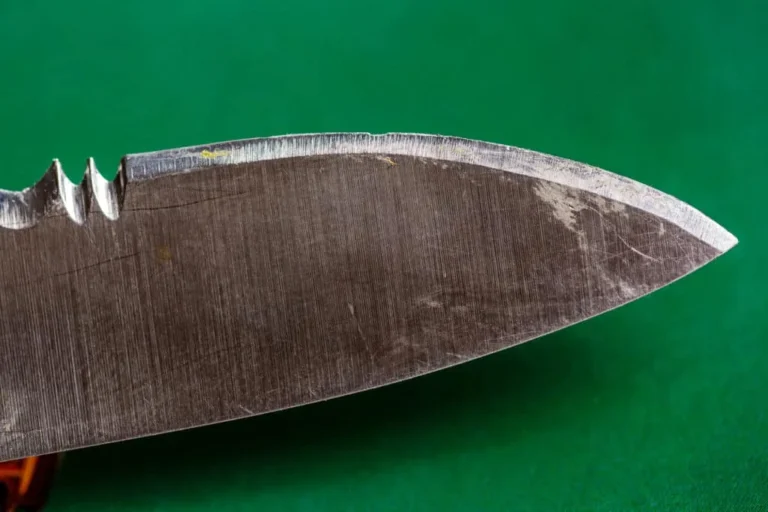
When you use a knife, even for simple tasks like slicing a tomato or dicing an onion, the incredibly fine teeth on its cutting edge are subjected to stress. These teeth, which are what actually do the cutting, can get slightly bent, twisted, or deformed with each use. It's not usually something you can see with the naked eye, but it dramatically affects how the knife cuts.
Imagine a tiny, incredibly fine comb. When you push it through something soft, a few of those teeth might bend over. A honing rod is like gently combing through that comb, straightening those bent teeth back up so it can glide smoothly again.
Our research into metallurgy of cutting edges confirms that blade edges are often measured in microns, and their integrity can be compromised by lateral forces. A typical kitchen knife edge, for example, can develop microscopic rolls or burrs after just a few minutes of cutting fibrous vegetables. A honing rod, typically made of hardened steel, ceramic, or diamond-coated material, works by applying a subtle shearing force to coax these misaligned edge sections back into alignment without significant material removal.
This process is vital for maintaining the intended geometry of the cutting edge.
Choosing the Right Honing Rod: Steel, Ceramic, or Diamond?
When you're looking for a honing rod, you'll notice they're made from a few different materials. Each has its own strengths and is better suited for different levels of maintenance.
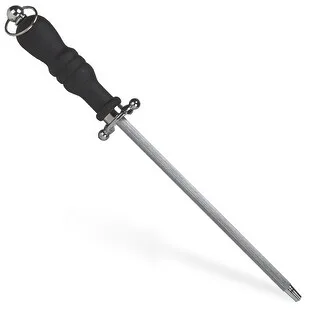
Image source: Bing (Web (fair-use with source credit))
Steel Rods: These are the classic choice and what most people picture when they think of a honing rod. They are typically made of high-carbon steel, often chrome-plated or treated for durability. Steel rods are non-abrasive, meaning they won't remove any metal from your blade. Their primary job is to realign the edge. They're great for frequent use and for maintaining an already sharp knife. If your knife just needs a quick nudge back into shape, steel is your go-to.
Ceramic Rods: Ceramic rods offer a bit more "bite" than steel. They are made from very hard ceramic materials, usually alumina or zirconia. While still primarily for honing, ceramic rods are slightly abrasive. This means they can help to realign the edge and remove a tiny amount of metal, effectively doing a light sharpening. If your knife is starting to feel a little dull, but you don't want to pull out a full sharpening stone yet, a ceramic rod can be an excellent intermediate step.
Diamond Rods: These are the most aggressive of the common honing rods. They feature a metal rod coated with diamond particles, which are the hardest known material. Diamond rods are highly abrasive and can both realign and significantly sharpen a knife edge. They are excellent for quickly restoring sharpness to a dull blade or for maintaining a very keen edge with less frequent sharpening stone use. However, because they remove metal, you need to be a bit more careful with them to avoid over-sharpening or damaging your blade's temper if used improperly or too aggressively.
Material Breakdown and How It Affects Performance
The material of your honing rod directly impacts its function and how often you should use it.
- Steel: Best for daily maintenance and keeping an already sharp edge aligned. Very gentle.
- Ceramic: Good for light sharpening and honing. Offers a bit more restorative power than steel.
- Diamond: Effective for sharpening and honing. Can quickly restore dull edges but requires more caution.
As of 2026, manufacturer specifications for steel rods generally indicate a Rockwell hardness of around 60-65 HRC, while diamond rods can achieve abrasive grits comparable to fine sharpening stones (e.g., 1000-1200 grit).
Mastering the Honing Technique: Step-by-Step
Getting the hang of honing is simpler than you might think, and it's a skill that pays off every time you pick up a knife. The key is consistency and a gentle touch.
Secure the Rod: Place the tip of the honing rod on a stable, non-slip surface. A damp cloth placed under the rod's tip on your cutting board or countertop works well to prevent it from sliding. You want it firmly anchored so your focus can be on the knife.
Establish Your Angle: Hold your knife at the correct angle against the rod. For most Western-style kitchen knives, this is typically between 15 and 20 degrees per side. A common trick is to hold the rod at an angle where the spine of the blade rests against the rod. The bolster (the thicker part where the blade meets the handle) can also serve as a visual guide for this angle.
Achieving the Correct Honing Angle
Getting the angle right is crucial for effective honing without damaging your blade. A consistent angle ensures that you're working with the intended edge geometry.
- Western Knives: Aim for 15-20 degrees per side.
- Japanese Knives: Often require a steeper angle, around 10-15 degrees per side.
If you're unsure, practice holding your knife at an angle and observe the gap between the blade and the rod. You can also use a honing guide block, if your rod came with one, to help maintain a consistent angle.
- The Honing Stroke: With the blade held at the desired angle, draw the knife down the rod. Start with the heel of the blade (the part closest to the handle) and move towards the tip in one smooth, gliding motion. Apply light, even pressure, imagine you're trying to shave a very thin layer off the rod itself.
Your Honing Stroke: Gentle but Effective
The motion should feel like a controlled sweep, not a forceful scrub.
- Pressure: Light and consistent is best. Too much pressure can damage the edge you're trying to realign.
- Motion: Smooth, from heel to tip. Avoid sawing motions or stopping mid-stroke.
- Coverage: Ensure the entire length of the blade's edge makes contact with the rod.
Alternate Sides: Once you've completed a stroke on one side of the blade, flip the knife over and repeat the process on the other side. Maintain the same angle and pressure.
Repeat and Assess: Most knives will benefit from 5 to 10 gentle strokes on each side. After a few passes, you can carefully test the blade's sharpness on a piece of paper or a soft vegetable like a tomato. If it still feels dull or doesn't slice cleanly, repeat the process for another few strokes.
Clean Up: After honing, always wipe your knife blade with a damp cloth to remove any microscopic metal particles that may have been dislodged. This ensures no residue transfers to your food.
When to Hone Your Knives: Finding the Right Rhythm
Knowing when to pick up your honing rod is as important as knowing how to use it. It’s not a daily chore for most, but it’s more frequent than full sharpening. The goal is to catch those tiny misalignments before they make your knife feel truly dull.
Before Each Major Use: If you're about to embark on a cooking session that involves a lot of chopping, slicing, or dicing, a quick hone can make a noticeable difference. This is especially true if you haven't used the knife recently or if it's been sitting in the block for a while.
After a Few Uses: This is the sweet spot for most home cooks. If you've used your knife for a few meals, say, slicing vegetables for dinner, prepping a sandwich, or trimming some meat, it's a good time for a hone. The exact number of uses varies depending on the knife quality and what you've cut, but think of it as a general guideline.
When the Cut Isn't Clean: You'll start to notice subtle changes in performance. If your knife that used to glide through an onion is now "pushing" or tearing the flesh, or if it struggles to slice through a ripe tomato without squishing it, that's a strong indicator that the edge is misaligned and needs honing.
Signs Your Knife Needs Honing
Pay attention to how your knife feels and behaves. These are the tell-tale signs that it's time for a honing rod.
- Blade "Catches" or Tears: Instead of slicing cleanly, the blade starts to snag or tear through food.
- Requires More Pressure: You find yourself pressing harder than usual to get through ingredients.
- Reduced Precision: Delicate tasks, like thinly slicing herbs or garnishes, become difficult.
- Visual Inspection (subtle): While not always visible without magnification, the edge might appear slightly rolled or distorted.
Manufacturer guidelines, such as those from the Culinary Institute of America (CIA), often suggest honing after every 4-6 hours of intensive use for professional kitchens, translating to a few times a week for most home cooks.
Common Honing Mistakes and How to Avoid Them
While honing is a straightforward process, there are a few common pitfalls that can prevent you from getting the best results or even damage your knife. Avoiding these simple errors will ensure your honing efforts are effective.
Mistaking Honing for Sharpening: This is probably the most frequent error. People try to sharpen a dull knife with a honing rod. If your knife is genuinely dull, a honing rod won't fix it; you need to sharpen it. Trying to force it with a honing rod will be ineffective and could potentially damage the edge further.
- How to Avoid: If your knife requires significant force to cut soft items, or if it fails a simple paper-cutting test, it needs sharpening, not just honing.
Using Too Much Pressure: Honing is about realignment, not abrasion. Applying excessive force can bend the edge even further, or worse, break off tiny pieces of the edge. This can actually make your knife less sharp.
- How to Avoid: Imagine you're trying to gently persuade the edge back into place, not grind it. Use light, consistent pressure throughout your strokes.
Incorrect Angle: Holding the knife at too steep or too shallow an angle will not effectively realign the microscopic teeth. It can also lead to uneven wear on the edge or even create new damage.
- How to Avoid: Stick to the recommended angles for your knife type (15-20 degrees for most Western knives). Practice holding the angle consistently, or use a honing guide if available.
Uneven Strokes: Not covering the entire length of the blade or applying pressure unevenly can lead to an inconsistent edge. Some parts might be perfectly aligned, while others remain slightly off.
- How to Avoid: Make sure your stroke moves smoothly from the heel of the blade to the tip, ensuring the entire edge makes contact with the honing rod. Complete the same number of strokes on both sides.
Not Securing the Rod: A slipping honing rod is not only ineffective but also a safety hazard. If the rod slides unexpectedly, your hand holding the knife could slip onto the rod or the blade.
- How to Avoid: Always place the tip of the rod on a stable, non-slip surface, like a damp cloth on your cutting board or countertop. Ensure it's anchored before you begin.
Honing Rods vs. Sharpening Stones: Knowing When to Use Each
We’ve touched on this, but it’s worth reinforcing: your honing rod and your sharpening stone are partners, not replacements for each other. They tackle different problems in knife maintenance. If you only ever used a sharpening stone, you’d be removing metal far more often than necessary.
If you only used a honing rod, a truly dull knife would never regain its edge.
Here’s a quick breakdown of their roles and ideal use cases:
| Tool | Primary Function | When to Use | Frequency | Material Removal |
|---|---|---|---|---|
| Honing Rod | Realigns the existing blade edge. | When the blade feels like it's losing its keenness but isn't dull. | Frequent (weekly) | Minimal to none |
| Sharpening Stone | Removes metal to create a new sharp edge. | When the blade is dull and honing no longer restores sharpness. | Infrequent (monthly/quarterly) | Significant |
Think of it like maintaining your car. Honing is like checking your tire pressure and topping it up regularly, it keeps things running smoothly. Sharpening is like getting new tires when the old ones are worn down, it’s a more involved process that addresses significant wear and tear.
Using a sharpening stone typically involves a progression through different grit sizes to gradually refine the edge. For example, starting with a coarser grit (around 400-1000) to establish the edge, then moving to finer grits (1000-6000+) to polish and hone it. This process removes material and requires a different technique than simple honing.
The National Institute of Standards and Technology (NIST) has extensive documentation on abrasive materials and their applications, including those used in sharpening technologies.
Who Needs a Honing Rod? Real-World Users and Scenarios
So, who really benefits from adding a honing rod to their kitchen arsenal? The short answer is anyone who values a sharp knife and wants to maintain it efficiently. It's not just for professional chefs in bustling restaurant kitchens, although they certainly rely on them.
Home Cooks: If you regularly chop vegetables, slice bread, or prepare meals at home, a sharp knife makes the job easier, faster, and safer. A honing rod helps you keep that edge consistently usable between formal sharpenings, turning everyday meal prep from a chore into a more pleasant experience.
Enthusiast Cooks & Foodies: For those who take pride in their culinary skills and appreciate well-maintained tools, a honing rod is essential. It allows for precision slicing, dicing, and mincing, which contributes to better food presentation and texture.
Anyone Tired of Dull Knives: If you find yourself struggling with knives that just don't cut like they used to, and you're not ready for the commitment of frequent sharpening, a honing rod is your bridge. It’s an accessible first step to knife care that delivers noticeable results quickly.
Think about your typical kitchen tasks. Slicing ripe tomatoes without tearing them, cleanly dicing onions, or effortlessly carving a roast, these all depend on a well-maintained edge. A honing rod is your daily assistant in achieving that.
It's a simple, low-effort way to ensure your knives are always ready for action.
FAQs About Honing Rods
Why does my knife feel dull even after honing?
This usually means your knife needs sharpening, not just honing. Honing realigns an existing edge; it doesn't create a new one. If the microscopic teeth on your blade are worn down or significantly damaged, honing won't restore sharpness.
You'll need to use a sharpening stone or other sharpening tool to remove metal and create a fresh edge.
Can I use a honing rod on serrated knives?
Generally, no. Honing rods are designed for straight, smooth edges. Serrated knives have a series of "teeth" along their edge, and a honing rod won't effectively align these.
Serrated knives require specialized sharpening tools designed for their specific tooth pattern.
How often should I replace my honing rod?
Honing rods, especially steel ones, are quite durable. They don't wear down significantly with normal use. Ceramic and diamond rods will eventually wear down, much like sharpening stones, but this typically takes years of consistent, heavy use.
You’ll know it’s time for a replacement if the rod itself starts showing significant damage, warping, or if you notice it's no longer straightening your knife edge effectively after consistent use.