Can a Knife Sharpener Sharpen Any Knife?
Many home cooks dream of a single tool that can bring any blade back to razor-sharpness. But the reality is, trying to sharpen every knife with one sharpener often leads to disappointment or, worse, damaged knives. Understanding the specific needs of your blades is crucial before you even pick up a sharpening tool.
This guide cuts through the confusion to help you figure out which sharpeners are best suited for different knife types. We'll break down the key factors that determine compatibility, common pitfalls to avoid, and how to achieve the best edge for your specific needs, whether it's your everyday chef's knife or a more specialized blade.
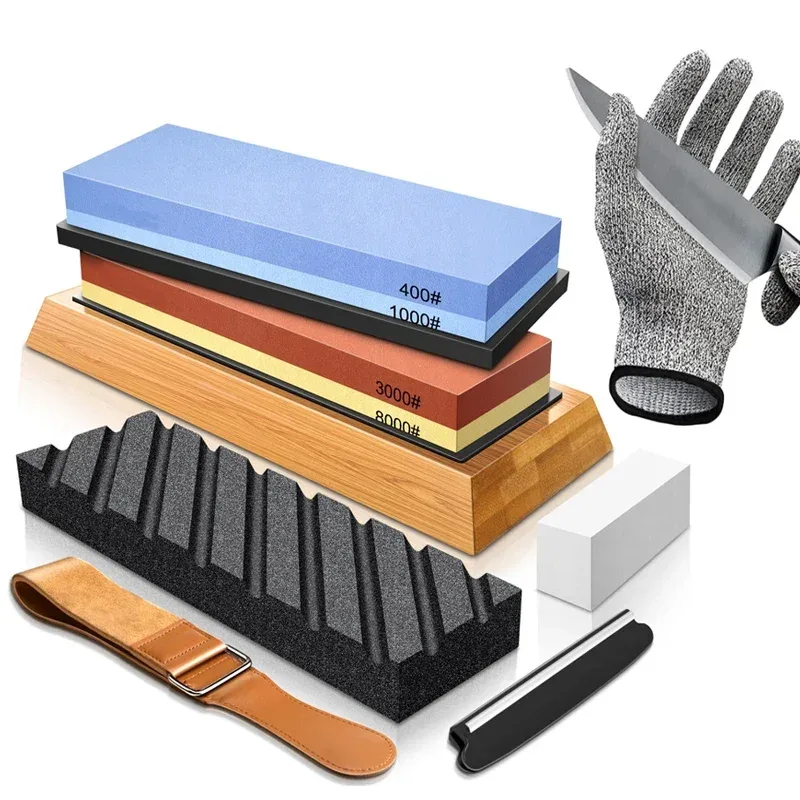
Image source: Bing (Web (fair-use with source credit))
Quick Answer: It Depends on the Sharpener and the Knife
No single knife sharpener can effectively and safely sharpen every single knife. Compatibility hinges on the knife's material, its edge geometry, and the sharpener's design and grit. Using the wrong sharpener can damage blades.
Understanding Your Knife's Needs: Steel vs. Ceramic vs. Serrated
The first step in sharpening is knowing what you're working with. Not all knives are created equal, and what works for one can ruin another. This is where the material and design of your blade become critical.
Think about the steel. Most common kitchen knives are made from stainless steel or high-carbon steel. These materials are robust and respond well to traditional sharpening methods.
However, other knife types present unique challenges. Ceramic knives, for instance, are incredibly hard but also brittle. They require specific diamond-based sharpeners and cannot be honed with typical steel rods.

Image source: Web (Bing) / filmstreams.org (Web image (fair-use with source credit))
Serrated knives also demand a different approach. Their toothed edges mean you can't just run them over a flat surface. You need a tool that can hone each individual "tooth" or a specialized sharpener designed for that unique edge profile.
Getting this wrong means you might end up with a duller, unevenly sharpened serrated blade.
Different Blades, Different Bites: Why One Size Doesn't Fit All
So, why is this material difference so important? It boils down to hardness and brittleness. High-carbon steel, a common material for quality kitchen knives, can achieve a very fine edge, but it can also be prone to corrosion if not cared for.
Stainless steel offers better rust resistance but might not hold an edge quite as long.
Ceramic blades, on the other hand, are often made from zirconium oxide, which is significantly harder than most steels. This hardness means they stay sharp longer but are also much more prone to chipping or breaking if dropped or used improperly. Traditional sharpening stones or electric sharpeners made for metal will quickly destroy a ceramic blade, often by grinding away too much material too aggressively.
Manufacturer specifications for ceramic knives consistently advise against using metal-based sharpening tools.
For serrated knives, the challenge is the geometry of the edge. Most sharpeners are designed to create a straight, beveled edge. A serrated edge has a series of V-shaped notches.
To sharpen them effectively, you need a tool that can target those specific valleys. Often, this involves a conical or rod-shaped sharpener that fits into the serrations.
The Wrong Tool for the Job: Common Blade Damage Risks
Using a sharpener not designed for your knife type is a fast track to damaging your tools. For example, running a ceramic knife through a standard electric sharpener can chip its delicate edge almost instantly. This is because the abrasives in the sharpener are too coarse for ceramic, and the motor speed is often too high, generating too much friction and heat.
For steel knives, using a sharpener with an overly aggressive grit or an incorrect angle can also cause problems. You might grind away too much metal, thinning the blade excessively, or create a weak edge that dulls quickly. With serrated knives, a sharpener meant for straight edges won't do anything but potentially dull the existing teeth.
Aggregate user reviews frequently mention users accidentally damaging their knives by not understanding these core differences.
Evaluating Knife Sharpeners: What Works for What
Now that we understand the knife side of things, let's look at the sharpening tools themselves. The vast array of sharpeners on the market can be overwhelming, but they generally fall into a few key categories, each with its own strengths and ideal applications.
Whetstones: The Classic, Versatile Choice
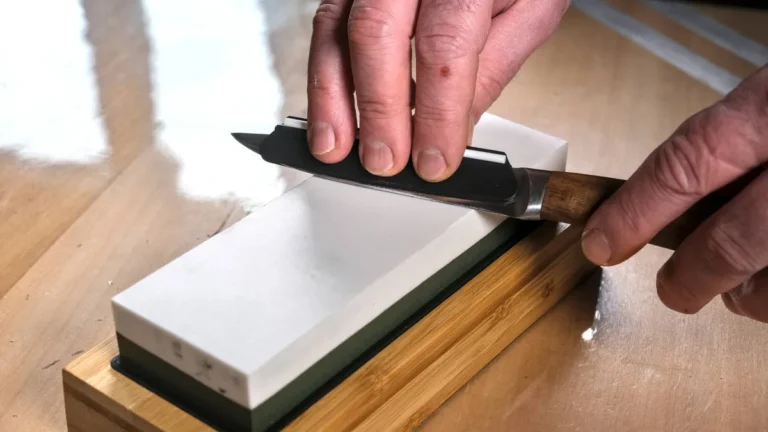
Whetstones, also known as sharpening stones, are probably the oldest and most versatile sharpening method. They consist of abrasive materials, like natural stone, diamond, or ceramic, bonded together. You typically use them with water or oil as a lubricant.
These stones come in a range of grits, from very coarse (around 100-400) for repairing chips and reshaping edges, to medium (around 800-1500) for general sharpening, and fine (2000+) for honing and polishing the edge to razor-like sharpness. The user manually controls the angle, making whetstones ideal for achieving a precise edge on a wide variety of knives, including those with harder steels and specific bevel angles. Many professional chefs and knife enthusiasts prefer whetstones for their control and the superior edge quality they can produce.
Image source: Web (Bing) / betongthinhphat.net (Web image (fair-use with source credit))
While incredibly effective, whetstones do have a learning curve. Achieving a consistent angle takes practice, and they require more time and effort than electric or pull-through options. As of 2026, high-quality whetstone sets can range from $40 to over $200, depending on the materials and grit combinations offered.
Electric & Pull-Through Sharpeners: Convenience vs. Precision
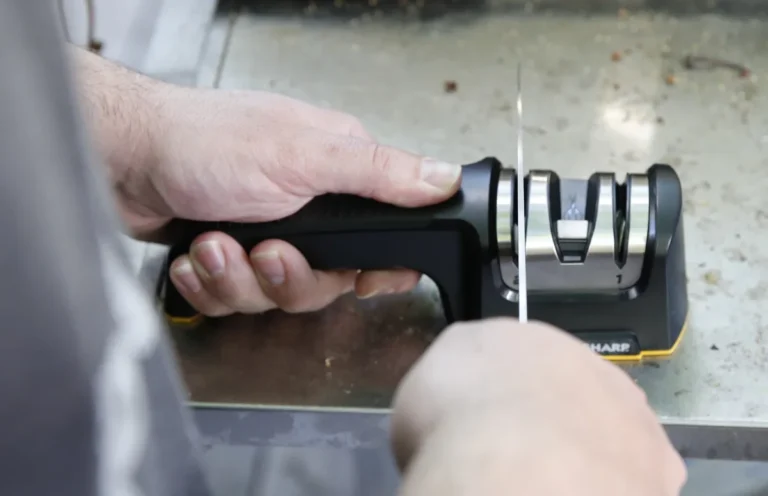
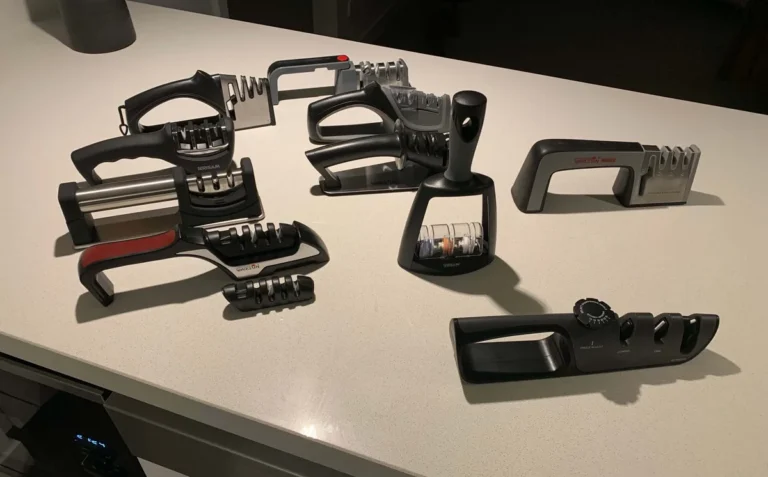
Electric and manual pull-through sharpeners offer a much faster and simpler way to sharpen knives. They typically have pre-set slots with abrasive wheels or carbides that guide the blade at a specific angle.
Electric sharpeners use motorized abrasive wheels, while pull-through sharpeners rely on manual pressure. Both are designed for speed and ease of use, making them popular for busy kitchens. They work well for everyday steel kitchen knives, quickly restoring a usable edge.
However, their fixed angles mean they aren't suitable for all knives, especially those with non-standard bevels or made of very hard materials.
The primary drawback of these sharpeners is the lack of fine control. They can remove metal very quickly, and it's easy to take off too much, shortening the lifespan of your knife. Furthermore, some electric sharpeners can overheat the blade, potentially damaging the temper of the steel.
For these reasons, they are generally not recommended for high-end or specialty knives.
Specialized Sharpeners: For the Unique Blades
Beyond the common categories, there are sharpeners designed for specific needs. Ceramic knives, as mentioned, require diamond-coated sharpeners. These are often smaller, rod-like tools or specific slots in multi-stage sharpeners.
Diamond is the only material hard enough to effectively abrade ceramic without damaging it.
Serrated knives also need their own dedicated tools. These are typically conical or rod-shaped sharpeners, often made of ceramic or diamond-coated steel. You use them to follow the angle of each serration, gradually restoring the fine points.
Trying to sharpen a serrated knife with a standard straight-edge sharpener is ineffective and can damage the existing teeth.
Other specialized tools might include guided rod systems for maintaining very specific angles or sharpening stones specifically designed for ultra-hard steels. If you own a particular type of knife, researching the manufacturer's recommendations for sharpening is always the safest bet.
When a "Universal" Sharpener Falls Short
The idea of a single sharpener that can handle everything is appealing, but in practice, it's largely a myth. While some multi-stage sharpeners try to cover a range of needs, they rarely excel at all of them. This is where a deeper understanding of knife-sharpening principles comes into play.
The Pitfalls of Generic Sharpening Tools
Many products advertised as "universal" knife sharpeners are essentially pull-through designs with multiple slots, each meant for a different stage or type of edge. They might have a coarse slot for quick reshaping, a finer slot for honing, and perhaps a special slot for serrated edges. While these can be convenient for a quick touch-up on a standard stainless steel kitchen knife, they often make compromises.
The angles in these slots are fixed, and they may not match the optimal angle for your specific knife. Furthermore, the abrasive materials used can be too aggressive for delicate blades or too fine for repairing significant damage. For instance, one common issue reported in aggregate user feedback is that the serrated slot on many universal sharpeners is not fine enough to properly hone those small teeth, leading to a dulled edge.
Different Blades, Different Bites: Why One Size Doesn't Fit All
The core reason behind this limitation lies in the diversity of knife construction and edge types. Steel knives, for example, can be hardened to different degrees. The Rockwell Hardness scale is a common standard, with knives ranging from around 52 to 65 HRC.
A sharpener designed for a softer steel might struggle with a very hard blade, while a sharpener aggressive enough for a hard steel could quickly wear down a softer one.
Ceramic knives, often rated above 70 HRC, are even more extreme. Their hardness requires diamond abrasives, which are far harder than typical steel sharpeners. Using a steel sharpener on a ceramic blade is like trying to file down glass with a butter knife, it won't work and will likely damage both the blade and the sharpener.
Serrated knives present a different challenge entirely: their design. The sharpener needs to match the angle and depth of the serrations. A flat, straight-edged sharpener simply can't engage these teeth effectively.
Therefore, a tool that works wonders on a straight-edged chef's knife might be completely useless, or even detrimental, to a serrated bread knife or a delicate paring knife.
The Wrong Tool for the Job: Common Blade Damage Risks
When you mismatch a sharpener with a knife, you risk more than just a dull edge. Using an electric sharpener with a ceramic knife, for example, can cause chipping and cracks. The abrasive wheels, often made of carbide or diamond for steel, can scrape and fracture the brittle ceramic.
Aggregate user reviews frequently highlight instances where enthusiastic but misinformed users have destroyed their ceramic knives with metal sharpeners.
For steel knives, using an overly aggressive sharpener or one with a poor angle can lead to an edge that is either too weak to hold up to use or has been ground away too much, significantly reducing the knife's lifespan. Manufacturer specifications for high-carbon steel knives often warn against heat damage from electric sharpeners, which can alter the steel's temper and make it less durable. This is why understanding the material and intended use of both your knife and your sharpener is paramount.
Sharpening Safety: Protecting Yourself and Your Knives
Sharpening a knife isn't just about achieving a keen edge; it's also about maintaining safety for both the user and the blade. A sharp knife is actually safer than a dull one because it requires less force to cut, reducing the risk of slippage. However, the sharpening process itself carries inherent risks if not approached with care.
Always work on a stable, non-slip surface. If you're using a whetstone, ensure it's secured with a damp cloth or a stone holder. Keep your fingers well away from the blade's edge and travel path.
Manufacturer guidelines for sharpening tools consistently emphasize keeping hands clear of the cutting path. Remember, even a brief lapse in concentration can lead to a serious cut.
What Are the Risks of Improper Sharpening?
Improper sharpening can lead to several dangerous outcomes. Firstly, if your sharpener isn't stable, it can move unexpectedly, causing you to lose control of the knife. Secondly, forcing a knife through a sharpener that's not designed for it can cause the blade to snag or twist, potentially leading to a break or a chip, which can then become a flying hazard.
Aggregate user feedback often includes stories of minor injuries from knives that slipped during sharpening, especially when using worn-out or poorly maintained sharpening tools. It's also crucial to store your knives and sharpeners properly after use to prevent accidental cuts. Following basic safety protocols, like keeping children and pets away from the sharpening area, is non-negotiable.
Common Sharpening Mistakes to Dodge
Even with the right tools, a few common mistakes can sabotage your sharpening efforts. One of the most frequent errors is using inconsistent pressure or an inconsistent angle. This leads to an uneven edge that dulls quickly and can even create burrs, which are rough edges that need to be removed.
Another mistake is using the wrong grit for the job. Starting with a very coarse grit when only light honing is needed will remove too much metal. Conversely, trying to repair a nicked blade with a fine finishing stone is largely ineffective.
It's like trying to fill a pothole with sand, it just won't work.
Is My Sharpening Angle Correct?
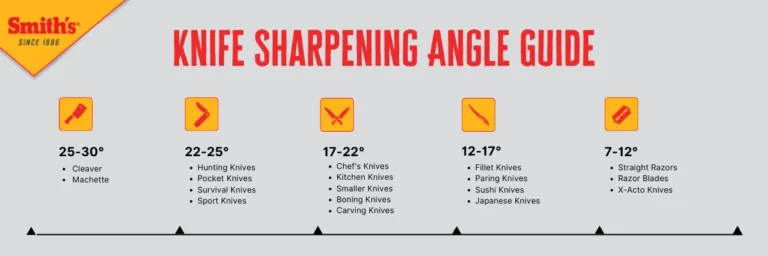
Figuring out the right angle can be tricky. For most Western-style kitchen knives, an angle between 15 and 20 degrees per side is common. Japanese knives often use a sharper angle, around 10 to 15 degrees.
Serrated knives require you to follow the existing angle of the serrations. Many pull-through sharpeners have pre-set angles, but their accuracy can vary.
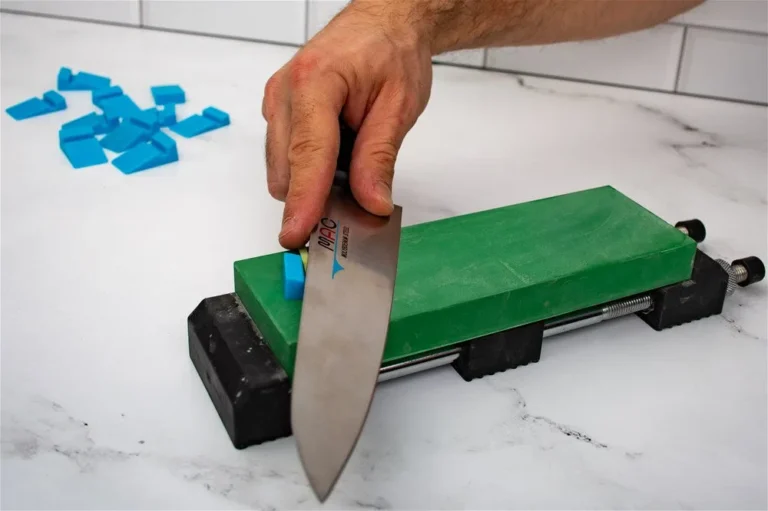
If you're unsure, look for manufacturers' recommendations for your specific knife model. You can also use angle guides available for whetstones or even mark your blade with a marker; if the marker is removed evenly across the bevel during sharpening, you're likely on the right track. For a visual representation of correct angles, imagine holding a ruler perpendicular to the blade edge for a 0-degree angle, then tilting it away from you by about a quarter of the way to 20 degrees.
What If I Damage My Knife?
If you notice a chip or a significant nick in your blade, don't panic. Minor nicks can often be repaired with a coarser grit whetstone or a specialized sharpening stone designed for repairs. However, deep chips or cracks might be beyond what most home users can safely fix.
In such cases, professional sharpening services are the best option. They have the equipment and expertise to handle more complex repairs without further damaging the blade. Trying to force a severely damaged knife through a standard sharpener can exacerbate the problem and potentially break the blade.
FAQs About Knife Sharpeners and Knives
### Can I use a sharpening steel on my ceramic knife?
No, you absolutely cannot use a steel or any metal-based sharpener on ceramic knives. Ceramic blades are too brittle and hard for these tools. You need a specialized diamond sharpener designed for ceramic.
### How often should I sharpen my knives?
This depends on how frequently you use them and the type of steel. For heavy daily use, knives might need sharpening every few weeks. For lighter home use, sharpening every 2-6 months might suffice.
Honing with a steel more frequently (weekly or even daily) can maintain the edge between full sharpenings.
### Will a sharpener work on a pocket knife?
Generally, yes, if the pocket knife is made of steel. However, the specific steel alloy of the pocket knife matters. Very hard steel alloys might benefit from diamond stones or professional sharpening for the best results, while standard steel pocket knives can usually be sharpened with whetstones or pull-through sharpeners.
### What's the difference between honing and sharpening?
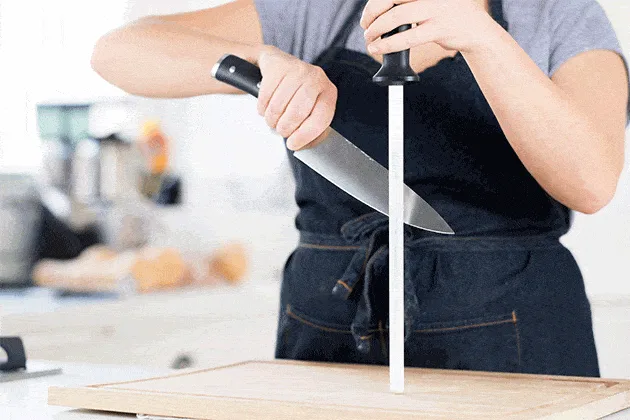
Sharpening removes metal to create a new edge. Honing (or steeling) realigns a slightly bent or misaligned existing edge without removing significant metal. Honing keeps a sharp knife sharper for longer, but it won't fix a truly dull or damaged edge.
### Can I sharpen a serrated knife with a regular sharpener?
No, a regular straight-edge sharpener won't work effectively on serrated knives. You need a specialized serrated knife sharpener, often a rod or cone-shaped stone, that fits the angle of the individual serrations.
Your Decision Guide: Finding the Right Sharpening Path
Deciding on the best sharpening method isn't about finding a universal magic bullet; it's about matching the tool to your knife and your needs. If you primarily use standard steel kitchen knives and value speed and simplicity, a quality electric or pull-through sharpener might serve you well for everyday use. Just be aware of their limitations and the potential for removing too much metal.
For those who own a variety of knives, including high-end steel blades, Japanese knives, or delicate ones, a whetstone system offers the most control and the best potential for a superior edge. It requires more practice and time, but the results are often unmatched. If you have specialized knives like ceramic or very hard-alloy steels, you'll need dedicated sharpeners for those specific materials.
When to Consider Professional Sharpening
There are times when even the best DIY sharpening methods aren't enough, or when you simply want the absolute best edge possible. If your knives have significant chips, cracks, or are made of extremely hard alloys that you're hesitant to tackle yourself, professional sharpening services are a great option. Many services use specialized equipment, like belt grinders or jig-based systems, to achieve precise angles and fine edges that are difficult to replicate at home.
When choosing a professional service, look for those that clearly state their methods and experience, especially with different knife types. Some services even offer mail-in options, making it convenient to get your blades expertly maintained. This approach is particularly beneficial for those who have invested in high-quality knives and want to ensure their longevity and performance.