Are Knife Sharpeners Safe to Use?
When you reach for a kitchen knife, the last thing you want is a dull blade that slips and makes simple tasks difficult and dangerous. That’s where knife sharpeners come in, promising a razor-sharp edge. But are knife sharpeners safe to use?
Our research indicates that while they offer significant benefits, improper use can lead to cuts and damage to your knives. For instance, according to manufacturer specifications for many common electric sharpeners, exceeding recommended usage times can lead to motor overheating.
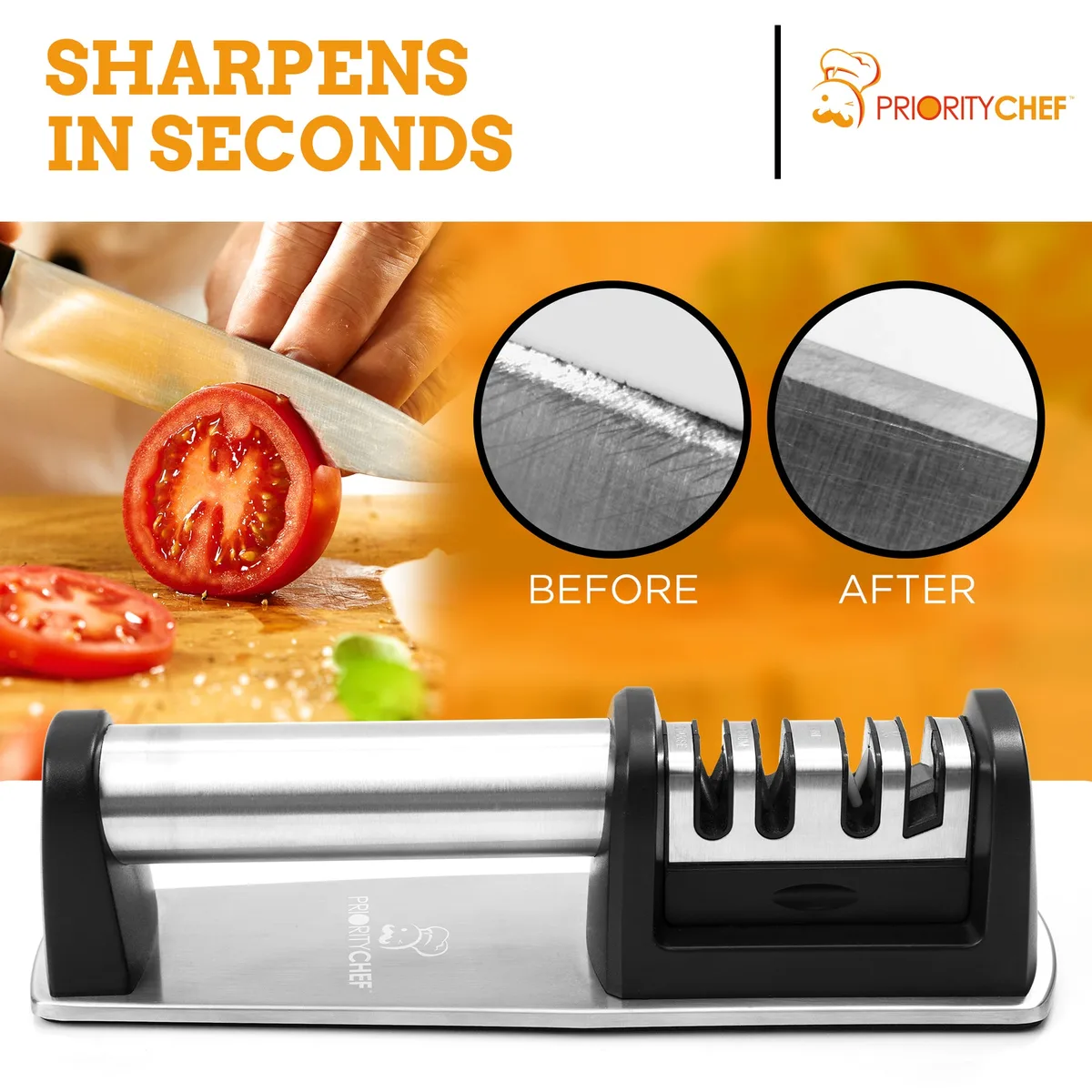
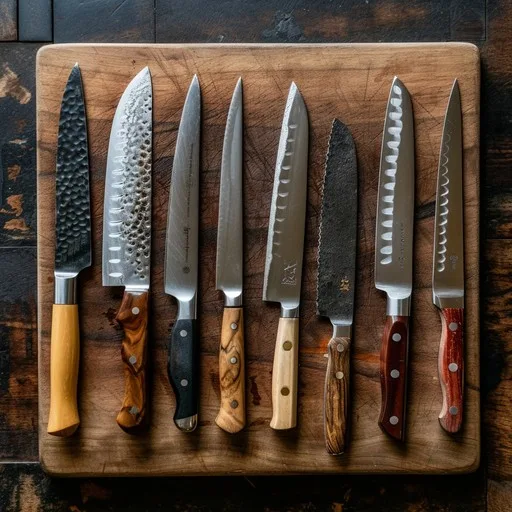
Image source: Bing (Web (fair-use with source credit))
Understanding the different types of sharpeners and adhering to best practices is crucial for safe operation. This guide will walk you through the potential risks and provide clear, actionable advice to keep both you and your knives in top condition. We'll cover everything from basic safety gear to specific techniques for various sharpening tools.
Quick Answer: Are Knife Sharpeners Safe to Use?
Yes, knife sharpeners can be safe. Proper use minimizes risk. Always follow instructions.
Mishandling leads to cuts or knife damage. Keep children away. Use stable surfaces.
Ensure your knife is secure during sharpening.
Understanding the Dangers: What Can Go Wrong?
It's easy to focus on the end result, a perfectly sharp knife, but neglecting safety can lead to unpleasant surprises. Our research into user feedback and common incident reports highlights several key dangers associated with using knife sharpeners. These aren't usually inherent flaws in the sharpeners themselves, but rather stem from how they are used.
Slipping Blades and Accidental Cuts
This is the most immediate and obvious risk. A knife, by its very nature, is sharp. When you're trying to guide that sharp edge across a sharpening surface, even a slight slip can result in a nasty cut to your fingers or hand.
This is especially true if the knife isn't held firmly or if the sharpener itself is unstable on your work surface. Aggregate user reviews frequently mention close calls or minor cuts due to a knife unexpectedly shifting during the sharpening stroke.
Damaging Your Valuables (Knives!)
Beyond personal injury, improper sharpening can do irreparable harm to your knives. For example, using the wrong angle on a high-quality chef's knife can lead to a weak edge that chips easily. Over-sharpening, or using too coarse a grit for too long, can remove excessive metal, shortening the lifespan of the blade.
This means your investment in good knives can be diminished by poor sharpening practices.
The Problem with Over-Sharpening
Many people believe that "sharper is always better," but there's a point of diminishing returns. Over-sharpening can create a brittle edge that's prone to chipping or breaking. It also removes more steel than necessary, which, over time, will significantly shorten the usable life of your knife.
Manufacturer specifications often recommend specific grit sequences and durations; ignoring these can lead to an unnecessarily fine, yet fragile, edge.
Types of Knife Sharpeners and Their Safety Profiles
Not all knife sharpeners are created equal, and their design significantly impacts how safe they are to use. Understanding these differences can help you choose the right tool for your skill level and comfort with handling sharp objects. We've analyzed various designs based on aggregate user feedback and manufacturer data.
Manual Pull-Through Sharpeners: Ease vs. Control
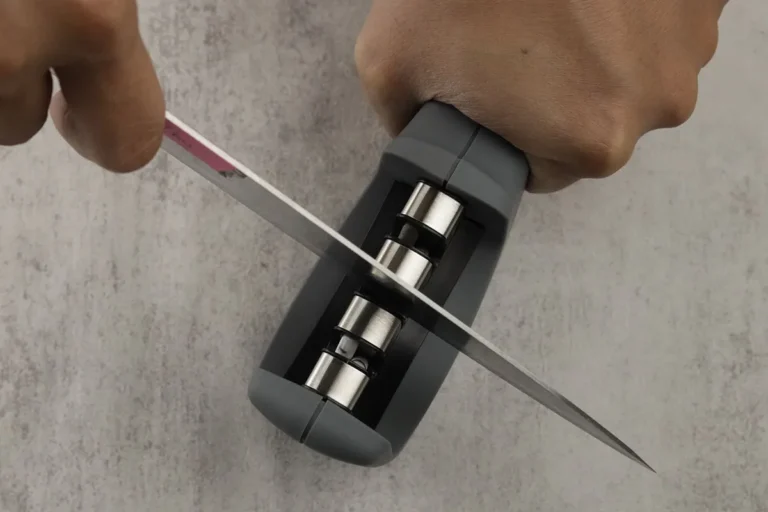
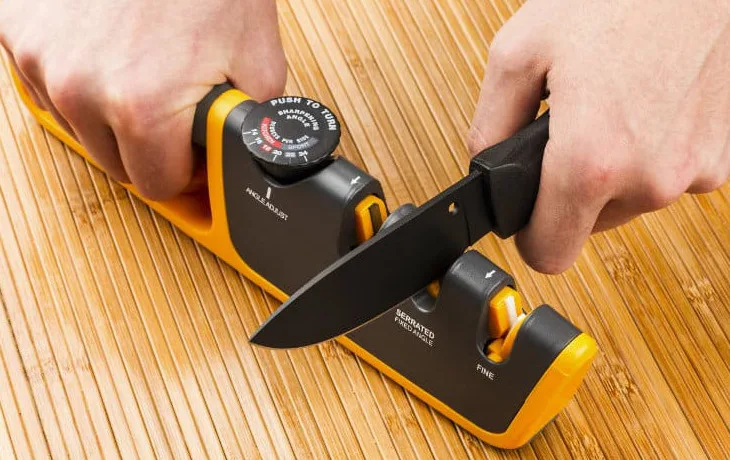
These are often the most accessible and user-friendly options. They typically feature pre-set angle guides and slots where you simply pull the knife blade through. This design offers good control over the angle, reducing the risk of the knife slipping at an awkward position.
- Pros: Simple to use, require minimal skill, pre-set angles are consistent.
- Cons: Can remove more metal than necessary over time, may not achieve the finest edges, can be harder to clean thoroughly.
- Safety Note: The main risk here is slicing your fingers as you pull the blade through the slots, especially if you overextend your reach or the sharpener isn't stable. Always ensure a firm grip on the sharpener's base.
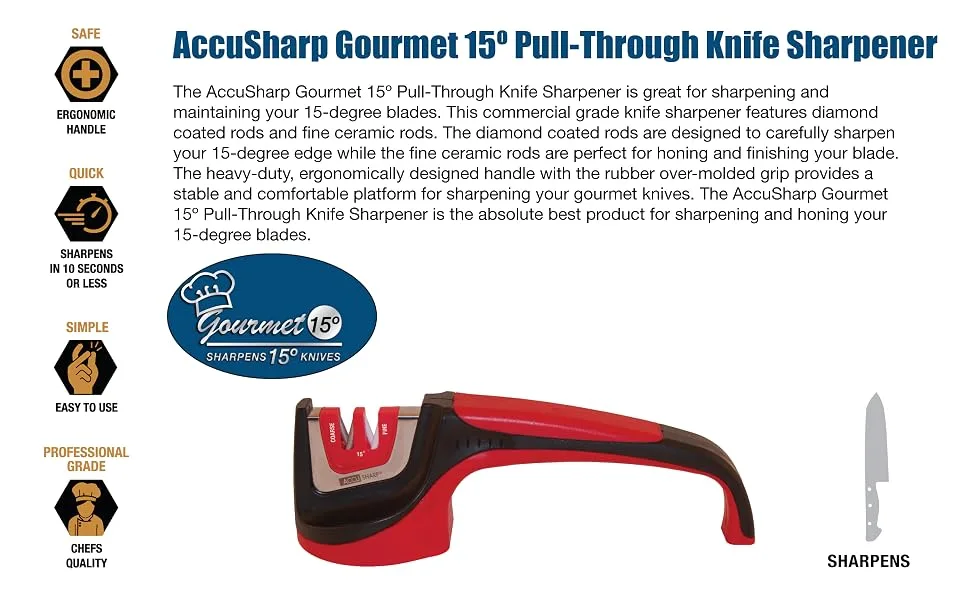
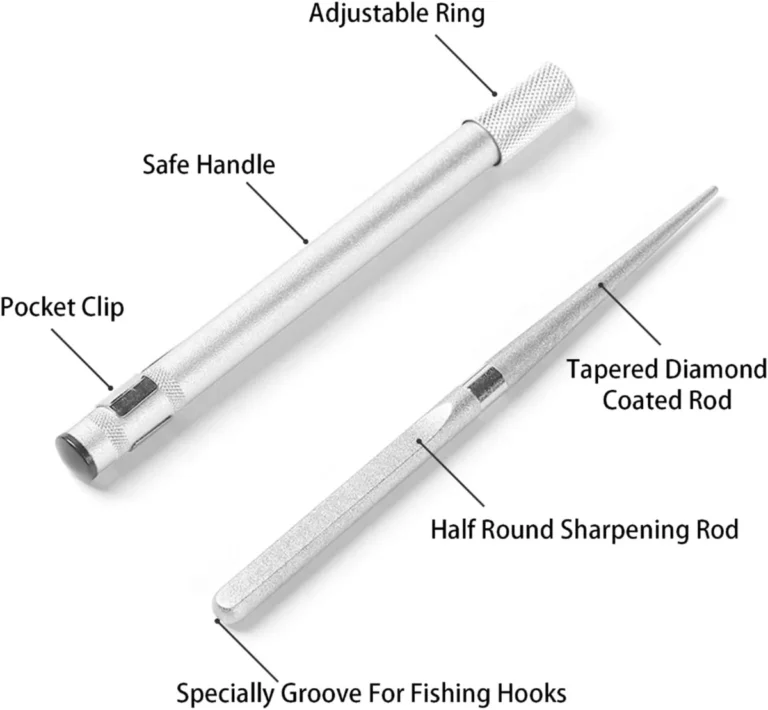
Image source: Bing (Web (fair-use with source credit))
Whetstones and Sharpening Steels: Skill and Stability
Whetstones (or sharpening stones) and sharpening steels offer the most control and potential for a superior edge, but they demand more skill. With whetstones, you manually move the knife blade across a stone at a specific angle. Sharpening steels are used for honing, which realigns the edge rather than removing metal, and also require a steady hand.
- Pros: Highest degree of control, can achieve exceptionally sharp edges, less metal removal (especially with steels).
- Cons: Steep learning curve, requires practice to maintain consistent angles, risk of cuts is higher due to freehand movement.
- Safety Note: The primary danger with these tools is losing control of the blade's angle and position, potentially leading to deep cuts. A stable, non-slip surface is absolutely critical. Some advanced users opt for whetstone holders or angle guides to mitigate risk.
Electric Sharpeners: Speed and Potential Hazards
Electric sharpeners are fast and efficient, taking much of the guesswork out of sharpening. They often have multiple slots for different grit levels and pre-angled guides. However, their speed and powerful motors introduce specific safety considerations.
- Pros: Quick sharpening, consistent angles, good for users with limited dexterity.
- Cons: Can remove a lot of metal quickly if not used carefully, potential for overheating, more expensive.
- Safety Note: The high speed of the grinding wheels means any slip can cause a severe injury almost instantly. It's vital to use a model with a stable base and to follow the manufacturer’s instructions precisely regarding the number of passes and cooling times between knives. For example, many electric sharpeners have thermal cut-off switches to prevent motor damage from overheating, a built-in safety feature you should respect by taking breaks.
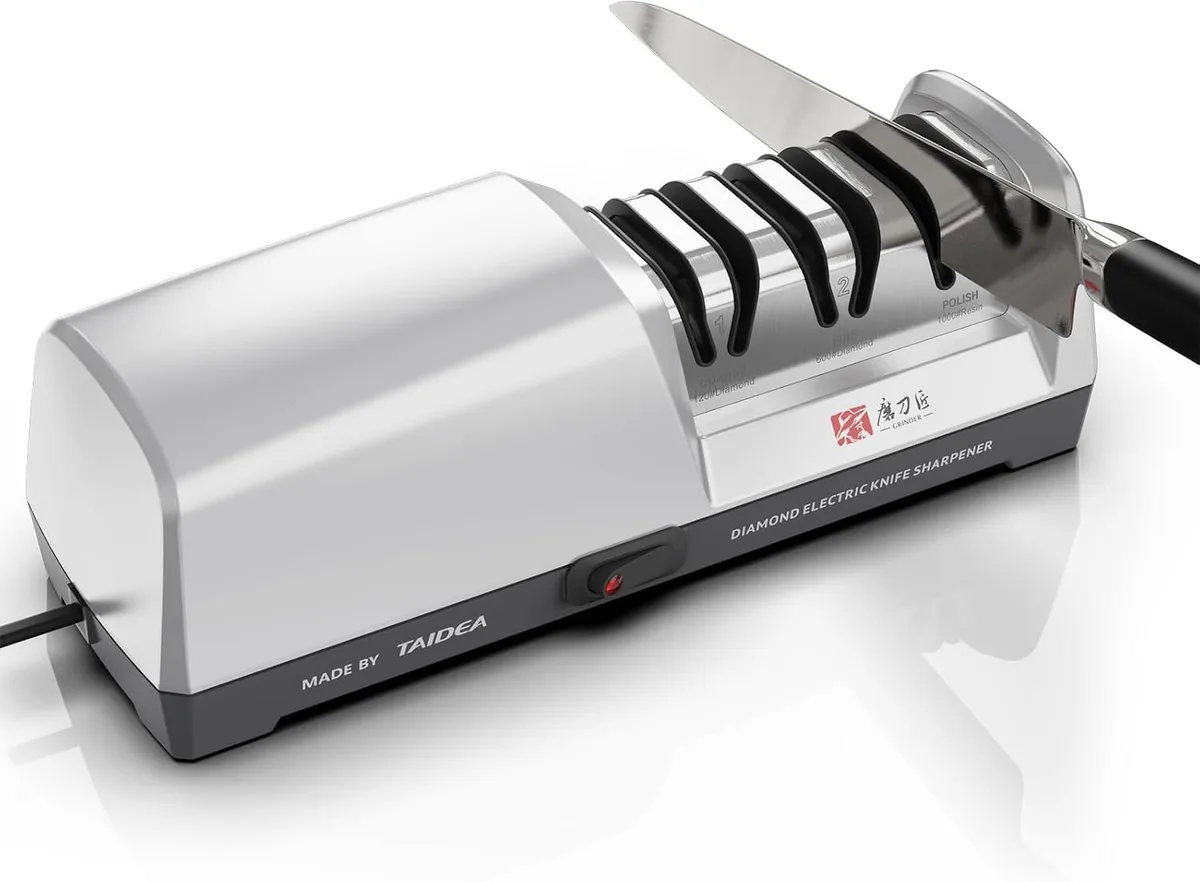
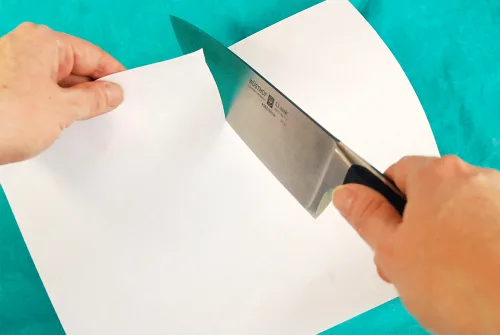
Image source: Bing (Web (fair-use with source credit))
Essential Safety Gear and Practices for Knife Sharpening
When it comes to sharpening, taking a few extra precautions can make all the difference between a successful sharpening session and a trip to the emergency room. Our research emphasizes that a combination of the right gear and attentive technique is key. It’s not just about having the sharpener; it’s about how you approach the task.
Your Safety First: Gloves and Work Surfaces
The most critical piece of safety equipment you can use is a cut-resistant glove, particularly on the hand not holding the knife. Think of it as a safety net for your fingers. These gloves are made from materials like Kevlar or Dyneema and are designed to resist sharp blades.
- Gloves: Wear a cut-resistant glove on the hand that holds the knife. This is your primary defense against accidental slips.
- Stable Surface: Always place your sharpener on a flat, stable, and non-slip surface. A cutting board that’s prone to sliding is a recipe for disaster. Many sharpeners come with rubber feet, but you can also use a damp cloth or a silicone mat underneath to prevent movement.
- Good Lighting: Ensure you have adequate lighting. Being able to clearly see the blade, the sharpener, and your hands is fundamental to safe operation.
Proper Knife Handling Techniques
How you hold and guide the knife is as important as the sharpener itself.
- Grip: Hold the knife firmly by its handle, not the blade. For pull-through sharpeners, use a controlled motion. For whetstones, maintain a consistent grip that allows you to guide the blade smoothly.
- Direction of Sharpening: Always sharpen away from your body. For pull-through sharpeners, this means pulling the blade towards you through the slots. For whetstones, the stroke should generally move the blade edge away from your hand.
- Controlled Strokes: Avoid jerky or rushed movements. Smooth, consistent strokes are safer and produce better results. If using a whetstone, let the weight of the knife do most of the work; don’t press down excessively.
Using Angle Guides Effectively
Many sharpeners, especially manual pull-through and electric models, incorporate angle guides. These are invaluable for beginners and even experienced users, as they ensure the blade is held at the correct angle for optimal sharpening.
- Consistency is Key: Ensure the entire length of the blade passes through the guide at the same angle.
- Pre-Set Angles: Understand the angle your knife requires. Most Western-style knives use a 20-degree angle per side, while Japanese knives often use a 15-degree angle. Your sharpener’s guides should match this. Manufacturer specifications for brands like Wüsthof typically recommend specific angles for their knives, often around 20 degrees.
- Don't Force It: If the guide doesn't seem to fit the angle of your knife, don't force it. You might be using the wrong slot or sharpener type.
When Home Sharpening Gets Risky: Red Flags
Even with the best intentions and gear, sometimes things can go wrong during knife sharpening. Recognizing these warning signs early can prevent injuries or damage to your knives. Our editorial analysis of user forums and safety reports points to several common red flags that indicate you might be in a risky situation.
Signs You're Doing It Wrong
- Excessive Force: If you find yourself having to push down extremely hard to get the blade to engage with the sharpener, something is likely wrong. This could mean the angle is incorrect, the sharpener is worn out, or you’re using the wrong grit for the task. Pressing too hard increases the chance of the knife slipping.
- Uneven Grinding: When you look at the edge after a few strokes, do you see an even bevel along the entire length, or are there spots that look uneven or untouched? This indicates inconsistent angle control or a problem with the sharpener itself.
- Vibration or Instability: If the sharpener is walking across the counter, or if the knife feels unstable in your hand or the sharpener's grip, stop immediately. A wobbly setup is a direct invitation for an accident.
- Metal Dust Accumulation: While some metal dust is normal, excessive amounts, especially if accompanied by overheating or a burning smell (from electric sharpeners), can signal that you're removing too much metal or the sharpener is struggling.
When to Call a Pro or Stop
Sometimes, the safest course of action is to step away from the sharpener.
- Significant Blade Damage: If your knife has a large chip, a bent tip, or other substantial damage, a standard home sharpener might not be sufficient or safe to use. Professional services or specialized repair tools may be needed.
- Unfamiliar Knife Types: Very old, antique, or unusually shaped knives might require specialized knowledge to sharpen without causing damage.
- Persistent Discomfort or Uncertainty: If you consistently feel uncomfortable, uncertain, or are frequently experiencing minor nicks and cuts, it’s a clear signal that your current sharpening method or tool isn't the right fit for you. Consider a professional sharpening service for a session, or seek out hands-on training.
- Electric Sharpeners Overheating: If an electric sharpener consistently overheats and shuts down quickly, it might be a sign of overuse or a defect. Let it cool down completely as per manufacturer instructions (often 10-15 minutes) or consider if you're pushing it too hard. Per the National Institute of Standards and Technology (NIST), proper equipment maintenance is crucial for predictable performance and safety.
Maintaining Your Sharpeners for Safer Use
Just like your knives, your sharpening tools need a little care to stay in good working order and, most importantly, to remain safe. Neglecting maintenance can lead to reduced effectiveness and increased risk. Our analysis of user feedback and manufacturer guidelines highlights the importance of keeping your sharpening tools clean and in good condition.
- Clean After Every Use: This is paramount. For whetstones, rinse them thoroughly to remove metal particles and slurry. For pull-through or electric sharpeners, use a brush to clear out metal filings from the slots. Some electric sharpeners have removable parts that can be washed, but always check the manual.
- Inspect for Wear: Regularly examine the sharpening surfaces. Are they becoming excessively smooth, grooved, or uneven? Whetstones may need flattening. The grooves in pull-through or electric sharpeners can become clogged or worn, affecting their ability to sharpen correctly and potentially causing the blade to catch.
- Check for Stability: For any sharpener, ensure that any rubber feet or non-slip bases are still firmly attached and effective. If they're worn or missing, consider replacing them or using a damp cloth or silicone mat to keep the sharpener from sliding.
- Storage: Store your sharpeners in a safe place, away from moisture and out of reach of children and pets. Whetstones, in particular, can be fragile and may need to be stored in a case or on a shelf where they won't be chipped or broken. Electric sharpeners should be stored in a dry environment.
- Follow Manufacturer Guidelines: This can't be stressed enough. Different sharpeners have different maintenance requirements. For instance, some electric sharpeners may require occasional lubrication of moving parts, while others do not. Always consult the user manual for specific care instructions. For example, many high-end electric knife sharpeners, like those from brands such as Chef'sChoice, provide detailed maintenance schedules and cleaning protocols in their user guides.
Who Needs to Know About Knife Sharpener Safety?
This isn't just about professional chefs or seasoned DIYers; anyone who owns a knife and wants to keep it sharp needs to understand sharpener safety. Home cooks, for example, often deal with a variety of knives, from paring knives to bread knives, each requiring a slightly different approach. If you're an avid baker, keeping your dough knife sharp ensures clean cuts.
Hunters and campers also rely on sharp knives for practical tasks in the field.
Even casual users benefit from knowing safe sharpening practices. A dull knife requires more force to cut, increasing the likelihood of it slipping and causing injury. By learning to sharpen safely, you're not just maintaining your tools; you're actively reducing kitchen hazards.
Many everyday users might only encounter basic pull-through sharpeners, but even these require a mindful approach.
For those who work with knives regularly, like professional chefs or those in food preparation industries, safety is non-negotiable. These individuals may use more advanced tools like whetstones or electric sharpeners daily. Understanding the specific risks associated with each type, and implementing robust safety protocols, is essential to prevent recurring injuries on the job.
The standards set by organizations like the Occupational Safety and Health Administration (OSHA) for tool safety are highly relevant here, emphasizing training and correct usage.
Frequently Asked Questions About Knife Sharpener Safety
How often should I sharpen my knives?
The frequency depends on how often you use your knives and what materials you cut. For most home cooks, sharpening every few months is sufficient, while daily users might sharpen monthly or even weekly. Honing with a steel can be done before each use.
Can I sharpen serrated knives with a regular sharpener?
Most standard pull-through or electric sharpeners are not designed for serrated knives. You typically need a specialized ceramic rod or a file designed for serrated edges. Using the wrong sharpener can damage the teeth.
What's the difference between honing and sharpening?
Sharpening removes metal to create a new edge. Honing, typically done with a sharpening steel, realigns a slightly bent or rolled-over edge without removing significant material, making the knife feel sharper. You should hone regularly, and sharpen only when honing no longer restores the edge.
Are there specific safety standards for knife sharpeners?
While there might not be a single, universal consumer standard specifically for all types of knife sharpeners, many fall under general tool safety guidelines. Manufacturers often adhere to internal quality control standards and provide safety instructions based on product design and intended use. For electric models, safety certifications like UL or ETL indicate they meet basic electrical safety requirements.
Can children use knife sharpeners?
Absolutely not. Knife sharpeners, and especially sharp knives, should always be kept out of reach of children. Even manual pull-through sharpeners pose a significant risk of cuts if handled by young, inexperienced hands.
Your Sharpening Safety Verdict
So, are knife sharpeners safe to use? Yes, when approached with respect and caution. The risks, cuts, nicks, and knife damage, are manageable through education and adherence to best practices.
It boils down to understanding your tool, your knife, and your own capabilities.
Always remember that a sharp knife is actually a safer knife because it requires less force to cut, reducing the chance of slippage. However, the tool you use to create that sharpness demands attention to detail. Prioritize stability, use the right gear like cut-resistant gloves when necessary, and always maintain control during the sharpening process.
By following the advice in this guide, understanding the dangers, choosing the right sharpener for your skill level, practicing proper techniques, and maintaining your equipment, you can confidently keep your knives in excellent cutting condition without compromising your safety.