What Is the Best Knife Sharpener for Japanese Knives?
Choosing the right sharpener for Japanese knives can feel a bit daunting, especially when you consider their unique construction. These blades often boast harder steel and a steeper, more precise angle, meaning they require a specific touch to maintain that incredible sharpness. Using the wrong tool can lead to damage rather than a keen edge.
Our research shows that the "best" sharpener isn't a single product, but rather the right tool matched to your skill level and how you use your knives. We'll explore options from traditional water stones to modern guided systems, ensuring you can keep your Japanese blades in prime condition.
Quick Answer
The best knife sharpener for Japanese knives is typically a water stone or a guided sharpening system that allows for precise angle control. Water stones offer the most refined edge but require practice, while guided systems simplify angle consistency. Electric sharpeners are generally not recommended due to the risk of damaging the hard, brittle steel.
Understanding Your Japanese Knives: Why They Need Special Care
Japanese knives are revered for their exceptional sharpness and cutting ability, but this performance comes with specific requirements for maintenance. Understanding these nuances is the first step to ensuring you don't inadvertently damage your prized blades.
Why Japanese Knives Demand a Different Approach
Unlike their Western counterparts, many Japanese knives are crafted from much harder steel. This can range from 60 HRC (Rockwell Hardness Scale) to over 65 HRC for some high-end models. This superior hardness is what allows them to hold an incredibly fine edge for longer periods.
However, this also makes them more brittle. Think of it like a very fine shard of glass, it can be incredibly sharp, but it's also more prone to chipping if subjected to undue stress or impact. This brittleness means that abrasive methods must be controlled and precise.
Key Characteristics: Steel Hardness and Blade Angle
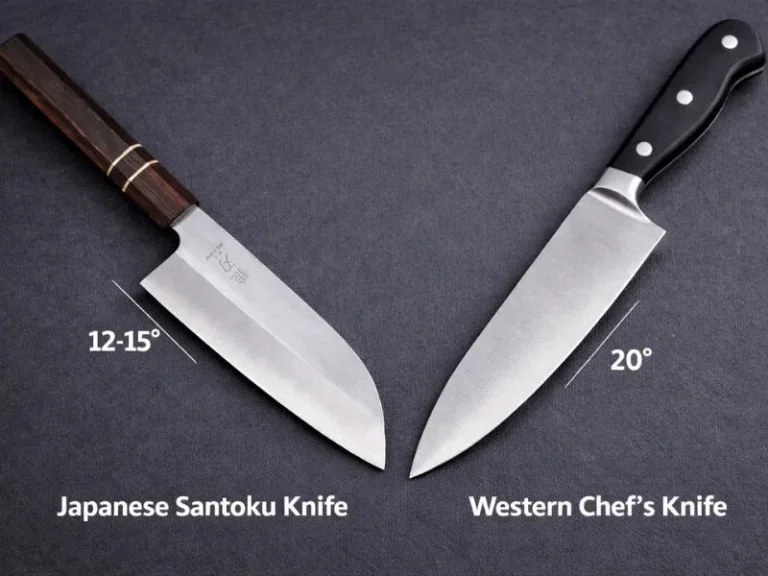
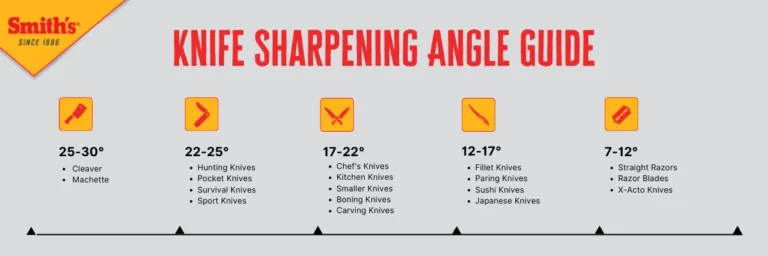
The material a knife is made from is critical, but so is its geometry. Most Western-style knives are ground at an angle of around 20 degrees per side. In contrast, traditional Japanese knives are often sharpened to a much more acute angle, typically between 10 and 15 degrees per side.
This steeper angle allows for more efficient slicing and a finer point of entry into food. However, maintaining this delicate angle requires careful attention. If you use a sharpener designed for the wider angle of a Western knife, you risk uneven sharpening or even damaging the very fine apex of the edge.
This is why selecting a sharpener that can accommodate these narrower angles is paramount for preserving the integrity and performance of your Japanese blades.
Image source: Bing (Web (fair-use with source credit))
Sharpening Methods: A Deep Dive for Precision Blades
When it comes to keeping those high-performance Japanese blades in top form, there are a few primary sharpening methods. Each has its own learning curve and ideal user, but they all aim to restore that surgical sharpness.
Water Stones (Whetstones): The Traditionalist's Choice
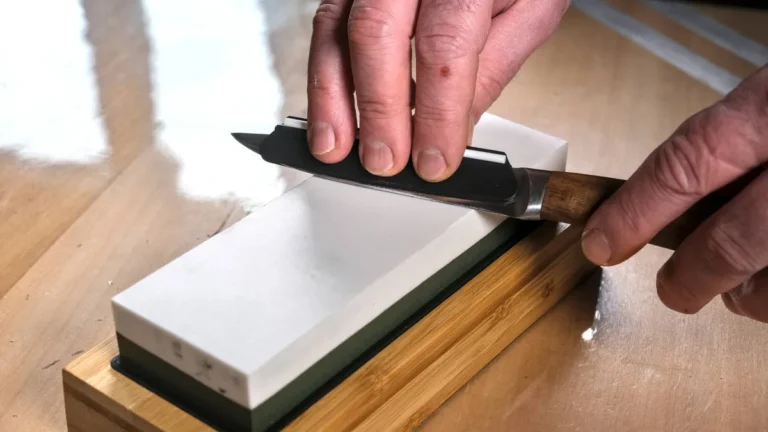
Water stones, often called whetstones, are the gold standard for many knife enthusiasts and professionals working with Japanese cutlery. These abrasive blocks are typically made from materials like aluminum oxide or silicon carbide, and they require soaking in water before use. As you sharpen, a slurry forms, a mixture of water and stone particles.
This slurry not only helps to polish the edge but also contributes to the cutting action on the steel.
The primary advantage of water stones is the unparalleled control they offer. You can precisely manage the angle, pressure, and the feel of the sharpening process. This is crucial for achieving the incredibly fine, polished edge that Japanese knives are known for.
Water stones come in a vast range of grits, allowing you to repair significant damage or simply refine a well-maintained edge to a mirror finish.
However, mastering water stones does involve a learning curve. Achieving a consistent sharpening angle freehand takes practice and patience. Additionally, water stones need to be kept flat; they wear down over time and require periodic flattening with a lapping stone to ensure they sharpen evenly and effectively.
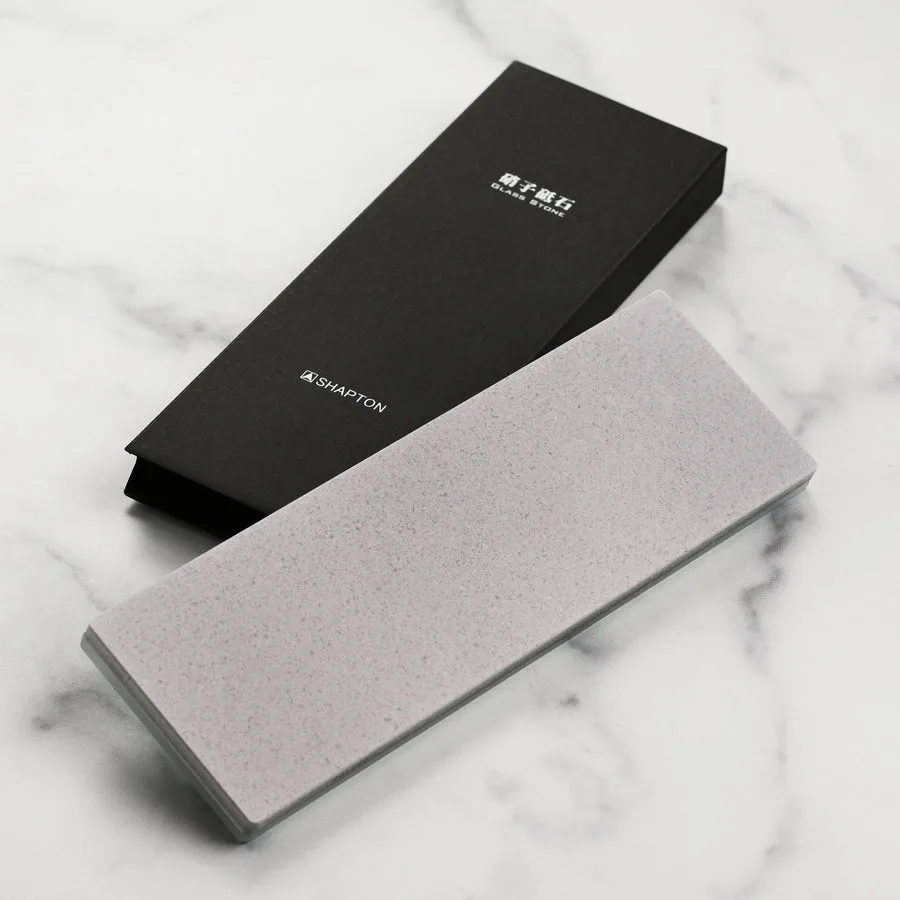
Image source: Bing (Web (fair-use with source credit))
Guided Sharpening Systems: Angle Control Made Easier
If the idea of freehand sharpening with water stones feels intimidating, guided sharpening systems offer a more accessible path to a sharp edge. These systems are designed to hold your knife at a fixed, consistent angle while you move the abrasive element across the blade. They typically involve rods or other guides that lock in a specific degree of angle, eliminating much of the guesswork.
The main benefit of guided systems is their ability to ensure uniformity. For those struggling to maintain a steady hand or a precise angle, these systems are invaluable. Many are engineered to accommodate the steeper angles common on Japanese knives, providing a reliable way to achieve a sharp, well-defined edge without the extensive practice required for freehand methods.
While they offer remarkable consistency, guided systems may not always provide the same level of tactile feedback or the ultimate polishing capability as high-grit water stones. Some users find that the edge achieved, while sharp, might not possess the same refined keenness. Additionally, certain systems can be bulkier, requiring more storage space than a simple set of stones.
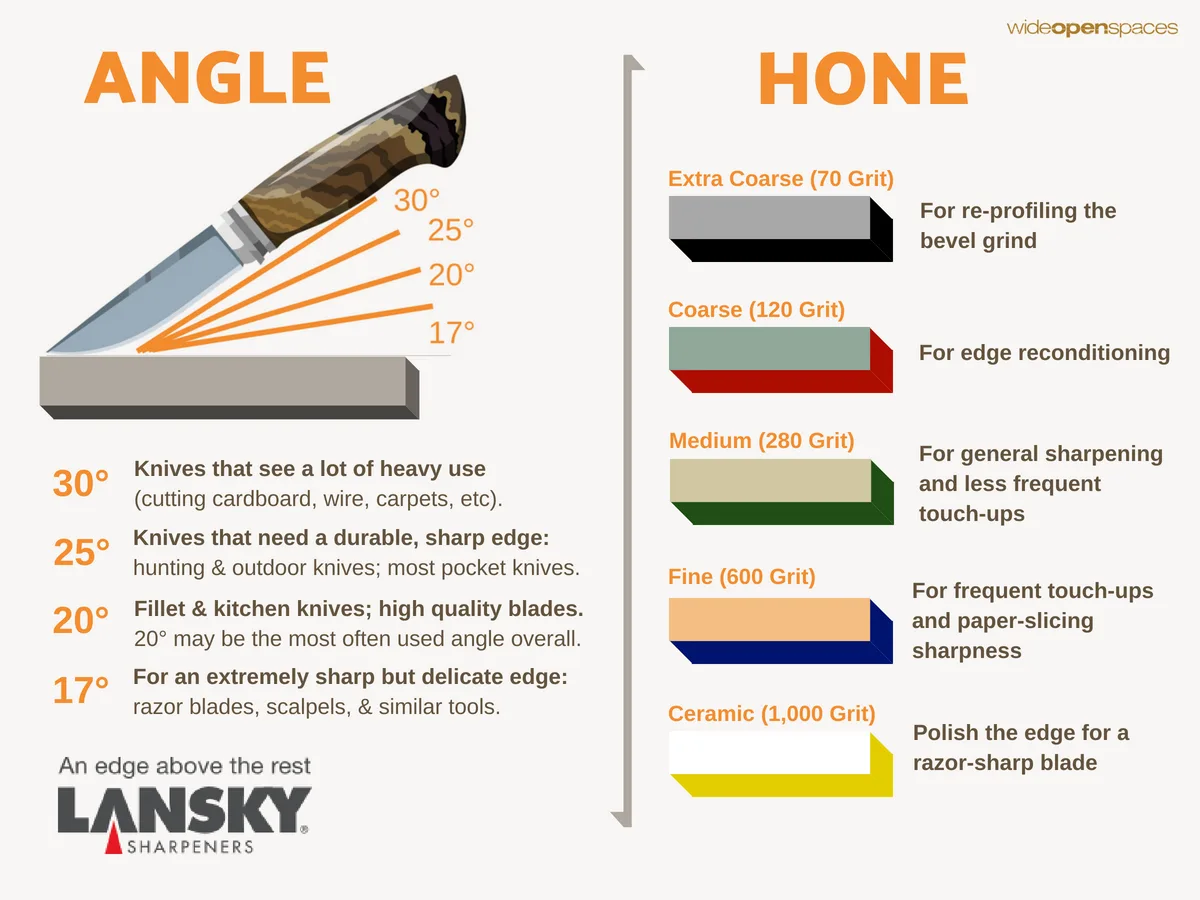
Image source: Bing (Web (fair-use with source credit))
Electric Sharpeners: Convenience with Caution
Electric sharpeners offer speed and ease of use, making them attractive for those who want a quick touch-up. They employ motorized abrasive wheels or belts that rotate to sharpen the knife as you pull it through designated slots. For many Western knives, these can provide a usable edge in moments.
However, electric sharpeners present significant risks for Japanese knives. Many are designed with coarser angles and can generate substantial heat, which can damage the high-carbon, brittle steel of Japanese blades, potentially leading to softening or even micro-fractures. The aggressive nature of some electric sharpeners can also remove metal much faster than intended, shortening the lifespan of your knife.
If you absolutely must consider an electric sharpener for your Japanese knives, it is crucial to seek out models specifically engineered for high-carbon steel and featuring very precise, adjustable angle settings for those steeper Japanese grinds. Even then, their use should be sparing and judicious, as they generally cannot match the control and refinement offered by water stones or well-chosen guided systems.
Matching the Grit: Finding the Right Abrasiveness
The "grit" of a sharpening stone or abrasive is fundamental to its function. It tells you how coarse or fine the abrasive particles are, and in turn, what that stone is best suited for. Think of it like sandpaper: a low grit number means fewer, larger abrasive particles (coarser), while a high grit number means more, smaller particles (finer).
Understanding Grit Numbers for Different Needs
Grit levels are categorized broadly, and the specific numbers can vary slightly between manufacturers, but the general purpose remains the same. This categorization helps you choose the right tool for the job, whether you're performing major repairs or simply maintaining a keen edge.
- Coarse Grit (approx. 200-600): This is for significant blade work. If your knife has chips, nicks, or is extremely dull, coarse grit stones are used to quickly remove metal and reshape the edge. They cut aggressively.
- Medium Grit (approx. 800-2000): This is your primary workhorse grit. It's excellent for bringing a dull knife back to a good, usable sharpness after using a coarse stone, or for sharpening a knife that’s lost its edge through regular use.
- Fine Grit (approx. 3000-6000): After using a medium grit, fine grit stones refine the edge. They smooth out the microscopic scratches left by coarser abrasions, making the edge sharper, more durable, and less prone to dulling quickly.
- Extra-Fine Grit / Polishing (10,000+): These ultra-fine stones are for polishing the edge to a mirror finish. This level of refinement creates an incredibly keen, smooth apex that slices through food with minimal resistance, characteristic of high-end Japanese knives.
Coarse to Extra-Fine: What Each Grit Does
When selecting a sharpening setup, especially for Japanese knives, consider a progression of grits. For most home users, a combination stone that offers a medium and a fine grit (e.g., a 1000/6000 grit stone) is an excellent starting point. This allows you to learn the sharpening process and achieve a very sharp edge.
If you're dealing with damaged blades, you might need a coarser stone to start. For those chasing the absolute sharpest possible edge, investing in stones above 6000 grit for polishing becomes essential. The goal is to move through the grits, progressively refining the edge until it meets your desired level of sharpness and smoothness.
Weighing Your Options: Pros and Cons of Each Sharpener Type
Deciding on the best sharpener involves understanding the trade-offs. Each type of sharpener offers distinct advantages and disadvantages, particularly when applied to the unique needs of Japanese knives.
Water Stones: The Good, The Bad, and The Beautiful Edge
Water stones are often seen as the ultimate tool for achieving a perfect edge, but they aren't without their challenges.
Pros:
- Unmatched edge refinement: Capable of producing the sharpest, most polished edges possible.
- Precise control: Allows for exact angle and pressure management.
- Versatility: Wide range of grits available for all sharpening needs, from repair to mirror polishing.
- Long-term value: High-quality stones can last for many years with proper care.
Cons:
- Steep learning curve: Freehand sharpening requires practice to master consistent angles.
- Maintenance required: Stones need flattening (lapping) to stay true and effective.
- Messy: Water and slurry can create a mess, requiring a stable, waterproof workspace.
- Time-consuming: Achieving a perfectly sharpened edge can take longer than with other methods.
Guided Systems: Consistency vs. Refinement
Guided sharpening systems offer a more forgiving approach, prioritizing ease of use and consistent results.
Pros:
- Angle consistency: Eliminates guesswork and ensures a uniform angle on both sides of the blade.
- Ease of use: Generally simpler to learn and operate than freehand water stones.
- Good for beginners: A less intimidating entry point for those new to knife sharpening.
- Suitable for Japanese angles: Many systems can be set to the precise, steeper angles required.
Cons:
- Potentially less refined edge: May not achieve the absolute razor-sharp, mirror-polished finish of high-grit water stones.
- Less tactile feedback: Can feel less intuitive or "connected" to the sharpening process.
- System limitations: May have fixed angle options that aren't ideal for all knives.
- Can be bulky: Some systems take up more storage space.
Electric Sharpeners: Speed vs. Risk
Electric sharpeners are all about speed, but this convenience comes with significant caveats for Japanese knives.
Pros:
- Fast and easy: Can sharpen a knife very quickly with minimal effort.
- Accessible: Requires very little skill to operate.
Cons:
- High risk of damage: Can overheat and damage the hard, brittle steel of Japanese knives.
- Aggressive metal removal: Often removes too much metal, shortening the knife's lifespan.
- Limited angle control: Many are not designed for the steep angles of Japanese blades.
- Edge quality: Often produces a coarser, less refined edge.
Who Is This Sharpener For? Matching Tools to Your Skill and Needs
Choosing the right sharpener isn't just about the tool itself; it's about matching that tool to you. Your skill level, how often you sharpen, and what you expect from your knife's edge all play a big role.
Best for Beginners: Easing into Sharpening
If you're new to knife sharpening and feeling a bit hesitant about the whole process, a guided sharpening system is often the most sensible starting point. These systems are designed to take the guesswork out of maintaining the correct angle, which is arguably the most crucial aspect of sharpening, especially for Japanese knives with their steeper angles. Many good systems can be set to 10-15 degrees, ensuring you don't damage the delicate edge.
While they might not produce the absolute finest edge right away, they provide a solid, reliable way to get your knives sharp and keep them that way without the frustration of inconsistent results. This allows you to build confidence.
The key benefit here is consistency. You set the angle once, and the system holds it. This prevents the common problem of uneven sharpening, where one side of the blade gets more attention than the other, leading to a weak or uneven edge.
For a beginner, this predictability is invaluable. It allows you to focus on the motion of the blade against the abrasive, rather than constantly worrying about maintaining a precise degree by feel alone.
Best for Enthusiasts: Achieving Peak Performance
For those who truly appreciate the art of the sharp edge and own several high-quality Japanese knives, water stones are usually the preferred method. Enthusiasts often enjoy the tactile feedback and the deep satisfaction of achieving a truly superior, mirror-polished edge. They are willing to invest the time to learn the technique and maintain their stones.
A progression of water stones, perhaps starting with a 1000/6000 grit combination stone, allows for both effective sharpening and exquisite edge refinement. This approach provides the ultimate control to coax the very best performance out of premium Japanese steel, making the effort well worth the results.
This method offers unparalleled control over the entire sharpening process. You can feel exactly how the edge is interacting with the stone, allowing you to make minute adjustments for a truly custom edge. The ability to move from coarser grits to ultra-fine polishing grits means you can take a knife from dull to frighteningly sharp, with an edge that can slice through paper with ease and glide through food with almost no resistance.
It’s a method that rewards patience and practice with exceptional results.
Best for Professionals: Durability and Speed
Professionals, whether in a high-volume kitchen or a specialized workshop, often balance the need for speed with the requirement for a consistently sharp edge. While some pros might master water stones for ultimate refinement, many lean towards high-quality guided systems that offer a good balance of speed and edge quality. The ability to quickly and consistently set the correct angle is paramount when time is a factor.
Some may even use electric sharpeners designed specifically for their needs, but always with extreme caution and for touch-ups rather than full sharpening sessions, understanding the risks involved. Durability and ease of maintenance are also key considerations in professional settings.
In professional environments, efficiency is king. A system that allows for quick setup and consistent angle holding is paramount. This means less time spent sharpening and more time on actual culinary or crafting tasks.
While a razor edge is always the goal, a very sharp, durable edge that can be maintained quickly throughout a busy service or workday is often more practical. The choice here is often about what allows for the most reliable, repeatable results under pressure, minimizing downtime and maximizing productivity.
Common Pitfalls: Mistakes That Can Ruin Your Japanese Knives
When sharpening Japanese knives, there are a few common mistakes that can easily lead to damaged blades, dullness, or even irreparable harm. Avoiding these pitfalls is key to maintaining your knives' performance and longevity.
Over-Sharpening and Removing Too Much Metal
One of the most frequent errors is simply sharpening too much or too aggressively. Japanese knives, particularly those made from very hard steel, don't require a lot of metal removal to achieve a sharp edge. Over-sharpening means you're grinding away more steel than necessary, which shortens the lifespan of your knife with each session.
It can also lead to overheating the blade, which can alter the temper of the steel, making it softer and less able to hold an edge. Always use the finest grit necessary for the job and apply light, consistent pressure.
For example, if a knife is only slightly dull, using a coarse grit stone will remove far more metal than needed. A medium grit stone, or even just a fine grit stone for refinement, would suffice. Per manufacturer specifications, excessive grinding can reduce the structural integrity of the blade over time.
Using the Wrong Angle
This is perhaps the most critical mistake. As mentioned, Japanese knives typically have a much steeper angle (10-15 degrees per side) than Western knives (around 20 degrees). If you use a sharpener, jig, or even freehand techniques designed for a 20-degree angle, you'll be sharpening at the wrong part of the blade's bevel.
This results in a weaker, less precise edge that dulls quickly and can even chip more easily. If you're unsure, a guided system that explicitly allows for settings between 10-15 degrees is a safer bet than guessing with freehand methods.
Neglecting Maintenance
Many people fall into the trap of only sharpening their knives when they're already quite dull. Regular maintenance is crucial for Japanese knives. Using a honing steel regularly, sometimes even after each use, helps to realign the microscopic teeth of the blade that get bent out of shape during use.
This keeps the edge straight and true between actual sharpening sessions, meaning you’ll need to remove less metal when you finally do sharpen it. Skipping this simple step means you'll be working with a more damaged edge, requiring more aggressive sharpening and potentially leading to one of the other mistakes.
Expert Tips for a Razor-Sharp Edge, Every Time
Achieving and maintaining that incredible sharpness your Japanese knives are capable of involves a few tried-and-true practices. These aren't complex secrets, but rather consistent habits that make a big difference in how your knives perform.
The Power of the Honing Steel
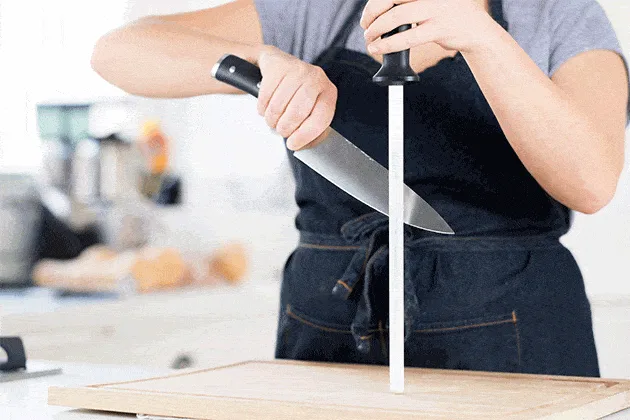
A honing steel, also known as a honing rod, is not a sharpener in the traditional sense; it doesn't remove metal. Instead, its primary function is to realign the microscopic edge of the blade that gets bent and frayed with use. Think of it like straightening out a tiny, bent comb.
For Japanese knives, using a smooth steel rod (rather than a diamond or ceramic one, which can be too abrasive for regular use) with a light touch is key. Many chefs and knife experts hone their knives briefly before each use, or even between tasks. This simple step keeps the edge aligned and cuts down on how often you need to truly sharpen, preserving your blade's life.
Aggressive honing with a diamond rod can actually create new burrs or damage the fine apex of a Japanese blade. A light touch on a smooth steel rod is sufficient to keep the edge in its optimal working condition.
Practicing Your Technique
If you're using water stones or a guided sharpening system, consistent practice is your best friend. For water stones, focus on maintaining a steady angle throughout the stroke. Many find it helpful to use a gentle, consistent pressure, moving the blade across the stone rather than the stone across the blade.
For guided systems, ensure the angle lock is secure and that you're using smooth, deliberate passes. You can even practice your angle holding on a dull knife or a piece of wood before touching your prized Japanese blade. Our research indicates that users who dedicate just 10-15 minutes a week to practicing their technique see significant improvements in their sharpening consistency within a month.
Keeping Your Stones in Top Shape
For water stones, their effectiveness hinges on them being flat. As you use them, the center wears down faster than the edges, creating a concave surface. This means your knife won't be sharpened evenly.
To combat this, you'll need a lapping plate or flattening stone. Use it periodically to grind down the high spots on your water stones and restore their flat surface. This ensures that every stroke of your knife is making even contact, leading to a better edge and maximizing the life of your sharpening stones.
Manufacturer specifications for quality whetstones often detail their expected lifespan if maintained properly.
Frequently Asked Questions About Sharpening Japanese Knives
How often should I sharpen my Japanese knives?
You should sharpen your Japanese knives when they no longer slice cleanly through paper or effortlessly through tomatoes. For many home users, this might be every few months. However, regular honing between sharpening sessions can extend the time between full sharpening jobs significantly.
Can I use a pull-through sharpener on my Japanese knives?
Generally, no. Most pull-through sharpeners are too aggressive, use incorrect angles, and can damage the hard, brittle steel of Japanese knives. They often remove too much metal and create a less refined edge, which is not ideal for their precise geometry.
How do I know if my water stone is flat?
You can check if your water stone is flat by placing a straight edge across its surface. If there are gaps visible between the straight edge and the stone, or if you can rock the straight edge, the stone is no longer flat and needs to be lapped.
What is the best grit for everyday use on a Japanese knife?
For everyday use and general sharpening, a medium grit stone, typically between 800 and 2000, is excellent. It effectively sharpens the blade without removing excessive amounts of steel. Following this with a finer grit stone (3000+) will refine the edge for better cutting performance.
How important is the water in water stone sharpening?
Water is essential for water stone sharpening. It lubricates the stone and the blade, washes away metal particles to form a polishing slurry, and prevents the stone from clogging and overheating. Sharpening without water on a water stone can damage both the stone and your knife.
Final Verdict: Making the Right Choice for Your Blades
Ultimately, the "best" knife sharpener for your Japanese knives boils down to your personal preference, skill level, and dedication to maintenance. For those seeking the highest level of sharpness and willing to invest time in learning, water stones offer an unmatched path to an exquisite edge. They provide the ultimate control and refinement, turning a sharp knife into an extension of your hand.
If consistency and ease of use are your primary concerns, a guided sharpening system is an excellent choice. It removes much of the complexity of angle control, ensuring a sharp, reliable edge with less practice. These systems are perfect for those who want effective results without a steep learning curve.
While electric sharpeners offer speed, their aggressive nature and risk of damaging the delicate steel make them a less advisable option for most Japanese knife owners. By understanding the strengths and weaknesses of each method, you can confidently select the tool that will best preserve and enhance the performance of your treasured blades.