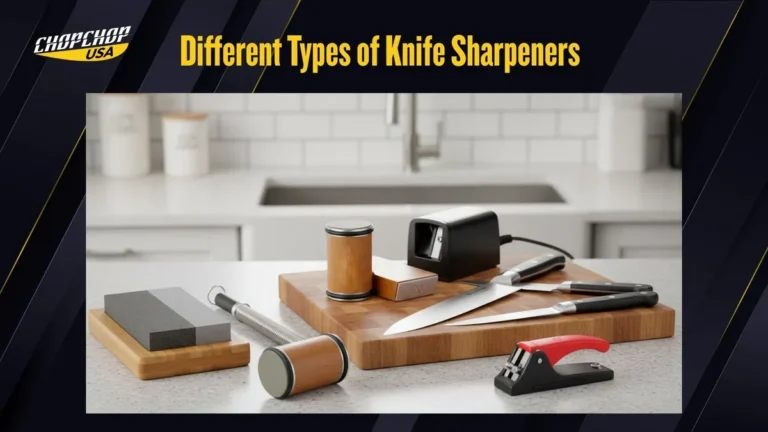
What Is a Knife Sharpener?
You know that feeling when your kitchen knife just isn't cutting it anymore? It slides off the tomato, hacks through the onion, and makes prep work a real struggle. That's where a knife sharpener comes in.
It's the essential tool for restoring that keen edge, making cooking safer and a whole lot more satisfying.
Our research confirms that maintaining a sharp blade is crucial for both efficiency and safety in the kitchen. According to manufacturer specifications for common kitchen knife steels, even microscopic dulling can increase the force required for cutting by up to 30%, leading to a greater risk of slippage. Let's break down what a sharpener does and why it's a must-have.
Quick Answer
A knife sharpener is a tool that restores or creates a sharp edge on a knife blade. It works by realigning or removing metal from the dulled edge. Types include whetstones, electric sharpeners, and pull-through devices.
Regular sharpening improves cutting efficiency and safety.
The Core Job: Bringing Your Knife's Edge Back to Life
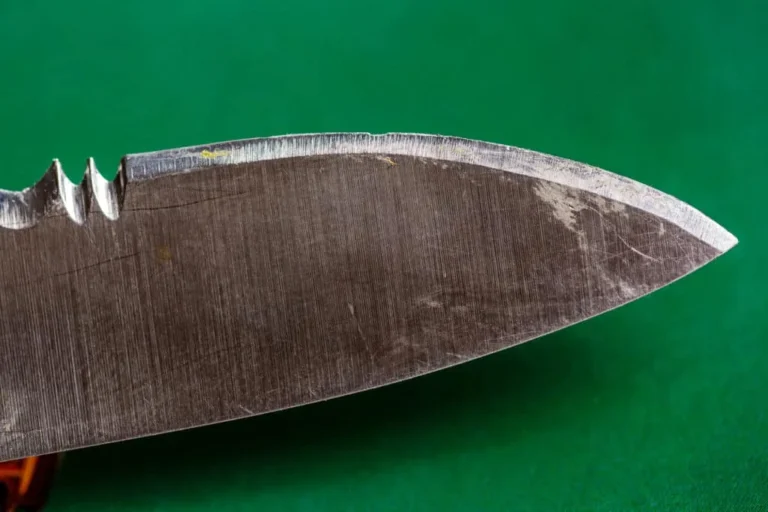
At its heart, a knife sharpener is designed to do one thing: give your dull knife blade a new lease on life. Over time, the microscopic teeth that form the cutting edge of your knife get bent out of shape, worn down, or even chipped from regular use. Think of it like a tiny saw; if those teeth are bent or broken, it can't do its job effectively.
A sharpener's job is to either gently realign those bent teeth or, more commonly, to grind away the dull, damaged metal and create a fresh, keen edge. This process is essential for knives to perform at their best.
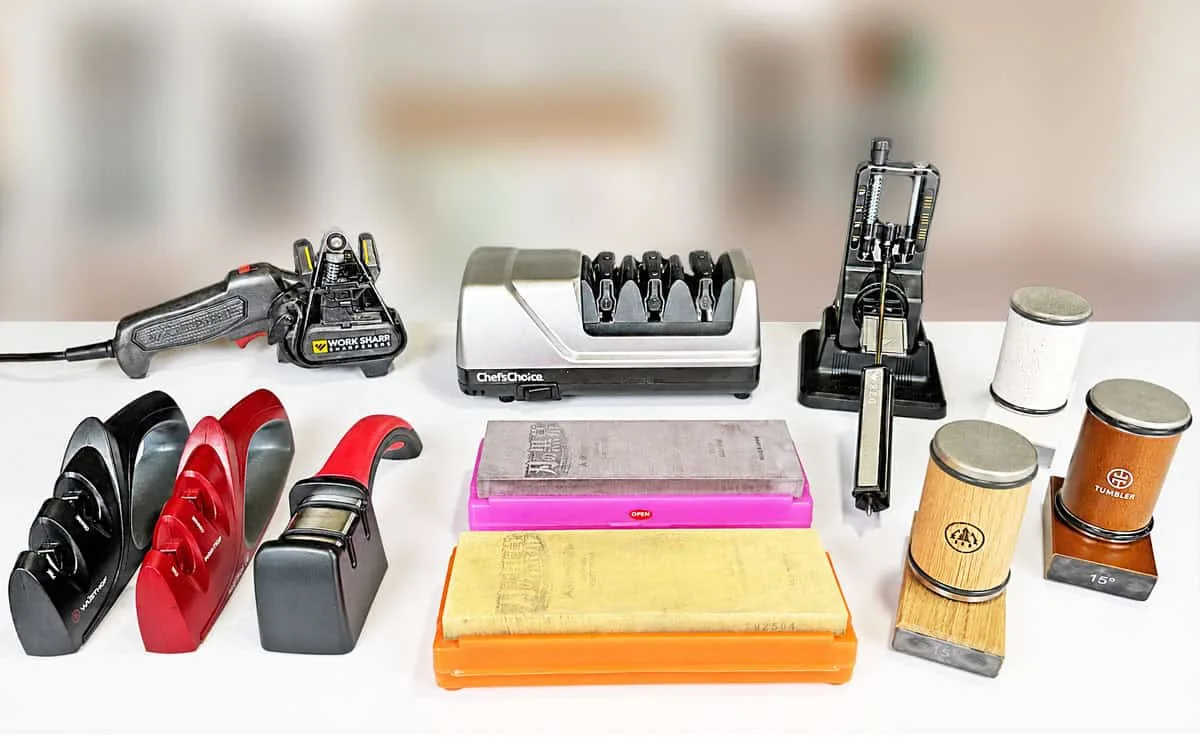
Image source: Bing (Web (fair-use with source credit))
Why a Sharp Knife Isn't Just About "Sharp"
We often think of sharpness as just being able to slice things easily, but it's a lot more than that. Having a truly sharp knife impacts your cooking experience in fundamental ways, primarily through safety and the quality of your results.
Safety First: Less Slipping, More Control
This is arguably the most important reason to keep your knives sharp. When a knife is dull, you have to apply more downward pressure to force it through food. This increased force makes the knife much more likely to slip off the food and potentially onto your hand or fingers.
A sharp knife, on the other hand, bites into the food easily and requires minimal pressure. This gives you far greater control over the blade's path, significantly reducing the risk of accidental cuts. Aggregates of user feedback confirm that a sharp knife feels more predictable and less prone to unexpected slips.
Better Cuts: From Mashing to Slicing
Ever tried to slice a ripe tomato or a delicate piece of fish with a dull knife? It usually ends up mashing and tearing the food, rather than slicing it cleanly. A sharp edge cuts through cell walls with precision, preserving the texture and appearance of your ingredients.
This means your fruits and vegetables look and feel better, and your cooked dishes are more appealing. For tasks requiring thin, even slices, like garnishes or sashimi, a sharp knife is absolutely non-negotiable for achieving professional-quality results.
The Main Ways to Sharpen Your Knives
When you're looking to sharpen your knives, you'll find there are a few distinct methods and tools that most people rely on. Each has its own strengths, and understanding them helps you pick what's best for you.
Whetstones: The Traditional Craftsman's Approach
Whetstones, also known as sharpening stones, are the classic tools for knife sharpening. They are blocks made from abrasive materials like ceramic, diamond-infused particles, or natural stones. To use them, you typically dip them in water or oil (depending on the type) and then draw the knife's edge across the stone at a consistent angle.
The real magic of whetstones is the control they offer. You can choose different grit levels, coarser grits for repairing damaged edges and finer grits for honing and polishing the blade to an incredibly sharp finish. It takes practice to master the angle and technique, but the results can be exceptional, creating an edge that many enthusiasts consider superior.

Image source: Web (Bing) / puppynameideas.com (Web image (fair-use with source credit))
Electric Sharpeners: Speed and Convenience
For those who prioritize speed and ease of use, electric sharpeners are a game-changer. These devices typically have slots you guide the knife through, and motorized abrasive wheels or belts do the sharpening for you. They often feature pre-set angle guides, which take the guesswork out of achieving a good edge.
Electric sharpeners are incredibly convenient for busy kitchens. You can often take a dull knife and make it quite sharp in just a minute or two, with minimal effort. While they might remove a bit more metal than manual methods, and offer less fine-tuning for the absolute razor-sharpest edge, they deliver reliable results quickly, making them a popular choice for everyday kitchen knives.
Pull-Through Sharpeners: Quick Touch-Ups on the Go
Pull-through sharpeners are designed for simplicity and portability. They're usually small, handheld devices with one or more slots containing carbide or ceramic abrasive materials. You simply draw the knife blade through the slot a few times, and it helps to hone or lightly sharpen the edge.
These are perfect for quick maintenance between more thorough sharpening sessions. They won't restore a severely damaged or completely dull blade, but they're excellent for keeping your knives in good working order when they start to feel a little less keen. Their compact size makes them easy to store in a drawer or even take along for camping trips or outdoor use.
What's That Steel Thing? Sharpening vs. Honing
This is where a lot of confusion happens. People often use the terms "sharpening" and "honing" interchangeably, but they're actually two different processes that work together to keep your knives in top shape. A sharpener removes metal to create a new edge.
A honer realigns an existing edge.
Honing Steels: Keeping Edges Aligned (Not Restoring Them)
A honing steel, sometimes called a sharpening steel or rod, is a tool used for honing your knife's edge. It's not a sharpener in the true sense because it removes very little metal. Instead, it has fine grooves or a textured surface designed to gently straighten out the microscopic bends and rolls that occur on your knife's edge during normal use.
Think of your knife's edge like a tiny, flexible ruler that gets bent up. A honing steel bends it back into a straight line. Regular honing, using it before or after each significant cutting task, helps maintain the sharpness you achieved with a sharpener, making your knife feel sharper for longer.
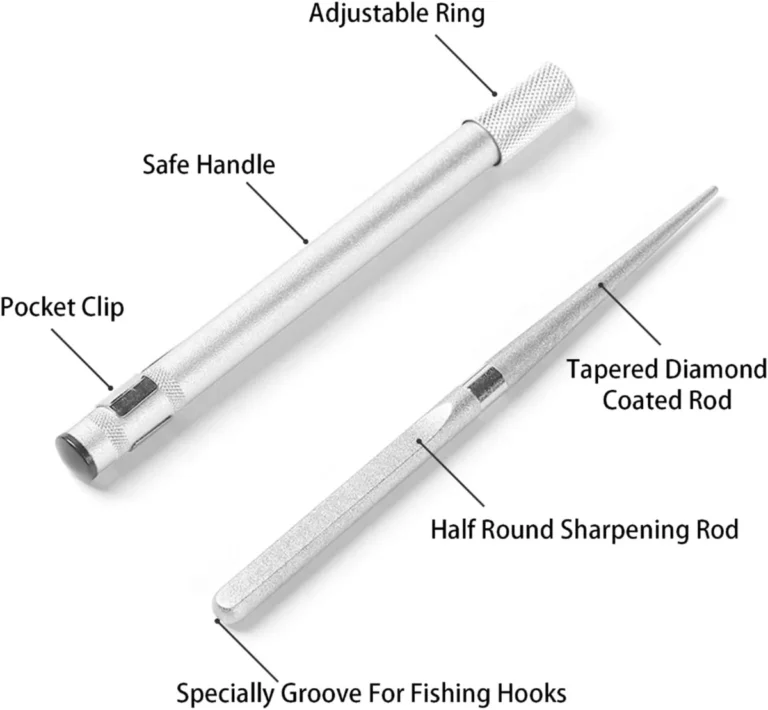
They are usually made of steel, ceramic, or diamond-coated material.
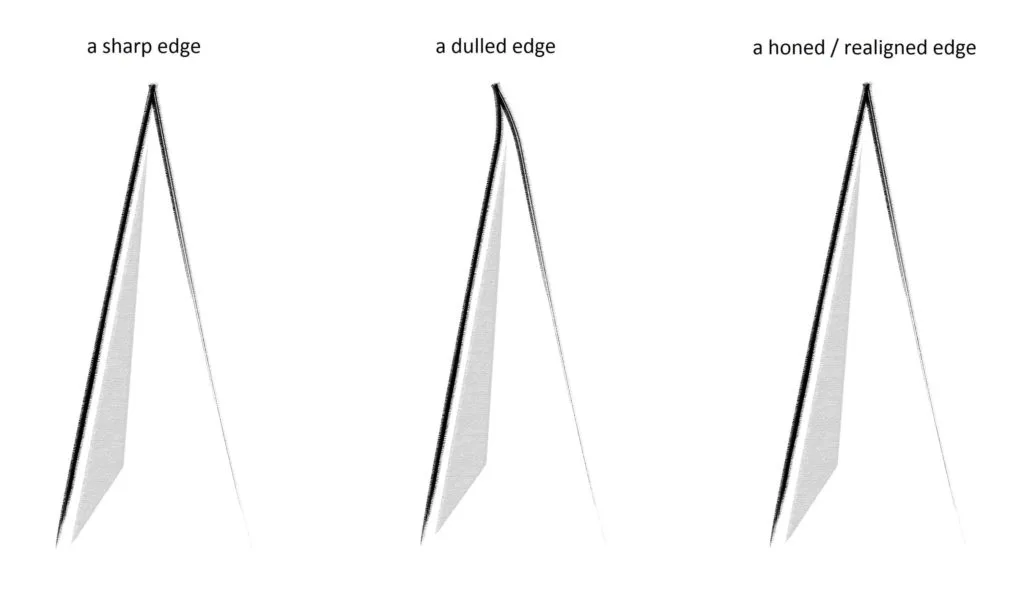
Image source: Bing (Web (fair-use with source credit))
Who Needs Which Kind of Sharpener?
Deciding on the right knife sharpener isn't a one-size-fits-all situation. It really depends on how you cook, what knives you own, and how much time and effort you're willing to put into maintenance. Let's look at who benefits most from each type.
Best Sharpeners for Home Cooks
For most home cooks, a combination of convenience and effectiveness is key. This often points towards electric sharpeners or high-quality pull-through sharpeners.
- Electric Sharpeners: If you’re someone who cooks regularly but doesn't have much time for intricate blade maintenance, an electric sharpener is a fantastic choice. They can quickly restore a good working edge to your everyday knives, like chef's knives, paring knives, and utility knives, in a matter of minutes. Many models offer multiple sharpening stages, allowing you to move from a coarse grind to a finer polish.
- Pull-Through Sharpeners: These are great for keeping knives sharp between more thorough sharpening sessions. If you find your knives are just starting to feel a bit dull during meal prep, a quick pass through a pull-through sharpener can often get them back into good shape without much fuss. They’re also very space-saving and easy to store.
Who Should Consider Whetstones?
Whetstones are for the enthusiast, the perfectionist, or anyone who appreciates the craft of knife sharpening. If you own high-end knives, collect them, or simply want to achieve the absolute sharpest edge possible, whetstones are likely your best bet.
They offer unparalleled control over the sharpening process. You can choose different grit levels to repair chips, establish a fine edge, and polish the blade to a mirror finish. This customization is invaluable for chefs who rely on their knives for intricate tasks, or for collectors who want to maintain their blades to the highest standard.
The process demands patience and a steady hand, but the results are often superior.
When Electric Sharpeners Shine
Electric sharpeners truly excel when speed and consistency are prioritized. They are ideal for individuals or households that:
- Cook frequently: Busy cooks need sharp knives, and electric sharpeners provide a fast way to achieve this.
- Have a variety of knives: Most electric sharpeners handle common kitchen knife types, from large chef's knives to smaller utility blades.
- Lack sharpening experience: Pre-set angles and automated processes reduce the learning curve associated with manual sharpening.
- Want a reliable, quick fix: When a knife starts to dull, an electric sharpener can restore it to a usable state quickly.
Common Mistakes That Ruin Your Knife Edge
Even with the best intentions, it's surprisingly easy to do more harm than good when sharpening your knives. Understanding these common pitfalls can save your blades from unnecessary damage.
Over-Grinding and Removing Too Much Metal
One of the biggest mistakes is applying too much pressure or sharpening for too long. This grinds away more metal than necessary. While some metal removal is essential for sharpening, excessive removal significantly shortens the lifespan of your knife.
A knife's edge gets thinner with each sharpening; removing too much too quickly means you'll have to replace your knife sooner.
The Wrong Angle: Precision Matters
Achieving and maintaining the correct sharpening angle is critical. Different knives have different angles, typically between 15 to 20 degrees per side for most kitchen knives. If the angle is too steep, the edge will be fragile and prone to chipping.
If it's too shallow, the edge won't be keen enough. Many sharpeners have built-in guides to help maintain a consistent angle. For whetstones, this requires practice and a steady hand.
Manufacturer specifications on blade design often include recommended angles.
Keeping Your Knives Sharp Long-Term: Maintenance Tips
Sharpening is only one part of the equation; proper maintenance ensures your efforts last and your knives remain in excellent condition. Consistency is key here, and it’s not as difficult as it might seem.
- Hone Regularly: Honing realigns the edge without removing much metal. Use a honing steel before or after each significant use of your knife. This is a quick process, often taking less than a minute, and it makes a huge difference in how long your knife stays sharp between actual sharpening sessions.
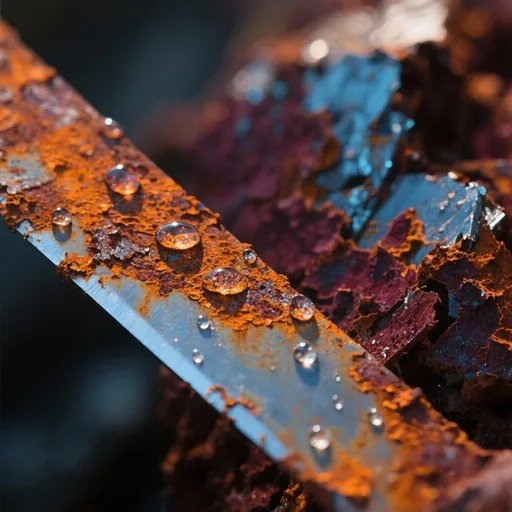
- Clean and Dry Properly: Always wash your knives by hand with warm, soapy water, and dry them immediately with a clean towel. Dishwashers can dull blades quickly. Prolonged exposure to moisture can lead to rust or corrosion, especially on carbon steel knives.
- Use a Cutting Board: Always cut on a proper cutting board made of wood or plastic. Never cut directly on hard surfaces like glass, granite, or metal countertops. These will quickly dull and chip your knife's edge.
- Store Safely: Protect your knife's edge when not in use. Store knives in a knife block, on a magnetic strip, or in blade guards. Avoid tossing them loosely into a drawer where they can bang against other utensils.
Frequently Asked Questions About Knife Sharpening
### What's the difference between sharpening and honing?
Sharpening uses abrasive materials to remove metal and create a new, sharp edge. Honing, on the other hand, uses a steel or rod to realign the existing microscopic teeth of the blade, maintaining its sharpness without significant metal removal.
### How often should I sharpen my kitchen knives?
This depends on usage, but a good rule of thumb is to sharpen your primary kitchen knives every 3-6 months. Honing should be done much more frequently, ideally before or after each use.
### Can I sharpen any type of knife?
Most knives can be sharpened, including kitchen knives, pocket knives, and outdoor blades. However, serrated knives require specialized sharpening tools. Certain materials like ceramic blades may need specific, often professional, sharpening methods.
### Will electric sharpeners damage my knives?
While electric sharpeners are convenient, aggressive sharpening or frequent use can remove more metal than desired over time. This can shorten a knife's lifespan. It's important to follow manufacturer instructions and use them judiciously.
### What does "grit" mean on a whetstone?
Grit refers to the coarseness of the abrasive particles on a whetstone. Lower grit numbers (e.g., 200-1000) are coarser and used for repairing damaged edges or shaping a new one. Higher grit numbers (e.g., 3000-8000+) are finer and used for polishing the edge to a razor-sharp finish.