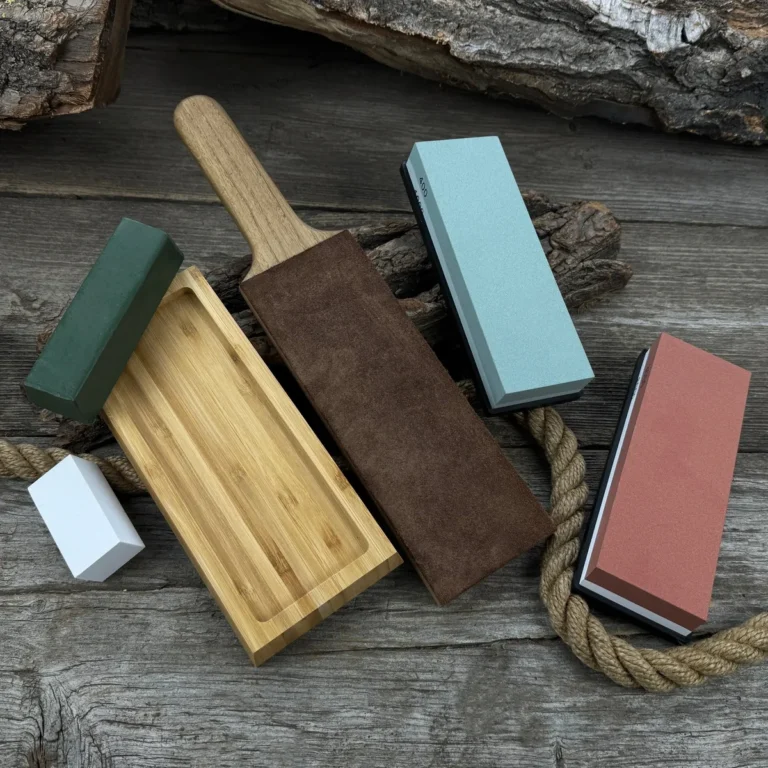
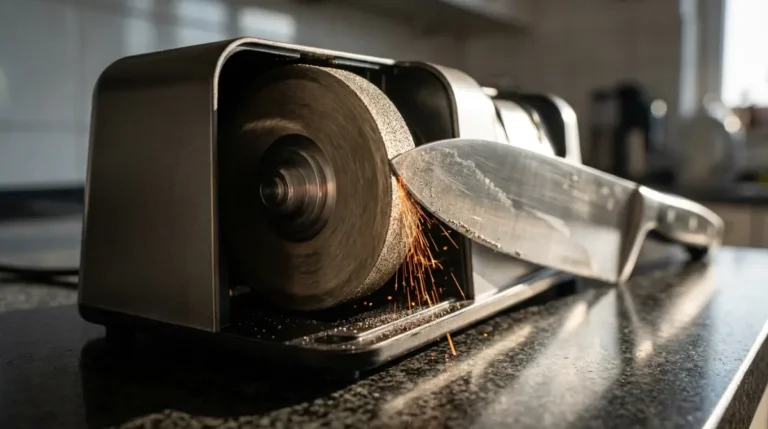
What Grit Knife Sharpener Should I Use?
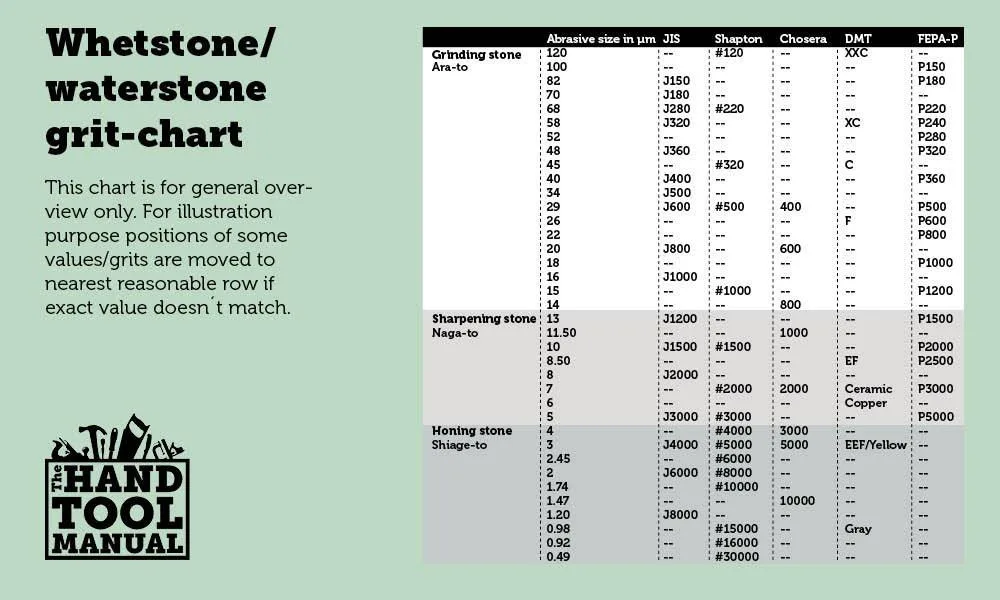
Image source: Bing (Web (fair-use with source credit))
What grit knife sharpener should I use? That's the question on many minds when trying to restore a dull blade. It feels like there are endless options, and the numbers on sharpening stones can be confusing.
Our research shows that choosing the right grit is key to getting a sharp, functional edge without damaging your knife. It’s about matching the abrasive power of the stone to the condition of your blade. For instance, manufacturer specifications for many common kitchen knives recommend a sharpening range that involves specific grit progression.
Quick Answer
You need a knife sharpener grit based on your knife's edge condition. Use low grits (100-400) for chips and damage. Medium grits (800-1500) restore everyday dullness.
High grits (3000+) polish for razor sharpness. A 1000 grit stone is a good all-around start.
Why Grit Matters for Your Knives
Grit refers to the size of the abrasive particles on a sharpening stone or other sharpening tools. Think of it like sandpaper; smaller grit numbers mean larger, coarser particles, while higher grit numbers mean smaller, finer particles. This difference directly impacts how much metal the sharpener removes and the final finish of your knife's edge.
The goal of sharpening is to create a very fine apex at the edge of the blade. Different grits accomplish different stages of this process. Coarse grits are like the initial shaping tools, quickly removing metal to repair damage or establish a new edge.
Medium grits then refine this shape, making it sharper and more durable for regular use. Finally, fine and ultra-fine grits polish this edge to a mirror finish, making it incredibly keen and reducing friction when cutting.
The Grit Scale: From Coarse to Ultra-Fine
Understanding the different grit ranges is crucial for selecting the right sharpening stone. These classifications help us know what to expect from each level of abrasiveness.
- Coarse Grit (100-400): These stones have large abrasive particles designed for aggressive metal removal. They are essential for repairing significant damage like chips, nicks, or heavily bent edges. If your knife has noticeable damage, you'll start here to reshape the bevel.
- Medium Grit (800-1500): This is your workhorse range for general sharpening. If your knife is just dull from regular use, a medium grit stone will effectively sharpen it and restore a good cutting edge. They remove less metal than coarse grits, focusing on refinement.
- Fine Grit (2000-3000): These stones begin to refine the edge left by medium grits. They start to polish the bevel and improve the keenness of the edge, making it smoother and more precise.
- Ultra-Fine Grit (4000+): At the highest end of the scale, these stones are primarily for polishing. They create a highly refined, almost mirror-like edge that is exceptionally sharp and glides through materials with minimal resistance.
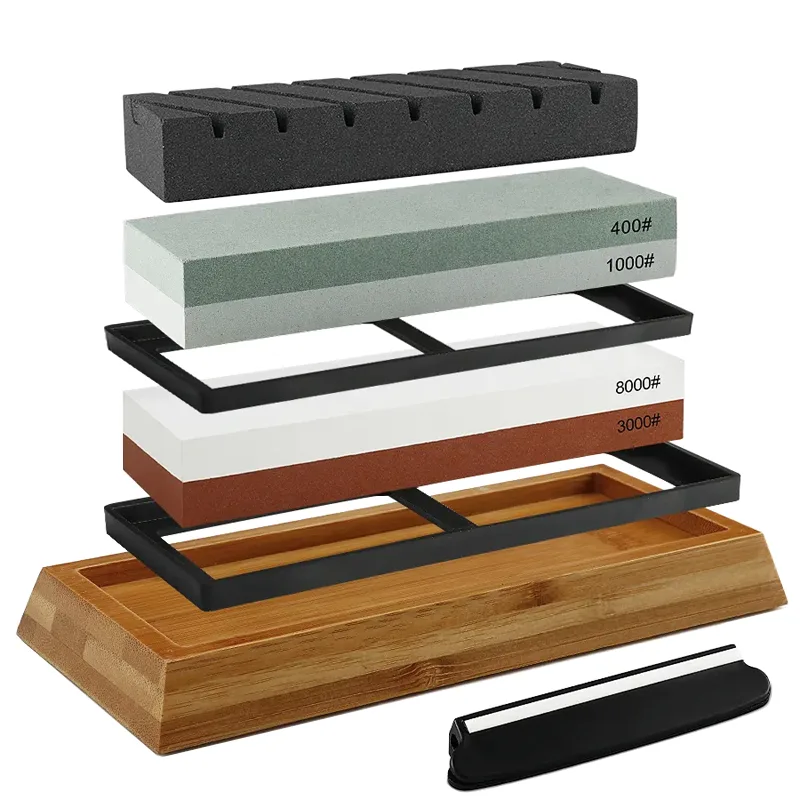
Image source: Bing (Web (fair-use with source credit))
Common Knife Sharpener Grit Combinations
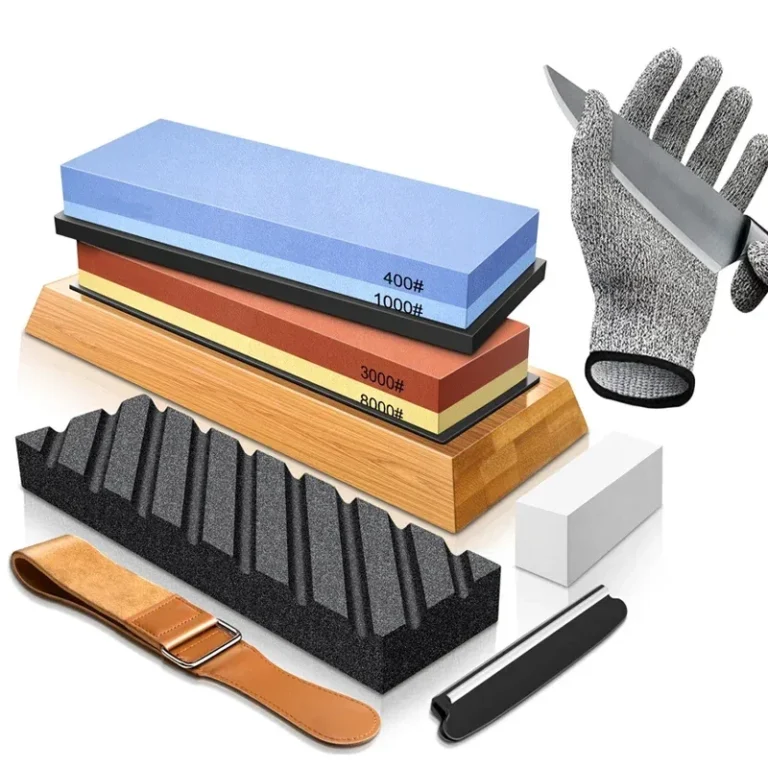
Many sharpening stones are sold as "combination stones," featuring two different grits on opposing sides. This is a practical approach for users who want versatility without buying multiple stones. The most common combinations offer a progression from a coarser grit for sharpening to a finer grit for refinement.
- 400/1000 Grit: This is a good entry-level combination for general maintenance. The 400 grit side can handle moderate dullness or minor repairs, while the 1000 grit side sharpens and refines the edge for everyday use.
- 1000/3000 Grit: This is an extremely popular choice for home cooks and enthusiasts. The 1000 grit side is excellent for restoring a dull edge, and the 3000 grit side provides a significant step up in sharpness and edge refinement, offering a much smoother cutting experience.
- 3000/6000 Grit (or higher): These combinations are for those seeking a superior level of sharpness and polish. The lower grit might still be 1000 or 3000, paired with a high grit for serious polishing and edge refinement.
When choosing a combination, consider your most frequent sharpening needs. If your knives are often quite dull, a stone with a coarser starting grit might be more beneficial. If you primarily need to maintain an already decent edge and aim for extra sharpness, a higher-grit combination is ideal.
What's Your Knife's Current Condition?
The first step in deciding which grit to use is to honestly assess the state of your knife's edge. This is the most critical factor in selecting your starting point. Different levels of damage or dullness require different approaches and, therefore, different grit levels.
Fixing Chips and Major Damage (Coarse Grits)
If your knife has visible chips, deep nicks, or a noticeably bent or rolled edge, you need to start with a coarse grit. These stones, typically in the 100 to 400 grit range, are designed for aggressive metal removal. Their large abrasive particles grind away the damaged metal quickly, allowing you to reshape the bevel and remove the imperfections.

Image source: Web (Bing) / auctions.yahoo.co.jp (Web image (fair-use with source credit))
- Why it’s essential: Trying to sharpen a chipped knife with a fine grit stone is almost impossible. You'll be grinding away for an eternity without making real progress, and you risk further damaging the edge. Coarse grits are about rebuilding the foundation of the edge.
- What to expect: Using a coarse grit will remove a significant amount of steel. The edge it leaves will be sharp but likely rough, with visible scratching. This is why it's crucial to follow up with finer grits to refine and polish the edge.
- Considerations: Be patient. Repairing significant damage takes time and a steady hand. Focus on maintaining a consistent angle to avoid creating new problems.
Restoring Dull Edges (Medium Grits)
For most kitchen knives that have simply lost their sharpness through regular use, a medium grit is the perfect starting point. Stones in the 800 to 1500 grit range are ideal for this common scenario. They remove just enough metal to create a new, clean apex without being overly aggressive.
- The sweet spot: Many sources suggest that a 1000 grit stone is the most versatile for everyday sharpening. It effectively sharpens most kitchen knives to a usable level for slicing, chopping, and dicing. As of 2026, this remains a widely recommended starting point for general knife maintenance.
- When it’s not enough: If your knife edge feels vaguely rough or is catching on paper rather than slicing cleanly, a medium grit is your go-to. It addresses general dullness efficiently.
- Follow-up needed: While a medium grit will make your knife noticeably sharper, it might not achieve that glass-like, paper-slicing finish. You’ll often want to follow up with a finer grit for optimal performance.
Achieving a Polished, Razor Edge (Fine Grits)
Once you’ve addressed any damage or general dullness with coarser grits, the next step for ultimate sharpness is using fine and ultra-fine grits. These stones, typically starting at 2000 grit and going up to 10,000 grit and beyond, are all about refinement and polishing. They work by removing microscopic amounts of metal, smoothing out any remaining burrs or inconsistencies left by coarser stones.
- The goal: The aim here is to create an incredibly smooth, keen edge that glides through materials effortlessly. This is what separates a sharp knife from a truly exceptional one.
- What to expect: You won't see much metal being removed at these stages. Instead, you'll feel the edge becoming sharper and smoother with each stroke. This process is often described as "honing" or "polishing" the edge.
- When to use them: If you’re preparing delicate ingredients, working with high-end knives, or simply demand the highest level of performance, these finer grits are essential. They make a significant difference in cutting feel and precision.
Who Needs Which Grit? Use Cases and Target Audience
The grit you need isn't just about the knife; it's also about who is using it and how. Different users have different expectations for their blades.
- The Casual Home Cook: For most home cooks, a sharp knife means a knife that can slice tomatoes without squishing them or chop onions without excessive effort. A medium grit (like 1000) or a 1000/3000 combination stone is usually sufficient. This level of sharpness is achievable and practical for daily kitchen tasks.
- The Enthusiast or Professional Chef: These individuals often demand more from their knives. They might work with more delicate ingredients that require extreme precision or appreciate the refined feel of a highly polished edge. For them, a progression that includes fine grits (3000+) or even stropping is essential for that razor-sharp, paper-thin cutting ability.
- The Knife Collector/Restorer: If you're dealing with vintage knives, heavily neglected blades, or specialized tools, you'll likely need a full range of grits. Starting with a very coarse stone (around 200) to fix significant damage, moving through medium and fine grits, and finishing with polishing stones or strops ensures the blade is not only sharp but also looks its best.
- The Budgets-Conscious User: For someone just starting out or on a tight budget, a single 1000 grit stone or a 1000/3000 combination stone offers the most bang for your buck. These can handle the majority of sharpening needs effectively without a huge investment.
Understanding your own expectations and the typical use of your knives will guide you toward the right grit or combination.
Making the Choice: Grit Recommendations for Different Needs
Now that we've covered the basics of grits and assessed your knife's condition, let's put it all together into practical recommendations. This isn't a one-size-fits-all answer; your specific situation will dictate the best grit or grit range for you.
Beginner's Picks: Getting Started Right
If you're new to knife sharpening or just want a straightforward way to get your knives sharp again, stick with these options:
- Single 1000 Grit Stone: This is arguably the most versatile single stone for general use. It can restore a decent edge to most dull kitchen knives effectively. It's simple to use and offers a noticeable improvement.
- 1000/3000 Grit Combination Stone: This is an excellent value and a fantastic starting point for most home users. You get the ability to sharpen a dull edge with the 1000 grit side and then refine it to a much sharper level with the 3000 grit side. This combination provides a significant upgrade in sharpness over a single medium grit.
For the Everyday Home Cook
For most people, the goal is a knife that cuts reliably and safely without fuss. You don't necessarily need a mirror-polished edge for chopping vegetables.
- Recommended: A 1000 grit stone or a 1000/3000 grit combination stone.
- Why: The 1000 grit provides a good, clean edge that handles everyday tasks like slicing bread, dicing onions, and trimming meat with ease. If you opt for the combo stone, the 3000 grit side offers a little extra polish that makes food slide off the blade more easily, which is a nice bonus.
For the Culinary Enthusiast
If you take pride in your kitchen tools and appreciate the difference a truly keen edge makes, you'll want to go beyond just medium grits.
- Recommended: A 1000/3000 grit combination stone, with a potential addition of a 6000+ grit stone or a leather strop.
- Why: The 1000/3000 combo gets you a very sharp and refined edge. For that extra level of perfection, a higher grit stone (like 6000 or 8000) will further polish the edge, reducing friction and making cuts incredibly smooth. A leather strop with a fine abrasive compound can also give a final polish, deburring and aligning the very apex of the edge.
Sharpening Mistakes to Sidestep
Even with the right grit, it's easy to make mistakes that can ruin your sharpening efforts or even damage your knife. Being aware of these common pitfalls can save you a lot of frustration and protect your valuable blades.
- Using the Wrong Grit: This is the most common issue. If you try to fix a chipped knife with a fine grit, you'll make little progress. Conversely, using only a coarse grit for a slightly dull knife will remove too much metal, shortening the knife's lifespan unnecessarily. Always start with a grit appropriate for the damage level.
- Incorrect Angle: Maintaining a consistent angle throughout the sharpening stroke is critical. Most kitchen knives fall between 15 and 20 degrees per side. If your angle is too high or too low, or if it fluctuates, you'll create an uneven, weak edge that dulls quickly or can even break.
- Too Much Pressure: You don't need to press down hard. Sharpening stones are designed to remove metal through abrasion; excessive force can chip the edge, clog the stone, or cause you to lose control of the knife. Let the stone do the work.
- Skipping Grit Progression: If you've used a coarse stone to repair damage, don't stop there. Skipping medium or fine grits means you'll be left with a rough, toothy edge that won't perform well and might even feel "grabby" when cutting.
- Not Lubricating Properly: Water stones need water, and oil stones need oil. Sharpening dry can overheat the blade, damage the stone, and lead to poor results. Always ensure you're using the recommended lubricant.
Frequently Asked Questions About Knife Sharpener Grits
What grit should I use for a very dull knife?
For a generally dull knife that isn't chipped, start with a medium grit stone, typically in the 800-1500 range. A 1000 grit stone is a great all-around choice for this.
Can I use a high grit stone on a chipped knife?
No, a high grit stone is too fine for repairing chips. You need a coarse grit stone (100-400) to remove the damaged metal first.
What grit is best for a razor-sharp edge?
To achieve a razor-sharp, polished edge, you’ll need fine grits, usually 3000 and above, often followed by a stropping process.
Do I need different grits for different types of knives?
The type of knife and its intended use will influence the ideal grit progression. For example, chef's knives and paring knives might have different optimal angles and grit needs compared to a heavy cleaver. Serrated knives often require specialized sharpening tools and techniques, not typically addressed by standard grit progressions on whetstones.
How do I know if my stone is the right grit?
Sharpening stones are usually labeled with their grit number. If unlabeled, research the manufacturer's specifications or the context in which you acquired it. Grit size is visually apparent; lower grits look coarser and feel rougher to the touch.