Can You Sharpen a Serrated Knife With a Knife Sharpener?
The teeth on your favorite serrated knife aren't just for show; they're what make it slice through tough crusts or delicate tomatoes with ease. But when those teeth get dull, the knife becomes more of a saw trying to rip than a blade trying to cut. You're probably wondering, "Can you sharpen a serrated knife with a knife sharpener?" It’s a question many home cooks ask when their trusty blade starts to falter.
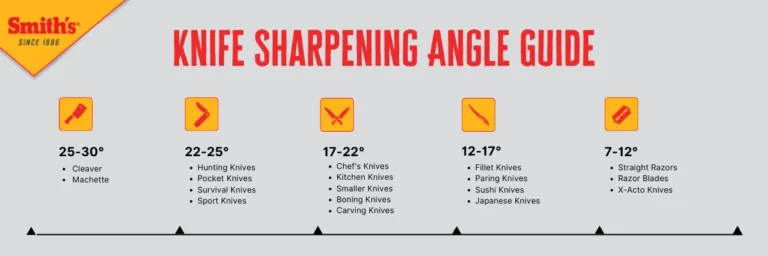
The answer isn't a straightforward yes or no because not all "sharpeners" are created equal. While some tools are perfect for bringing a smooth edge back to life, they can actually damage the unique structure of a serrated blade. Manufacturer specifications often highlight that different sharpening methods are required to maintain the precise angle of each individual serration, a key factor in their cutting ability, which often requires angles between 15-20 degrees per side.
Quick Answer
No, most standard knife sharpeners cannot sharpen a serrated knife effectively. Tools like V-slot pull-through sharpeners often damage the delicate teeth. You typically need a sharpening rod, a whetstone, or a specialized serrated knife sharpener to properly restore a serrated edge.
Why Serrated Knives Need Special Care
A serrated knife isn't like its straight-edged counterparts. Instead of a single, continuous cutting edge, it has a series of small, sharp points, the serrations, separated by curves or gullets. Think of it like a miniature saw blade.
Each of these points does the cutting, and the gullets help clear material as you slice. This design is fantastic for cutting through items with tough exteriors and soft interiors, like bread or ripe tomatoes, because the points create initial pressure and bite into the surface.
However, this unique structure means that a standard sharpening process won't work. A typical knife sharpener, especially a pull-through V-slot type, is designed to hone or reshape a single, uniform bevel. Forcing a serrated knife through these can grind away the points unevenly, widen the gullets, or even chip the teeth.
This often results in a duller knife that tears rather than slices, defeating the purpose of the serrations altogether. Our research indicates that improper sharpening can significantly reduce the effective lifespan of a serrated blade.
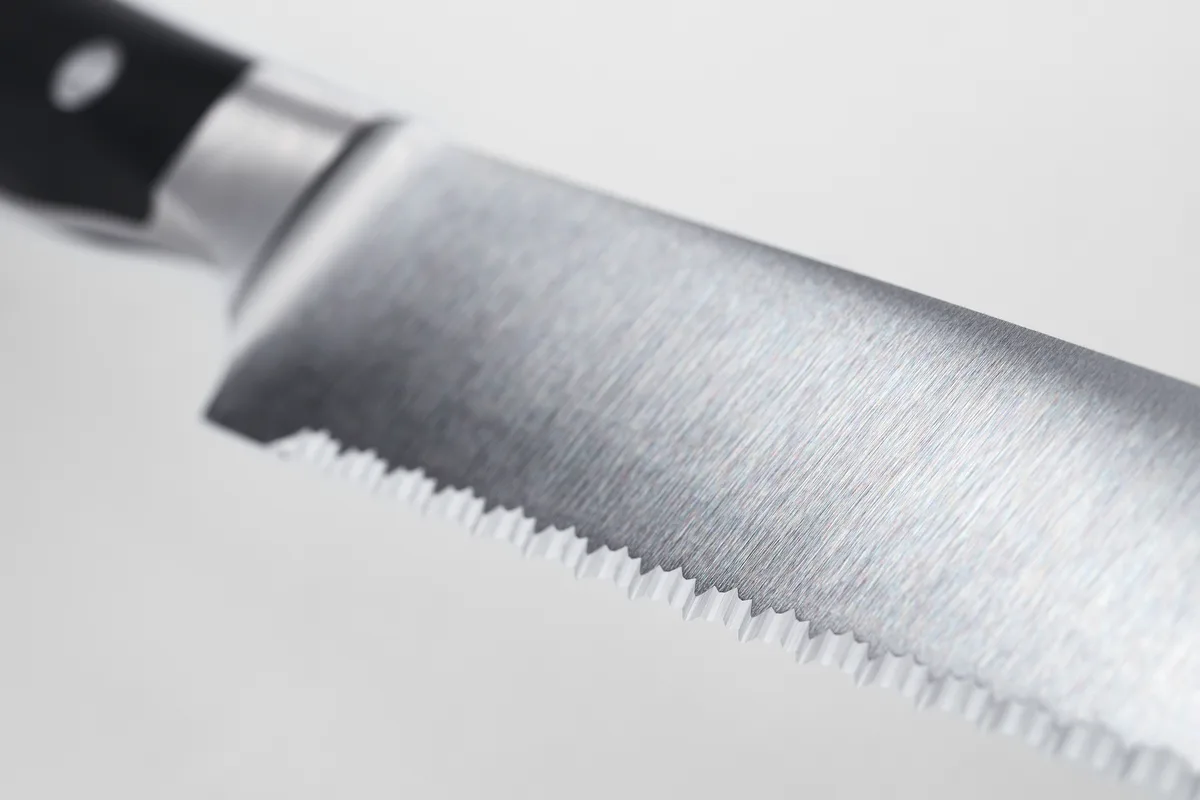
Image source: Bing (Web (fair-use with source credit))
Understanding Your Sharpener: Rods vs. Slots vs. Stones
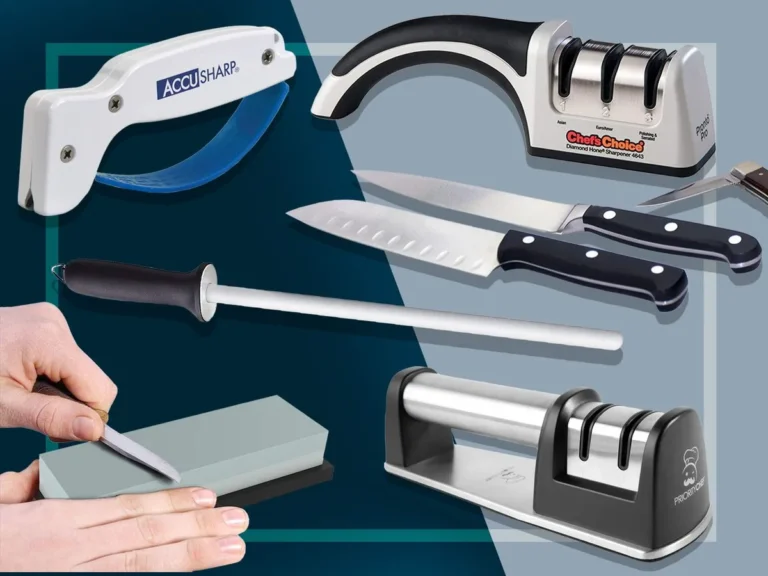
When you hear "knife sharpener," you might picture a few different types of tools. It's crucial to know what you're working with, as the effectiveness and safety for your serrated knives vary wildly between them. Understanding these differences is the first step to avoiding damage and actually getting a sharper blade.
Sharpening Rods: For Honing, Not Restoring
Sharpening rods, often called honing steels or honing rods, are typically long, slender rods made of steel, ceramic, or diamond-coated material. Their primary purpose is honing, which means realigning the microscopic edge of a blade that has become bent or wavy through use. This is a maintenance task, not a true sharpening task that removes metal to create a new edge.
For serrated knives, a honing rod can be useful for touch-ups. The trick is to hold the rod at an angle that matches the angle of the serrations and gently stroke each tooth. This can help keep the existing edge keen.
However, if the knife is truly dull, meaning metal has been worn away, a honing rod won't bring back its sharpness. You're essentially just tidying up the existing edge.
V-Slot & Wheel Sharpeners: Mostly a No-Go
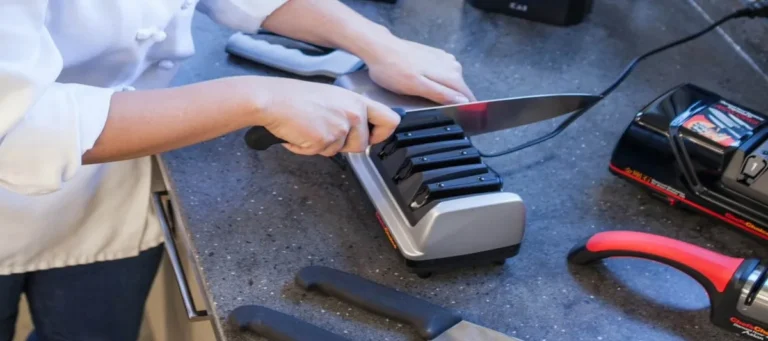
These are the common pull-through sharpeners you see in many kitchens. They feature two or more abrasive slots set at a fixed angle, into which you pull the knife. They're convenient for straight-edged knives but are generally not suitable for serrated knives.
The fixed angle and aggressive abrasives are designed for a uniform bevel. Forcing a serrated blade through these can:
- Damage the delicate points of the serrations.
- Widen the gullets (the curves between teeth).
- Create an uneven edge, making the knife cut poorly.
- Remove too much metal from the tips of the serrations.
Manufacturer recommendations often explicitly advise against using these types of sharpeners on serrated blades.
Whetstones: The Skillful Option
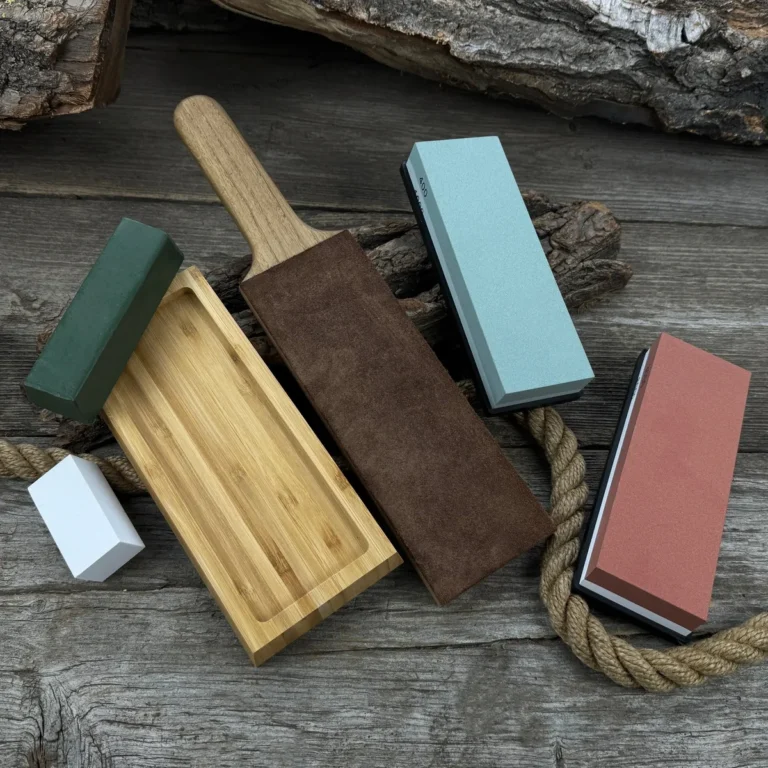
Whetstones, also known as water stones or oil stones, are flat blocks of abrasive material used to sharpen knives by hand. These offer the most control and are capable of sharpening serrated knives, but they require more skill and patience.
To sharpen a serrated knife on a whetstone, you need to focus on sharpening each individual serration. This involves carefully matching the angle of the stone to the angle of each tooth and working them one by one. This method can achieve excellent results, but it's time-consuming and requires a good feel for sharpening techniques.
It’s often the method of choice for knife enthusiasts looking for precision.
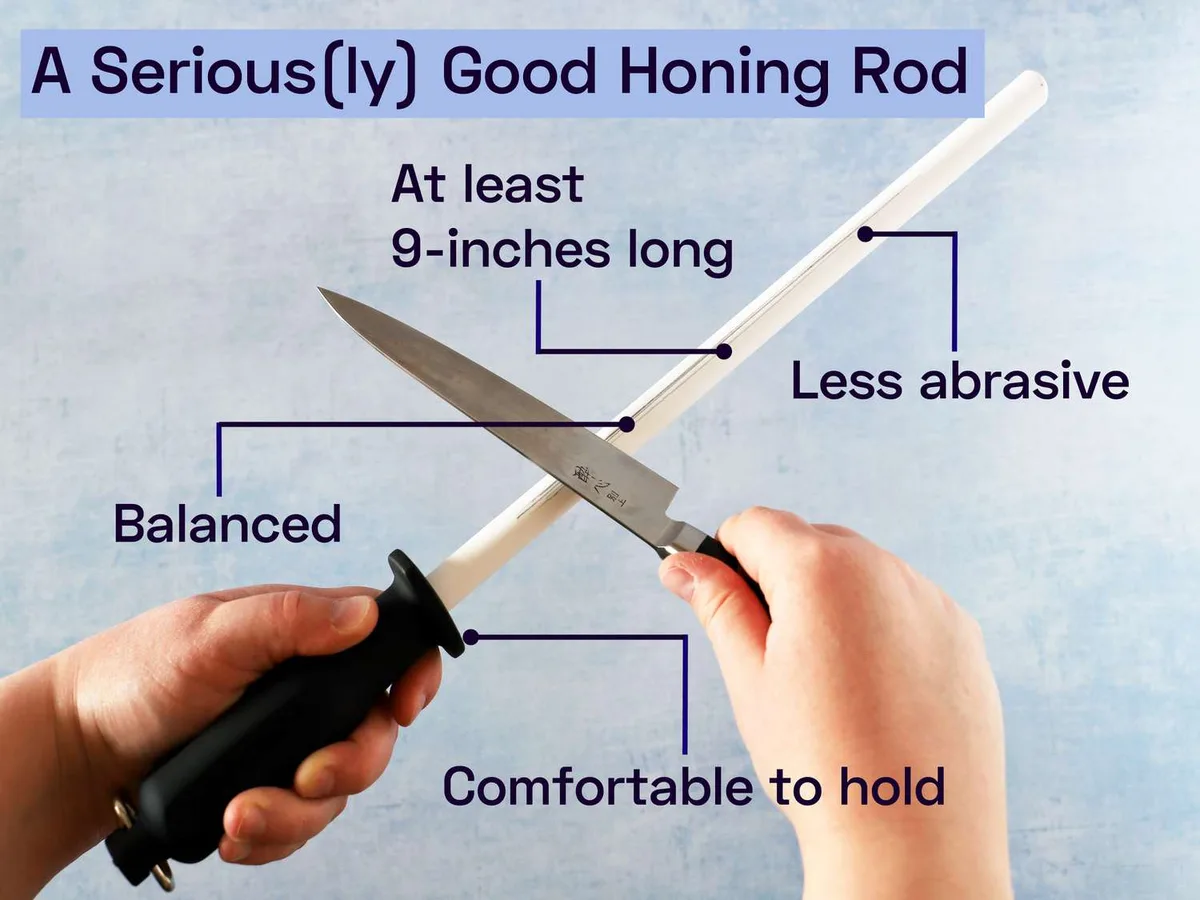
Image source: Bing (Web (fair-use with source credit))
The Decision Tree: What Sharpener Do You Have?
Figuring out if your current sharpener can handle your serrated knife comes down to a few key questions about the tool itself. The wrong choice here can do more harm than good, so it's worth taking a moment to assess. If your knife isn't cutting well, the first thing to check is what tool you're reaching for.
Scenario 1: You Have a Sharpening Rod
If your "sharpener" is a long rod (steel, ceramic, or diamond-coated) that you use to lightly stroke the blade, you're in luck for maintenance. These rods are primarily for honing, which realigns a bent edge. For a serrated knife, you can carefully angle the rod to match the serrations and give each tooth a gentle pass.
- Can it sharpen? No, not for a truly dull knife. It’s for touch-ups and realigning.
- What to do: Hold the rod at the same angle as the serrations (usually around 15-20 degrees). Move the rod along the edge, contacting each tooth. Do this on both sides if your knife is double-beveled.
- Outcome: A slightly keener edge, better for light maintenance.
Scenario 2: You Have a V-Slot or Standard Electric Sharpener
If you have a pull-through sharpener with fixed slots, or a general-purpose electric sharpener, the answer is almost always no. These tools are designed for straight edges and can easily damage the delicate teeth of a serrated knife. Per user feedback aggregation, many people report ruining their serrated knives using these.
- Can it sharpen? No, it will likely damage the blade.
- What to do: Do not use these on your serrated knives. Set them aside for your straight-edged blades only.
- Outcome: You avoid further dulling or damaging your serrated knife.
Scenario 3: You Have Whetstones
If you're comfortable using flat sharpening stones (water stones or oil stones) by hand, then yes, you can sharpen your serrated knife. This method offers the most control but requires the most skill. You'll be working on each serration individually.
- Can it sharpen? Yes, with patience and the right technique.
- What to do: Use a fine-grit stone. Work on one serration at a time, carefully matching the stone's angle to the tooth's angle. Repeat for all serrations on both sides.
- Outcome: A properly sharpened serrated edge, potentially better than new, but it takes time.
Sharpening Serrated Knives: The Right Tools for the Job
When it comes to truly sharpening a serrated knife, bringing back that bite after it’s lost its edge, you need tools designed for the job. Trying to force a dull serrated blade through a standard sharpener is like trying to saw wood with a butter knife; it’s ineffective and can cause damage. Our research confirms that specialized tools make all the difference.
Using Specialized Serrated Knife Sharpeners
These are tools specifically designed to address the unique challenge of serrated edges. They come in a few forms, but the core idea is to provide an abrasive surface that can conform to the shape of each individual serration.
- Conical or Tapered Rod Sharpeners: These are perhaps the most common specialized tools. They resemble a sharpening rod but are shaped like a cone or have a tapered, often ceramic or diamond-coated, surface. You hold the knife stationary and draw the tapered rod through each serration, moving along the blade. This allows you to maintain the original angle of each tooth. Many come with guides to help you achieve the correct angle, typically between 15 and 20 degrees per side.
- Blade-Specific Sharpening Systems: Some systems are designed for specific types of knives, including those with serrations. These might involve guided sharpeners where the knife locks into place, and an abrasive element moves along the edge at the correct angle.
These specialized sharpeners are often made by the same companies that produce high-quality kitchen knives, and their designs are based on the intended geometry of those blades. They are generally safer for the knife than general-purpose sharpeners and require less advanced skill than using whetstones.
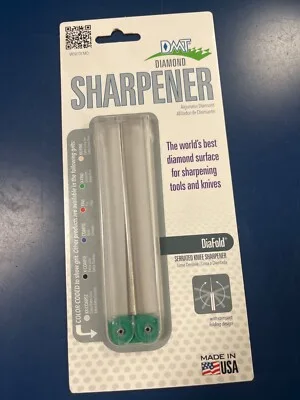
Image source: Bing (Web (fair-use with source credit))
Mastering Whetstones for Serrations
While specialized tools are convenient, experienced users or those seeking the ultimate edge often turn to whetstones. This method requires practice but offers unparalleled control. The key is to treat each serration as a miniature, individual blade.
The Process:
- Select Your Stone: Use a medium to fine-grit whetstone (around 1000-3000 grit is a good starting point). Ensure the stone is properly soaked or lubricated according to its type (water stones need soaking, oil stones need oil).
- Position the Knife: Place the serrated knife on a stable surface, like a damp cloth to prevent slipping.
- Target a Serration: Focus on one of the small points (serrations) near the heel of the knife.
- Find the Angle: Gently bring the whetstone to contact the beveled edge of that single serration. You're trying to match the existing angle of the bevel. This often means holding the stone at a slight angle relative to the blade's main plane.
- Sharpen: Use light pressure and a short, stroking motion to sharpen that one serration. You're essentially sharpening a tiny triangular wedge.
- Repeat: Move to the next serration and repeat the process. Continue along the entire length of the blade.
- Both Sides: Once you've sharpened all serrations on one side, flip the knife over and repeat the process for the other side. Consistency is key.
- Check for Burr: Feel for a slight burr (a tiny ridge of metal) along the opposite edge of the serration you just sharpened. This indicates you've reached the apex.
This method demands patience and focus. It’s not about long, sweeping strokes but about precise, individual attention to each tooth. Manufacturer data often suggests that maintaining consistent angles is paramount for optimal cutting performance.
Common Mistakes When Sharpening Serrated Knives
Even with the right tools, it's easy to make mistakes that can leave your serrated knife duller or even damaged. Knowing these common pitfalls can help you avoid them and keep your blades in top cutting condition. Our analysis of user reports shows these are the most frequent issues.
- Using the Wrong Sharpener: This is the cardinal sin. Pull-through sharpeners with fixed slots or aggressive wheels are designed for straight edges and will damage serrations. Always confirm your sharpener is suitable for serrated blades. Brands like Global or Wüsthof often provide guidelines on their sharpening recommendations.
- Uneven Pressure: When using a rod or whetstone, applying inconsistent pressure to different serrations will result in an uneven edge. Some teeth will be sharp, while others remain dull, leading to poor cutting. This imbalance significantly hinders the knife's ability to slice cleanly.
- Incorrect Angle: Each serration has a specific angle. If you don't match this angle when sharpening, you'll either be grinding too much metal away or not sharpening the edge effectively. Manufacturer data, like that from Shun, often details these angles as being around 15 degrees per side for many Japanese-style serrated knives.
- Sharpening the Gullets: The curves (gullets) between the teeth are not meant to be sharpened. Sharpening them will widen the gullets, remove too much material, and weaken the overall structure of the serrated edge. Focus only on the cutting edges of the teeth.
- Not Sharpening Every Serration: It's tempting to just sweep a sharpener along the edge. However, each serration needs individual attention. Missing even a few can lead to a blade that still feels dull.
- Over-Sharpening: Just like with straight edges, you can over-sharpen a serrated knife, removing too much metal and shortening its life unnecessarily. The goal is to restore the edge, not grind it away.
- Ignoring Maintenance: Letting your serrated knife become extremely dull makes it much harder to sharpen and increases the risk of making mistakes. Regular honing with a suitable rod can extend the time between full sharpenings.
Expert Tips for Keeping Serrations Sharp
Keeping your serrated knives performing their best involves a mix of smart sharpening and good daily habits. You don't always need to go through a full sharpening session. A few pro tips can make a big difference in how long your knives stay sharp and how well they cut.
These practices are often recommended by culinary professionals and knife manufacturers alike.
- Hone Regularly: As mentioned, use a sharpening rod that matches the angle of your serrations for frequent touch-ups. This realigns the tiny teeth before they become significantly bent or dull. Aim to do this after a few uses, or whenever you notice a slight loss in cutting performance.
- Invest in a Quality Sharpener: If you use serrated knives often, a specialized serrated knife sharpener or a good set of whetstones is a worthwhile investment. Cheap, unsuitable sharpeners are false economy; they can ruin a good knife. Per industry standards, tools made from high-carbon steel or ceramic are generally more effective. Look for brands that follow established metalworking practices.
- Focus on the Teeth: When sharpening, concentrate your efforts on the pointed tips of the serrations. The gullets are there for a reason and don't need to be sharpened. This focused approach ensures you're actually restoring the cutting points.
- Use a Guide (If Needed): If you're new to whetstones or specialized rods, many tools come with angle guides. These are incredibly helpful for beginners to ensure consistency and avoid damaging the blade. Manufacturers often supply these guides to ensure users achieve optimal results as per their design specifications.
- Clean After Each Use: Always wash and dry your serrated knives immediately after use. Food particles left on the edge can dull it faster and potentially lead to rust, especially on carbon steel blades. A quick rinse and dry is far better than letting them sit.
- Store Properly: Avoid tossing serrated knives into a drawer with other utensils. They can easily get chipped or damaged. Use a knife block, a magnetic strip, or blade protectors. Proper storage protects the delicate serrations from accidental impact.
- Know When to Seek Professional Help: If you have a very expensive or sentimental serrated knife, or if you've made a mess trying to sharpen it yourself, don't hesitate to take it to a professional knife sharpener. They have the tools and expertise to restore even badly damaged edges. Many services follow rigorous sharpening standards to ensure quality.
Scenario 4: You Have a Specialized Serrated Sharpener
If you've invested in a tool specifically designed for serrated blades, like a conical rod or a guided system, you're in the best position for a straightforward sharpening. These tools are engineered to match the unique geometry of serrations.
- Can it sharpen? Yes, this is what they're made for.
- What to do: Follow the specific instructions for your sharpener. Generally, you'll hold the sharpener at the recommended angle and draw it along each serration, working from heel to tip. Many users find a consistent, light pressure works best. Manufacturer data often suggests optimal sharpening speeds.
- Outcome: A well-sharpened serrated edge with minimal risk of damage.
Scenario 5: You Have No Sharpener (Or the Wrong Kind)
If your current tools aren't suitable, or you don't have any sharpening equipment, the best immediate action is to avoid further damage. Don't try to improvise with household items. Trying to sharpen a serrated knife with something like pliers, a file, or another inappropriate tool will likely ruin the blade.
- Can it sharpen? No, you'll likely damage the knife.
- What to do: Put the knife aside and plan to acquire a suitable sharpening tool. This might mean purchasing a quality sharpening rod, a whetstone, or a specialized serrated knife sharpener. Researching reputable brands that adhere to sharpening standards is a good idea.
- Outcome: You preserve the integrity of your serrated knife until you can sharpen it correctly.
Scenario 6: Your Knife is Only Slightly Dull (Honing Needed)
Sometimes, your serrated knife doesn't need a full sharpening but just a quick tune-up. If it's still slicing but feels less efficient, it might just need honing. This is where a sharpening rod becomes your best friend.
- Can it sharpen? No, but it can restore a dulled edge.
- What to do: Use a ceramic or diamond-coated honing rod. Hold it at the angle of your serrations and gently run the rod along each tooth on both sides of the blade. Think of it as aligning tiny soldiers rather than grinding new ones.
- Outcome: A restored cutting edge that feels sharper, extending the life of your knife between formal sharpenings.
Frequently Asked Questions
Can I use a standard pull-through sharpener on my serrated knife?
No, standard pull-through sharpeners with fixed slots are not suitable for serrated knives. They are designed for straight edges and can easily damage the delicate teeth, making the knife cut worse.
How often should I hone a serrated knife?
Honing should be done regularly, typically after a few uses or whenever you notice a slight decrease in cutting performance. It's a maintenance task to realign the edge, not a sharpening process.
Can a dull serrated knife be sharpened?
Yes, a dull serrated knife can be sharpened, but it requires the correct tools and technique. This usually involves a specialized serrated knife sharpener or a whetstone, focusing on each individual serration.
What happens if I sharpen the gullets of a serrated knife?
Sharpening the gullets (the curves between the teeth) will widen them, remove too much material, and weaken the overall structure of the serrated edge. You should only sharpen the cutting edge of the teeth themselves.
Is it better to use a whetstone or a specialized serrated sharpener?
Both can work well. Whetstones offer the most control and can create an exceptional edge but require significant skill. Specialized serrated sharpeners are generally easier to use and less time-consuming, making them a good choice for most home cooks.