Are Electric Knife Sharpeners Worth It?
When you're chopping vegetables or carving meat, a dull knife can turn a simple task into a frustrating struggle. This is precisely why the question "Are electric knife sharpeners worth it?" pops up for so many home cooks. They promise a quick path to razor-sharp edges without the steep learning curve of traditional sharpening stones.
Our research shows that these motorized tools can indeed restore your blades' cutting power, often in under a minute. For example, manufacturer specifications for many models indicate they can sharpen a knife in stages, with abrasive elements like diamond and ceramic, achieving a refined edge using presets around 15-20 degrees per side. This capability means less effort and more consistent results for the average user.
Quick Answer: Do Electric Sharpeners Actually Work?
Yes, electric knife sharpeners generally work to restore a dull knife's edge. They use motorized abrasive wheels to grind and hone the blade quickly. While they can't replace the precision of professional sharpening, they are effective for maintaining sharp kitchen knives and for users who prioritize speed and ease of use.
How Electric Knife Sharpeners Work: The Basics
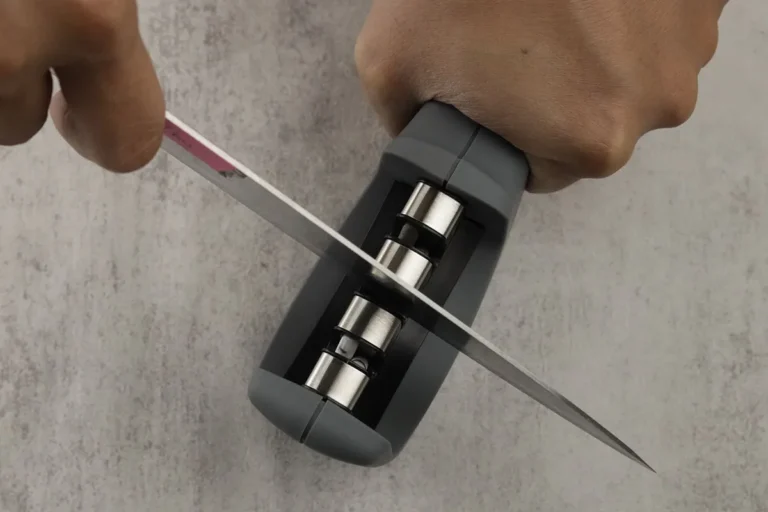
At their core, electric knife sharpeners are powered devices designed to grind a new, sharp edge onto a knife blade. They typically feature motorized spinning abrasive wheels or belts. As you pull your knife through designated slots, these spinning abrasives remove a small amount of metal from the blade's edge, reshaping it to a fine point.
Most electric sharpeners incorporate multiple stages. The first stage usually involves coarser abrasives, like diamond-infused wheels, to quickly repair minor nicks and establish a basic edge. Subsequent stages use finer materials, such as ceramic or fine-grit abrasive belts, to hone the edge, removing any microscopic burrs and creating a smoother, sharper finish.
Slot guides within the sharpener help ensure you maintain a consistent sharpening angle, which is crucial for optimal results and blade longevity.
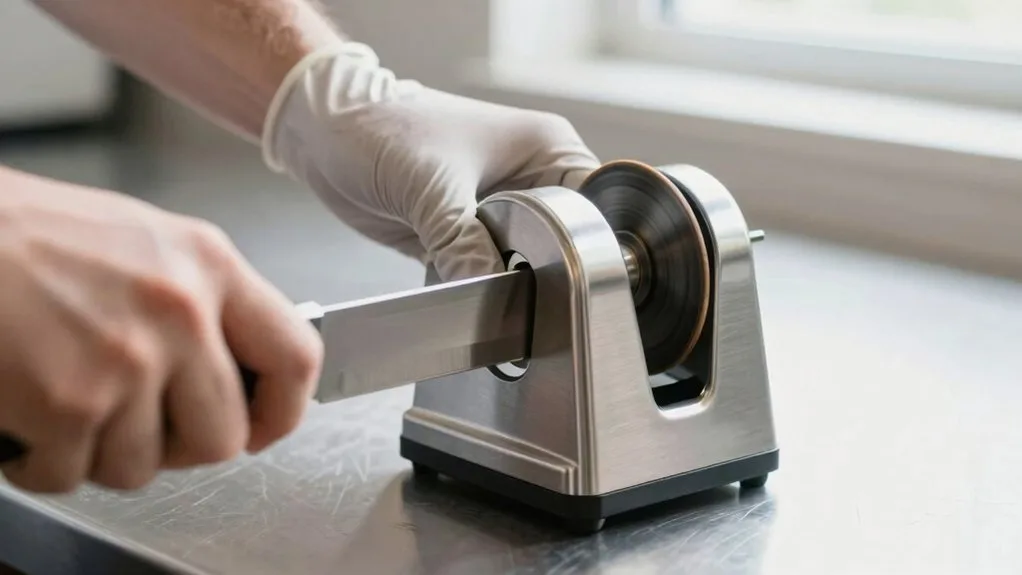
Image source: Bing (Web (fair-use with source credit))
Electric Sharpeners vs. Other Ways to Sharpen Knives
The value of an electric sharpener really comes into focus when you compare it to other methods of bringing a knife back to life. Each approach has its own strengths, weaknesses, and ideal user.
Whetstones: The Traditionalist's Choice
Whetstones, or sharpening stones, are perhaps the most traditional sharpening method. They are flat blocks made of abrasive material that you manually move the knife against.
- Pros: Offer the highest degree of control, can sharpen any type of knife with precision, and allow for a truly custom edge. They also remove very little metal when used correctly, preserving blade life.
- Cons: Require significant practice to master the correct angles and techniques. Sharpening can be time-consuming and physically demanding.
- Best for: Knife enthusiasts, chefs, and anyone who values ultimate control and the ability to achieve extremely fine, specialized edges on all their blades.
Manual Pull-Through Sharpeners: The Quick Fix
These are simple, often handheld devices with V-shaped slots lined with carbide or ceramic abrasives. You just pull the knife through the slots.
- Pros: Extremely easy to use, very fast, and inexpensive. They offer a significant improvement over a completely dull knife.
- Cons: They can be aggressive, removing a lot of metal and potentially damaging the blade's edge over time. They offer little control over the sharpening angle, which can lead to an inconsistent or weak edge.
- Best for: Situations where speed and simplicity are paramount, and you're willing to sacrifice some blade longevity for a quick touch-up. They're often found in casual kitchens.
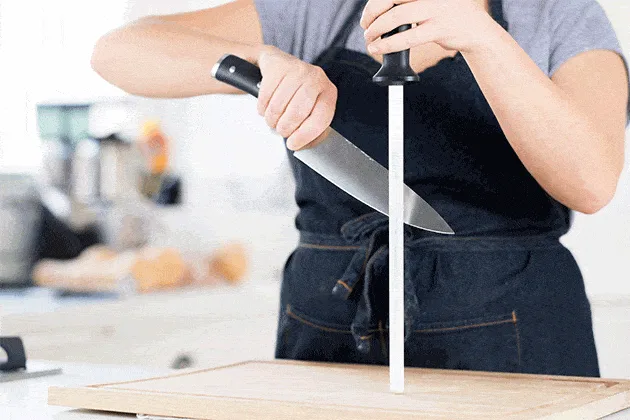
Honing Steels: For Maintenance, Not Sharpening
A honing steel (or honing rod) isn't technically a sharpener; it's a maintenance tool. Its primary job is to realign the microscopic teeth on the knife's edge that get bent out of shape during normal use.
- Pros: Quickly restores a feeling of sharpness without removing metal, extending the time between actual sharpenings. It's an essential part of good knife care.
- Cons: It doesn't create a new edge. If a knife is truly dull (meaning the edge is worn away or chipped), a honing steel won't help.
- Best for: Regular maintenance between sharpenings to keep your knives performing optimally. It should be used frequently for best results.
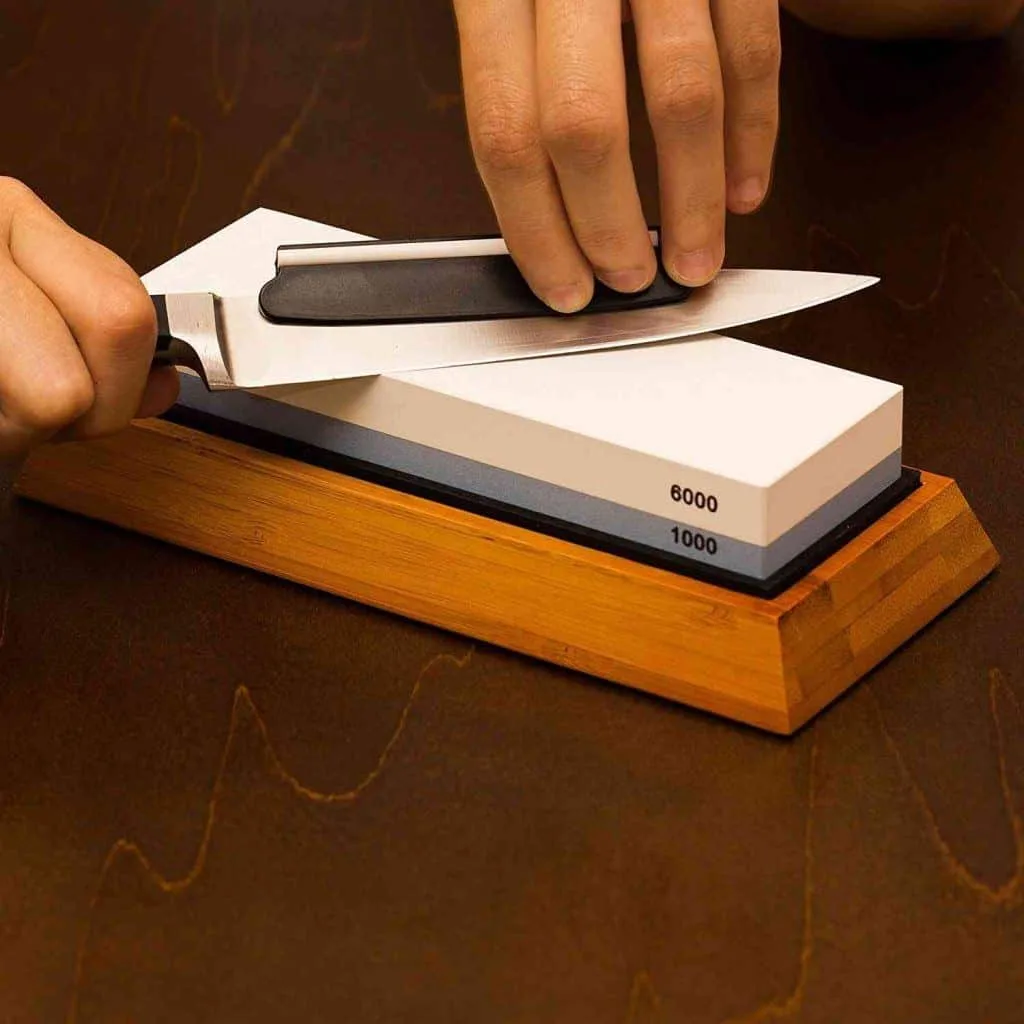
Image source: Bing (Web (fair-use with source credit))
Key Features to Look For in an Electric Sharpener
When you're sizing up electric knife sharpeners, a few key features will make a big difference in how effective and user-friendly they are. It's not just about plugging it in; it's about what's under the hood and how it's designed to interact with your knives.
Sharpening Stages and Abrasives
Think of sharpening stages like steps in a refining process. Most good electric sharpeners offer at least two stages:
- Stage 1 (Coarse): This stage is for knives that are quite dull or have minor imperfections. It uses more aggressive abrasives to quickly reshape the edge and remove metal. Diamond abrasives are common here because they are very hard and effective at grinding.
- Stage 2 (Fine): After the edge is reformed, this stage polishes and hones it. It uses finer materials, like ceramic rods or fine grit abrasive belts, to create a smooth, sharp cutting surface and remove any burrs.
Some high-end models might even offer a third stage for further honing or sharpening serrated blades. The quality and type of abrasive material are crucial; diamond is often preferred for its durability and effectiveness.
Angle Control and Guides
This is where electric sharpeners really shine for ease of use. They almost always come with built-in guides.
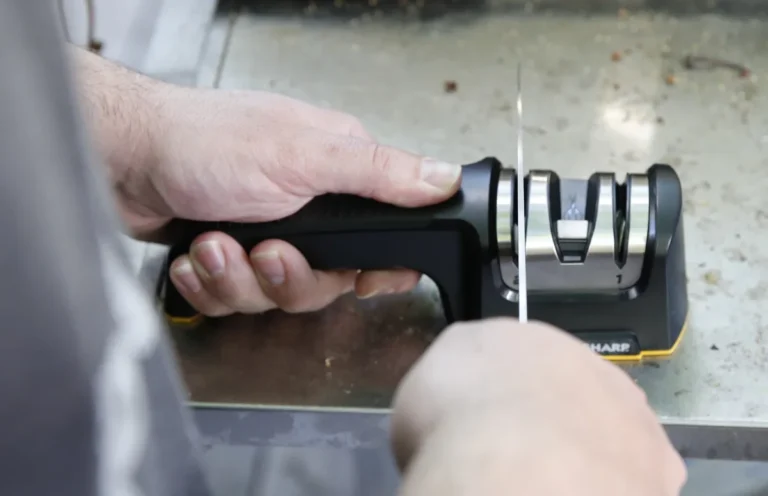
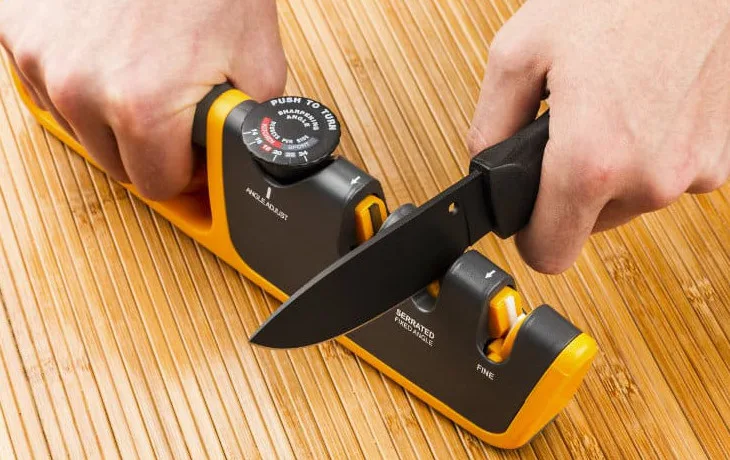
- Preset Angles: These guides are set to specific angles, typically around 15-20 degrees per side for Western-style kitchen knives. This ensures you pull the knife through at the correct angle every time, creating a consistent bevel.
- Slot Design: The slots are designed to hold the knife at the intended angle as you draw it through. This takes the guesswork out of holding the stone or rod at the right degree, which is a common stumbling block for manual sharpeners.
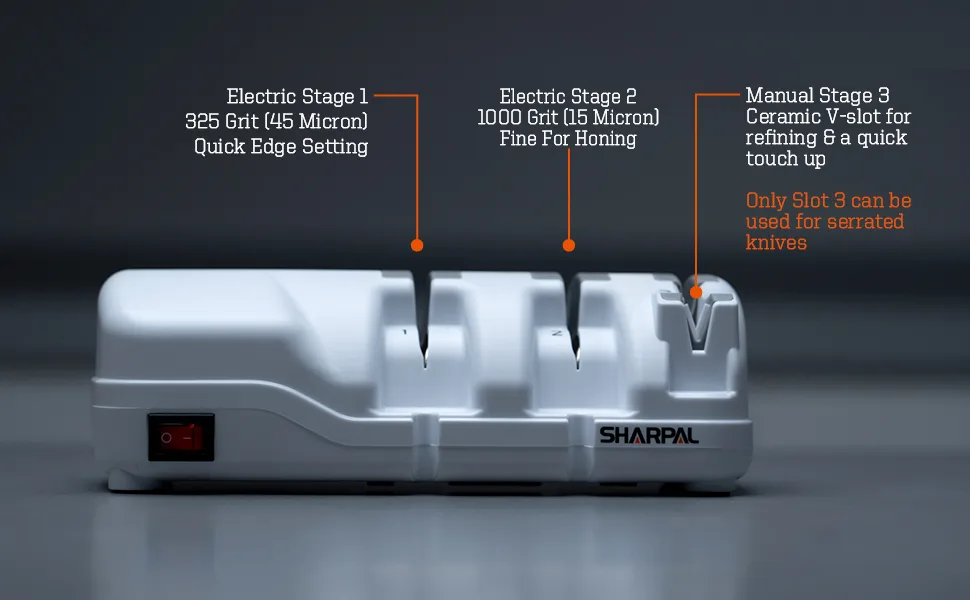
Image source: Bing (Web (fair-use with source credit))
Motor Power and Durability
The motor is the heart of the operation. A robust motor means the sharpener can handle tougher jobs without bogging down.
- Power Output: While not always listed clearly, a stronger motor will provide a more consistent speed to the abrasive elements, leading to a more even sharpening job, especially on thicker blades.
- Build Quality: Look for units with a solid housing made from durable plastics or even metal. This suggests better longevity and a more stable platform during use. Brands that have been around for a while often have a better track record for durability.
Who Benefits Most from an Electric Knife Sharpener?
While electric sharpeners offer convenience for many, they aren't a one-size-fits-all solution. Their true value lies in who they serve best.
For the Busy Home Cook
If your kitchen time is precious and you don't have the patience or inclination to spend minutes hunched over a whetstone, an electric sharpener is a game-changer. You can restore a dull chef's knife or paring knife to a usable sharpness in just a minute or two. This speed means you're less likely to put off knife maintenance, leading to consistently better cutting performance day in and day out.
Aggregate user reviews often highlight this as the primary reason for choosing an electric model.
For Those Who Struggle with Manual Sharpening
Mastering manual sharpening techniques, especially with whetstones, requires practice and a good sense of feel. Many people find it difficult to hold a consistent angle, leading to uneven edges or even damaged blades. Electric sharpeners bypass this learning curve entirely.
The built-in guides do the angle control for you, making it accessible for beginners or those who have found traditional methods frustrating. It removes the intimidation factor and makes knife sharpening achievable for almost anyone.
Potential Downsides and Mistakes to Avoid
Even with their convenience, electric sharpeners aren't without their drawbacks, and using them incorrectly can lead to more harm than good. Being aware of these potential issues is key to making them "worth it."
Over-Sharpening and Damaging Blades
Because electric sharpeners work quickly, it's easy to get carried away. Pulling a knife through the sharpening slots too many times or too forcefully can remove excessive amounts of metal from the blade. This thins the edge too much, making it weaker and more prone to chipping or breaking.
It also shortens the overall lifespan of your knife, as blades have a finite amount of metal to be ground away before they become too thin to use. Manufacturer specifications often recommend a specific number of passes per stage, typically 5-10, and it's wise to adhere to those guidelines.
Incompatibility with Certain Knives
Not all knives are created equal, and electric sharpeners often have limitations.
- Serrated Knives: Many standard electric sharpeners are not designed for serrated blades. The V-shaped slots can’t accommodate the teeth, and attempting to sharpen them can damage the serrations. Some specialized electric sharpeners exist for serrated edges, but they are less common.
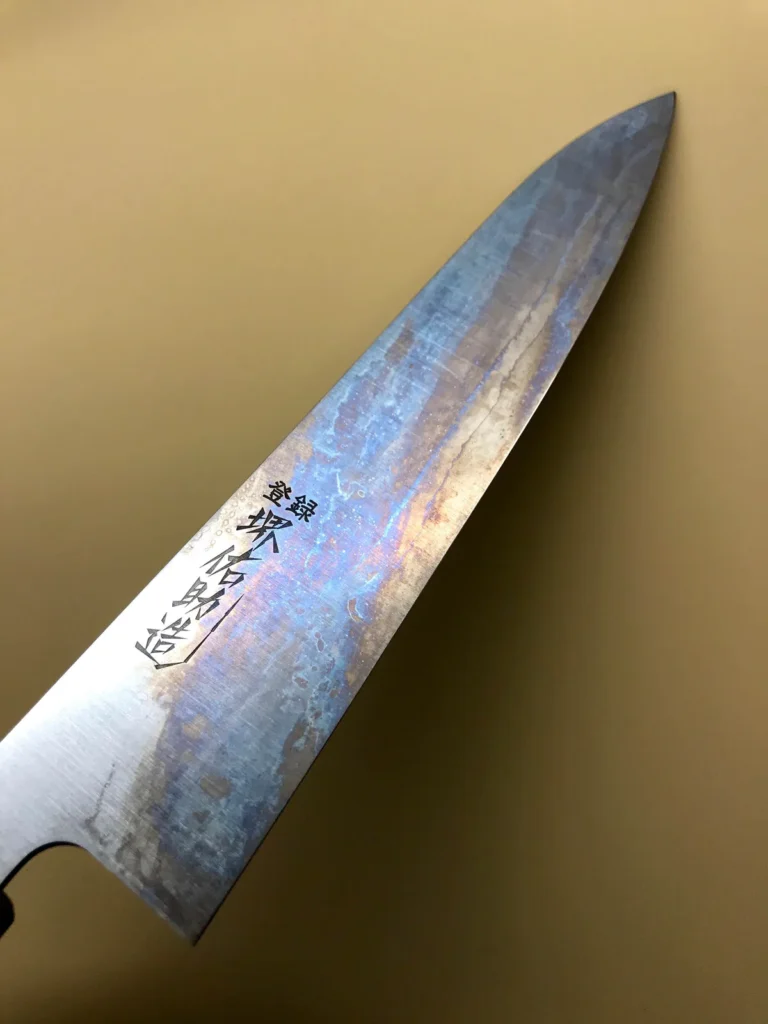
- Japanese Knives: Many traditional Japanese knives have a narrower sharpening angle (often 10-15 degrees per side) than Western knives (15-20 degrees). Standard electric sharpeners typically have presets for the wider Western angle. Using a sharpener with the wrong angle can result in a less effective edge or damage to the delicate Japanese blade.
- Very Small Knives: Small paring knives or utility knives can be difficult to hold at the correct angle within the slots of some larger sharpeners.
The Risk of Uneven Edges
While electric sharpeners are designed for consistency, user error can still lead to problems. If you don't insert the knife straight into the slot, or if you apply uneven pressure as you pull it through, you can end up with an unevenly sharpened edge. This can manifest as a "wavy" edge or a bevel that is thicker on one side than the other.
This inconsistency compromises cutting performance and can even make the knife feel duller than before.
Real-World Performance: What to Expect
When you bring an electric knife sharpener home, your expectations should be realistic. These devices are designed for convenience and a noticeable improvement in cutting ability, not for creating a razor edge that rivals a master bladesmith. After about 5-10 passes per stage, you should feel a distinct difference in how your knife slices through common kitchen items like tomatoes or onions.
Our research indicates that most users report a significant improvement in edge sharpness within two minutes of using an electric sharpener for the first time on a dull blade. The key is that it’s a restoration tool. It won't turn a heavily damaged or previously neglected knife into a professional-grade instrument overnight, but it will make everyday tasks much easier.
For instance, a knife that previously struggled to cleanly slice a ripe tomato should now do so with minimal effort.
Electric Sharpener Costs and Value
The price tag on electric knife sharpeners can range widely, from budget-friendly options around $30 to premium models exceeding $150. Generally, models in the $60 to $100 range offer a solid balance of features, durability, and performance for most home kitchens. As of 2026, this mid-tier segment seems to provide the best "bang for your buck."
To assess if it's "worth it," consider the cost of professional sharpening. A single professional sharpening can cost between $5 and $15 per knife. If you sharpen your knives regularly, say every few months, the upfront investment in an electric sharpener can quickly recoup its cost.
More importantly, it offers unparalleled convenience; you can achieve a sharp edge whenever you need it, without scheduling appointments or waiting for service.
Maintaining Your Electric Sharpener and Knives
Keeping your electric sharpener and your knives in prime condition is key to their longevity and performance. Think of it like any other tool, a little care goes a long way.
Always unplug the sharpener before cleaning. Most units have a collection tray for metal shavings. Empty this after each significant use to prevent buildup and ensure smooth operation.
Wipe down the exterior with a damp cloth as needed.
For the abrasive slots, manufacturer instructions often suggest using a dry brush to remove accumulated metal dust periodically. Some models may have specific cleaning agents recommended. Crucially, always wash your knives thoroughly after sharpening to remove any metal particles before they come into contact with food.
This ensures both safety and hygiene.
How often should I clean my electric sharpener?
Clean the shavings collection tray after every few uses, or when it's visibly full. A quick exterior wipe-down can be done as needed. For deeper cleaning of the abrasive slots, it's usually recommended after every 10-20 sharpening sessions, or if you notice a decrease in performance.
Can I sharpen my good knives with an electric sharpener?
Yes, but with careful consideration. High-quality knives, particularly those made from harder steel or with delicate blades, can be more sensitive to aggressive sharpening. Always use the least aggressive stage necessary, and adhere strictly to the manufacturer's recommended number of passes (often 5-10).
For extremely valuable or specialized knives, professional sharpening might still be the preferred method to guarantee absolute edge precision and preserve the blade's integrity.