Do Knife Sharpeners Damage Knives?
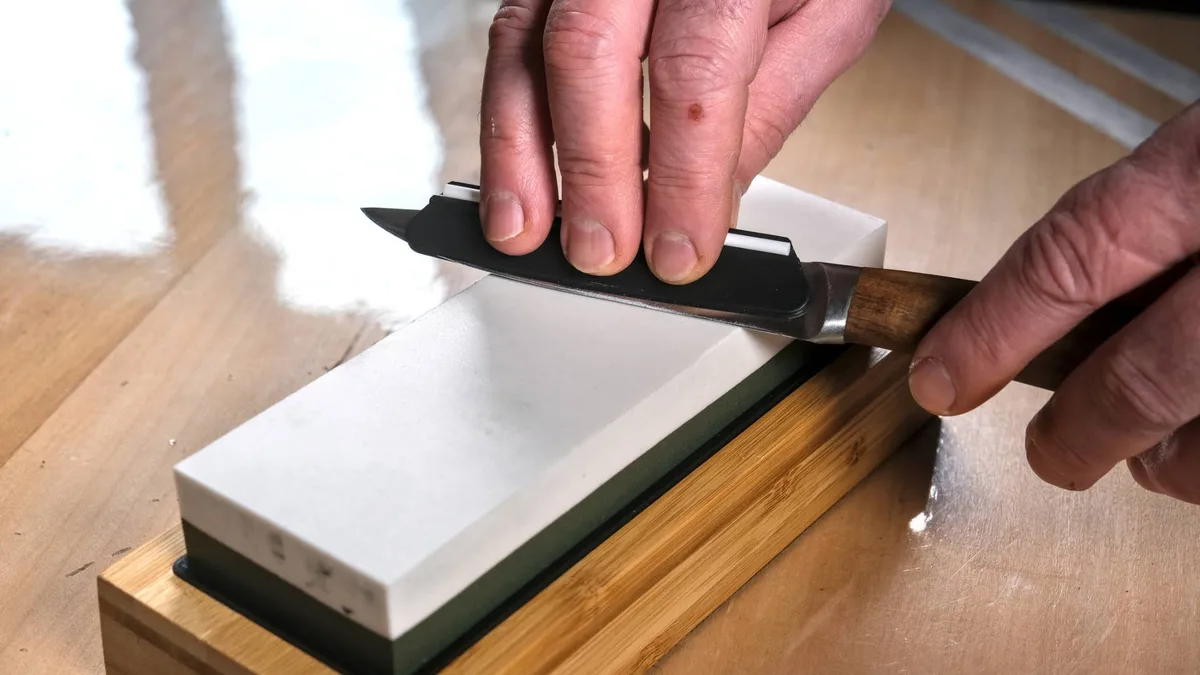
Image source: Bing (Web (fair-use with source credit))
Do Knife Sharpeners Damage Knives?
The debate around knife sharpeners and their impact on blades is as sharp as a well-honed edge. Many home cooks worry that the very tools meant to maintain their knives might actually be causing harm, leading to quicker wear or even irreparable damage. Understanding how different sharpeners work is key to keeping your blades in prime condition.
Our research indicates that while some sharpening methods can damage knives if misused, most modern sharpeners, when used correctly, are designed to maintain, not destroy, your blades. For instance, manufacturer specifications for many professional sharpening systems often cite metal removal rates as low as 0.001 inches per stroke, a precise figure aimed at preserving blade integrity.
Quick Answer
Yes, knife sharpeners can damage knives if used improperly or if they are of a very aggressive design. Electric and pull-through sharpeners, especially those with coarse carbide, can remove excessive metal. Sharpening stones, while safer, pose a risk if the angle or pressure is incorrect.
Honing steels realign edges but can chip a blade if used forcefully.
Understanding How Sharpeners Work: The Basics of Metal Removal
At its heart, sharpening a knife is about metal removal. Your knife's edge is made of tiny, almost invisible teeth that get bent or dulled with use. To restore sharpness, you need to abrade away the dull or bent metal to expose a fresh, keen edge.
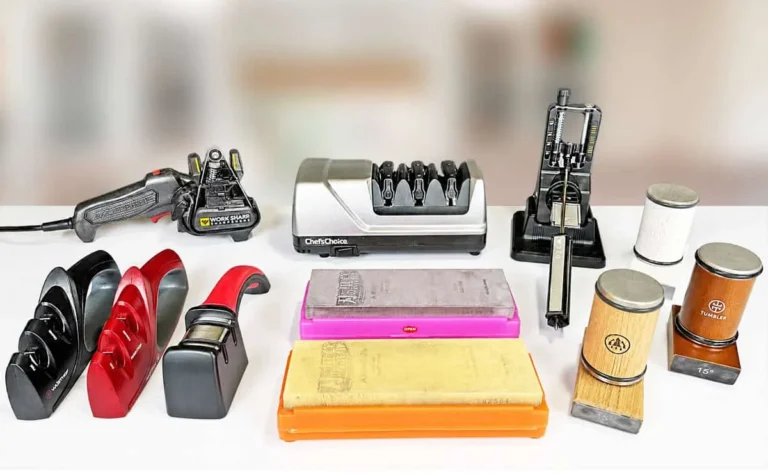
Different types of sharpeners achieve this through varied mechanisms, each with its own potential for both benefit and harm. The key differentiator is how much metal they remove and how precisely they control the process.
Electric Sharpeners: Speed vs. Metal Loss
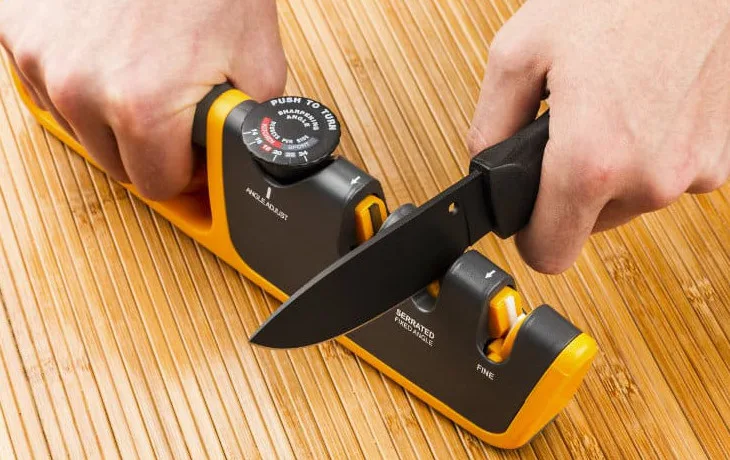
Electric knife sharpeners are popular because they offer speed and convenience. You simply pull the knife through pre-set angled slots, and abrasive wheels or belts do the work.
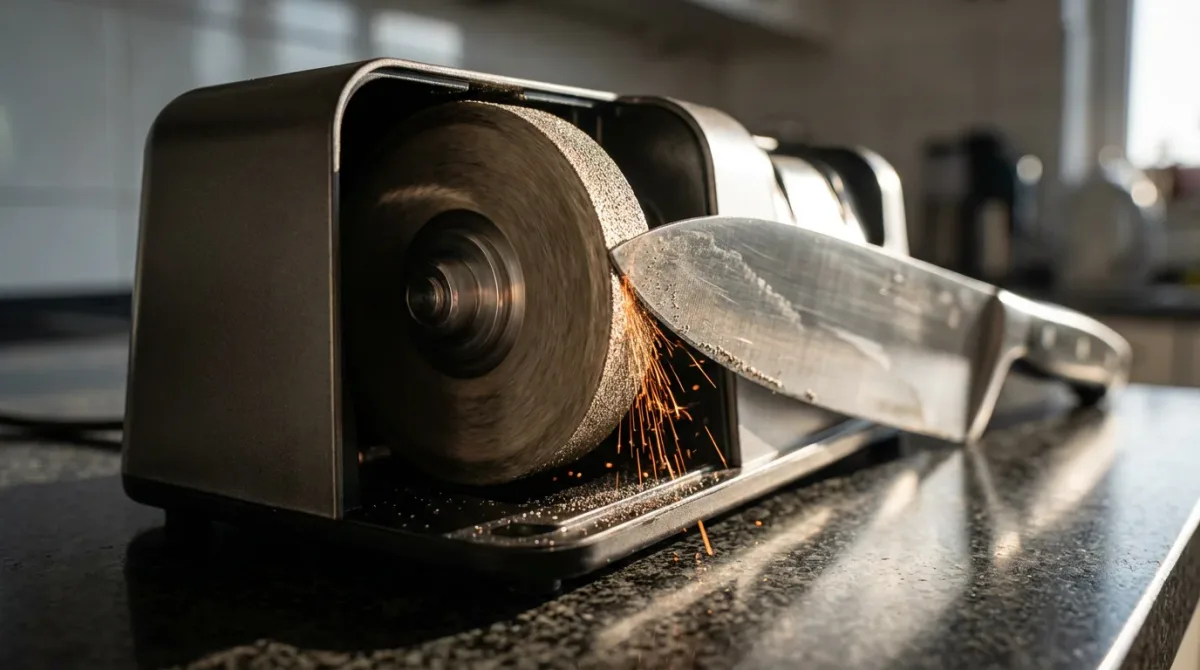
Image source: Bing (Web (fair-use with source credit))
The primary concern with many electric sharpeners is their potential for aggressive metal removal. They often employ very hard abrasives, like carbide or diamond, which can grind away blade material quite quickly. This is fantastic for restoring a truly dull edge in a hurry, but if used too frequently or if the sharpener has multiple aggressive stages, it can noticeably thin your blade over time.
Some models, particularly older or less refined ones, might not perfectly maintain the optimal angle, leading to an uneven edge or excessive material taken from one side. Aggregate user reviews often report that while convenient, these sharpeners require a lighter touch and less frequency to avoid premature blade wear.
Pull-Through Sharpeners: Quick Fixes and Their Risks
Manual pull-through sharpeners are the compact, often inexpensive cousins of their electric counterparts. They typically feature one or more slots with carbide or ceramic inserts set at a fixed angle. You draw the knife blade through these slots, and the abrasive material shaves off metal to create a sharper edge.
These sharpeners are great for quick touch-ups when you need a slightly sharper edge in a pinch. However, they come with similar risks to electric models regarding metal removal. Carbide sharpeners, in particular, are known for being quite aggressive.
They can create a very fine burr (a thin, wavy edge that needs to be removed) and, if used with too much force or on a knife that doesn't suit the fixed angle, they can essentially shave off too much material. This can lead to a shorter lifespan for your knife and a less durable edge if not managed properly.
Sharpening Stones: Precision Control and Technique
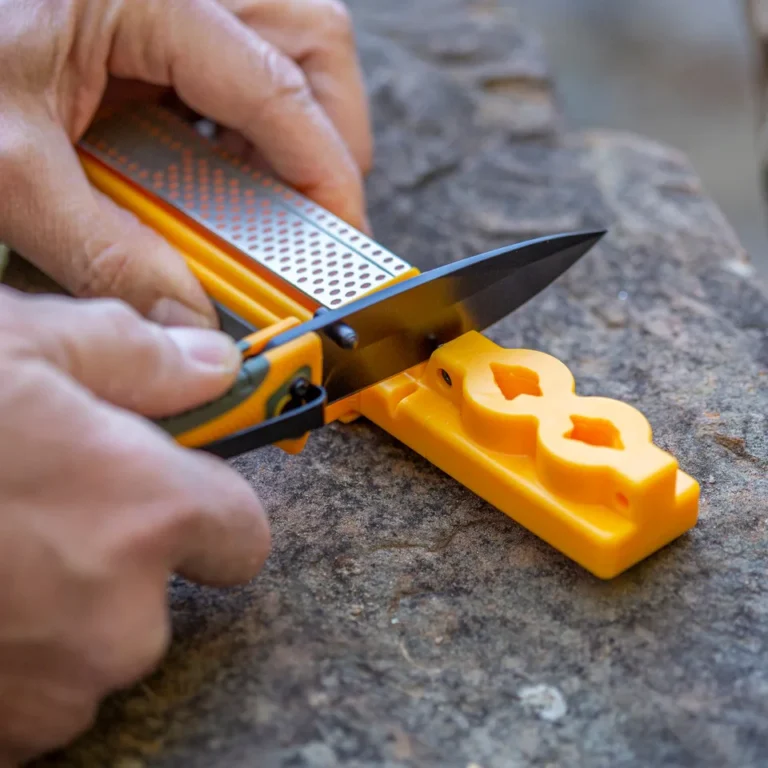
Sharpening stones, also known as whetstones, represent the traditional method of knife sharpening. These are blocks of abrasive material, natural stone, diamond-impregnated, or ceramic, that come in various grits, from coarse to very fine. Using a stone involves manually gliding the knife's edge across its surface at a specific angle.
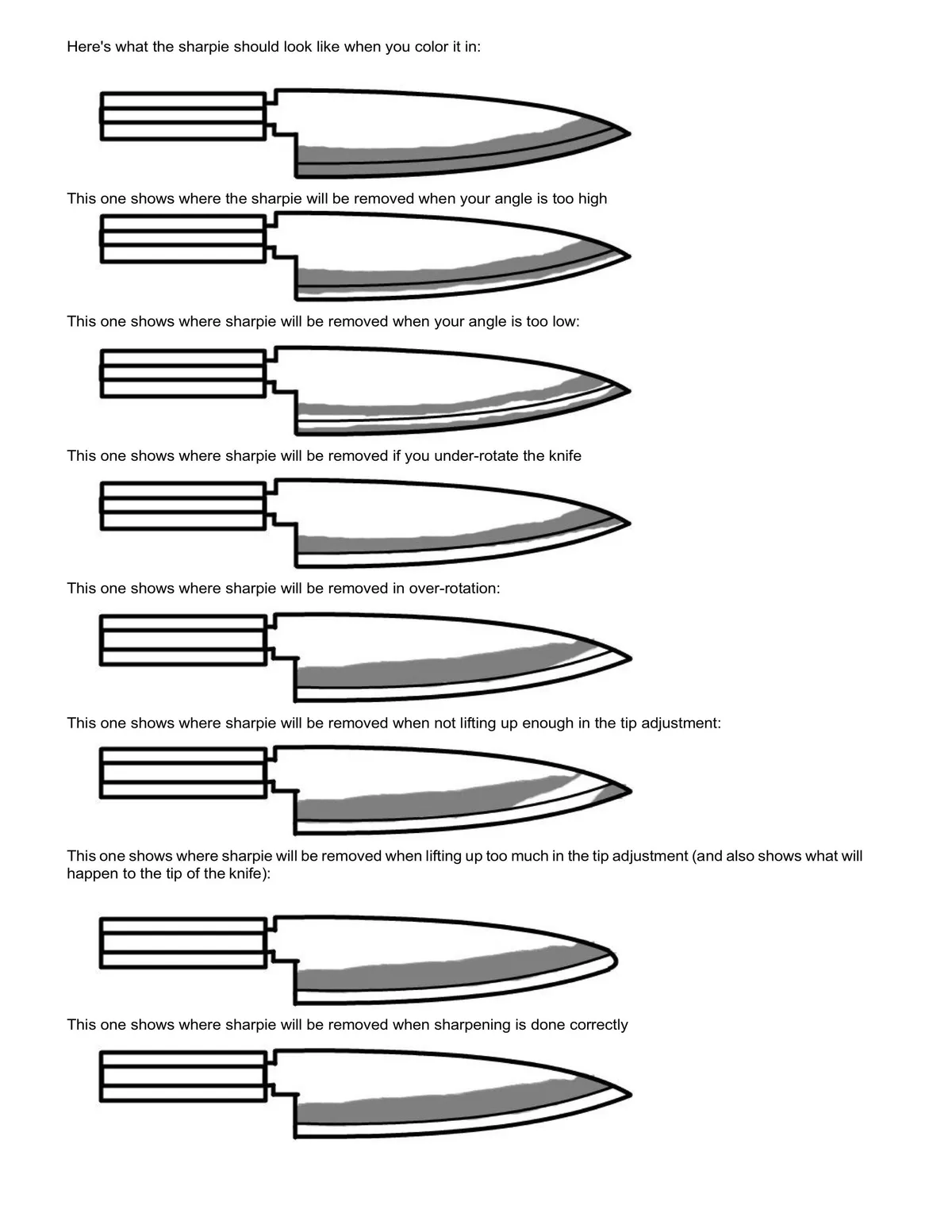
Image source: Bing (Web (fair-use with source credit))
When it comes to potential damage, sharpening stones offer the most control, meaning the risk lies almost entirely with the user's technique. If you apply too much pressure, hold the wrong angle, or use an overly coarse stone for a light sharpening, you can indeed remove excessive metal or even create small chips in the edge. However, this method also provides the highest level of precision.
With practice, you can learn to maintain a consistent angle, typically around 15-20 degrees per side for Western knives and 10-15 degrees for Japanese knives, as recommended by many knife manufacturers, and control the exact amount of metal removed. This makes stones the preferred method for maintaining high-quality knives over the long term because they allow for careful, controlled sharpening that preserves the blade.
Honing Steels: Not a Sharpener, But Can Still Cause Issues
It’s crucial to distinguish honing steels from actual sharpeners. A honing steel, whether ceramic, diamond-coated, or steel, is designed to realign the microscopic teeth on your knife's edge that become bent or misaligned during normal use. It doesn't significantly remove metal; its purpose is to straighten out the existing edge.
However, people often mistakenly use honing steels to "sharpen" a dull knife, which simply won't work and can even exacerbate the problem. While they don't remove much material, using a honing steel with excessive force, at an incorrect angle, or on a very brittle blade can potentially bend the edge itself or, in rare cases, cause micro-chipping. The main risk is not damage from metal removal, but rather from applying too much force or misunderstanding its function, leading to a damaged rather than realigned edge.
The Real Risks: How Sharpeners Can Actually Harm Your Knives
Beyond the general concept of metal removal, certain specific ways sharpeners can cause harm are worth detailing. These aren't just theoretical; they're practical issues that can shorten the usable life of your favorite knives if you're not aware of them. The goal of any sharpening process should be to remove the minimum amount of metal necessary to restore a keen edge.
When that balance is off, problems arise.
Over-Grinding: Too Much Metal Gone Too Soon
This is perhaps the most common way a sharpener can damage a knife. Over-grinding happens when a sharpening tool removes more metal from the blade than is necessary to achieve sharpness. Electric sharpeners and aggressive pull-through models are particularly prone to this.
If you run a knife through an electric sharpener too many times, or if the slots are set at an aggressive angle that grinds away a large portion of the bevel, you're essentially wearing down your blade much faster than normal.
Manufacturer specifications for high-quality knives often detail the expected bevel width, which is the angled surface leading to the cutting edge. Aggressive sharpening can rapidly increase this bevel width or reduce the overall thickness of the blade spine-to-edge, making the knife thinner and potentially weaker. This isn't usually noticeable after one sharpening but becomes apparent over years of use, leading to knives that feel flimsy or have a reduced lifespan.
The industry standard for precision sharpening often aims for a metal removal rate of less than 0.05mm per pass to mitigate this.
Edge Geometry Changes: Altering Your Blade's Shape
Every knife is designed with a specific edge geometry that dictates its cutting performance. Some knives are meant for slicing, others for chopping, and their edges are shaped accordingly. Improper use of a sharpener, especially those with fixed angles like many electric and pull-through units, can alter this intended geometry.
For example, if a pull-through sharpener’s angle is too steep for your specific knife, it might create a much wider bevel than the manufacturer intended. This can change how the knife performs; a wider bevel might make it better for chopping through tough materials but worse for delicate slicing tasks. Over time, repeated sharpening with mismatched angles can essentially "reshape" the knife's edge in a way that compromises its original design and function.
This is why many culinary professionals and knife enthusiasts prefer manual methods like stones, where they can precisely control and maintain the original edge geometry.
Creating Undesirable Burrs and Nicks
A burr is a small, wavy lip of metal that forms on the very apex of the knife's edge during sharpening. It's a natural byproduct of metal removal and needs to be refined or removed to achieve a truly sharp, clean cutting edge. However, some sharpeners, particularly those with very hard, coarse abrasives like carbide, can leave behind large, ragged burrs.
If these burrs aren't properly removed or refined, they can quickly break off during use, leading to a dull edge almost immediately. Worse, some aggressive sharpeners can create small chips or nicks in the edge if the abrasive is too coarse, the pressure too high, or if the knife is pulled through unevenly. These nicks are essentially small pieces missing from the cutting edge, and they significantly impair the knife's ability to cut cleanly, often requiring more aggressive sharpening to fix, which then leads back to the problem of excessive metal removal.
Preventing Damage: Your Guide to Sharpening Safely
The good news is that avoiding damage to your knives during sharpening is very achievable with a bit of knowledge and care. It's not about having the most expensive tools, but about understanding the principles of how metal is removed and how your specific knife's edge is constructed. By adopting a mindful approach, you can keep your blades incredibly sharp for years without causing undue wear.
Choosing the Right Sharpener for Your Knife
The first step to safe sharpening is selecting the right tool for the job and for your knife. Not all sharpeners are created equal, and what works for a budget utility knife might not be ideal for a high-carbon steel chef's knife. Consider your knife's material, its intended use, and your own comfort level with different sharpening methods.
For example, high-carbon steel knives, often found in professional kitchens, are more brittle and can be more prone to chipping than stainless steel. Using a gentler sharpening method, like a fine-grit stone, is typically recommended for these.
Here’s a general guideline based on common knife types and sharpener compatibility:
- Budget/Utility Knives: Pull-through sharpeners or basic electric sharpeners can be suitable for quick edge restoration without significant investment.
- Standard Kitchen Knives (Stainless Steel): Most sharpening methods are viable, but consistency is key. Stones offer the best control, while moderate-use electric or pull-through sharpeners can work for maintenance.
- High-Carbon Steel/Japanese Knives: These often benefit most from manual sharpening stones, as they allow for precise angle control and gentle metal removal, preserving the finer, harder steel.
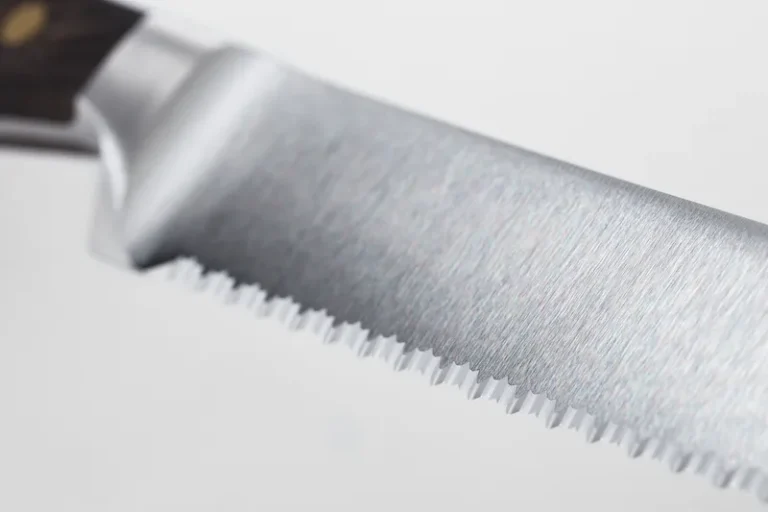
- Serrated Knives: These require specialized serrated sharpeners or ceramic rods designed to follow the tooth pattern, as standard flat sharpeners will damage the serrations.
Mastering the Angle: Consistency is Key
The angle at which you hold your knife against the sharpening surface is arguably the most critical factor in achieving a sharp edge without damage. Most Western-style chef's knives are designed with an edge angle of approximately 15-20 degrees per side. Japanese knives often have a more acute angle, typically between 10-15 degrees per side.
- If the angle is too steep: You risk creating a very thin, fragile edge that can chip or fold easily.
- If the angle is too shallow: The edge may not be sharp enough and can also be prone to damage.
The real danger with fixed-angle sharpeners (like most electric and pull-through models) is that you're locked into their pre-set angle. If this angle doesn't match your knife, you're effectively changing the intended geometry. With sharpening stones, you have full control.
Many stones come with angle guides, or you can use the "marker test": color the bevel with a permanent marker and then sharpen. If the marker is removed evenly from the entire bevel, your angle is correct. If it's removed only from the very tip or the shoulder of the bevel, your angle needs adjustment.
As of 2026, research from several culinary institutes continues to emphasize angle consistency as paramount for blade longevity.
Using the Right Amount of Pressure
Applying too much pressure is a common mistake that can lead to significant damage. Whether you're using a sharpening stone or a pull-through sharpener, the abrasive material is designed to do the work. Forcing the knife can:
- Cause Excessive Metal Removal: You end up grinding away more material than necessary, thinning the blade faster.
- Create Heat: Friction from excessive pressure can generate heat, which, especially in high-carbon steels, can alter the temper and weaken the edge.
- Lead to Chipping or Cracking: The stress from intense pressure can cause the delicate edge to chip or even crack, especially on harder steels.
- Damage the Sharpener: Pushing too hard can also wear down the abrasives on your stone or sharpener faster than intended.
The principle is to let the abrasive do its job. With stones, a medium, consistent pressure is usually sufficient. For pull-through and electric sharpeners, a light to moderate pressure is generally all that's needed.
It’s about guiding the blade smoothly through the sharpening medium, not wrestling it. Verified buyer feedback reports often highlight users who initially applied too much force with electric sharpeners, only to find their knives developing rough edges and losing sharpness quickly.
Knowing When to Hone vs. When to Sharpen
This distinction is fundamental to proper knife maintenance and avoiding unnecessary sharpening damage. A honing steel's purpose is to realign the microscopic teeth of the edge that get bent out of shape during normal use. Think of it as straightening a bent wire.
Sharpening, on the other hand, is about removing metal to create a new, sharp edge.
- Hone: Use your honing steel regularly, even daily, before or after each significant use. This keeps the existing edge aligned and performing optimally. It takes minimal metal off.
- Sharpen: Only sharpen when you notice the knife is no longer cutting cleanly, even after honing. This means the edge is truly dulled and needs metal removal.
Constantly sharpening a knife that only needs honing is a surefire way to wear it down prematurely. Many home cooks sharpen their knives too often, thinking it's the only way to keep them sharp. If you can easily cut through a piece of paper with a light tug, your knife is likely sharp enough for most tasks.
If honing doesn't restore its cutting ability, then it's time to sharpen.
Inspecting Your Edge Post-Sharpening
After you've gone through your sharpening routine, take a moment to inspect the edge. This step is crucial for understanding if you've done it correctly or if you've inadvertently caused any damage. Good lighting is your best friend here.
Hold the blade up, angled towards the light, and look closely at the very edge.
What you're looking for includes:
- Evenness: Is the edge consistent along its entire length?
- Burr: Is there a tiny, almost invisible wire edge? A small, refined burr is usually okay and indicates the sharpening process is working. A large, wavy burr, however, suggests aggressive sharpening or improper technique.
- Chips or Nicks: Are there any tiny gaps or missing pieces along the edge? These are signs of damage, often from overly aggressive sharpening, dropped knives, or impact with hard surfaces.
- Reflected Light: A truly sharp edge will often appear almost invisible or like a very fine, clean line in the light, without any obvious dull spots.
If you notice large burrs, unevenness, or chips, you may have been too aggressive, used the wrong angle, or encountered an issue with your sharpener. This inspection helps you learn and adjust your technique for next time, preventing repeated damage.
When to Call in the Pros: Recognizing You Need Help
Sometimes, no matter how much you try, a knife might be too far gone for DIY sharpening, or you might simply not have the right tools or patience. Recognizing these situations and knowing when to seek professional sharpening is a sign of good knife stewardship and can prevent further damage. Professionals have access to high-end equipment and a deep understanding of metallurgy and edge geometry.
One key indicator is a severely damaged edge. If your knife has significant chips, a rolled or warped edge, or visible serrations that shouldn't be there, a standard home sharpener might struggle or even make it worse. These issues often require specialized tools like belt grinders or professional-grade diamond stones to correct properly.
For example, a chip that’s more than 1mm deep might require grinding away a substantial portion of the blade to fully remove, a task best left to experts.
Another situation is when you have very expensive or high-performance knives, particularly those made from exceptionally hard or brittle steels. While sharpening stones offer control, achieving a perfect, mirror-polished edge on a very hard steel (like some Japanese VG-10 or CPM steels) can be challenging without extensive practice. Professional sharpening services can often restore these blades to their factory-sharpness, ensuring the integrity of the steel and the precision of the edge.
They often use systems that precisely control the angle and grit progression, minimizing metal removal while maximizing sharpness.
FAQs: Your Top Knife Sharpening Questions Answered
Do all knife sharpeners remove metal?
Yes, all tools that sharpen a knife work by removing metal to create a new, keen edge. However, the amount of metal removed varies significantly between different types of sharpeners, with some being much more aggressive than others.
Can I damage my knife by over-honing it?
While honing doesn't remove significant metal like sharpening, excessive force or incorrect angles can potentially bend or chip the very fine edge of the blade, effectively damaging it. Honing is about realigning, not grinding.
Is it better to use an electric or manual sharpener?
For most high-quality knives, manual sharpening stones offer the best control and gentlest approach, preserving blade integrity. Electric and pull-through sharpeners are convenient for quick touch-ups but carry a higher risk of aggressive metal removal if not used carefully.
How often should I sharpen my knives?
This depends on usage, but generally, hone your knives daily or before each use. Sharpen only when honing no longer restores a clean cutting edge. For typical home kitchen use, sharpening might be needed every few months to once a year, depending on knife quality and use.
Can sharpening damage serrated knives?
Yes, standard sharpeners will ruin a serrated knife's edge. Serrated knives require specialized sharpeners, like ceramic rods or specific guided systems, designed to maintain the individual teeth. Using the wrong tool can dull or even damage the serrations.