What Is the Best Knife Sharpener for Dull Knives?
That chef's knife you love? It's probably not as sharp as it could be, and that's a problem. Dull knives make kitchen tasks harder, less precise, and honestly, more dangerous.
You've likely wondered what is the best knife sharpener for dull knives, and the answer isn't a single product but a choice based on your needs.
In our research, we found that the sharpness of a blade is often a matter of maintaining an edge angle of 15 to 20 degrees per side for most kitchen knives. Getting that precise angle back can feel complicated, but with the right tool and a little know-how, you can restore that razor-sharp feel.
Quick Answer
For dull knives, the best knife sharpener depends on user skill and desired edge. Sharpening stones offer ultimate control for enthusiasts. Pull-through sharpeners provide speed for casual users.
Electric sharpeners deliver rapid results for busy kitchens. Honing steels maintain edges between sharpening. Guided systems ensure consistent angles for beginners.
The Top Knife Sharpeners: A Comparative Look
When your knives start to struggle through a tomato or fold rather than slice paper, it's time to consider a sharpener. But with so many types available, figuring out which one is "best" can be tricky. We've analyzed the common options to help you decide what fits your kitchen and your skill level.
Each type has its own strengths, weaknesses, and ideal user.
Sharpening Stones: The Purist's Choice
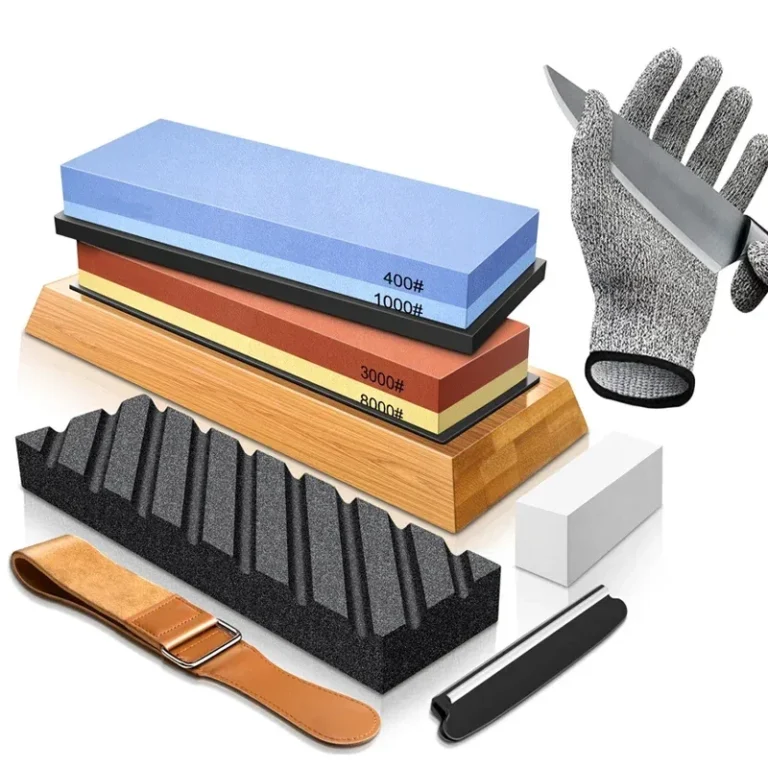
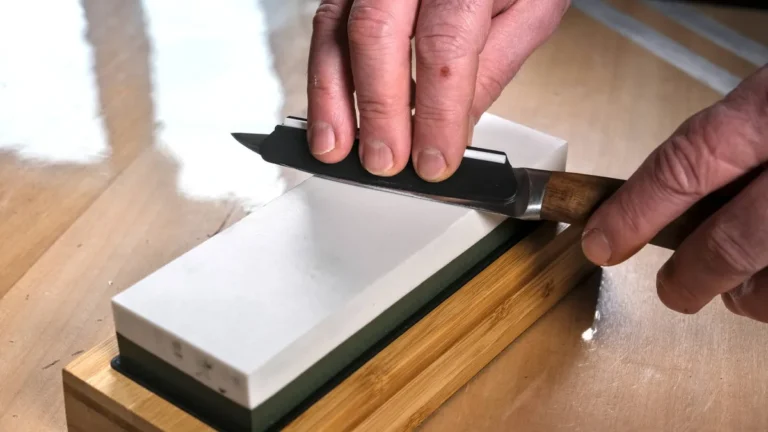
Sharpening stones, often called whetstones, are the traditional tool for serious knife users. They work by using abrasive materials to grind away a small amount of metal from the blade, effectively reshaping and refining the cutting edge. These stones come in various grits, from coarse (for repairing chips or reshaping very dull edges) to ultra-fine (for polishing the edge to a razor-sharp finish).
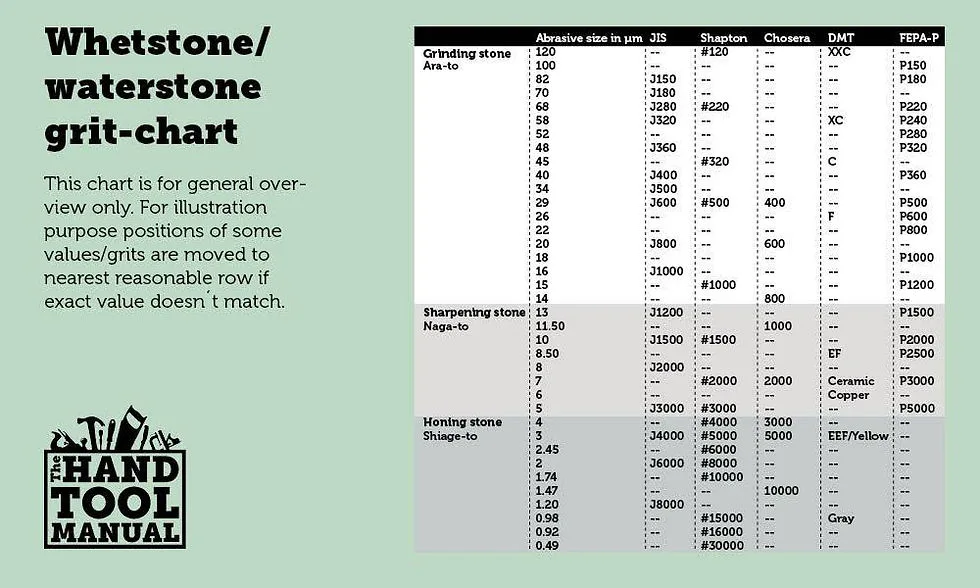
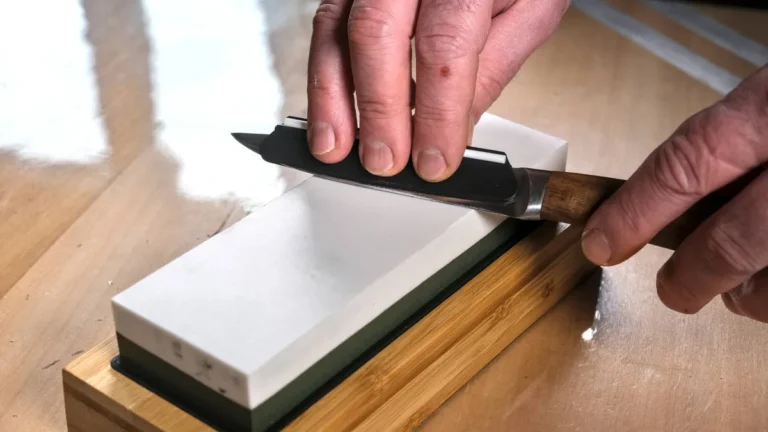
Learning to use sharpening stones takes practice. You need to maintain a consistent angle as you move the blade across the stone. Many enthusiasts find this process meditative and rewarding, achieving an edge that simply can't be matched by faster methods.
They are excellent for high-quality kitchen knives made of carbon steel or premium stainless steel.
- How They Work: You typically use two sides of a stone: a coarser grit to establish the bevel and a finer grit to hone and polish the edge. Water or oil is used as a lubricant, depending on the stone type.
- Best For: Those who want the absolute sharpest edge possible and are willing to invest time in learning the technique. It's ideal for chefs, culinary professionals, and home cooks who value precision and knife performance.
- Key Attributes: High degree of control over the edge angle, ability to achieve exceptionally sharp edges, versatility across different knife types.
Pull-Through Sharpeners: Speed and Simplicity
If you're looking for a quick fix for dull knives without a steep learning curve, a pull-through sharpener might be your best bet. These devices usually feature two or three slots with abrasive materials set at a fixed angle. You simply pull the knife blade through the slot, and the sharpener does the work.
They are incredibly straightforward to use, making them popular for home kitchens where speed and ease are priorities. However, because the angle is fixed, they might not be ideal for all knife types, especially those with very acute or specialized grinds. They are generally best suited for everyday kitchen knives.
- How They Work: The blade passes through abrasive wheels or carbide inserts at a pre-set angle, removing metal to create a new edge. Some have multiple stages for coarse sharpening and fine honing.
- Best For: Home cooks who need a fast, no-fuss way to sharpen their everyday knives. They're great for quick touch-ups between more thorough sharpening sessions.
- Key Attributes: Extreme ease of use, rapid sharpening results, compact size for storage.
Electric Sharpeners: For the Time-Pressed
Electric sharpeners are designed for maximum convenience and speed. They use motorized abrasive wheels or belts that spin at high speeds, quickly sharpening your knife's edge as you pass it through designated slots. For busy kitchens where knives get a lot of use, these can be a real game-changer.
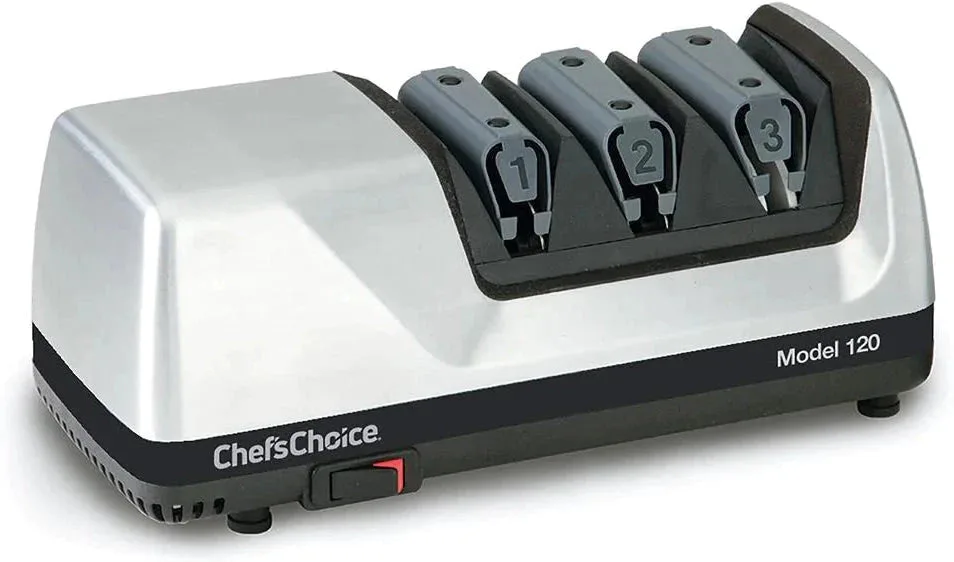
The primary advantage is their speed and the fact that they often guide the knife at an optimal angle, minimizing the risk of error for less experienced users. However, they can also remove more metal than manual methods if not used carefully. This means that while they sharpen effectively, they might shorten the lifespan of very high-quality or expensive knives over time if used excessively.
- How They Work: Motorized abrasive stages sharpen the blade as it’s drawn through guided slots. Many offer multiple sharpening stages for different levels of repair and refinement.
- Best For: Anyone who values speed and convenience above all else and needs to sharpen multiple knives quickly. They are also good for those who struggle with manual sharpening techniques.
- Key Attributes: Fastest sharpening method, generally foolproof angle guidance, efficient for multiple knives.
Guided Sharpening Systems: Consistent Angles Made Easy
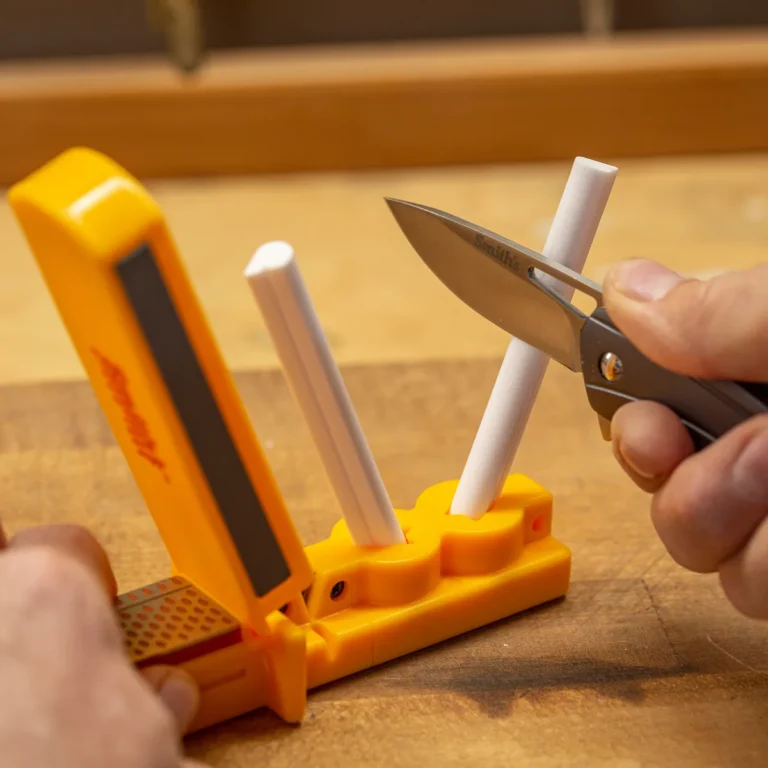
For those who want the precision of sharpening stones but lack the freehand skill, guided sharpening systems offer a middle ground. These systems typically involve clamps or jigs that hold the knife at a specific, consistent angle. You then move an abrasive rod or stone along the blade, ensuring an even grind.
These systems are excellent for learning and maintaining consistent angles without the guesswork. They can produce very sharp edges, similar to freehand stones, but with significantly less practice required. They are a great investment for home cooks looking to improve their knife maintenance skills and achieve professional results.
- How They Work: A jig or clamp secures the knife, and an abrasive element (rod or stone) is moved at a fixed angle along the edge. Some systems offer interchangeable angle guides for different knife types.
- Best For: Beginners who want to learn to sharpen without the freehand challenge. They are also good for users who want consistent results every time without extensive practice.
- Key Attributes: Ensures precise and repeatable angle control, reduces the learning curve for sharpening, capable of producing very sharp edges.
Honing Steels: Maintaining Your Edge
It's important to understand that honing steels are not sharpeners in the traditional sense. They don't actually remove significant amounts of metal to create a new edge. Instead, their primary function is to realign the microscopic teeth that form on the blade's edge during use.
Over time, these teeth get bent or folded over, making the knife feel dull.
A honing steel, whether it's made of steel, ceramic, or diamond-coated, gently straightens these bent sections, bringing the edge back to a more aligned and therefore sharper state. Using a honing steel regularly between actual sharpening sessions can dramatically improve how sharp your knives feel and perform. It's a crucial part of knife maintenance for anyone who wants their blades to stay in top condition.
- How They Work: The steel’s abrasive surface (or micro-serrations) gently realigns the microscopic irregularities along the blade's edge.
- Best For: Regular maintenance to keep knives sharp and performing well between actual sharpening. It's an essential tool for anyone who uses their knives frequently.
- Key Attributes: Realigns, rather than sharpens, the blade edge; extends the time between sharpening sessions; simple to use for daily upkeep.
Who Needs Which Sharpener? Matching Tools to Your Needs
The "best" knife sharpener for your dull knives isn't a one-size-fits-all answer; it truly comes down to you and your kitchen habits. Think about your typical use, how much time you're willing to dedicate, and what kind of knives you own. Are you a weekend warrior in the kitchen who just wants things to cut smoothly, or are you someone who treats their knives like precision instruments?
Here's a quick breakdown to help you match a sharpener type to your situation:
- The Enthusiast/Chef: If you have high-end knives, appreciate a razor-sharp edge, and don't mind a bit of a learning curve for perfect results, sharpening stones (whetstones) are your go-to. They offer the most control and the highest potential for sharpness.
- The Busy Home Cook: For everyday knives and a need for speed and simplicity, a quality pull-through sharpener is a solid choice. It’s fast, easy to use, and requires minimal effort to get a usable edge back.
- The Time-Starved Individual: If you have many knives or find sharpening tedious, an electric sharpener offers the quickest path to sharpness with minimal hands-on time.
- The Aspiring Sharpener: If you want consistent angles without the freehand challenge of stones, a guided sharpening system is perfect. It bridges the gap between manual control and automated ease.
- The Regular Maintainer: Anyone who wants to keep their knives performing well between full sharpenings needs a honing steel. It’s for realigning the edge, not reshaping it, and it’s a crucial part of the routine.
Consider your knife collection, too. Most Western-style kitchen knives (like those from brands such as Wüsthof or Global) benefit greatly from a 15-20 degree angle per side. Japanese knives often have a more acute angle, typically 10-15 degrees, and require more delicate handling.
Your choice of sharpener should ideally accommodate the angles of your primary knives.
The Real Deal: Pros and Cons of Each Sharpener Type
Every type of sharpener has its place, but understanding the trade-offs is key to making the right choice for your kitchen. No single sharpener is perfect for every situation, so let's lay out the good and the not-so-good for each.
Sharpening Stones (Whetstones)
- Pros:
- Unmatched edge quality and sharpness potential.
- Complete control over the sharpening angle.
- Can handle all types of knives and edge damage.
- Long lifespan when properly maintained.
- Cons:
- Requires significant practice and a learning curve.
- Takes more time and effort per knife.
- Need to purchase multiple grits for a full sharpening progression.
- Stones can wear down and need flattening.
Pull-Through Sharpeners
- Pros:
- Extremely easy to use; no prior skill needed.
- Very fast for quick touch-ups.
- Compact and easy to store.
- Relatively inexpensive.
- Cons:
- Fixed angles may not suit all knives precisely.
- Can remove more metal than necessary if not used carefully.
- May not achieve the same level of sharpness as stones.
- Lower-quality models can damage good knives.
Electric Sharpeners
- Pros:
- Fastest sharpening method available.
- Generally foolproof angle guides.
- Ideal for multiple knives or frequent sharpening.
- Good for users who lack confidence with manual methods.
- Cons:
- Can remove a significant amount of metal, shortening knife lifespan.
- Less control over the final edge compared to manual methods.
- Can be bulkier and more expensive than pull-through sharpeners.
- May not be suitable for very delicate or specialized knives.
Guided Sharpening Systems
- Pros:
- Ensures precise and repeatable angle control.
- Significantly reduces the learning curve compared to freehand stones.
- Can achieve very sharp edges with practice.
- Good for maintaining a specific angle across a knife collection.
- Cons:
- Can be more expensive than basic pull-through sharpeners.
- May be bulkier than handheld options.
- Limited by the angles offered by the system.
- Still requires some manual dexterity to move the abrasive.
Honing Steels
- Pros:
- Effectively realigns the edge, making knives feel sharper.
- Essential for maintaining sharpness between sharpening sessions.
- Quick and easy to use.
- Extends the life and performance of your knives.
- Cons:
- Does not actually sharpen; it doesn't remove metal.
- Will not fix chips or significant edge damage.
- Requires a separate sharpening tool for true sharpening.
Avoiding Pitfalls: Common Sharpening Mistakes to Dodge
Even with the right tool, sharpening your knives incorrectly can do more harm than good. Avoiding common mistakes is just as important as choosing the right sharpener. These errors can damage your blades, create an ineffective edge, or even lead to injury.
- Using the Wrong Angle: This is perhaps the most common mistake, especially with manual sharpening. If your angle is too steep or too shallow, you won't create a proper, durable edge. Many manufacturers, like those adhering to standards from the American Society of Mechanical Engineers (ASME) B18.3.3, recommend specific angles, typically 15-20 degrees for kitchen knives. Deviating too much means the edge won't perform well.
- Applying Too Much Pressure: When sharpening, you want a consistent, moderate pressure. Pressing too hard can damage the edge, remove excessive metal, or even cause the bevel to chip. Let the abrasive material do the work; you're just guiding it.
- Not Sharpening Enough (or Too Much): Knowing when a knife needs sharpening versus when it just needs honing is crucial. Sharpening removes metal to reshape the edge; honing realigns it. Over-sharpening wears down your knives unnecessarily. Conversely, relying only on honing when the edge is truly damaged or deformed will never restore its cutting ability.
- Using a Damaged Sharpener: If your sharpening stone is uneven or your pull-through sharpener has worn-out slots, you won't get good results. Regularly check your tools for wear and tear. For stones, this might mean flattening them to ensure a uniform surface.
- Rushing the Process: Especially with manual sharpening, patience is key. Trying to sharpen too quickly often leads to inconsistent angles and a poorly formed edge. Take your time, focus on smooth, controlled movements, and make sure you're achieving an even result on both sides of the blade.
- Not Cleaning Your Knives First: Food particles, oils, and other debris can clog your sharpener and contaminate your edge. Always wash and dry your knife thoroughly before sharpening.
Keeping Your Edge: Honing vs. Sharpening and Maintenance
Understanding the difference between honing and sharpening is fundamental to keeping your knives in peak condition. Many people use the terms interchangeably, but they are distinct processes that serve different purposes. Think of it this way: sharpening creates the edge, while honing maintains it.
Sharpening involves removing metal from the blade to re-establish a sharp cutting edge. This is necessary when the edge has become dull, chipped, or deformed over time. Tools like sharpening stones, electric sharpeners, and pull-through sharpeners perform this function.
Per standards like those outlined by the Knife Manufacturers Association (KMA), sharpening is a more involved process that rebuilds the edge.
Honing, on the other hand, is about realigning the microscopic teeth that make up the blade's edge. These teeth, while essential for cutting, tend to bend and fold over with regular use. A honing steel (made of steel, ceramic, or diamond) gently straightens these bent sections, making the blade feel sharp again without removing significant amounts of metal.
Manufacturers typically recommend honing your knives before or after each use, or at least weekly, depending on how often you cook.
- Why Honing is Crucial:
- Extends the time between sharpening sessions.
- Maintains a keen edge for better cutting performance.
- Prevents minor edge distortions from becoming major problems.
- Is a quick, easy, and frequent part of knife care.
Regular maintenance is key. A good routine might look like this:
- Before or After Each Use: Briefly hone your knife with a honing steel to realign the edge.
- As Needed (When Honing Isn't Enough): Sharpen your knife using your chosen sharpener when it no longer feels sharp after honing. This might be every few weeks to a few months, depending on usage and the quality of the steel.
- After Sharpening: Always give your freshly sharpened knife a few strokes on a fine-grit stone or honing steel to polish and refine the edge.
Your Knife, Your Choice: Final Verdict and Recommendations
So, what's the ultimate verdict on the best knife sharpener for dull knives? As we've explored, there isn't one single champion. The ideal tool for you hinges on your personal preferences, knife collection, and commitment to learning.
If you're chasing that perfect, razor-sharp edge and don't mind a bit of practice, sharpening stones are unmatched for the quality of the result. For beginners who want consistent, good edges without the steep learning curve, a guided sharpening system is an excellent compromise. When speed and simplicity are paramount, and you're primarily dealing with everyday kitchen knives, a reputable pull-through sharpener will serve you well.
And for maintaining that sharp edge between actual sharpening sessions, a honing steel is indispensable for everyone.
Don't underestimate the power of regular maintenance. A well-honed knife feels significantly sharper and performs better, extending the time between needing to use your primary sharpening tool. By understanding the role of each type of sharpener and practicing good habits, you can ensure your knives remain effective, safe, and a joy to use for years to come.
As of 2026, these principles remain the bedrock of good knife care.
Frequently Asked Questions
How often should I sharpen my knives?
Most home cooks only need to sharpen their knives every few months, or when they notice a significant drop in performance even after honing. Frequent honing before or after each use is more important for daily maintenance.
Can I sharpen any knife with any sharpener?
Not exactly. While some sharpeners are versatile, others are best suited for specific knife types or angles. For instance, specialized Japanese knives with very acute angles might require specific stones or guided systems designed for those precise degrees.
How do I know if my knife is sharp enough?
A truly sharp knife will slice through paper cleanly with very little resistance, almost like cutting through air. It should also glide through ripe tomatoes or onions without "sticking" or tearing the skin. Dull knives will push, tear, or require more force.
Is it okay to use a sharpening steel on a serrated knife?
Generally, no. Standard honing steels are designed for straight edges. Serrated knives require specialized sharpening tools, often a ceramic rod or a dedicated serrated knife sharpener, that can follow the individual teeth of the blade.
How do I clean my sharpening stone?
After use, rinse most water stones under running water to remove metal particles and slurry. For oil stones, use a degreaser or mineral oil. Some stones may require occasional flattening on a separate surfacing stone to maintain a level surface.