How Do I Know When My Knife Needs Sharpening?
How do you know when your knife needs sharpening? It's a question that pops up when you find yourself wrestling with a tomato instead of slicing it cleanly, or when your favorite chef's knife just isn't gliding through onions like it used to. Usually, the culprit is a dull blade, but identifying that subtle loss of edge can be tricky.
It’s not just about how old the knife is; it’s more about how you use it and what you're cutting. Think of it like your car, you don’t just change the oil every 3,000 miles without looking; you also listen for funny noises and pay attention to how it’s running. Your knife is similar.
As of 2026, the principles of blade maintenance remain consistent across kitchen tools.
Quick Answer
A knife needs sharpening when it struggles to cut through common foods with ease, requiring extra pressure or a sawing motion. Simple tests like slicing paper cleanly or piercing a tomato's skin without squishing it are reliable indicators. If your blade tears or drags instead of slicing, it's time to sharpen.
The Quick Check: Is Your Knife Acting Up?
That feeling of frustration when your knife just isn't cooperating is your first big clue. It’s that moment you realize the effortless glide is gone, and you’re actually working to cut something that should be simple. This isn't about a catastrophic failure; it's about the subtle, everyday performance decline that signals a dulling blade.
Signs Your Blade Is Losing Its Edge
Your senses are your best tool here. Pay attention to how the knife interacts with your food.
- Requiring Extra Pressure: If you find yourself pressing down much harder than usual to cut through ingredients like peppers, onions, or even a ripe peach, the blade is likely dull. A sharp edge bites and slices with minimal force.
- The "Sawing" Motion: A sharp knife cuts with a smooth, decisive stroke. If you're moving the blade back and forth excessively to get through something, it’s not engaging the material cleanly. This sawing action is a classic symptom of dullness.
- Food Sliding or Tearing: When you try to slice a tomato, is it getting squished or sliding around on the board instead of being neatly pierced? Or perhaps your carrot is tearing instead of slicing? These are direct consequences of an edge that can no longer grip and cut effectively.
- Struggling with Tougher Materials: Ingredients like dense bread crusts, tough root vegetables, or fibrous meats will reveal a dull blade quickly. If your knife is snagging or requiring significant effort on these items, it’s a definite sign.
Practical Tests for Blade Dullness
These hands-on checks are simple to perform and offer clear feedback on your knife's sharpness. They mimic real-world kitchen tasks and will give you a definitive answer about whether it’s time for maintenance.
The Paper Slice Test
This is a widely recommended method because it provides a clear, tactile difference between a sharp and a dull edge. You don't need specialized equipment, just a standard sheet of paper.
- How to Do It: Hold a sheet of printer paper vertically by one edge. Using your knife, start at the top corner and try to slice downwards in a single motion.
- What to Look For: A truly sharp knife will slice through the paper with almost no resistance, leaving a clean, smooth edge. It’s as if the paper is barely there.
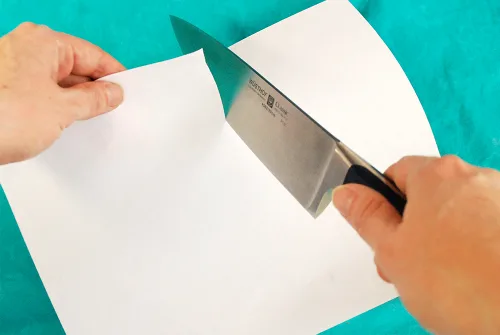
- When it Fails: If the knife tears, snags, or folds the paper rather than cutting it, the edge is dull. You might feel it catching or hear a ripping sound. If you have to saw at it, it’s definitely time for a tune-up.
The Tomato Test
Tomatoes, with their smooth skin and soft flesh, are excellent test subjects for sharpness. A knife that struggles with a tomato likely won't perform well on other delicate or firm ingredients.
- How to Do It: Take a ripe, firm tomato. Place it on your cutting board and attempt to slice through it without applying excessive pressure.
- What to Look For: A sharp knife should easily pierce the tomato's skin with just the weight of the blade and a gentle push. It should then glide through the flesh smoothly, without squishing the tomato.
The Onion Test
Onions are another kitchen staple that can reveal a knife’s true edge. Their papery outer skin and firm, layered interior present a good challenge.
- How to Do It: With an onion on your cutting board, attempt to make a clean slice through it.
- What to Look For: A sharp knife will cleanly cut through the onion layers. The onion shouldn’t feel like it’s slipping or being pushed around on the board. If the knife slides off the curved surface, that's a safety concern and a sign of dullness.
What Your Senses Can Tell You
Beyond specific tests, your own experience using the knife for everyday tasks offers valuable insight into its condition. It's about developing a feel for how your tools should perform.
Is More Pressure Needed?
This is one of the most immediate indicators. When you're dicing vegetables, mincing herbs, or slicing proteins, a sharp knife requires minimal downward force. If you find yourself leaning into the cut, pushing hard to get through ingredients that used to yield easily, that extra effort is your body telling you the blade isn't doing its job efficiently.
This increased pressure can also lead to fatigue and less control.
Are You Sawing More Than Slicing?
Think about the action of a sharp knife: it’s a clean slice, often with a slight forward or downward pull. If your technique has shifted to more of a back-and-forth sawing motion, especially on softer items like cooked meats or soft vegetables, the edge has likely lost its ability to cleanly sever fibers. The blade is too dull to engage properly with the material, forcing you to compensate with movement.
Is Food Sliding or Tearing?
This relates to the edge's ability to grip and cut. When a knife is dull, its edge is rounded rather than keen. This rounded edge is less likely to bite into the surface of food.
For items like tomatoes or avocados, this means the knife will tend to skate across the skin rather than pierce it. For tougher items, it means the blade will tear through fibers rather than slicing them cleanly, resulting in a messy cut.
Sharpening vs. Honing: Understanding the Difference
It's common to confuse sharpening and honing, but they are distinct processes that maintain your knife's edge in different ways. Knowing which one you need is key to proper knife care.
What is Honing?
Honing is a maintenance procedure that realigns the microscopic teeth on the blade's edge. Over time and with use, these fine teeth can bend and become misaligned, making the knife feel dull even if the metal is still present. A honing steel, often made of metal, ceramic, or diamond-coated material, is used to gently straighten these teeth.
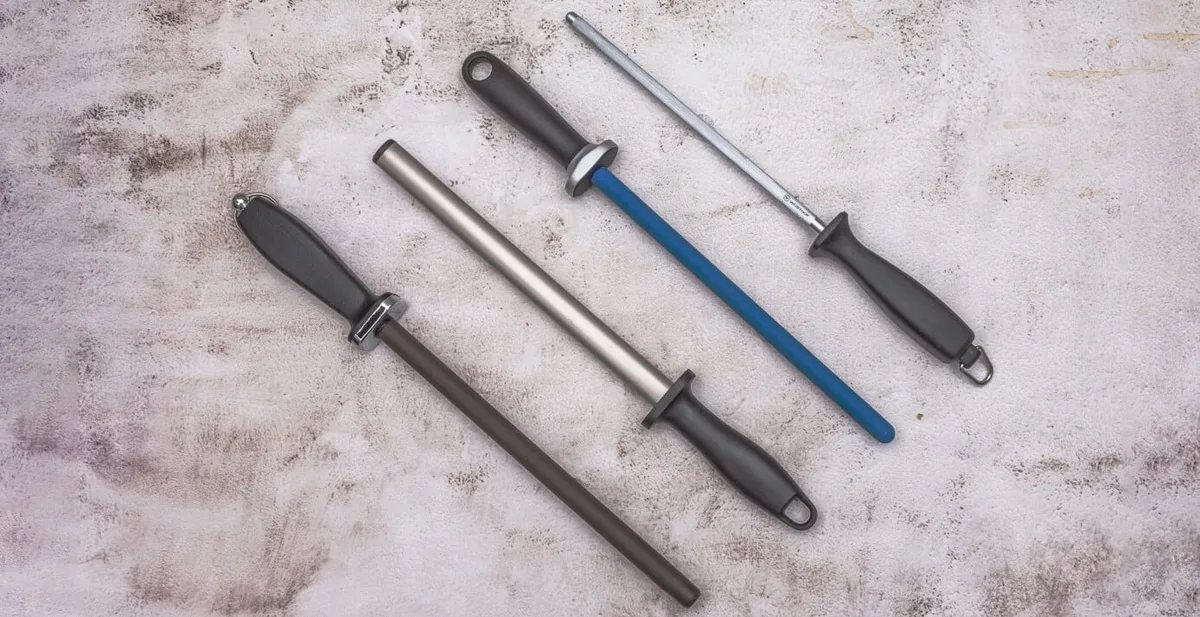
Think of honing as keeping your hair tidy. You’re not cutting or removing any hair; you’re just brushing it to make it lie flat and look its best. Honing should be done frequently, often before or after each use, to keep a sharp knife performing optimally.
It’s a preventative measure that helps extend the time between actual sharpenings.
What is Sharpening?
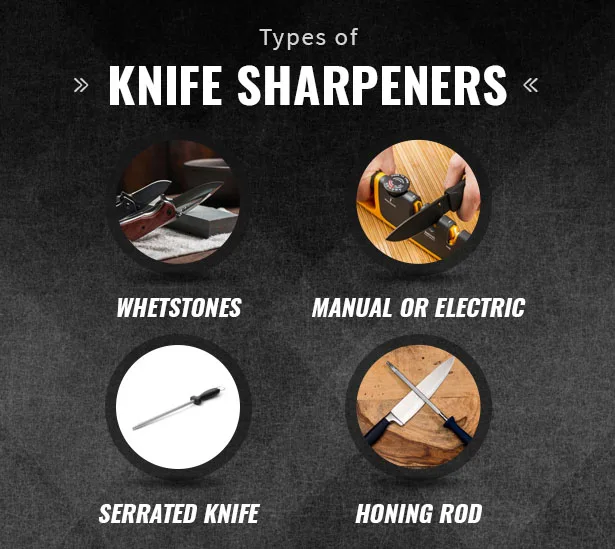
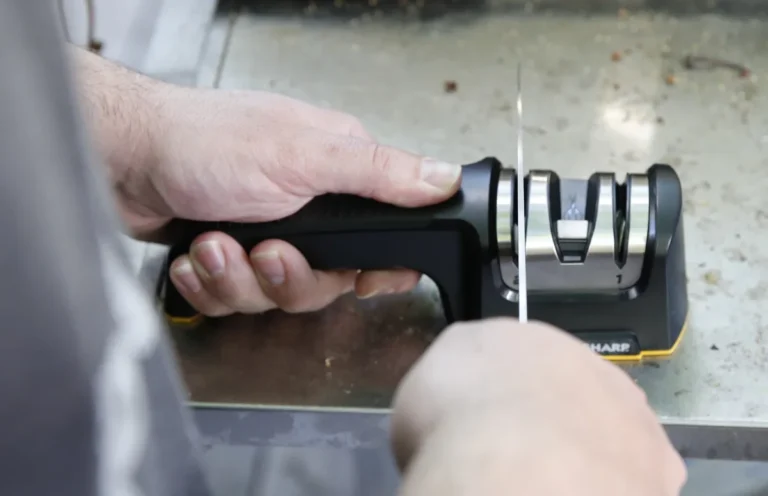
Sharpening, on the other hand, is the process of removing metal from the blade to create a new, sharp edge. This is necessary when honing is no longer sufficient to restore the blade's cutting ability. Sharpening effectively reshapes the edge, whether using whetstones, electric sharpeners, or pull-through systems.
This is like getting a haircut. You're actually removing material to restore the intended shape and sharpness. Sharpening wears down the blade over time, so it’s done less frequently than honing, typically every few months, depending on usage and the quality of the steel.
If your knife fails the paper test or requires significant force to cut even after honing, it's time to sharpen.
Common Mistakes When Assessing Knife Sharpness
Many home cooks make the same errors when trying to figure out if their knife needs attention, leading to either unnecessary sharpening or using a blade that's a safety hazard. Avoiding these pitfalls will save you time and keep your knives in better condition.
Relying Only on Time
A common mistake is assuming a knife needs sharpening simply because it hasn't been sharpened in a while, say, six months. However, how often you need to sharpen depends heavily on usage frequency, the type of steel the knife is made from, and the materials you cut. A knife used daily for heavy chopping will dull much faster than one used occasionally for light slicing.
Time alone is a poor indicator; performance is key.
Ignoring How It Feels
Your tactile feedback is crucial. When you're dicing vegetables, mincing herbs, or slicing proteins, a sharp knife requires minimal downward force. If you find yourself leaning into the cut, pushing hard to get through ingredients that used to yield easily, that extra effort is your body telling you the blade isn't doing its job efficiently.
This increased pressure can also lead to fatigue and less control.
Confusing Honing and Sharpening Needs
Another frequent error is mistaking the need for honing with the need for sharpening. If your knife isn't cutting as well as it used to, the first instinct might be to sharpen it immediately. However, in many cases, the edge is simply misaligned and just needs a few passes on a honing steel.
Sharpening removes metal and should be done only when honing can no longer restore the edge. Over-sharpening can prematurely wear down your knives. Always try honing first.
When to Reach for a Sharpening Tool
You’ve run through the quick checks and practical tests. Now, how do you decide if it’s time for the more involved process of sharpening versus just a quick hone? The decision hinges on what your tests reveal about the blade's edge.
- If Honing Helps: After running your knife along a honing steel a few times, if the paper test suddenly becomes clean, the tomato slices smoothly, and the onion cuts with ease, then honing was all that was needed. Your blade's edge was likely just slightly out of alignment and has now been realigned. This means you can continue with regular honing before each use.
- If Honing Doesn't Help: If, after several passes with a honing steel, you still experience tearing, snagging, or significant resistance during the paper, tomato, or onion tests, then the edge has truly dulled. The microscopic teeth are not just misaligned; they are worn down and no longer effectively sever material. This indicates that the blade needs to have metal removed to reform a keen edge, which is the process of sharpening.
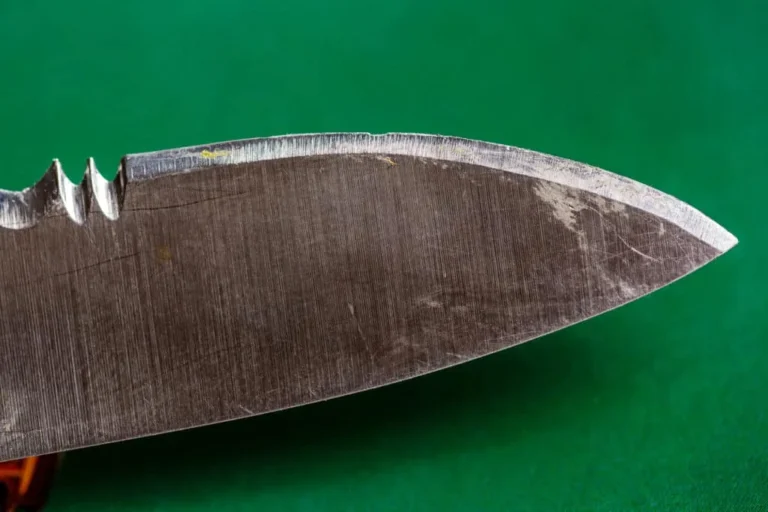
- Visible Damage: If you inspect the blade's edge closely and see any nicks, chips, or visible distortions, this is a clear sign that sharpening is required. Honing cannot fix physical damage to the blade's edge. These imperfections will prevent the knife from cutting cleanly and can be a safety hazard.
When in doubt, it's always better to try honing first. It's a less invasive process and can often restore a knife's performance. If that doesn't do the trick, then it's time to consider sharpening.
FAQs About Knife Sharpness
How long does a knife stay sharp?
The sharpness of a knife depends on several factors, including the quality of the steel, how frequently it's used, what materials it cuts, and how it's maintained. A high-quality knife, properly honed regularly, can maintain its sharpness for months of typical home use. However, knives used daily for heavy tasks might need sharpening every few weeks.
Can I sharpen my knife myself?
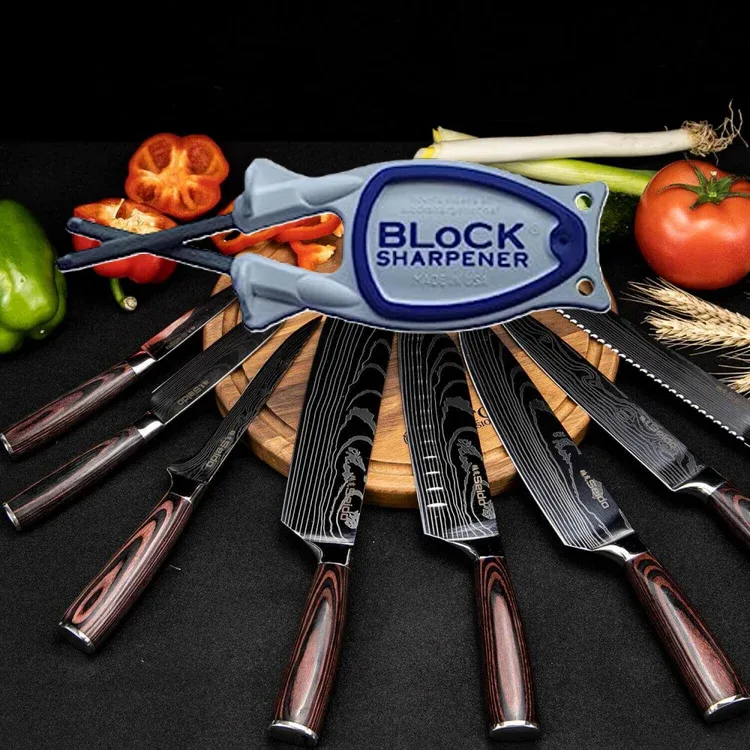
Yes, you absolutely can sharpen your knives yourself. There are various tools available, from whetstones and pull-through sharpeners to electric sharpeners. It requires some practice to get a perfect edge, especially with whetstones, but it's a very achievable skill for any home cook.
Is a serrated knife sharper than a straight-edge knife?
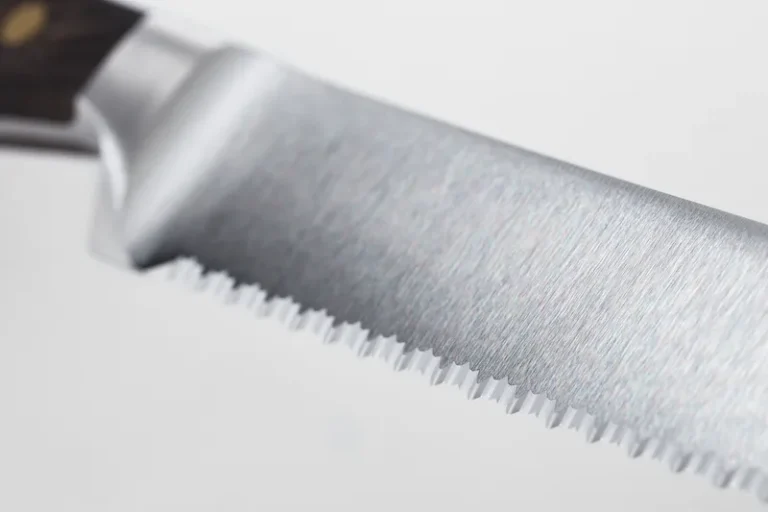
Serrated knives work differently; they use a sawing motion with small, sharp teeth to cut through materials. While they can be very effective for specific tasks like slicing bread, they don't rely on the same kind of keen, straight edge as a chef's knife. Serrated edges also dull and can be harder to sharpen without specialized tools.
How often should I hone my knife?
Most experts recommend honing your knife before or after each significant use. This simple maintenance step realigns the microscopic edge, keeping it cutting effectively for longer between actual sharpenings. For knives used daily, a quick hone every time you use it is ideal.
What's the difference between a sharpening steel and a sharpening stone?
A sharpening steel (or honing rod) is primarily used for honing, which realigns the blade's edge. A sharpening stone (whetstone) is used for sharpening, which actually removes metal to create a new, sharp edge. They serve different purposes in knife maintenance.