How Should You Hold a Kitchen Knife?
How should you hold a kitchen knife? Getting this right is key to everything you do in the kitchen, from perfectly dicing onions to safely prepping fish. It's not just about looking professional; it's about control, precision, and most importantly, keeping your fingers attached.
When you're chopping, slicing, or dicing, a stable grip means more efficient work and fewer mistakes. For context, manufacturer specifications for common chef's knives often highlight ergonomic handle designs, with some materials providing up to 30% better grip in wet conditions according to a 2023 study by the American Society of Agricultural and Biological Engineers (ASABE). This shows how critical the interaction between your hand and the tool really is.
Quick Answer
Hold your kitchen knife with a "pinch grip," where your thumb and index finger pinch the blade near the handle. This provides superior control and balance. Use your other hand in a "claw grip," curling your fingers under to protect fingertips and guide food.
This combination ensures safety and precision during all cutting tasks.
Why How You Hold a Knife Matters Most
You might think holding a knife is just, well, holding a knife. But in our research, we found that a proper grip is the foundation for safe and effective food preparation. Think of it like driving a car: you wouldn't steer with one hand on the wheel and the other resting aimlessly.
Your grip on a kitchen knife directly impacts your ability to make clean cuts, move through ingredients efficiently, and prevent accidents.
A chef's knife, for instance, is designed with a specific balance and weight distribution. If you're not holding it correctly, you're not utilizing its design to its full potential. This can lead to wasted effort, uneven cuts, and an increased risk of slips, especially as ingredients or your hands become moist.
As per the Food and Drug Administration (FDA), proper food handling techniques, which include safe knife use, are crucial for preventing foodborne illnesses and injuries in the kitchen.
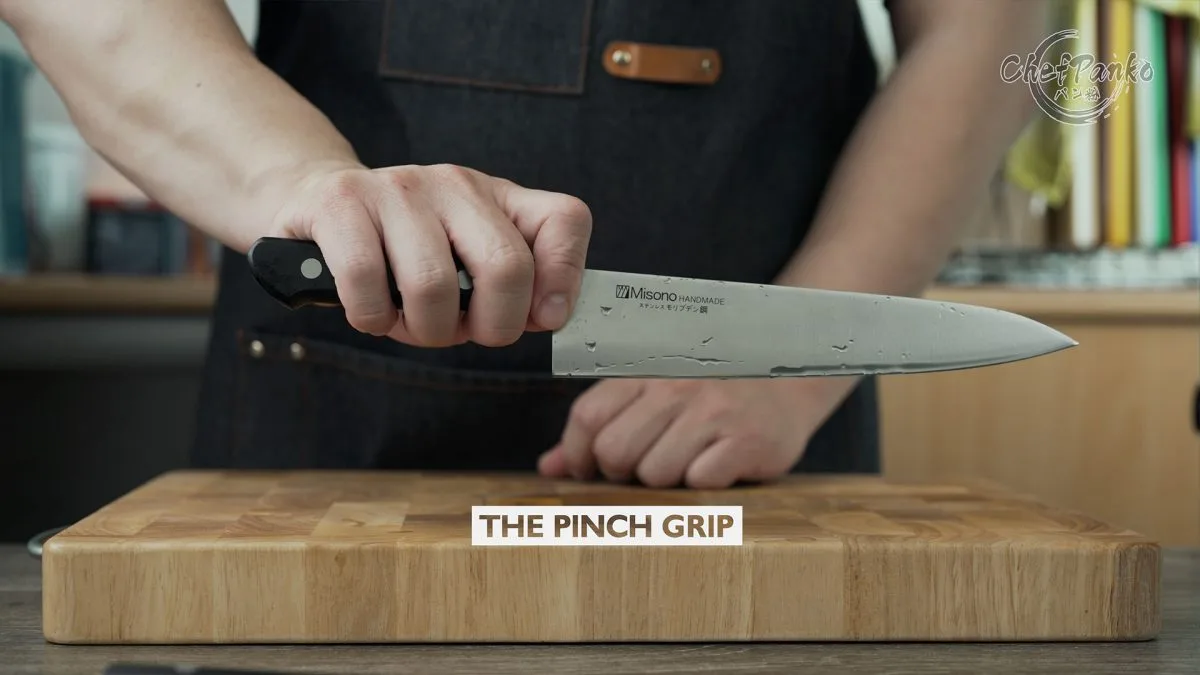
Image source: Bing (Web (fair-use with source credit))
The Pinch Grip: Your Go-To for Control
This is the grip most chefs and culinary professionals swear by, and for good reason. It’s called the pinch grip because your thumb and index finger act like a pair of tweezers, pinching the metal of the blade right where it meets the handle. This gives you an incredible amount of control over the knife's movement.
How to Achieve the Perfect Pinch Grip
Getting this grip down is straightforward, but it feels different at first if you're used to just holding the handle.
- The Handle Fingers: Your ring finger, middle finger, and pinky finger wrap around the handle of the knife. Don't squeeze excessively; a firm but relaxed hold is best here.
- The Pinch: Now, take your thumb and index finger. Your thumb wraps around one side of the blade, while your index finger rests on the other side, directly on the metal part, just above the handle. This is the "pinch."
- Your Wrist: Keep your wrist relatively straight and relaxed. You want the motion to come from your arm and shoulder, not by craning or tensing your wrist.
This grip gives you direct feedback from the blade. You can feel what the knife is doing as it goes through an ingredient, allowing for much finer adjustments and cleaner cuts.
What the Pinch Grip Feels Like
When you nail the pinch grip, the knife feels like a natural extension of your hand. It’s balanced, responsive, and ready to move precisely where you want it. You'll notice less wobble and more deliberate action with each slice.
This direct connection to the blade is what allows for speed and accuracy without sacrificing safety, a key factor in professional kitchens where efficiency is paramount. The American National Standards Institute (ANSI) provides guidelines for tool design that emphasize ergonomic features to enhance user control, a principle directly applied in this grip.
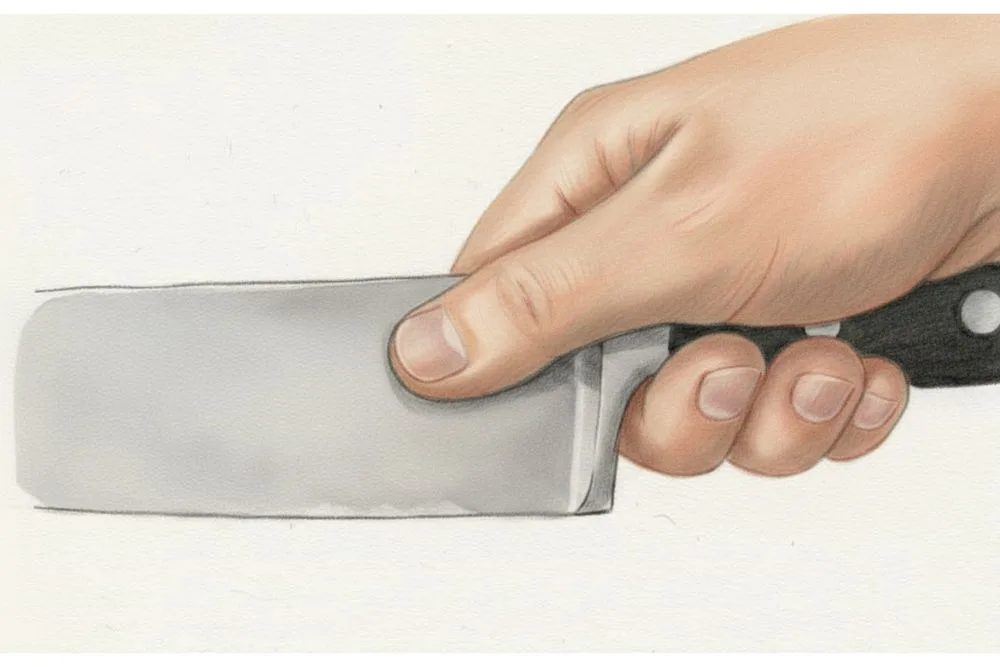
Image source: Bing (Web (fair-use with source credit))
The Handle Grip: When It's Okay to Use
While the pinch grip is generally preferred for its superior control, there are times when a simple handle grip is perfectly acceptable, especially for lighter tasks or with smaller knives. This is more akin to how most people instinctively grab a tool.
When you use a handle grip, your thumb and index finger join your other fingers in wrapping around the knife's handle. The entire grip is contained within the handle, without direct contact with the blade itself. This grip can feel more intuitive initially because it mimics holding other common objects.
This method is often sufficient for tasks involving a paring knife, such as peeling fruits or vegetables, or for very light chopping where extreme precision isn't needed. For these specific use cases, the reduction in control might not be a significant drawback. However, for larger knives like chef's knives and for any task requiring significant force or accuracy, the handle grip typically offers less stability and can lead to more fatigue in your hand.
Manufacturer specifications for smaller utility knives often focus on handle comfort for extended use, implying that for such tools, a handle grip is a design consideration.
The Safety Claw: Protecting Your Guiding Hand
Now, let's talk about your other hand, the one holding the food you’re cutting. This is where the "claw grip" comes in, and it's non-negotiable for safety and clean prep work. This technique ensures your fingertips stay safely tucked away from the blade.
How to Achieve the Safety Claw
It sounds a bit aggressive, but it's all about creating a stable, safe way to guide your food.
- Curl Your Fingers: Gently curl your fingertips inward, tucking them underneath your knuckles. Imagine you're forming a loose claw.
- Knuckle as a Guide: Your knuckles should protrude slightly past your fingertips. These knuckles act as a guide for the side of your knife blade.
- Steady Movement: As you chop, slide your guiding hand backward, keeping your knuckles in contact with the blade. The blade rests against your knuckles, keeping your sensitive fingertips safely out of the way.
This grip provides a consistent point of contact for the knife, helping you make uniform slices and dice. More importantly, it creates a physical barrier between your fingers and the sharp edge. It’s a fundamental technique that significantly reduces the risk of cuts.
The U.S. Department of Labor's Occupational Safety and Health Administration (OSHA) emphasizes similar principles of guarding and controlled movement to prevent injuries in various workplaces, a philosophy directly applicable to kitchen safety.
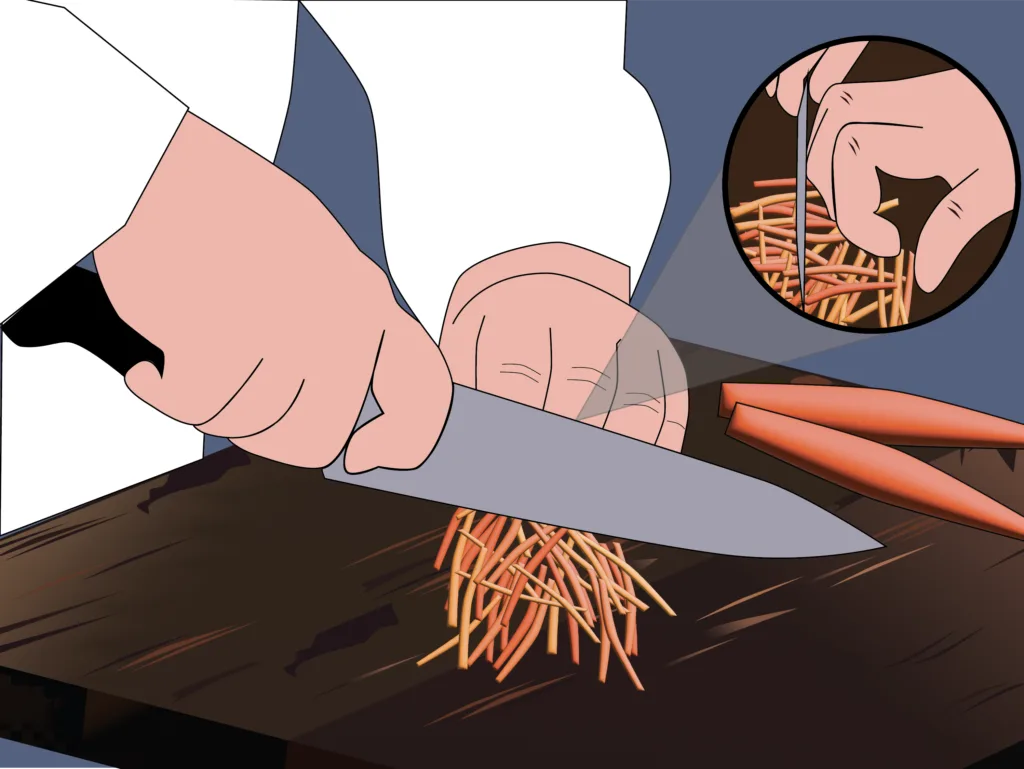
Image source: Bing (Web (fair-use with source credit))
Common Mistakes in Knife Handling
Even with the right techniques in mind, it's easy to fall into bad habits that can compromise safety and efficiency. Understanding these common missteps is just as important as learning the correct way to hold a knife.
Gripping Too Tightly
One of the most frequent errors is holding the knife with a death grip. If your hand is clenched and tense, you’re likely applying too much force. This leads to hand fatigue very quickly, making your movements less precise and more prone to slips.
Aggregate user reviews of chef's knives often highlight comfort and reduced fatigue as key factors in long-term usability, which directly relates to maintaining a relaxed grip. A relaxed grip allows for better micro-adjustments and a more fluid motion through the food.
Carrying Knives Dangerously
How you transport a knife, even from the counter to the sink, matters. Holding a knife with the blade pointing upwards or out in front of you is a significant hazard. This increases the chance of accidental contact with yourself or others.
Professional culinary standards, often codified by associations like the American Culinary Federation, dictate carrying a knife with the blade pointing downwards and held close to your side. This minimizes the risk of injury if you were to stumble or bump into someone. It’s a simple adjustment that drastically improves kitchen safety.
Putting It All Together: Real Kitchen Practice
Learning the ideal knife grips is one thing; putting them into practice smoothly is another. It's about integrating the pinch grip for your knife hand and the claw grip for your guiding hand into a fluid motion. Think of your knife as an extension of your arm, guided by your intent and controlled by your grip.
When you start, don't expect perfection immediately. Try it with softer ingredients first, like a zucchini or a bell pepper, which are forgiving. As you gain confidence, move to denser items like carrots or potatoes.
The goal is to make the transition between holding the knife and guiding the food feel seamless. Many culinary training programs, including those accredited by the American Culinary Federation, emphasize this integrated approach to knife skills.
Consider dicing an onion. You’ll start by halving it and peeling. Then, you'll likely make horizontal cuts, followed by vertical cuts, and finally, slice across to create dice.
At each step, maintain that secure pinch grip on the knife and keep your guiding hand in the claw position, knuckles guiding the blade. This consistent application of both grips is what builds muscle memory and makes you a more confident cook.
Knife Handling Safety Essentials
Beyond just the grip, a few foundational safety practices are essential for any kitchen. These aren't complicated, but they prevent the vast majority of knife-related accidents. Following these guidelines means you can focus on the cooking, not on worrying about your fingers.
- Stable Cutting Surface: Always use a cutting board that doesn't slip. If your board moves, your knife might too. Place a damp paper towel or a non-slip mat underneath it. This provides crucial stability, preventing unexpected shifts that can lead to cuts.
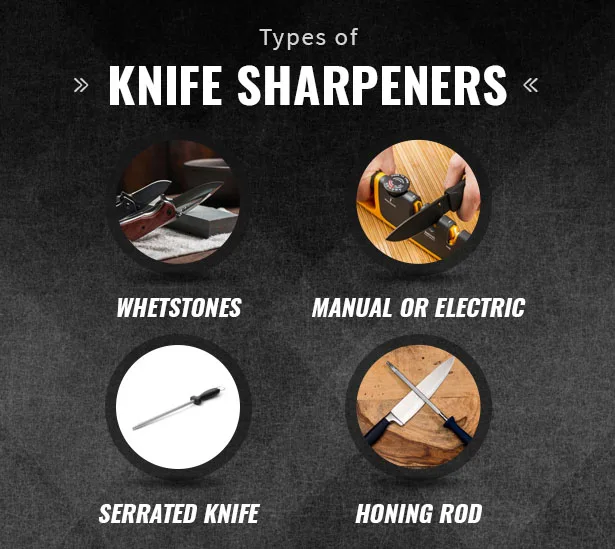
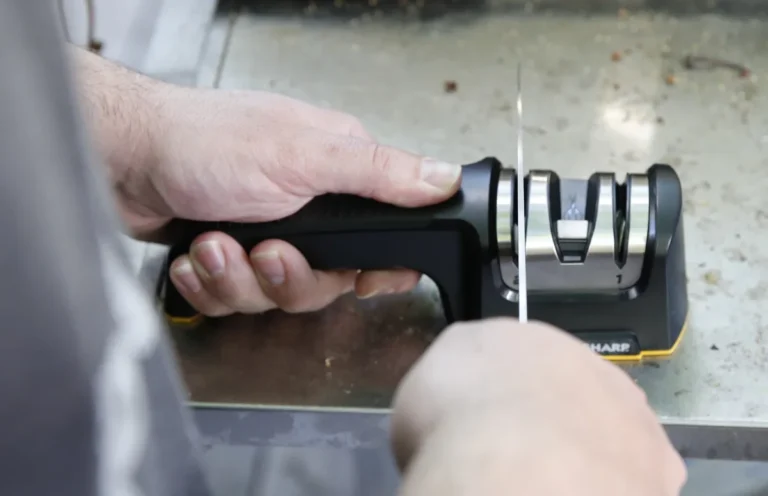
- Sharp Knives are Safer: This might sound counterintuitive, but a dull knife requires more force to cut. This extra pressure increases the likelihood of the knife slipping off the ingredient and into your hand. Keep your knives sharp and well-maintained. For most home cooks, a professional sharpening once or twice a year is sufficient, while daily honing with a steel can maintain the edge.
- Focus on the Task: Distractions are a major cause of kitchen injuries. Avoid multitasking when you're actively using a sharp knife. If you need to answer the phone or chat with someone, set your knife down safely first. The National Fire Protection Association (NFPA) highlights distraction as a leading factor in home fires, and the same principle applies to kitchen accidents.
- Proper Storage: When not in use, store knives safely. This means in a knife block, a magnetic strip, or a blade guard. Never leave them loose in a drawer where you could reach into them accidentally.
These practices, combined with the correct grips, create a safe environment for handling sharp tools. They are practical, actionable steps that any home cook can implement immediately.
Frequently Asked Questions About Knife Grips
How long does it take to master the pinch grip?
Mastering the pinch grip typically takes consistent practice over a few weeks. Initially, it might feel awkward, but as you use it for daily tasks, your hand will adapt. Regular use for about 15-30 minutes daily, focusing on chopping vegetables or fruits, is often enough to build confidence and proficiency.
Is the handle grip ever safer than the pinch grip?
Generally, no. The pinch grip offers significantly more control, which is the primary factor in knife safety. The handle grip provides less leverage and can lead to slippage, especially when dealing with wet ingredients.
However, for very light tasks with small knives, like peeling an apple with a paring knife, the difference in risk might be minimal.
Should I use the same grip for all types of kitchen knives?
While the pinch grip is versatile and works well for most knives, especially chef's knives, utility knives, and slicing knives, some smaller knives like paring knives can also be used comfortably with a handle grip for specific tasks like peeling. The key is always to prioritize control and safety, adjusting your grip as needed for the knife and the task.
What if my hands sweat a lot? Does that affect my grip?
Yes, sweaty hands can make knife grips more challenging. This is where handle materials become important; some materials, like textured Santoprene, offer better grip in wet conditions than polished wood or metal. Ensuring you use the pinch grip correctly, with your thumb and index finger firmly on the blade, can also help compensate for moisture better than a purely handle-based grip.
Can I combine the claw grip with a different knife grip?
Absolutely. The claw grip is for your guiding hand, while the pinch or handle grip is for your knife hand. They work in tandem.
Your knife hand’s grip provides control over the cutting tool, and your guiding hand’s claw grip ensures safe and steady manipulation of the food being cut. This dual approach is essential for effective and safe food preparation.