Can You Sharpen a Japanese Knife?
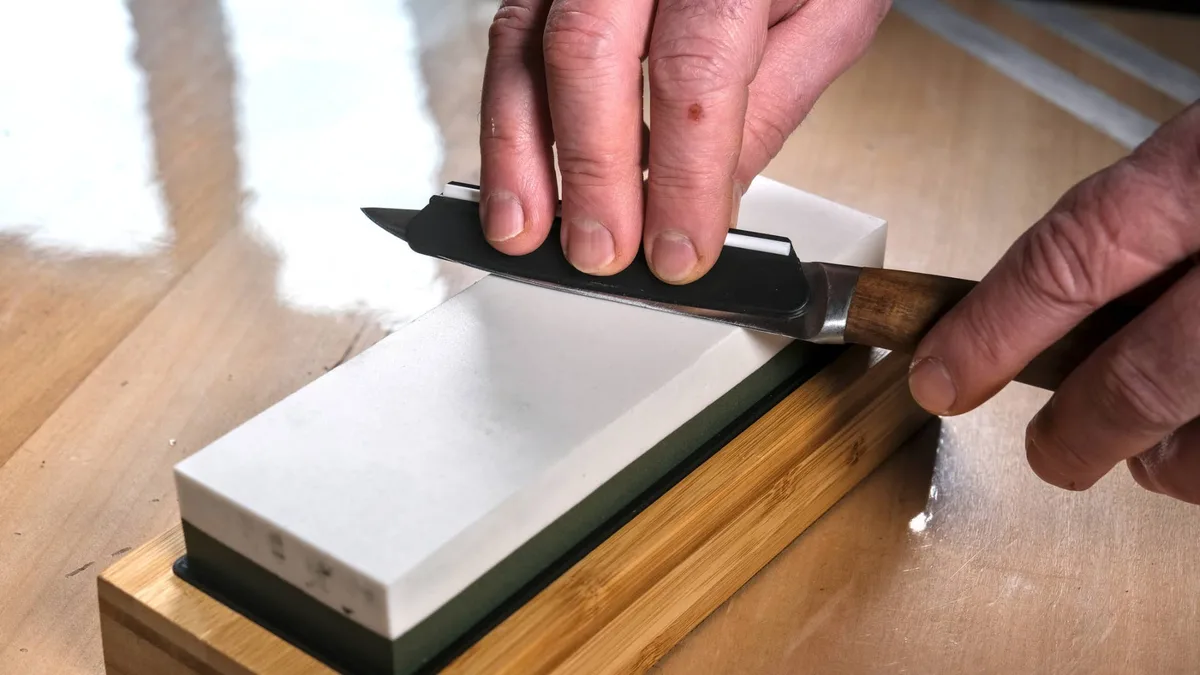
Image source: Bing (Web (fair-use with source credit))
Caring for a Japanese knife means maintaining its incredible edge. The good news is, yes, you absolutely can sharpen a Japanese knife, but the method and tools you use are critical. It’s not as simple as just grabbing any sharpener off the shelf.
Understanding your knife's construction, particularly whether it's single or double beveled, is key to avoiding damage. Manufacturer specifications for many high-carbon steel Japanese knives, like those from Shun or Global, confirm their potential for extreme sharpness when properly cared for. Let's break down how to do it right.
Quick Answer
Yes, you can sharpen a Japanese knife. However, the specific steel hardness and blade geometry, often a single or double bevel, dictate the correct sharpening method. Using the wrong tools or technique can damage the blade.
Double Bevel vs. Single Bevel: Why It Matters for Sharpening
When we talk about sharpening Japanese knives, the first thing that needs to be clear is the bevel. This is the angled surface that forms the cutting edge of the blade. Japanese knives come in two main types: double bevel and single bevel, and this distinction is the most crucial factor in how you'll approach sharpening.
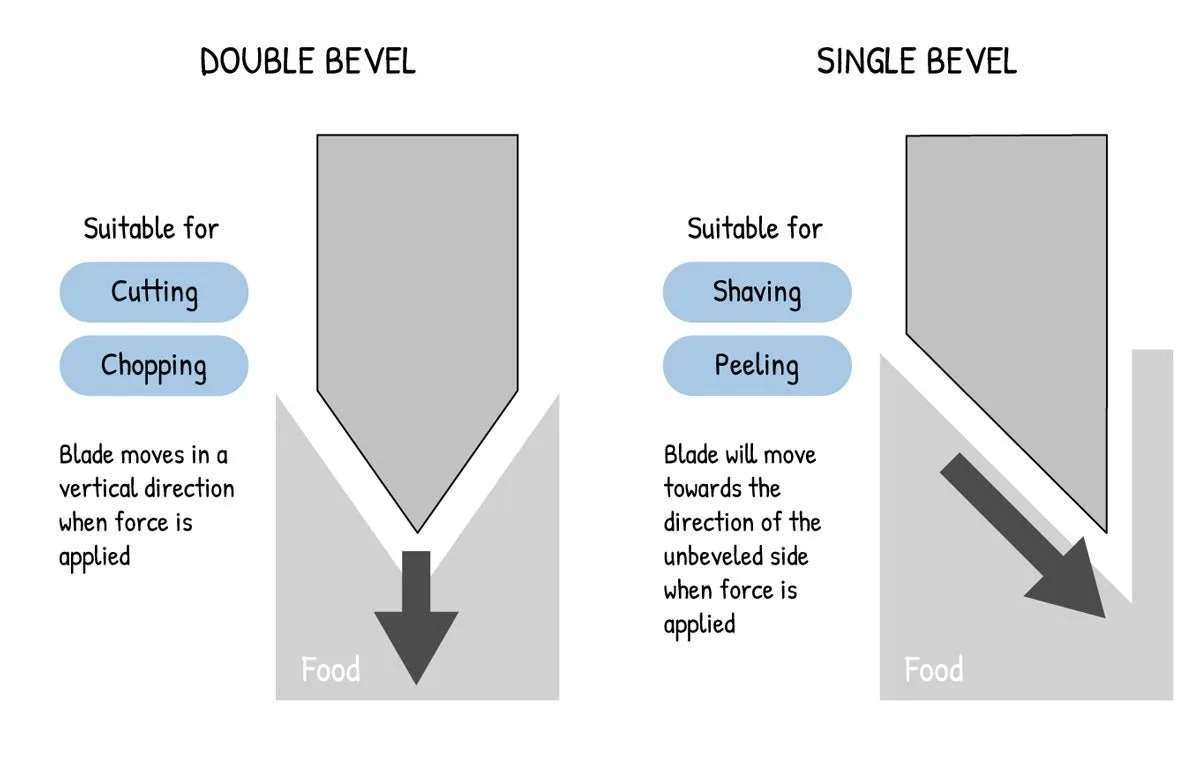
- Double Bevel: These knives have an edge ground on both sides of the blade. Think of your standard Western chef's knife; it's a double bevel. Many Japanese knives, like the Gyuto (Japanese chef's knife) or Santoku, are also made with a double bevel. This makes them generally easier to sharpen using familiar methods.
- Single Bevel: These are more traditional and often found in specialized Japanese knives. A single bevel means the edge is ground on only one side of the blade, with the other side being flat or having a slight concave hollow (ura). Knives like the Yanagiba (sushi knife), Deba (fish filleting knife), or Usuba (vegetable knife) are typically single beveled. This design allows for an exceptionally keen edge but requires a very specific sharpening technique.
If you have a double bevel knife, you have more flexibility. For single bevel knives, however, you need to be much more precise to preserve the unique edge geometry and avoid damage.
Sharpening Double Bevel Japanese Knives: Your Options
If you've got a Japanese knife with a double bevel, like a common Gyuto or Santoku, you'll find that sharpening it is quite similar to maintaining a high-quality Western chef's knife. The key is still to use the right tools and techniques to avoid damaging that often harder Japanese steel, but you have a few viable options.
Using Whetstones (Water Stones)
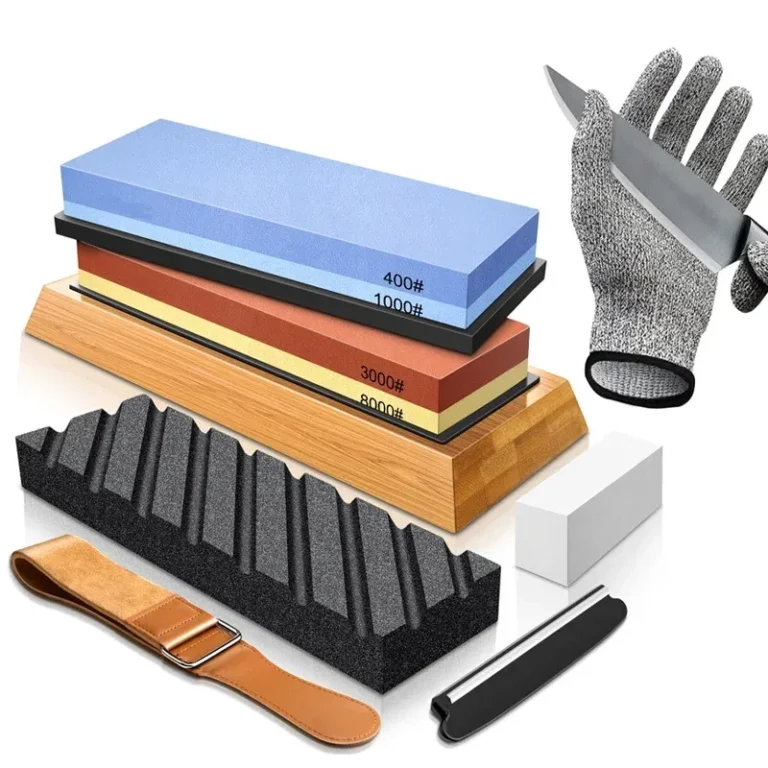
This is the method most enthusiasts and professionals prefer for Japanese knives. Whetstones, also known as water stones, offer the best control and can achieve the sharpest edges without removing excessive material. They come in various grits, which are essentially measures of how coarse or fine the abrasive particles are.
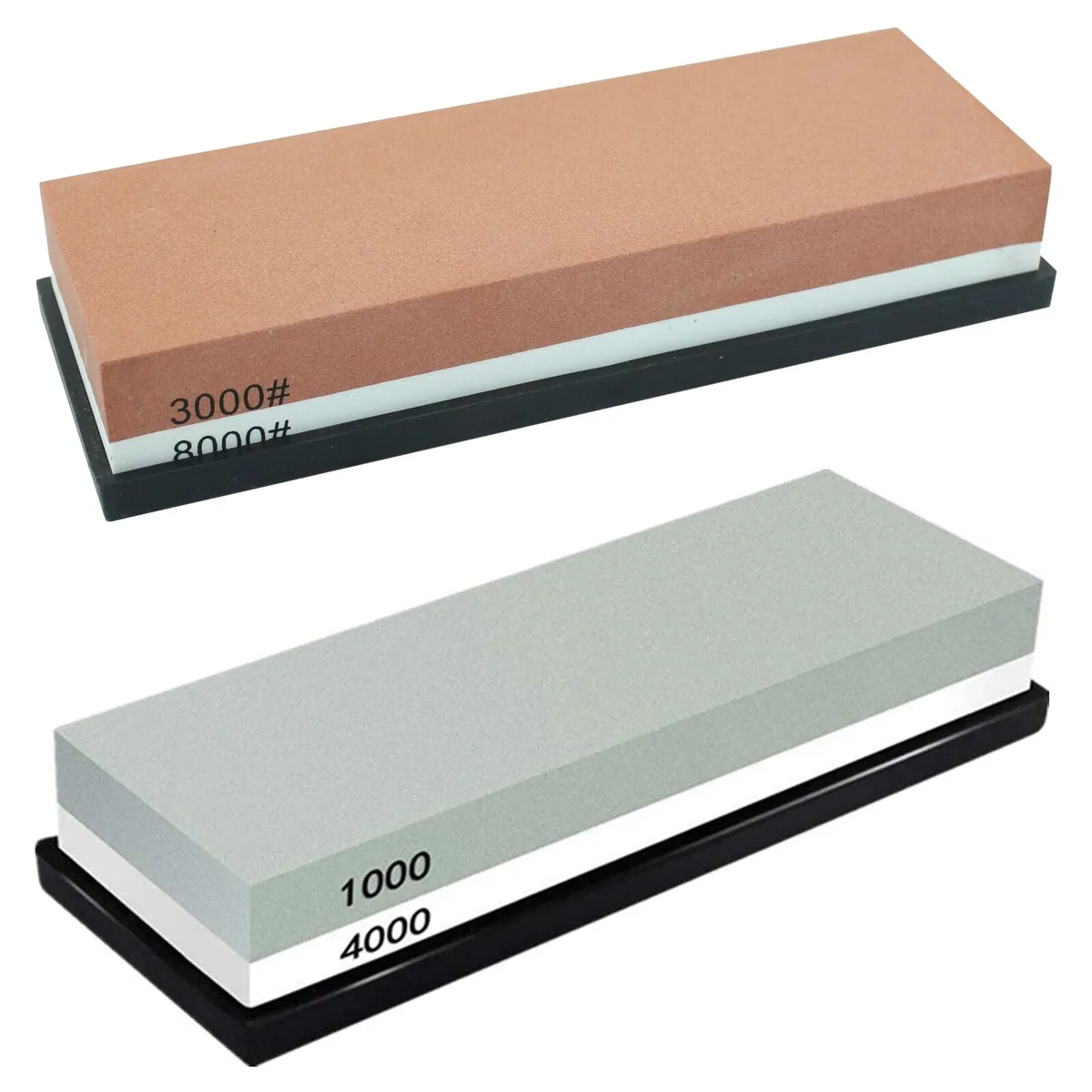
- Coarse Grit (around #200 to #1000): Use these for significant edge repair, like fixing chips or reforming a badly damaged edge. They remove metal quickly.
- Medium Grit (around #1000 to #3000): This is your workhorse grit for regular sharpening. If your knife has lost its keenness but isn't damaged, this grit will bring it back to a good working edge. A #1000 grit stone is a very common starting point for general sharpening.
- Fine Grit (around #4000 to #8000 or higher): These stones are for refining and polishing the edge. After using a medium grit stone, moving to a fine grit stone will remove any microscopic burrs and create a smooth, razor-sharp finish. Many enthusiasts will go even higher, to #10,000 or more, for a mirror polish.
Pro Tip: Always check the manufacturer's instructions for your specific whetstones. Some require soaking in water for 5-15 minutes before use, while others are "splash-and-go" and only need a quick spray of water.
Considering Other Tools (Use With Caution)
While whetstones are ideal, other sharpening tools exist. However, using them on high-quality Japanese knives requires caution, as many can be too aggressive.
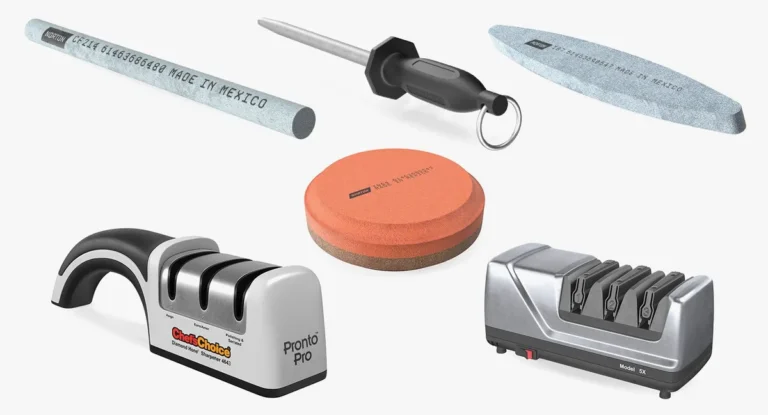
- Electric Sharpeners: Some electric sharpeners have multi-stage systems that might be suitable for double-bevel Japanese knives, especially those with fine-grit sharpening slots. However, our research indicates that many generic electric sharpeners can overheat the blade, which can temper the steel, making it brittle. Always check that the manufacturer explicitly states compatibility with high-carbon or Japanese steel knives.
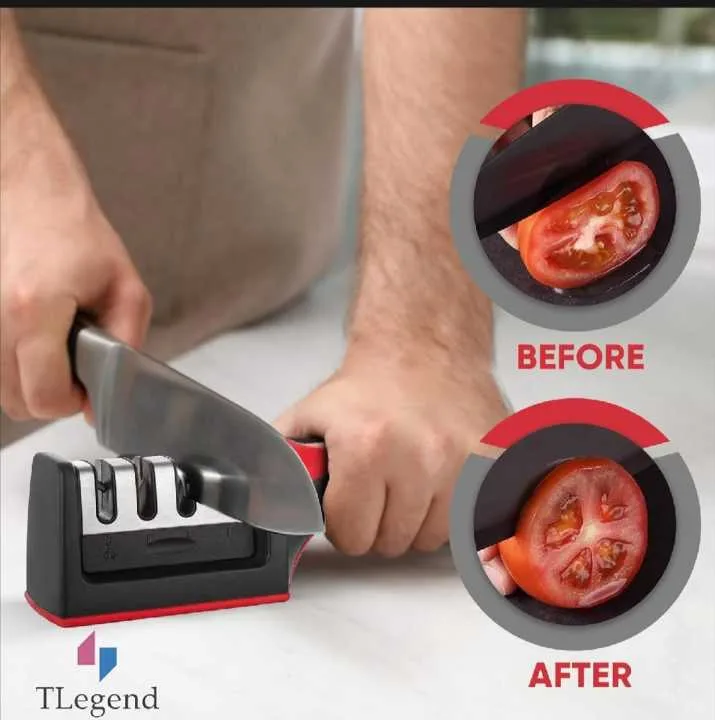
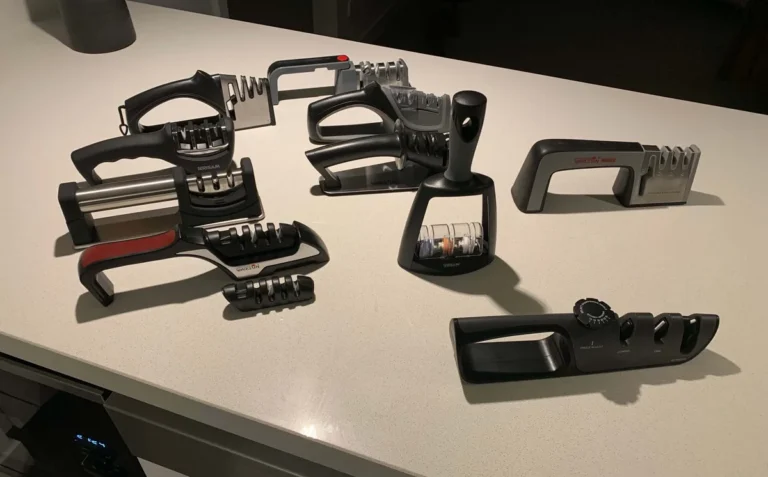
- Pull-Through Sharpeners: These are generally not recommended for Japanese knives. They use carbide blades that can grind away metal quickly and unevenly, potentially damaging the fine edge geometry. They are best suited for less expensive, softer steel knives.
Sharpening Single Bevel Japanese Knives: A Delicate Art
When it comes to single bevel Japanese knives, like the Yanagiba used for sushi or the Deba for filleting fish, sharpening requires a more specialized approach. This isn't just about getting the knife sharp; it's about preserving a unique and highly effective edge geometry that’s designed for specific tasks, like precise slicing or effortless filleting. If you approach these blades with the same techniques you'd use for a double bevel knife, you risk damaging them.
The fundamental difference is that the cutting edge is formed on only one side of the blade. The other side is typically flat, or has a subtle concave hollow known as an ura. This single-sided grind allows for an incredibly acute and clean cutting action, but it means you need to be very deliberate about how you sharpen.
The Whetstone Workflow for Single Bevels
For single bevel knives, whetstones are almost exclusively the tool of choice. The process involves two main stages: sharpening the bevel and then refining or removing the burr on the flat side.
- Sharpening the Bevel: You'll hold the knife on the whetstone at a very low angle, typically between 8-15 degrees, to match the existing bevel. The goal is to carefully abrade the metal along this bevel until a small burr (a tiny wire edge) forms on the opposite, flat side of the blade. This stage requires a steady hand and patience, working through progressively finer grits to achieve a clean, sharp edge.
- Refining the Flat Side (Uraoshi): Once the burr is raised, you'll turn the knife over. For a true single bevel, you'll use a very fine grit stone (often #4000 or higher) to gently drag the flat side of the blade across the stone. This process smooths out the burr without creating a secondary bevel. Some knives have a slightly hollowed ura (called uraoshi), which makes this process easier as the hollow doesn't contact the stone. For knives without a hollow, you're just trying to kiss the edge, not create a new bevel.
What to Absolutely Avoid
It cannot be stressed enough: never use an electric sharpener or a pull-through sharpener on a single bevel Japanese knife. These tools are designed for double bevels and will grind away the unique single bevel, ruining the knife's intended cutting performance. They are far too aggressive and indiscriminate for the delicate precision required for these specialized blades.
Key Tools for Japanese Knife Sharpening
To get your Japanese knife truly sharp and keep it that way, you need the right tools. While you might be tempted by quick fixes, investing in a few key items will make all the difference and prevent damage to your valuable blades. The core of Japanese knife sharpening often comes down to whetstones and a good honing steel.
Whetstone Grit Guide
Whetstones, or water stones, are the most common and effective tools for sharpening Japanese knives. They come in a range of grits, and understanding what each one does is crucial.
- Coarse Grit (#200, #1000): These are for heavy-duty work. Think fixing chips, repairing a damaged edge, or reshaping a severely dull blade. They remove metal quickly, so use them sparingly.
- Medium Grit (#1000, #3000): This is your workhorse grit for regular sharpening. If your knife has lost its keenness but isn't damaged, this grit will bring it back to a good working edge. A #1000 grit stone is a very common starting point for general sharpening.
- Fine Grit (#4000, #8000+): These stones are for refining and polishing the edge. After using a medium grit stone, moving to a fine grit stone will remove any microscopic burrs and create a smooth, razor-sharp finish. Many enthusiasts will go even higher, to #10,000 or more, for a mirror polish.
Pro Tip: Always check the manufacturer's instructions for your specific whetstones. Some require soaking in water for 5-15 minutes before use, while others are "splash-and-go" and only need a quick spray of water.
The Role of a Honing Steel
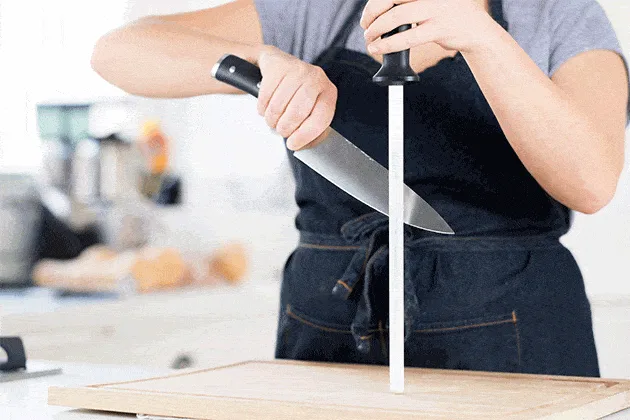
A honing steel (also called a sharpening steel or honing rod) is different from a sharpening stone. Its primary purpose is to realign the microscopic teeth of the blade's edge that get bent or misaligned during normal use. It doesn't actually remove significant amounts of metal like a sharpening stone does.
- Materials: Honing steels can be made of hard steel, diamond-impregnated steel, or ceramic. Ceramic and diamond steels are harder and can perform some light sharpening in addition to honing, but should still be used carefully.
- Frequency: You should hone your Japanese knife regularly, ideally before or after each use. This maintenance step will help keep your knife sharper for longer between full sharpening sessions on a whetstone.
Common Mistakes When Sharpening Japanese Knives
It's easy to make a mistake when you're first getting into sharpening Japanese knives, especially since they're often made from harder, more delicate steels than typical Western knives. Making a misstep can not only leave you with a duller knife, but it can also damage the blade permanently. Our research into user feedback and manufacturer guidance highlights a few common pitfalls to watch out for.
Forgetting the Bevel Type
This is perhaps the most critical mistake. If you treat a single bevel knife like a double bevel knife, you're going to run into trouble.
- The Risk: Trying to sharpen both sides of a single bevel knife on a stone will ruin its unique, acute edge. It will essentially create a clumsy, uneven bevel that defeats the purpose of a specialized Japanese blade. Similarly, using a single-bevel technique on a double-bevel knife will result in a poorly formed edge.
- The Fix: Always identify your knife's bevel type before you start sharpening. Look at the blade profile, does the edge angle come to a point on both sides, or just one?
Using the Wrong Angle
Maintaining a consistent and appropriate angle is paramount for effective sharpening. Japanese knives, especially high-carbon steel ones, often perform best at lower angles than their Western counterparts.
- The Risk: Too high an angle can lead to a less acute edge that dulls faster. Too low an angle on a very hard steel can cause chipping. For double bevel Japanese knives, angles typically range from 10-17 degrees per side, while single bevel knives require a very low angle on the primary bevel (8-15 degrees). Using a generic sharpener that forces a fixed, often higher angle, is a common error.
- The Fix: For whetstones, practice holding your knife at a consistent low angle. You can use angle guides initially, but developing a feel for it is best. For electric sharpeners, ensure they have adjustable angles or are specifically designed for the low angles favored by Japanese knives.
Being Too Aggressive
Japanese knife steels are often very hard, which is great for edge retention but also means they can be more brittle. Aggressive sharpening techniques can cause more harm than good.
- The Risk: Applying too much pressure on a whetstone or using an overly coarse grit when it's not necessary can remove too much metal. This shortens the lifespan of your knife and can lead to micro-chipping along the edge. Electric sharpeners, in particular, can generate heat that damages the temper of the steel.
- The Fix: Let the stone do the work. Use light, consistent pressure. Start with the lowest grit you need and progress through the grits. For honing, a gentle touch is all that's required to realign the edge. Avoid rapid, forceful strokes.
When to Seek Professional Sharpening
While sharpening your Japanese knife at home can be rewarding, there are definitely times when calling in a professional is the smarter move. It's not a sign of failure; it's about recognizing when the task might be beyond your current skill set or when the knife's value warrants expert handling. As of 2026, specialized sharpening services are more accessible than ever, and understanding their role can save your prized blades.
Recognizing When You Need Help
If you've tried sharpening and feel you've made things worse, or if your knife just isn't getting sharp no matter what you do, it's time to step back. Perhaps you've noticed unevenness in the edge, or you're seeing new chips appear after sharpening. These are all signals that professional intervention might be needed.
For very expensive or rare Japanese knives, especially those with complex single-bevel grinds or extremely hard steels, the risk of error is higher. Sending your knife to a reputable sharpening service that understands these specific blade types can provide peace of mind and ensure it's restored to its optimal cutting performance without unintended damage.
What to Look for in a Sharpener
Not all sharpeners are created equal, and finding one experienced with Japanese knives is crucial. Look for services that explicitly mention their expertise with Japanese blades or single-bevel sharpening. They should be able to discuss their methods and the types of stones or equipment they use.
Ask about their process for identifying and correcting edge problems. A good professional will be transparent about how they work and what results you can expect. Avoid services that offer quick, generic sharpening processes; these are often not suitable for the delicate nature of Japanese steel.
Frequently Asked Questions About Japanese Knife Sharpening
How often should I sharpen my Japanese knife?
It depends on how frequently you use the knife and what you cut. For a daily-use kitchen knife, honing before or after each use is recommended. Full sharpening on a whetstone might be needed every 1-3 months for home cooks, or more often for professional chefs, depending on how quickly the edge dulls.
What's the difference between sharpening and honing?
Sharpening involves removing metal to create a new, sharp edge. Honing, on the other hand, realigns the microscopic teeth of an existing edge without removing much metal, keeping it sharper for longer between sharpenings. Think of sharpening as rebuilding the edge, and honing as tidying it up.
Can I use a pull-through sharpener?
Generally, it’s best to avoid pull-through sharpeners for Japanese knives. These often use aggressive carbide blades that can quickly damage the harder, more delicate steel and the precise edge geometry of Japanese blades, especially single-bevel types. Whetstones offer far better control and results.