What Is the Difference Between a Boning Knife and a Fillet Knife?
When you're in the kitchen, especially when prepping meat or fish, knowing your tools is key. A common question is: What is the difference between a boning knife and a fillet knife? While they look similar and both deal with intricate cutting tasks, they have distinct designs tailored for specific jobs. Getting this right means cleaner cuts, less waste, and a much smoother experience.
Our research confirms that understanding their unique features, like blade flexibility and length, is crucial. For instance, a boning knife often features a blade thickness of around 1.5 mm per manufacturer specifications, while a fillet knife's blade might be closer to 1.2 mm for enhanced flexibility. This subtle difference impacts how they perform when separating meat from bone versus deboning delicate fish.
Let's break down what sets them apart.
Quick Answer
A boning knife has a thicker, stiffer blade designed for working around bones, joints, and connective tissue in meats. A fillet knife, conversely, features a thinner, more flexible blade, perfect for separating the skin and flesh of fish cleanly from the bone without tearing. While both are for precise cutting, their blade attributes make them specialized for different protein preparations.
Boning Knife vs. Fillet Knife: What's the Real Difference?
At their heart, both boning and fillet knives are precision tools, but their "precision" is aimed at different challenges. The boning knife's primary objective is to navigate the intricate landscape of a carcass. It needs to cleanly detach muscle groups from the bone, slice through tough connective tissues that hold things together, and trim away unwanted sinew and fat without tearing the meat.
This means it’s designed to be a bit more forceful and controlled when meeting resistance.
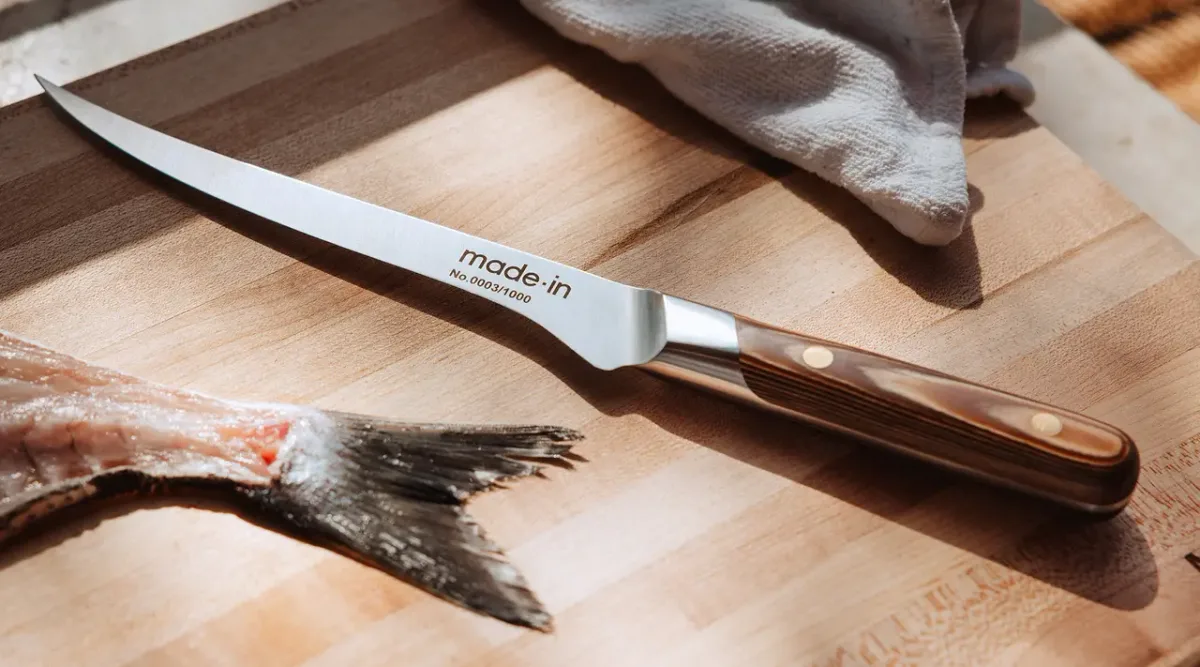
The fillet knife has a much gentler, though equally critical, mandate. It's specifically engineered for fish. This involves separating the skin from the flesh, often in one long, smooth stroke, and then carefully slicing the fillets away from the backbone and rib cage.
The goal is to achieve thin, uniform pieces of fish that are free of pin bones and excess moisture, preserving their delicate texture. Its design prioritizes a smooth glide and minimal drag.
The Core Job: What Each Knife Is Built For
The boning knife's primary objective is to navigate the intricate landscape of a carcass. It needs to cleanly detach muscle groups from the bone, slice through tough connective tissues, and trim away unwanted sinew and fat without tearing the meat. This means it’s designed to be a bit more forceful and controlled when meeting resistance.
The fillet knife has a gentler, though equally critical, mandate for fish. This involves separating the skin from the flesh, often in one long, smooth stroke, and then carefully slicing the fillets away from the backbone and rib cage. The goal is to achieve thin, uniform pieces of fish that preserve their delicate texture.
Its design prioritizes a smooth glide and minimal drag.
Blade Anatomy: How They're Designed Differently
The physical characteristics of a knife's blade define its function, and for boning and fillet knives, these differences are pronounced. It’s not just about sharpness; it’s about how the blade behaves under pressure and against different materials.
Blade Flexibility: Stiff vs. Bendy
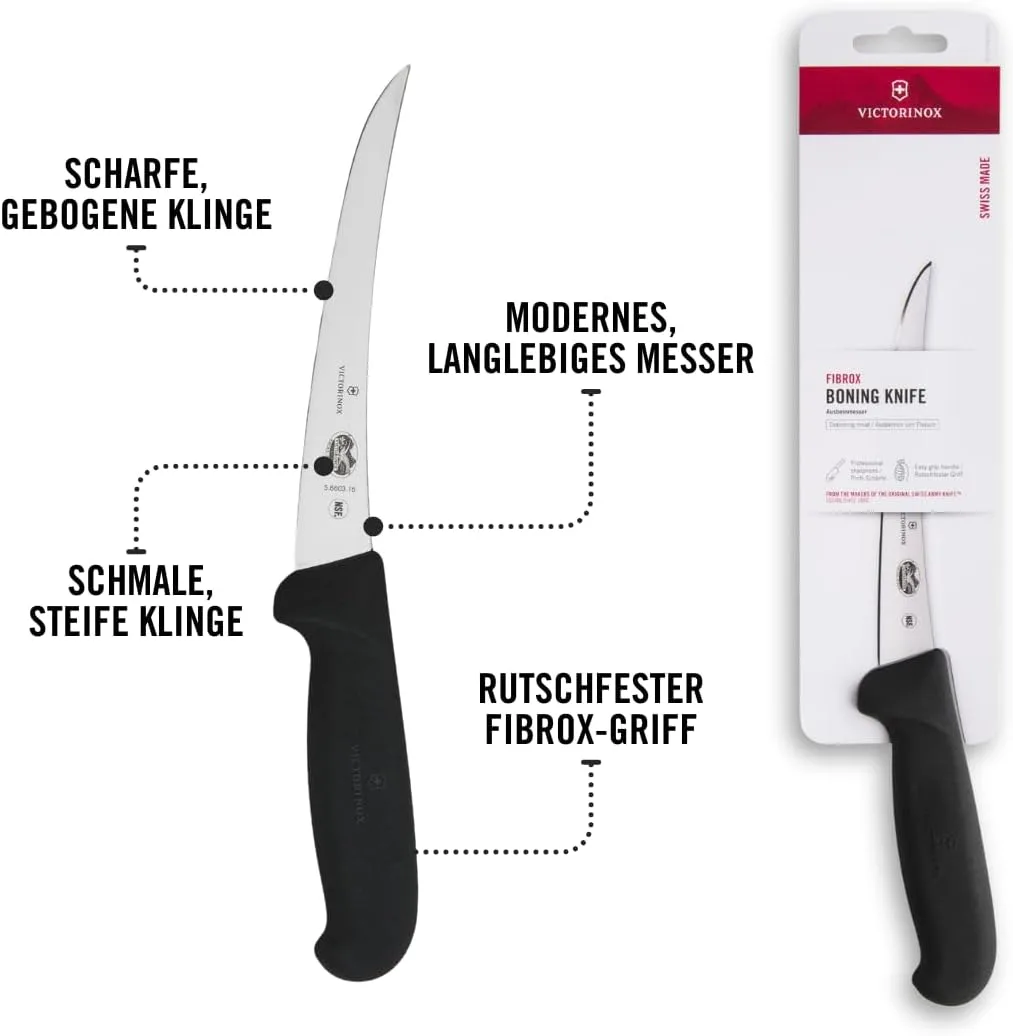
This is perhaps the most significant differentiator. Boning knives typically have a stiffer blade. This rigidity is essential for leverage when you're working around joints or cutting through thicker connective tissues.
It allows you to apply more force without the blade bending unpredictably, giving you better control.
Fillet knives, by contrast, are known for their flexibility. A highly flexible blade can easily curve and bend to follow the natural contours of a fish, whether you're sliding it along the backbone or working under the skin. This bendability is what allows for those long, clean strokes that yield beautiful, intact fillets.
If a fillet knife were too stiff, it would tear through the delicate flesh instead of gliding alongside it. Manufacturer specifications often rate this flexibility, with fillet knives falling into the "highly flexible" category.
Blade Length & Shape: Precision vs. Reach
While both knives are relatively narrow compared to a chef's knife, their lengths and shapes cater to their specific tasks. Boning knives often have shorter blades, typically ranging from 5 to 7 inches. This shorter length enhances maneuverability, allowing for precise cuts in tight spaces around a carcass.
The blade might be straight or have a slight curve, again emphasizing control and detail.
Fillet knives tend to have longer blades, commonly between 6 and 11 inches. This extended length is beneficial for making long, uninterrupted strokes needed to fillet a larger fish. The longer reach means you can often get the entire fillet off in one pass, which is key to achieving a clean presentation.
Their shape is usually more pronouncedly curved, almost like a gentle arc, to facilitate that smooth glide along the fish's form.
Blade Thickness & Edge: Delicate Work
The thickness of the blade also plays a crucial role. Boning knives usually have a slightly thicker blade, often around 1.5 mm, giving them the strength needed to withstand the pressures of deboning. This thickness contributes to their overall stiffness.
The edge is typically very sharp, but it's designed to cut through tissue and cartilage effectively.
Fillet knives boast a thinner blade, often around 1.2 mm or even less. This thinness reduces drag and makes the blade more agile. A thinner blade also means less resistance when slicing through fish flesh and skin.
The edge on a fillet knife is honed to an incredibly fine point, crucial for slicing cleanly without damaging the delicate protein structure of the fish. Some fillet knives also feature micro-serrations near the handle, which can help grip the skin for easier removal.
Real-World Use: When to Grab Which Knife
Choosing the right knife for the job isn't just about having the sharpest blade; it's about having the tool best suited to the material you're working with. For both boning and fillet knives, the application dictates the choice, and using the wrong one can lead to frustration and less-than-ideal results.
Boning Knife: Tackling the Tough Stuff
The boning knife shines when you're dealing with red meat, poultry, or any cut that requires detailed work around bones and joints. Imagine breaking down a whole chicken, a pork shoulder, or a beef brisket. You'll reach for your boning knife when you need to:
- Separate a leg quarter from a chicken carcass.
- Trim fat and silverskin from a pork loin.
- Debone a rack of lamb by maneuvering the blade precisely around the ribs.
- Remove the backbone from a rack of ribs, cutting through dense connective tissue.
If you're working with something that has significant bone structure or tough sinew, the boning knife is your go-to. Its control and leverage are unmatched for these tasks.
Fillet Knife: Perfecting Fish Prep
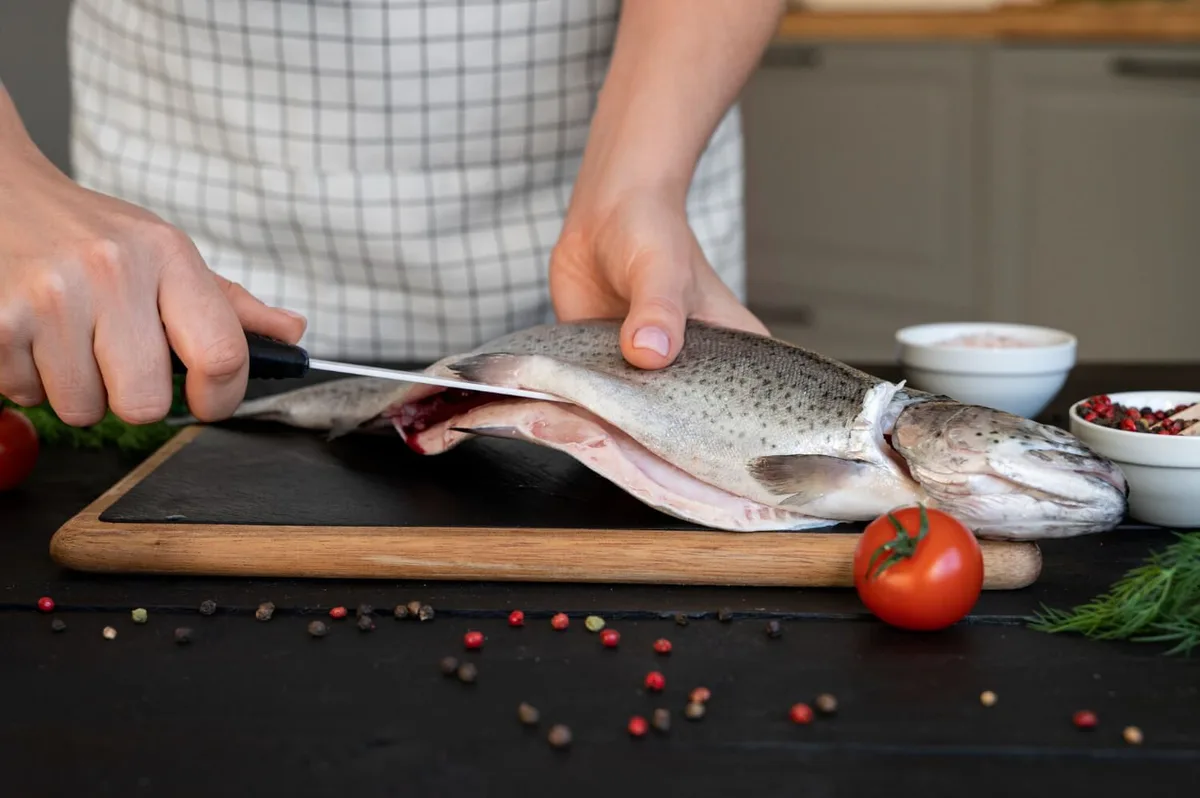
When it comes to fish, a fillet knife is indispensable. Its flexibility and fine edge allow you to work with the delicate structure of seafood. Think about prepping a whole salmon, trout, or any other fish.
You'll use a fillet knife for:
- Removing the fillet from the fish's backbone, with the flexible blade curving along the spine.
- Slicing the skin away from the fillet in one long strip by laying the blade flat against the flesh.
- Removing pin bones with the fine tip and flexible blade.
- Trimming excess fat or bloodline from fish fillets with precise, thin cuts.
Using a boning knife on fish would likely result in torn flesh and a more difficult time separating the skin. The flexibility of the fillet knife is key to preserving the fish's integrity.
Common Mistakes When Using Boning and Fillet Knives
Even with the right tool, it's easy to make mistakes that can cost you meat or result in a less-than-perfect final product. Here are a few common slip-ups to watch out for when you're using these specialized knives.
- Using the wrong knife for the job: Trying to fillet a delicate trout with a stiff boning knife will likely tear the flesh. Conversely, attempting to debone tough beef with a super-flexible fillet knife will lack the leverage and control needed.
- Applying too much force with a fillet knife: Remember, flexibility is meant to work with the fish's contours, not to muscle through them. Yanking or forcing a fillet knife can lead to ripped skin and mangled fillets. Let the sharpness and bend do the work.
- Not using the entire blade length for filleting: For a clean fillet, aim for a single, long stroke from tail to head. Hesitating or using short, choppy motions can create an uneven cut and leave more meat on the bone.
- Ignoring the tang's role: The tang affects balance and durability. A full tang, where the metal runs the entire length of the handle, generally offers better balance and strength, more critical for the demanding work a boning knife does.
- Cutting with a dull knife: A dull blade requires more pressure, increasing the risk of slipping and causing injury. It also crushes rather than cuts, damaging the protein. Both boning and fillet knives need to be kept razor-sharp.
- Not cleaning the blade between cuts: Residual fat, meat, or fish slime can build up. Wiping your blade frequently (with a damp cloth for safety) ensures clean cuts and prevents unwanted flavors from transferring.
Avoiding these common pitfalls will dramatically improve your results and make the entire preparation process much more efficient and enjoyable.
Who Needs Which Knife (or Both)?
Deciding whether you need a boning knife, a fillet knife, or both, really depends on what you cook most often. If your kitchen adventures primarily involve breaking down whole chickens or pork shoulders, a dedicated boning knife will serve you well. Its stiffness and narrow profile are perfect for navigating ribs and trimming fat precisely.
However, if you're an avid angler or enjoy cooking fish regularly, a fillet knife is essential. Its thin, flexible blade is specifically designed to get under the skin and along the bones of fish, yielding clean, beautiful fillets. For those who do both, investing in both knives ensures you have the right tool for every protein.
- For Meat Enthusiasts: Prioritize a boning knife. Look for one with a full tang for durability and a comfortable, non-slip handle. Blade length around 6 inches is generally a good starting point.
- For Fish Lovers: A flexible fillet knife is your best bet. A length of 7-9 inches is versatile for most common fish sizes. Consider the blade's taper; a fine, tapered tip is excellent for detailed work.
- For the Versatile Cook: If you enjoy both meat preparation and fish cookery, owning one of each is ideal. Many brands offer sets that bundle these knives, providing a cost-effective solution. As of 2026, many reputable manufacturers offer quality options in the $30-$100 range for individual knives.
Expert Tips for Choosing and Using
Getting the most out of your boning and fillet knives involves key considerations, from selection to maintenance. Our research into professional culinary practices and manufacturer guidelines points to several best practices that make a real difference.
- Handle Comfort is Key: Since these knives require precise control, the handle design is paramount. Look for materials that offer a good grip even when wet, like textured polymer or rubberized finishes. A well-balanced handle reduces fatigue during extended use.
- Blade Steel Matters: High-carbon stainless steel is the standard for good reason. It offers a good balance of edge retention, corrosion resistance, and ease of sharpening. For most home cooks, quality stainless steel is more than sufficient.
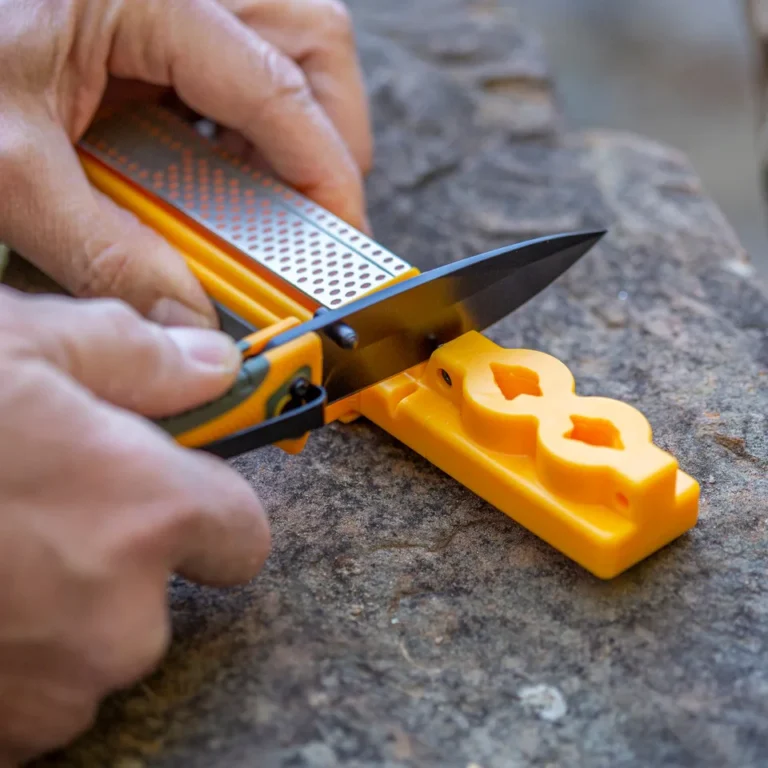
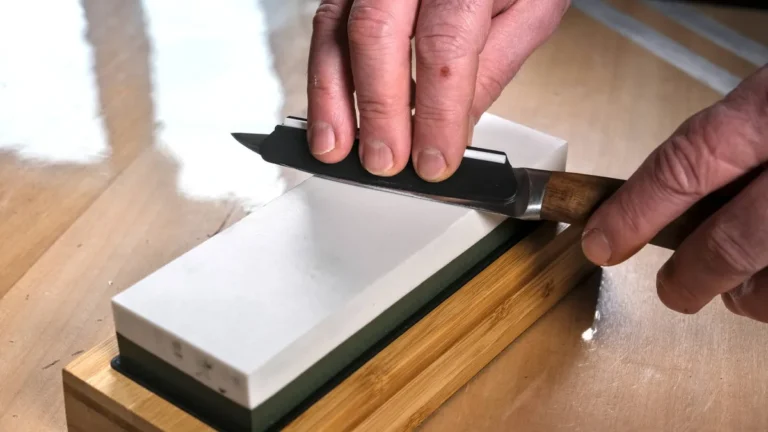
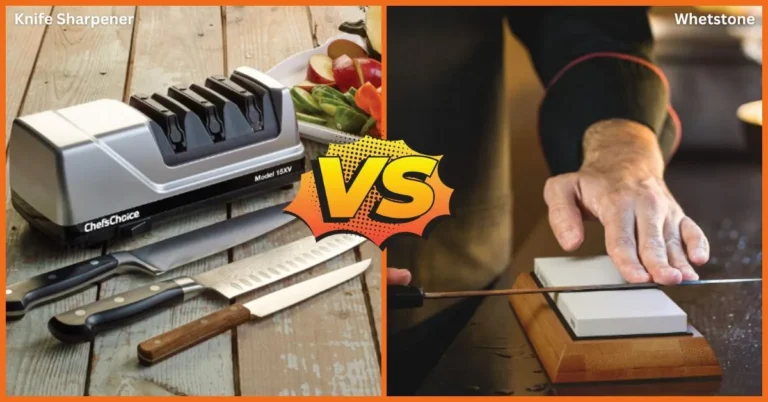
- Sharpening is Non-Negotiable: A dull boning or fillet knife is not only ineffective but also dangerous. For their fine edges, a whetstone or a quality pull-through sharpener is recommended. Fillet knives, in particular, benefit from frequent honing to maintain their precision edge.
- Practice Makes Perfect: Don't be discouraged if your first few attempts aren't flawless. Mastering the technique for deboning or filleting takes practice. Watch demonstrations and pay attention to how the blade moves through the material.
A useful tip from culinary professionals is to consider the curve of the fillet knife. A more pronounced curve can make it easier to glide along the fish's rib cage. For boning, a slightly narrower blade allows for easier access to tighter spots between bones.
Frequently Asked Questions About Boning and Fillet Knives
What's the main difference in blade flexibility?
Boning knives have stiffer blades for leverage, while fillet knives have much more flexible blades to follow contours and separate delicate flesh.
Can I use a boning knife to fillet fish?
While you can, it’s not ideal. A stiff boning knife will likely tear the delicate fish flesh, whereas a flexible fillet knife glides smoothly for clean separation.
Can I use a fillet knife to debone meat?
Generally, no. A fillet knife lacks the necessary stiffness and leverage to effectively cut through tougher meat bones or thick connective tissue.
How do I choose the right length for a fillet knife?
For smaller fish like trout or panfish, a 6-inch blade is usually sufficient. For larger fish like salmon or snapper, a longer blade, 7 to 11 inches, allows for more efficient filleting in single strokes.