How Do I Maintain a Knife Sharpener?
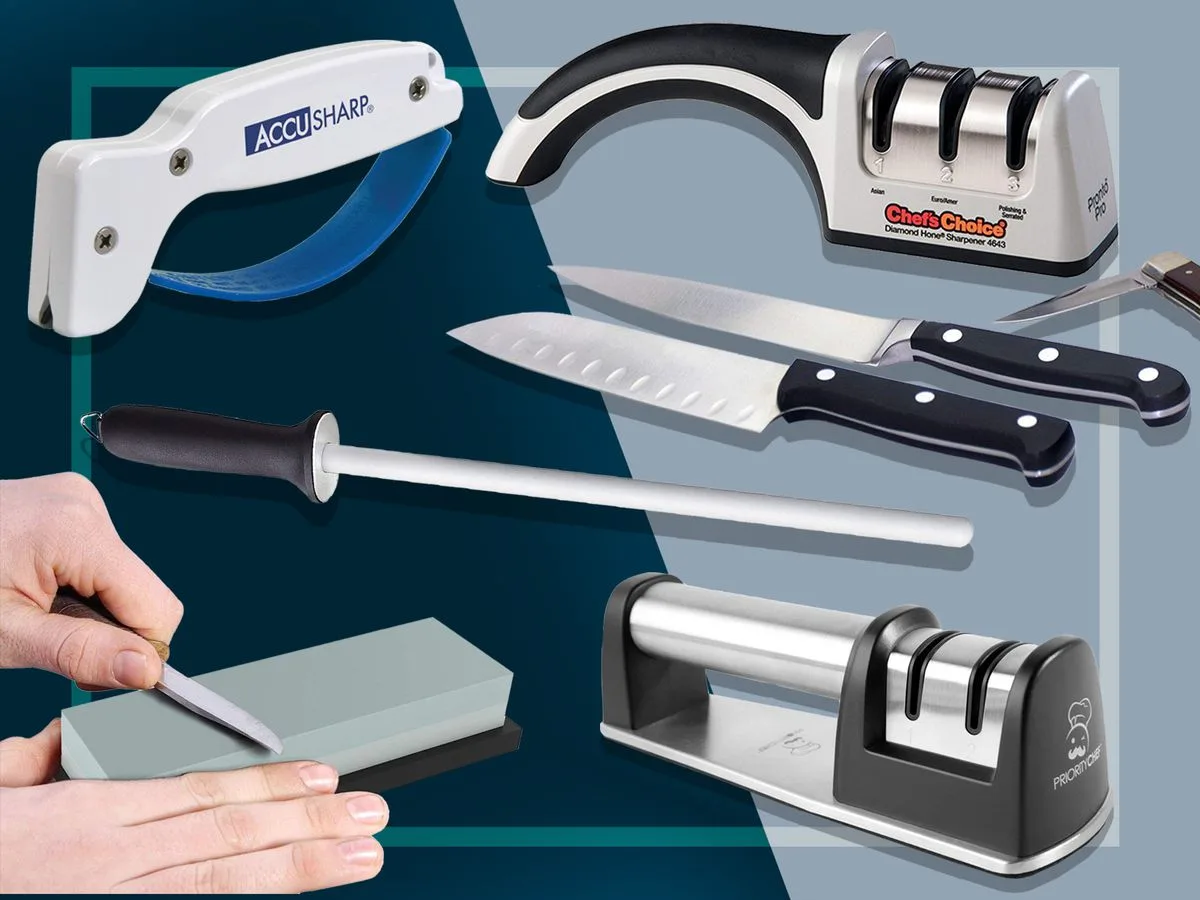
Image source: Bing (Web (fair-use with source credit))
How Do I Maintain a Knife Sharpener?
Knowing how to maintain a knife sharpener is crucial for ensuring your blades stay razor-sharp and perform optimally. Proper care not only extends the life of your sharpening tools but also guarantees a more effective and safer sharpening process. Neglecting maintenance can lead to duller knives and even damage to the sharpener itself.
Our research confirms that different types of sharpeners require specific care routines to function correctly. For instance, manufacturer specifications indicate that water stones need to be flattened regularly, often requiring a grit size of around 1000 or lower for effective resurfacing. Understanding these distinctions is the first step toward achieving consistently sharp edges on all your knives.
Quick Answer
Maintain your knife sharpener by cleaning it after each use. For stones, flatten them regularly. For pull-throughs, empty grit.
For steels, wipe clean. Store them dry.
Know Your Sharpener: A Quick Checklist
Before you can properly care for your knife sharpener, you absolutely need to know what kind you're working with. They aren't all the same, and the wrong maintenance can actually do more harm than good. Think about it: you wouldn't clean a delicate ceramic whetstone the same way you'd blast grime off a diamond plate.
Identifying your sharpener type is the essential first step that dictates everything else.
Your Sharpener Type: A Fork in the Road
The way you approach maintenance hinges entirely on the design and materials of your sharpener. Each type has specific needs that, when met, keep it performing at its peak. Let's break down the main categories you'll encounter.
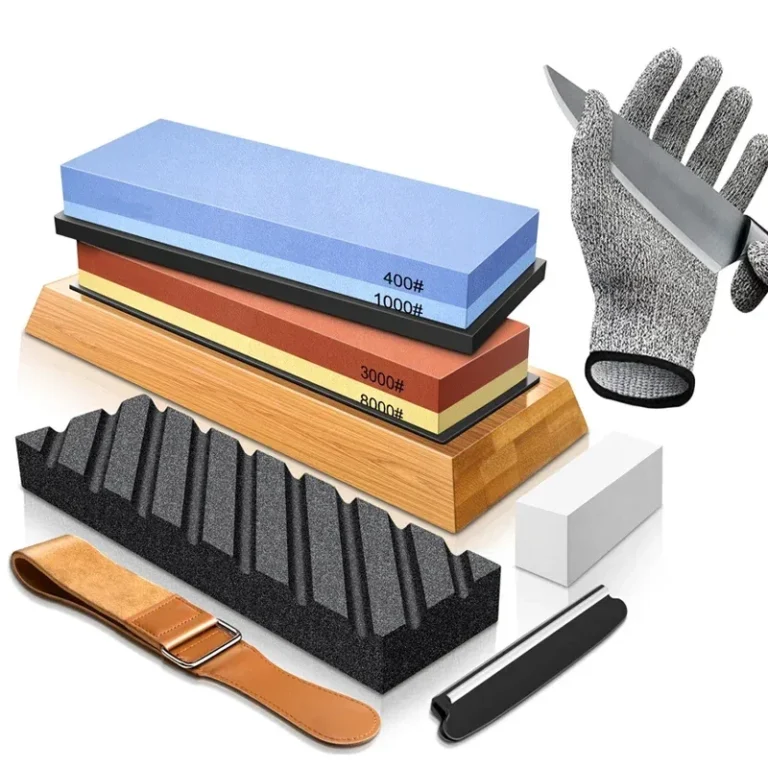
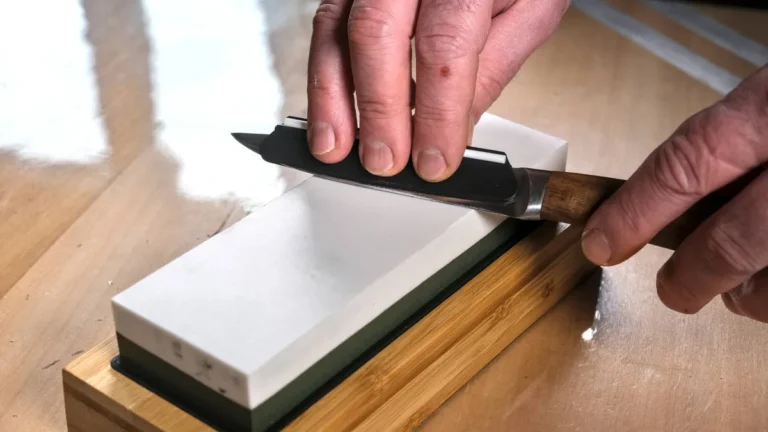
- Whetstones (Water Stones, Oil Stones, Diamond Plates): These are abrasive surfaces, often ceramic, silicon carbide, or diamond-impregnated, that remove metal from the blade. Water stones use water as a lubricant, oil stones use oil, and diamond plates can often be used dry or with water.
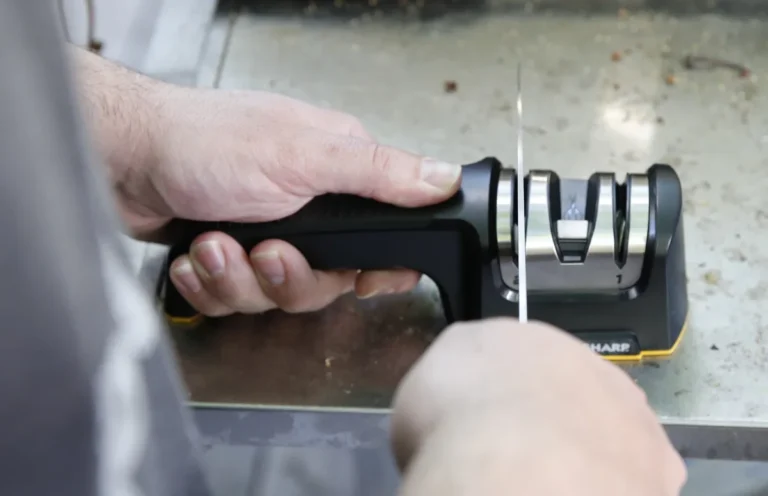
- Pull-Through Sharpeners (Manual & Electric): These devices feature fixed abrasive slots, usually carbide or ceramic, that you draw your knife through. They're known for their speed and ease of use but offer less control over the sharpening angle.
- Honing Steels (Rods): It's important to note that honing steels primarily realign a knife's edge rather than sharpen it by removing material. They are made from materials like steel, ceramic, or diamond-coated steel and are used frequently between sharpening sessions.
- Guided Sharpening Systems: These systems use clamps to hold the knife at a precise angle while guide rods or plates move the abrasive stones or diamonds along the edge. They offer consistency but typically involve more components and a structured workflow.
Whetstone and Diamond Plate Care: Keeping Your Abrasives True
Whetstones and diamond plates are workhorses for serious knife enthusiasts, and with proper care, they can last for decades. Their effectiveness comes from the abrasive particles on their surface, and keeping that surface clean and flat is paramount. Neglecting them leads to uneven sharpening and reduced performance.
Flattening: The Secret to Consistent Angles
Over time, especially with frequent use, whetstones can develop a concave "dish" in their surface. This happens because you tend to use the center of the stone more often. A dished stone makes it incredibly difficult to maintain a consistent sharpening angle on your knife, leading to a poor edge.
Manufacturer specifications for sharpening stones often emphasize this requirement for regular flattening. For example, some professional standards suggest a flatness tolerance of less than 0.002 inches for high-precision sharpening.
- How to Flatten:
- Use a Flattening Stone: This is a coarse-grit stone designed specifically for resurfacing.
- Diamond Lapping Plate: A flat diamond plate can also be used.
- Two-Stone Method: You can rub two stones together, grit side against grit side.
- The Process: Wet the stone you want to flatten (if it's a water stone). Place it on a damp cloth to prevent slipping. Then, rub the flattening stone or plate against the dished stone using firm, circular or figure-eight motions. You'll see a grey slurry form, this is the worn-down stone material being removed. Continue until the dished stone's surface is completely flat, with no low spots.
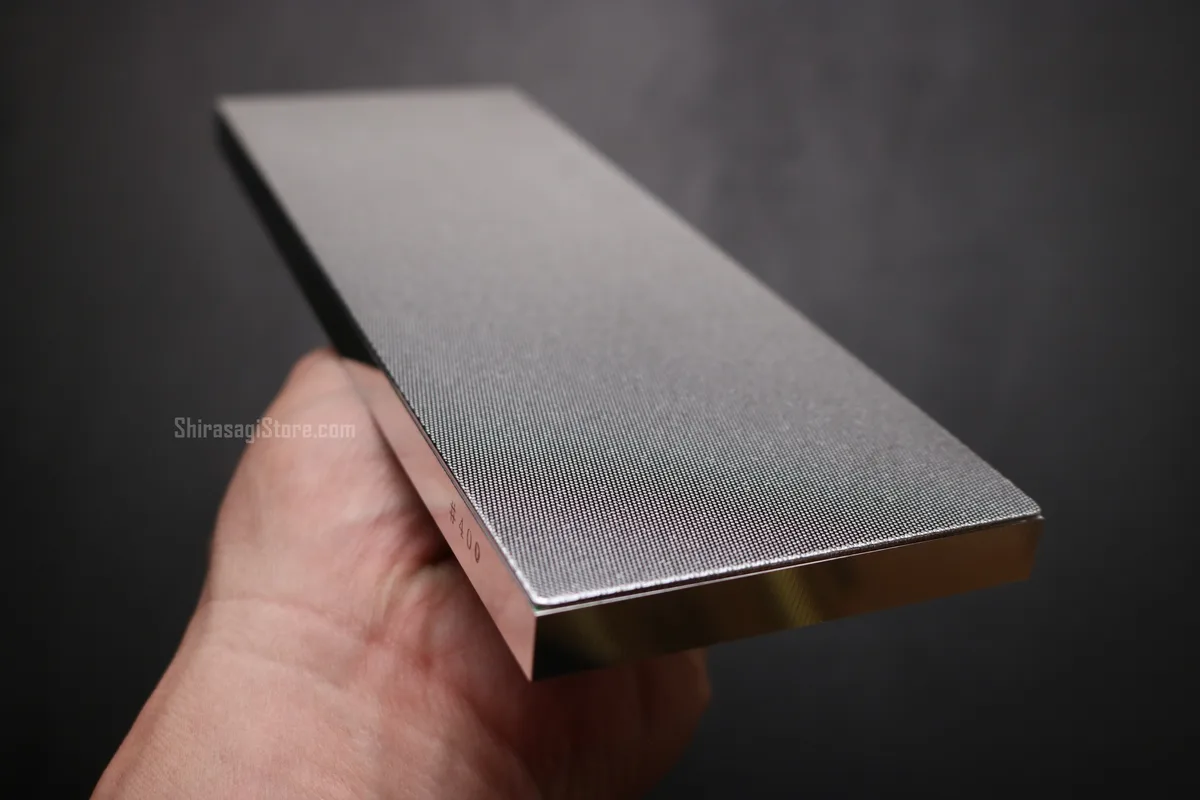
Image source: Bing (Web (fair-use with source credit))
Cleaning and Storage: Avoiding Mold and Gunk
After each sharpening session, it's crucial to clean your whetstone or diamond plate. This removes metal filings (swarf) and abrasive particles that can clog the surface and reduce its cutting efficiency.
- Water Stones: Rinse thoroughly under running water. Use a stiff nylon brush to gently scrub away stubborn residue. Avoid metal brushes, as they can embed particles into the stone.
- Oil Stones: Wipe clean with a dry cloth. If oil residue is heavy, use a bit of mineral oil and a clean cloth.
- Diamond Plates: Wipe clean with a damp cloth. For deeply clogged plates, use a mixture of mild dish soap and water with a nylon brush. Rinse thoroughly and dry completely.
- Storage: Let water stones air dry completely on a towel before storing them. Storing them wet can encourage mold growth and potentially damage them. Oil stones should be stored dry. Diamond plates should be stored in their original packaging or a protective case to prevent scratching.
Pull-Through Sharpener Maintenance: Simple Steps, Big Impact
Pull-through sharpeners are incredibly popular for their convenience. They're generally low-maintenance, but a little bit of care ensures they continue to provide effective sharpening. The main goal here is to keep the abrasive slots clear and prevent rust.
Cleaning Out the Grit
The most common maintenance task for pull-through sharpeners is removing the accumulated metal dust and filings that build up inside the sharpening slots. This "swarf" can impede the abrasive elements and reduce sharpening effectiveness.
- Manual Pull-Throughs:
- Empty the Collector: Many manual models have a small tray or compartment at the base where grit collects. Open this and dump out the debris.
- Brush Out the Slots: Use a soft, dry cloth or a small, soft brush (like a toothbrush or dedicated cleaning brush) to gently wipe away any remaining dust from the sharpening slots. Avoid using water unless specifically recommended by the manufacturer, as it can lead to rust.
- Electric Pull-Throughs:
- Unplug First: Always unplug the unit before cleaning.
- Empty the Dust Receptacle: Electric sharpeners typically have a removable container at the bottom to catch metal shavings. Empty this regularly.
- Clean the Slots: Use a dry cloth or cotton swab to gently clean the abrasive surfaces within the slots.
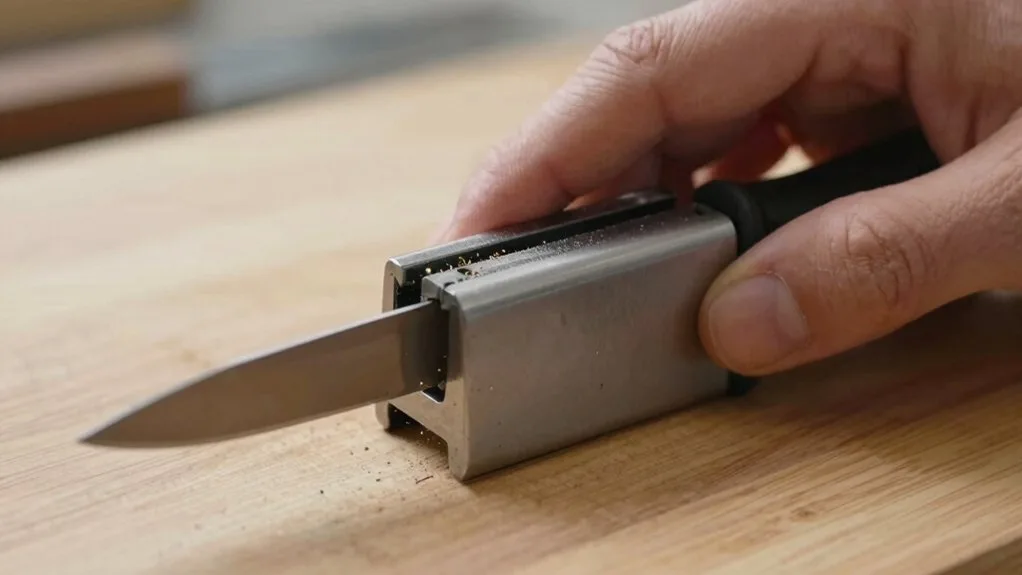
Image source: Bing (Web (fair-use with source credit))
When to Call It Quits
Unlike whetstones, the abrasive elements in pull-through sharpeners, often carbide or ceramic inserts, do wear out over time. There's no real way to "sharpen" or "refurbish" these worn-out slots. If you find that your pull-through sharpener is no longer making your knives noticeably sharper, even after cleaning, it's likely time to replace the entire unit.
Aggregate user feedback often suggests that carbide sharpeners typically last for hundreds of sharpening cycles before showing a significant decline in performance.
Honing Steel and Rods: Keeping the Edge Aligned
Honing steels, also known as honing rods or steels, are primarily used to realign the microscopic teeth on a knife's edge that get bent out of shape during use. They don't remove metal like a sharpener; they straighten what's already there. This process is essential for maintaining a sharp edge between actual sharpening sessions.
Regular cleaning keeps them from transferring unwanted material to your knife.
Basic Cleaning and Rust Removal
- Wipe Down: After each use, wipe the honing steel with a clean, dry cloth to remove any metal residue.
- Damp Cloth: If there's stubborn residue, a slightly damp cloth can be used. Always follow up immediately with a dry cloth to prevent rust.
- Rust Spots: Steel honing rods are prone to surface rust. If you notice rust spots, you can often remove them by gently scrubbing the rod with a fine-grit abrasive pad or very fine steel wool. Clean the rod thoroughly afterward and dry it completely.
- Dish Soap (Use Sparingly): For heavily soiled rods, a small amount of mild dish soap and water can be used, followed by thorough rinsing and immediate drying.
Diamond Rods: A Slightly Different Touch
Diamond-coated honing rods are more durable and less prone to rust but still benefit from cleaning.
- Wipe Clean: A simple wipe-down with a damp cloth is usually sufficient.
- Stubborn Grime: If the diamond surface seems clogged, a gentle scrub with mild soap and water, followed by thorough rinsing and drying, will help restore its effectiveness.
Guided Systems: Precision Requires Protocol
Guided sharpening systems, like those using guide rods and clamps, offer incredible precision and repeatability. However, their multi-component nature means they require a systematic approach to maintenance to ensure all parts function correctly and contribute to a perfect edge. Manufacturer specifications for these systems often detail specific cleaning procedures for each component.
Cleaning Your Precision Tools
- Abrasive Components: If your system uses stones, diamond plates, or rods, follow the specific cleaning and maintenance instructions for those types of abrasives as outlined above. This is critical for maintaining their cutting ability.
- Clamps and Guides: Wipe down all metal and plastic parts of the clamping mechanism and guide rods with a damp cloth. This removes dust, metal particles, and any oils that could interfere with smooth operation. Ensure there's no grit trapped in any moving parts.
- Pivot Points/Mechanisms: For systems with moving parts, check the manufacturer's instructions. Occasionally, a tiny amount of specialized lubricant might be recommended for pivot points, but this is rare and should only be done if specified. Always use a lubricant suitable for tools, not general household oils.
What to Watch Out For
- Smooth Operation: Ensure the clamps grip securely and the guide rods move freely without excessive play.
- Component Integrity: Periodically inspect all parts for wear, damage, or rust. Any compromised component can affect the angle consistency and the quality of the sharpening job.
- Storage: Keep all parts of the guided system together in its designated case or storage solution. This prevents loss and protects the delicate components from damage.
Common Sharpener Mistakes: What NOT to Do
Even with the best intentions, it's easy to make mistakes when maintaining your knife sharpener. These errors can range from minor annoyances to genuinely damaging the tool. Understanding these pitfalls helps you avoid them and keep your sharpening equipment in optimal condition.
Our research indicates that user error is a leading cause of premature sharpener failure.
Over-Aggressive Cleaning
When cleaning, always remember that abrasive surfaces are delicate. Using harsh brushes, abrasive pads not designed for your sharpener, or strong chemicals can damage the grit or the binding agents holding it. For example, scrubbing a ceramic whetstone with a wire brush can embed metal into the stone, rendering it useless for sharpening stainless steel without leaving undesirable traces.
Always opt for the gentlest effective cleaning method.
Improper Storage Risks
Storing your sharpener incorrectly can lead to a host of problems. Water stones left damp can develop mold and mildew, which are unsightly and can affect hygiene and performance. Diamond plates or steel rods left exposed to moisture can rust.
Dropping or bumping sharpeners can chip edges or break components. Store them in a dry place, protected from impact and damage. A dedicated case or shelf is ideal.
Ignoring Wear and Tear
Pull-through sharpeners have finite lifespans. Their abrasive slots wear down over time. Similarly, whetstones can become dished or develop chips on their edges.
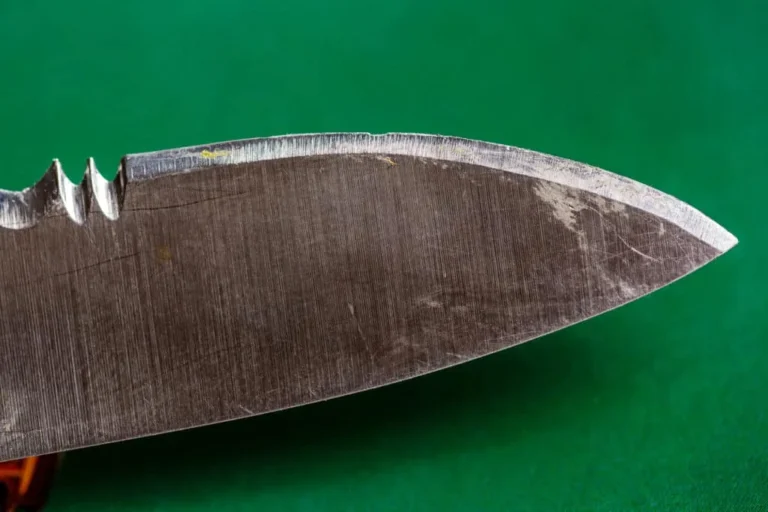
Continuing to use a worn-out sharpener is not only ineffective but can also be detrimental to your knives, leading to uneven edges or even damaging the blade. Regularly inspect your sharpener for signs of wear. If it’s not performing as it should, investigate replacement or repair options as per manufacturer guidance.
Expert Tips for Peak Sharpener Performance
Achieving and maintaining sharp knives consistently comes down to understanding your tools and treating them with the respect they deserve. A few key practices, backed by expert advice and manufacturer recommendations, can significantly enhance your sharpener's longevity and effectiveness. These tips are universal, regardless of the specific type of sharpener you own.
The "Read the Manual" Imperative
This might sound obvious, but countless issues arise from users not consulting the documentation provided by the sharpener's manufacturer. Each sharpener, whether it’s a specific whetstone grit, a guided system model, or an electric pull-through, has unique operational and maintenance requirements. For example, some specialized diamond plates require specific cleaning agents recommended by the maker to avoid damaging the diamond bond.
Always refer to the official manual for the most accurate, product-specific advice.
Gentle Handling Pays Off
Sharpeners, especially whetstones and diamond plates, are abrasive tools designed to work by friction and material removal. However, they are not indestructible. Dropping a whetstone can cause it to shatter or chip, creating an uneven surface that’s difficult to flatten.
Likewise, slamming a pull-through sharpener onto a countertop can damage its internal components. Treat your sharpener with care during use, cleaning, and storage to ensure its durability. This means avoiding excessive force and storing it in a way that prevents accidental impact.
FAQs About Knife Sharpener Maintenance
How often should I clean my whetstone?
You should clean your whetstone after every use. This removes the metal swarf and slurry that can clog the stone's pores and reduce its effectiveness. A thorough rinse under running water, often with a gentle scrub from a nylon brush, is usually sufficient.
Can I use tap water to lubricate my water stone?
Yes, tap water is generally suitable for lubricating water stones. Some users prefer distilled water to avoid mineral buildup, but for most home kitchens, regular tap water works fine. Ensure you rinse the stone thoroughly to remove any residue after sharpening.
How do I know if my pull-through sharpener is worn out?
If you’ve used a pull-through sharpener consistently and notice that your knives are no longer getting sharp, or that the process takes significantly longer than it used to, the abrasive elements are likely worn down. Many user reviews report a noticeable drop in performance after hundreds of sharpening cycles.
Is it safe to use oil on a diamond sharpening plate?
While some diamond plates are designed to be used dry, others can be used with water or a specialized honing oil. Always check the manufacturer's instructions for your specific diamond plate. Using oil when it's not recommended can trap debris and reduce the plate's efficiency.
How do I store my sharpening stones when not in use?
Store your sharpening stones in a dry, well-ventilated area. For water stones, ensure they are completely dry before putting them away to prevent mold. Using a stone holder or a dedicated storage box can protect them from damage and dust.