How Much Does a Good Knife Sharpener Cost?
So, you've got a knife that's lost its edge, and you're wondering, "How much does a good knife sharpener cost?" It's a fair question, because the price tags can range from pocket change to serious dough, and it's not always clear what you're actually paying for. Getting your knives sharp is crucial for safety and efficiency in the kitchen, but finding the right tool without breaking the bank can feel like a puzzle.
The good news is that a truly "good" knife sharpener isn't necessarily the most expensive one. We're looking for functionality, durability, and ease of use that matches your needs. For instance, a basic manual pull-through sharpener might cost around $20, while a high-quality electric model with multiple sharpening stages could easily run $100 or more, with professional sharpening stones often falling into a similar range.
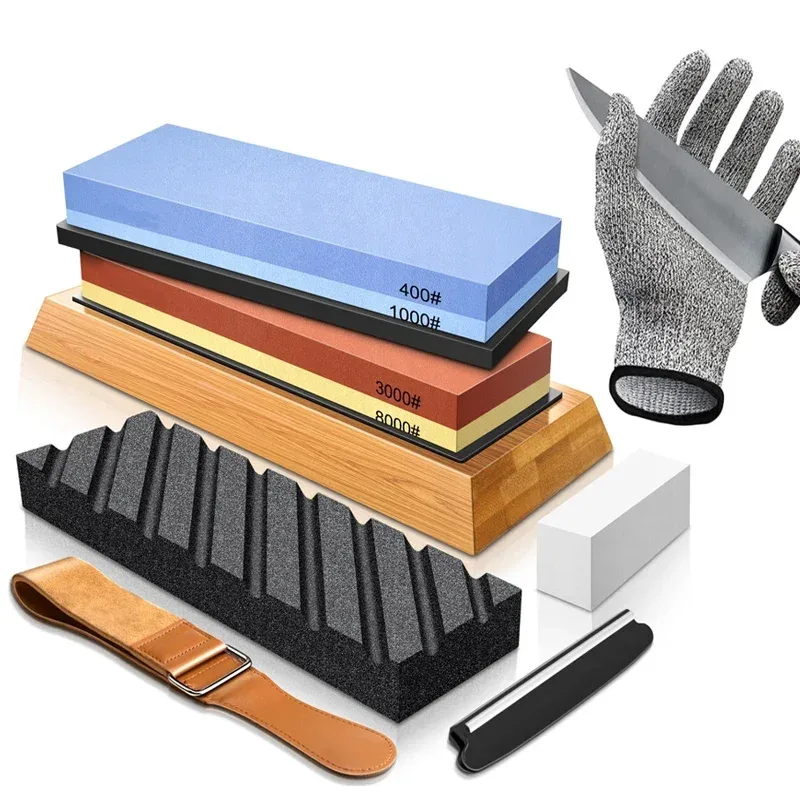
Image source: Bing (Web (fair-use with source credit))
Quick Answer
A good knife sharpener typically costs between $20 and $150. Basic manual sharpeners are under $30. Quality electric sharpeners or sharpening stones fall between $50 and $150.
Professional systems can exceed $150.
Why Knife Sharpener Cost Matters
Thinking about how much a knife sharpener costs is the first step to making a smart purchase. It's not just about the price tag, though. The cost often reflects the materials used, the precision of the engineering, and the type of sharpening technology involved.
A cheaper sharpener might work okay for a bit, but it could also damage your knife's edge over time or simply not get it as sharp as you'd like.
We've all had those moments wrestling with a dull knife, right? Slicing tomatoes becomes a frustrating squish, and even simple chopping feels like a chore. That's why investing in a decent sharpener matters.
It's about more than just having sharp knives; it’s about safety, efficiency, and prolonging the life of your expensive cutlery. The real value lies in finding a tool that consistently delivers a clean, sharp edge without causing damage, and that often comes down to a balance of features and price.
Understanding Knife Sharpener Types & Their Price Points
When you start looking into knife sharpeners, you'll notice there are a few main categories, each with its own price range and set of advantages. Knowing these differences is key to figuring out what "good" means for your specific situation and budget.
Manual Sharpeners: The Budget-Friendly Basics
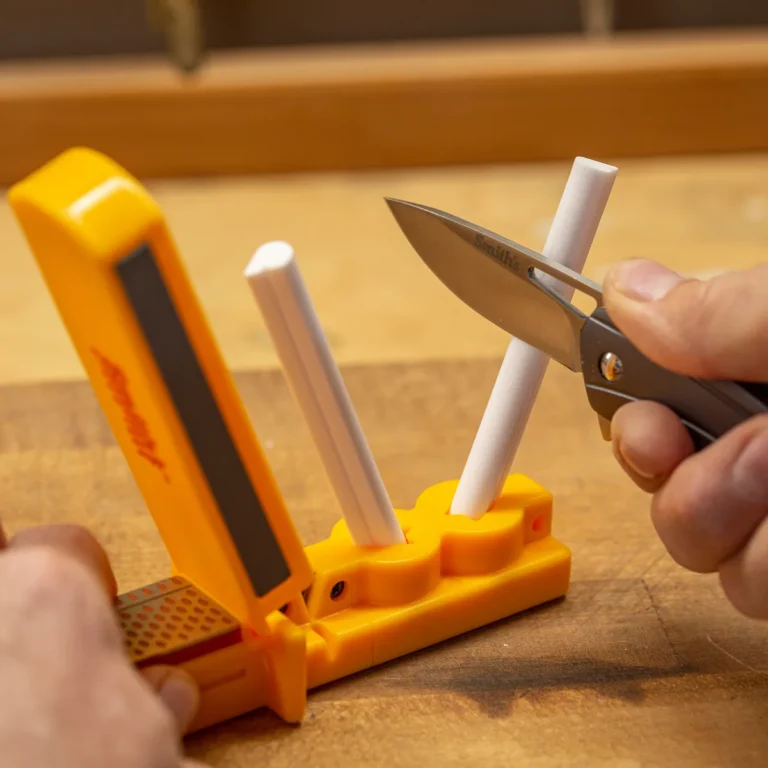
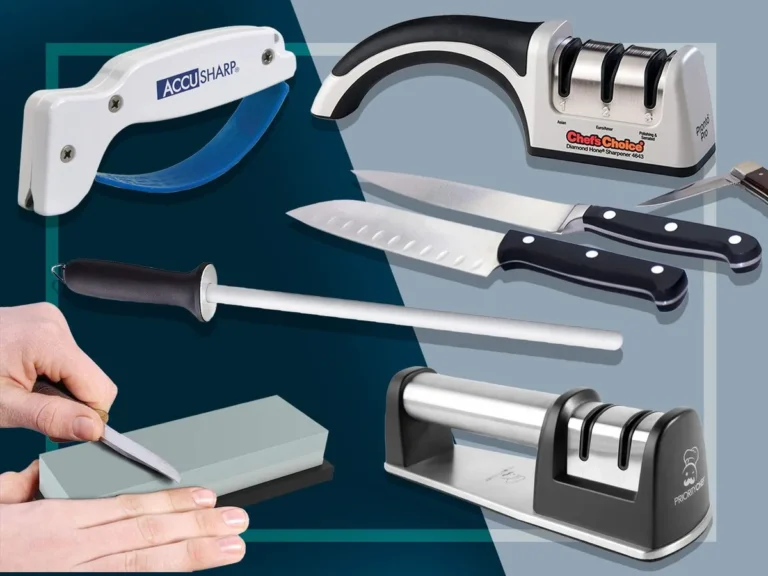
Manual sharpeners are the most straightforward and often the least expensive option. These are the kinds you might have seen with slots you pull your knife through, or simple handheld devices with abrasive surfaces. They rely entirely on your own strength and hand-eye coordination.
- Types: The most common are pull-through sharpeners, which have fixed abrasive slots that guide the knife at a specific angle. Some also include a honing rod to realign the edge between sharpenings. V-shaped sharpeners and simple sharpening steels also fall into this category.
- Price Range: You can find decent manual sharpeners for anywhere from $15 to $50. The higher end of this range might offer better abrasive materials like ceramic or diamond, or a more robust construction.
- Pros: Extremely affordable, portable, easy to store, and generally simple to use for quick touch-ups.
- Cons: Can be less precise than other methods, may remove too much metal if used incorrectly, and might not achieve the razor-sharpness some users desire.
- Best For: Quick edge maintenance, budget-conscious individuals, or those who don't need absolute precision.
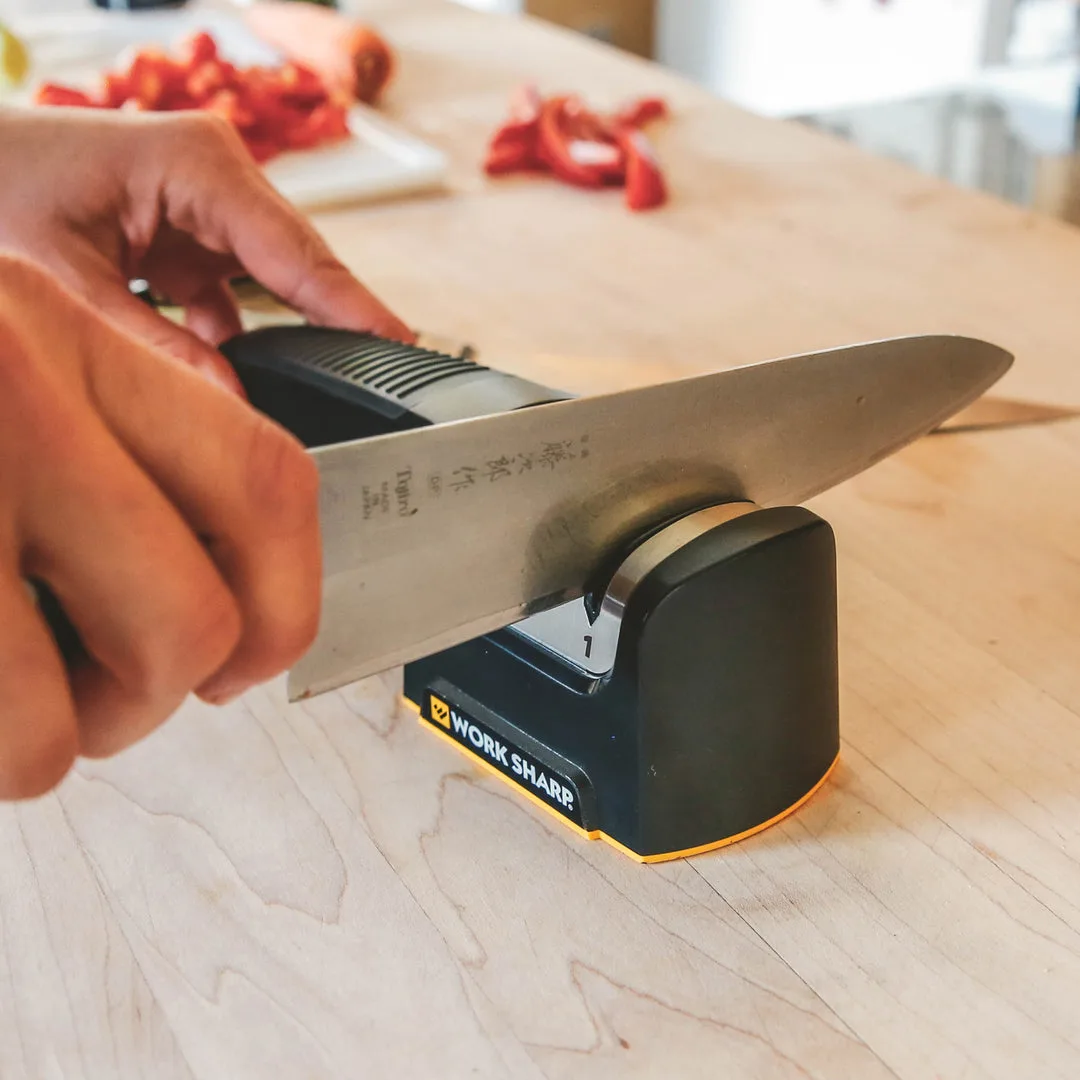
Image source: Bing (Web (fair-use with source credit))
Electric Sharpeners: Convenience and Speed
Electric sharpeners are designed to do the heavy lifting for you, using motorized abrasive wheels or belts to sharpen your knives quickly. They're a popular choice for those who value speed and ease of use.
- Types: Most electric sharpeners have multiple slots, each with a different abrasive (like diamond-coated wheels or ceramic discs) and set at specific angles. Some offer different stages for coarse sharpening, fine honing, and even polishing.
- Price Range: Expect to pay between $50 and $150 for a good quality electric sharpener. Higher-end models might offer more stages, better motor durability, and more precise angle control. Some professional-grade electric systems can cost over $200.
- Pros: Very fast, consistent results due to built-in angle guides, and require minimal effort.
- Cons: Can be bulkier than manual options, may remove more metal than necessary if not used carefully, and the motor can wear out over time. They also require electricity, limiting portability.
- Best For: People who sharpen frequently, want speed and ease, and don't mind the countertop footprint or power cord.
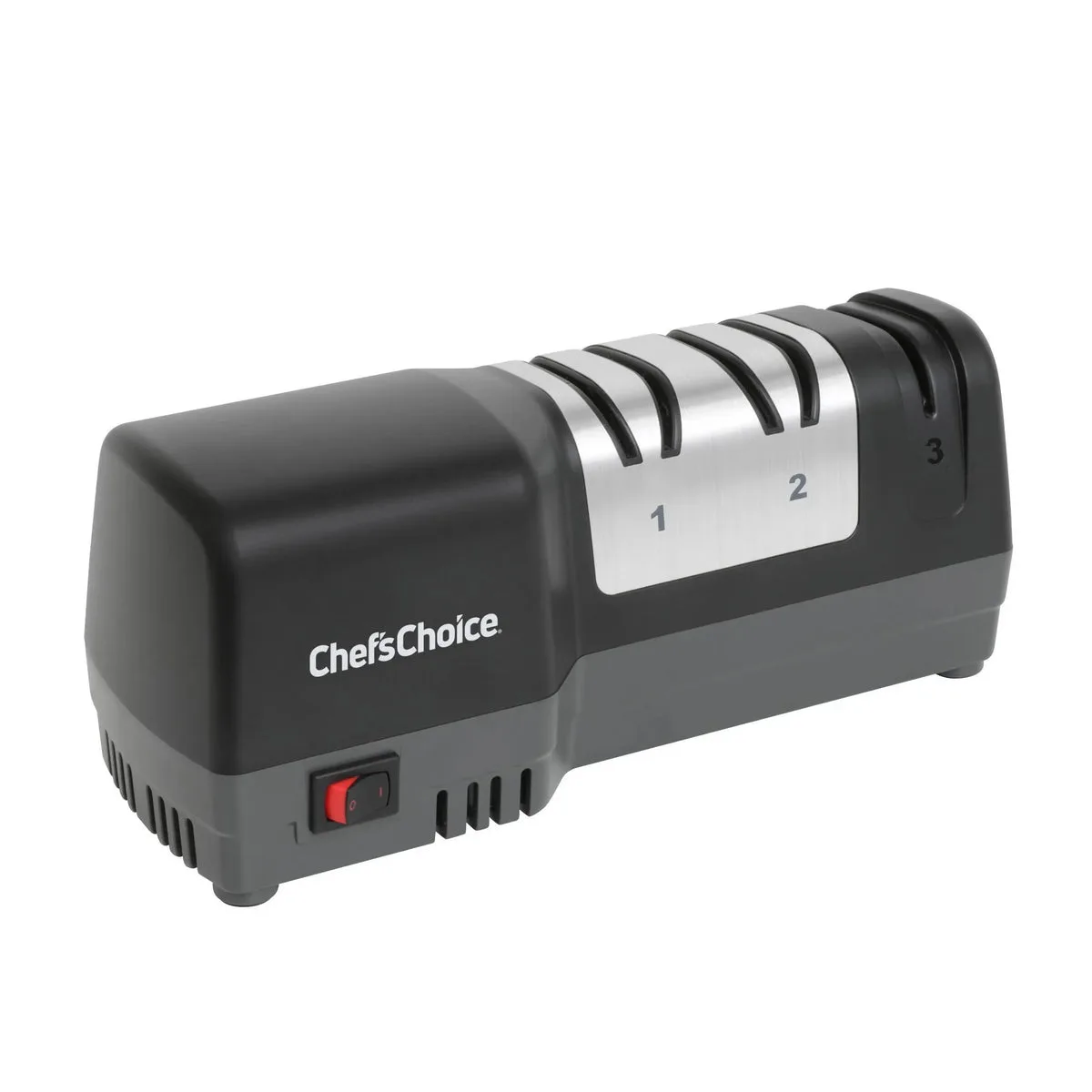
Image source: Bing (Web (fair-use with source credit))
Sharpening Stones (Whetstones): The Purist's Choice
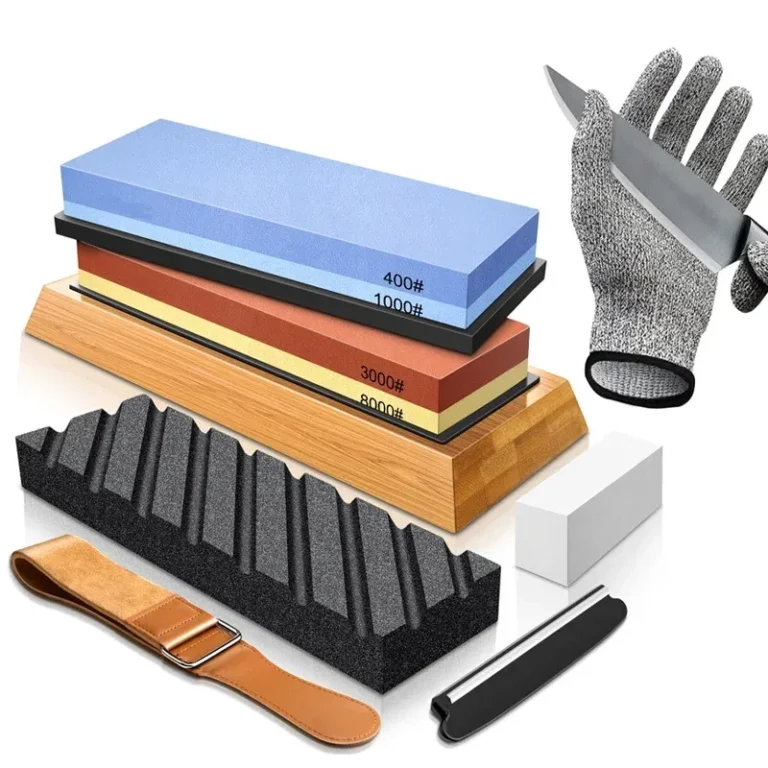
Sharpening stones, often called whetstones, are a more traditional method preferred by many knife enthusiasts and professionals. They come in various materials and grits, offering the highest level of control and potential sharpness.
- Types: Made from natural stone or synthetic materials like aluminum oxide or silicon carbide. They are classified by grit number, lower grits (e.g., 200-1000) for repairing damage and shaping, medium grits (e.g., 1000-3000) for general sharpening, and high grits (e.g., 3000+) for refining and polishing the edge to a razor finish. They usually require soaking in water before use.
- Price Range: A basic set of two good quality synthetic whetstones (e.g., a 1000 and a 6000 grit stone) can range from $50 to $100. High-end natural stones or specialized diamond stones can cost upwards of $150-$300 or more for a single stone.
- Pros: Offer the finest edge refinement and customization, can sharpen almost any type of knife, and are very durable if cared for. They also remove minimal metal, preserving the knife's life.
- Cons: Require practice and a consistent hand to maintain the correct angle, which can lead to a learning curve. They also need maintenance like flattening.
- Best For: Those who are patient, want the absolute sharpest edge possible, and enjoy the craft of knife sharpening.
Guided Sharpening Systems: Precision for Everyone
Guided sharpening systems are designed to take the guesswork out of sharpening stones. They typically involve a clamp to hold the knife at a precise angle and a guide rail system that holds the sharpening stone or rod, ensuring a consistent angle throughout the sharpening process.
- Types: These systems can vary widely, from simple clamping devices that hold stones at fixed angles to more complex setups with adjustable angle settings and multiple guide rods. Brands like Lansky and Work Sharp offer popular examples.
- Price Range: You can find basic guided systems starting around $40-$60. More advanced systems with multiple stones, better clamping mechanisms, and wider angle adjustability can cost between $80 and $200, with some premium models exceeding $250.
- Pros: Provide excellent angle consistency, making it easier to achieve sharp results even for beginners. They allow you to use sharpening stones without needing a perfectly steady hand.
- Cons: Can be slower to set up than electric sharpeners, and some systems have limitations on knife size or type. They also require dedicated space for setup.
- Best For: Individuals who want the precision of sharpening stones but need help maintaining a consistent angle, bridging the gap between manual sharpeners and freehand stone sharpening.
Key Features That Influence Sharpener Cost
Beyond just the type of sharpener, several specific features directly impact how much you'll end up paying. These elements are where the engineering and material quality really come into play, affecting both the performance and the price tag.
Grit Progression and Material Quality
The abrasive material and the range of grits available are huge factors in cost. Higher-quality abrasives, like diamond-plated steel or fine ceramic, are more durable and effective than basic steel or coarse ceramic. Similarly, sharpeners offering a broad range of grits, from coarse for repairs to ultra-fine for polishing, will naturally cost more because they provide more versatility and a higher potential for edge refinement.
For instance, a basic sharpening stone might have just one or two grits, whereas a premium set could feature five or more, each designed for a specific task in the sharpening process. Manufacturers like Diamond Machining Technology (DMT) are known for their high-quality diamond abrasives, which command a higher price.
Angle Guides and Precision
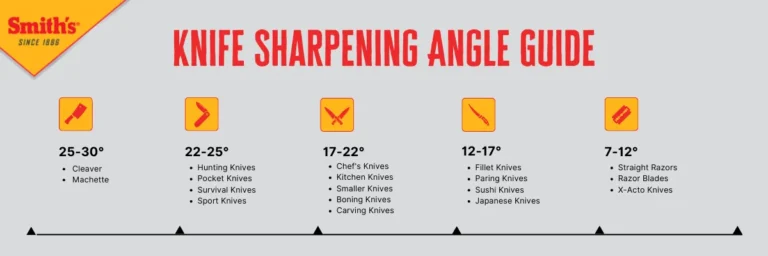
Precision in angle control is a major differentiator, especially for electric sharpeners and guided systems. Sharpeners with built-in, non-adjustable angle guides might be cheaper but can be limiting if your knives require a different angle. Systems that offer adjustable angle settings, or guides that allow for precise angle selection (e.g., 15 degrees for Japanese knives versus 20 degrees for German knives), will typically cost more.
This is because achieving and holding precise angles requires more sophisticated design and manufacturing. The ability to consistently replicate an angle, often down to a single degree, is a hallmark of more expensive, high-performance sharpeners.
Durability and Build Materials
The materials used in a sharpener’s construction significantly affect its lifespan and, consequently, its price. Sharpeners made from high-impact plastics, robust metals, or heavy-duty abrasive materials will last much longer and withstand more use than flimsy, lightweight alternatives. For example, a sharpening stone made from quality synthetic material or a durable natural stone will hold its shape and abrasive power for years, whereas a cheap plastic pull-through sharpener might break or wear down its abrasives quickly.
Aggregate buyer feedback often highlights how well a sharpener holds up over time, with more durable units justifying their higher initial cost through longevity.
Ease of Use and Learning Curve
This is where personal preference and experience come into play. Electric sharpeners are generally the easiest to use, requiring minimal skill, and their cost reflects this convenience. Manual pull-through sharpeners are also straightforward, though their effectiveness can vary.
Sharpening stones, while offering the best results, have the steepest learning curve and thus might be seen as having a "cost" in terms of the time and effort required to master them. Guided systems aim to reduce this learning curve, making them more expensive than basic manual tools but less demanding than freehand stone sharpening. When evaluating cost, consider not just the money spent, but also the time and frustration you might save.
What You Can Expect to Spend: Price Ranges & Value
Let's break down what you're likely to pay for different types of knife sharpeners, keeping in mind that "good" is subjective and depends on your needs. We're looking for value, getting the performance you need without overpaying.
- Budget Manual Sharpeners ($15, $40): These are your entry-level options. Think simple pull-through sharpeners with ceramic or carbide abrasives. They can bring a dull edge back to life for basic kitchen tasks, but don't expect razor-sharpness or longevity. They're great for occasional use or if your knives aren't high-end.
- Mid-Range Manual & Basic Guided Systems ($40, $80): Here you start seeing better materials, like diamond-coated sharpeners or more robust ceramic. Guided systems in this range offer basic angle support, making them easier to use than freehand sharpening. This is a solid sweet spot for home cooks who want a noticeable improvement in sharpness without a big investment.
- Quality Electric Sharpeners & Intermediate Guided Systems ($80, $150): This is where you find sharpeners that offer real performance. Good electric models will have multiple sharpening stages (coarse, fine, polish) and precise angle guides. Intermediate guided systems will offer better clamping, a wider range of angle adjustments, and higher-quality sharpening stones. Many professional chefs and serious home cooks find excellent value in this tier.
- High-End Sharpening Stones & Advanced Guided Systems ($150, $300+): For the enthusiast who demands the absolute best, this is where you look. Premium natural or synthetic sharpening stones, often sold individually or in curated sets, fall here. Advanced guided systems with superior build quality, more versatile angle settings, and a wider array of stones also sit in this category. These tools offer the ultimate control and the potential for extremely refined edges, but they require dedication to master.
It’s important to remember that as of 2026, the market is flooded with options. Always check user reviews and manufacturer specifications. A $100 sharpener that lasts for years and keeps your knives perfectly sharp offers better long-term value than a $30 one that needs replacing in six months or damages your blades.
Who Needs Which Type of Sharpener?
Figuring out "how much does a good knife sharpener cost?" really boils down to who you are and what you're trying to achieve. Not everyone needs the same tool, and your personal situation should guide your decision.
For the Home Cook on a Budget
If you're a casual home cook who uses your knives for everyday tasks like chopping vegetables or slicing bread, and you're looking to spend as little as possible, a manual pull-through sharpener is likely your best bet. These are readily available for under $30 and require minimal effort. They won't give you a professional-grade edge, but they'll certainly make your knives cut better than when they're completely dull.
Look for one with ceramic or carbide inserts for a bit more durability. A simple honing steel in this price range is also a good companion for maintaining the edge between sharpenings.
For the Aspiring Chef or Enthusiast
If you enjoy cooking, take pride in your kitchen tools, and want your knives to perform reliably, you’re probably looking in the mid-range. This is where electric sharpeners and basic guided sharpening systems shine. For around $50-$100, you can get an electric sharpener that offers multiple sharpening stages and consistent angles, making it easy to get a sharp edge quickly.
Alternatively, a guided system with a couple of good quality sharpening stones (say, a 1000-grit and a 6000-grit stone) will give you more control and a finer edge, albeit with a slight learning curve. This range offers a great balance of performance, ease of use, and price.
For the Professional or Serious Hobbyist
If you're a professional chef, a dedicated butcher, or a serious home cook who uses knives extensively and values peak performance, you're likely in the market for higher-end options. This means investing in quality sharpening stones or advanced guided systems, often in the $100-$250+ range. Professionals might opt for a set of premium whetstones like Japanese water stones (e.g., from Shapton or Naniwa) or top-tier diamond plates for their versatility and ability to achieve an exceptionally fine, long-lasting edge.
Some might also choose a robust electric sharpener with highly accurate angle settings. The key here is precision, durability, and the ability to fine-tune the edge to your exact preferences.
Common Mistakes When Buying and Using Sharpeners
Even with a good understanding of price points and features, it's easy to make a misstep when choosing or using a knife sharpener. Many of these mistakes aren't immediately obvious but can lead to damaged knives or less-than-ideal results. Being aware of them can save you money and frustration in the long run.
One common error is confusing a sharpener with a honing steel. A honing steel (or honing rod) primarily realigns a knife's existing edge; it doesn't actually remove metal or create a new edge. If your knife is truly dull, a honing steel won't fix it.
Many people buy a cheap sharpener thinking it will fix everything, only to be disappointed. Another mistake is buying a sharpener designed for a specific type of knife (like a cleaver) and expecting it to work perfectly on very different blades, such as thin Japanese paring knives.
What's the Biggest Mistake People Make?
The single biggest mistake people make is buying the cheapest sharpener they can find. While it might seem like a good deal initially, these low-cost options often use coarse, low-quality abrasives that can chew up your knife's edge, creating micro-chips and a weaker bevel. They might also have fixed angles that aren't suitable for all your knives, or they might simply be made of such poor materials that they wear out quickly or break altogether.
This false economy means you end up with dull knives or damaged blades, costing you more in the long run.
Are Fancy Angle Guides Really Worth It?
For many users, yes, especially if you're not confident in your ability to hold a consistent angle freehand. Systems with precise, adjustable angle guides (like those found on higher-end guided systems or some electric sharpeners) allow you to consistently replicate the optimal angle for your specific knife, whether it's 15 degrees for a Japanese blade or 20 degrees for a Western one. While you can learn to sharpen freehand on stones, it takes significant practice.
A good guided system lets you achieve professional-level sharpness more easily, justifying its higher cost for many home cooks and enthusiasts who value precision and efficiency without the steep learning curve.
Expert Tips for Getting the Best Value
Getting the most bang for your buck when buying a knife sharpener involves looking beyond just the price tag. It’s about understanding what features deliver genuine performance and longevity, and matching those to your actual needs. Our research indicates that focusing on a few key areas can lead to a much more satisfying purchase.
Consider the abrasive material. Diamond and ceramic abrasives are generally more durable and effective than carbide or basic steel. Diamond sharpeners, while often pricier upfront, tend to last much longer and can sharpen even very hard steel knives.
Ceramic stones are excellent for fine honing and polishing. If you're opting for an electric sharpener, check that it has multiple stages, a coarse stage for repairing a damaged edge, a medium stage for sharpening, and a fine stage for refining. A system that offers this progression will be more versatile and effective.
- Prioritize the Abrasive: Diamond or high-quality ceramic will serve you better long-term.
- Look for Multiple Stages: Coarse, medium, and fine grits offer a complete sharpening solution.
- Consider Angle Consistency: Built-in guides or a good guided system are crucial if you’re not a freehand pro.
- Read User Reviews: Real-world feedback often highlights durability issues or performance quirks that manufacturer specs might miss.
Safety: Sharpening Your Knives Without Incident
Working with sharp knives and abrasive tools inherently carries some risk, so safety needs to be front and center. Even a seemingly simple task like sharpening can lead to nicks and cuts if you're not careful. Following a few fundamental safety practices can prevent most common injuries.
First, always ensure your sharpener is stable and won't slip while you're using it. If you're using sharpening stones, make sure they are properly wetted (if required) and placed on a non-slip surface, like a damp towel or a dedicated mat. For electric sharpeners, keep your fingers well away from the sharpening slots and never force the knife; let the machine do the work.
When using manual pull-through sharpeners, maintain a firm grip on both the sharpener and the knife.
What if I Slip?
If you slip while sharpening, the most common injury is a cut to your fingers or hand. It's crucial to keep your fingers behind the edge of the knife and away from the path of the sharpener's abrasives. Never hold the knife by the handle and then try to force it through a sharpener slot with your other hand reaching over the blade.
Always use a secure grip on the handle and guide the blade smoothly. If you're using a guided system, ensure the knife is properly clamped and secure before you begin.
Are There Specific Risks with Electric Sharpeners?
Electric sharpeners, while convenient, do introduce specific risks. The motorized abrasive wheels spin at high speeds, and the gaps where the knife enters can easily catch loose clothing, jewelry, or fingers if you're not paying attention. Always ensure the sharpener is unplugged when you're cleaning it or changing any parts.
Keep the sharpening area clean and free of clutter so you have plenty of room to maneuver the knife safely. Avoid using damaged electric sharpeners, as faulty wiring or loose abrasive components can pose a hazard.
Maintenance: Keeping Your Sharpener in Top Shape
Just like your knives, your sharpener needs a little care to keep performing at its best. Proper maintenance not only ensures it works effectively but also extends its lifespan, making your initial investment more worthwhile. Neglecting this can lead to duller edges and a shorter life for the sharpening tool itself.
For sharpening stones, this primarily means flattening them. Over time, abrasive stones wear down unevenly, developing a hollow or dished surface. This unevenness makes it impossible to maintain a consistent angle on your knife.
You'll need a flattening stone or a surface like silicon carbide grit on a flat glass plate to true up your sharpening stones regularly. Most manufacturers recommend flattening whenever you notice a visible dip or after a certain number of uses, often every 5-10 sharpenings.
How Do I Clean Different Types of Sharpeners?
Cleaning methods vary depending on the sharpener type.
- Sharpening Stones (Whetstones): After use, rinse water stones thoroughly to remove metal particles and slurry. Let them air dry completely before storing to prevent mold or mildew. Diamond plates or stones typically just need to be wiped down with a damp cloth and dried.
- Electric Sharpeners: Always unplug the unit first. Many electric sharpeners have removable debris trays that should be emptied regularly. You can use a soft brush or a dry cloth to wipe down the interior slots and exterior casing. Avoid using water or solvents unless specifically recommended by the manufacturer, as this can damage the motor or electronics.
- Manual Pull-Through Sharpeners: These are usually quite simple. Wipe them down with a damp cloth and dry thoroughly. Some have removable parts that can be cleaned more thoroughly, but again, check the manufacturer's instructions.
When Should I Replace My Sharpener?
You'll know it's time to replace your sharpener when it's no longer effectively sharpening your knives. For manual pull-throughs, this might mean the abrasives have worn down or chipped, and they no longer create a clean edge. For electric sharpeners, it could be a failing motor, worn-out abrasive wheels that no longer cut effectively, or damage to the angle guides.
Sharpening stones eventually wear down to the point where they are too thin to use safely or effectively, and they may become too expensive to flatten. If your sharpener starts feeling flimsy, produces an uneven edge, or takes an excessive amount of time to sharpen a blade, it's likely time for a new one.
Frequently Asked Questions
How long does a knife sharpener last?
A quality knife sharpener can last for many years, even decades, with proper maintenance. Sharpening stones are very durable but may need flattening or eventual replacement. Electric sharpeners might have components like motors or abrasive wheels that wear out over time, potentially needing replacement or a full unit upgrade after several years of consistent use.
Can a cheap sharpener ruin my knives?
Yes, very cheap sharpeners often use low-quality abrasives or fixed angles that are too aggressive. They can remove too much metal, create micro-chips on the edge, or establish an incorrect angle, leading to a weaker, less durable edge and potentially damaging the knife over time.
How often should I sharpen my knives?
This depends on usage. For a home cook, sharpening might be needed every few weeks to a couple of months. Professional chefs or those who use their knives daily might sharpen weekly or even more frequently.
Honing with a steel should be done more often, ideally before each use.
What's the difference between sharpening and honing?
Sharpening removes metal to create a new, sharp edge. Honing realigns the existing microscopic teeth of the blade that have rolled over from use, making the edge feel sharper without removing significant material. Think of sharpening as carving a new pencil tip and honing as straightening a bent one.