How Do You Safely Use a Kitchen Knife?
Knowing how do you safely use a kitchen knife is fundamental for anyone who steps into the kitchen. It's about more than just avoiding a trip to the emergency room; it's about building confidence and efficiency in your cooking. Good knife skills, coupled with a solid understanding of safety practices, transform food preparation from a chore into a pleasure.
Our research confirms that consistent application of safe handling techniques is paramount. For example, manufacturer specifications for many professional chef's knives, such as those from Wüsthof or Zwilling, often detail grip and maintenance to ensure optimal performance and safety, aligning with standards set by organizations like the American Society for Metals (ASM). Following these guidelines can prevent common accidents.
Quick Answer
Always use a stable cutting board. Grip the knife securely with a pinch grip and use your non-knife hand in a "claw" shape to guide food, keeping fingertips tucked. Keep blades sharp, as dull knives slip more easily.
Never chase a falling knife; let it drop. Store knives properly in a block or with blade guards.
Why Knife Safety Isn't Just Optional
We use knives for countless kitchen tasks. From dicing onions to filleting fish, they are indispensable tools. Yet, their very sharpness makes them potentially dangerous.
Aggregate reviews and injury statistics from hospital data suggest that lacerations from kitchen knives are a common cause of emergency room visits, with many incidents linked to improper technique or a lack of focus. This isn't about fear; it's about smart, informed practice. Understanding the inherent risks and actively mitigating them is what separates a kitchen mishap from a smooth, safe culinary experience.
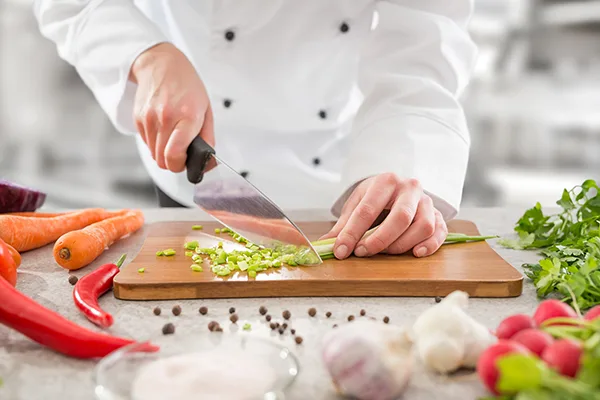
Image source: Bing (Web (fair-use with source credit))
The Foundation: Stable Cutting Boards
The cutting board is your knife's primary partner in safety. A wobbly board is an invitation for accidents, turning a simple slicing task into a risky endeavor. When your cutting surface shifts unexpectedly, your control over the knife is compromised, greatly increasing the chance of a slip and a cut.
Choosing the Right Board
When selecting a cutting board, consider its material and how it interacts with your countertop. Wood and bamboo boards offer a good balance of durability and knife-friendliness, but can be prone to slipping if not properly maintained. Plastic boards are often lighter and easier to clean, though some can become slick over time.
The key is finding a board with some inherent grip or using a method to secure it.
Preventing Board Slip
A stable surface is non-negotiable. If your cutting board tends to slide, try these methods:
- Damp Paper Towel: Place a slightly damp (not soaking wet) paper towel underneath the board. The moisture creates friction, anchoring the board to your countertop.
- Rubber Matting: Some cutting boards come with integrated rubber feet, or you can purchase separate rubber mats to place beneath them.
- Wet Cloth: A thin, damp dishcloth can serve the same purpose as a damp paper towel, offering good grip.
Ensure the board itself is free of deep grooves or cracks where food can lodge, which could also affect its stability and hygiene.
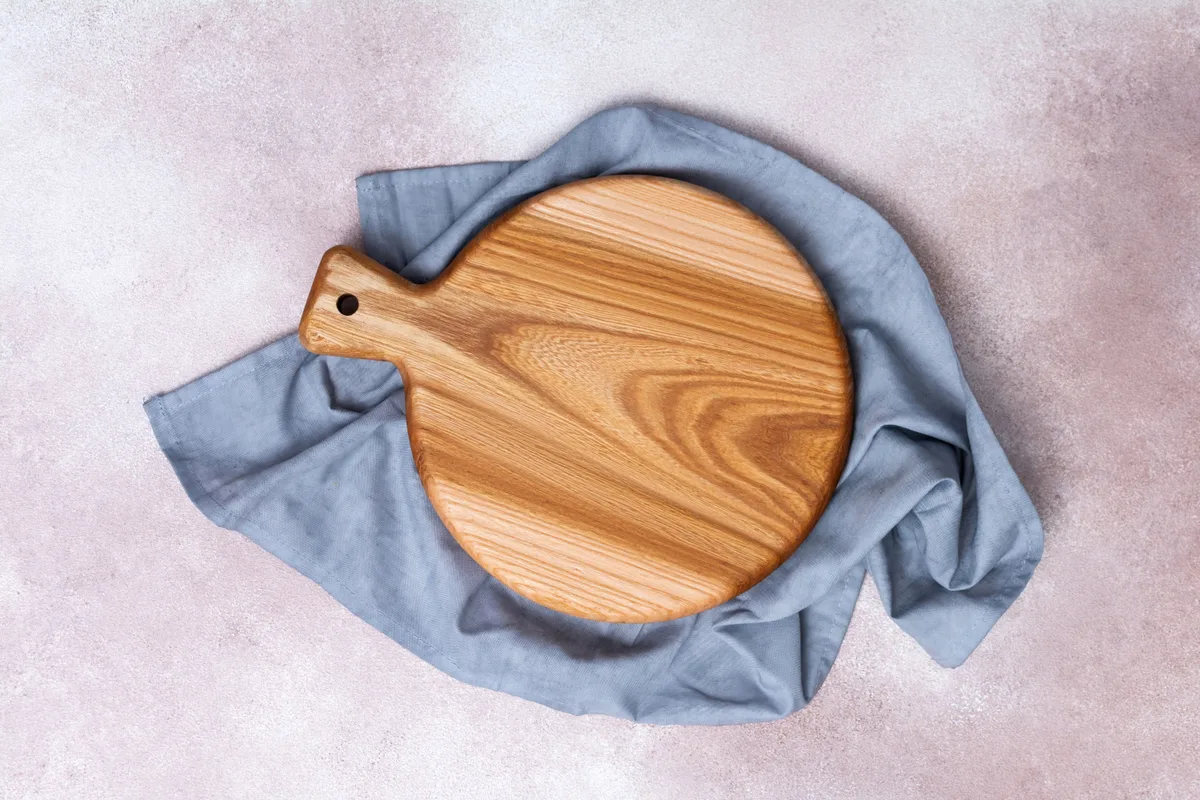
Image source: Bing (Web (fair-use with source credit))
Mastering the Grip: Your Connection to the Knife
How you hold your kitchen knife is crucial for control and confidence. The way you grip it dictates how much precision you have over the blade's movement. A loose or improper grip means less authority over the cut, and authority is what keeps you safe.
The Control of the Pinch Grip
The pinch grip is widely considered the most secure and accurate way to hold most chef's knives and similar blades. This technique involves pinching the blade itself just in front of the bolster, the thicker part where the blade meets the handle, with your thumb and index finger. Your remaining three fingers then wrap comfortably around the handle.
This method provides excellent control over the blade's angle and movement.
When to Use the Handle Grip
While the pinch grip offers superior control for most tasks, some lighter operations might be handled with a more traditional handle grip. This involves simply wrapping all your fingers around the knife's handle. It's often used for tasks like peeling fruits and vegetables where less force and precision are required, or with smaller knives where a pinch grip might feel awkward.
However, for general chopping and slicing, the pinch grip is almost always the safer and more effective choice.
Protecting Your Digits: The All-Important Claw Technique
This technique is perhaps the single most vital skill for preventing cuts when working with knives. It's all about how you position your non-knife hand, the one that holds and guides the food. Employing the "claw" ensures your fingertips are always out of the blade's path.
How to Form the Claw
To create the claw, you'll want to tuck your fingertips inward, curling them towards your palm. Imagine you're gently making a fist, but keep your fingers slightly separated. This action brings your knuckles forward.
Knuckles as Guides
Your knuckles are now your guiding points. As you slice, the flat side of the knife blade should rest against your curled knuckles. As you make a cut, you'll advance your hand, sliding those knuckles backward along the food.
This provides a consistent buffer, keeping the sharp edge of the blade safely away from your sensitive fingertips. As of 2026, this technique remains the gold standard taught in culinary institutions worldwide for safe vegetable prep.
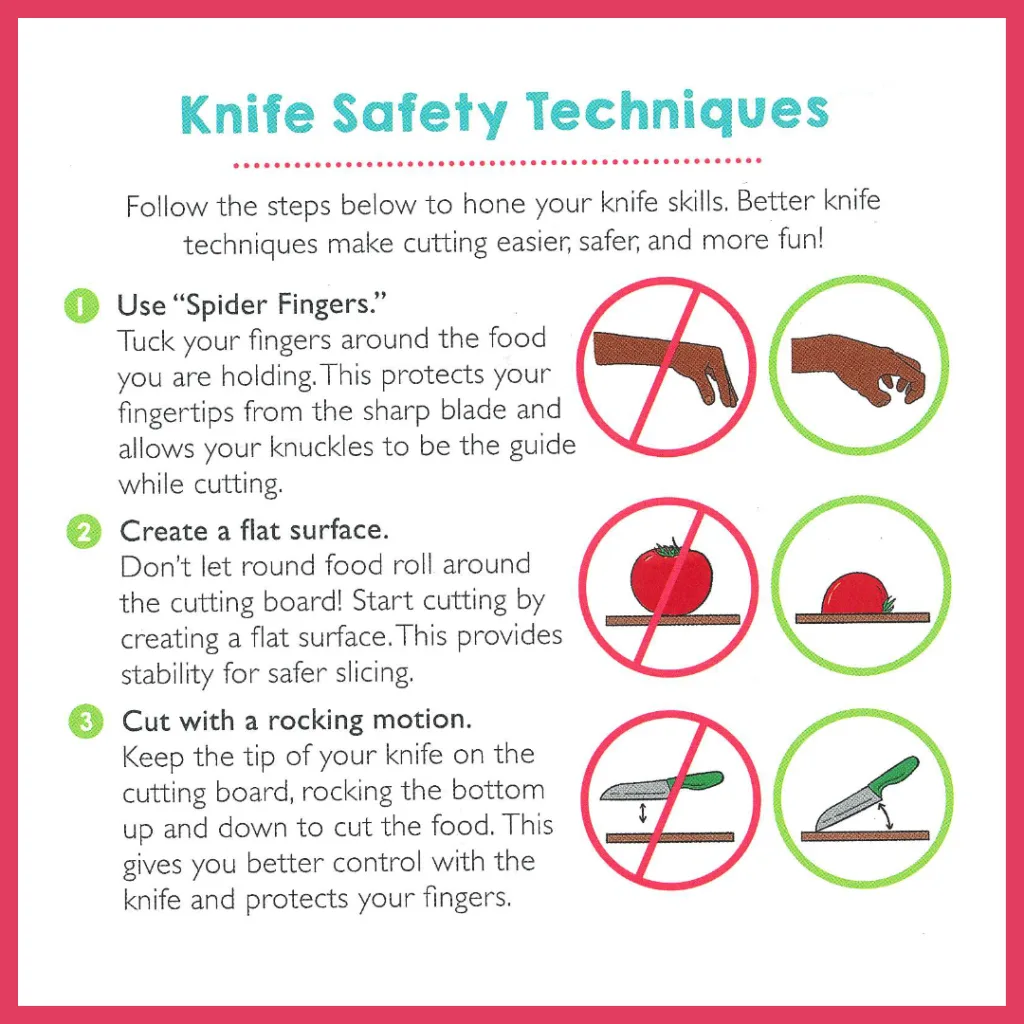
Image source: Bing (Web (fair-use with source credit))
The Sharp Truth: Why Dull Knives Are More Dangerous
It sounds backward, but a sharp knife is significantly safer than a dull one. People often fear sharp knives, but it's the dull ones that cause more trouble. When a knife isn't sharp, it doesn't slice cleanly through food.
Instead, it tends to tear or slip.
How Sharpness Prevents Slips
A sharp blade requires less pressure to cut through ingredients. It glides through with minimal effort, maintaining a consistent path. A dull knife, however, demands more force.
When you apply this extra pressure, the blade is much more likely to skid off the surface of the food, potentially leading to a serious cut on your hand or fingers. Think of it like trying to saw through wood with a dull saw versus a sharp one, the sharp saw works efficiently, while the dull one requires brute force and is prone to getting stuck or veering off course.
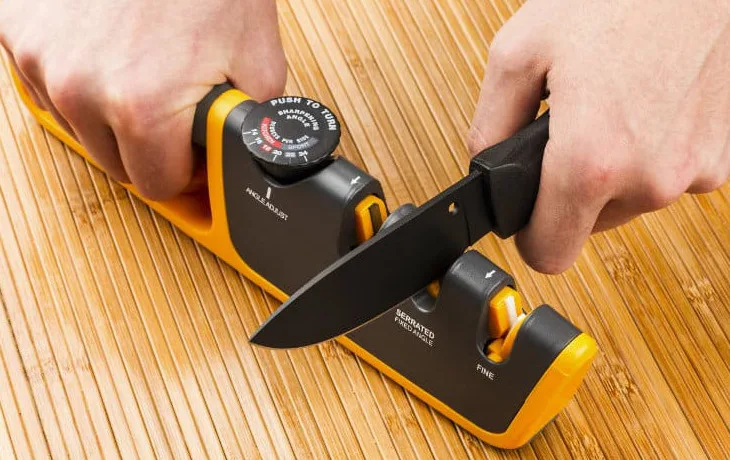
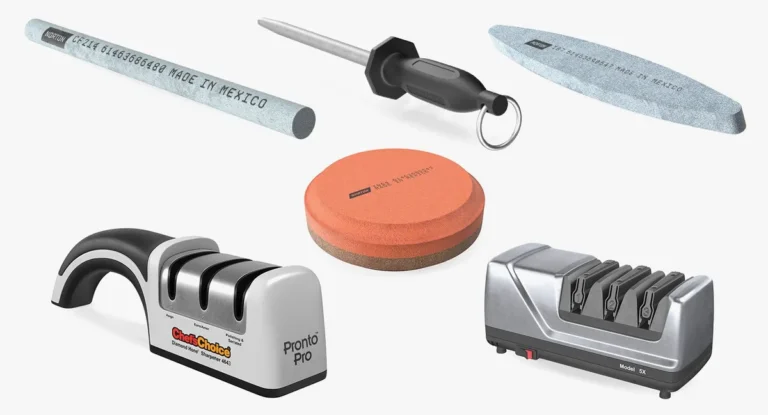
Keeping Your Knives Honed and Sharp
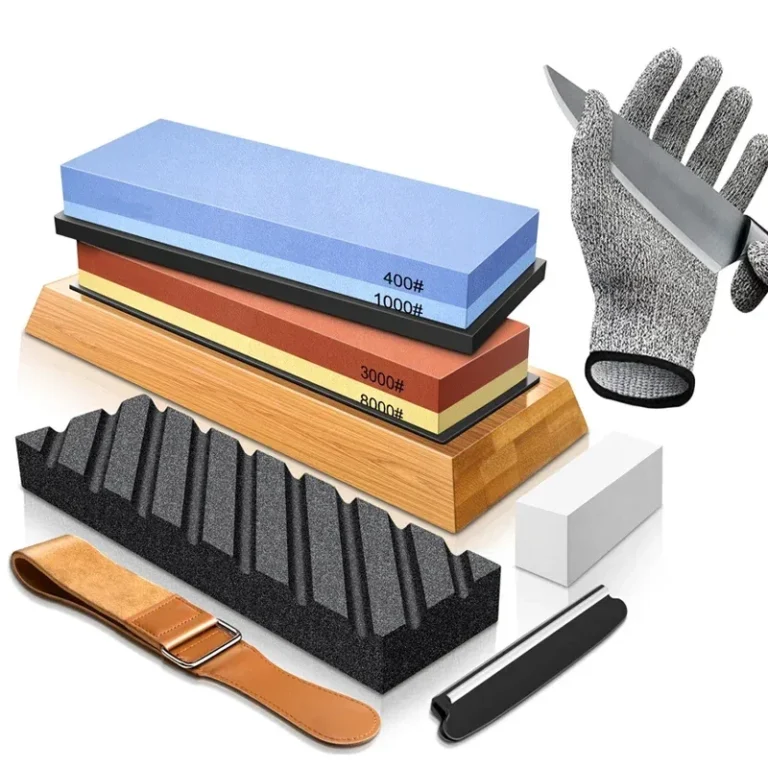
Regular maintenance is key. A honing steel realigns the microscopic teeth on the blade's edge, keeping it sharp between actual sharpenings. Most manufacturers, including those following guidelines from the American Society for Metals (ASM), recommend regular honing.
Professional sharpening or learning to sharpen your knives at home is necessary when the edge starts to feel dull. This ensures your tools are always ready for precise, safe cutting.
The Cutting Action: Smooth Moves for Safe Slices
The way you move the knife through the food is just as important as how you hold it. It's about fluid motion, not brute force. Different foods and knife types call for slightly different approaches.
Rocking the Blade
For many tasks, especially with a chef's knife and ingredients like onions or herbs, a rocking motion is ideal. You keep the tip of the knife anchored on the cutting board. Then, you lift the heel of the blade and bring it down through the food.
Repeat this motion, allowing the blade to rock back and forth. This creates a continuous cutting action without needing to reposition the knife multiple times for each slice.
Smooth Draw Cuts
For softer items, such as tomatoes, or when using a serrated knife on bread, a smooth draw cut is more effective. Here, the knife glides through the food in a single, steady motion. It's less about rocking and more about a controlled, back-and-forth pull or push, letting the blade’s sharpness do the work.
This minimizes the risk of the knife slipping sideways, which can happen with a rocking motion on slippery surfaces.
When You're Not Actively Cutting: Safe Habits
What you do with your knife when you're not cutting is just as critical as your technique while slicing. Many accidents happen when knives are left unattended or stored improperly. Establishing good habits here prevents unexpected dangers.
No More Sink Surprises
Never leave a knife submerged in a sink full of water. It's impossible to see, and anyone reaching into the sink could suffer a severe cut. Wash your knives immediately after use.
A quick rinse and dry is usually all that's needed. If you're washing by hand, hold the knife by the handle and move the blade away from you as you rinse.
Handling and Carrying Knives
If you need to move a knife from one spot to another, carry it safely. Hold it by the handle with the blade pointing downwards and the sharp edge facing away from your body. If you need to hand it to someone else, offer them the handle, again with the blade pointing down.
This simple courtesy drastically reduces the risk of accidental injury.
Storing Your Blades: Protection for You and Them
Proper knife storage protects both the blade and the user. Loose knives in a drawer can not only become dull from banging against other items but also pose a significant risk to anyone reaching into that drawer. Thoughtful storage keeps things organized and safe.
Knife Blocks and Magnetic Strips
A knife block, where each knife has its own slot, is a classic and effective storage solution. It keeps blades separated and protected. Magnetic strips mounted on the wall are also popular, offering easy access and visual appeal.
However, when placing knives on or removing them from a magnetic strip, do so with deliberate care, sliding them along the strip rather than pulling directly off, to preserve the edge.
Drawer Safety with Blade Guards
If a knife block or magnetic strip isn't an option, and knives must be stored in a drawer, blade guards are essential. These are sleeves that fit over the blade, protecting its edge and preventing accidental contact. Ensure the guard is the correct size for your knife.
Even in a drawer, keeping knives separated from other utensils helps prevent damage and reduces risk.
Common Knife Fumbles: Mistakes That Lead to Trouble
Even with good intentions, certain actions can quickly turn a safe kitchen practice into a dangerous situation. Recognizing these common mistakes is the first step to avoiding them entirely.
- Chopping on the Wrong Surface: Cutting directly on glass, ceramic countertops, or metal surfaces will dull your knife rapidly and can cause it to slip. Always use a wooden or plastic cutting board.
- Chasing a Falling Knife: If a knife slips from your grip, resist the urge to catch it mid-air. Let it fall. It’s far better to replace a damaged knife than to incur a serious injury trying to intercept it.
- Cutting Towards Yourself: Always angle the blade away from your body. This applies to slicing, dicing, and even paring.
- Ignoring a Slippery Board: As we discussed, a stable cutting surface is paramount. Don't proceed if your board is sliding.
Expert Advice for Confident Cutting
Building confidence with kitchen knives comes from consistent practice and mindful technique. It’s about respecting the tool and understanding its capabilities and limitations.
- Start Simple: If you're new to knife skills, begin with easier tasks. Practice dicing softer vegetables like zucchini before moving on to tougher items like butternut squash.
- Focus on Technique, Not Speed: Speed will naturally increase as your skill and confidence grow. Initially, prioritize correct grip, claw technique, and controlled cutting motions.
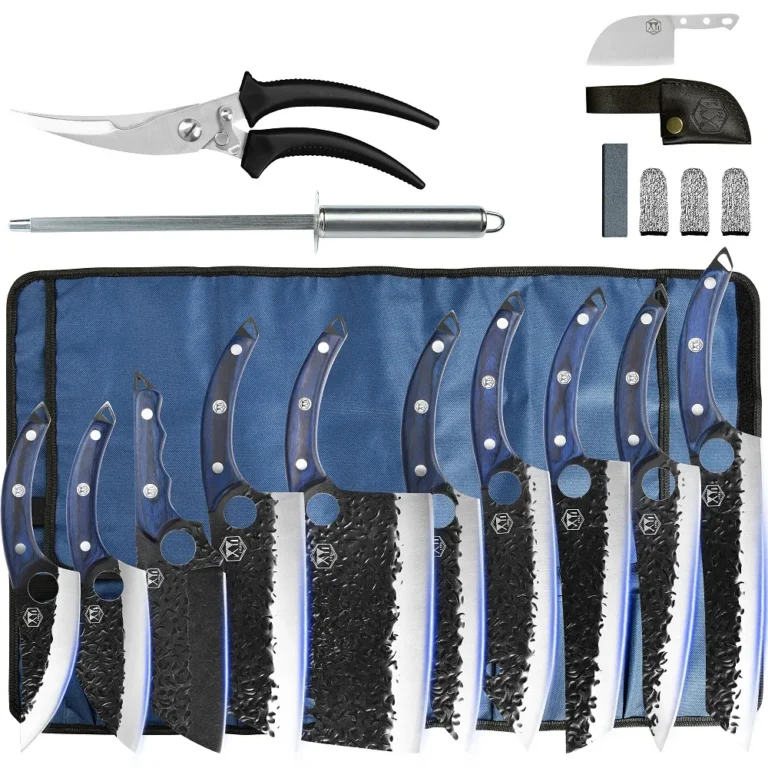
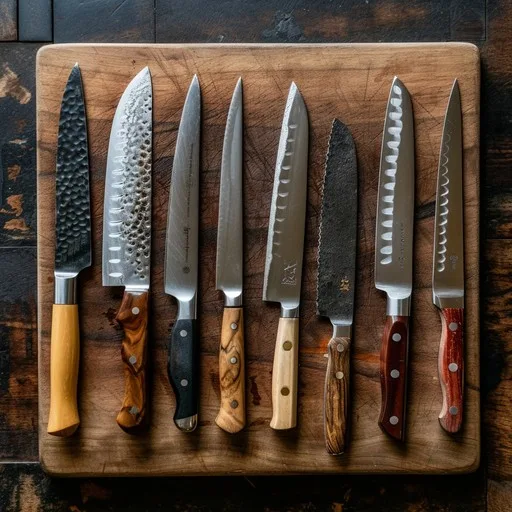
- Invest in Good Knives (and Care for Them): A few high-quality knives that are well-maintained will serve you better and safer than a large set of mediocre ones. Research brands and materials that suit your cooking style.
- Stay Present: Knife work requires your full attention. Avoid distractions like your phone or a busy conversation when you're actively chopping.
Following these principles helps ensure that your time in the kitchen is both productive and, most importantly, safe.
Frequently Asked Questions About Kitchen Knife Safety
Is it really that important to keep knives sharp?
Yes, it's vital. Sharp knives require less force to cut, meaning they are less likely to slip off ingredients and cause injury. Dull knives demand more pressure, which increases the risk of an uncontrolled cut.
How often should I sharpen my kitchen knives?
This depends on usage. For home cooks, sharpening might be needed every 6-12 months. Daily honing with a steel keeps the edge aligned, extending the time between professional sharpenings or DIY sharpening sessions.
What's the best way to carry a knife if I need to move it?
Always carry a knife with the blade pointing down and the sharp edge facing away from your body. Hold it firmly by the handle. If offering it to someone else, extend the handle first, keeping the blade pointed down.
Can I use a steel knife on a glass cutting board?
No, this is strongly discouraged. Steel knives can become dull quickly when used on hard surfaces like glass, ceramic, or stone. Always use a wooden or plastic cutting board designed for knife work.
Should I ever try to catch a falling knife?
Absolutely not. Never attempt to catch a falling knife. This is a common cause of severe hand and finger injuries.
Let the knife fall to the ground; it's much safer than risking a deep cut.
Your Kitchen Knife Safety Checklist
Mastering kitchen knife safety is an ongoing process, not a one-time lesson. By incorporating these practices into your routine, you can dramatically reduce the risk of accidents. Keep this checklist handy to reinforce good habits:
- Stable Surface: Always use a cutting board that won't slide. Use a damp towel or rubber mat if needed.
- Secure Grip: Employ the pinch grip for maximum control over your chef's knife and similar blades.
- Protect Fingers: Use the "claw" technique with your guiding hand, keeping fingertips tucked and knuckles as the blade guide.
- Sharpness is Safety: Ensure your knives are always sharp. Hone them regularly and sharpen them when needed.
- Mindful Motion: Use smooth, controlled cutting motions like rocking or drawing the blade, not hacking.
- No Distractions: Give your full attention to knife work. Avoid multitasking when using sharp blades.
- Safe Storage: Store knives in a block, on a magnetic strip, or with blade guards. Never leave them in the sink.
- When in Doubt, Stop: If you feel tired, rushed, or unsure, take a break or switch to a less demanding task.
These simple steps, when practiced consistently, will build your confidence and ensure your time in the kitchen is enjoyable and injury-free.