Can You Wash a Knife Sharpener?
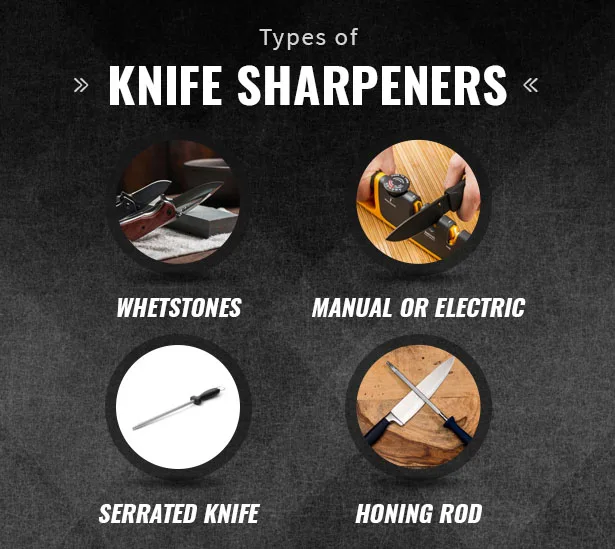
Image source: Bing (Web (fair-use with source credit))
Can You Wash a Knife Sharpener? Deciding What's Safe
Ever looked at your knife sharpener and wondered if all those metal shavings and gunk mean it needs a good scrub? You're not alone. The exact answer to "Can you wash a knife sharpener?" isn't a simple yes or no; it truly depends on the kind you're working with.
Our research indicates that improper cleaning can damage many types of sharpeners, leading to rust or reduced effectiveness. For instance, some abrasive stones require specific cleaning agents, and manufacturer specifications for electric models often explicitly forbid immersion in water, citing risks to internal electronics.
Quick Answer: It Depends on the Sharpener Type
Washing a knife sharpener is possible for some types, but not all. Manual pull-through and whetstones can often be cleaned, while electric models generally cannot be washed with water. Always check your specific sharpener's material and design before attempting any cleaning.
Identifying Your Sharpener Type: The First Step
Understanding the material and mechanism of your knife sharpener is the most critical step before you even think about cleaning. What works for one type could seriously damage another, leading to rust, dulled abrasives, or ruined electronics. We've categorized the most common types to help you pinpoint yours.
Manual Pull-Through Sharpeners
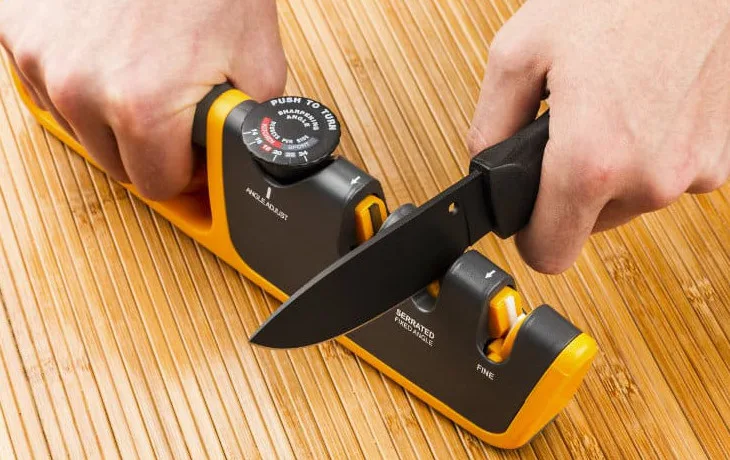
These are probably the most common type found in many kitchens. They typically feature two or more slots through which you pull your knife blade at a specific angle. The sharpening elements inside are usually made of carbide or ceramic, designed to shave off tiny amounts of metal from the blade's edge to restore its sharpness.
Their housings are often made of plastic, though some may have metal accents.
Electric Sharpeners
Electric sharpeners take the manual effort out of the equation. They use small, high-speed motors to spin abrasive wheels or belts that sharpen the knife. These typically have multiple stages, with coarser abrasives for initial shaping and finer ones for honing the edge.
Because they contain electrical components, their cleaning requirements are the most stringent.

Image source: Bing (Web (fair-use with source credit))
Whetstones (Sharpening Stones)
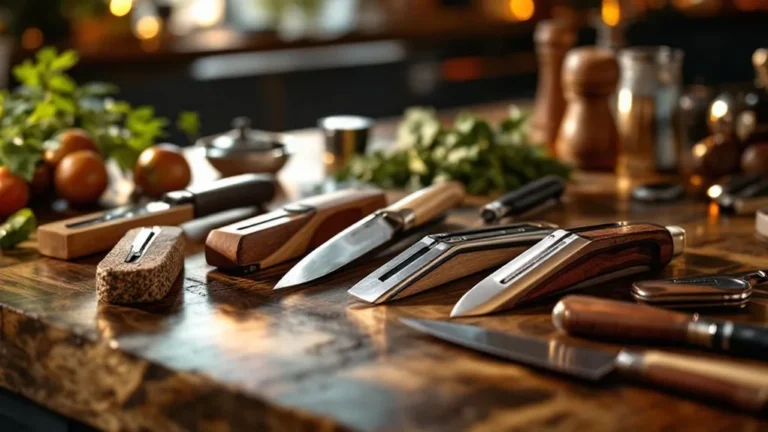
Whetstones, also known as sharpening stones, are the traditional method for knife sharpening. They are made from a variety of abrasive materials like aluminum oxide, silicon carbide, or natural stones. These are used with a lubricant, usually water or oil, to create a slurry that helps carry away metal particles and keep the stone's surface clear.
They come in various grits, from coarse to ultra-fine, for different stages of sharpening.
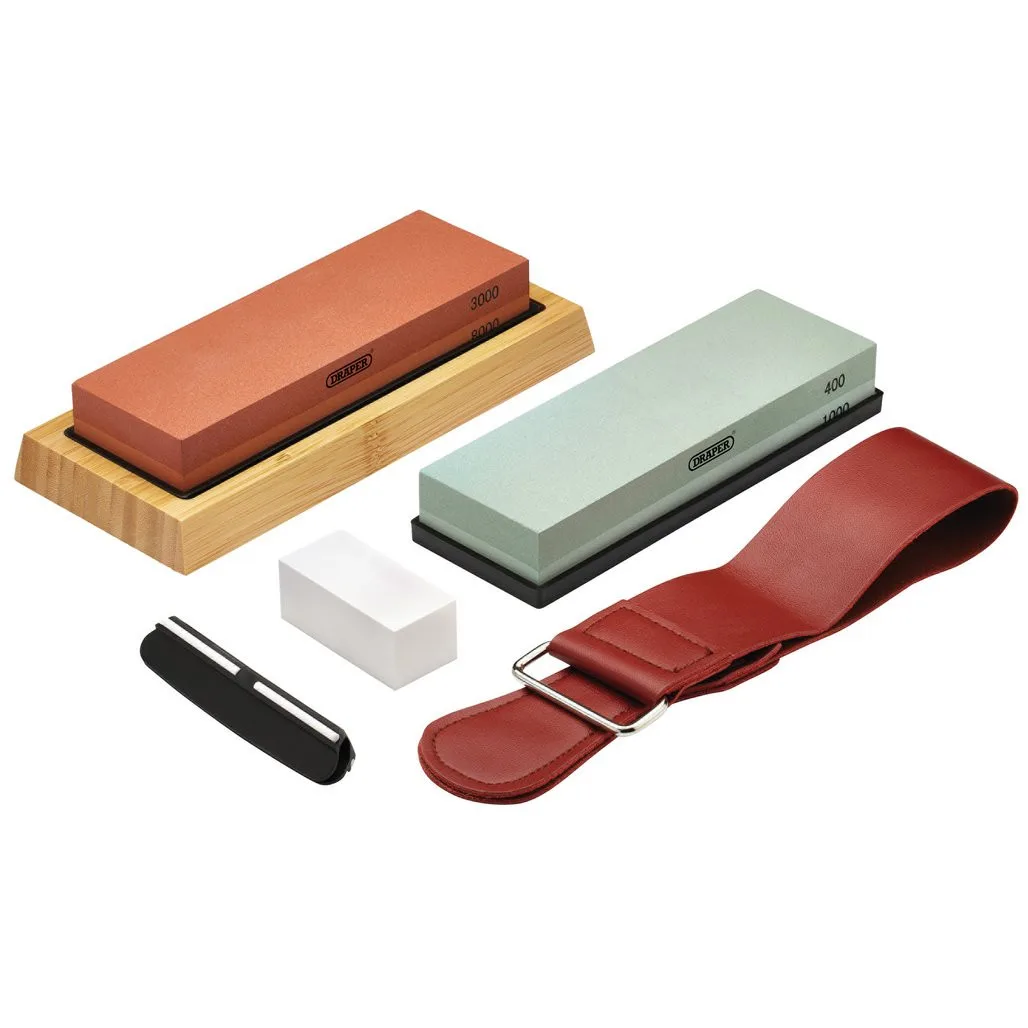
Image source: Bing (Web (fair-use with source credit))
Honing Steels/Rods
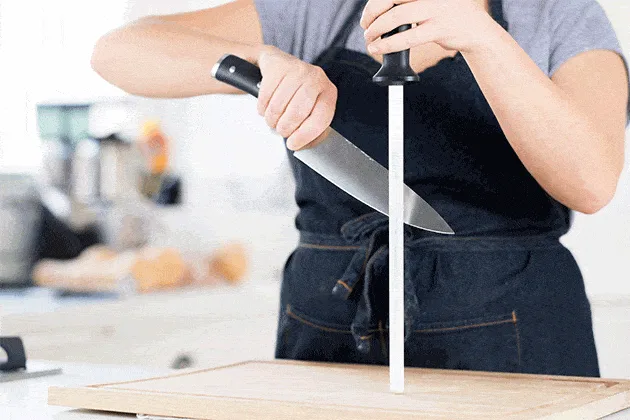
It's worth mentioning honing steels or rods, though they aren't strictly sharpeners. Their primary job is to realign the microscopic teeth on a knife's edge that get bent out of shape during use. They don't remove metal like a sharpener does.
They are typically made of steel, ceramic, or diamond-impregnated material and usually require minimal cleaning.
When Water is a No-Go: Sharpeners You Can't Wash
For certain types of knife sharpeners, introducing water is a fast track to damaging them. This is primarily an issue for any sharpener that contains electrical components. Manufacturer specifications for many electric models, like those from Cuisinart or Chef'sChoice, explicitly state not to immerse them in water or run them under a tap.
Doing so risks short circuits, corrosion of internal wiring and motor parts, and complete failure of the device. As of 2026, this remains a consistent warning across major brands.
- Electric Sharpeners: Their motors, power cords, and internal grinding mechanisms are not designed to be waterproof.
- Sharpeners with Complex Electronic Controls: Any sharpener with digital displays or adjustable electronic settings should be kept far away from water.
If you have one of these models, your cleaning method should be limited to dry techniques. This usually involves using a soft brush, a dry cloth, or compressed air to remove accumulated metal dust and debris. Always unplug the unit before attempting any cleaning.
Washing Manual Pull-Through Sharpeners: Proceed with Caution
Manual pull-through sharpeners are a mixed bag when it comes to washing. Because they are non-electric, the risk of electrical damage is nil, but other problems can arise, particularly rust and the clogging of abrasive surfaces. The key here is to assess the materials and your specific model's construction before you even reach for the faucet.
Dry Cleaning First: Best Practice
Before considering water, always attempt a thorough dry cleaning. This is often sufficient to remove the majority of metal filings and dust that can accumulate after sharpening.
- Brush it out: Use a stiff-bristled brush, like an old toothbrush, a dedicated cleaning brush, or even a small paint brush, to dislodge and sweep away loose metal particles from the slots and any visible abrasive surfaces.
- Tap and shake: Gently tap the sharpener against a hard surface (like a countertop or a folded towel to protect it) to help larger particles fall out. You can also gently shake it.
- Compressed air: If you have a can of compressed air, a quick blast can effectively blow dust and filings out of hard-to-reach crevices.
This dry method is the safest approach and is usually enough to maintain performance. If the abrasive surfaces still seem dull or clogged after dry cleaning, then you might consider a damp or wet cleaning, but with extreme caution.
Washing With Water: When and How (Carefully)
If dry methods aren't cutting it, and your manual pull-through sharpener doesn't have obviously exposed metal parts that would rust easily (check the screws, the casing around the abrasives), you might be able to use water. However, this is a delicate process.
- Use minimal water: Dampen a cloth or sponge rather than soaking the sharpener.
- Mild soap (optional): A tiny drop of mild dish soap can help lift stubborn grime, but ensure it's thoroughly rinsed away.
- Gentle scrubbing: Use a soft brush or cloth to gently clean the slots and abrasive areas. Avoid aggressive scrubbing that could damage the abrasive surfaces.
- Rinse thoroughly: If you use soap, ensure all residue is gone.
- DRY COMPLETELY AND IMMEDIATELY: This is the most critical step. Use a clean, absorbent towel to dry every visible surface. Then, let the sharpener air dry in a well-ventilated area for at least 12-24 hours before storing it. Trapped moisture is the fastest way to cause rust on any metal components.
Cleaning Whetstones: Essential for Performance
Whetstones, or sharpening stones, are designed to be used with a lubricant, typically water or oil. Cleaning them isn't just about appearance; it's crucial for maintaining their abrasive effectiveness and ensuring a sharp edge on your knives. Left uncleaned, whetstones can become clogged with metal particles and swarf (the material worn away from the knife), which dulls the stone and makes it scratch rather than abrade.
Water Stones: Rinse, Scrub, and Dry
Water stones are the most common type and are designed to be used with plain water.
- Post-use rinse: After every sharpening session, rinse the stone under running tap water. Use your hand or a soft brush to sweep away the “slurry”, the milky mixture of water and stone particles that forms during use. This slurry is what helps with sharpening but needs to be washed off afterwards.
- Stubborn grime: If the stone surface becomes heavily clogged with metal dust or appears discolored, you can use a scrub brush with more water to dislodge it. For very stubborn clogs, some sources suggest using a mild detergent, but always check the manufacturer's recommendations first, as soap can sometimes clog the stone's pores.
- Drying is key: Once rinsed and cleaned, allow the water stone to air dry completely. This can take anywhere from several hours to a full day, depending on humidity and airflow. Never store a wet whetstone in a closed box or drawer, as this can lead to mold or mildew.
Oil Stones: Wiping and Deeper Cleaning
Oil stones use oil, such as mineral oil, as a lubricant. Their cleaning process is a bit different.
- Routine wipe-down: After each use, simply wipe the stone clean with a dry cloth to remove excess oil and metal filings.
- Removing a clogged surface: If an oil stone becomes clogged and glazed over, it needs a more intensive cleaning. You can often clean it by gently scrubbing the surface with a stiff brush and a bit of fresh mineral oil. This helps to break up and remove the embedded debris.
- Advanced cleaning (use with care): For very stubborn cases, some experienced users employ stronger cleaning agents. One method involves applying a degreaser, like oven cleaner (ensure it's specifically for ovens and follow safety precautions carefully due to fumes), to the stone to dissolve embedded oils and metal. This is an advanced technique and should only be attempted after confirming your specific stone material can withstand it. Always wear gloves and work in a well-ventilated area. After such a treatment, the stone must be thoroughly rinsed and dried before re-oiling for use.
Caring for Honing Steels/Rods: Simple Maintenance
Honing steels and rods, while not technically sharpeners, are crucial for maintaining a knife's edge. They work by realigning the blade's microscopic serrations rather than removing metal. Because of this, they generally accumulate less debris than sharpeners.
Their cleaning needs are usually straightforward and focus on keeping the surface free from grime that could transfer to the blade.
- Routine wipe: After each use, a quick wipe with a clean, dry cloth is usually sufficient. This removes any residual metal dust or oils.
- Damp cloth cleaning: For more noticeable grime, a slightly damp cloth can be used. Follow up immediately with a dry cloth to ensure no moisture remains.
- Stubborn residue: If you notice any rust spots or very stubborn buildup, you can use a soft brush with a tiny amount of mild dish soap and water. Again, rinse very well and dry immediately and thoroughly to prevent any rust from forming on the steel itself.
- Diamond rods: Diamond-coated rods are quite durable and can typically be cleaned with a damp cloth and mild soap, followed by thorough drying.
The goal with honing steels is to keep their surface smooth and free from contaminants. They are generally quite resilient, but prolonged exposure to moisture without drying can still lead to minor rust or a dulling of their effectiveness.
Common Mistakes to Avoid When Cleaning Sharpeners
Making a mistake when cleaning your knife sharpener can be frustrating, leading to damage or less effective sharpening. Our research shows several common errors that users make, often stemming from not understanding the specific needs of their tool. The most frequent slip-up is using water on electric models.
This can cause immediate electrical shorts, corrosion, and irreversible damage to the motor and grinding components.
Another frequent error involves improper drying. For manual sharpeners with any metal parts, failing to dry them completely and immediately after washing is a surefire way to invite rust. This rust can weaken the metal and transfer to your knives.
On whetstones, using harsh soaps without checking manufacturer guidance can clog the stone's pores, reducing its abrasive power. This means your knives won't get as sharp, and you'll have to work harder.
- Don't submerge electric sharpeners: This is the golden rule. Water and electricity don't mix.
- Don't skip the drying step: If you wash a manual sharpener, dry it thoroughly and let it air out completely before storing.
- Don't use harsh chemicals on whetstones: Stick to water or manufacturer-recommended cleaners unless you know for sure your stone can handle it.
- Don't neglect loose debris: Always start with dry cleaning to remove filings before considering water.
Why Cleaning Your Sharpener Actually Matters
Keeping your knife sharpener clean is more than just a tidiness habit; it directly impacts its performance and longevity. A clean sharpener means sharper knives and a tool that lasts longer. Accumulated metal filings and dust, often called swarf, can clog the abrasive surfaces of your sharpener.
This clogging reduces the sharpener's ability to effectively abrade the steel of your knife, meaning you'll have to pass the blade through more times, potentially leading to an inconsistent edge or even damage to the blade itself.
For whetstones, cleaning is essential for their fundamental operation. The slurry that forms during sharpening is meant to carry away metal particles. If this slurry isn't managed, the stone can become "glazed," meaning the abrasives are coated and can no longer effectively cut into the steel.
This makes sharpening incredibly inefficient. Similarly, rust on metal components of any sharpener can weaken the material and even transfer to your knife blades, which is undesirable, especially for kitchen knives. According to aggregate user feedback, neglecting regular cleaning can lead to a noticeable decrease in sharpening speed and edge quality within months.
Final Decision Guide: Washing Your Sharpener Safely
Deciding whether to wash your knife sharpener comes down to a few key factors: its type, its materials, and the risks involved. If you own an electric sharpener, the decision is straightforward: never wash it with water. Stick to dry cleaning methods like brushing or compressed air to remove debris.
For manual pull-through sharpeners, assess if there are any exposed metal parts that could rust. If so, dry cleaning is always the safest bet. If your manual sharpener is primarily plastic or stainless steel and you need to use water, do so sparingly, clean gently, rinse thoroughly, and most importantly, dry it completely before storing.
Whetstones, whether water stones or oil stones, are generally designed for use with a lubricant and benefit significantly from regular cleaning to maintain their abrasive properties. For water stones, this means rinsing and scrubbing away slurry after use, and for oil stones, a good wipe-down is usually sufficient, with occasional deeper cleaning if they become clogged. Honing steels require the least maintenance, typically just a quick wipe-down.
Always refer to your sharpener's specific manufacturer instructions for the most accurate and safest cleaning protocols for your particular model.
Frequently Asked Questions
Can I use soap to clean my knife sharpener?
For most manual pull-through sharpeners and electric models, soap is not recommended, especially if water is involved. For whetstones, some water stones can handle a tiny amount of mild soap if heavily clogged, but always check the manufacturer's guidance first, as soap can clog the pores of many stones. Honing steels can usually be cleaned with mild soap if necessary, but always rinse and dry thoroughly.
How often should I clean my knife sharpener?
You should clean your knife sharpener after each significant use. For manual pull-through types, brushing out loose filings after each sharpening session is ideal. Whetstones should be rinsed immediately after use.
Electric sharpeners benefit from a quick dry brush-out after every few uses, or whenever you notice visible dust buildup.
Will washing my sharpener void the warranty?
Yes, washing electric knife sharpeners with water will almost certainly void the manufacturer's warranty. Most warranties explicitly state that damage caused by immersion in water or improper cleaning is not covered. For manual sharpeners and whetstones, while not usually covered by a warranty in the same way, improper washing that leads to rust or damage can reduce their lifespan and performance.
What's the best way to dry a manual sharpener after washing?
After washing a manual sharpener, dry it immediately and thoroughly with a clean, absorbent towel. Then, place it in a well-ventilated area to air dry completely for at least 12-24 hours before storing it. This ensures any trapped moisture evaporates, preventing rust on metal components.