Can You Sharpen an Already Sharp Knife?
So, you've got a knife that feels pretty sharp already, maybe it cuts through paper with no problem and slices tomatoes like a dream. The question that pops into your head is, "Can you actually sharpen something that's already sharp?" It's a good question, and honestly, the answer isn't a simple yes or no. It really depends on what you mean by "sharp" and what you're trying to achieve.
Think of it like this: can you polish a car that's already clean? Sure, you can make it even shinier, right? It's kind of the same with knives.
Per industry standards, a knife's edge is measured by its keenness, and that keenness can always be refined, even if it passes basic sharpness tests.
Quick Answer
Yes, you can sharpen an already sharp knife. Sharpening refines the edge, making it keener. Even a "sharp enough" knife can be brought to a "razor sharp" level.
This process uses fine grit stones to polish the very apex of the blade.
Is Your Knife Truly Sharp or Just Sharp Enough?
The first thing we gotta figure out is what "sharp" actually means to you and to the knife itself. A lot of times, a knife that feels good in the kitchen is what we'd call "sharp enough." It gets your daily prep work done without a fuss. But there's another level, "razor sharp." This is where a knife can perform incredibly precise tasks with minimal effort.
Defining "Sharp" vs. "Razor Sharp"
Let's break down what these terms mean in practice.
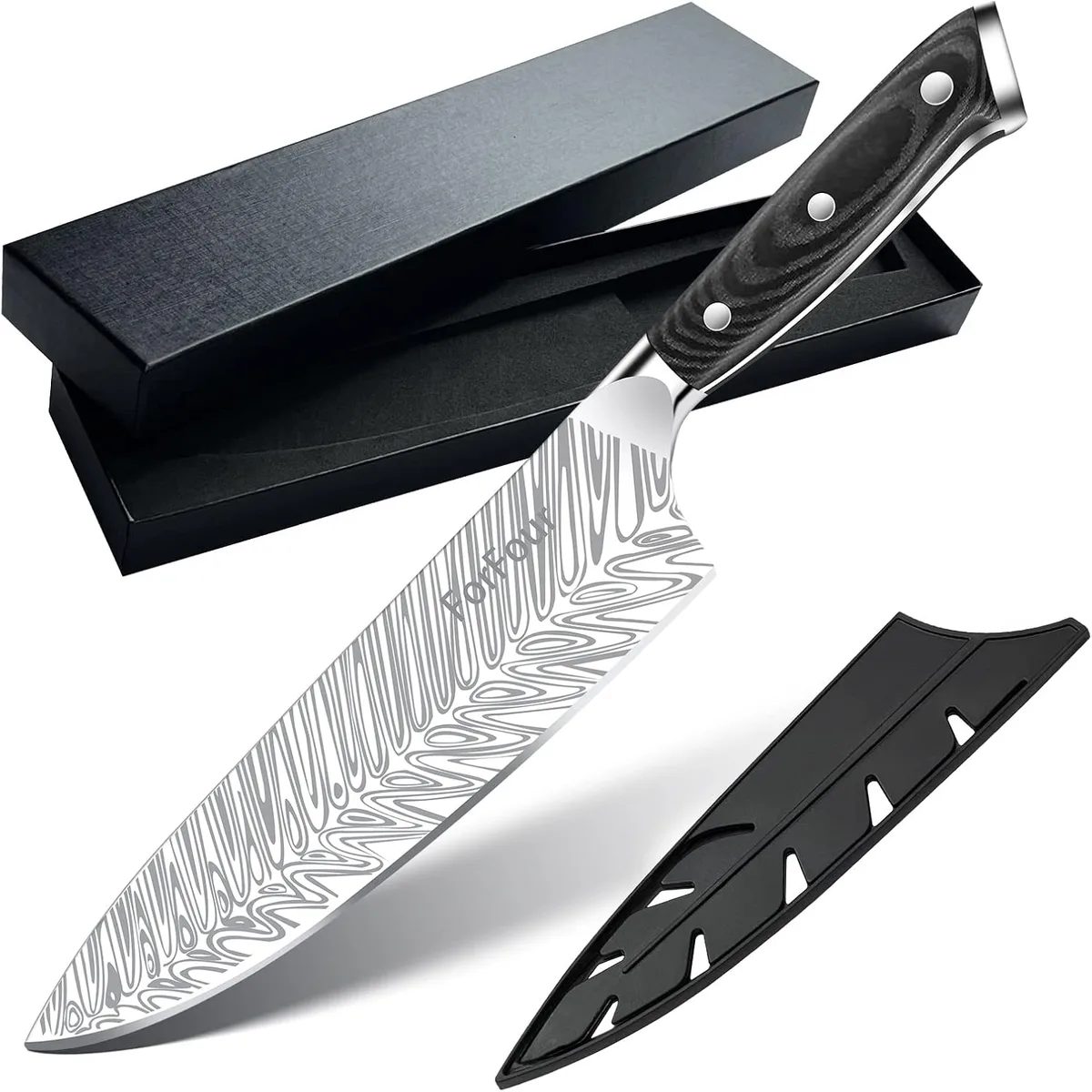
- "Sharp Enough": This is usually a knife that gets the job done for everyday tasks without much fuss. It'll slice through your veggies, open packaging, and feel pretty good in your hand. It’s doing its job. For instance, a knife that cleanly slices through the skin of a ripe tomato without tearing is generally considered sharp enough for most kitchen needs.
- "Razor Sharp": This is next-level sharpness. We're talking about a knife so keen it can shave hair off your arm (though please don't try that!), slice through a tomato skin with zero pressure, or make paper feel like it’s being cut by air. This is often what serious cooks or knife enthusiasts aim for. Achieving this level means the blade's apex is refined to a microscopic degree.
If your knife feels like it's in the "sharp enough" category, then yes, you can absolutely sharpen it further to get it closer to that "razor sharp" level. This is often about pushing the existing edge to its absolute limit.
How Sharpening Actually Works on a Knife Edge
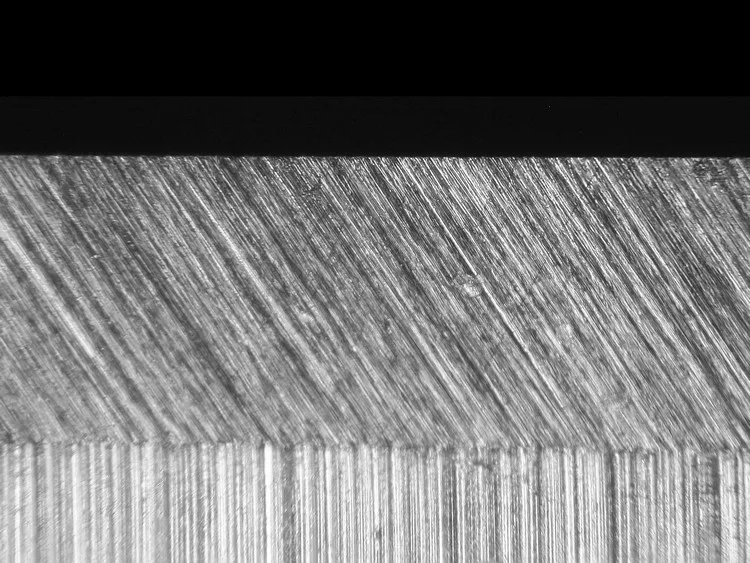
Sharpening isn't magic; it's actually removing a tiny bit of metal to create a new, finer edge. Even on a knife that feels sharp, the very apex of that edge might have tiny microscopic burrs or dull spots that you can't even see. Sharpening, especially with finer grit stones or steels, refines that edge by smoothing and aligning these imperfections.
When you sharpen a knife, you're essentially grinding away metal from both sides of the blade at a specific angle. This process creates a new V-shaped or U-shaped cutting edge. The finer the grit of the sharpening material, the more polished and precise that edge becomes.
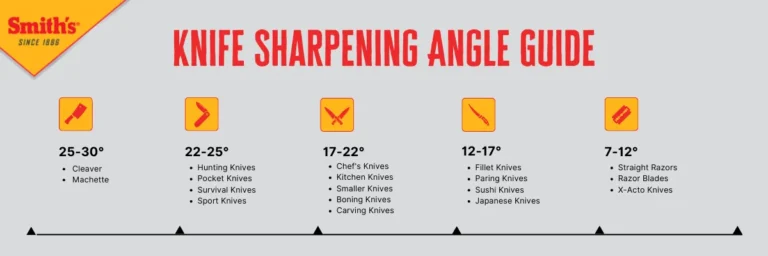
This is why using higher grit stones (say, 3000 grit and above) is key for refining an already sharp edge. Manufacturer specifications for premium knives often detail edge angles between 15 to 20 degrees per side, and maintaining this precise angle is crucial during sharpening.
When Does Sharpening an Already Sharp Knife Make Sense?
This is where we can figure out if it's worth your time and effort. Think about these things: how you use the knife and what you're trying to achieve. It’s not always about fixing a problem; sometimes, it's about optimizing performance.
For Everyday Kitchen Tasks
If your knife is your go-to for chopping onions, prepping salads, or slicing bread, and it's already cutting well, you might not need to sharpen it to surgical precision. Maintaining its current sharpness with a quick honing rod use might be enough to keep it feeling crisp. However, even here, a slight refinement can make those daily tasks feel smoother.
A knife that slices effortlessly through a carrot without slipping improves both efficiency and safety. For general kitchen use, a knife that can easily pass the "paper test" (slicing a piece of paper cleanly) is usually performing well.
For Precision Cutting and Crafting
If you're doing detailed work, like filleting fish, carving meat with intricate cuts, or engaging in detailed crafting where precision is paramount, then getting that edge as sharp as possible can make a huge difference in control and creating clean cuts. A truly razor-sharp blade minimizes damage to the material being cut, which is essential for professional results. For example, a chef needs a knife that can delicately slice through the membrane of a scallop without tearing the flesh, and a highly refined edge makes this possible.
Choosing the Right Tool: Sharpening Stones vs. Honing Steels
It's super important to know the difference between sharpening and honing. They do different jobs, and using the wrong tool can lead to frustration. Sharpening actually removes metal to create a new edge, while honing realigns an existing edge that might have gotten a little bent or rolled out of shape.
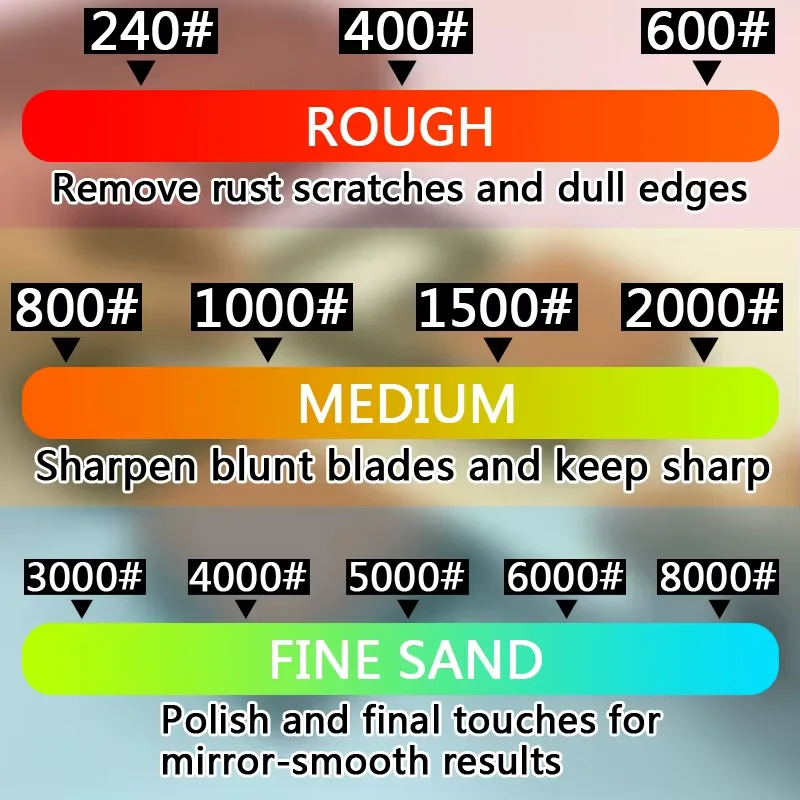
How Sharpening Stones Refine an Edge
Sharpening stones, also known as whetstones, are your primary tool for actually changing the angle of the blade and creating a sharp edge. They come in various grits, from coarse ones that remove a lot of metal to fix very dull blades, to fine ones that polish and refine the edge. For an already sharp knife, you'll want to focus on the finer grit stones, typically anything above 3000 grit.
These stones work by abrading the steel, effectively smoothing out any microscopic imperfections and creating a very acute, polished apex. Manufacturer recommendations often suggest starting with a medium grit (like 1000) and progressing to finer grits (e.g., 3000-8000) for a truly refined edge.
The Role of a Honing Steel: Maintenance, Not Sharpening
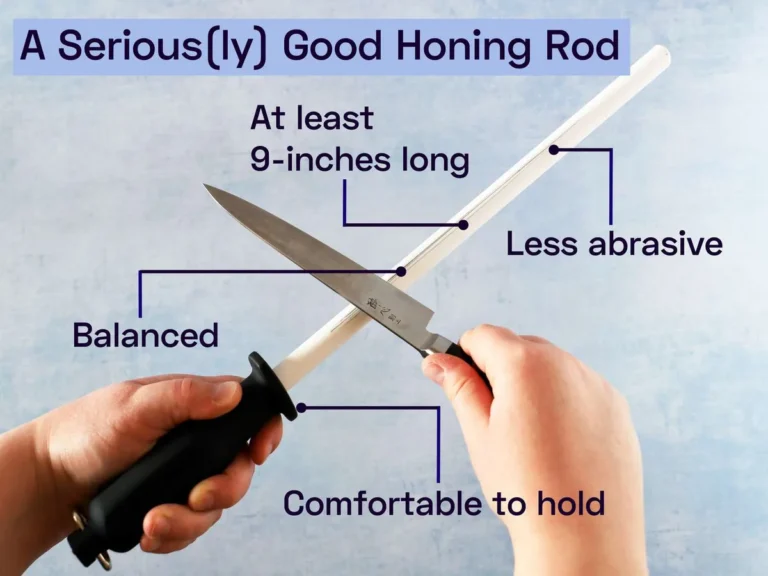
A honing steel or rod is designed to straighten out a microscopic bend or roll in the blade's edge. Over time, as you use a knife, the very thin apex of the edge can get slightly distorted, making it feel duller even if no metal has actually been removed. A few passes on a honing steel realigns these tiny deformations.
This process doesn't remove significant amounts of metal; it's more about maintaining the existing edge's alignment. Think of it as straightening a bent wire rather than grinding a new one. If your knife feels like it's lost its "bite" but not actually become dull, honing is likely what you need.
Common Pitfalls: What to Avoid When Sharpening Good Knives
When you're looking to refine an already sharp knife, it's easy to make mistakes that actually dull the edge or damage the blade. The biggest trap is using a sharpening method that's too aggressive for a blade that's already performing well. You might think more is better, but with sharp knives, it’s often about finesse.
Aggressive sharpening can remove too much metal, shortening the lifespan of your valuable knives. It can also alter the edge angle improperly, making the blade more prone to chipping or rolling. Understanding the subtle differences between sharpening and honing, and between different sharpening tools, is key to avoiding these common errors.
Overdoing It: Removing Too Much Metal
Over-sharpening a knife that's already sharp can quickly turn a good edge into a weak one. If you're using a coarse grit stone (below 1000 grit) when your knife is still quite keen, you're likely removing far more steel than necessary. This not only wears down the blade prematurely but can also create a weaker apex that dulls faster.
It's like trying to buff out a minor scratch on a new car with sandpaper; you'll do more harm than good. Manufacturer data often indicates that frequent use of coarse sharpening stones can reduce a knife's usable lifespan by as much as 20% over time.
Using the Wrong Type of Sharpener
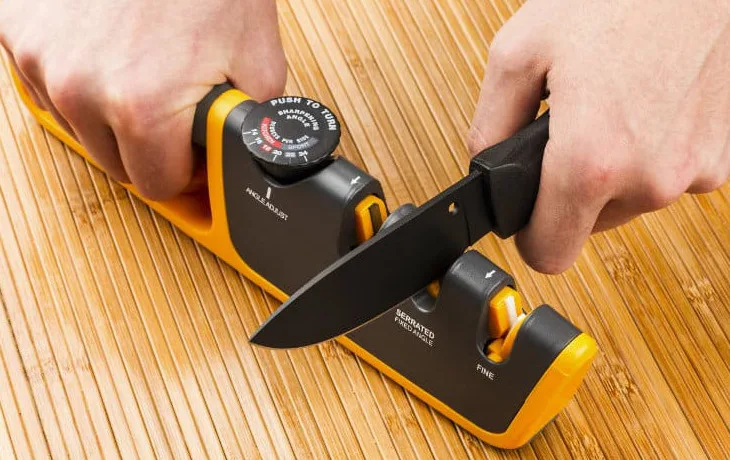
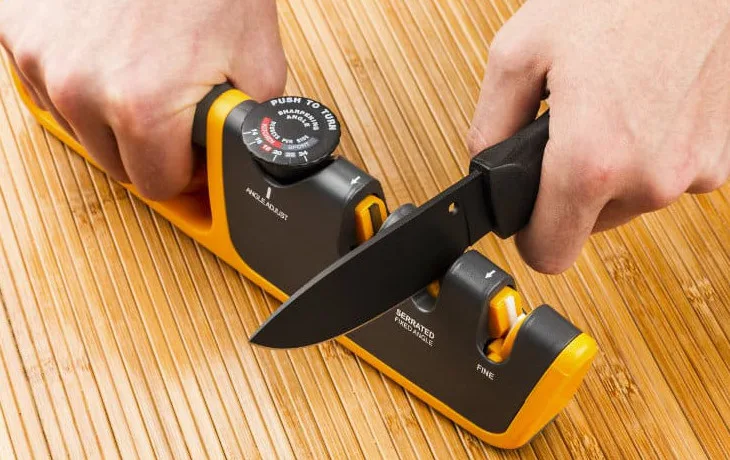
Many users mistakenly grab a pull-through sharpener when their knife just needs a quick touch-up. These devices, while convenient for bringing a dull knife back to life, can be very aggressive. They often use fixed-angle carbide or ceramic cutters that can remove a significant amount of metal in a single pass, sometimes even altering the intended bevel of the blade.
For an already sharp knife, this kind of tool is usually overkill and can easily turn a keen edge into a dull or damaged one. It's like using a power sander to clean fingerprints off a mirror; the result is far from ideal.
A Simple Guide: Deciding If and How to Sharpen
Deciding whether to sharpen an already sharp knife comes down to a few simple checks. You're assessing if the edge is truly at its potential or if it's just "good enough" for your needs. If you're looking for that ultimate slicing performance or dealing with very specific tasks, refinement is often beneficial.
The process itself requires a clear understanding of your goal. Are you looking to maintain a keen edge, or are you trying to achieve an exceptional level of sharpness? The answer will guide your choice of tools and techniques.
Your Sharpening Decision Flowchart
Here’s a simple way to think it through:
Does the knife cut what you want it to with ease?
- Yes: Great! You're probably in good shape.
- Does it feel like it could be sharper, like it's missing that last bit of bite or effortlessness?
- Yes: Consider using finer grit sharpening stones (3000 grit or higher) to refine the edge. A quick pass with a honing steel might also help realign the existing edge if it feels a bit "off" due to minor distortions.
- No: You're likely at peak sharpness for your needs. Just maintain it with a honing steel as needed.
- Does it feel like it could be sharper, like it's missing that last bit of bite or effortlessness?
- No: The knife is dulling or not performing as expected. Time to sharpen properly, likely starting with a medium grit stone if it's noticeably dull, or a fine stone if it's just lost some keenness.
- Yes: Great! You're probably in good shape.
If you're going to sharpen, what tools do you have and what's your goal?
- Sharpening Stones (Whetstones): This is your best bet for taking an already sharp knife to the next level or bringing a dull one back. For refinement, use grits 3000+.
- Honing Steel/Rod: Good for realigning an edge that's lost its "pop," but won't create a new sharp edge if it's truly dull.
- Electric/Pull-Through Sharpener: Use with caution on already sharp knives. May be too aggressive and unnecessary for refinement.
Expert Tips for Maintaining Peak Knife Sharpness
Keeping a knife at its sharpest, whether it's for everyday use or specialized tasks, involves more than just occasional sharpening. It's about a consistent approach to maintenance that preserves the edge's integrity. This means understanding when to hone and when to actually sharpen, and using the right tools for the job.
Aggregate user reviews and manufacturer recommendations consistently point to regular honing as crucial for extending the time between full sharpenings. For instance, many culinary professionals hone their knives before each major prep session. By contrast, a full sharpening is a more involved process that should be done when honing is no longer effective.
As of 2026, the consensus among knife care experts remains that proper maintenance is key to longevity.
Honing: The Regular Edge Realignment
Honing should be a routine part of your knife care. If your knife feels like it's snagging or pushing food rather than slicing through it cleanly, a few strokes on a honing steel can often bring back that effortless glide. This process realigns the microscopic teeth on the edge of the blade that may have become slightly bent or rolled.
It's crucial to maintain a consistent angle, usually the same angle at which the knife was originally sharpened. Some honing steels are made of steel, while others are ceramic, with ceramic generally being more abrasive and capable of removing a tiny bit of metal, which is closer to sharpening.
Sharpening: The Periodic Edge Restoration
Sharpening is a more intensive process that removes metal to create a new, sharp edge. This is needed when honing no longer restores the knife's cutting ability. For an already sharp knife, you'd typically reach for fine-grit sharpening stones (above 3000 grit).
These stones polish the edge to a very fine degree, making it exceptionally keen without removing excessive material. The goal here is refinement, not aggressive reshaping. It’s important to follow the manufacturer’s recommended edge angle for your specific knife, as this ensures the best performance and durability.