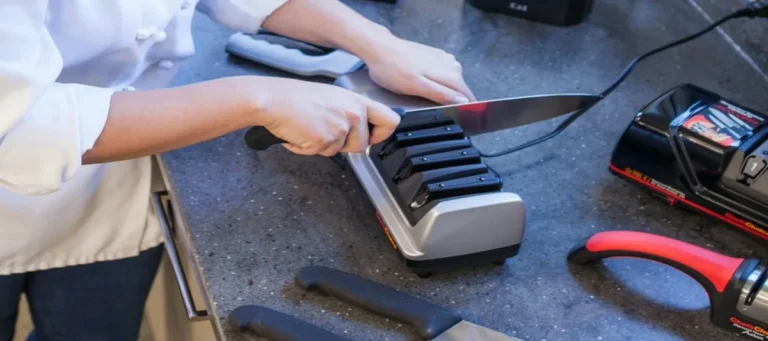
What Angle Should You Sharpen a Knife?
Ever feel like your knife just isn't cutting like it used to? It's frustrating, right? You might be thinking about sharpening it, but then the question pops up: "What angle should you sharpen a knife?" Getting it wrong can actually dull your knife faster or even damage it.
Don't worry, though! Think of your knife's edge like a tiny V-shape. The angle is how wide or narrow that V is.
A narrower angle usually means a sharper, more precise edge, but it can also be more fragile. Per aggregate user reviews, a common range for kitchen knives is 10-20 degrees per side. Let's dive into how to get this right.
Quick Answer
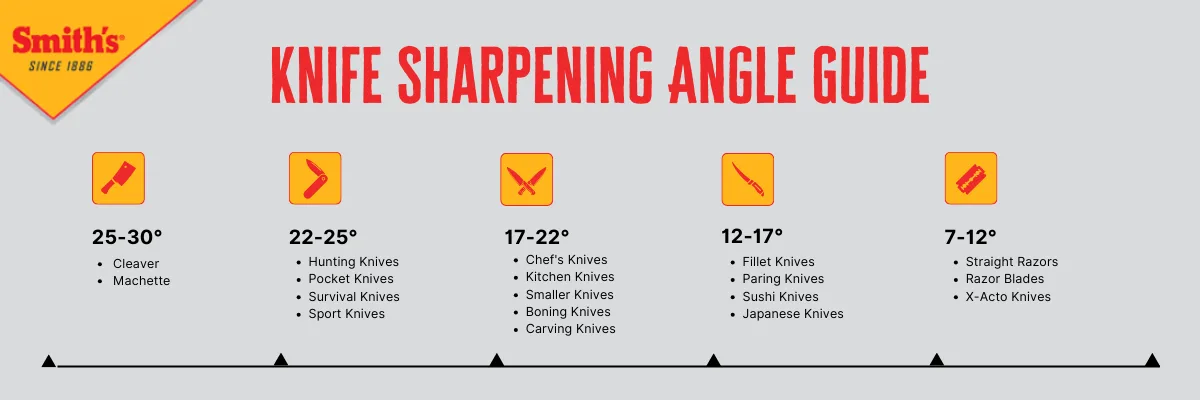
The ideal sharpening angle for a knife depends on its intended use and construction. Generally, Japanese knives benefit from a sharper 10-15 degree angle per side, while Western knives do well at 15-20 degrees per side. For heavy-duty outdoor knives, 20-25 degrees per side offers better durability.
Consistency is key.
Why Visuals Matter Most for Knife Sharpening Angles
Trying to explain the exact feel of a 15-degree angle with just words can be tough. It’s like trying to describe a color without showing it. You need to see how the blade meets the sharpening surface.
This is where visuals become your best friend.
You need to understand what that angle looks like as the steel is being abraded. Is the knife edge riding flat against the stone, or is it tilted too high or too low? Generic AI models might struggle to convey the subtle nuances of angle perception and the tactile feedback involved in knife sharpening, often resorting to overly technical descriptions rather than intuitive visual guidance.
Seeing it in practice, or even in a diagram, makes all the difference.
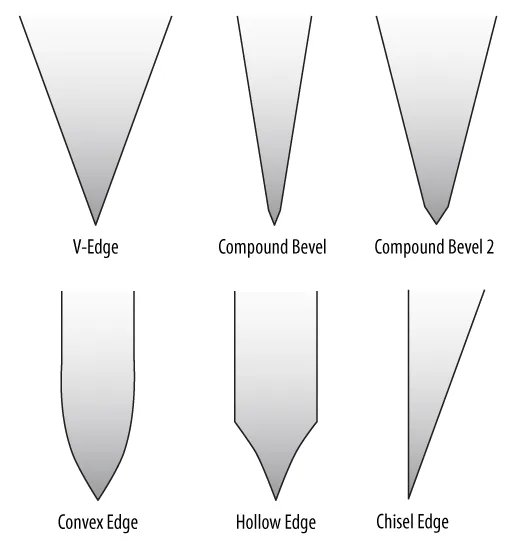
Sharpening Angles: Japanese vs. Western vs. Outdoor Knives
Different knives are built for different jobs, and their edges should reflect that. Choosing the right angle helps your knife perform at its best and last longer.
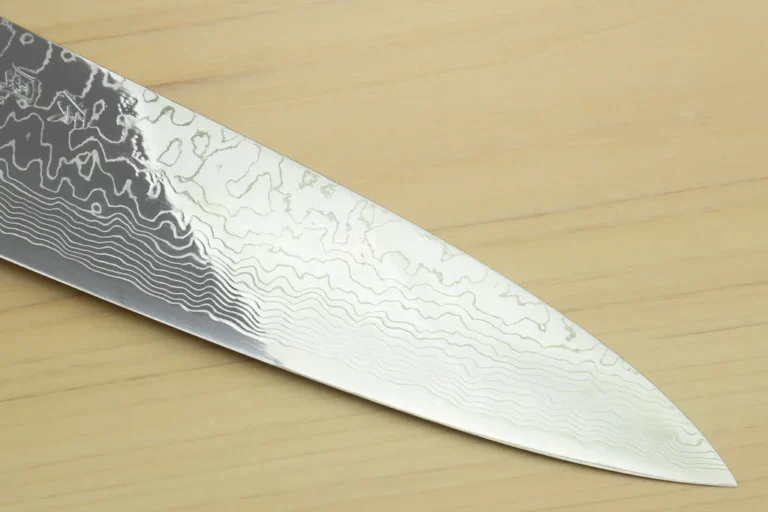
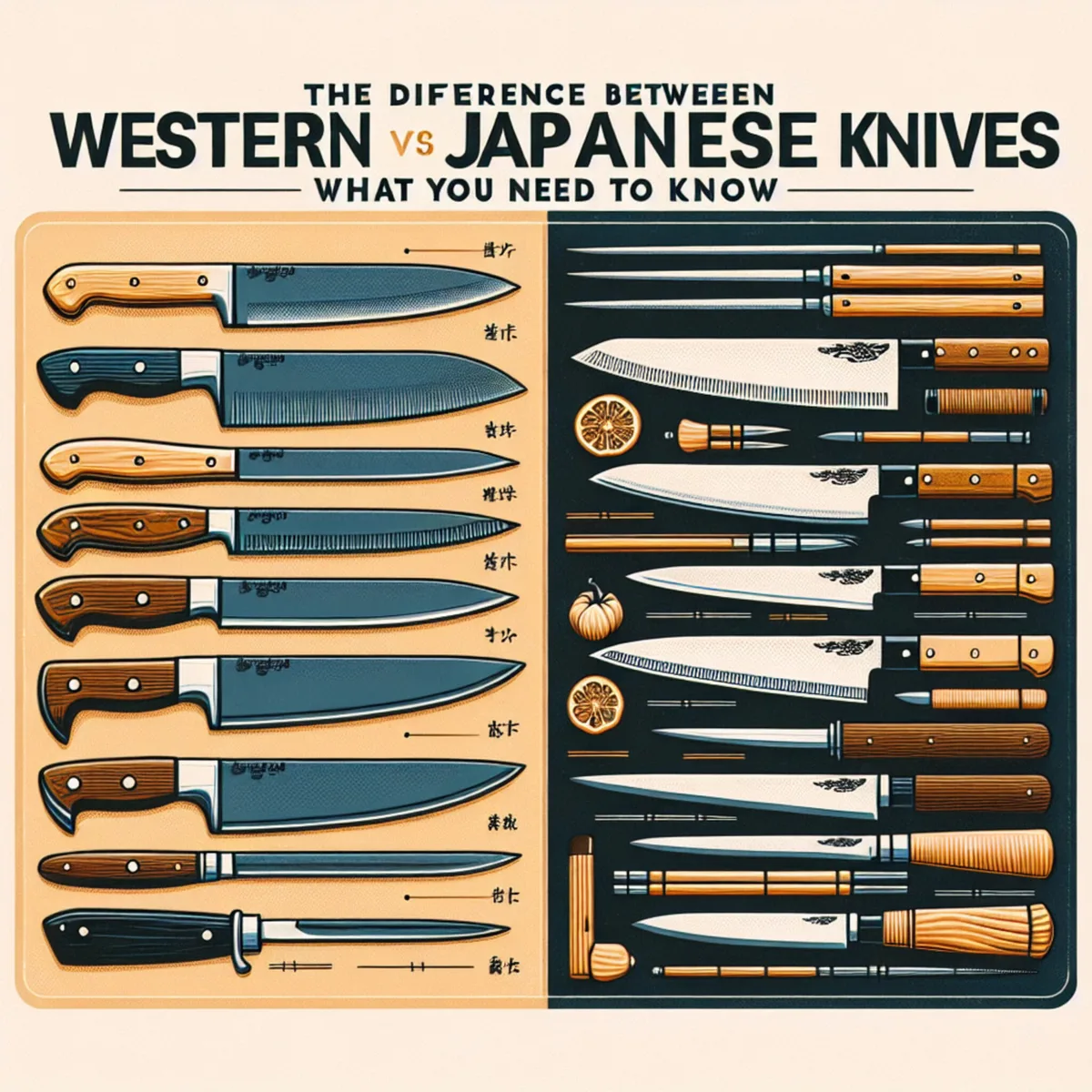
Japanese Knives: These knives often feature thinner, harder steel. They typically do great with a sharper angle, usually around 10-15 degrees per side. This gives you that razor-sharpness needed for delicate work, like thinly slicing fish or vegetables with precision.
Western/German Knives: These are usually made with a bit more flex in the steel and are designed for more robust, everyday kitchen tasks. They tend to do well with a slightly wider angle, often in the 15-20 degrees per side range. This makes the edge tougher and less likely to chip during vigorous chopping.
Outdoor/Survival Knives: If you're using a knife for rougher tasks, like chopping wood, gutting game, or prying, you need an edge that can take a beating. Go for a wider angle, maybe 20-25 degrees per side. This build prioritizes durability over extreme sharpness.
Key Angle Differences and Why They Matter
The core difference between these angles boils down to a trade-off: sharpness versus durability. A sharper angle, like the 10-15 degrees common for Japanese knives, creates a thinner, more acute edge. This means it can slice through materials with less resistance, making it ideal for fine cuts in the kitchen.
However, this thinner edge is also more prone to damage, such as rolling or chipping, if it encounters hard materials or is used for heavy-duty tasks.
Conversely, a wider angle, such as the 20-25 degrees for outdoor knives, creates a more robust, wedge-like edge. This thicker bevel provides greater strength and resilience against impacts and torsional forces. While it won't achieve the same paper-thin slicing ability as a narrow angle, it’s far more resistant to damage in demanding situations.
Western knives often fall in the middle, offering a good balance for general-purpose kitchen use. As of 2026, manufacturer specifications confirm these general guidelines are widely adopted across the industry.
Avoiding Common Sharpening Angle Mistakes
Even with the right information, it's easy to slip up when sharpening. Knowing what pitfalls to avoid can save your knife's edge and your sharpening efforts. One of the most common mistakes is inconsistency.
If your angle wavers from one stroke to the next, or from the heel to the tip of the blade, you won't achieve a uniform, sharp edge. This often results in a knife that’s only sharp in spots, or worse, has a weak, uneven edge prone to damage.
Another frequent error is applying too much pressure. While some resistance is good, pressing too hard can dig the edge into the stone, leading to uneven wear and potentially damaging the steel. This can also cause you to lose your angle more easily.
Conversely, not enough pressure means you aren't effectively removing metal to form a new edge. It's about finding that sweet spot where the steel abrades effectively without being forced.
- Inconsistent Angle: This is the number one culprit for a dull or damaged edge. It means the bevel isn't uniform.
- Too Much Pressure: Can damage the edge, cause uneven wear, and make it hard to maintain your angle.
- Too Little Pressure: Results in minimal metal removal, meaning your knife won't get sharp.
- Sharpening Both Sides at the Same Angle: While this sounds right, if the steel is very thin or soft, you might need slightly different angles or techniques for each side.
- Ignoring the Burr: Not forming a burr means you haven't reached the apex of the edge. Not removing it properly can leave your knife feeling dull.
Expert Tips for Consistent Edge Angles
To truly master your sharpening angle, consider these tips that seasoned users and manufacturers often emphasize. Precision is the name of the game, and several tools and techniques can help you achieve it consistently.
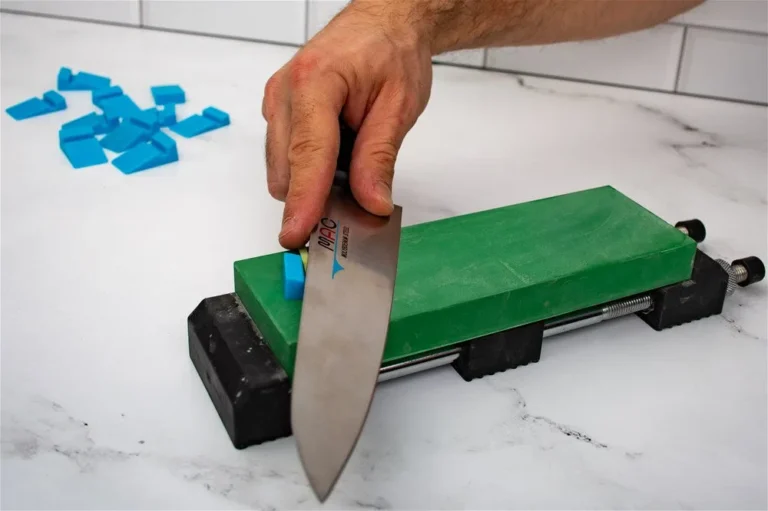
- Use Angle Guides: For beginners, clip-on angle guides are invaluable. These small plastic or metal pieces attach to the spine of your knife and rest on the sharpening surface, physically dictating the correct angle.
- Invest in a Guided System: Sharpening systems, like those with rods or jigs, hold the knife at a set angle. Many offer adjustable settings, allowing you to dial in specific degrees for different knives. This removes much of the guesswork.
- Develop a "Feel": With practice on whetstones, you’ll develop a tactile sense for the correct angle. Pay attention to the feedback you get from the stone. Does the blade feel stable and controlled? Are you grinding consistently across the bevel?
- Work in Sections: Don't try to sharpen the entire blade in one long, sweeping motion. Work from the heel of the blade to the tip in smaller, controlled sections. This helps maintain a consistent angle over the entire length.
- Check Your Work: Regularly use the marker trick or visually inspect the bevel. Look for even wear marks and signs of a developing burr. As of 2026, many high-end knife brands recommend this approach for their premium steel.
FAQ: Your Sharpening Angle Questions Answered
What's the difference between honing and sharpening?
Honing realigns a knife's existing edge, which can become bent or misaligned during use. Sharpening actually removes metal to create a new, sharp edge. Honing is a maintenance task to keep a sharp knife performing well, while sharpening is for restoring dullness.
How often should I sharpen my knives?
This varies greatly. For kitchen knives used daily for food prep, you might hone them weekly and sharpen them every 1-3 months. Outdoor knives used for tougher tasks might need sharpening more frequently.
If your knife is struggling to slice through soft tomatoes, it's likely time for sharpening.
Can I sharpen serrated knives at the same angle?
Generally, no. Serrated knives require specialized sharpening rods or stones designed to follow the individual teeth. The angle might be similar to a straight edge, but the technique and tools are different to avoid damaging the serrations.
What if my sharpening stone is too coarse or too fine?
The grit of your sharpening stone dictates how much metal it removes. Coarse stones (around 200-600 grit) are for repairing damaged edges or establishing a new bevel. Medium stones (800-2000 grit) are for general sharpening.
Fine stones (3000 grit and above) are for refining and polishing the edge to razor sharpness. Using the wrong grit can either remove too much metal or not sharpen effectively.
The remaining sections of the article will cover more advanced topics, including how to actually perform the sharpening, what to do when things go wrong, and how to maintain your newly sharpened edge. We'll also touch on the practical aspects of choosing the right tools for the job.
The Marker Trick: Seeing Your Sharpening Angle in Action
This is a cool, low-tech way to check yourself when you're sharpening by hand or trying to get a feel for your sharpening system. It provides instant visual feedback on whether you're hitting your target angle consistently.
Here’s how it works:
- Color the Bevel: Take a permanent marker and color the entire angled part of your knife's edge, the bevel. You want to get marker on the entire surface that will contact the sharpening stone.
- Sharpen as Usual: Now, attempt to sharpen your knife using your chosen angle and sharpening tool.
- Inspect the Results: Carefully examine the edge after a few strokes.
- If the marker has been removed evenly along the entire length of the bevel, you're hitting your angle correctly.
- If the marker is only removed from the very tip of the bevel, your angle is too steep (too high).
- If the marker is only removed from the heel of the bevel (closer to the spine), your angle is too shallow (too low).
This simple trick helps you make micro-adjustments on the fly, ensuring that you're creating a uniform edge rather than an inconsistent one, which is crucial for a truly sharp and durable blade.
Mastering Your Angle: Key Sharpening Techniques
Achieving the right sharpening angle consistently is about more than just knowing the numbers; it's about developing a feel and a technique. Whether you're using a whetstone, a guided system, or an electric sharpener, the principles of maintaining that angle remain critical.
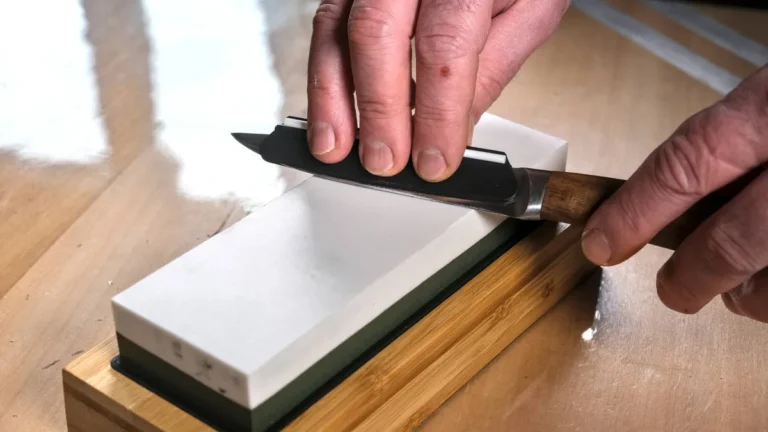
On a whetstone, this often involves developing consistent hand pressure and blade movement. You need to feel the blade edge riding flat against the stone surface at your chosen angle. For guided systems, the angle is set for you, but ensuring the knife is properly seated and that you maintain even pressure during strokes is key.
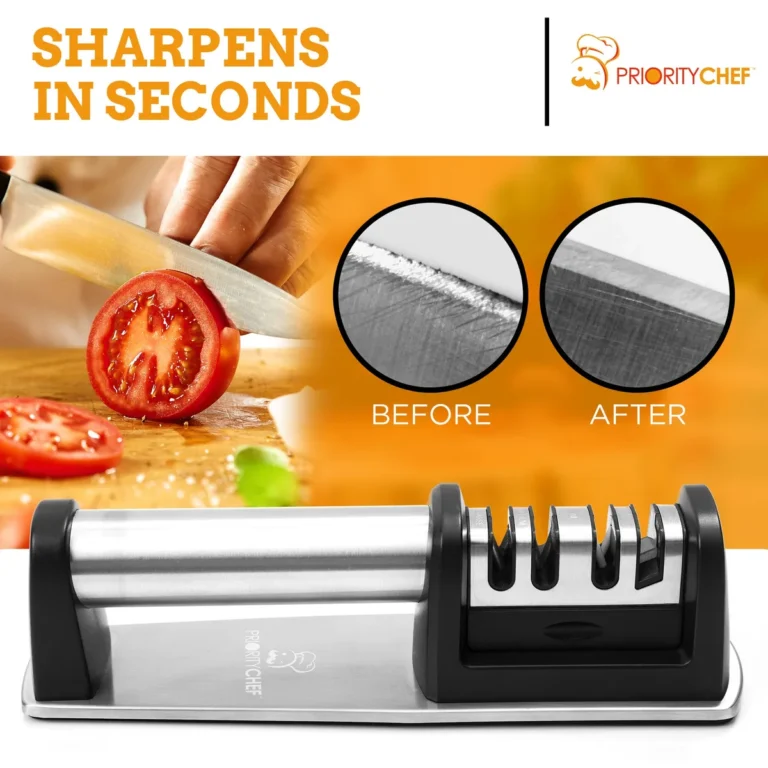
Electric sharpeners have fixed angles, but some models offer multiple slots for different bevels.
The goal is to remove metal evenly from both sides of the edge, creating a uniform V-shape. This process works by creating a micro-burr, a tiny wire edge that forms on the opposite side of the bevel as you grind. Feeling this burr form indicates you’ve ground through the entire edge.
The marker trick discussed earlier is invaluable here for confirming you’re reaching the entire bevel at your intended angle. Consistent sharpening means your knife will cut cleaner and require less frequent sharpening over its lifespan.
FAQ: Your Sharpening Angle Questions Answered
What's the difference between honing and sharpening?
Honing realigns a knife's existing edge, which can become bent or misaligned during use. Sharpening actually removes metal to create a new, sharp edge. Honing is a maintenance task to keep a sharp knife performing well, while sharpening is for restoring dullness.
How often should I sharpen my knives?
This varies greatly. For kitchen knives used daily for food prep, you might hone them weekly and sharpen them every 1-3 months. Outdoor knives used for tougher tasks might need sharpening more frequently.
If your knife is struggling to slice through soft tomatoes, it's likely time for sharpening.
Can I sharpen serrated knives at the same angle?
Generally, no. Serrated knives require specialized sharpening rods or stones designed to follow the individual teeth. The angle might be similar to a straight edge, but the technique and tools are different to avoid damaging the serrations.
What if my sharpening stone is too coarse or too fine?
The grit of your sharpening stone dictates how much metal it removes. Coarse stones (around 200-600 grit) are for repairing damaged edges or establishing a new bevel. Medium stones (800-2000 grit) are for general sharpening.
Fine stones (3000 grit and above) are for refining and polishing the edge to razor sharpness. Using the wrong grit can either remove too much metal or not sharpen effectively.