Can a Knife Sharpener Sharpen Stainless Steel Knives?

Image source: Web (Bing) / ac-illust.com (Web image (fair-use with source credit))
You've probably got a stainless steel knife in your kitchen drawer, right? Most of us do. They're super common for a reason, they're durable, resist rust like a champ, and generally hold up well.
But like any knife, they get dull. And when they do, you might be wondering if that sharpener you've got lying around is up to the task.
The short answer? Yes, most of the time. Stainless steel isn't some exotic material that requires a secret handshake to sharpen. However, "most of the time" is where the real advice comes in. It's not just about if a sharpener can do it, but how well it does it, and what the best approach is for your specific knife.
Manufacturer specifications for many common stainless steel alloys, like AISI 420, indicate a moderate hardness that is readily addressed by standard sharpening abrasives.
Quick Answer
Yes, a knife sharpener can sharpen stainless steel knives. Most common sharpeners, including electric, manual, and whetstone types, are designed to work effectively with stainless steel alloys. The key is selecting the right sharpener for the specific hardness of your stainless steel knife and using it correctly.
Understanding Stainless Steel and Its Sharpening Needs
Before we dive into sharpeners, let's quickly touch on stainless steel itself. It's an alloy, meaning it's a mix of metals. The "stainless" part comes from chromium, usually at least 10.5% of the mix.
This chromium forms a thin, invisible layer of oxide on the surface that protects it from rust and corrosion. Pretty neat, huh?
The exact composition of stainless steel can vary a lot, and that's important for sharpening. Some stainless steels are harder than others. This hardness, often measured on the Rockwell scale, directly impacts how easy or difficult it is to put a sharp edge on the knife.
For example, stainless steels with higher carbon content and alloying elements tend to be harder and can hold a finer edge but also require more effort to sharpen.
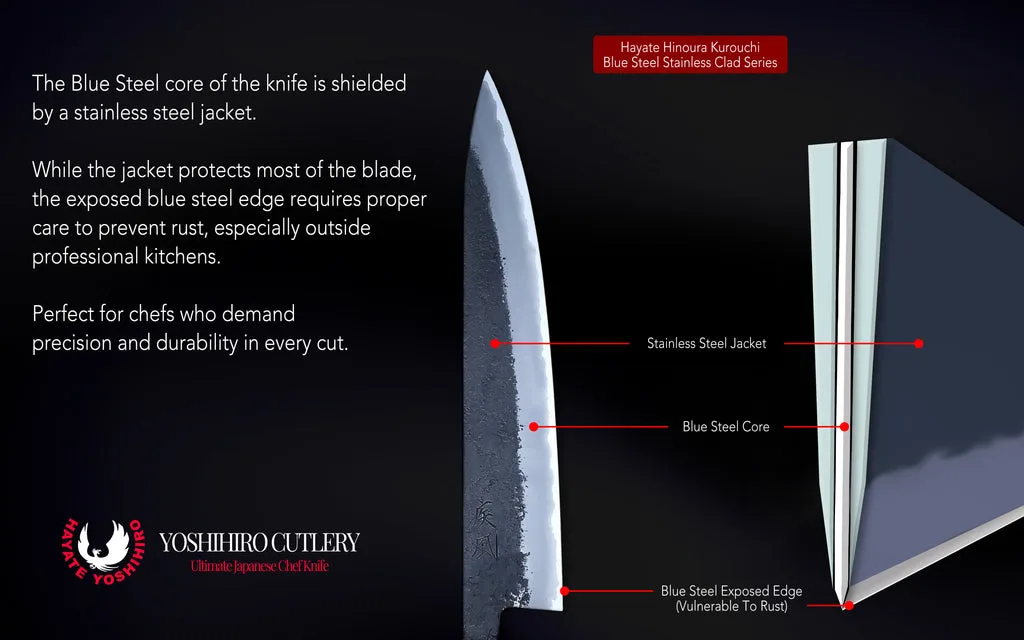
Image source: Bing (Web (fair-use with source credit))
Stainless Steel's Composition and Hardness
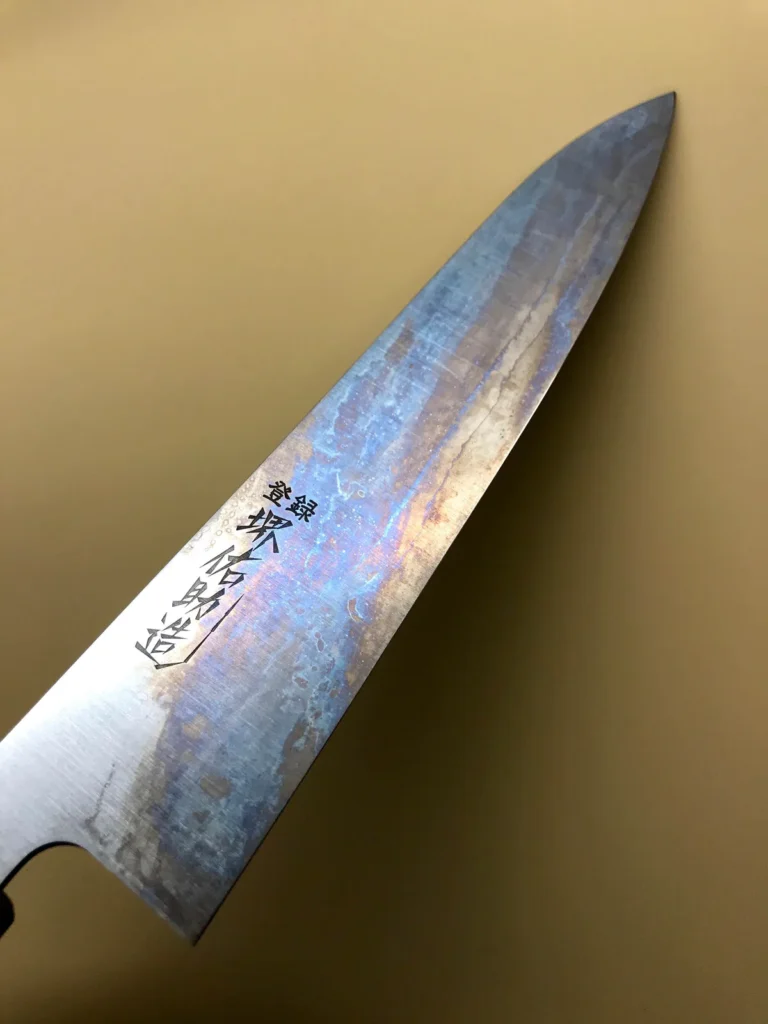
Stainless steel isn't a single material but a family of alloys. The primary elements are iron and chromium, with chromium being the key ingredient that provides corrosion resistance. Other elements like carbon, nickel, molybdenum, and vanadium are added to influence properties such as hardness, toughness, and edge retention.
- Carbon Content: Higher carbon content generally means a harder steel, which can achieve a sharper edge and hold it longer. However, very high carbon steels can also be more brittle.
- Alloying Elements: Elements like molybdenum and vanadium can increase hardness and wear resistance. Nickel and other elements can improve toughness.
- Rockwell Hardness: This is the standard scale for measuring steel hardness. For kitchen knives, Rockwell ratings typically range from about 50 HRC (softer, more flexible) to over 60 HRC (very hard, prone to chipping if not handled carefully). Most common stainless steel kitchen knives fall in the 54-58 HRC range, which is readily sharpened by standard methods.
Types of Knife Sharpeners: What's Out There?
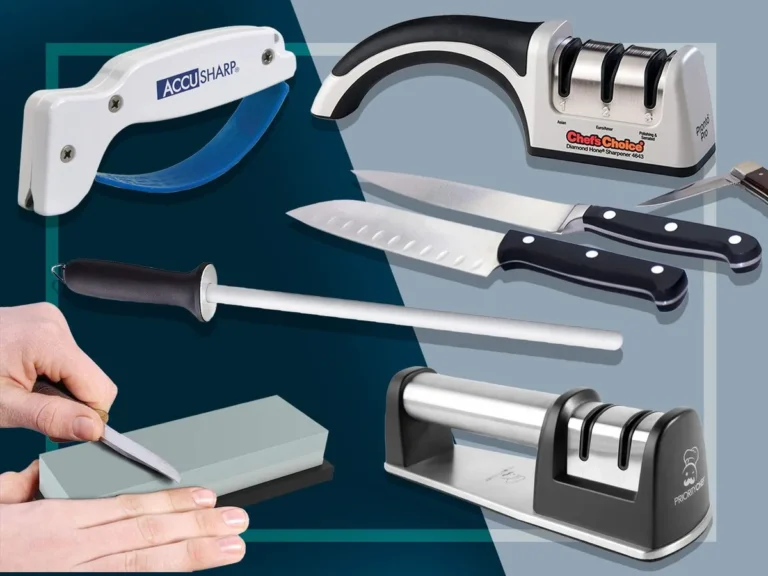
When we talk about knife sharpeners, we're usually talking about a few main types. Each has its own personality and works a bit differently, offering various levels of control, speed, and edge quality. Understanding these differences is key to choosing the right tool for your stainless steel knives.
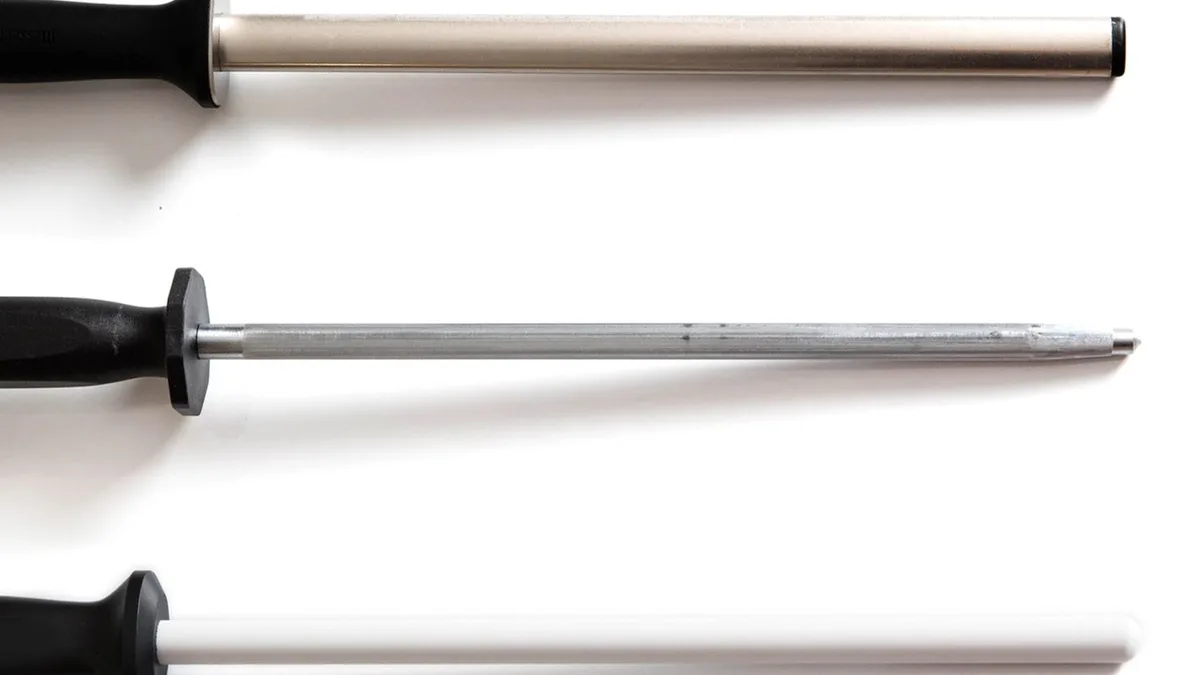
Image source: Bing (Web (fair-use with source credit))
Electric Sharpeners: Speed and Convenience
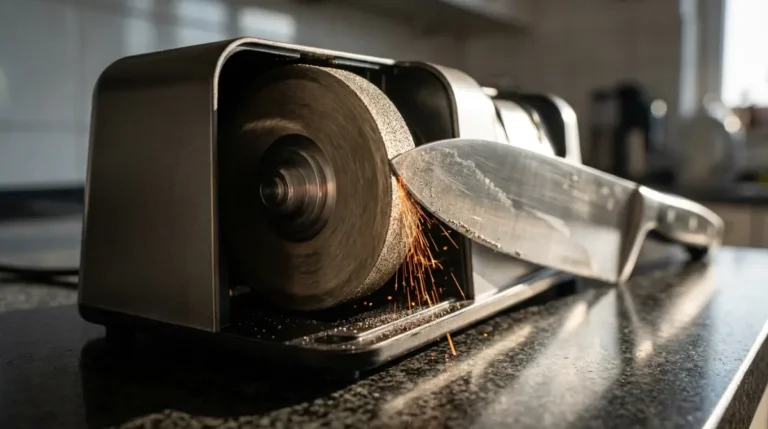
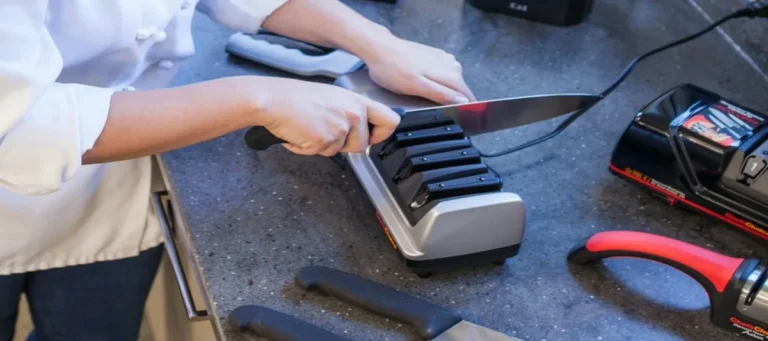
These are the quick-and-easy ones, designed for efficiency. You run the knife through slots, and motorized abrasive wheels do the work of grinding and sharpening the blade. They're fast and generally forgiving, making them a solid choice for most home cooks who want a sharp knife with minimal fuss.
Many electric sharpeners feature multiple stages: one for coarse grinding and another for fine honing, ensuring a usable edge quickly.
- How They Work: A motor spins abrasive wheels (often ceramic or diamond-coated) at a set speed and angle. You pull the knife through the guided slots, allowing the wheels to abrade the steel and restore the cutting edge.
- Best For: Users who prioritize speed, ease of use, and consistent results with minimal practice. They are particularly good for maintaining a functional edge on everyday stainless steel kitchen knives.
Manual Pull-Through Sharpeners: Simplicity and Portability
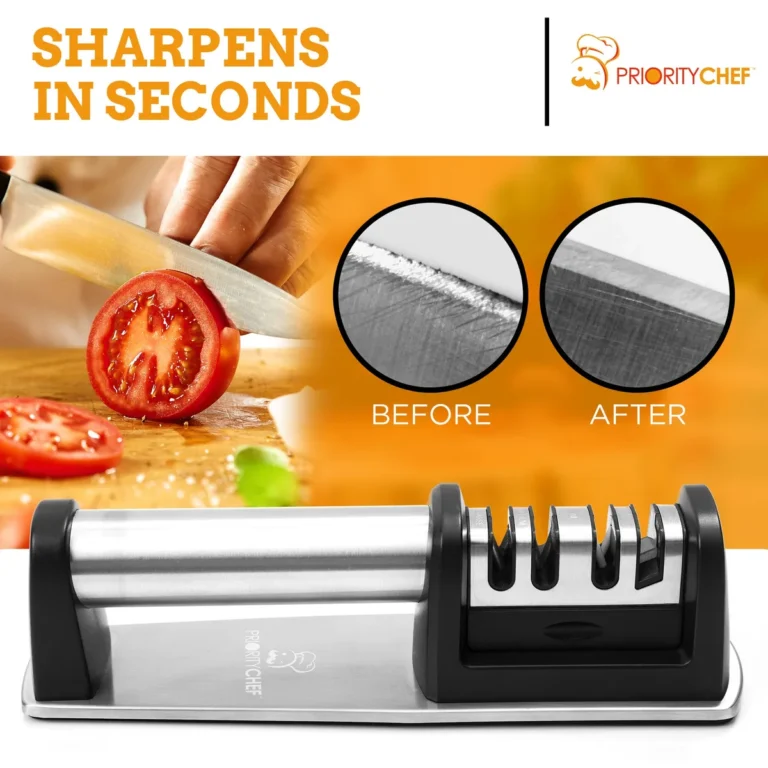
Similar to electric ones in concept, but you provide the power. These sharpeners also have V-shaped slots lined with abrasive materials like carbide or ceramic. They're portable, don't need electricity, and are often more affordable than their electric counterparts.
The key to getting good results is maintaining a steady pressure and angle as you pull the knife through the slots.
- How They Work: You hold the sharpener steady and pull the knife blade through the pre-set angle slots. The abrasive elements grind away metal to reshape the edge.
- Best For: People who need a simple, portable solution for occasional sharpening, or those who prefer not to use electric appliances. They offer a decent edge for common stainless steel knives without a steep learning curve.
Whetstones: The Art of the Edge
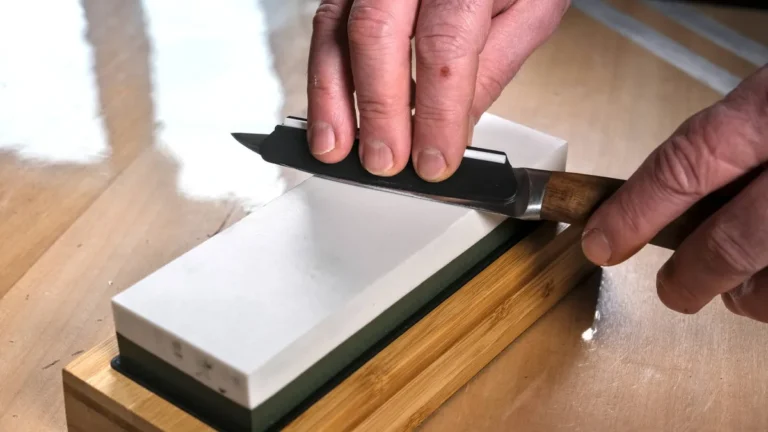
These are the traditionalists' favorites, offering the highest level of control and the potential for the sharpest edges. Whetstones, also known as sharpening stones, are flat blocks made of various abrasive materials, such as ceramic, diamond, or natural stones. You manually move the knife across the stone, maintaining a specific angle to grind the edge.
This method requires practice to master the angle and technique, but it can achieve truly exceptional sharpness, especially on harder stainless steel alloys.
- How They Work: The knife's edge is precisely ground against the abrasive surface of the stone. Different grit levels (from coarse to very fine) allow for shaping, sharpening, and polishing the edge.
- Best For: Enthusiasts and professionals who want ultimate control over their knife's edge and are willing to invest time in learning the technique. They are excellent for achieving the sharpest possible edge on any type of stainless steel.
Honing Steels: Maintaining Your Edge
This is a bit different from sharpening. A honing steel (or honing rod) doesn't actually remove metal to create a new edge; its primary function is to realign the microscopic edge of the blade that gets bent or deformed during normal use. Think of it like straightening a bent piece of wire.
A honing steel is great for maintaining an edge between true sharpenings, keeping your knife cutting effectively for longer.
- How They Work: The steel rod is used to gently stroke the blade, realigning the very tip of the cutting edge. This process restores the keenness of an already sharp edge.
- Best For: Regular maintenance of sharp knives to extend the time between full sharpenings. It's a crucial step for keeping even the best stainless steel knives performing optimally.
Comparing Sharpeners for Stainless Steel Knives
When you're looking to sharpen your stainless steel knives, the choice of sharpener can make a big difference in both the effort involved and the final result. Each type has its strengths, and understanding these helps you pick the best tool for your needs.
Electric vs. Manual: Ease of Use and Results
The main difference here is how much work you have to do. Electric sharpeners take over the grinding process, offering speed and consistency with minimal user input. Manufacturer specifications often highlight their rapid sharpening times, making them ideal for busy kitchens.
Manual pull-through sharpeners require your effort but are simpler in design and often more portable.
- Electric: Great if you want a sharp knife in seconds without much effort. They're very good for maintaining a functional edge on common stainless steel knives, though they can sometimes remove more metal than necessary if not used carefully.
- Manual: A good middle-ground for portability and simplicity. They offer decent results for stainless steel but require you to hold a consistent angle and apply steady pressure. You'll get a sharper edge with practice.
Whetstones vs. Other Methods: Control and Sharpness
This is where you see the biggest jump in potential edge quality, but also in complexity. Whetstones offer unparalleled control, allowing you to precisely set the edge angle and work through different grit levels for a razor-sharp finish. This is particularly beneficial for high-hardness stainless steels that can hold a very fine edge.
- Whetstones: If you're aiming for the absolute sharpest edge and are willing to invest time in learning the skill, whetstones are superior. They can create a more refined and durable edge on any stainless steel, from softer alloys to harder, premium steels.
- Electric/Manual: While convenient, these often have fixed angles that might not be optimal for every knife. They provide a good, functional edge but typically don't reach the same level of sharpness or refinement as a well-executed whetstone. They are, however, far easier to master.
Which Sharpener is Best for Your Stainless Steel Knife?
Choosing the right sharpener for your stainless steel knives really boils down to what you prioritize: speed, ease of use, or the ultimate sharpness. Here's a breakdown of who each type is best for.
For the Home Cook: Quick and Easy Solutions
If your stainless steel knives are primarily for everyday tasks in the kitchen, chopping vegetables, slicing bread, or preparing meals, you likely want a sharpener that's fast, simple, and gives you good results without a lot of fuss.
- Electric Sharpeners: These are often the go-to for busy home cooks. They can restore a dull blade to a usable sharpness in a minute or two. Their multi-stage systems typically provide a decent balance of sharpness and edge durability for common stainless steel alloys.
- Manual Pull-Through Sharpeners: A great portable option for a home cook. They're easy to store, don't require power, and can bring a knife back to life with a few passes. They’re particularly good for smaller knives or for touch-ups between full sharpening sessions.
For the Enthusiast: Precision and the Perfect Edge
If you're someone who appreciates the finer details of your tools and wants the best possible performance from your knives, you'll likely lean towards methods that offer more control and the potential for superior sharpness.
- Whetstones: This is the king for precision. Enthusiasts often prefer whetstones because they allow for complete control over the sharpening angle, grit progression, and finishing. This means you can achieve a truly razor-sharp, refined edge that can make a noticeable difference in your cutting tasks. It’s ideal for those who enjoy the craft of knife maintenance.
- High-Quality Electric Sharpeners: Some premium electric models offer adjustable angles or advanced sharpening systems that can provide excellent results, even for harder stainless steels. However, even the best electric sharpener typically offers less granular control than a whetstone.
Common Mistakes When Sharpening Stainless Steel
Even with the right sharpener, it's easy to make mistakes that can either leave your stainless steel knife less sharp than it could be or even damage the blade. Knowing these common pitfalls can help you avoid them.
Over-Sharpening and Wear
This is a frequent issue, especially with aggressive electric sharpeners. Pulling the knife through the sharpening slots too many times, or using a too-coarse grit when it's not needed, can remove excessive amounts of steel. Over time, this will significantly shorten the lifespan of your knife.
- How it happens: Not knowing when to stop, or using the wrong stage of a sharpener for a slightly dull knife.
- The result: A noticeably thinner blade over time and a knife that wears out prematurely. Always aim to sharpen only as much as necessary to restore the edge.
Incorrect Angle and Edge Damage
If your sharpener has a fixed angle, this is less of an issue, but it's crucial for manual pull-through sharpeners and especially whetstones. An inconsistent or incorrect angle means you aren't sharpening the edge properly, leading to a weak or uneven edge. For some harder stainless steels, an angle that’s too acute can also lead to chipping.
- The risk: An edge that dulls quickly, feels "scratchy" when cutting, or is prone to damage.
- What to watch for: On whetstones, wobbling the knife instead of maintaining a steady angle. With pull-through sharpeners, inconsistent pressure or not pulling the knife straight through the slot. Many manufacturers, like Wüsthof, recommend specific sharpening angles for their knives which can be found on their product documentation.
Maintaining Your Stainless Steel Knives' Edge
Sharpening is crucial, but maintaining that sharp edge is what makes your knives a joy to use day-to-day. For stainless steel knives, this means regular honing and proper care. Honing realigns the microscopic teeth on the blade's edge that get bent out of shape during normal cutting.
Think of it as tidying up a slightly rumpled carpet.
A honing steel or rod is your best friend here. You don't need to remove metal; just a few gentle strokes on each side of the blade can make a huge difference. Aim to hone your knife before or after each use, or at least every few uses, depending on how much you're slicing.
This simple habit can extend the time between full sharpening sessions significantly, keeping your stainless steel knives performing optimally.
- Frequency: Daily for heavy use, weekly for light use.
- Technique: Hold the knife at the same angle you would sharpen it (usually around 15-20 degrees) and draw it down the steel with light pressure. Repeat several times on each side.
- What to Avoid: Don't use a honing steel on a truly dull knife. It won't sharpen it; it will just bend an already weak edge. Also, avoid pressing too hard, as this can damage the blade.
Frequently Asked Questions About Sharpening Stainless Steel
Can I use a sharpening steel on my Japanese stainless steel knife?
Yes, you generally can use a sharpening steel on Japanese stainless steel knives, but always check the manufacturer's recommendations. Japanese knives often have a harder steel and a more acute angle (typically 10-15 degrees per side), so ensure your honing steel and sharpening angle are appropriate. A softer steel rod or ceramic rod is often preferred for harder blades.
How often should I sharpen my stainless steel knives?
The frequency depends on usage and the quality of the steel. For a heavily used kitchen knife, sharpening might be needed every 1-3 months. For lighter use, it could be every 6-12 months.
Honing regularly will extend the time between sharpenings. You'll know it's time when the knife struggles to slice through softer foods like tomatoes without tearing.
Will sharpening damage my stainless steel knife?
Sharpening, if done incorrectly, can indeed damage your knife. Over-sharpening can thin the blade excessively. Using the wrong type of sharpener for your steel type, or an incorrect angle, can create a weak edge that chips easily or doesn't cut well.
Always follow the manufacturer's instructions for your specific sharpener and knife.
Can electric sharpeners sharpen all types of stainless steel?
Most electric sharpeners are designed to handle common stainless steel alloys found in kitchen knives. However, very hard, high-performance stainless steels may require specialized sharpening systems or whetstones to achieve and maintain their optimal edge. Always check the sharpener's specifications to see what types of steel it's rated for.
What's the difference between sharpening and honing?
Sharpening involves removing a small amount of metal from the blade's edge to create a new, sharp cutting surface. Honing, on the other hand, realigns the existing microscopic edge that has become bent or wavy from use. Honing maintains sharpness; sharpening restores it when it's lost.
Your Verdict: Choosing the Right Sharpener
So, can a knife sharpener sharpen stainless steel knives? Absolutely. The real question becomes: which sharpener is going to give you the best results for your specific needs and knives?
For most home cooks, a quality electric or manual pull-through sharpener offers a great balance of ease of use, speed, and effectiveness for their everyday stainless steel blades. They provide a sharp edge reliably without requiring extensive practice.
If you're an enthusiast who craves that perfect, razor-sharp edge and enjoys the process of knife maintenance, investing time in learning to use whetstones is highly rewarding. They offer unparalleled control and can bring even the hardest stainless steel to an exquisite sharpness. Regardless of your choice, remember that regular honing is key to keeping any stainless steel knife performing at its best between actual sharpening sessions.