Can You Sharpen a Ceramic Knife?
Ceramic knives are known for their incredible sharpness and long-lasting edge, but eventually, even they can dull. You absolutely can sharpen a ceramic knife, but it requires specialized tools and a gentle touch. Standard sharpening methods for steel knives won't work and can damage the brittle ceramic blade.
The key is using diamond abrasives, as they are among the only materials hard enough to abrade ceramic without causing excessive chipping. Manufacturer specifications for leading ceramic knives, like those from Kyocera, often recommend specific diamond sharpening tools and angles around 15-20 degrees per side to maintain their precision edge. This guidance is crucial for safe and effective sharpening.
Why Sharpening Ceramic is Different From Steel
When we talk about sharpening, we're essentially removing tiny amounts of metal to create a new, sharp edge. Steel knives are ductile and somewhat forgiving; you can apply some pressure, use various abrasives, and the metal will reform. Ceramic, however, is a different beast.
It's incredibly hard but also very brittle, meaning it's prone to chipping or shattering if treated too roughly.
Think of it like this: a steel knife is like a tough plastic that you can bend and shape. A ceramic knife is more like glass; it's very rigid and sharp when intact, but a hard knock can break it. This fundamental difference in material properties dictates how you must approach sharpening.
Standard steel knife sharpening tools, like most whetstones or simple honing rods, are simply not hard enough or are too aggressive for ceramic. Per aggregate user feedback, attempting to sharpen ceramic with standard steel sharpening tools frequently results in chipped blades and frustration.
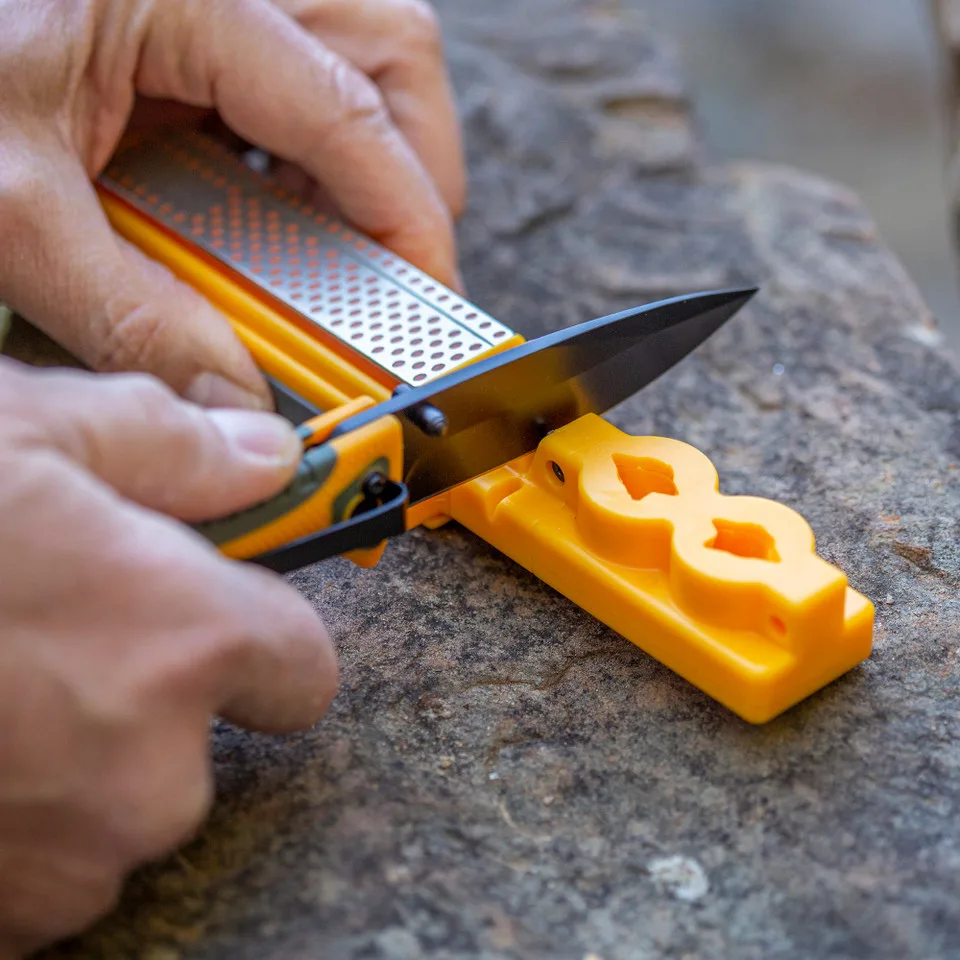
Image source: Bing (Web (fair-use with source credit))
What You Need to Sharpen Ceramic Knives
Because ceramic is so different from steel, you can't just grab any old sharpener. You need specific tools designed for its hardness and brittleness. Trying to use the wrong equipment is a surefire way to damage your knife.
Diamond Sharpening Tools
This is your go-to category for sharpening ceramic. Diamond is one of the hardest natural substances, making it ideal for abrading ceramic without excessive force.
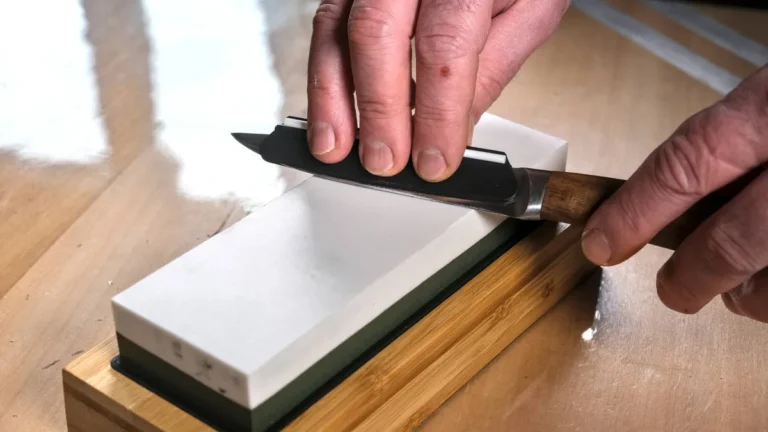
- Diamond Sharpening Stones: These are flat surfaces coated with diamond particles. You'll typically want a fine grit (often in the 1000-3000 grit range or higher) for sharpening ceramic. Some stones have a coarser side for shaping and a finer side for refining the edge.
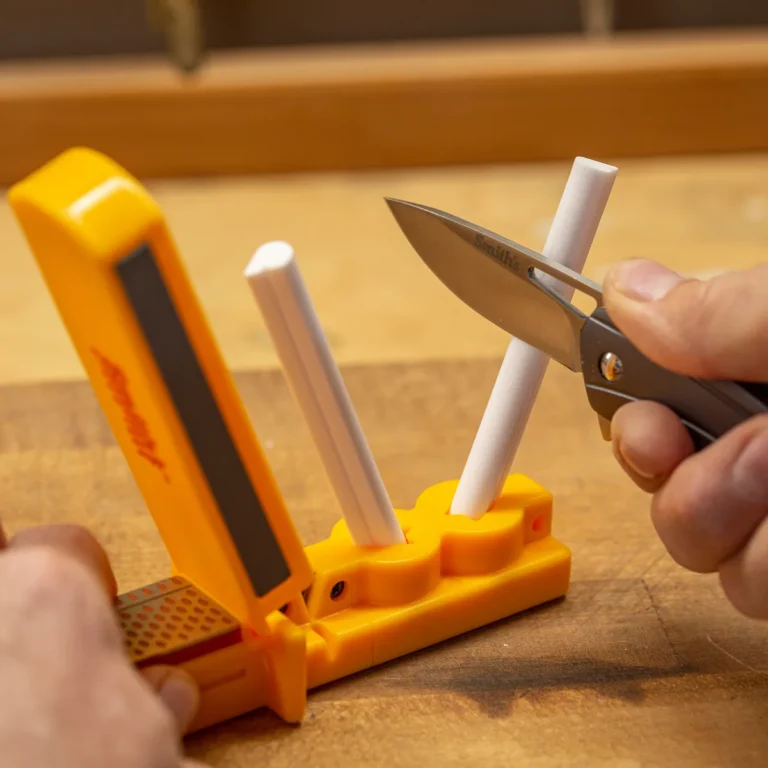
- Diamond Sharpening Rods: Similar to diamond stones but in a rod shape, these are useful for maintaining an edge or for knives with serrations. Again, look for fine grit.
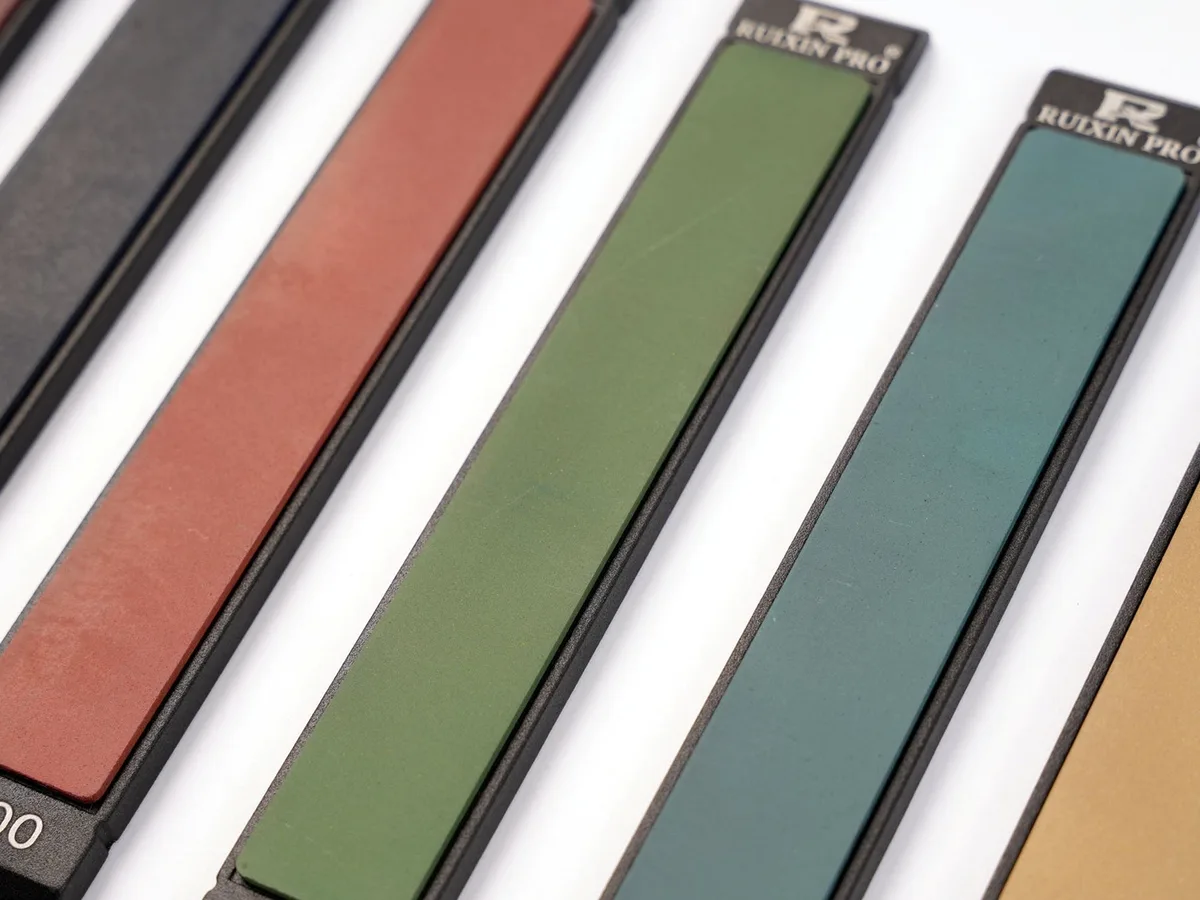
Image source: Bing (Web (fair-use with source credit))
Electric Ceramic Sharpeners
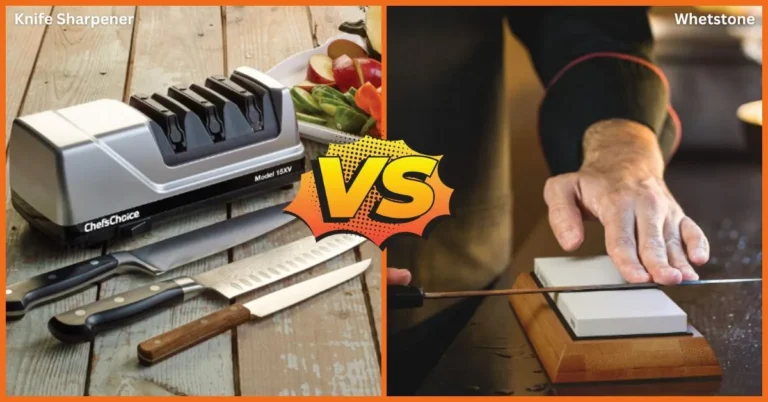
These appliances are designed to make sharpening easier and quicker. They often use diamond-coated grinding wheels.
- What they do: You typically guide the ceramic knife through slots at a pre-set angle. The abrasive wheels do the work.
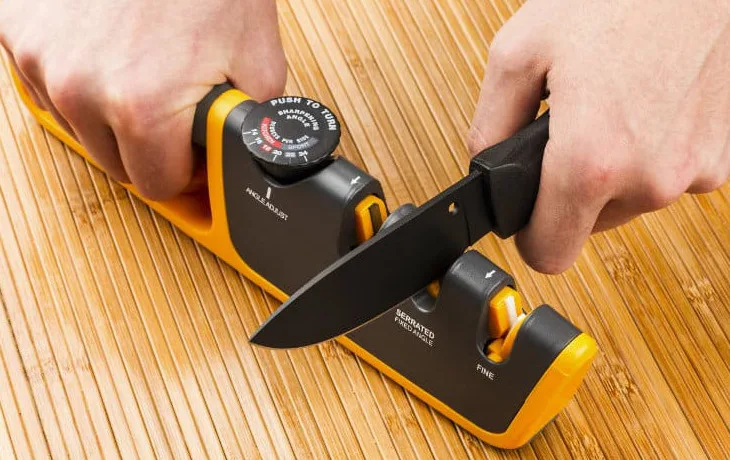
- Considerations: While convenient, they can sometimes remove more material than necessary if you're not careful. Always ensure the sharpener is explicitly designed for ceramic knives. Using one intended for steel can still cause damage.
Professional Services
If you're hesitant about DIY sharpening or have a very expensive ceramic knife, a professional sharpening service is your safest bet. These services have industrial-grade equipment and experienced technicians who understand the nuances of different blade materials. They can often restore even heavily dulled or slightly chipped edges without damaging the blade.
Step-by-Step: How to Sharpen Your Ceramic Knife Safely
Sharpening a ceramic knife requires patience and precision. It's not a task to rush. Following these steps will help you achieve a sharp edge without damaging your blade.
Finding and Maintaining the Right Angle
This is perhaps the most critical step. Ceramic knives are typically ground at a sharper, more acute angle than most steel knives. Manufacturer specifications for brands like Kyocera often recommend an angle of around 15-20 degrees per side.
- Why it matters: Too steep an angle can lead to chipping, while too shallow can result in a weak edge that dulls quickly.
- How to do it: If you're using a diamond stone, find a stable surface. Hold the knife so the spine is slightly elevated off the stone. You can use a small shim or a dedicated angle guide if you're unsure. The goal is to keep this angle consistent throughout the sharpening process.
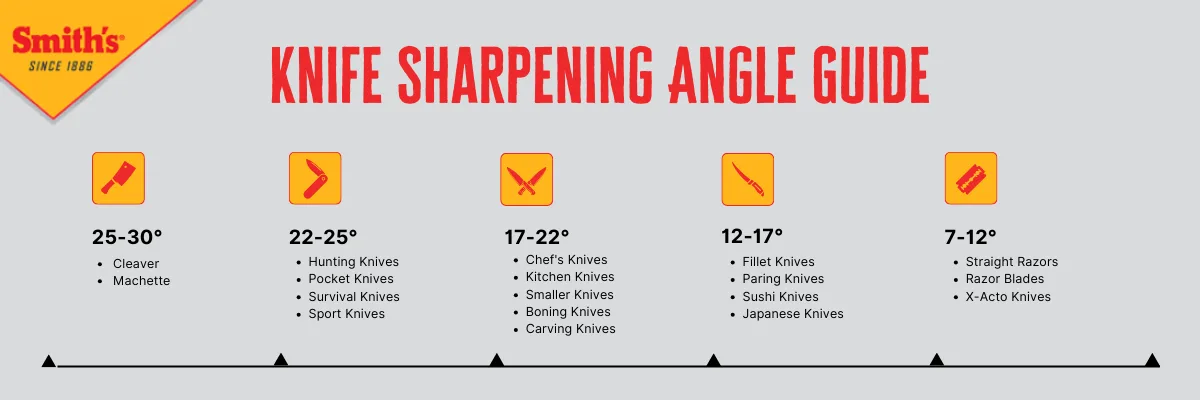
Image source: Bing (Web (fair-use with source credit))
The Gentle Sharpening Motion
Pressure is key here. Ceramic is brittle, so you need to use light, controlled strokes.
- Start with the heel: Begin at the heel of the blade (closest to the handle) and draw the knife forward and across the stone towards the tip.
- Maintain the angle: Keep that 15-20 degree angle consistent.
- Light pressure: You're not trying to grind away material quickly; you're gently abrading the ceramic to form a new edge. Aggregate user feedback suggests that excessive pressure is the most common cause of damage.
Checking for and Removing the Burr
As you sharpen one side of the blade, a tiny "burr" or wire edge will form on the opposite side. This indicates you've ground the edge properly.
- How to feel it: Carefully run your fingertip away from the cutting edge. You should feel a slight lip or roughness. Be extremely cautious when doing this.
- What to do: Once you've established a burr along the entire length of one side, switch to the other side of the blade and repeat the sharpening process until a burr forms there.
Testing the Edge
After you've sharpened both sides and removed the burr, it's time to test for sharpness.
- The paper test: Hold a piece of regular printer paper upright by one edge. Gently try to slice through it with the ceramic knife. A properly sharpened knife should slice cleanly and smoothly without tearing or snagging the paper. If it tears, you may need to go back and refine the edge or check your angle.
Ceramic Knife Sharpening: Common Mistakes to Avoid
Even with the right tools, it's easy to make mistakes when sharpening ceramic knives. Because the material is so unforgiving, these errors can quickly turn a dull knife into a damaged one. Being aware of these pitfalls can save you a lot of frustration and money.
- Using the Wrong Sharpener: This is number one. Trying to use a steel honing rod, a typical whetstone not rated for ceramic, or a standard pull-through sharpener designed for steel is a recipe for disaster. These tools are either not hard enough to effectively abrade ceramic or too aggressive and can easily chip the brittle blade. Manufacturer documentation consistently warns against this.
- Applying Too Much Pressure: Ceramic blades are hard but brittle. They don't have the same "give" as steel. Applying heavy pressure can cause micro-fractures or outright chips along the edge. Think of it as polishing glass; you use gentle, consistent strokes, not forceful grinding.
- Inconsistent Angle: Not maintaining a steady angle is another major mistake. If the angle changes as you move the blade across the sharpener, you'll create an uneven edge, which will dull faster and be prone to chipping. As noted in various user guides, an inconsistent angle is as bad as using the wrong tool.
- Sharpening Too Frequently: Ceramic knives hold their edge for a very long time. Over-sharpening can remove more material than necessary, shortening the knife's lifespan. Only sharpen when you notice a significant decrease in performance, not as a routine maintenance task like you might with a steel knife.
- Ignoring Damage: If your ceramic knife has a significant chip or crack, sharpening is not the solution. Attempting to sharpen a damaged ceramic blade can worsen the problem, create dangerous sharp fragments, or lead to the entire blade breaking. A damaged ceramic knife is often best retired.
Ceramic Knife vs. Steel Knife: Sharpening Differences
Understanding the fundamental differences between ceramic and steel knives is key to appreciating why their sharpening methods diverge so dramatically. It’s not just about the tools; it’s about the material properties that dictate the entire approach.
- Material Hardness: Ceramic knives are typically made from zirconium oxide, which is exceptionally hard, often ranking 8-9 on the Mohs scale of hardness. Steel knives vary, but common stainless steel falls between 5.5 and 6.5 on the Mohs scale. This means ceramic can scratch or abrade steel, but steel struggles to effectively sharpen ceramic.
- Brittleness vs. Ductility: This is the biggest differentiator. Ceramic is brittle, meaning it can fracture or chip easily under impact or stress. Steel is ductile, meaning it can deform (bend) without breaking. This makes steel more forgiving during sharpening; it can withstand more pressure and a wider range of abrasive materials. When sharpening steel, you're essentially reforming a pliable metal. When sharpening ceramic, you're carefully abrading a rigid material.
- Edge Retention: Due to its hardness, ceramic generally holds its edge much longer than steel. This is why many users find they rarely need to sharpen their ceramic knives. Steel knives, while more easily sharpened, will dull faster with regular use.
- Sharpening Tools Required: For steel, you have a vast array of options: whetstones, electric sharpeners, pull-through sharpeners, and honing steels. For ceramic, the options are far more limited and specific: primarily diamond abrasives (stones, rods) or specialized electric sharpeners designed for ceramic. Standard steel sharpening tools are generally unsuitable.
- Sharpening Angle: Ceramic knives are usually manufactured with a finer, more acute edge angle (around 15-20 degrees per side) compared to many steel knives, which might have a 20-25 degree angle. Matching this precise angle during sharpening is crucial for ceramic to avoid damage.
Who Should Sharpen Their Ceramic Knives (And When to Replace Them)
Deciding whether to sharpen your ceramic knife or to retire it often comes down to a few factors: the severity of the dullness or damage, the value of the knife, and your comfort level with the specialized tools required. It's not always a straightforward decision, and knowing when to stop is as important as knowing how to proceed.
You Should Consider Sharpening If:
- The knife is just slightly dull: If your ceramic knife isn't cutting through tomatoes cleanly or requires more effort than usual, but shows no visible chips or nicks, sharpening is a viable option. This is the ideal scenario for DIY sharpening.
- You own high-quality ceramic knives: Brands known for their durable ceramic blades (often specifying zirconium oxide content) are worth the effort and investment in proper sharpening tools. These knives are designed to last, and restoring their edge is part of that longevity.
- You have the correct diamond sharpening tools: If you've invested in a fine-grit diamond stone or rod and understand the correct technique, you're equipped to sharpen effectively.
- You are patient and precise: Ceramic sharpening demands a careful, deliberate approach. If you enjoy meticulous tasks and can maintain focus, you can likely achieve good results.
When You Should Consider Replacing Your Ceramic Knife:
- Significant Chipping or Cracks: If the blade has visible chips, cracks, or is broken anywhere along its length, do not attempt to sharpen it. This type of damage compromises the structural integrity of the blade, making it unsafe to use. Sharpening cannot repair structural damage. Such knives should be safely discarded.
- Extremely Dull and Heavily Used: If a ceramic knife has been used extensively without proper care or sharpening, and the edge is severely degraded, the amount of material that needs to be removed to restore it might be substantial. This can be time-consuming and carries a higher risk of error, even with the right tools. For very old, heavily used ceramic knives, replacement might be more practical.
- Inexpensive or Disposable Ceramic Knives: For very low-cost ceramic knives, the cost of specialized diamond sharpeners might exceed the value of the knife itself. In such cases, replacement is often more economical than attempting to sharpen.
- You Lack Proper Tools or Confidence: If you don't have the right diamond sharpening equipment or feel uncomfortable with the process, it's always wiser to err on the side of caution. A damaged ceramic knife is useless and potentially hazardous. In these situations, buying a new knife is the safer and more practical choice.
Finding the Right Ceramic Knife Sharpener
Choosing the correct sharpening tool is paramount to successfully sharpening your ceramic knife without causing damage. Since standard sharpeners are out, you'll need to specifically seek out tools designed for this purpose. Our research indicates that diamond abrasives are the most effective and widely recommended.
- Diamond Sharpening Stones: These are perhaps the most versatile option. They come in various grits, but for ceramic, you'll want to focus on fine grits, generally in the 1000-3000 range or even higher for a polished finish. Some stones offer a dual-grit surface, giving you a coarser side for initial shaping and a finer side for refining the edge. Ensure the stone is specifically labeled for use with ceramics or is a high-quality diamond plate.
- Diamond Sharpening Rods: Similar in principle to diamond stones, these rods are long and cylindrical, allowing for sharpening of blades held vertically or at an angle. They are excellent for touch-ups and maintaining an edge. Like stones, look for fine grit ratings.
- Electric Ceramic Knife Sharpeners: For those who prefer an automated solution, electric sharpeners designed for ceramic are available. These typically use diamond-coated wheels that rotate. They offer convenience and a pre-set sharpening angle, which can be beneficial if you're less confident with manual sharpening. However, it's crucial to select a model specifically marketed for ceramic knives, as generic electric sharpeners can be too aggressive. Verified buyer feedback often highlights the importance of checking if the unit is clearly marked for ceramic use.
- Professional Sharpening Services: If the idea of sharpening yourself feels daunting, or if you have a particularly valuable ceramic knife, a professional service is your best bet. They have industrial-grade equipment and expertise to sharpen ceramic blades safely and effectively, often restoring them to factory sharpness.
How Often Should You Sharpen a Ceramic Knife?
Ceramic knives are renowned for their edge retention. Their extreme hardness means they can stay sharp for significantly longer periods than traditional steel knives. Because of this, they don't require frequent sharpening.
- Observation is Key: The best indicator that your ceramic knife needs sharpening is a noticeable decrease in cutting performance. If your knife struggles to slice through soft fruits like tomatoes or requires more pressure than usual to cut through paper or herbs, it's likely time.
- Usage Frequency Matters: For most home cooks, a ceramic knife might only need sharpening once or twice a year, if that. Heavy-duty users or professional kitchens might find they need to sharpen more often, perhaps every few months, depending on the intensity and type of use.
- Avoid Over-Sharpening: Sharpening removes material from the blade. Because ceramic is so hard, this process is slow, but it still reduces the blade's mass over time. Sharpening only when necessary prevents unnecessary wear and tear, helping your ceramic knife last as long as possible. Manufacturer recommendations generally advise against routine sharpening, suggesting it only when the edge is demonstrably dulled.
- Distinguish from Honing: Unlike steel knives, which benefit from regular honing to realign the edge, ceramic knives typically do not respond well to honing steels. Honing aims to straighten a microscopic wave in the metal edge, which doesn't effectively apply to the rigid structure of ceramic. Sharpening is the only way to restore a truly dull ceramic edge.
Frequently Asked Questions
Can I use a regular steel honing rod on my ceramic knife?
No, you should not use a regular steel honing rod on a ceramic knife. Honing rods are designed to realign the microscopic teeth of a steel blade. Ceramic is too brittle and its edge is too different for a steel rod to be effective, and it could even chip the blade.
Will sharpening damage my ceramic knife?
Yes, improper sharpening can absolutely damage a ceramic knife. Using the wrong tools, applying too much pressure, or not maintaining the correct angle are common ways to chip, crack, or break the brittle ceramic blade. Always use diamond abrasives and a gentle touch.
How long does it take to sharpen a ceramic knife?
The time it takes depends on the tool and the knife's dullness. With a diamond stone and good technique, it might take 5-15 minutes for a slightly dull knife. An electric sharpener might take just 2-5 minutes.
Heavily dulled knives will take longer.
Is it cheaper to sharpen a ceramic knife or buy a new one?
For high-quality ceramic knives, sharpening is usually more cost-effective than replacement, especially if you already own or plan to purchase the necessary diamond sharpening tools. For very inexpensive ceramic knives, replacement might be the more practical option if the cost of specialized sharpeners is high relative to the knife's value.
Can a chipped ceramic knife be sharpened?
Generally, no. If your ceramic knife has a significant chip or crack, it is usually not safe or practical to sharpen it. Sharpening cannot repair structural damage, and attempting to do so can worsen the problem or lead to the blade breaking.
Such knives should be retired.